Why Physical Media Is Becoming Essential Again
I touched on this on the recent Tech Addicts podcast, however, I wanted to take the time an lay out my feelings and fears.
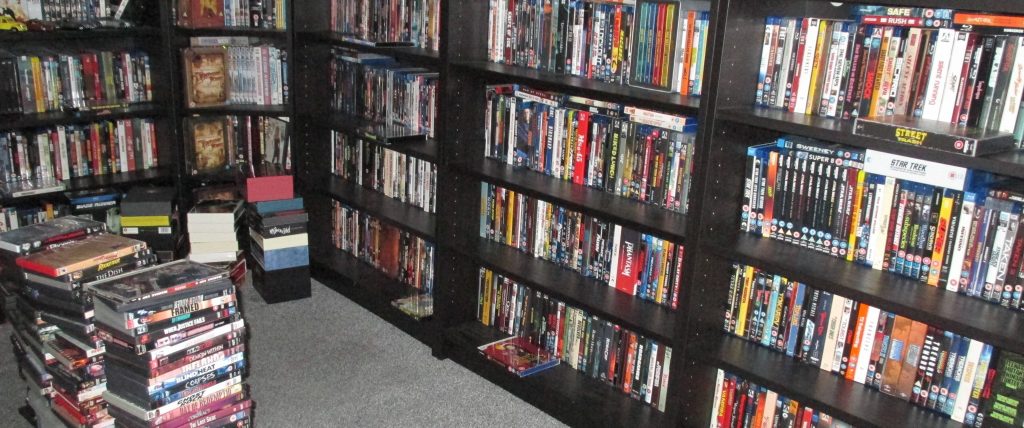
There was a time when buying a film meant exactly that. You walked into a shop, picked up a DVD, Blu-ray or VHS, handed over your money and went home with something tangible. That film became part of your collection. Twenty years later, the entertainment industry has quietly redefined what “buy” means, and many people haven’t noticed.
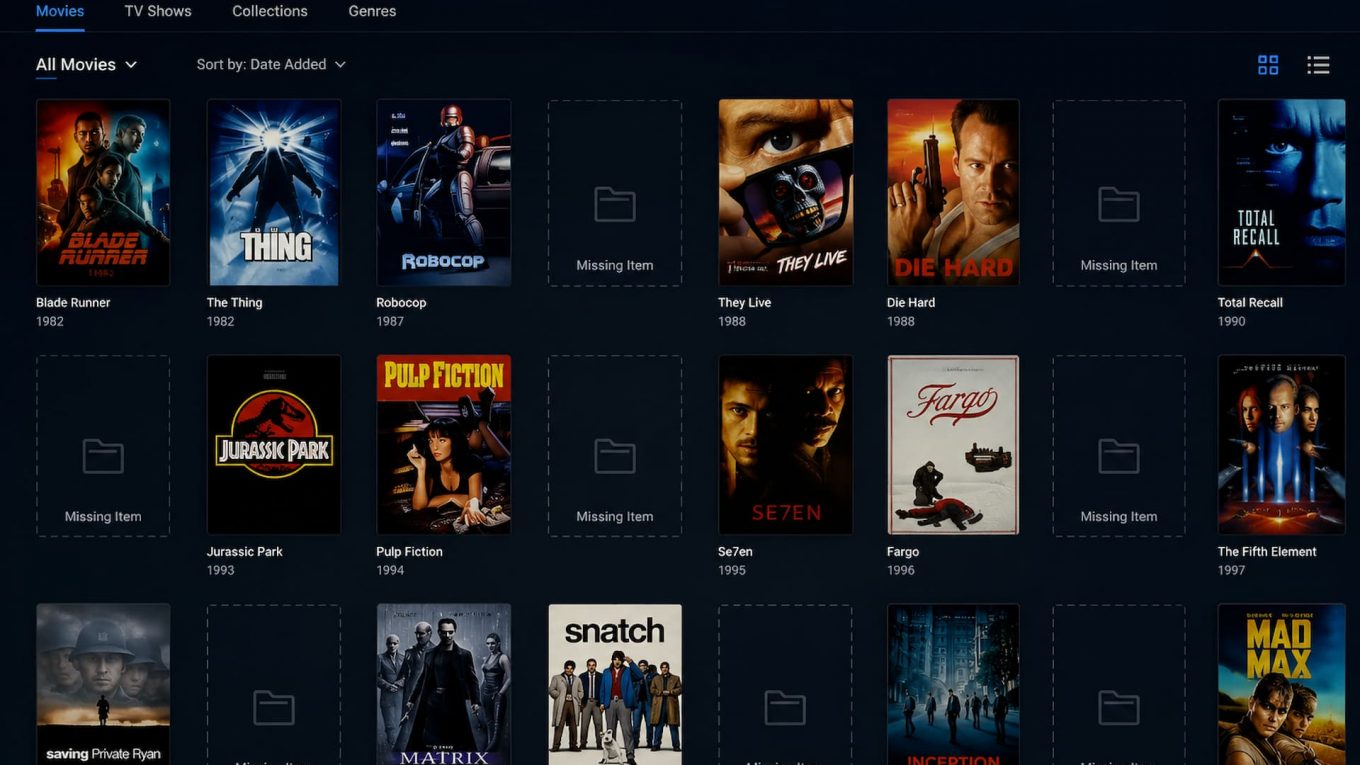
Today’s digital storefronts are incredibly convenient. Apple TV, Google TV, PlayStation Store, Fandango at Home and similar services allow us to build enormous libraries without ever finding space for another shelf. The problem is that these collections often exist only as long as the companies behind them continue to support them and maintain the licences that make those films available. You may have paid £15.99 for your favourite movie, but in reality you’ve usually purchased permission to access it, not ownership in the traditional sense.
That distinction has become increasingly important as films continue to disappear from digital libraries due to expired licensing agreements or distribution changes. While major companies have generally worked to minimise disruption, their terms of service make one thing clear: access to digital content isn’t guaranteed forever. If the rights holder changes its mind, if contracts expire, or if a service eventually closes, consumers have very little control over the outcome.
Streaming Isn’t the Same as Digital Ownership
It’s also worth distinguishing between two very different types of digital consumption that are often grouped together. Subscription services such as Netflix, Disney+, Paramount+ and Shudder don’t sell films at all. Instead, you’re paying for temporary access to a constantly changing catalogue. When your subscription ends, so does your access, and titles can be added or removed at any time as licensing agreements evolve. Most subscribers understand this arrangement; you’re effectively renting access to a library rather than building one of your own.
Digital storefronts such as Apple TV, Amazon Prime Video, Google TV and the PlayStation Store occupy a more confusing middle ground. Here, customers are invited to buy individual films and television series, creating what appears to be a permanent collection. In reality, those purchases are usually licences that remain available only for as long as the retailer has the rights to provide them and the service itself continues to operate. While this offers far greater longevity than a subscription catalogue, it still isn’t ownership in the same sense as having a disc on your shelf. The distinction may seem subtle, but it’s an important one. A streaming subscription promises access while you pay. A digital purchase promises access for as long as the underlying licences and platform allow. Physical media, by comparison, is the closest most consumers can get to true long-term ownership.
The Difference a Disc Makes
Physical media isn’t immune to licensing either. When you buy a DVD or Blu-ray, you’re still purchasing a licence to watch the film privately. You don’t own the copyright, and you can’t legally copy or publicly screen the movie.
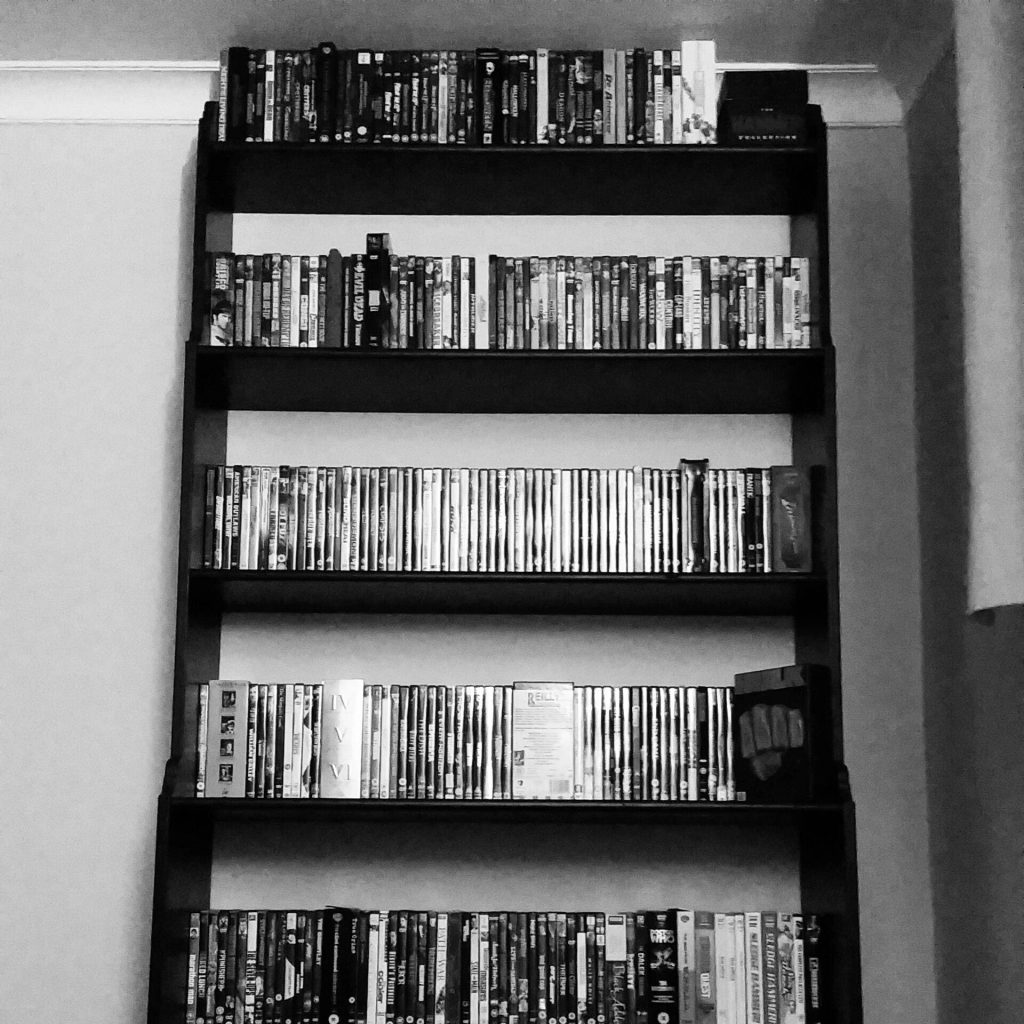
What you do own is everything else. You own the disc. You own the case. You own the booklet. You own the special features, commentaries, deleted scenes and artwork that often disappear in the streaming era. Most importantly, nobody can remotely reach into your home and remove that copy from your collection.
Unless someone physically takes it away, that film remains yours to watch whenever you choose. That’s a level of permanence digital media simply cannot replicate.
Horror Fans Already Know This
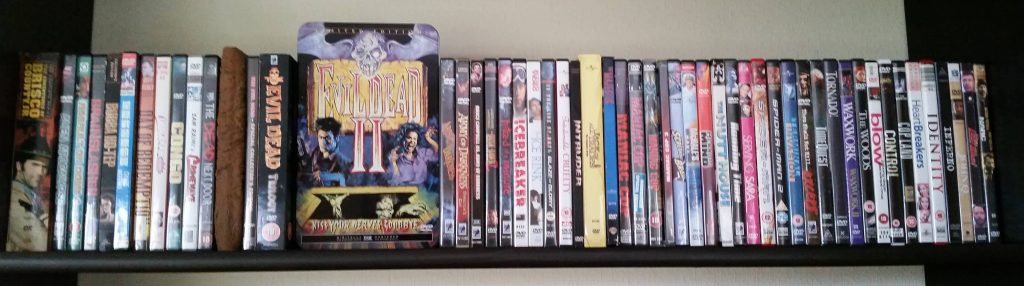
If you’re a horror fan, you’ve probably experienced the frustration firsthand. Films appear on streaming services for a few months before quietly disappearing. Uncut versions are replaced with censored edits. Boutique labels release definitive restorations packed with documentaries, commentaries and alternate cuts, while streaming platforms often offer nothing more than the feature itself. Admittedly, there is a licensing issue here too, a company like Arrow may create a feature, retain the rights and the feature will not appear on subsequent releases from a different label.
Collectors aren’t buying shelves full of discs because they dislike technology. They’re buying them because they want certainty. When companies like Severin, Vinegar Syndrome, Arrow Video and 88 Films rescue forgotten gems from obscurity, there’s reassurance in knowing that those restorations will still be available years from now, even if the streaming rights vanish overnight.
So What Happens to Your Digital Collection?
The honest answer is nobody knows.
Apple is unlikely to disappear tomorrow. Google isn’t about to switch off its servers next week. Sony’s PlayStation Store has, however, recently seen parts of its catalogue disappear, the result of changing licensing agreements due to the increasing cost of storing and delivering vast libraries of digital content.
It’s easy to assume that keeping a film available digitally simply means storing a single video file on a server, but the reality is far more complex. Each title is typically held in multiple versions to support different languages, subtitles, audio tracks, codecs and streaming qualities. When you choose to watch a film on a slower internet connection, the service isn’t re-encoding the movie on the fly; it’s delivering a completely different pre-encoded file. Multiply that by thousands of films across dozens of territories and it’s easy to see why maintaining these libraries is an expensive undertaking. While storage costs were speculated to fall over time the demand for AI has blasted in and upset the balance. The sheer scale of these digital catalogues means studios and storefronts must constantly weigh the cost of keeping every version of every film online against the revenue those titles generate. Sony must have decided StudioCanal were asking too much to continue the licensing agreement.
But history tells us that digital services are temporary.
We’ve already watched companies close music stores, ebook platforms and video marketplaces over the last two decades. Microsoft’s ebook store disappeared. UltraViolet shut down. Various regional movie services have quietly vanished, leaving customers scrambling to migrate their purchases where possible.
Eventually, today’s digital movie stores will also change. Perhaps libraries will transfer to successor services. Perhaps downloads will continue working indefinitely. Perhaps rights holders will negotiate migration agreements. Or perhaps they won’t.
The uncomfortable truth is that every digital collection exists at the mercy of contracts you’ve never read between companies you’ve never dealt with.
Can You Protect Your Media?
To a degree. If a service allows downloads for offline viewing, take advantage of them, although remember these are usually protected by DRM and often still rely on the service’s continued authorisation.
Keep digital redemption codes from physical releases where possible, and use services that link purchases across multiple retailers if they’re available in your region. Above all else, buy physical editions of the films you genuinely care about.
If losing access to a film would genuinely upset you, don’t leave its future entirely in someone else’s hands.
Is It Time to Collect DVDs Again?
Surprisingly… yes.
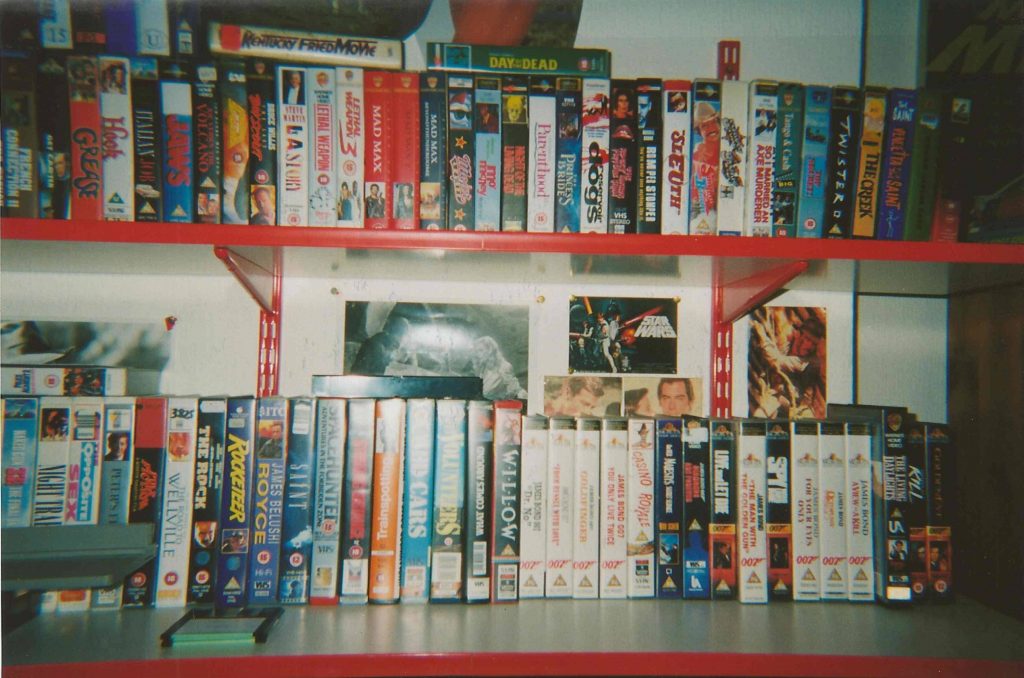
Not because DVDs are technically superior, they aren’t, but because they’re cheap, abundant and remarkably reliable. Charity shops are overflowing with discs for pennies. Car boot sales are full of forgotten collections. Entire filmographies can often be picked up for less than the cost of renting a handful of new releases online.
Better still, DVD players remain common, Blu-ray players are backwards compatible, and even many games consoles still support physical discs.
For enthusiasts, Blu-ray and 4K UHD remain the gold standard, offering vastly better picture quality, lossless audio and extensive bonus features. But there’s no shame in picking up DVDs either, particularly for films that have never received a modern high-definition release.
The Future Might Look Surprisingly Familiar
The irony is impossible to ignore. As technology has become more advanced, our ownership rights have quietly become weaker. The convenience is undeniable, but it comes at the cost of control.
Physical media once looked destined for extinction. Instead, it’s beginning to resemble something else entirely: insurance.
Insurance that your favourite films won’t disappear because a contract expired.
Insurance that the version you love won’t be replaced by a different edit.
Insurance that, twenty years from now, you’ll still be able to pull a film from the shelf, slide it into a player and watch it exactly as you remember it.
For collectors, that’s worth far more than another icon sitting in a digital library that someone else ultimately controls.