Outlaw (2001)
There is something strangely admirable about obscure direct-to-video thrillers that vanish almost as quickly as they appear. Films like Outlaw drift through the margins of cinema history, half-forgotten relics of the late VHS and early DVD era, discovered years later in bargain bins, flea markets, or dusty second-hand shops. My own copy of Outlaw surfaced at a Miami flea market for the princely sum of fifty cents, which feels oddly appropriate for a film that seems to have struggled simply to exist. Released in 2001 and directed by cult actor Bo Svenson, Outlaw barely registered outside the United States and appears to have slipped past most video library shelves entirely.
That obscurity is understandable, but it also gives the film a peculiar fascination. Outlaw feels less like a conventional crime thriller and more like a passion project assembled through sheer persistence, favours, and determination. Svenson co-wrote, directed, and co-stars in the film, and the entire production carries the energy of a filmmaker trying to recreate the hard-boiled noir thrillers he clearly loves, despite lacking the budget or technical polish to fully realise them.
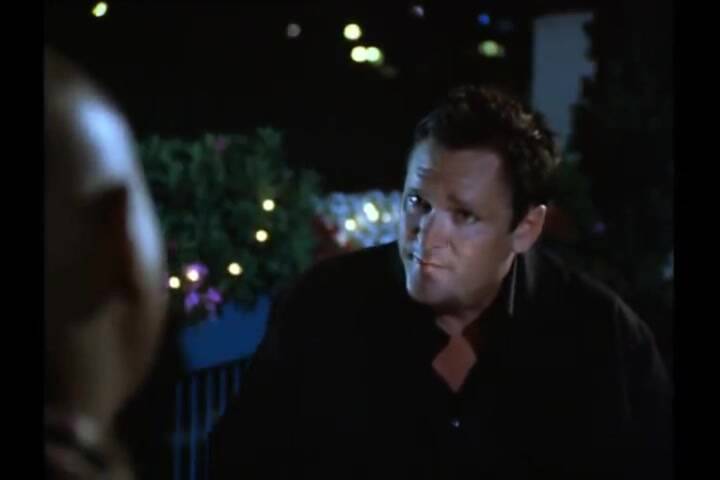
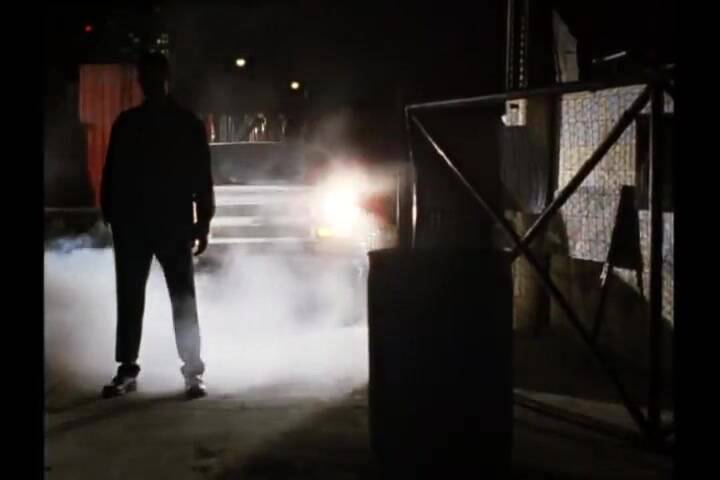
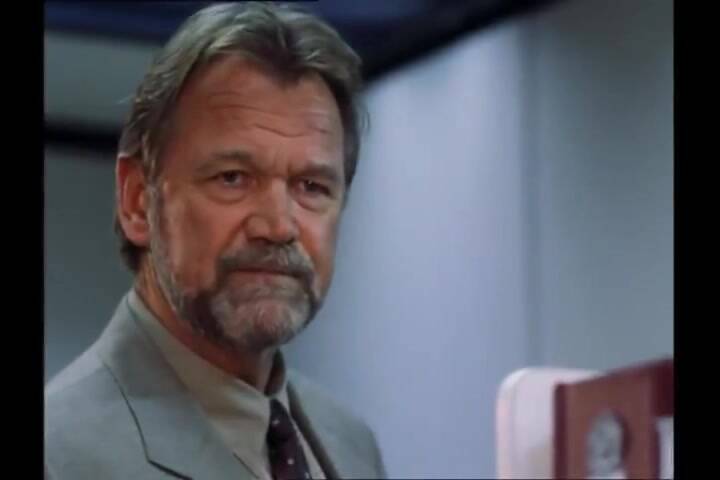
The result is a film that often looks astonishingly rough. The digital photography resembles home-video footage from the early 2000s, with muddy visuals, inconsistent focus, and flat lighting throughout. Audio quality fluctuates wildly from scene to scene, sometimes sounding as though dialogue was captured through the camera’s onboard microphone while background hums and a signature home video audio hiss fought for dominance. At times, Outlaw feels less like a finished feature and more like a workprint accidentally released to the public.
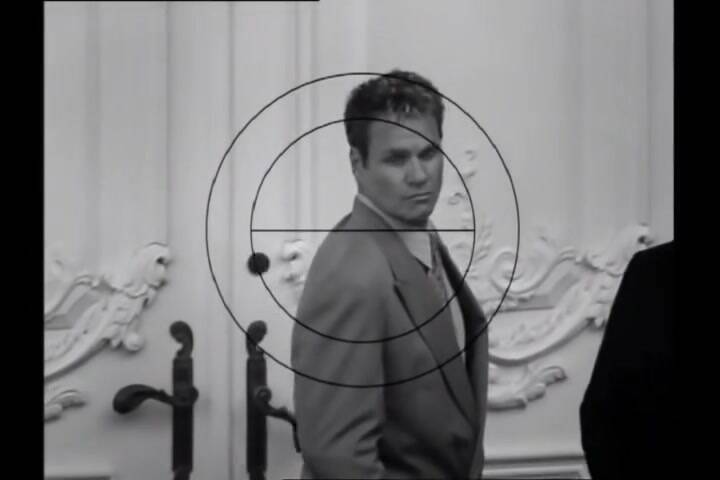
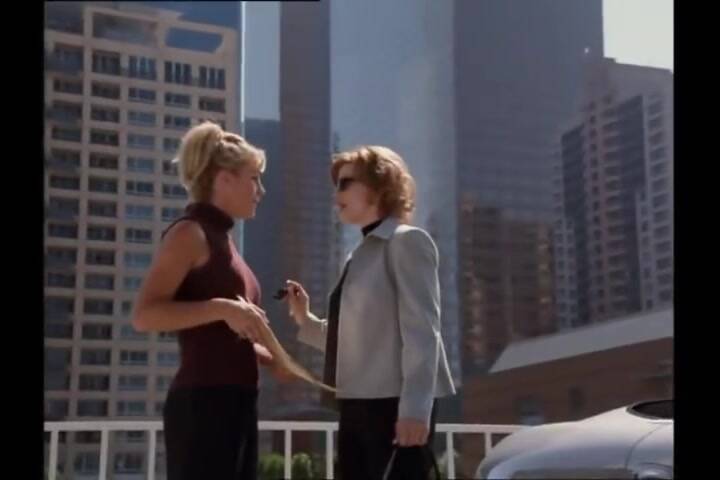
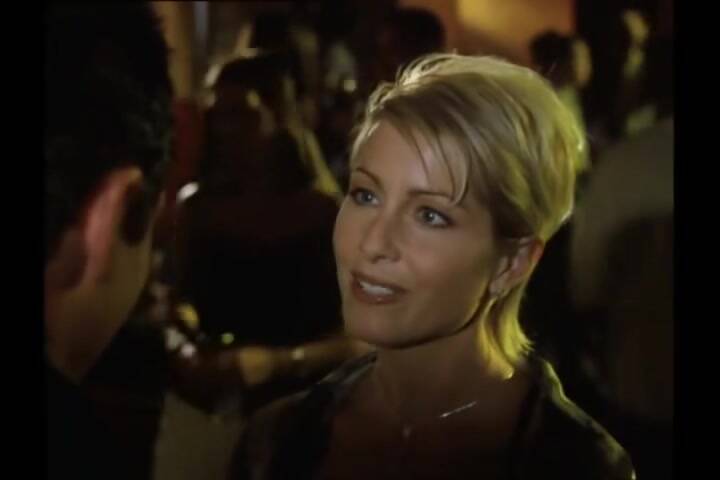
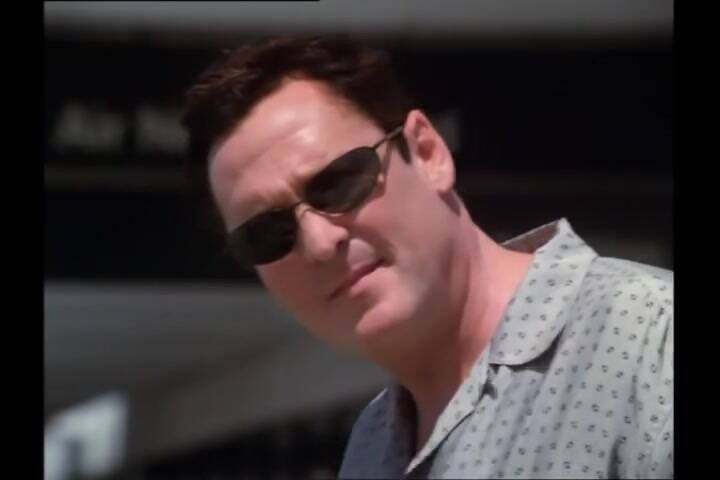
The story follows Frank Conner, played by Michael Madsen, a tired contract killer pulled into a deadly conspiracy after the murder of a mob boss. As bodies pile up around him, Conner is forced to navigate a world of betrayals, shady gangsters, femme fatales, and crooked cops while attempting to discover who is orchestrating the chaos before he becomes the next corpse on the pavement. Structurally, it is classic noir material transplanted into the cheap digital-video crime cinema boom of the early millennium.
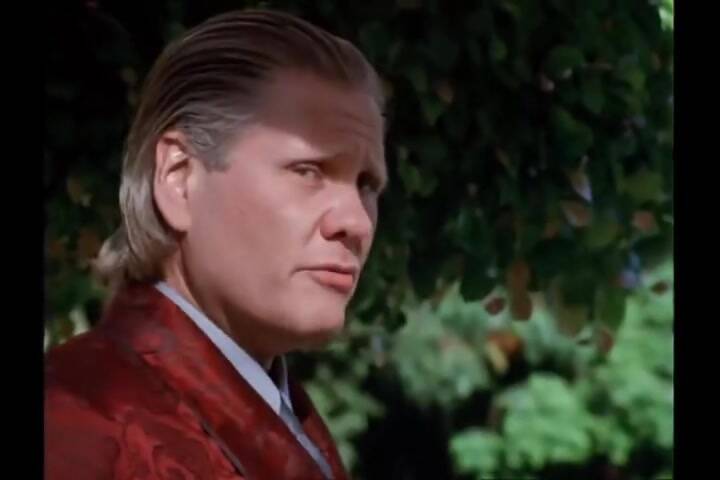
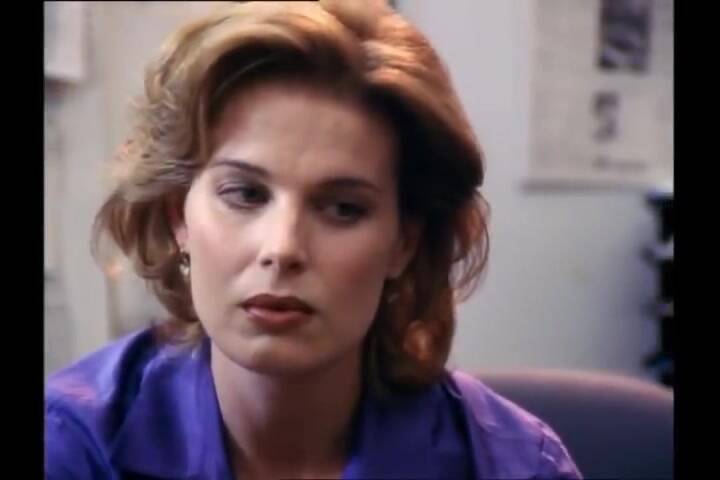
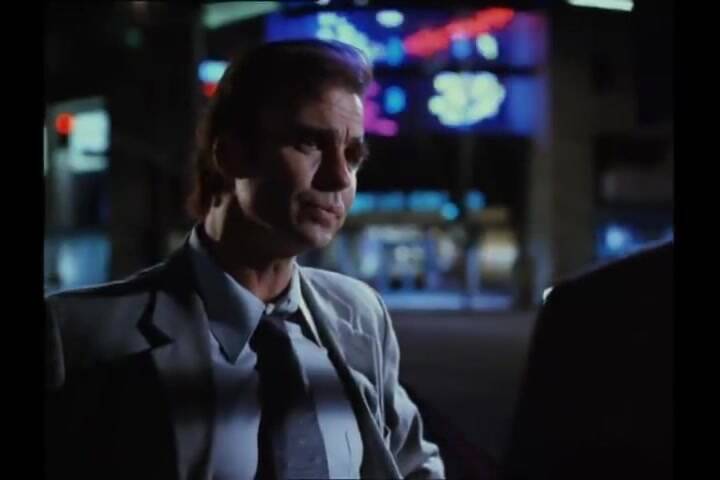
Unfortunately, the screenplay is where the film truly collapses. Nearly every character speaks in exaggerated tough-guy dialogue, growling endlessly through conversations that rarely feel natural. Scenes drag on far beyond their purpose, weighed down by rambling exchanges that mistake length for depth. An early conversation between Michael Madsen and Damon Whittaker becomes an endurance test, stretching a simple exchange into nearly seven minutes of repetitive posturing and philosophical waffle. Much of the film operates at this same glacial pace, making even relatively simple plot developments feel exhausting.
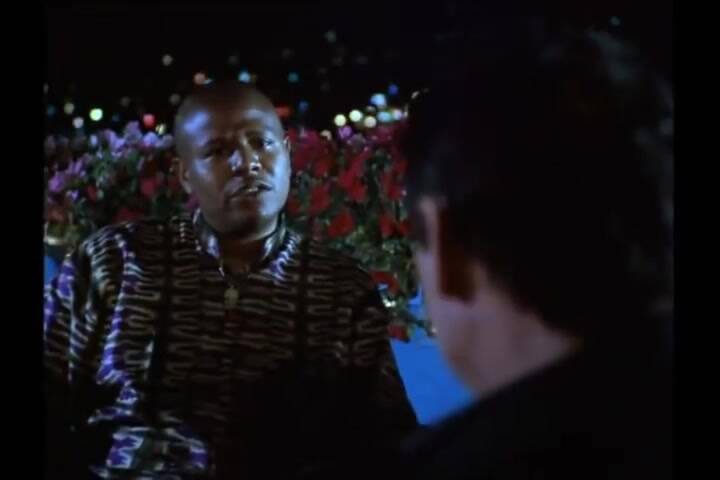
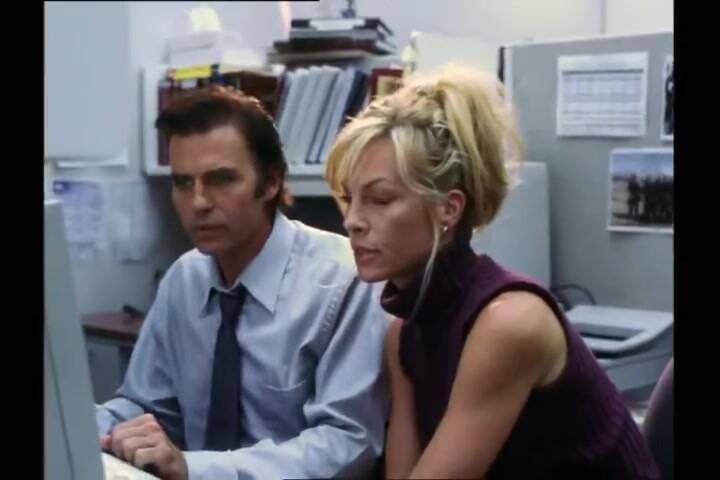
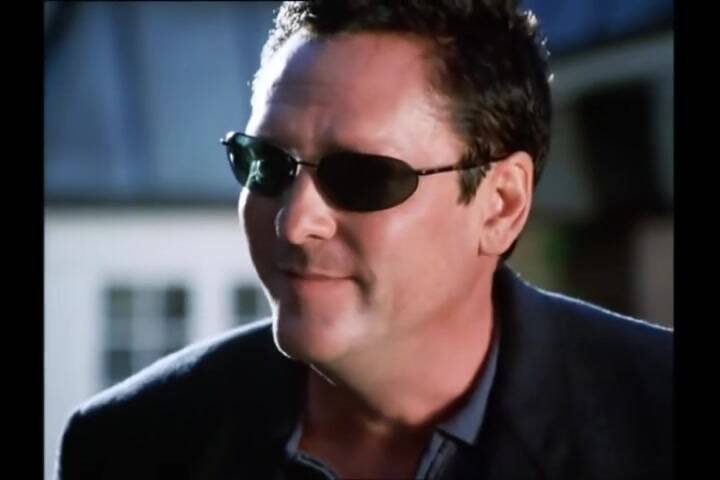
Ironically, this terrible dialogue becomes part of the entertainment value. The film is packed with unintentionally hilarious attempts at hard-boiled wisdom, macho intimidation, and noir-style existential reflection. Characters constantly deliver lines that sound as though they were written to appear profound but collapse under their own self-importance. Watching seasoned actors attempt to wrestle this material into something convincing becomes one of the movie’s strangest pleasures.
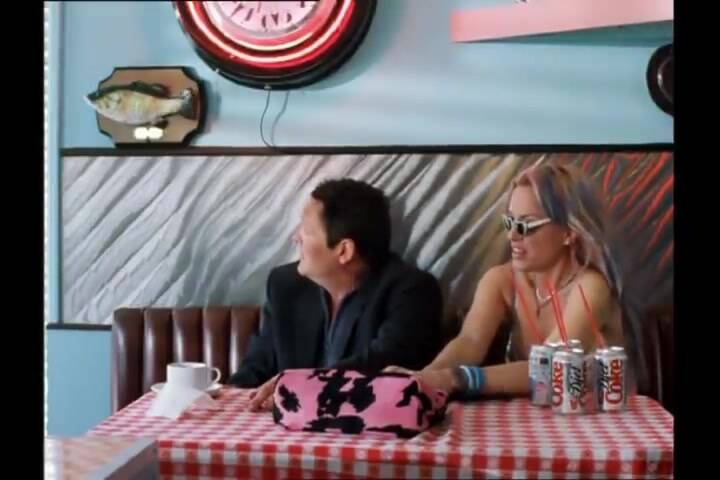
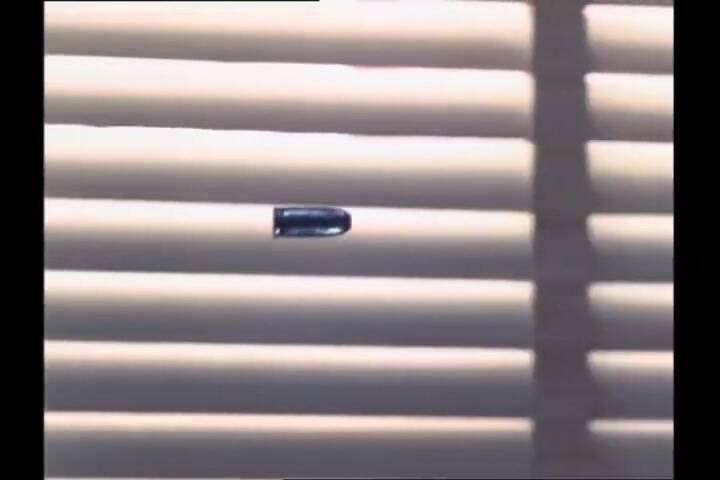
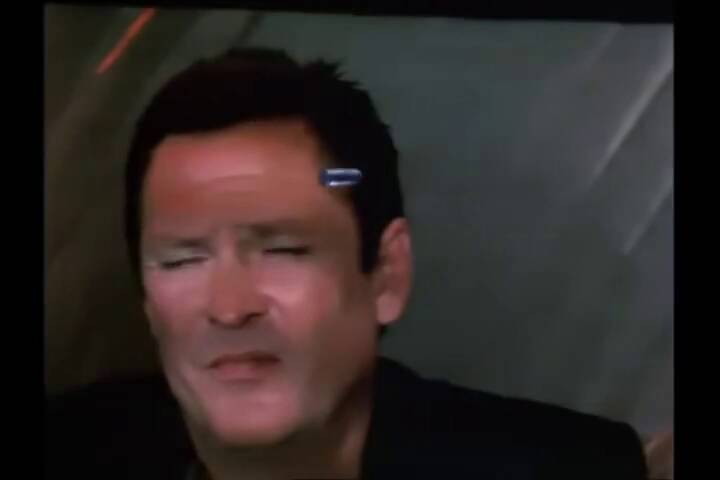
There are also moments where the film’s ambition briefly shines through. One gloriously clumsy slow-motion bullet effect stands out in particular. A spinning projectile, suspended on what I believe would be a fishing line, slowly drifts past Madsen before striking a woman in the head. It is completely unconvincing and yet strangely charming in an old-school practical-effects sort of way. The effect almost works until Madsen visibly blinks while supposedly watching the bullet fly past him, instantly destroying the illusion. Still, there is genuine effort behind the sequence, and that effort becomes oddly endearing.
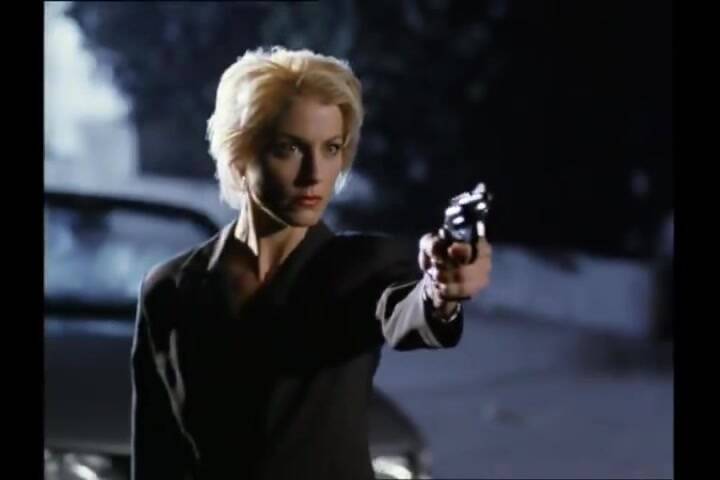
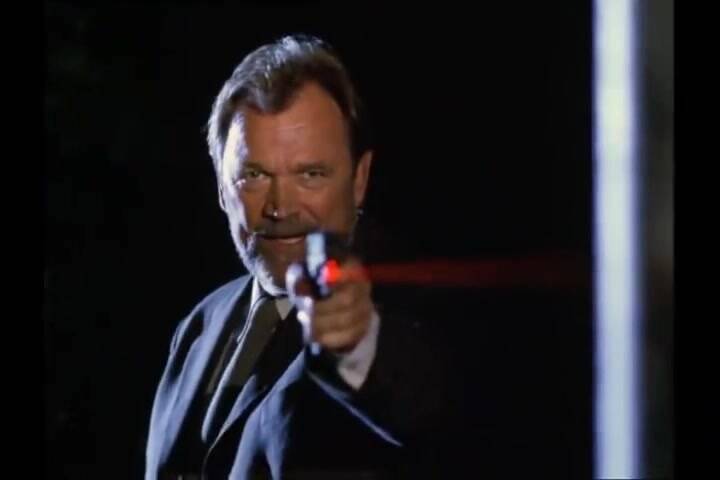
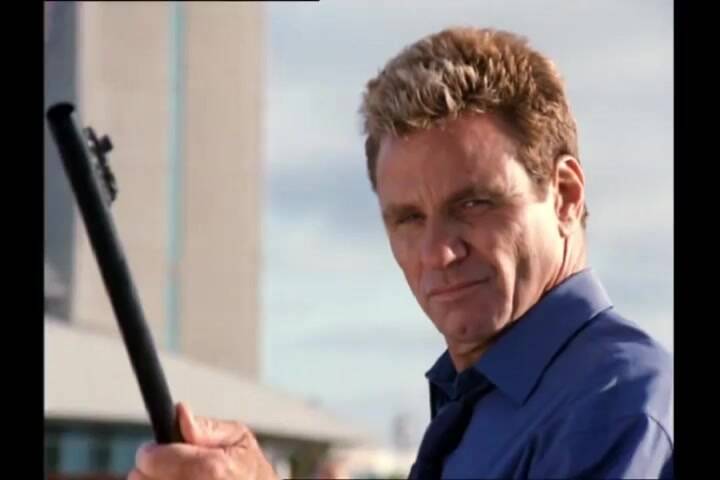
The gunshot effects throughout the film are surprisingly effective as well. Squibs explode with satisfying bursts of blood mist, car windshields crack convincingly, and body impacts have a gritty physicality absent from many cleaner studio thrillers of the era. Svenson clearly understood how to stage violence economically, using camera whips and practical effects to create action sequences that feel more energetic than the rest of the production.
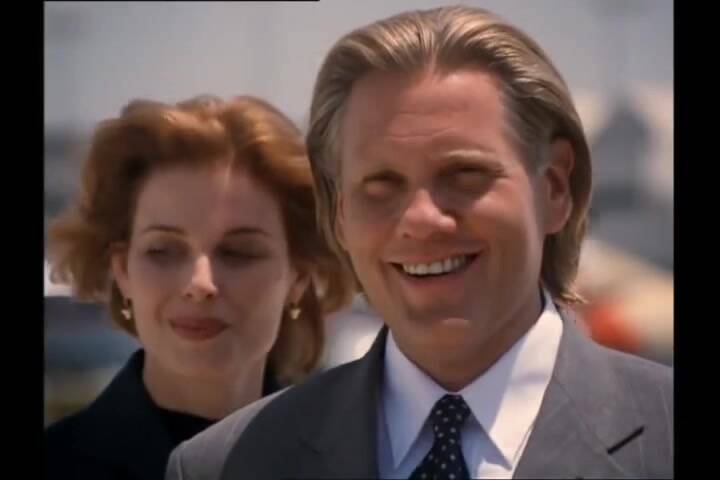
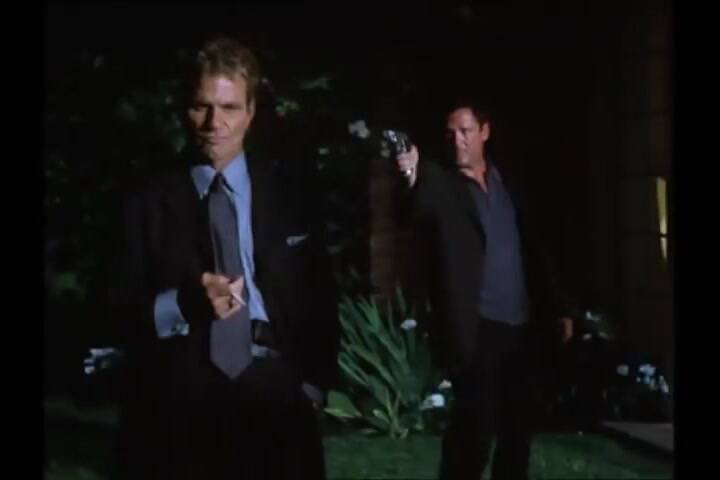
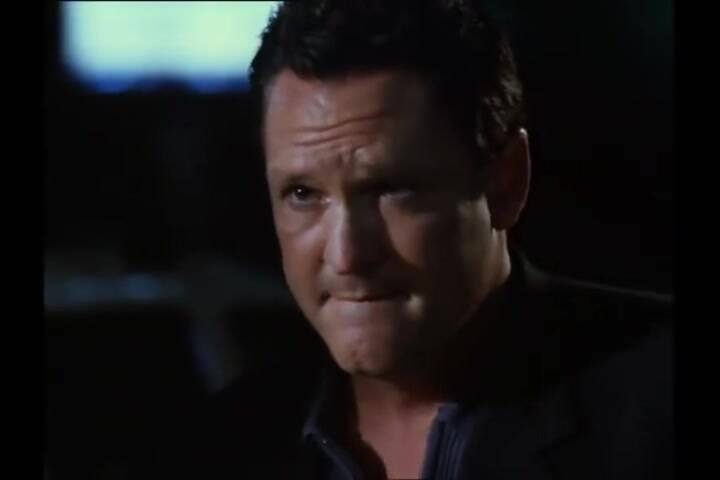
What makes Outlaw especially interesting in retrospect is the troubled production history surrounding it. Reports (taken from IMDb reviews) suggest the film was shot in just sixteen days on a budget reportedly under $800,000. Writer Chris Dickerson later publicly criticised the finished version, claiming the screenplay was heavily altered during production and significantly compromised in editing. That behind-the-scenes turmoil explains why the film often feels disjointed, as though fragments of a better noir thriller remain buried beneath awkward pacing and unfinished ideas.

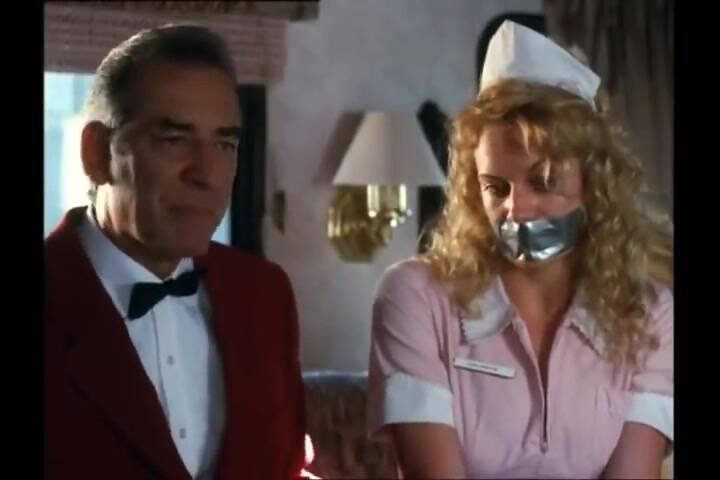

And yet, despite all its problems, the intended noir atmosphere still survives. Svenson clearly wanted to channel the fatalistic crime thrillers of the 1940s and 1950s, replacing action spectacle with deception, paranoia, and constant betrayal. While the execution rarely succeeds, the original vision remains visible enough to earn a degree of respect. There is sincerity behind the film’s ambition, even when nearly every creative decision misfires.
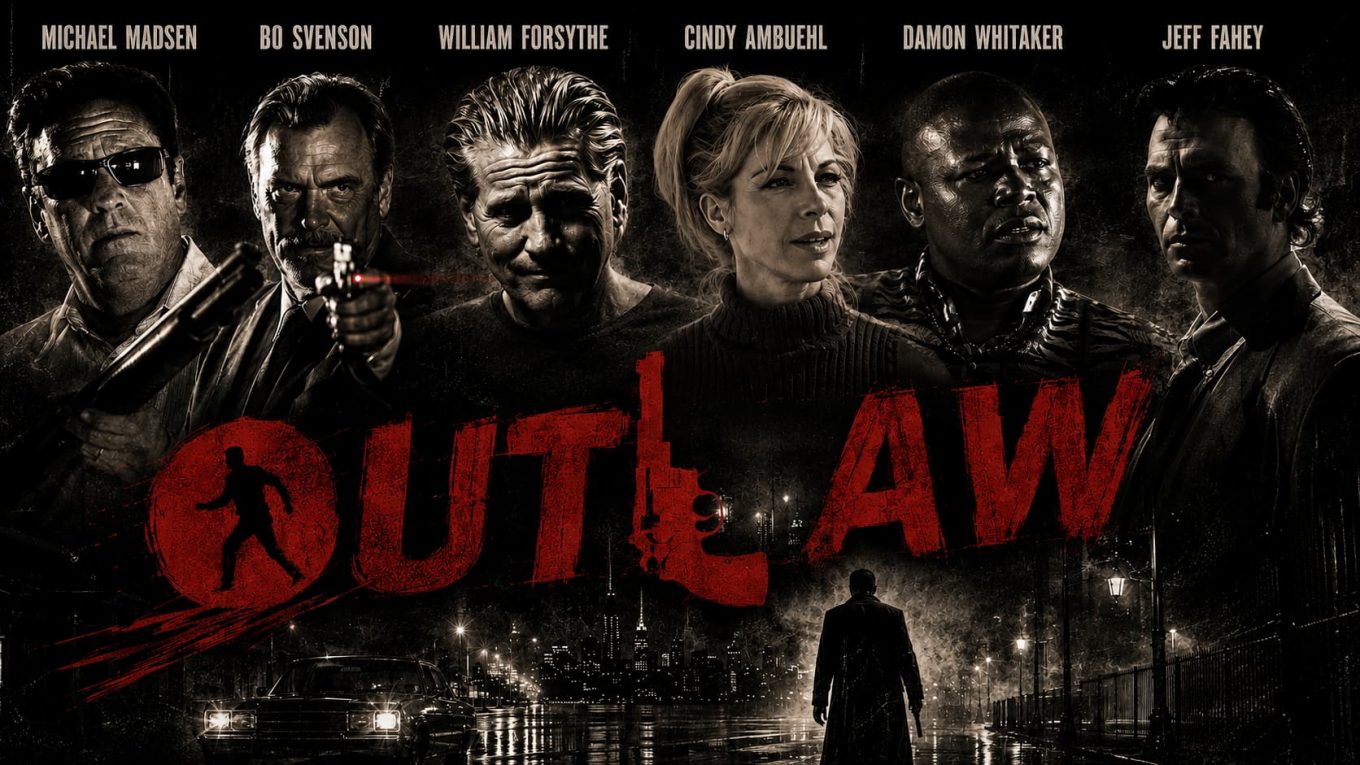
One area where Outlaw undeniably overachieves is its cast. For such an obscure production, the film assembled an impressive collection of recognisable faces. Alongside Michael Madsen are Jeff Fahey, William Forsythe, Marty Kove, Cindy Ambuehl, and Svenson himself. Everyone receives a decent amount of screen time, and several performers manage to elevate the weak material through sheer charisma.
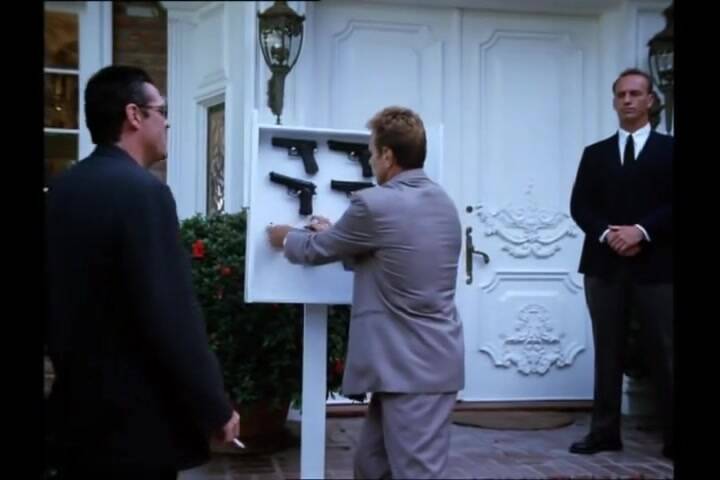
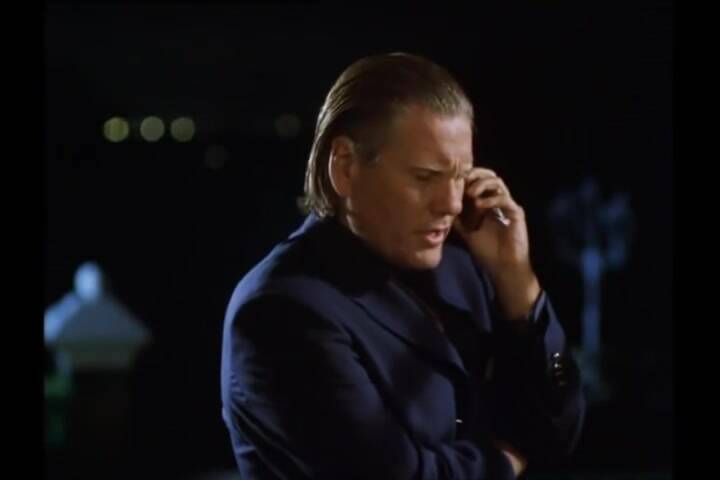
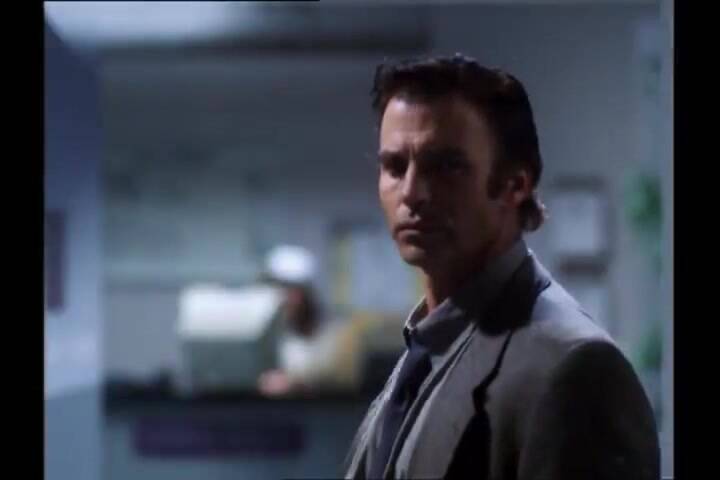
Jeff Fahey brings his trademark nervous intensity to the film, while William Forsythe feels perfectly suited to its grimy underworld atmosphere. Both actors inject credibility into scenes that could easily collapse into parody. Svenson himself appears thoroughly committed as Detective Maize, chewing scenery with obvious enthusiasm. Meanwhile, Michael Madsen somehow carries the entire production through little more than his exhausted screen presence. Drifting through the film with sleepless eyes and muttered philosophical one-liners, he remains strangely watchable even when the material gives him almost nothing to work with.
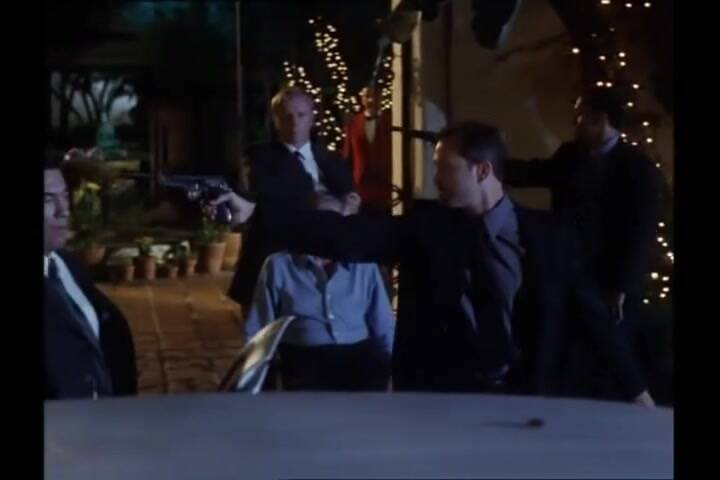


Technically, the film is not entirely incompetent. Svenson demonstrates a decent understanding of shot composition, camera placement, and action geography. The movie rarely becomes visually confusing, even during shootouts or confrontations. The real problems stem from the screenplay, pacing, and lack of refinement. Almost every scene feels as though it needed another editing pass, another rewrite, or simply someone willing to trim several minutes of redundant dialogue.

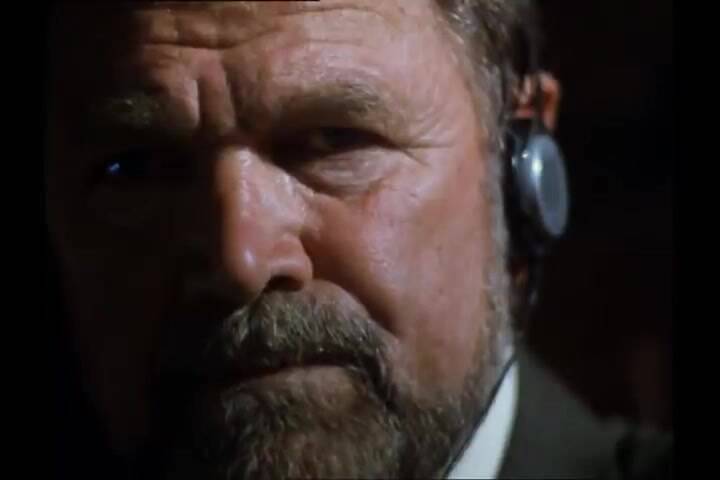
Outlaw is difficult to recommend on traditional quality terms. It is a weak film supported by a handful of committed performances and an admirable noir ambition that never fully materialises. But for viewers fascinated by forgotten direct-to-video oddities, troubled productions, and strange relics from the dying days of VHS-era crime cinema, there is something compelling about it. Watching Outlaw feels less like discovering a hidden gem and more like uncovering a damaged artefact from an alternate version of Hollywood, one where talented character actors, fading noir dreams, and bargain-bin filmmaking collided in a fascinatingly awkward release.
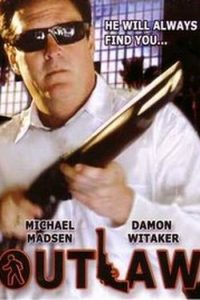
Good luck tracking this one down on physical media. After finally sitting down to watch Outlaw and doing some digging afterwards, I quickly realised just how scarce it has become. Copies are practically nonexistent these days, so my copy is definitely being stored somewhere safe.