Unsettling: The Nuclear Shadows of Hiroshima
On August 6, 1945, the city of Hiroshima was transformed in an instant when the United States dropped the atomic bomb known as Little Boy. The explosion unleashed temperatures estimated at more than 7,000°C near the hypocenter, producing a blinding flash of thermal radiation so intense that it permanently altered stone, concrete and steel across the city. Among the most chilling remnants of that day are the so-called “nuclear shadows”, ghostly negative imprints left behind where human beings briefly shielded surfaces from the heatwave before vanishing forever.
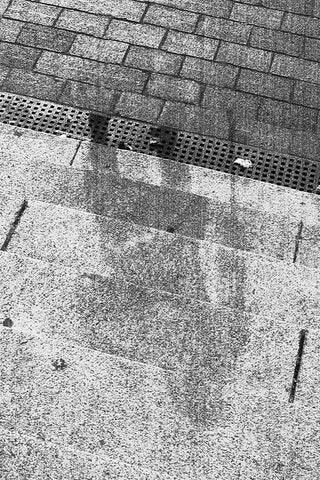
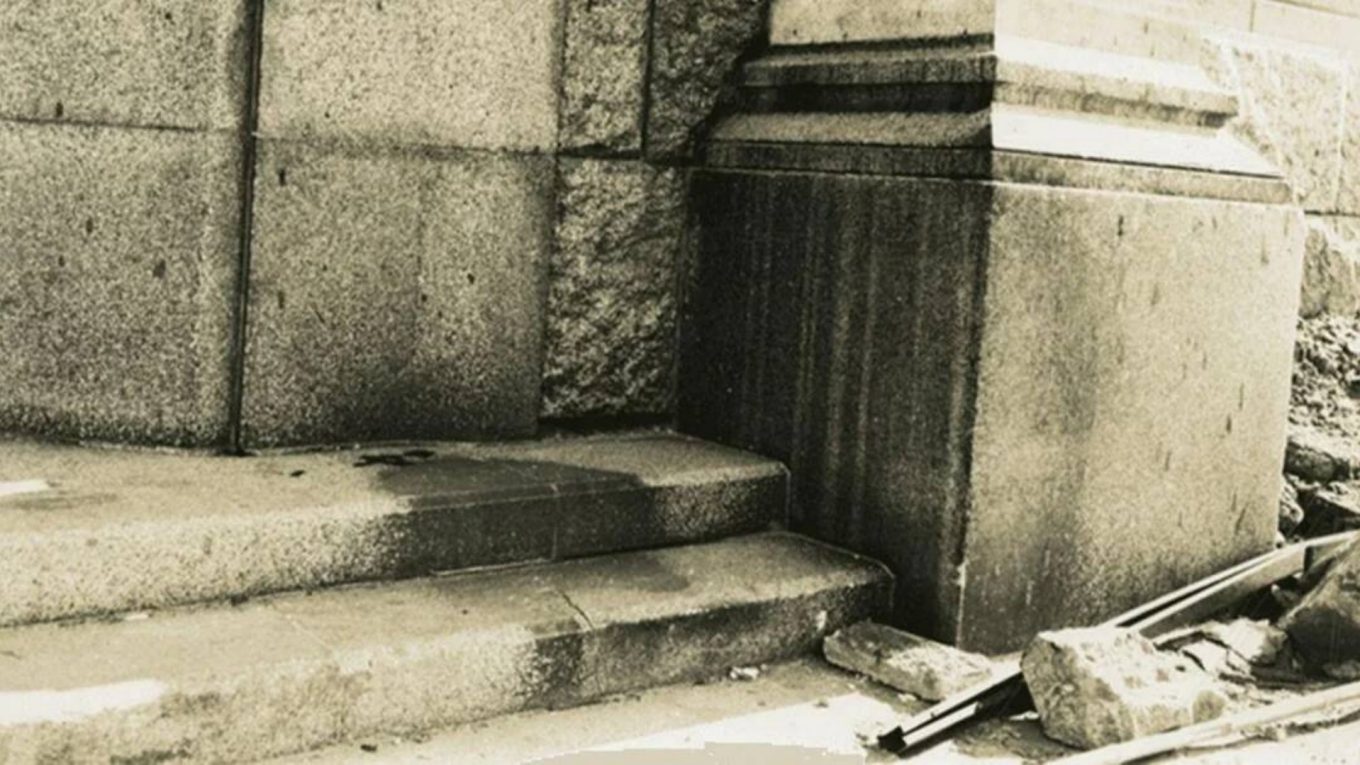
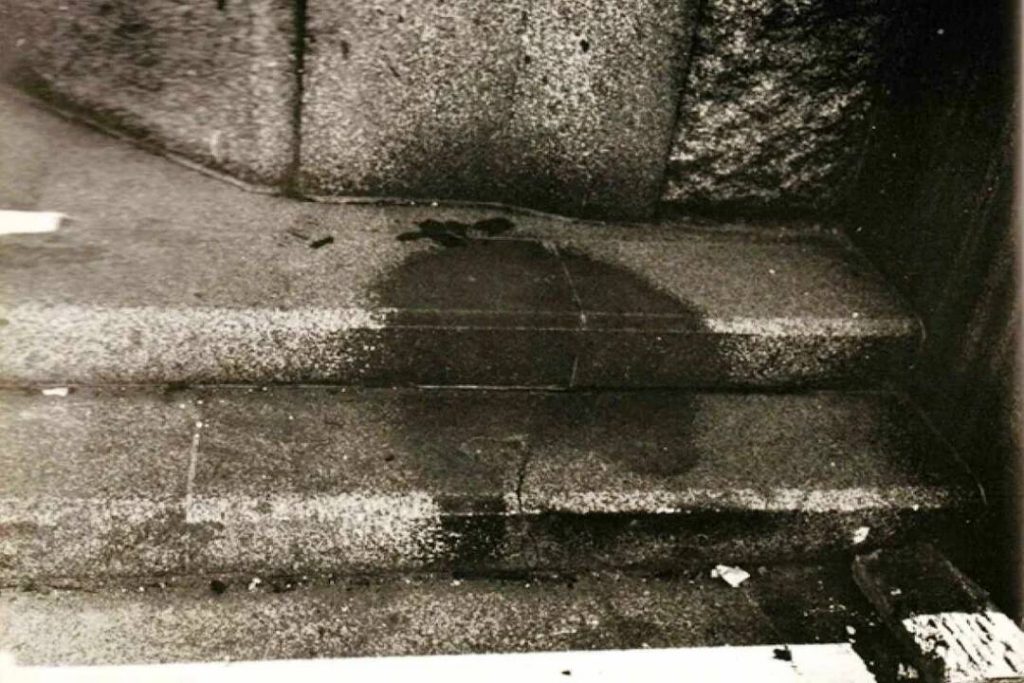
One of the most famous examples is the shadow found on the steps outside the former Sumitomo Bank building. A person had reportedly been sitting on the stone staircase at the moment of detonation. When the blast struck, the exposed stone around them was bleached and discoloured by the intense thermal radiation, while the area shielded by their body remained darker. Over the decades, many of these shadows faded due to weather and erosion, though several have been carefully preserved inside the Hiroshima Peace Memorial Museum as stark evidence of the bomb’s human toll.
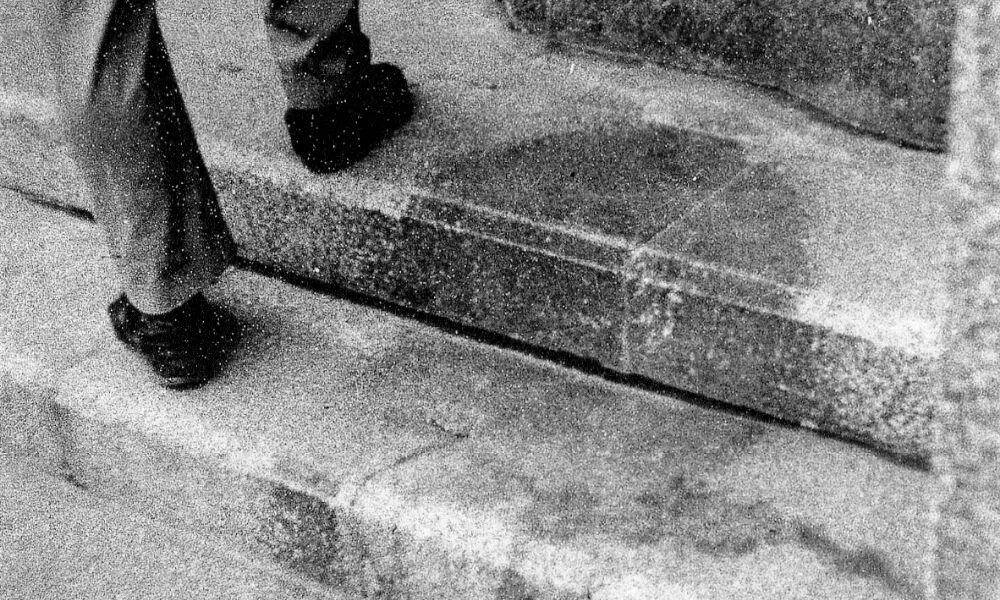
Today, visitors to Hiroshima still leave bottles of water and offerings near memorials dedicated to the child victims of the bombing. Those caught in the blast suffered devastating burns and many reportedly survived the initial explosion long enough to stagger toward nearby rivers, desperate for water to soothe their injuries. The nuclear shadows remain among the most haunting images of the 20th century.
[Source]