
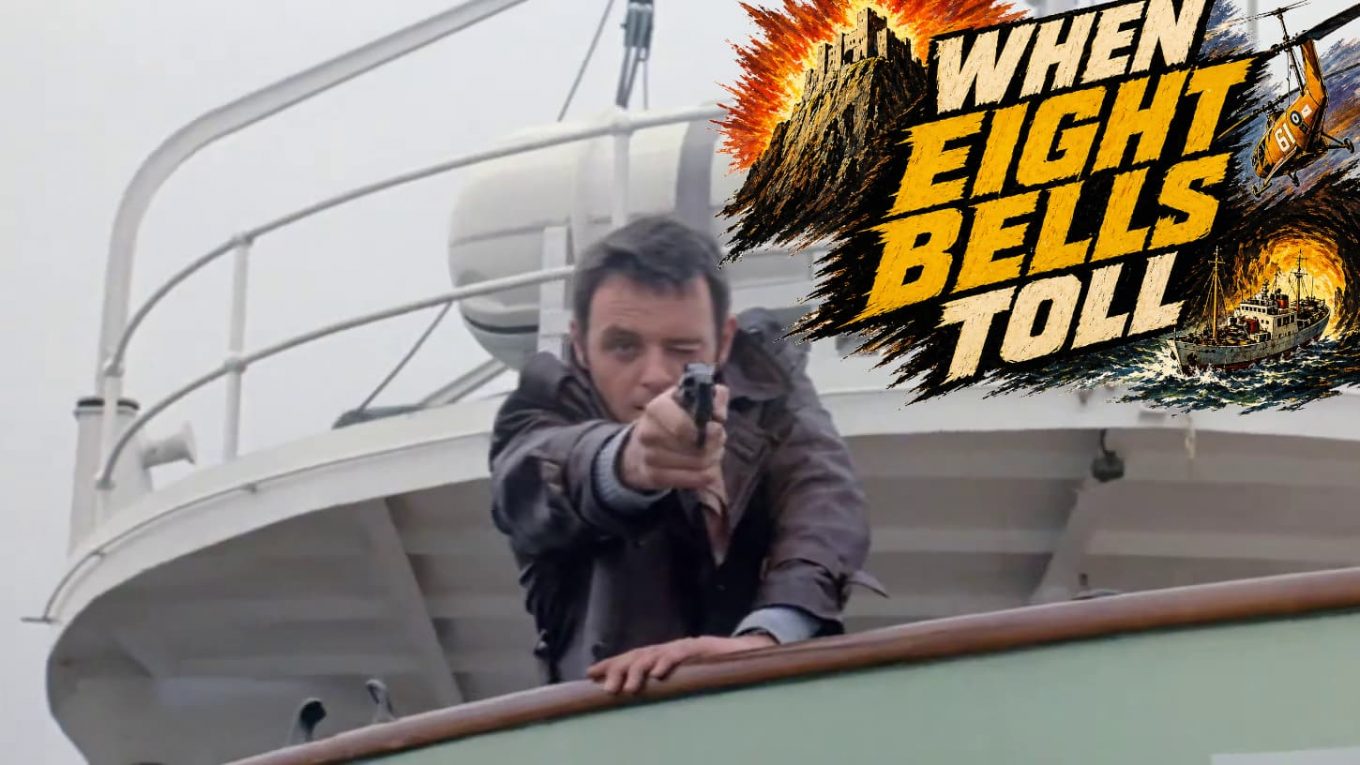
When Eight Bells Toll (1971)
Following Sean Connery’s iconic departure from the James Bond franchise, a wave of films attempted to fill the spy genre vacuum in the early 1970s. Among the contenders was Alister MacLean’s When Eight Bells Toll (1971), promising a gritty, non-fictional spy thriller ripped from the headlines. Starring the rising star Anthony Hopkins as a Treasury agent hunting gold bullion pirates, it aimed to capture the tension and danger of the Cold War era.
Set against the backdrop of the brooding Scottish Highlands, Eight Bells centers on Treasury agent Phillip Calvert (Hopkins), tasked with cracking a sophisticated series of gold bullion heists occurring at sea. Sent into a suspiciously hostile coastal town, Calvert must operate under a false identity, dodging unseen assassins, navigating treacherous terrain, surviving a spectacular helicopter crash, and maneuvering around a shadowy Cypriot shipping magnate whose yacht appears unnervingly convenient. The plot unfolds with a neat twist revealing Calvert’s own hidden knowledge, suggesting a layered narrative.
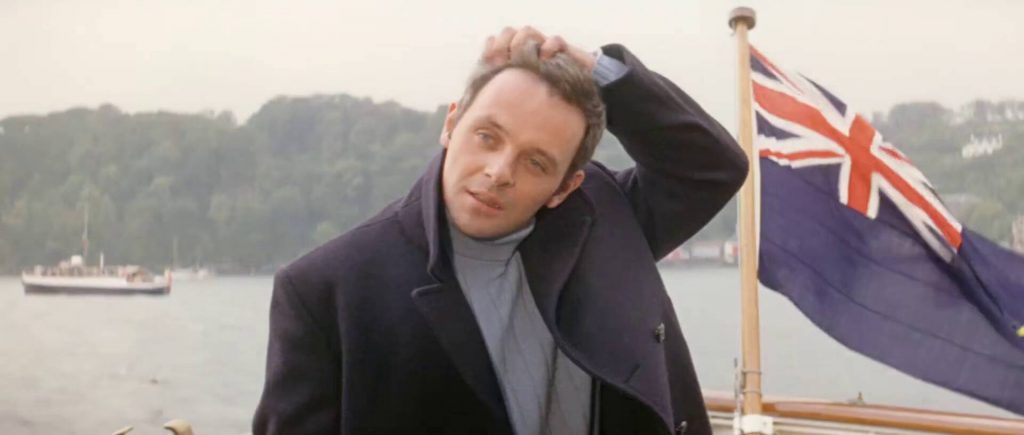
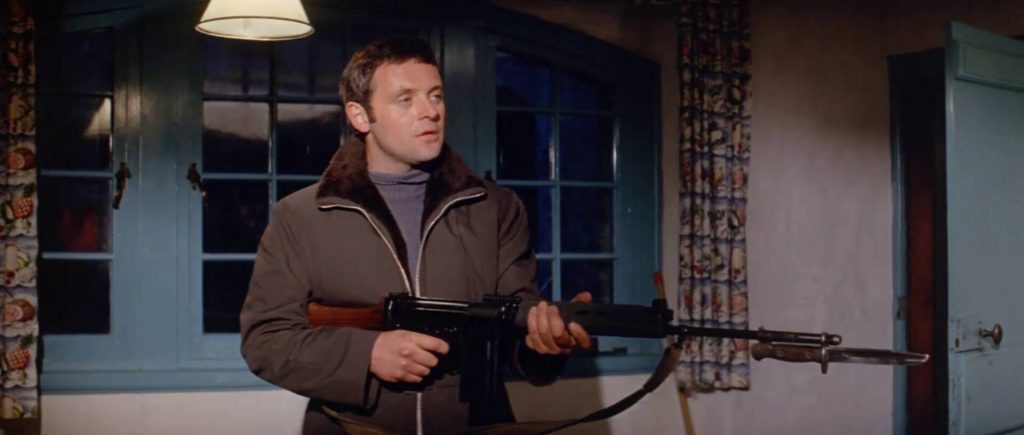
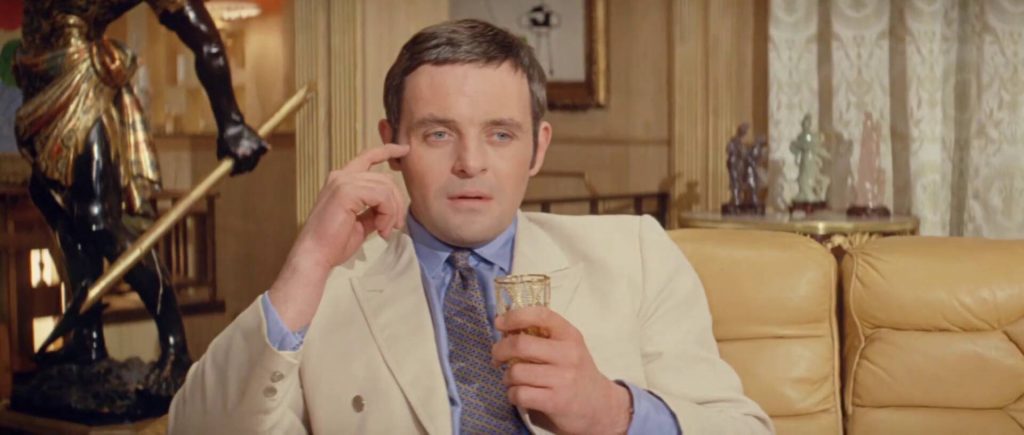
Phillip Calvert. This is where the film truly falters. Anthony Hopkins, just beginning to find his formidable range after his success in The Lion in Winter (1968), plays Philip Calvert with a stiffness that borders on the wooden. Calvert is supposed to be a formidable, no-nonsense agent, but his performance lacks the necessary charm, wit, and charismatic edge often associated with spy protagonists, even non-fictional ones like Michael Caine’s Harry Palmer. He embodies the competent professional, but without the spark that makes the audience root for him.
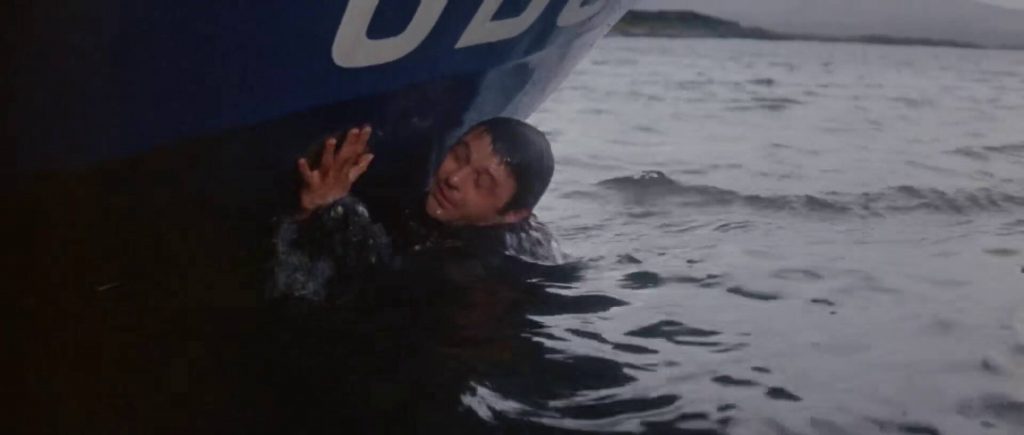
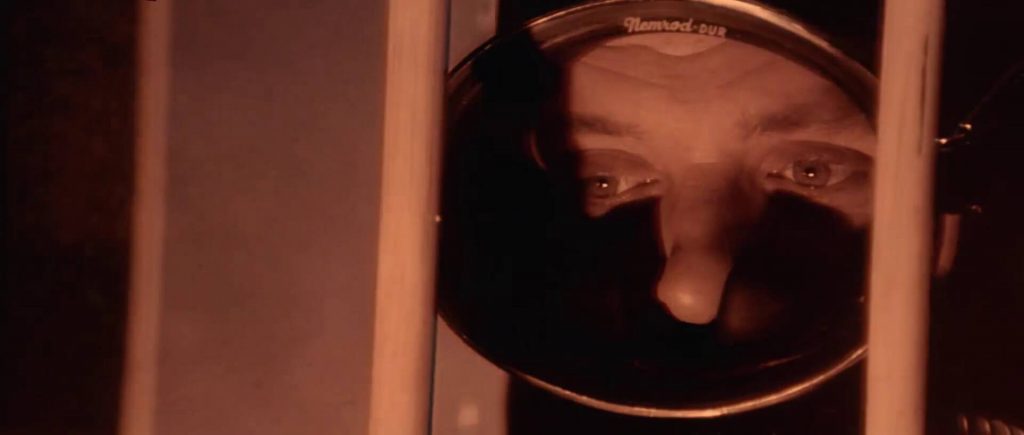
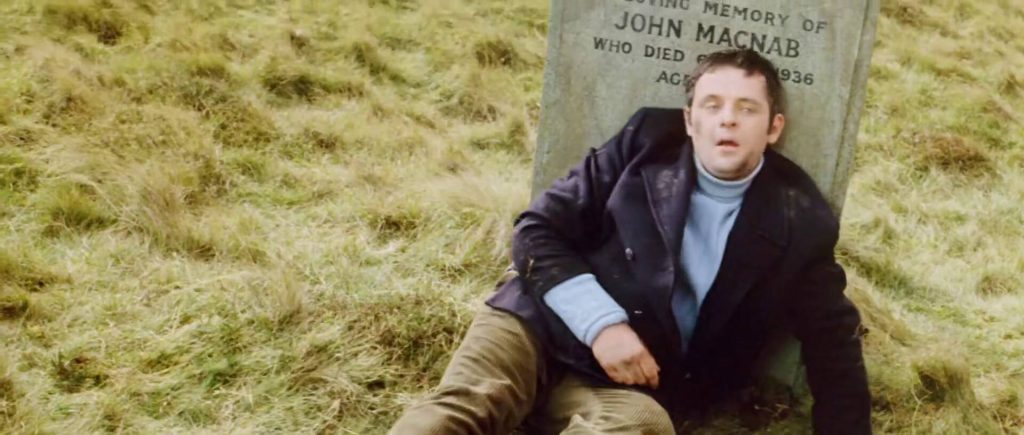
There are moments, admittedly, where Hopkins shows a flicker of something else, perhaps a subtle shift in his delivery hinting at deeper layers, or a brief lightening of his expression, but these are too few and fleeting to sustain interest. For the most part, Calvert remains a bland, slightly smug, and ultimately weary protagonist. His blandness isn’t endearing, it’s frustrating. He doesn’t carry the weight or complexity needed for this kind of thriller, contributing significantly to why the character, and the film, remained obscure despite the source material’s authorship.

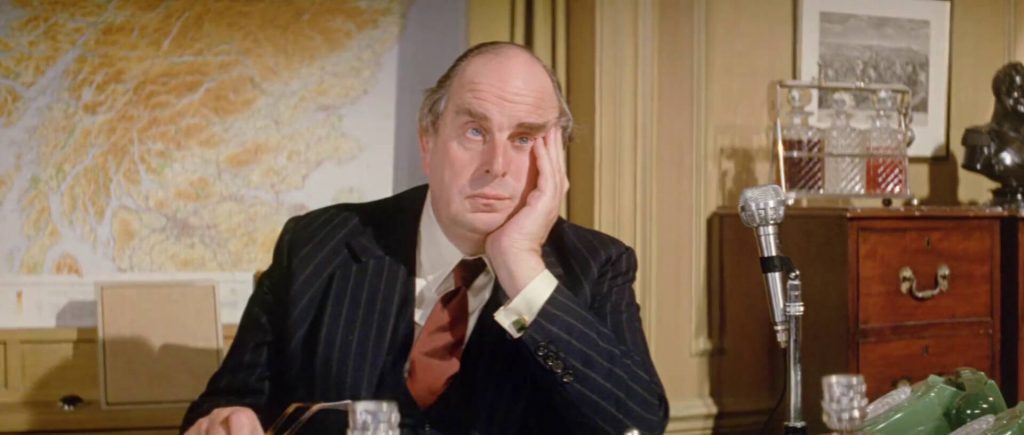
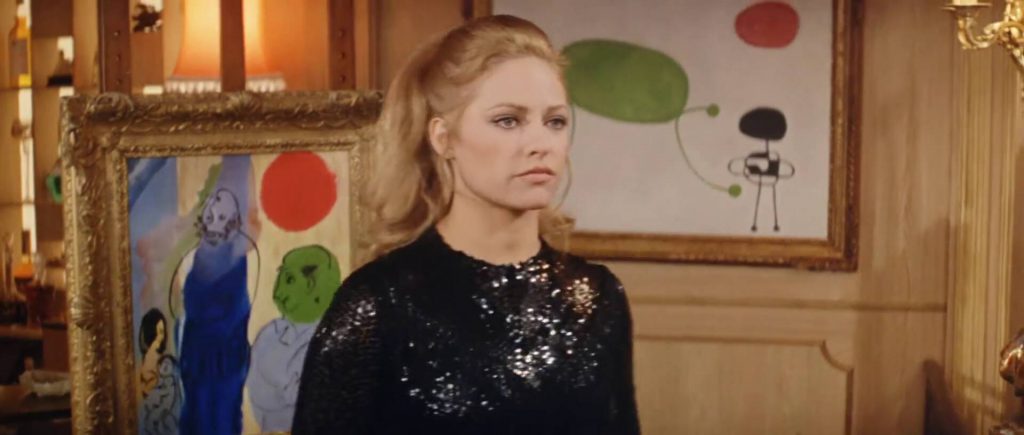
Robert Morley, as the M-like Sir Arthur Artford Jones, provides welcome comic relief, grounding the proceedings with his dry, British bureaucratic wit. Nathalie Delon embodies the Femme Fatale archetype perfectly, playing a captivating, dangerous, and ultimately treacherous figure. Her casting isn’t necessarily “too on the nose,” but the predictable nature of the femme fatale twist, common in many films of the era including The Thomas Crown Affair, does slightly diminish the surprise factor for modern audiences familiar with the trope.
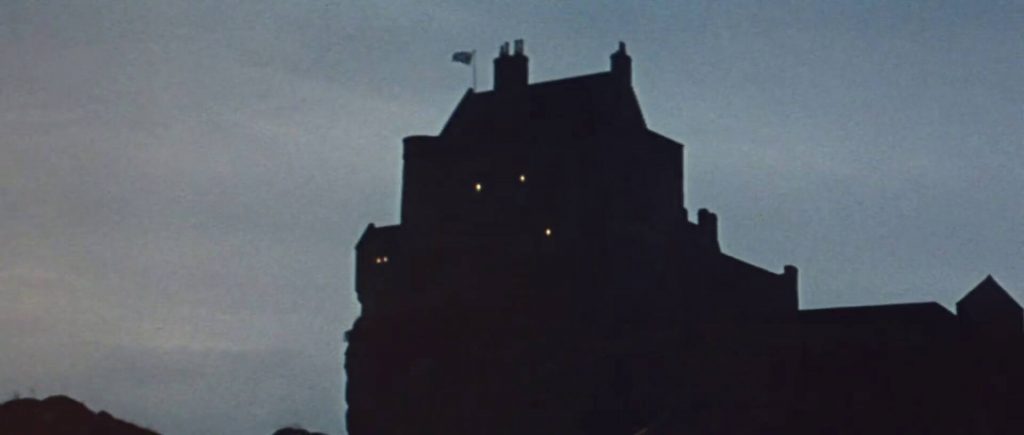
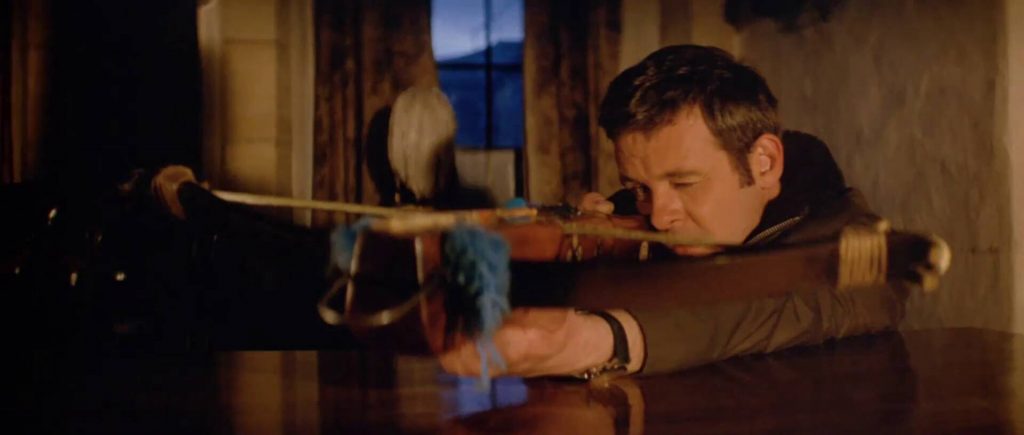

As the writer/director stated, Eight Bells aimed for a Bond-like feel, stripped of gadgets and heightened with grit. The intention was clear: a lean, mean, Highland thriller drawing on MacLean’s Scottish background. While the setting is a strong point, the film showcases the raw, rugged beauty and harshness of the Scottish coast effectively. This natural beauty sometimes risks becoming a cliché, almost like a scenic interlude in a travelogue.
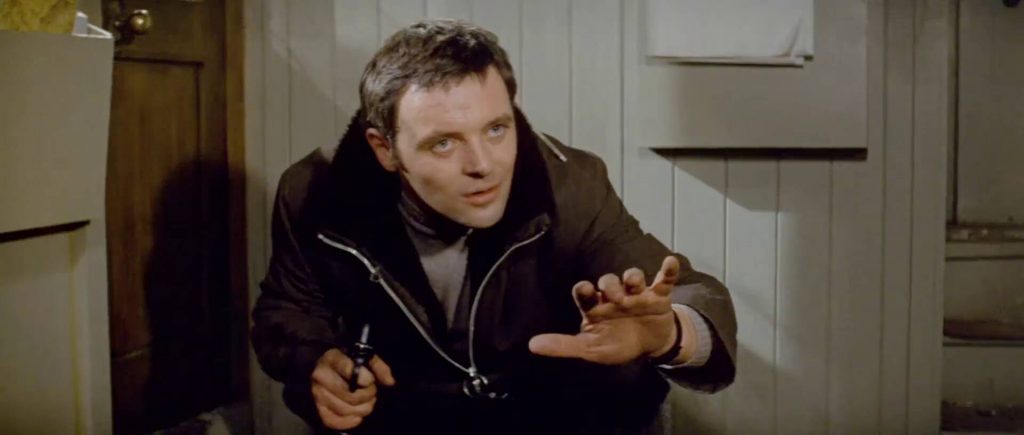
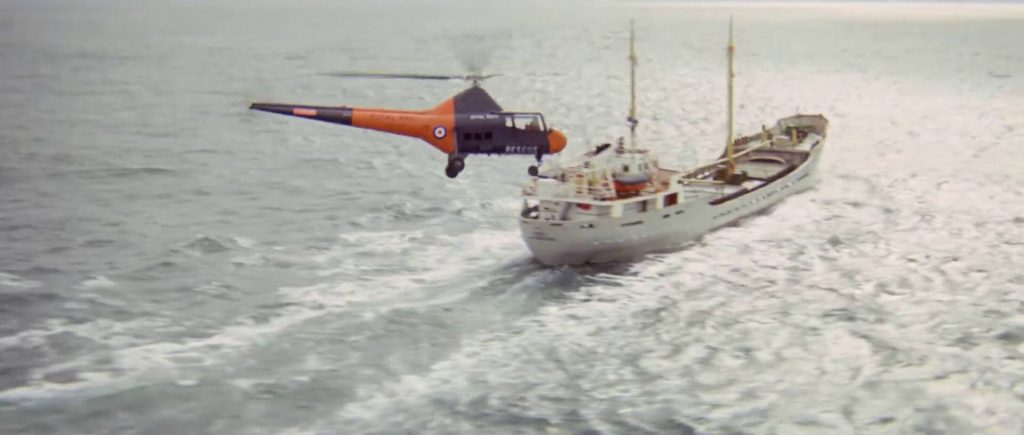
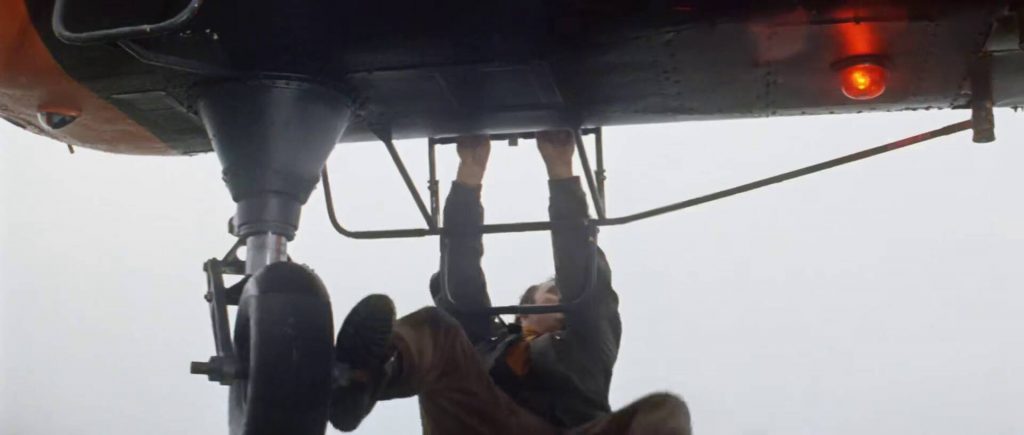
The action is present but underwhelming compared to the Bond films it consciously emulates. Where period spy movies have chases with guns and gadgets, these feel more like stealthy stalks. The helicopter crash sequence is memorable but lacks the polish and impact one might expect from any Bond movie. The film doesn’t feel as far-fetched as some Bond efforts, perhaps grounding itself too much in the plausibility of its maritime setting, which slightly dampens the sense of breathless adventure.
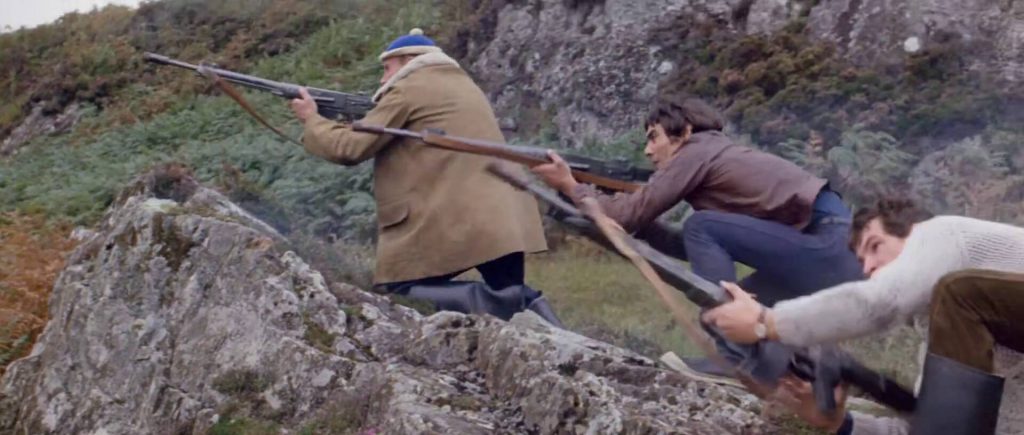

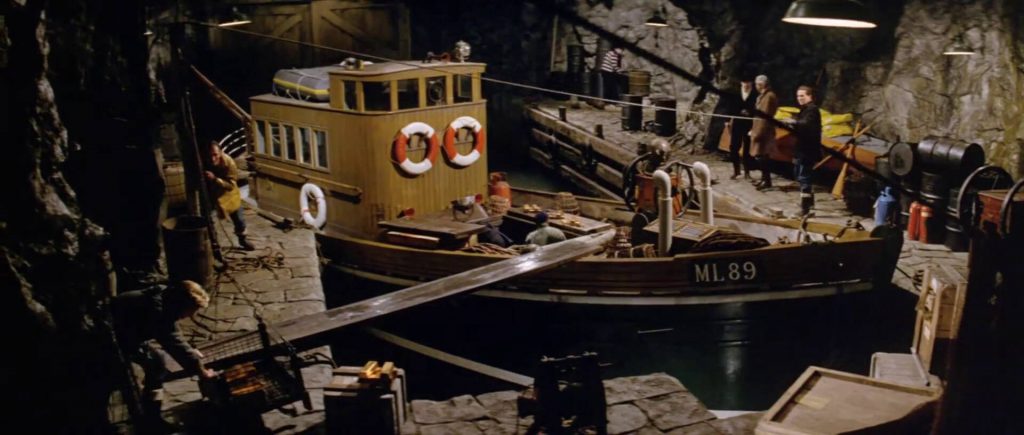
The film’s score, composed by John Addison (who also did The Thomas Crown Affair), is competent but ultimately feels disconnected. It possesses a suave, slightly melancholic quality, perhaps reminiscent of rejected Bond themes or even scores for more serious epics. However, it doesn’t match the cold, rugged atmosphere of the Highlands or the gritty tension of the thriller plot. It feels slightly too smooth, an unwanted suavity that jars against the film’s intended grit.
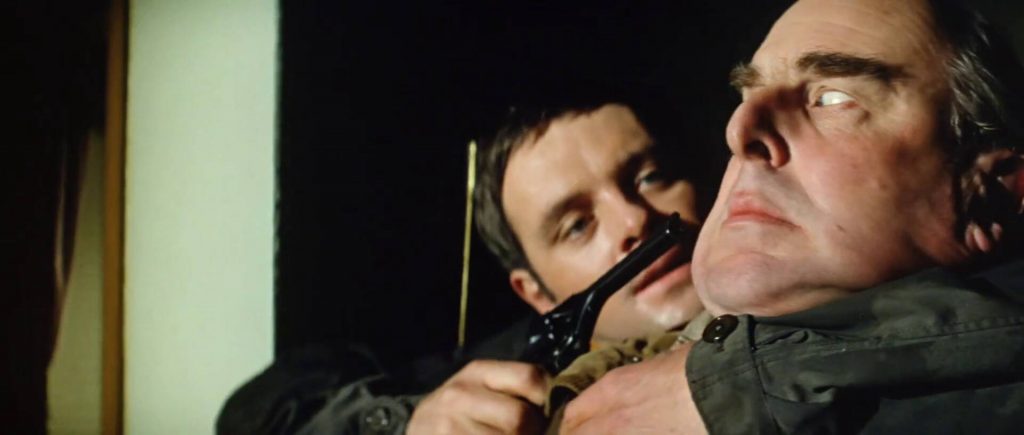


When Eight Bells Toll was a product of its time, an ambitious attempt to deliver a gritty spy thriller in the wake of James Bond’s success. Alister MacLean’s source material clearly had potential boasting a formidable setting. However, the execution is hampered significantly by Anthony Hopkins’ flat performance as the protagonist and the film’s lack the necessary energy, wit, and engaging character depth to truly stand alongside it’s peers.

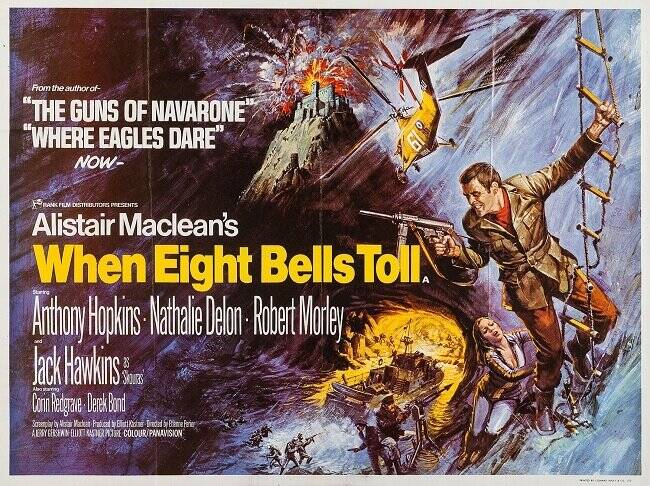
There’s a Region A locked Blu-ray release in the US that actually looks quite solid, and a commentary track that is definitely tempting. Unfortunately, those outside the States are left tracking down a far murkier DVD version, stripped of the striking artwork … though, in a way, that dull presentation might be a more fitting match for the film itself.