
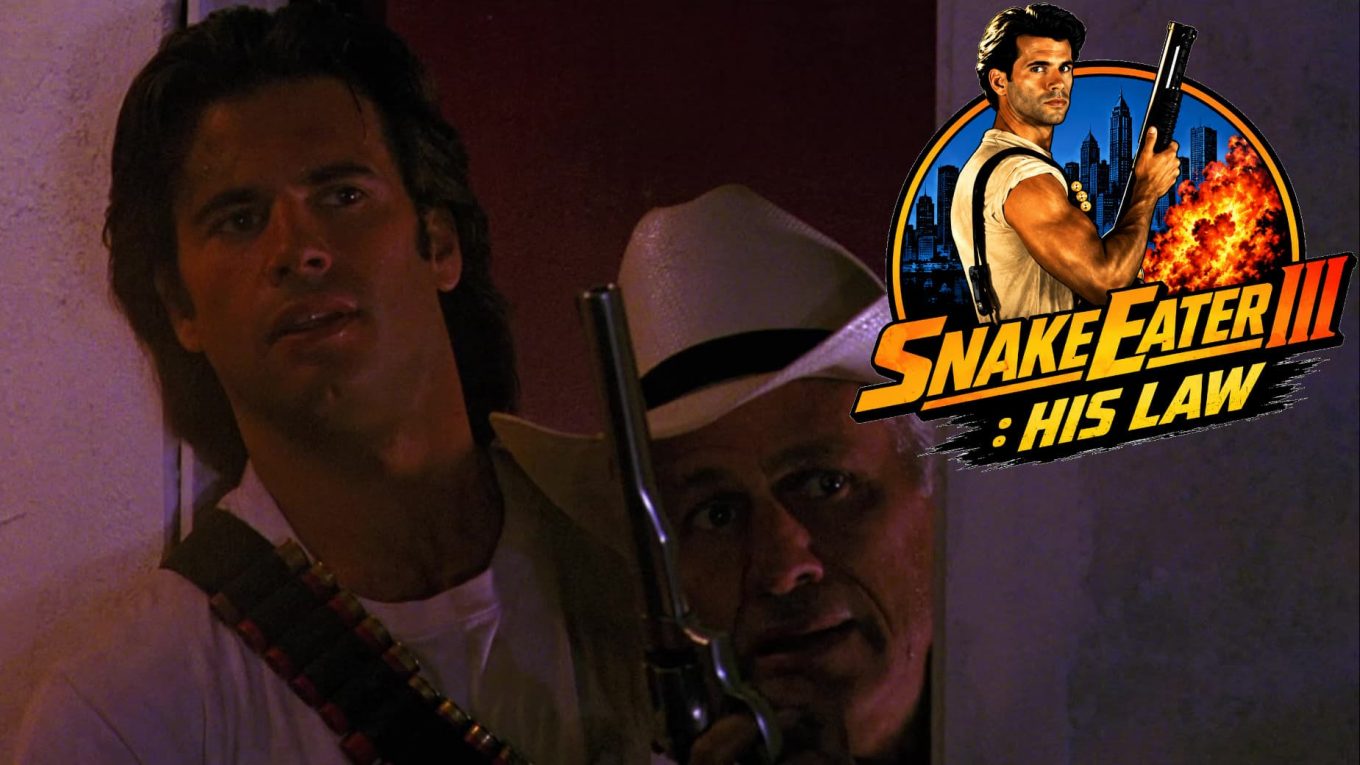
Snake Eater III: His Law (1992)
By the time Snake Eater III: His Law arrived in 1992, it would have been easy to assume the franchise had run its course. The original Snake Eater introduced audiences to Lorenzo Lamas’ unconventional ex-soldier Jack “Soldier” Kelly, while the second film pushed the concept into increasingly outrageous territory. Given the modest box office appeal and low-budget nature of the series, the fact that a third instalment was produced at all feels somewhat remarkable. Yet against the odds, Snake Eater III: His Law proves that there was still some life left in the franchise.

Lorenzo Lamas returns once again as Soldier Kelly, but this third outing takes a noticeably different approach from its predecessors. Rather than relying heavily on fistfights, explosions, and over-the-top action set pieces, the film shifts towards a more tactical and methodical style of storytelling. Kelly finds himself pursuing a dangerous biker gang, and much of the film revolves around infiltration, surveillance, strategy, and calculated retaliation rather than pure brute force.
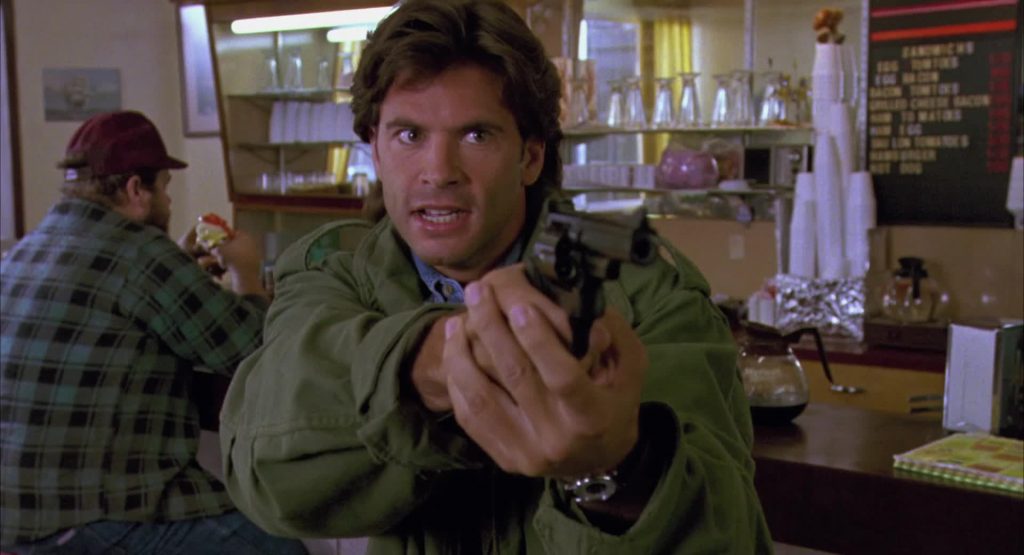


The result feels less like a traditional action movie and more like an extended episode of the popular TV show Renegade, which is fitting given the direction Lamas’ career would soon take. While some fans may miss the relentless action of earlier entries, the change of pace actually gives the film a distinct identity within the trilogy.

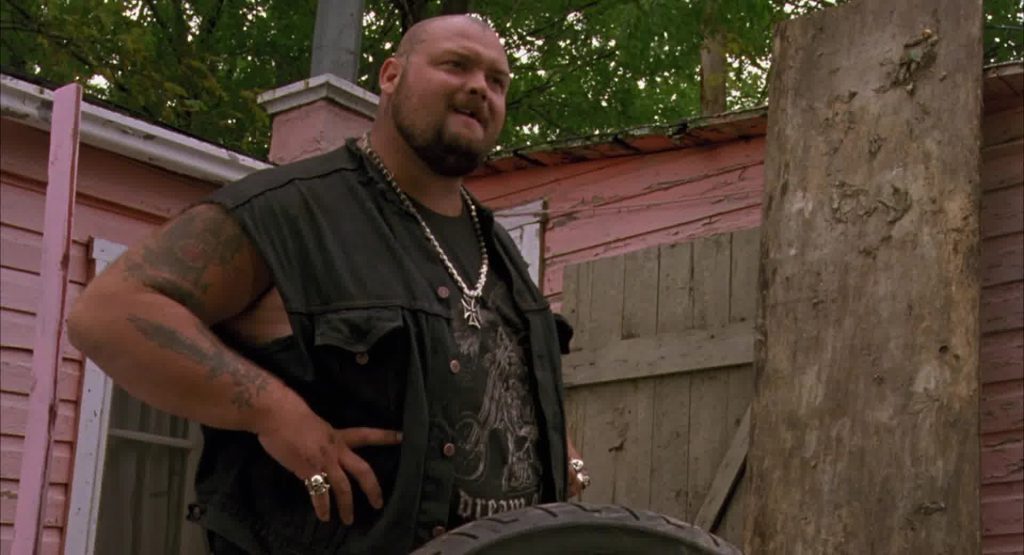

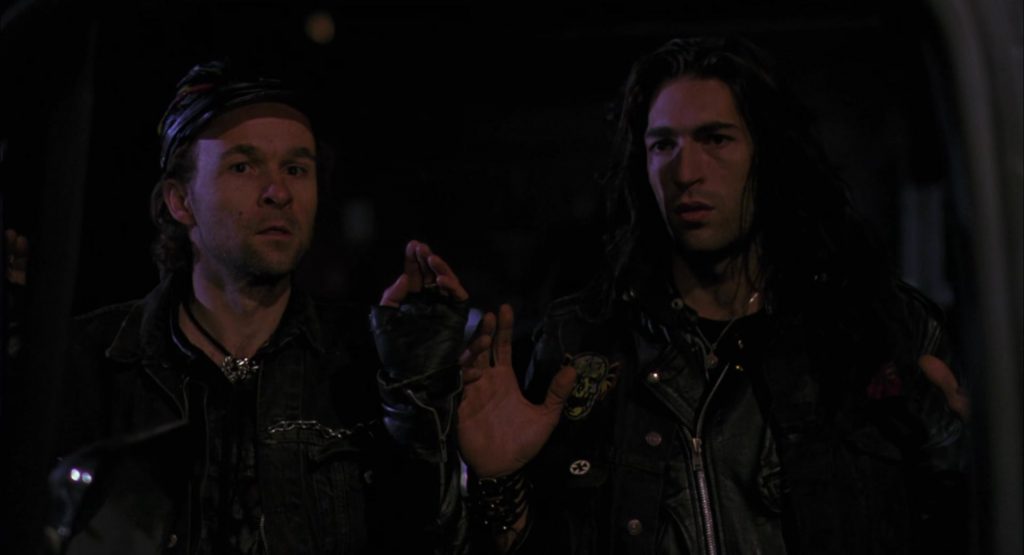
The supporting cast, including Minor Mustain and Bam Bam Bigelow, perform their roles adequately, though they never quite reach the colourful heights of some of the villains and henchmen featured in either of the prior Snake Eater movies. His Law opts for a more grounded approach and whilst the biker antagonists are effective enough, ultimately they lack the memorable personalities needed to make them truly iconic. The film also benefits from strong support from its female cast. Tracey Cook, Holly Chester, and Tracey Hway each bring personality and presence to their roles, helping to add depth and variety to the story beyond the central action.


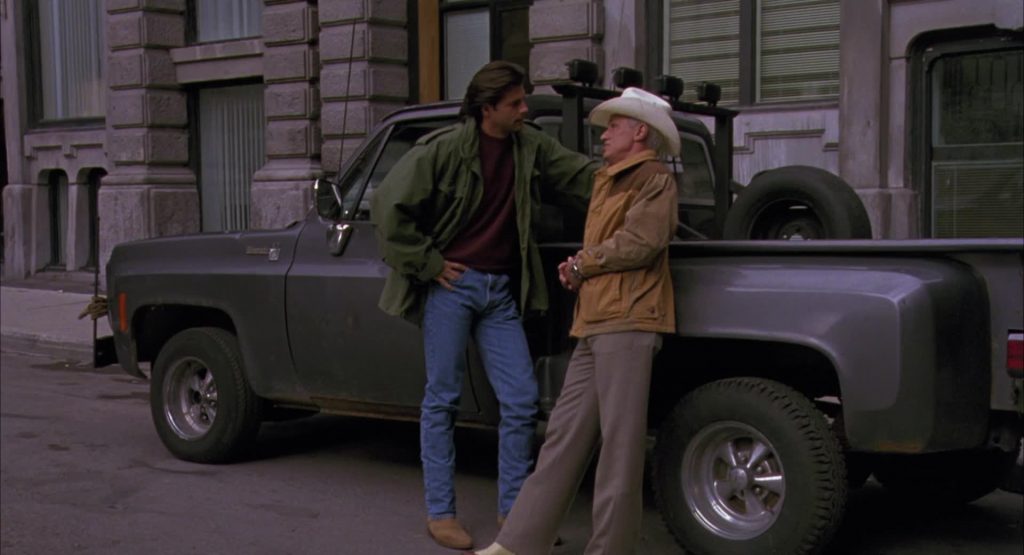
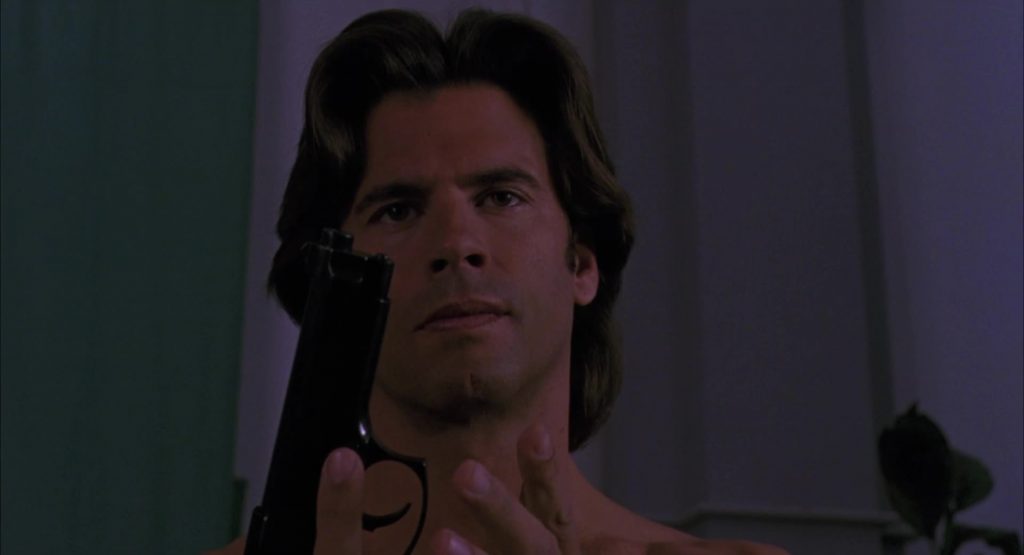
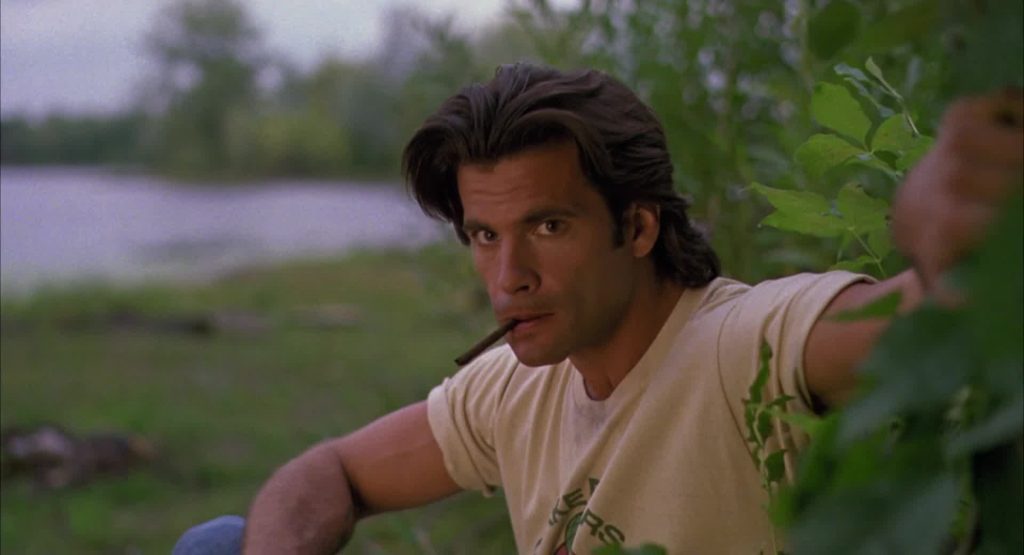
As expected, the plot itself is little more than a framework to move the action forward. There are kidnappings, chases, revenge-fuelled confrontations, and predictable twists that rarely surprise. The story feels like something lifted directly from a syndicated action television series, complete with familiar character archetypes and straightforward motivations. However, what could have easily become forgettable is rescued by Lorenzo Lamas’ natural screen presence. Lamas has always been the secret weapon of the Snake Eater films. He possesses a likeable charisma that makes Soldier Kelly an easy character to root for, even when the scripts give him very little to work with. His presence helps sell the film’s more typical moments, and he remains an engaging lead throughout.
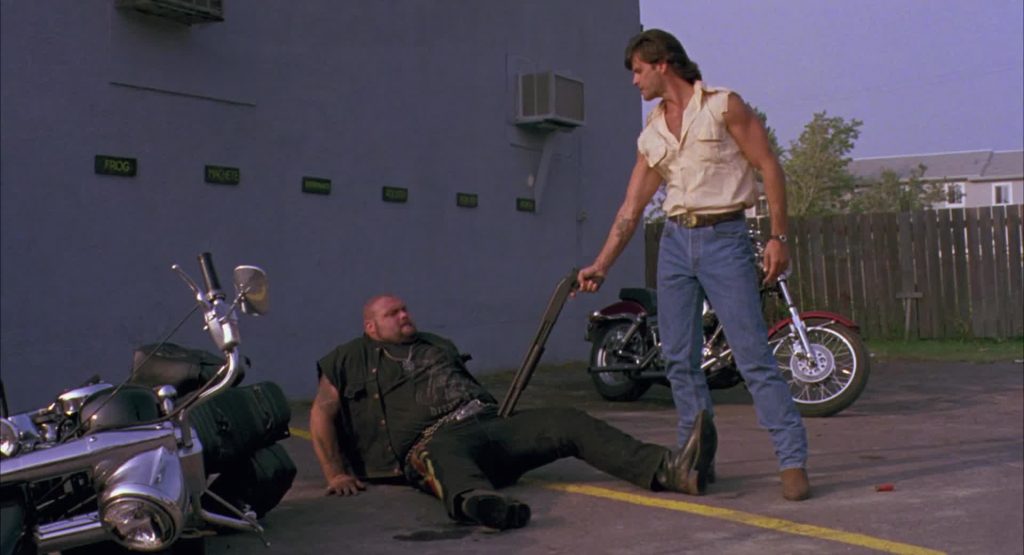
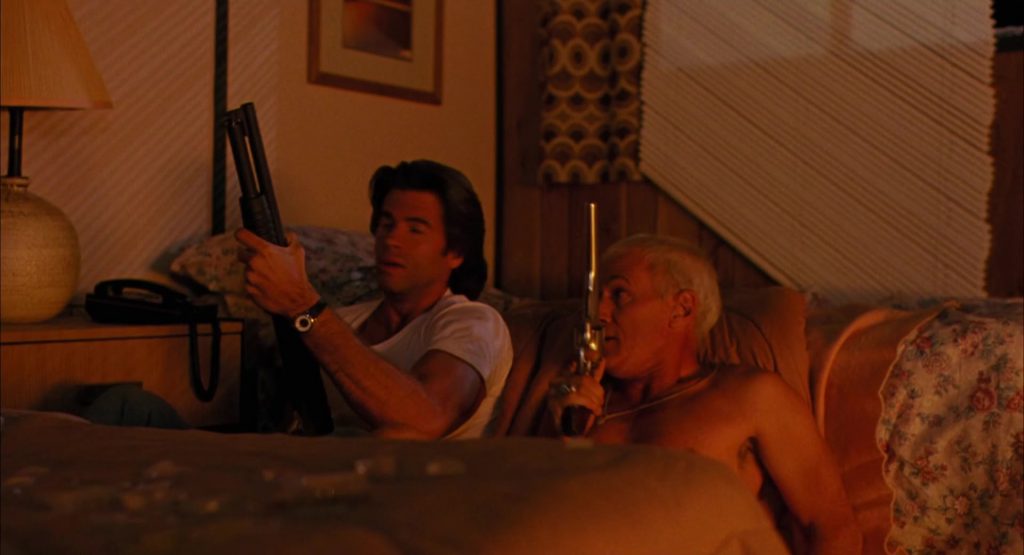
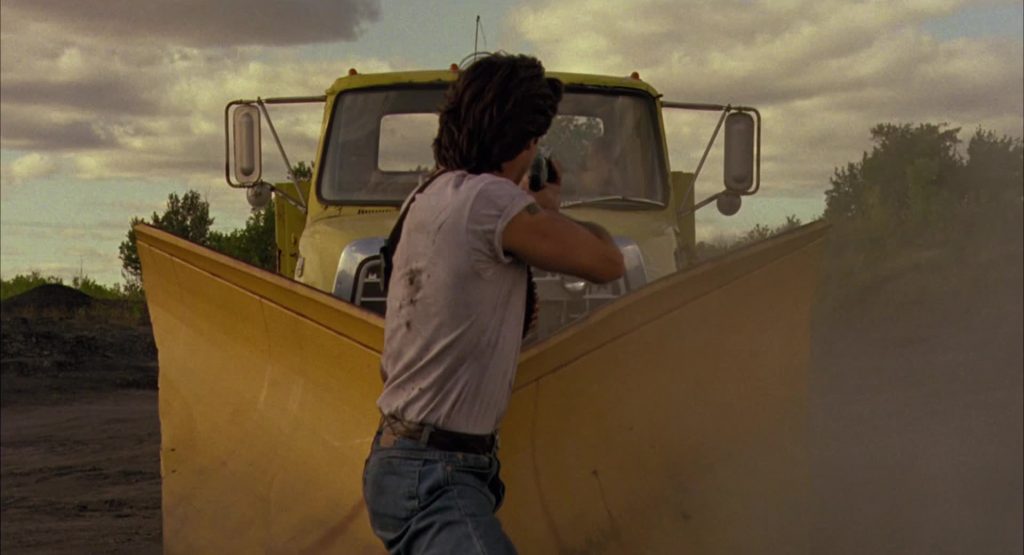
Visually, His Law may actually be the strongest-looking entry in the trilogy. Director George Erschbamer appears more comfortable with the material, delivering a polished production that makes effective use of its limited resources. The action scenes are competently staged, the pacing rarely drags, and the overall presentation feels more professional than many comparable low-budget action films of the era.



What makes Snake Eater III particularly interesting in retrospect is how it highlights the strengths of the franchise as a whole. Unlike many exploitation-driven action movies of the period, the Snake Eater films rarely rely on excessive nudity, gratuitous violence, or shock value to hold the audience’s attention. Instead, they consistently attempt to engage viewers through inventive scenarios, creative problem-solving, and an offbeat sense of adventure. However, the inclusion of Holly Chester in her underwear certainly enhances the movie’s appeal.


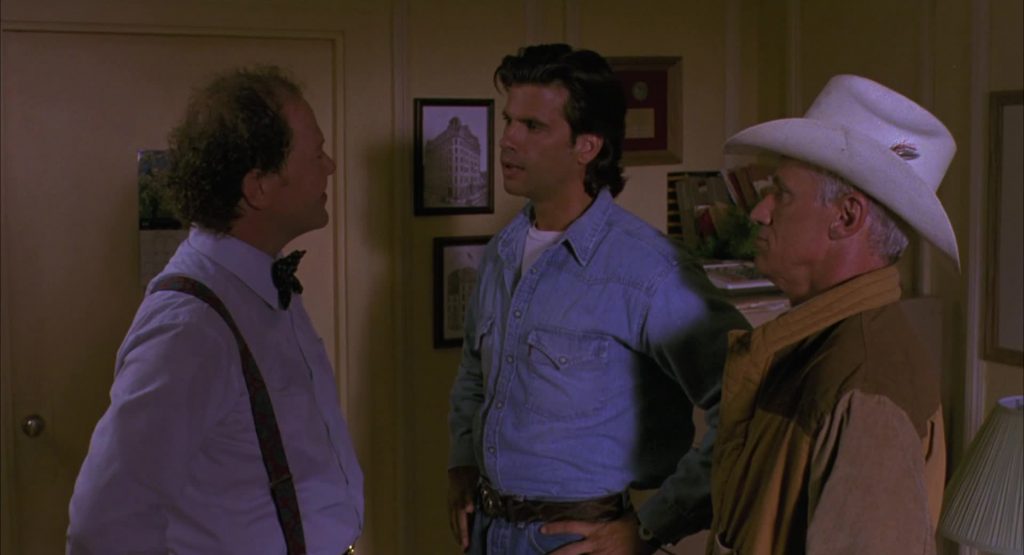
Of course, these films were never operating with the budgets of Lethal Weapon or Die Hard. They lack the spectacular stunts, star power, and production values of those Hollywood heavyweights. Yet there is an undeniable ingenuity at work throughout the trilogy. The filmmakers repeatedly find ways to maximise limited resources, creating entertaining action sequences and compelling situations without needing blockbuster budgets.


Perhaps that’s why the series remains surprisingly enjoyable. Going into the trilogy with low expectations often results in a pleasant surprise. What initially appears to be another disposable direct-to-video action franchise gradually reveals itself as something more distinctive. The films have personality, charm, and a genuine desire to entertain. Snake Eater III: His Law may not be the strongest action film of its era, nor is it the best entry in the series. However, it successfully delivers exactly what fans want, a straightforward, entertaining adventure anchored by a charismatic lead and a refreshing willingness to do things a little differently.

The Snake Eater trilogy is far better than its reputation suggests. While His Law suffers from a thin plot and less memorable villains than its predecessor, it compensates with solid pacing, improved production values, and another dependable performance from Lorenzo Lamas. More importantly, it serves as a fitting conclusion to a franchise that consistently delivered more creativity and entertainment than its modest budgets would suggest.
There isn’t much art for Snake Eater III: His Law as it was a direct to video release, I thought I would include the entire VHS cover art… for the preservation.
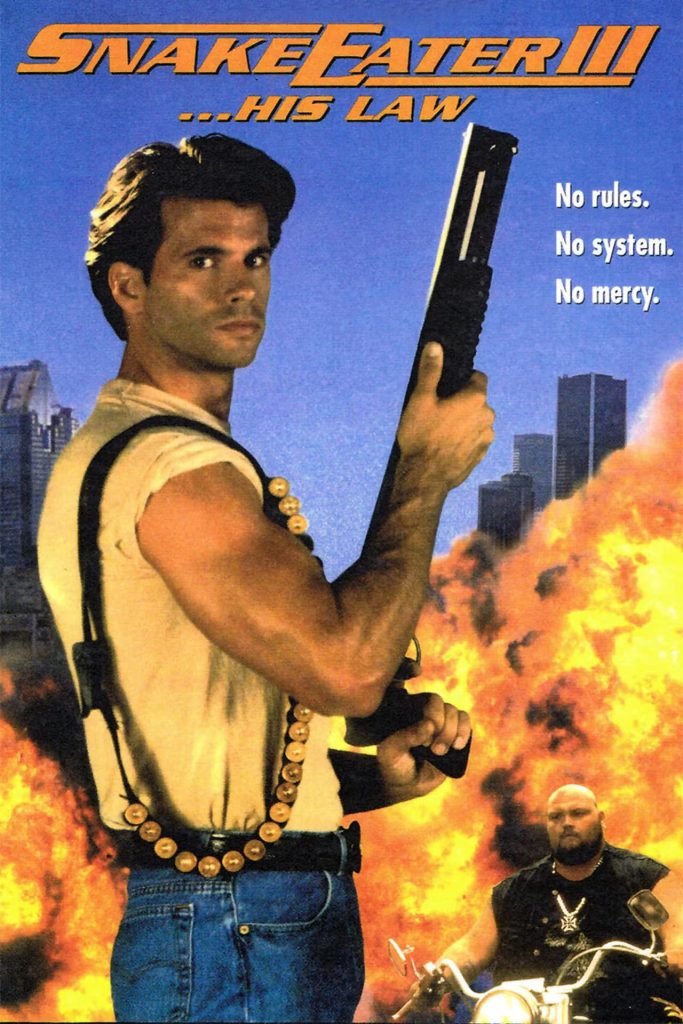


Like the rest of the Snake Eater trilogy, the German release is arguably the definitive version to seek out. The film is also available on DVD, and viewers in the United States can currently catch it on Tubi if they have access to the platform.