
Brothers Till We Die (1977)
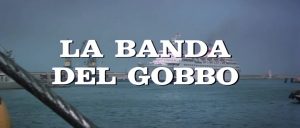
One of the great joys of diving into the world of Italian poliziotteschi cinema is discovering that what initially appears to be a standalone crime thriller often turns out to be part of a sprawling, interconnected web of characters, sequels and spin-offs. Few films demonstrate this better than Brothers Till We Die (La banda del gobbo), Umberto Lenzi’s eccentric 1977 crime thriller that further expands one of the most bizarre shared universes in European genre cinema.
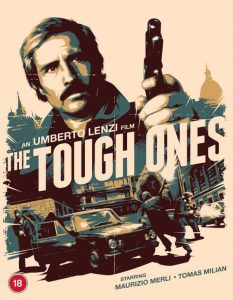
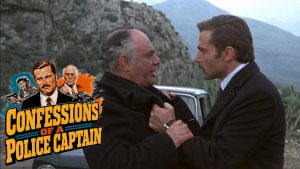
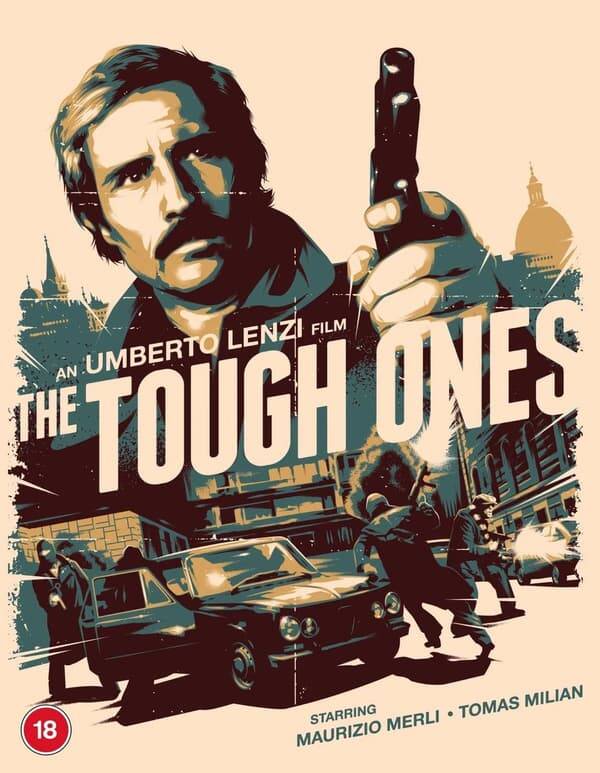
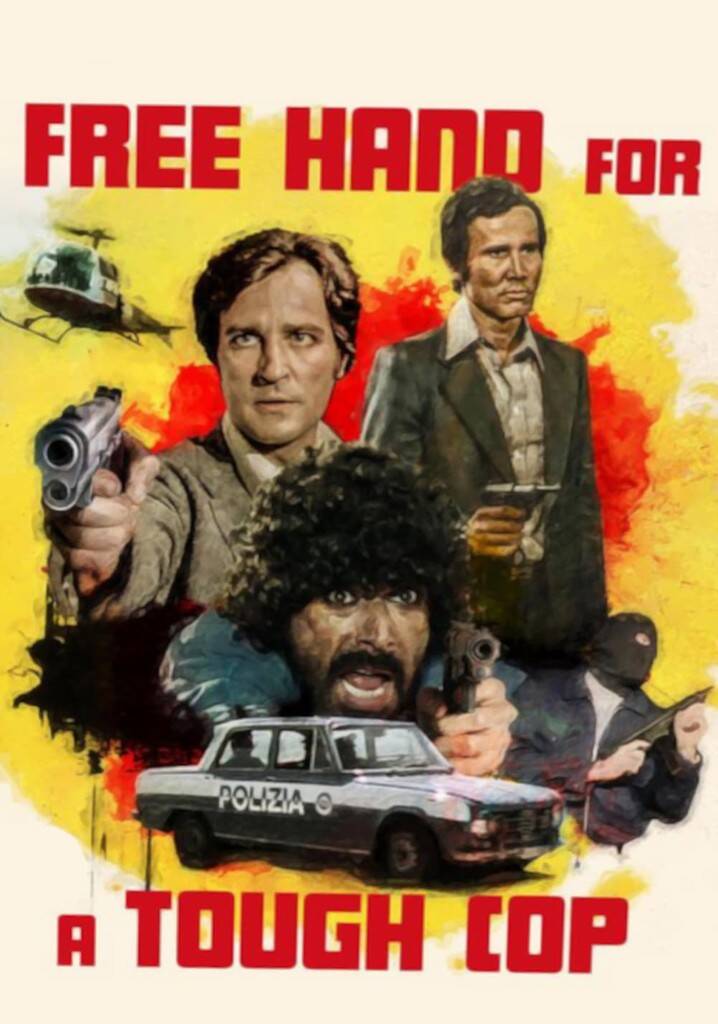
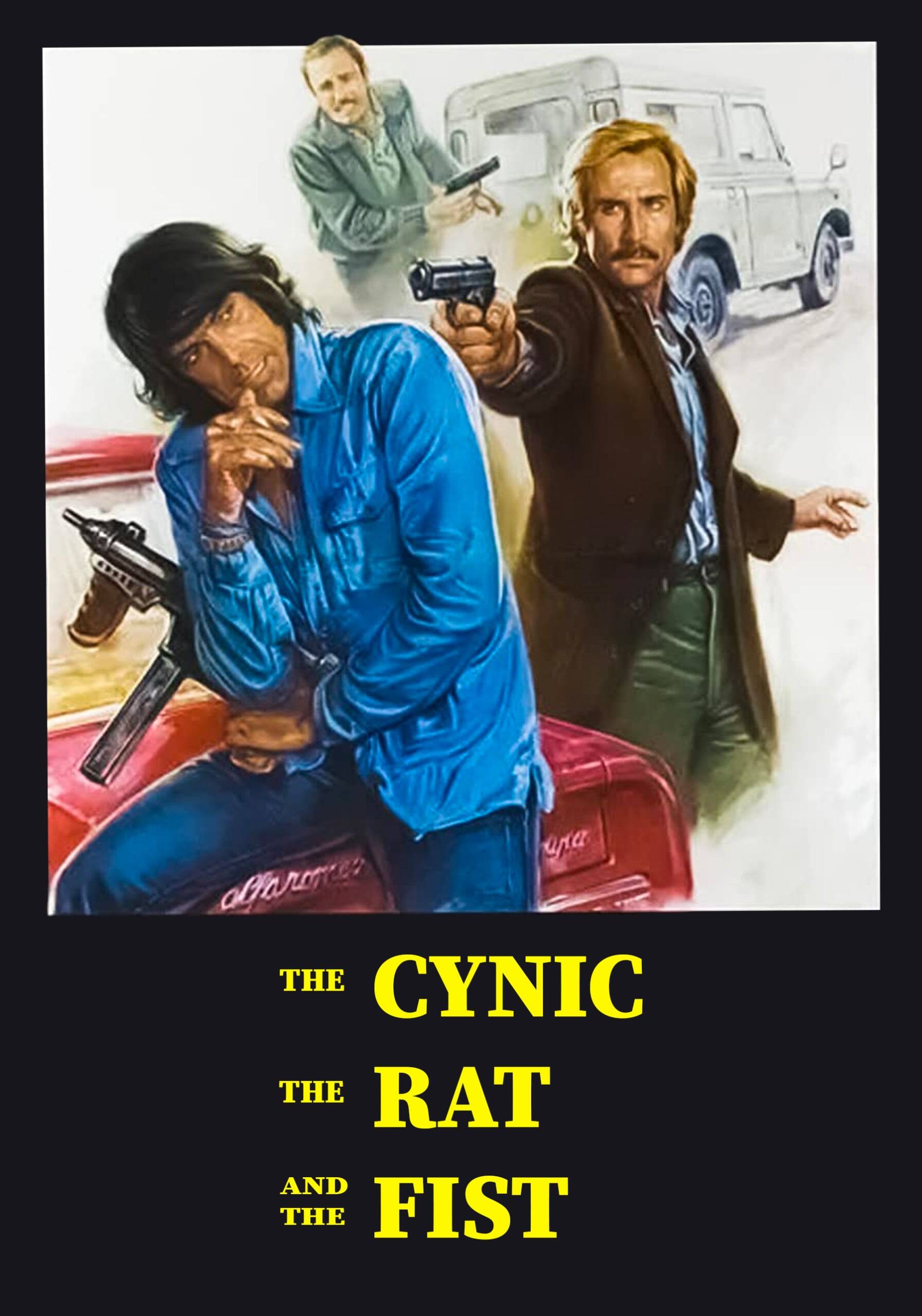
At first glance, tracing the connections can feel like trying to untangle a detective’s evidence board after an all-night drinking session. The Tough Ones itself was a sequel to The Cynic, the Rat and the Fist, both featuring Maurizio Merli’s hard-nosed police inspector Tanzi. Meanwhile, Tomas Milian played the vicious hunchbacked gangster Vincenzo Moretto in The Tough Ones. Then things become delightfully complicated. Milian also portrayed Sergio Marazzi, better known as “Er Monnezza” (“The Trashman”), in Free Hand for a Tough Cop and several other movies. In Brothers Till We Die, Lenzi reveals that Moretto and Monnezza are identical twins. As if that wasn’t enough, Milian had already played an entirely different criminal, Luigi Maietto, in The Cynic, the Rat and the Fist. Continuity was clearly less important than giving audiences more Tomas Milian, and frankly, who can blame them?
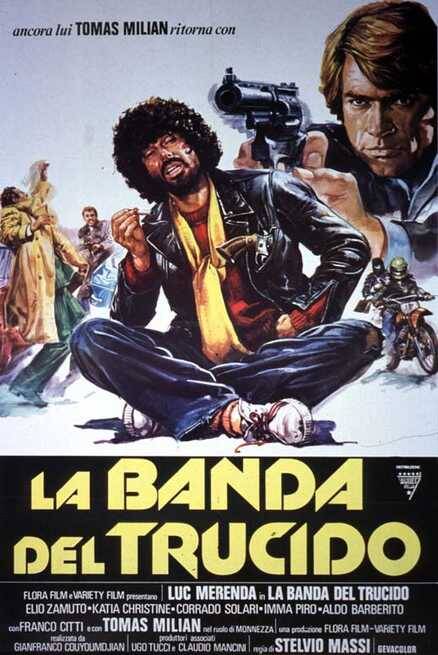
Thankfully, despite the tangled family tree, the film itself is remarkably easy to follow. The story begins with Vincenzo Moretto returning to Rome to organise a major robbery. The opening act quickly establishes the film’s ruthless tone as the heist unfolds with a grimy authenticity characteristic of the best poliziotteschi films. What follows is less a conventional heist thriller and more a revenge-driven character study. With the assistance of his streetwise twin brother Sergio Monnezza, Moretto embarks upon a mission of vengeance against those who crossed him.
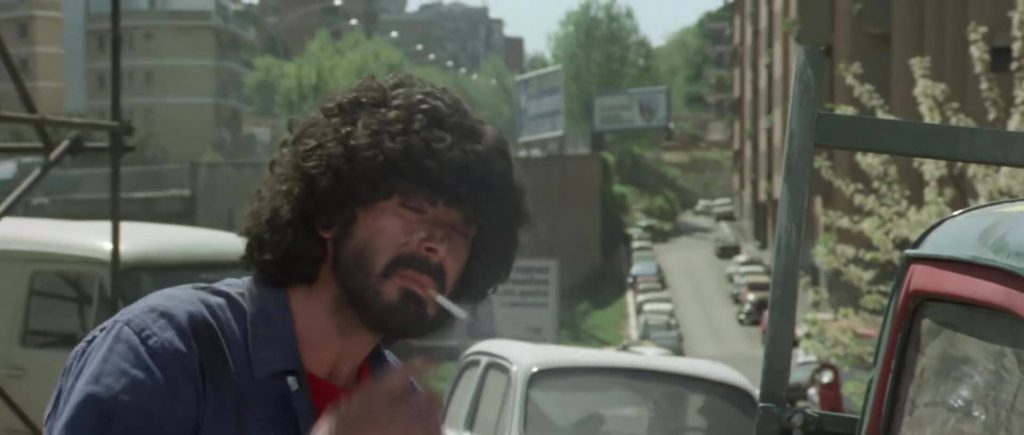
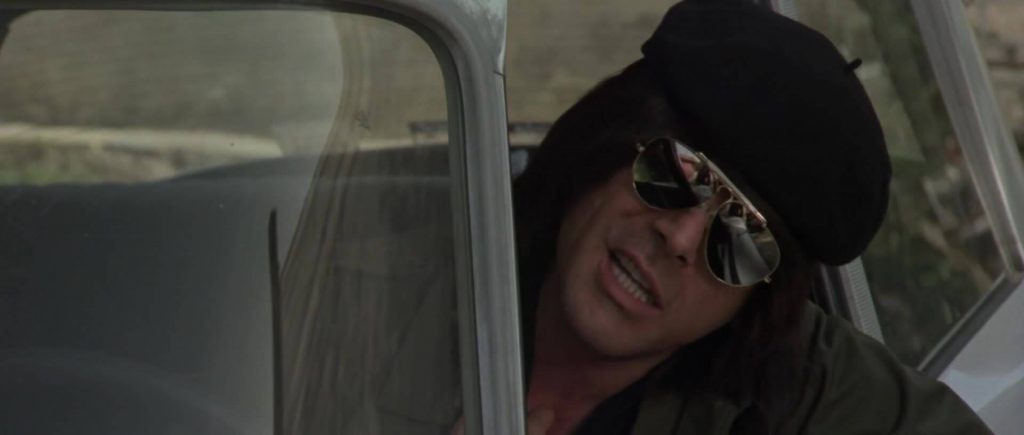
One of the film’s biggest surprises is how restrained it is compared to many of its contemporaries. Audiences expecting wall-to-wall car chases and machine-gun battles may initially be taken aback. The action is certainly present, but Lenzi is more interested in the personalities driving the violence than the violence itself. As a result, Brothers Till We Die feels much more character focused.
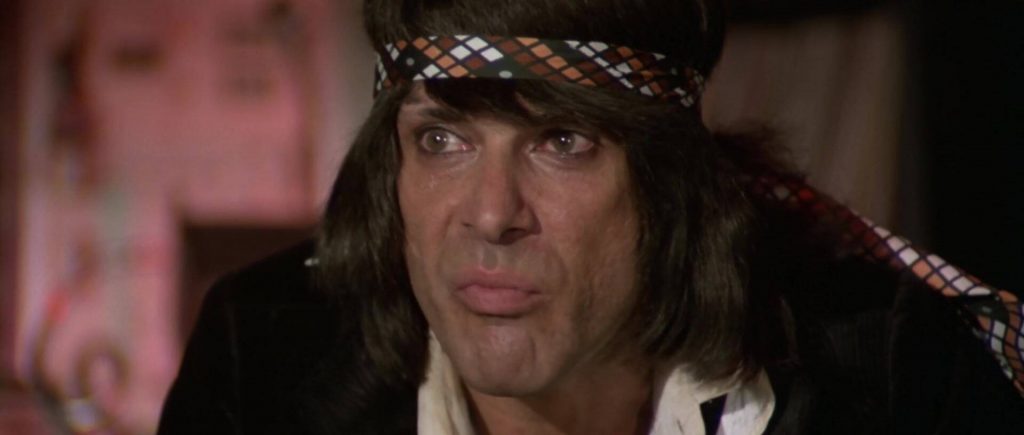

That approach allows Tomas Milian to excel in a dual performance. Playing both brothers could easily have been a gimmick, but Milian creates two genuinely distinct individuals. Vincenzo Moretto is a fascinating monster. Physically deformed but psychologically far more damaged, he dominates every scene through sheer force of personality. His cruelty and self-destructive tendencies leave devastation wherever he goes. By contrast, Sergio Monnezza provides a welcome counterbalance. More relaxed, more humorous and significantly more human, he serves as both comic relief and the emotional anchor of the film. The interactions between the brothers are often entertaining, though they can also be frustrating. Sergio endures an astonishing amount of abuse from Vincenzo, testing the limits of their relationship. Yet it is this dysfunctional relationship that gives the film much of its dramatic weight.

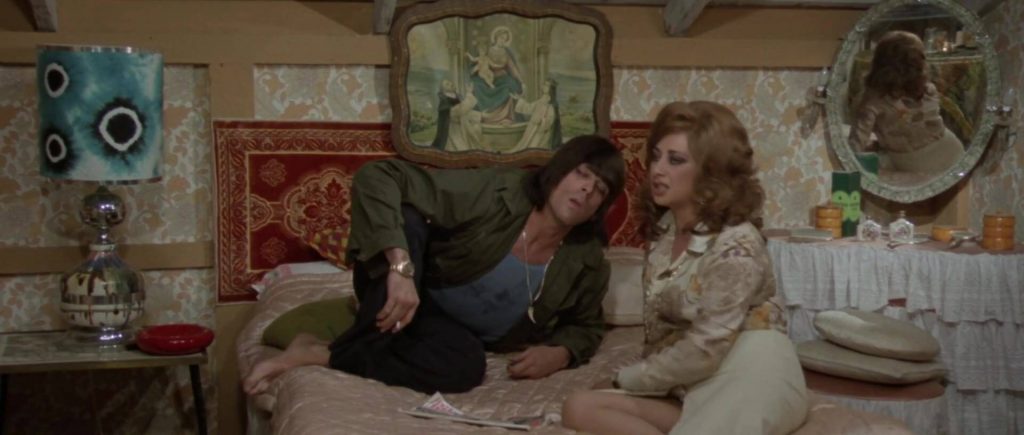
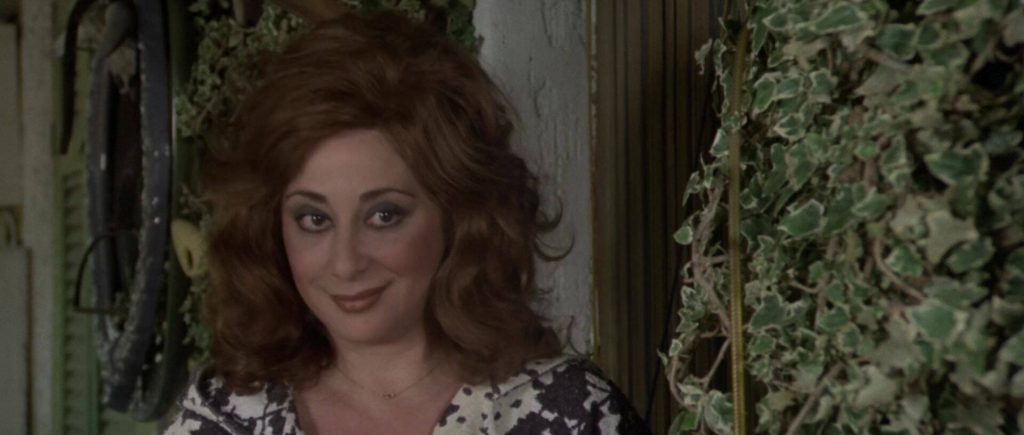
Milian’s achievement becomes even more impressive when the brothers share scenes together as he ensures that audiences never confuse the two men. Their body language, speech patterns and emotional rhythms are entirely different, showcasing the actor’s exceptional range. The supporting cast performs admirably, but the film ultimately belongs to Milian. Isa Danieli brings warmth and vulnerability as Maria, one of the few people capable of seeing something redeemable within Vincenzo. For brief moments, there is a glimpse of the man he might have been had his life taken a different path.
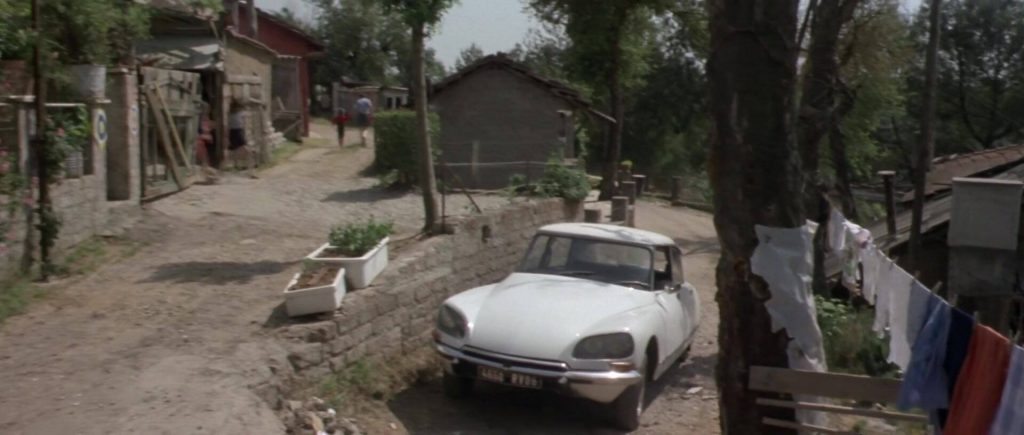

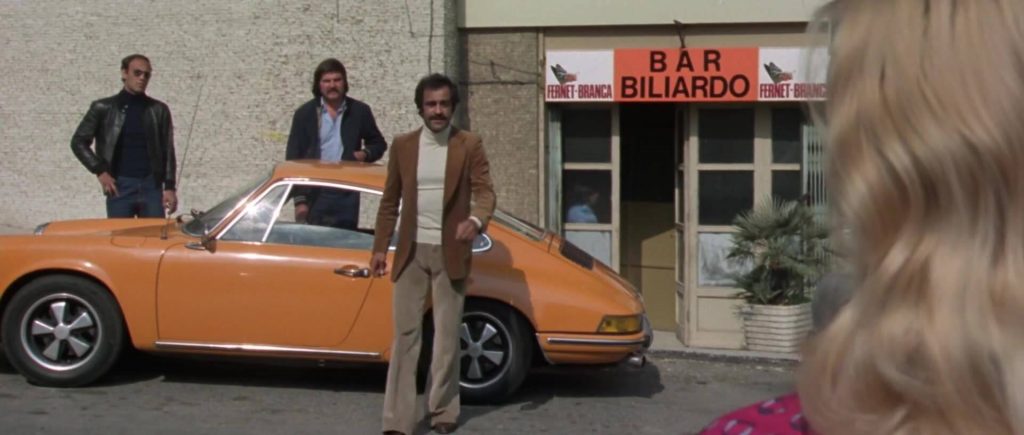
Behind the camera, Umberto Lenzi once again demonstrates why he remains one of the defining directors of the poliziotteschi movement. Even during quieter moments, Lenzi keeps the film moving with sharp pacing and a keen eye for visual storytelling And keeps routine scenes interesting with dynamic camera placement, sudden bursts of violence or moments of dark humour.
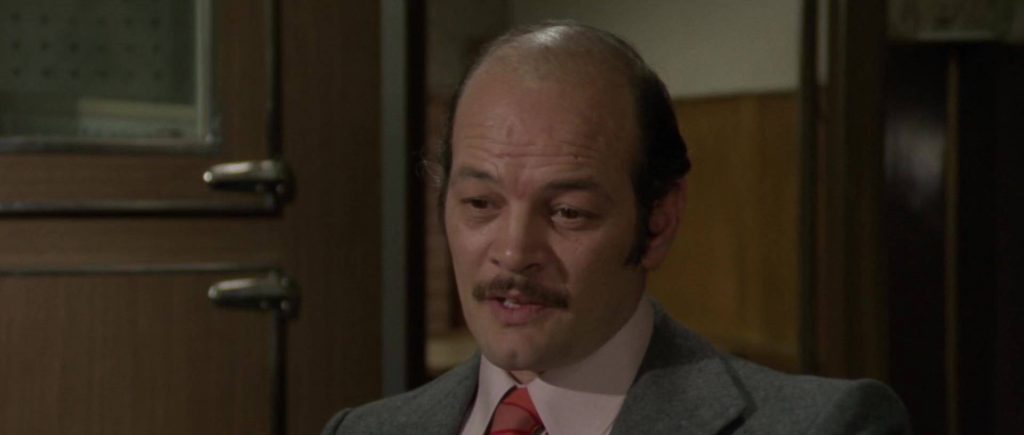
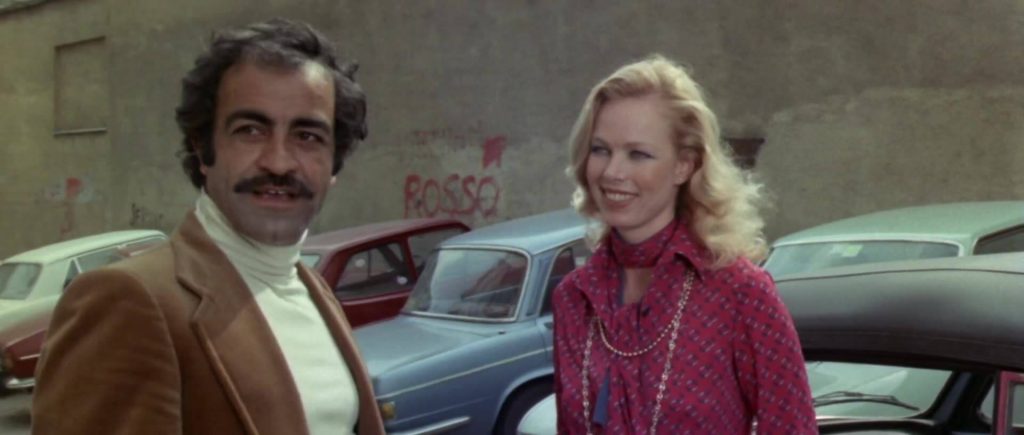
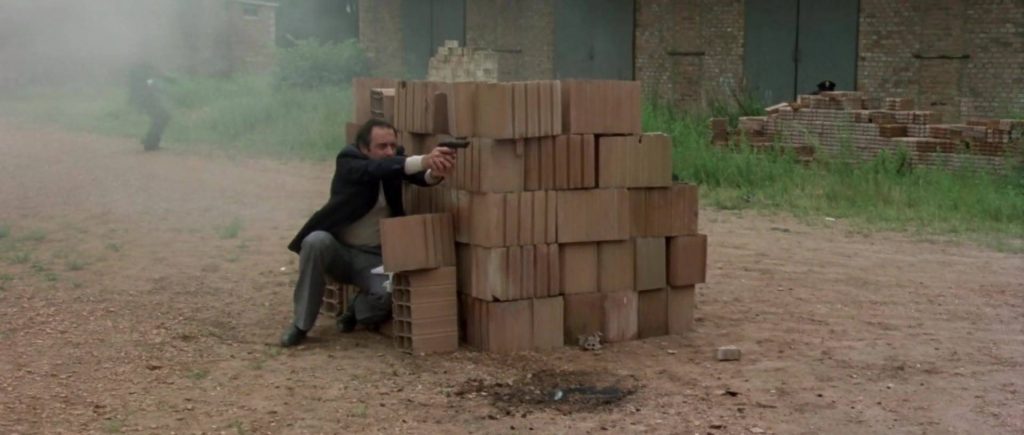
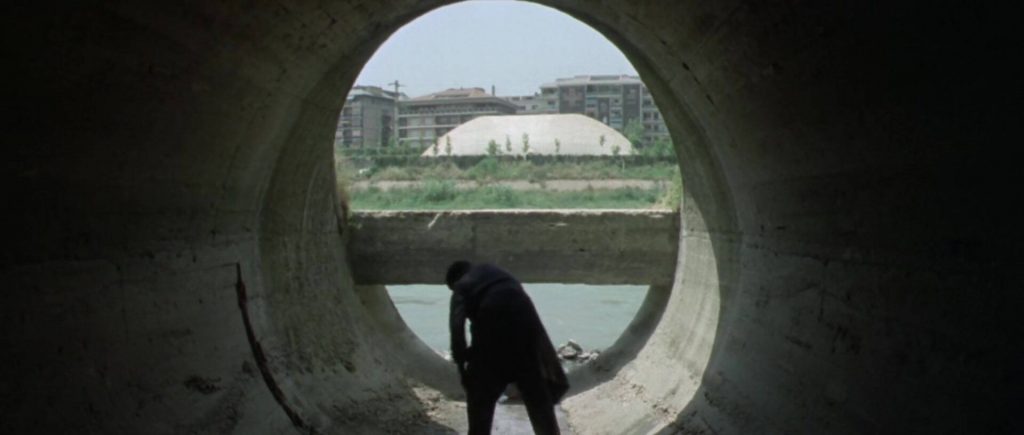
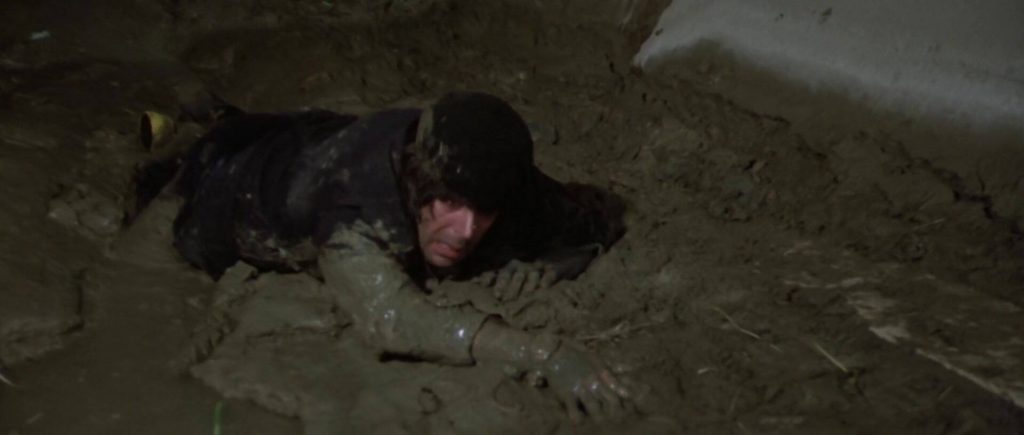
Several sequences stand out long after the credits roll. The opening robbery, with Milian crawling through Rome’s filthy sewer system, perfectly captures the film’s atmosphere. A later nightclub sequence, in which Vincenzo begins to crumble psychologically, feels remarkably ahead of its time. The scene predates Tony Montana’s public collapse in Scarface, with Moretto’s paranoia and instability bubbling violently to the surface. Elsewhere, a scene involving a dentist patient and a household drill pushes the film into near horror territory.
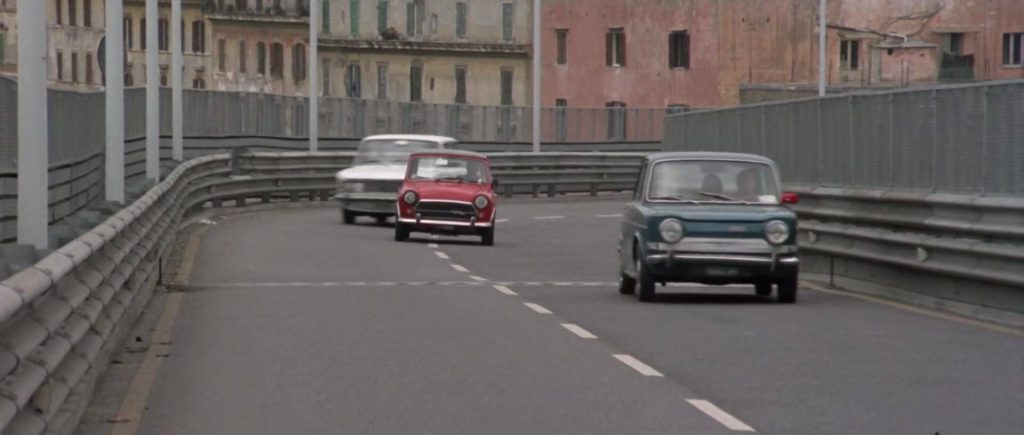
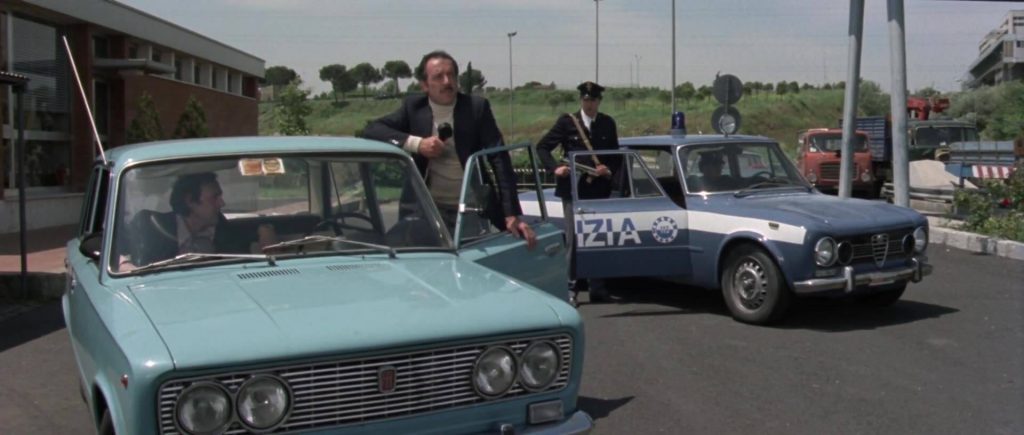
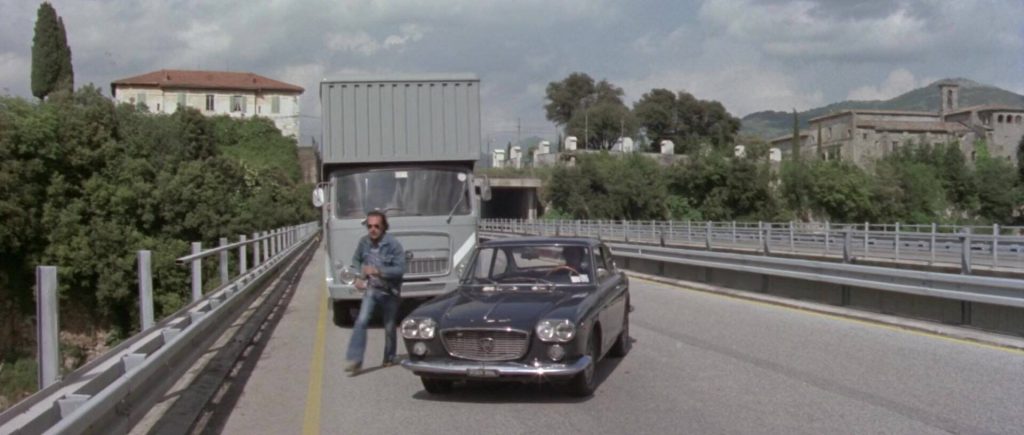
The film’s musical score, composed by the legendary brothers Guido and Maurizio De Angelis, perfectly complements the shifting tone. Their soundtrack, which I managed to pick up some time ago on a limited run, balances melancholy, tension and street-level grit while also injecting moments of levity that reflect Monnezza’s more playful nature. Like much of their work throughout the 1970s, the music possesses an infectious quality that elevates even transitional scenes.
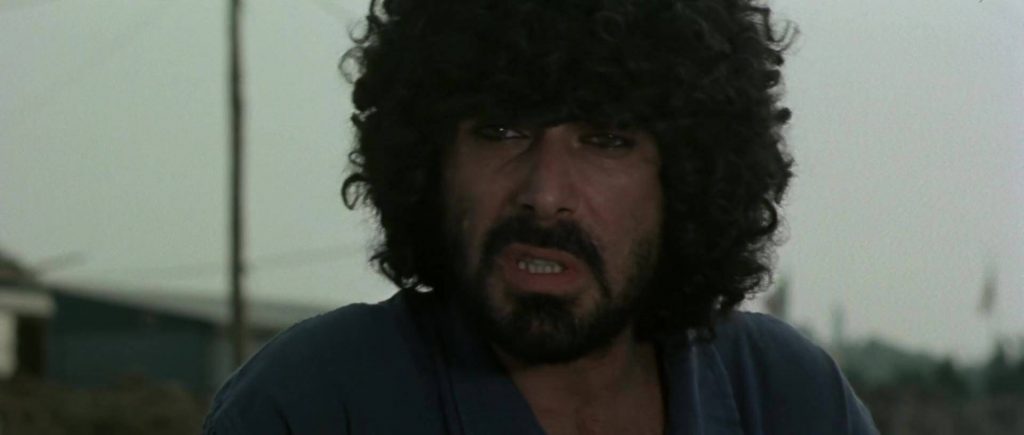
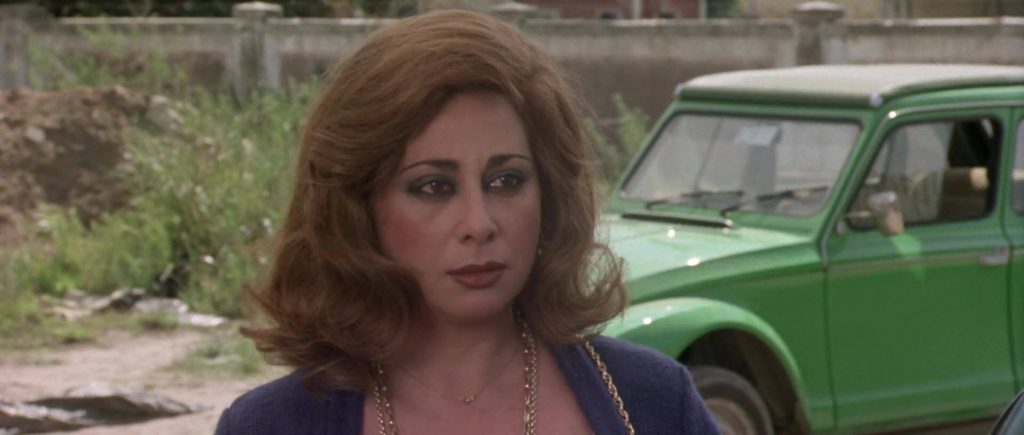
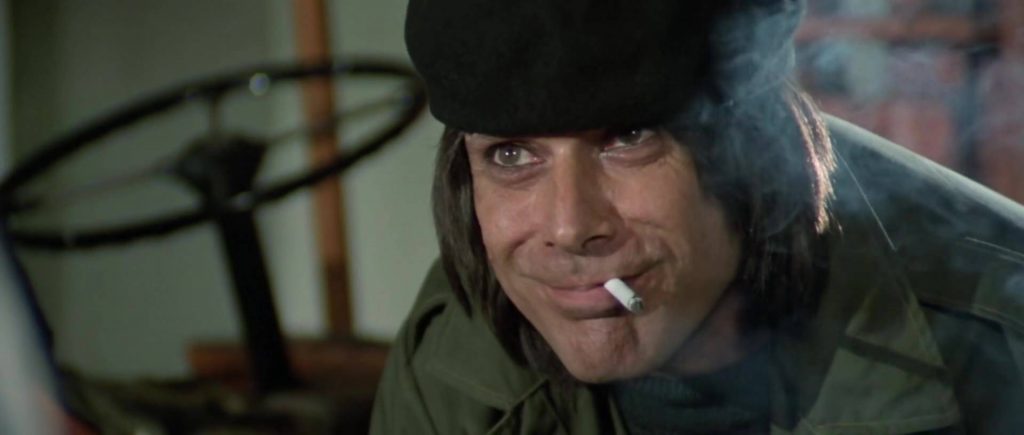
What ultimately makes Brothers Till We Die so memorable is its willingness to prioritise character over spectacle. While there are enough shootouts, beatings and criminal tomfoolery to satisfy genre fans, the film’s greatest strength lies in its exploration of loyalty and self-destruction. For fans of Italian crime cinema, Brothers Till We Die offers something slightly different from the genre’s usual formula with richer characterisation, memorable performances and a wonderfully eccentric premise that could only have emerged from 1970s Italian genre filmmaking.
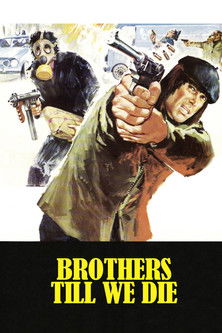
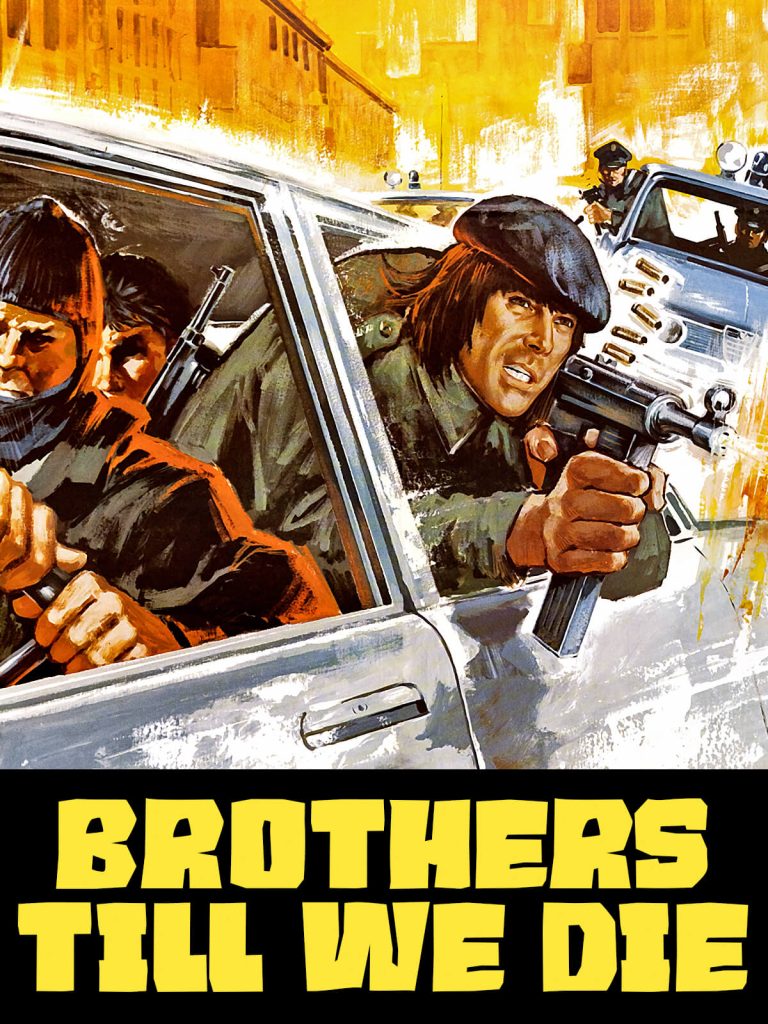
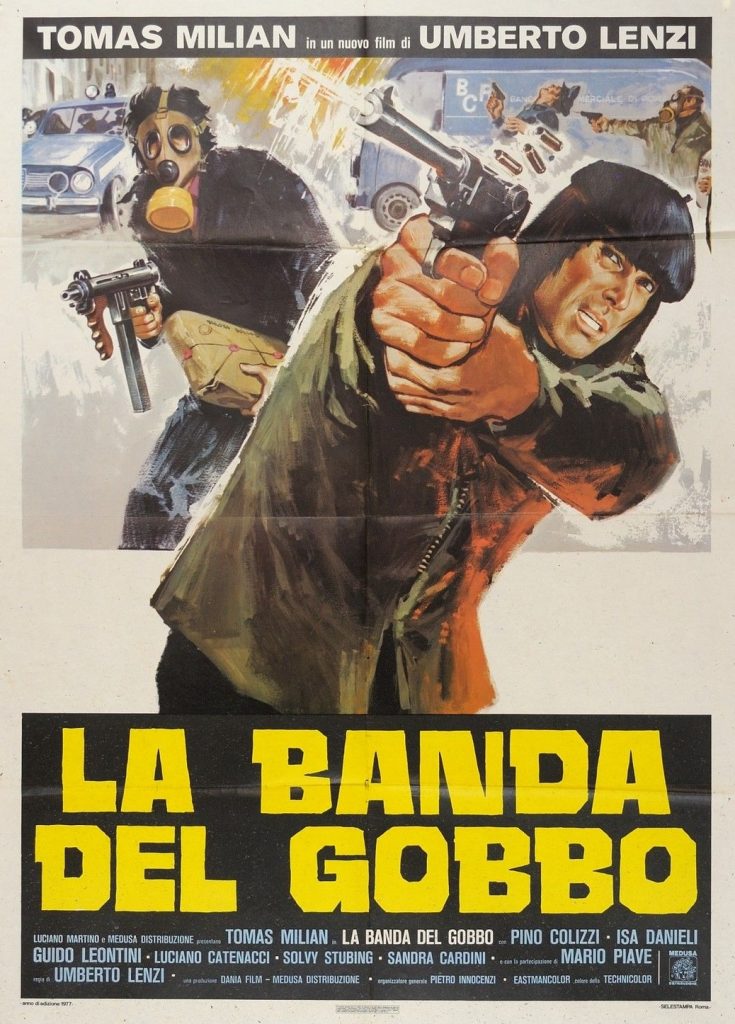
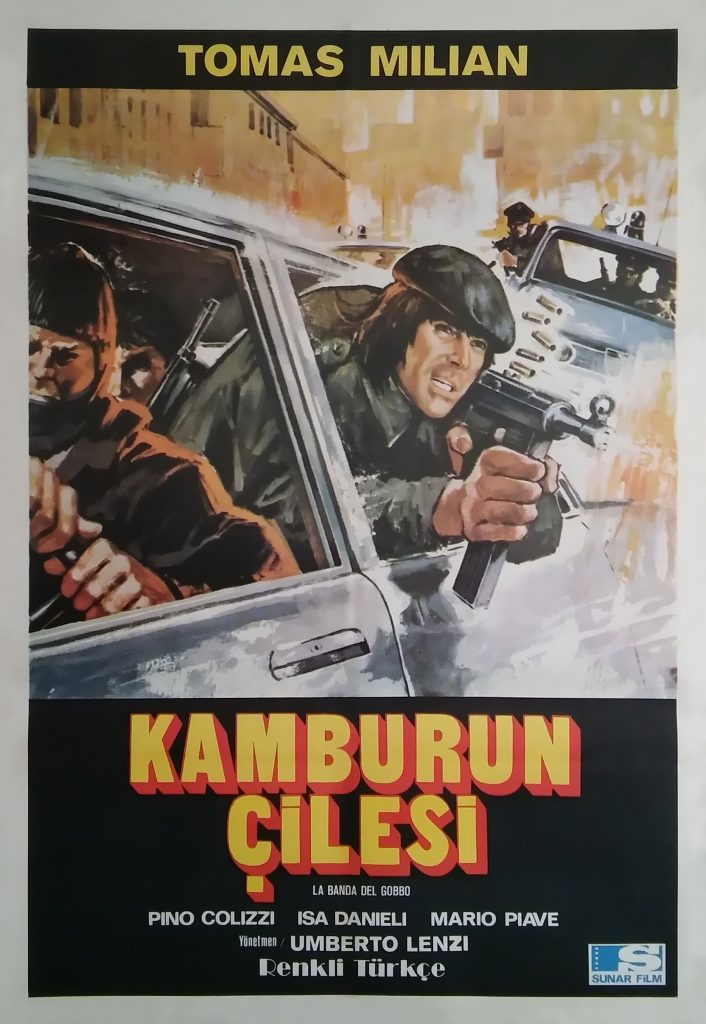
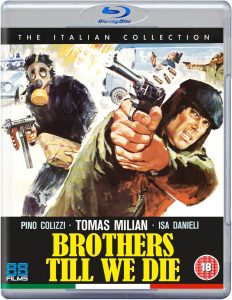
88 Films released the film as #57 in their acclaimed The Italian Collection line, and it remains the definitive edition on the market. In fact, it may well be the only HD release currently available. Early pressings came housed in a stylish slipcase.
The release is packed with a strong selection of bonus features, including contributions from genre experts such as Mika Molloy and Troy Howarth.