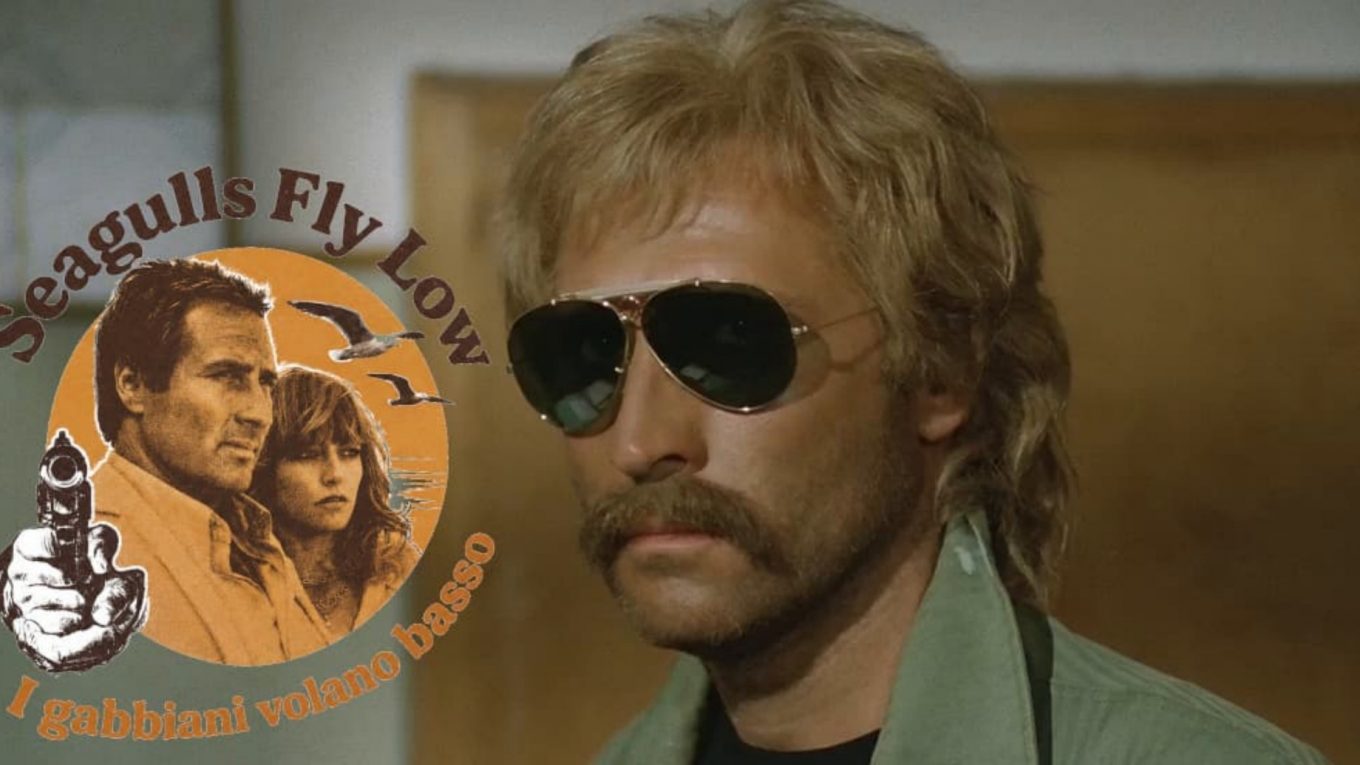
Seagulls Fly Low (I gabbiani volano basso) (1977)
Among the many forgotten corners of 1970s Italian crime cinema lies Seagulls Fly Low (aka I gabbiani volano basso), a curious and often overlooked thriller written and directed by Giorgio Cristallini. Starring Maurizio Merli, Nathalie Delon, and Mel Ferrer, the film was shot across Rome, Civitavecchia, and the picturesque island of Ponza, locations that lend the production an atmosphere quite unlike the urban chaos typically associated with the poliziotteschi genre.
This is a film that took some effort to track down. After years of hearing little more than whispers from collectors and genre enthusiasts, I eventually relented and imported a German release featuring the English dub. Given Maurizio Merli’s typical output at the time and the scarcity of the film, expectations naturally ran high. What unfolds, however, is something rather different from the hard-hitting action thriller one might anticipate.
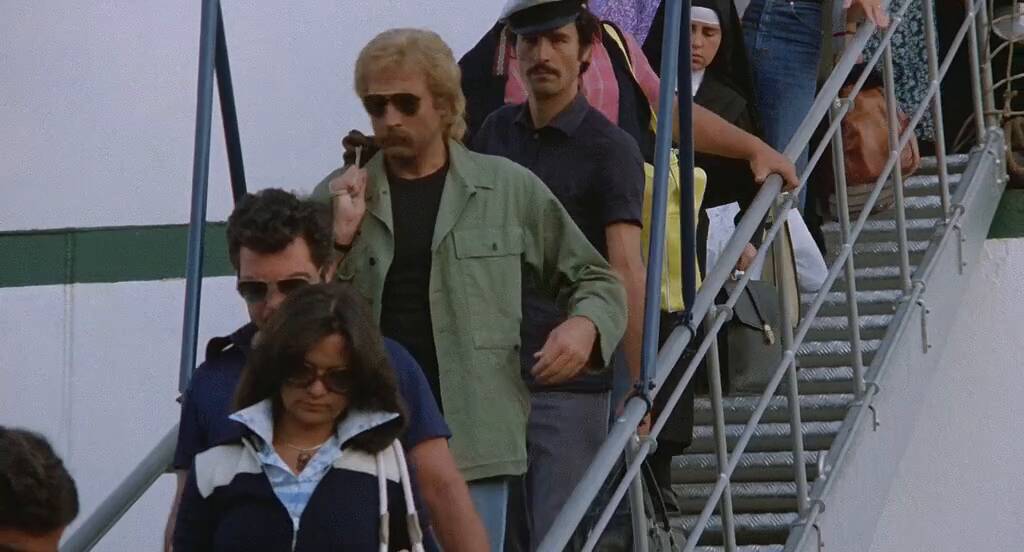
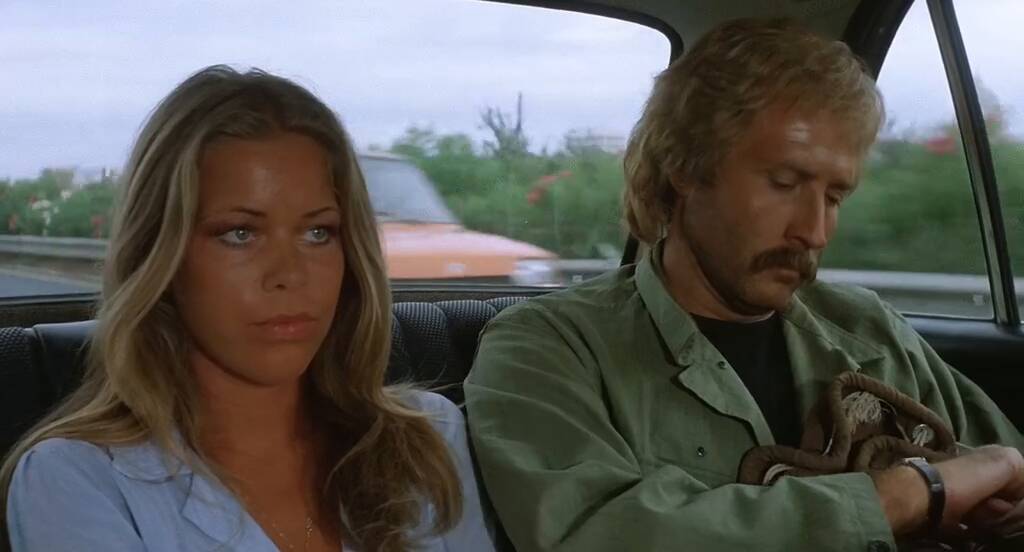

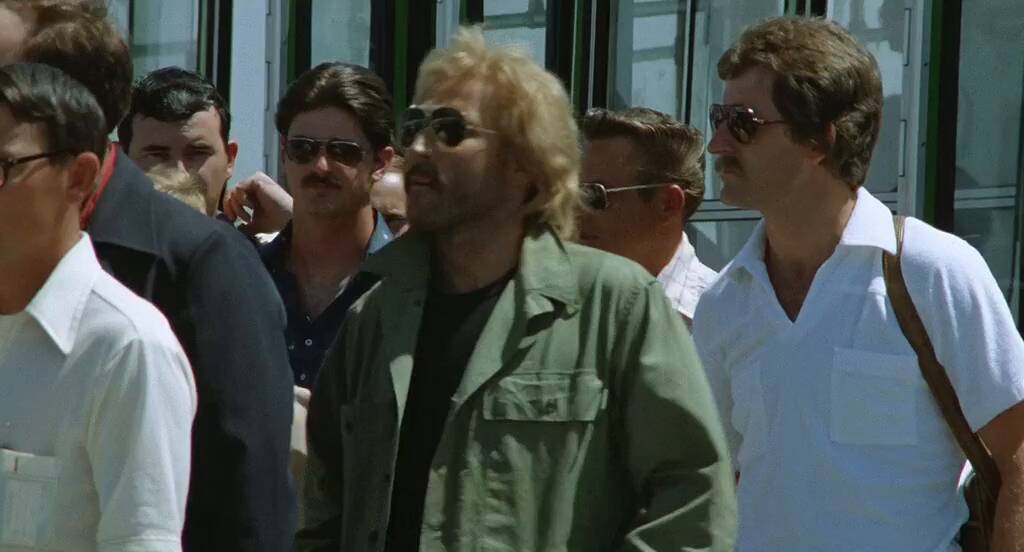
At first glance, the setup suggests a familiar revenge-driven action narrative. Merli’s rugged appearance, complete with an impressive moustache and military getup, initially evokes comparisons to the kind of lone-wolf veterans that would become popular in American cinema a few years later. One could be forgiven for expecting an Italian precursor to First Blood. Instead, Cristallini steers the story into a less violent territory.
Merli plays a professional killer whose latest assignment forces him into a desperate flight from Italy. Haunted by paranoia and unsure whom he can trust, he attempts to return to New York while evading both the authorities and the criminal forces he believes are closing in around him. Along the way he encounters Nathalie Delon’s character, who becomes both confidante and romantic partner. Their relationship forms the emotional core of the film, with the narrative gradually shifting from a crime thriller into a drama about isolation, trust, and survival.

The problem is that the screenplay never quite develops these themes deeply enough to sustain its slower pace. Cristallini favours long takes, extended conversations, and deliberate stretches where very little actually happens. There is certainly an attempt to create mood and tension through atmosphere rather than action, but the result can be frustrating. The film frequently feels as though it is building toward a major revelation, an emotional breakthrough or an exciting showdown that never quite arrives.
For viewers accustomed to the explosive energy of Merli’s collaborations with directors such as Stelvio Massi or Umberto Lenzi, the lack of momentum may prove disappointing. There are moments when Seagulls Fly Low seems determined to test the audience’s patience, lingering on scenes long after their dramatic purpose has been served.
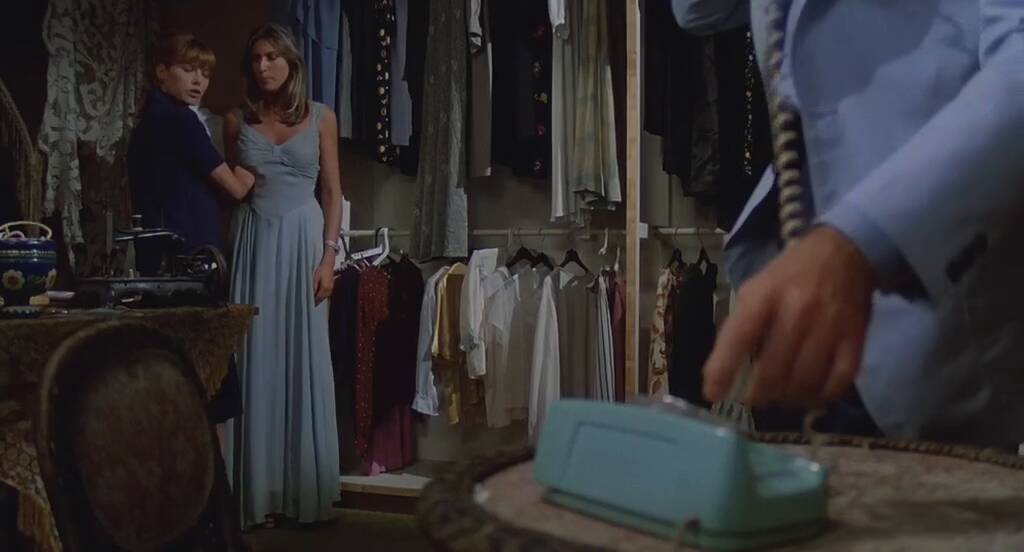
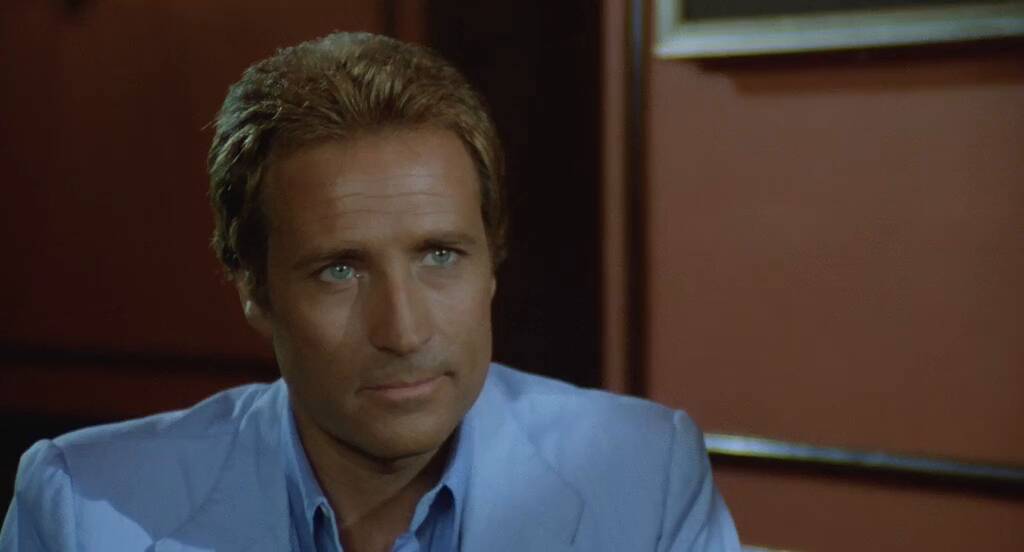
Maurizio Merli delivers a solid performance nonetheless. Fans expecting the fiery, uncompromising lawmen of Commissioner Betti or Inspector Tanzi may be surprised by the restraint on display here. His character is quieter, more vulnerable, and considerably less aggressive than the roles that made him an icon of Italian genre cinema. Merli convincingly portrays a man worn down by fear and uncertainty, even if the screenplay does not always provide him with enough material to fully explore the character’s psychological state.
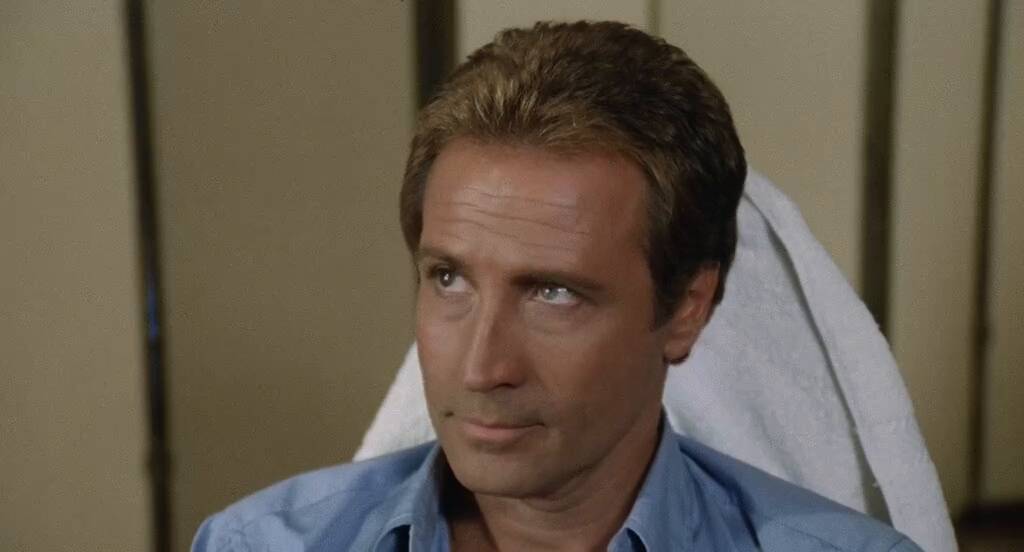
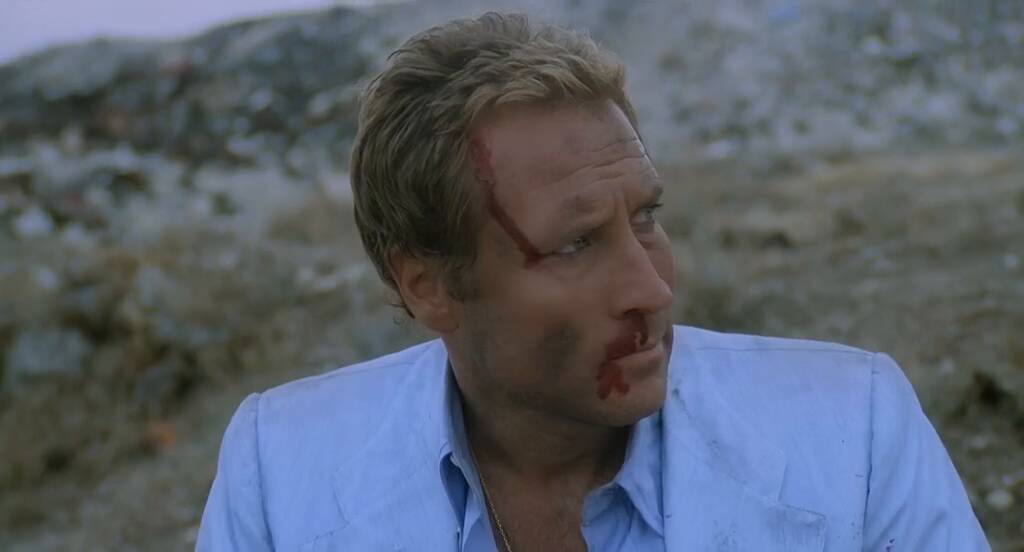
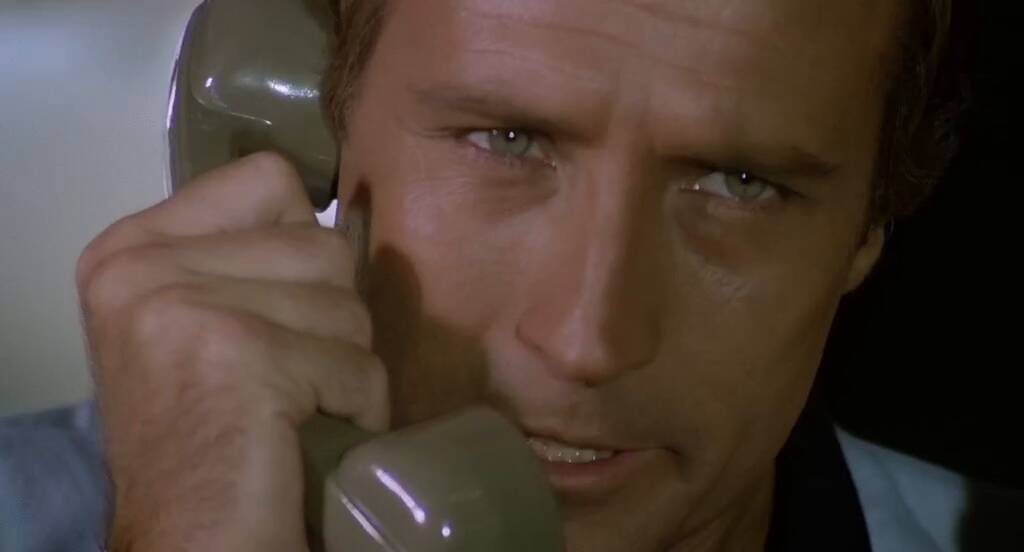
His changing appearance throughout the film is unexpectedly distracting. The magnificent moustache he sports during the opening acts is one of the most memorable in his career, becoming almost a character in its own right. When it disappears later in the story, the transformation is so dramatic that it genuinely feels as though another actor has stepped into the role.
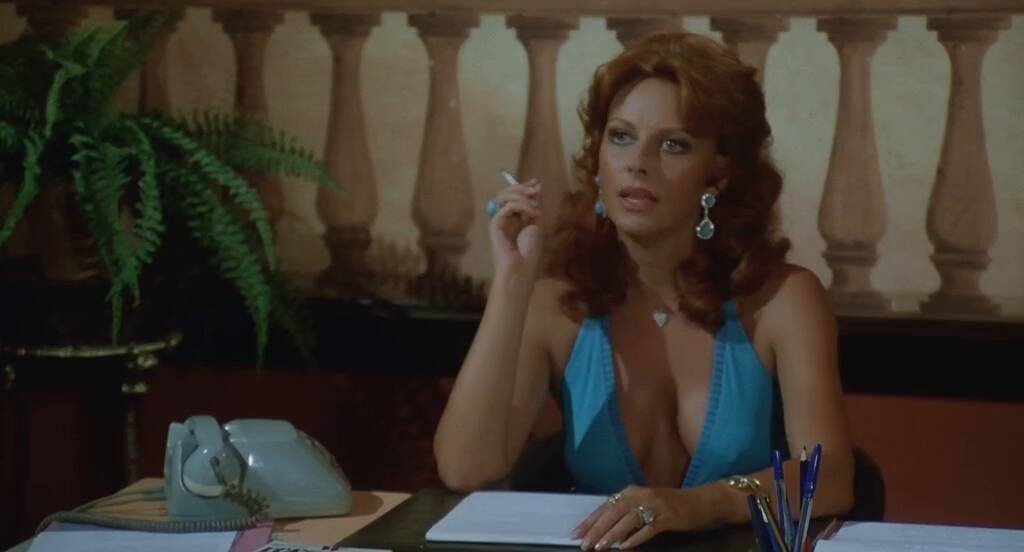
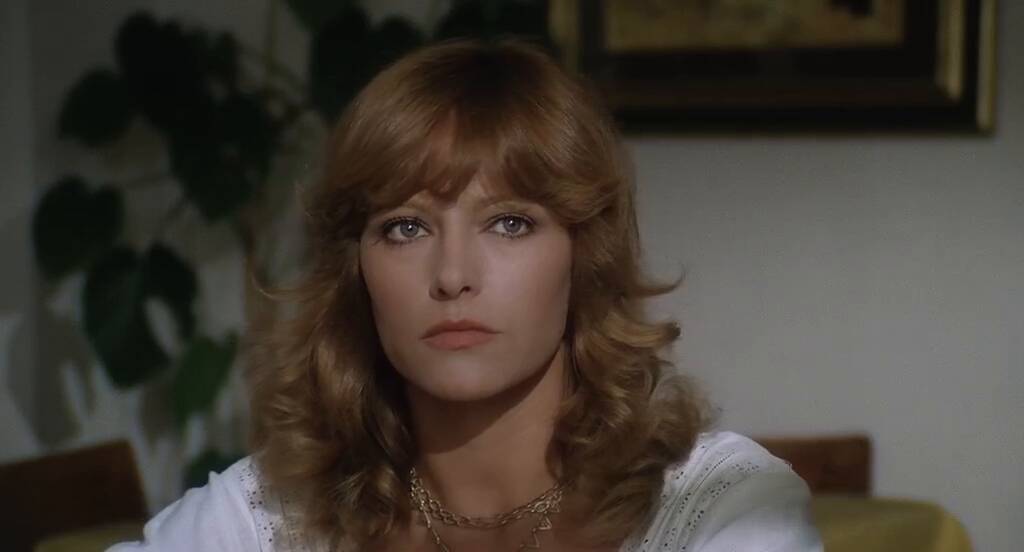
Nathalie Delon brings a welcome elegance and emotional warmth to the film. Best known for her work in European crime cinema during the 1960s and 70s, she provides a grounded presence that helps humanise Merli’s increasingly desperate protagonist. Their chemistry is believable, although the romance itself develops rather abruptly and never achieves the emotional weight the script seems to be aiming for.
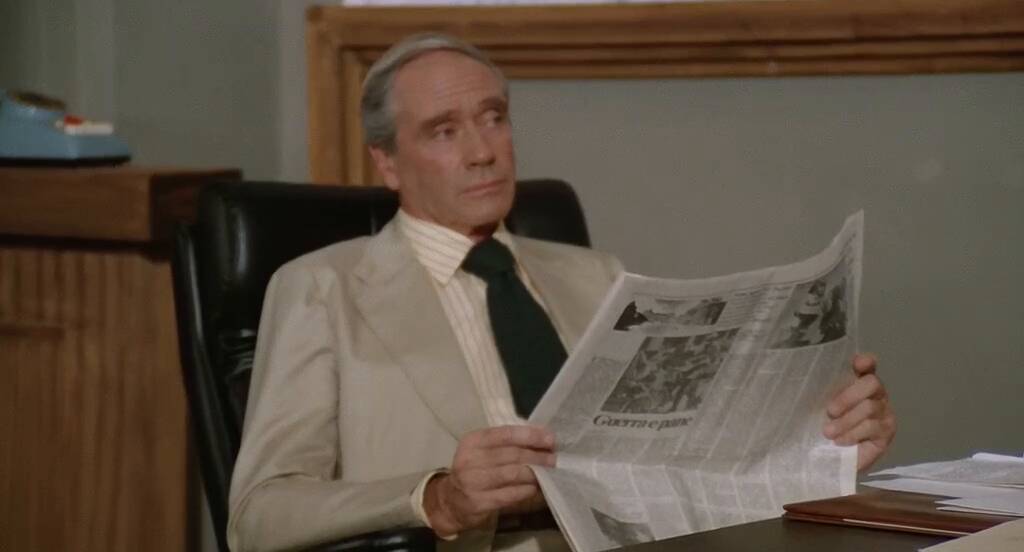

Veteran actor Mel Ferrer adds a touch of international prestige to the production. While his role is not especially substantial, Ferrer carries himself with the sophistication and authority that made him such a dependable supporting player throughout his career. His presence helps elevate several scenes that might otherwise have passed by unnoticed.
The soundtrack deserves special mention for its understated contribution to the film’s atmosphere. Rather than embracing the pulsating funk and jazz influences that characterised many contemporary Italian crime films, the score adopts a more melancholic and reflective tone. It complements the film’s themes of uncertainty and displacement, reinforcing the sense that this is less an action spectacle and more a character study wrapped in the trappings of a crime thriller.

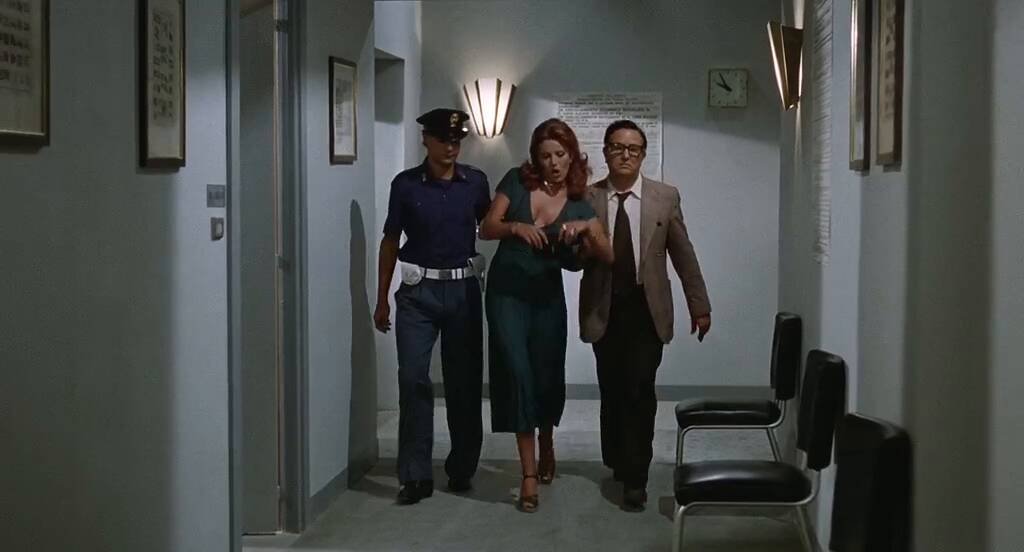
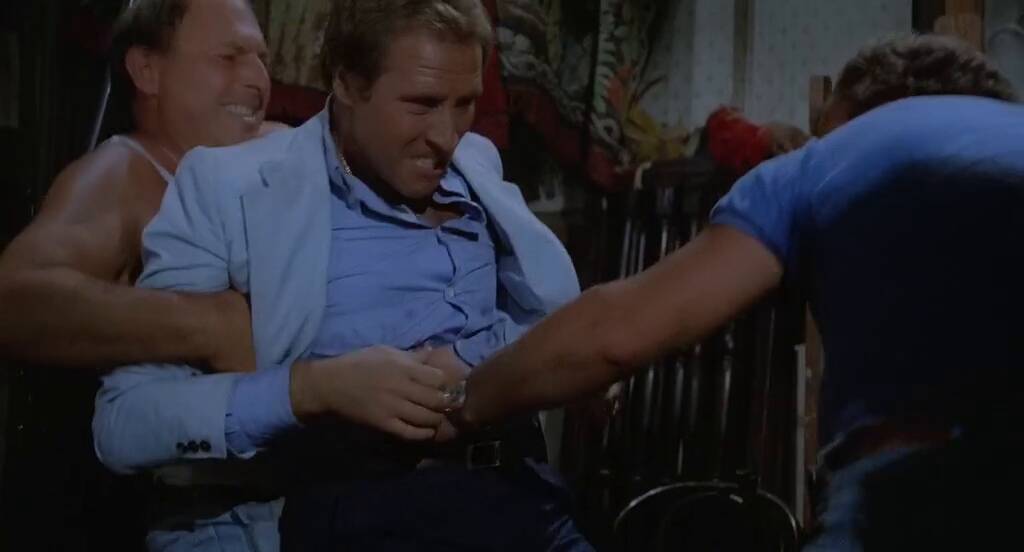
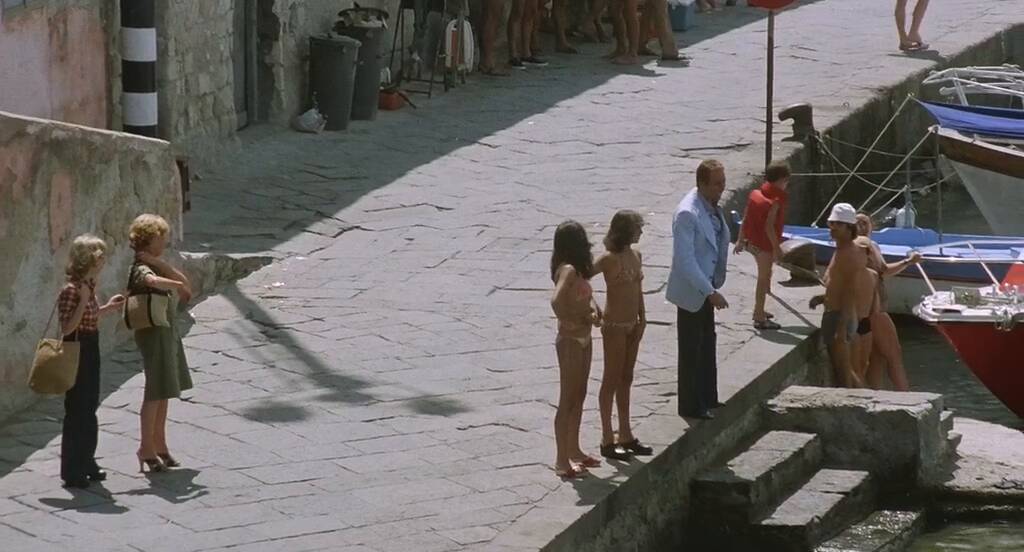
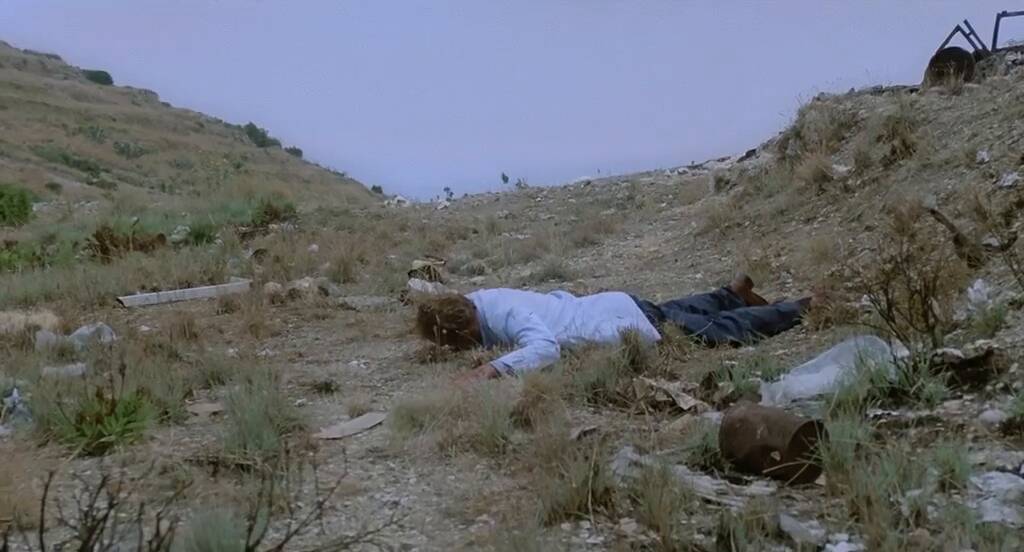
Cristallini’s direction is perhaps the film’s most questionable element. Visually, the film often looks excellent. The coastal locations and island scenery provide a striking backdrop that juxtapose it from the concrete jungles of Rome, Milan, or Naples commonly seen in the genre. There are moments of genuine beauty in the cinematography, particularly during the sequences shot around Ponza. Yet Cristallini’s commitment to the drawn out pacing often undermines the tension. Scenes that should feel suspenseful frequently drift, and the overall narrative lacks the urgency needed to keep viewers fully invested.
Then there is the title. Seagulls Fly Low is certainly memorable, but it remains one of the strangest titles attached to an Italian crime film. Unlike the aggressively marketable names that populated the era, films with titles promising violence, revenge, death, or law enforcement, this one sounds almost poetic. The title is briefly referenced in dialogue between Merli and Delon, but the explanation offers little clarification. Even after the credits roll, its significance remains somewhat elusive.
Ultimately, Seagulls Fly Low is an intriguing curiosity rather than a hidden masterpiece. It offers a fascinating opportunity to see Maurizio Merli operating outside his usual comfort zone and contains enough strong performances, attractive locations, and atmospheric filmmaking to justify a viewing. However, its slow pace and lack of dramatic urgency prevent it from reaching the heights of the genre’s classics.

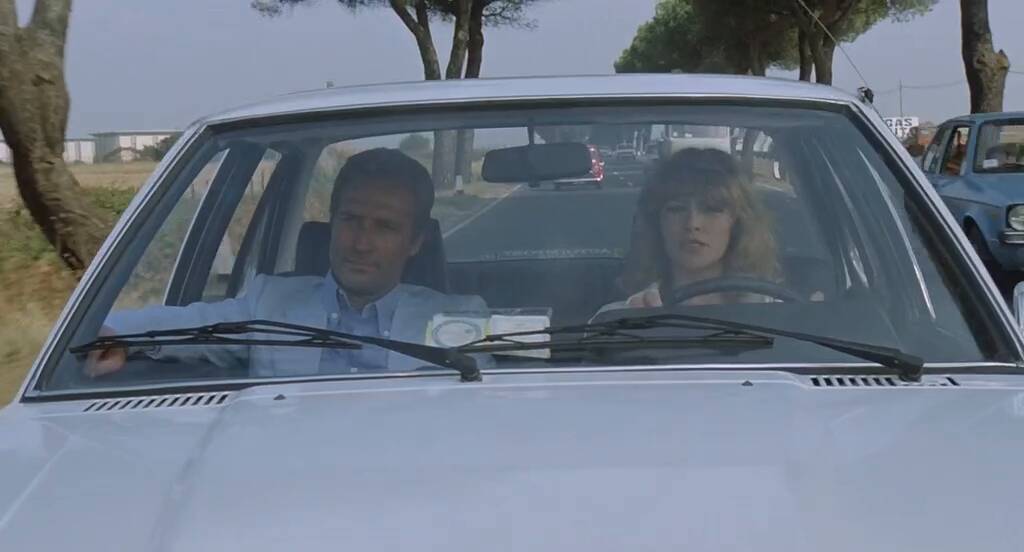

For dedicated fans of Merli and collectors of obscure poliziotteschi titles, this remains a worthwhile discovery. Just don’t expect the relentless action and explosive energy that defined many of the actor’s best-known films. This seagull glides rather than swoops and the title might just be a typo, Seagulls Fly Slow.


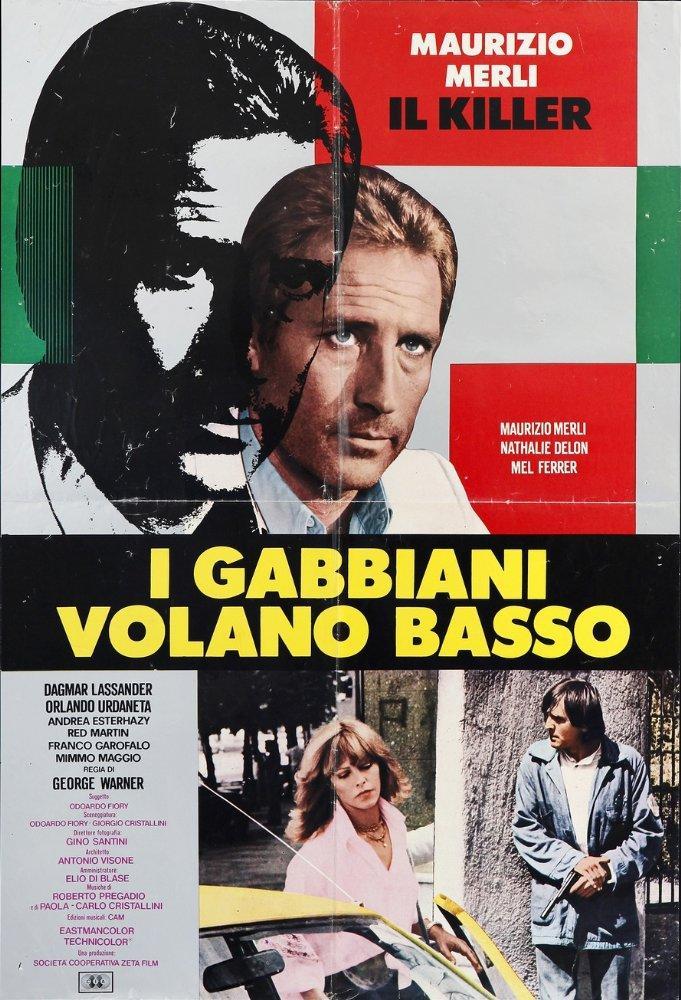
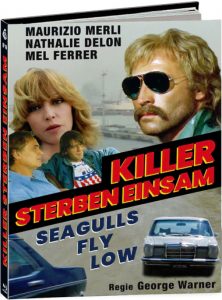
A limited run of four Mediabook editions was released in Europe, split between two German variants and two Italian cover designs. While the presentations were respectable overall, the artwork lacked some of the polish and visual impact collectors might expect. The releases were bolstered by a solid selection of extras, including a retrospective look at Maurizio Merli’s career and the film’s soundtrack. For those determined to add this elusive title to their collection, as I was, copies still surface regularly on eBay.