Day of the Dead: Bloodline (2018)
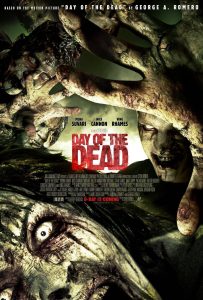
Following both of the critically maligned Day of the Dead 2: Contagium and 2008 remake, Day of the Dead: Bloodline became another attempt to reimagine George A. Romero’s 1985 zombie classic involving James Dudelson. Produced by Millennium Media and released through Netflix in early 2018, the film arrived with the promise of being a more faithful adaptation than its predecessors. The producers had acquired the rights to remake Romero’s film and publicly stated their intention to return to some of the themes and atmosphere that made the original so beloved among horror fans. While the finished product certainly borrows more from Romero’s blueprint than the 2008 version, it ultimately charts its own path and remains a divisive entry in the ever-growing Dead spin-off franchise.
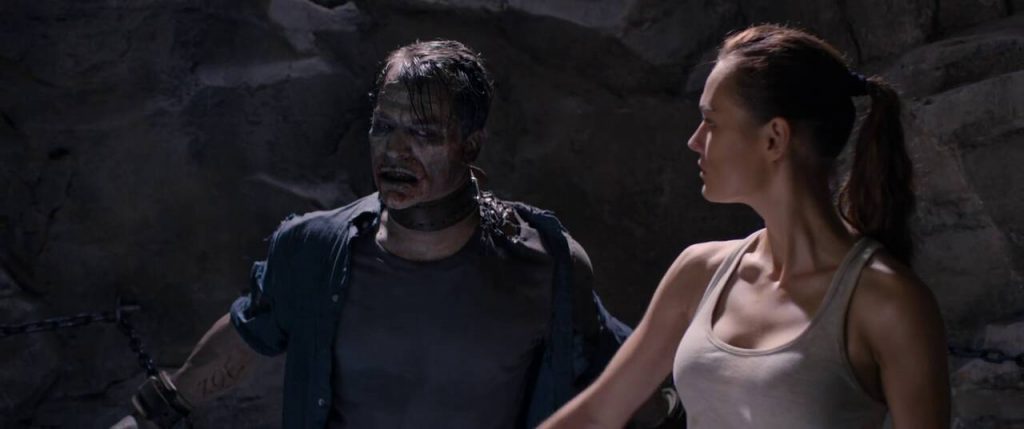
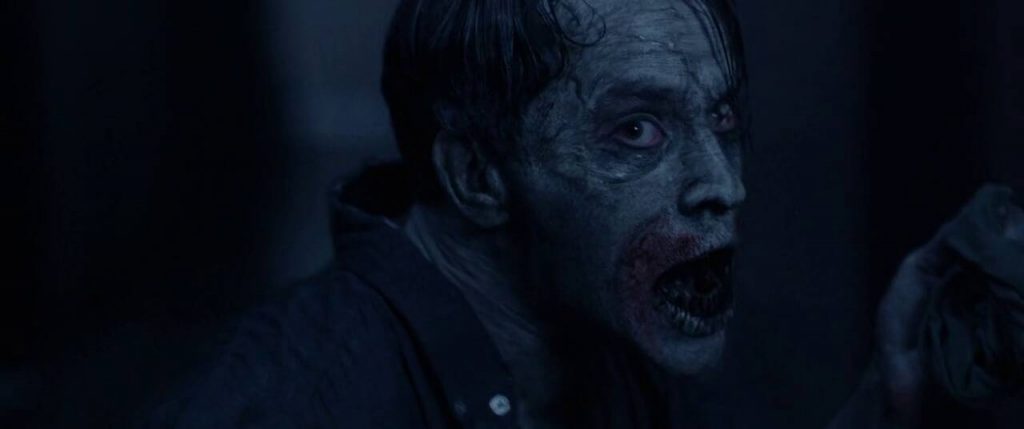
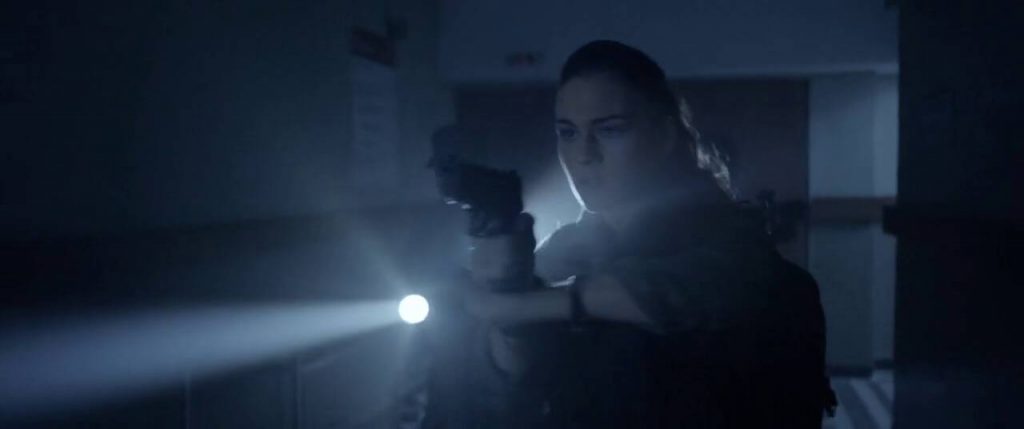
The story follows a group of survivors sheltering within a heavily fortified military bunker years after a zombie outbreak has devastated civilisation. Like Romero’s original, the film explores the idea of studying the undead in an attempt to better understand them, but Bloodline abandons the iconic Bub storyline in favour of a very different central antagonist. The film’s version of Max, played by Johnathon Schaech, is transformed into an obsessive stalker whose fixation on our heroine Zoe continues even after his zombification. This decision shifts the narrative away from the ideological conflict between soldiers and scientists that formed the backbone of Romero’s film and instead turns the story into something closer to a survival thriller with a personal villain.
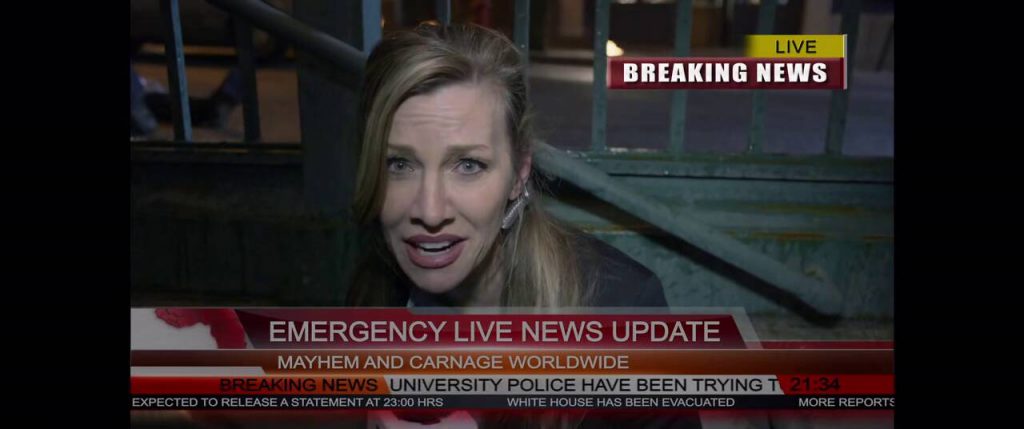

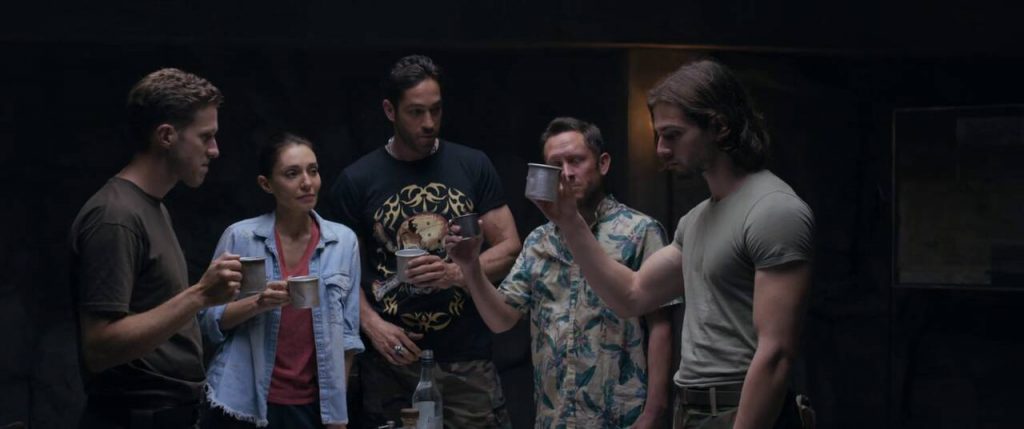
Although elements of the military-versus-science dynamic remain, they are condensed and often glossed over. Romero’s original thrived on the escalating tensions between the survivors, following the collapse of society. Bloodline touches on similar ideas but manages anything notable. The result is a film that feels more interested in action sequences and zombie attacks than in the social commentary that Romero’s series is known for.
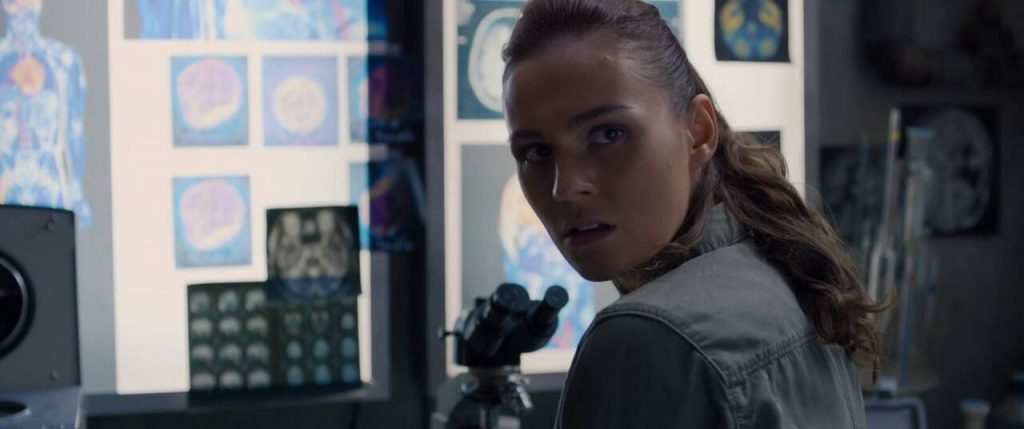
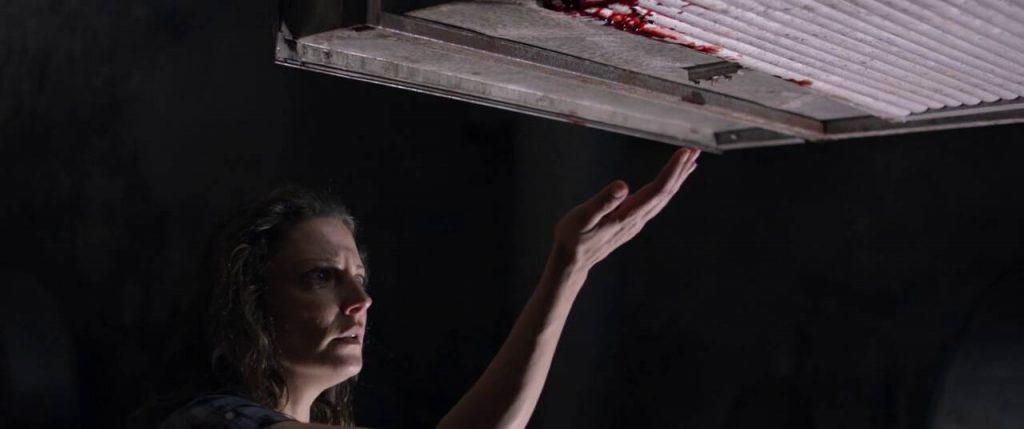
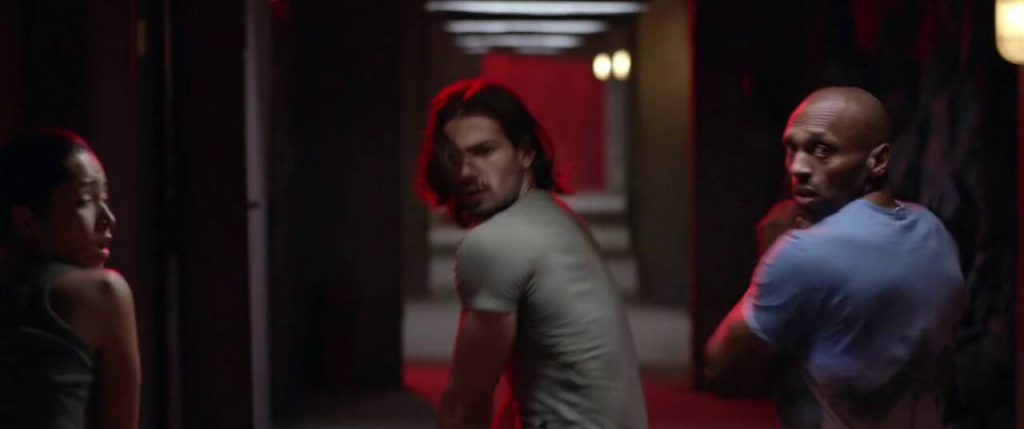
It is important to note that Bloodline is not a sequel to Romero’s film and shares none of its continuity. Nor is this connected to the Contagium or the 2008 version. Instead, it is a standalone remake that borrows character archetypes, locations, and broad concepts while telling an entirely different story. If you are hoping to discover what happened after the events of the original film will find no answers here.
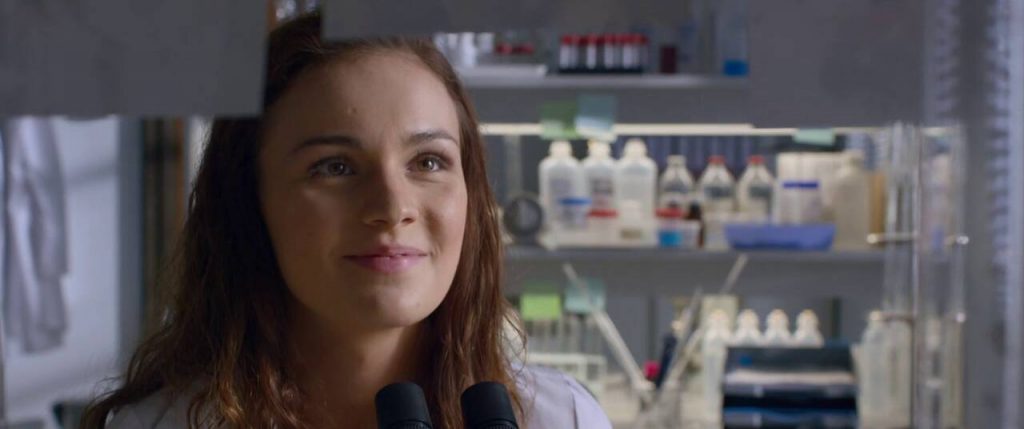
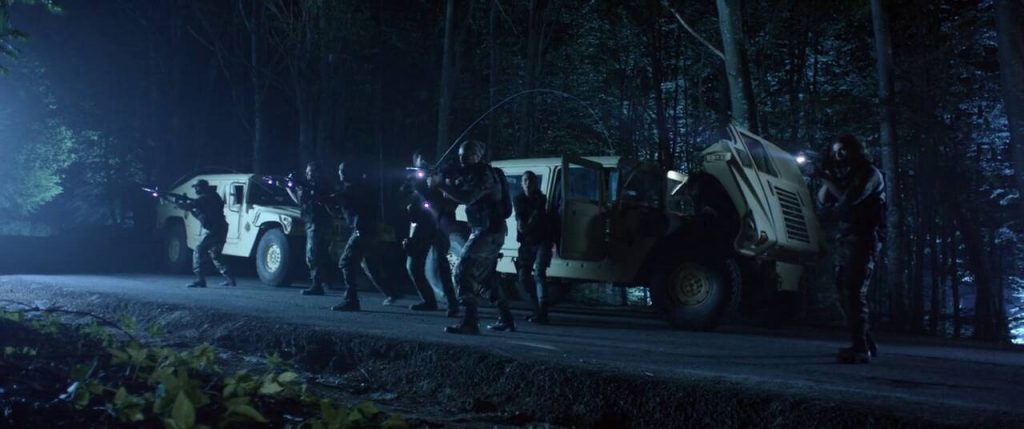
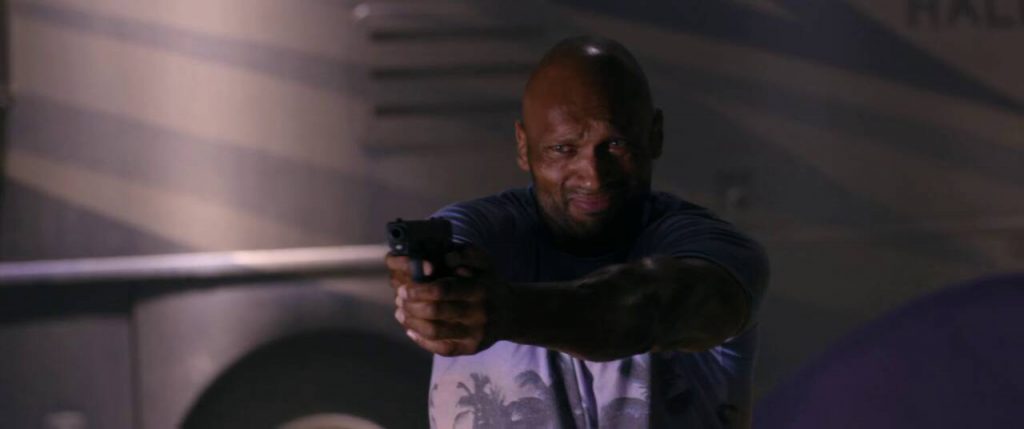
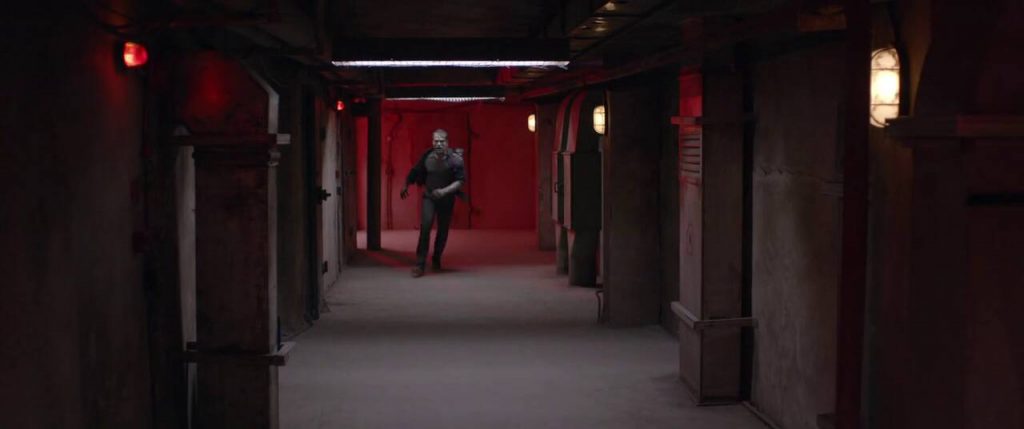
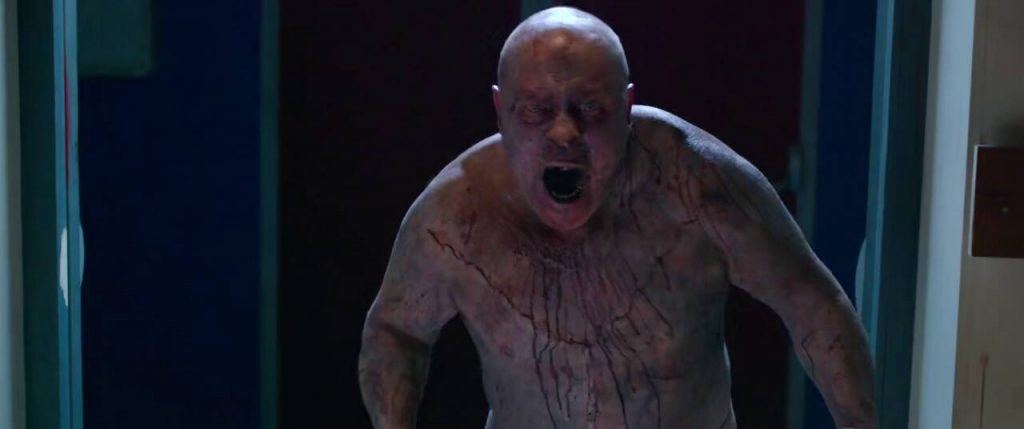
Where the film does find some success is in its gore and zombie mayhem. Director Hèctor Hernández Vicens, who had been snapped up following The Corpse of Anna Fritz, delivers a respectable amount of splatter, practical effects, and undead carnage that should satisfy viewers looking for straightforward zombie entertainment. The infected are aggressive and dangerous, and several attack sequences showcase a winning level of brutality that feels appropriate for the franchise. Like the 2008 remake, Bloodline occasionally leans heavily on jump scares and shock moments, but they are generally less frequent and less obnoxious than in its predecessor.
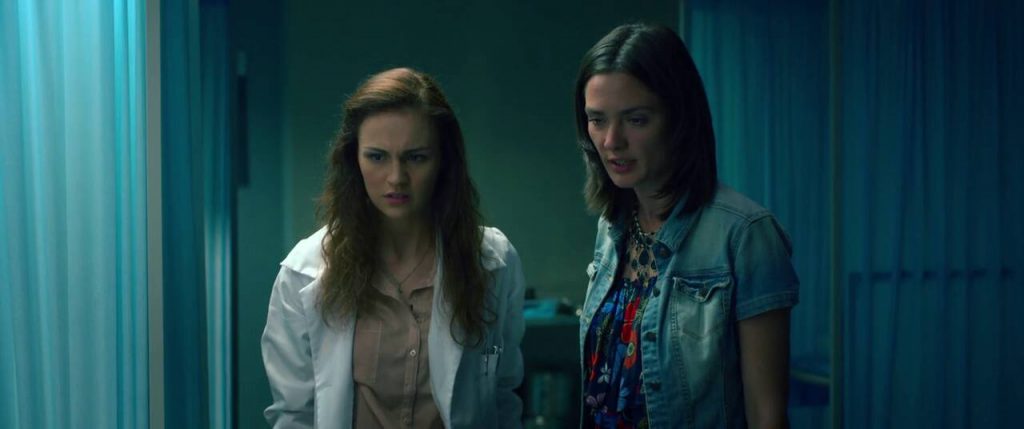
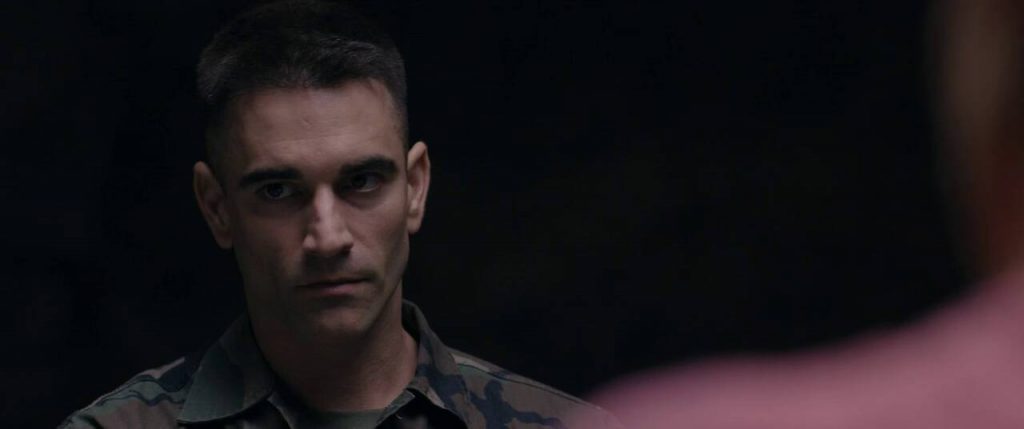
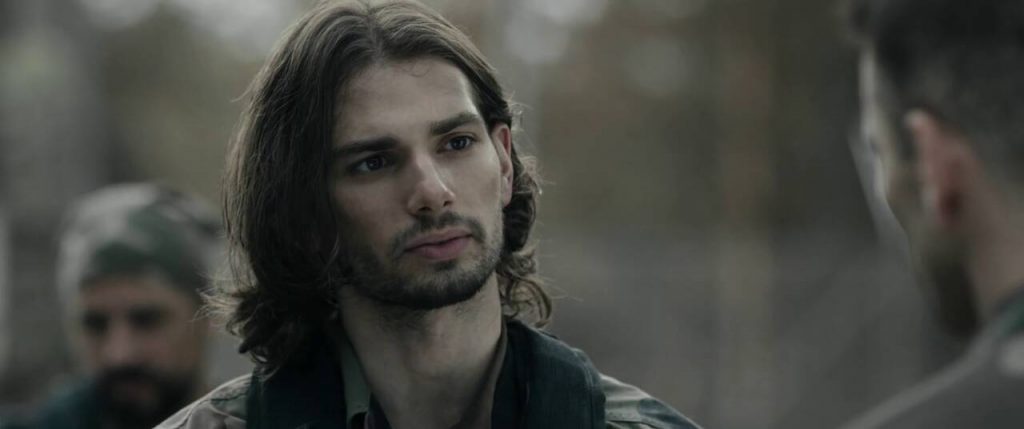
The pacing is reasonably effective, particularly during the film’s action-oriented second half, but the quieter moments are where the film wobbles. Character development is minimal, and most of the supporting cast are defined by familiar genre clichés rather than any sort of personality. Attempts to recreate the antagonistic energy of Captain Rhodes through the character of Miguel Salazar never quite land, largely because the script fails to give him the depth or menace necessary. As a result, many of the dramatic conflicts feel flat and shallow.

Commercially, Day of the Dead: Bloodline had a relatively low profile. Rather than receiving a significant theatrical release, the film was distributed primarily through streaming platforms and video-on-demand services, with Netflix serving as its most prominent outlet in many territories. This release strategy reflected the changing landscape of mid-budget horror films, which increasingly found audiences online rather than in cinemas. While the film generated curiosity among Romero fans, it struggled to make a lasting impression and quickly disappeared into the crowded world of streaming horror content.
Critical reception was overwhelmingly negative. Reviewers criticised the film’s thin characters, predictable plotting, and abandonment of the deeper themes that defined Romero’s work. Many horror fans echoed these sentiments, frequently ranking Bloodline less than the 2008 remake yet still not the weakest entry connected to the Day of the Dead name, with Contagium firmly holding that trophy for all but me it would appear.
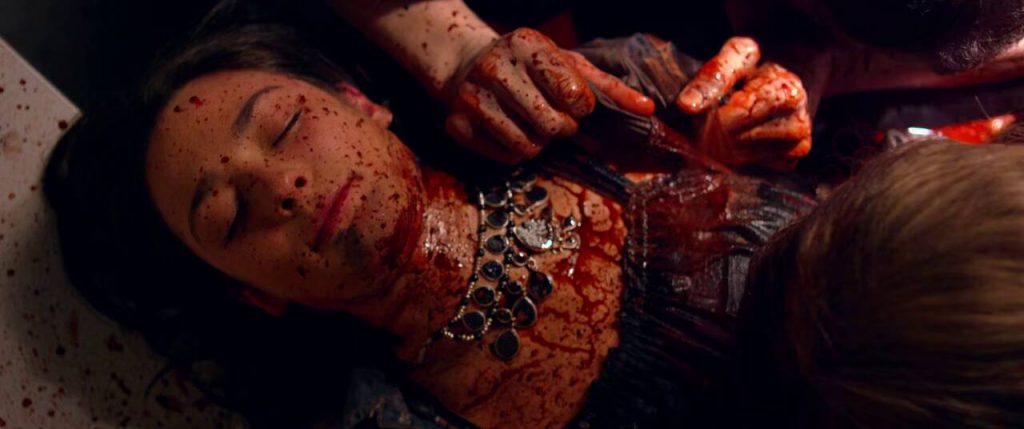
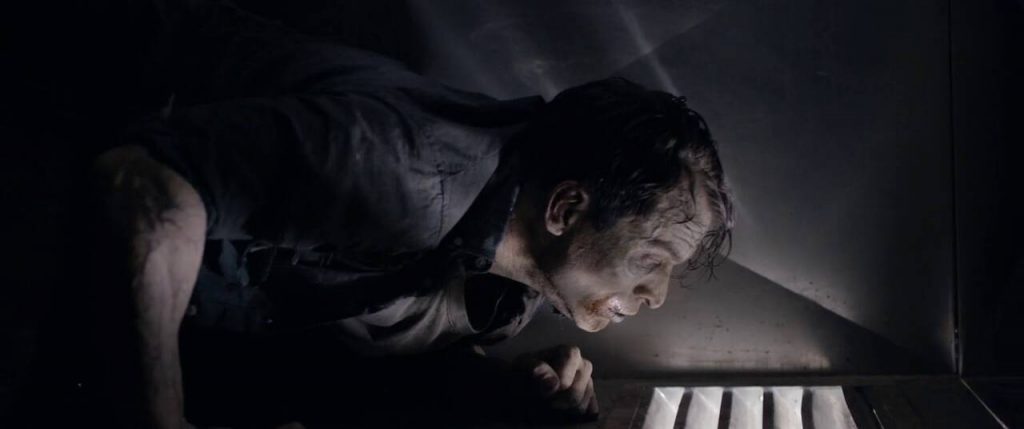
That said, not every viewer will find it entirely without merit. For Romero completists, zombie enthusiasts, or those curious about the various attempts to reinterpret the classic film, Bloodline offers enough gore and action to justify a single viewing. Having watched it close to the other films, I found it to be the more enjoyable than the 2008 remake, if only because it makes a greater effort to recreate aspects of the original’s atmosphere and bunker-bound tension.
The biggest question surrounding Day of the Dead: Bloodline is ultimately one of necessity. It undoubtedly comes closer to Romero’s vision than either of the other versions, yet it never escapes the shadow of the 1985 film.
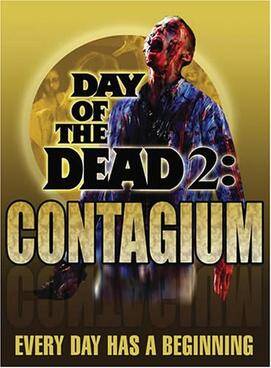
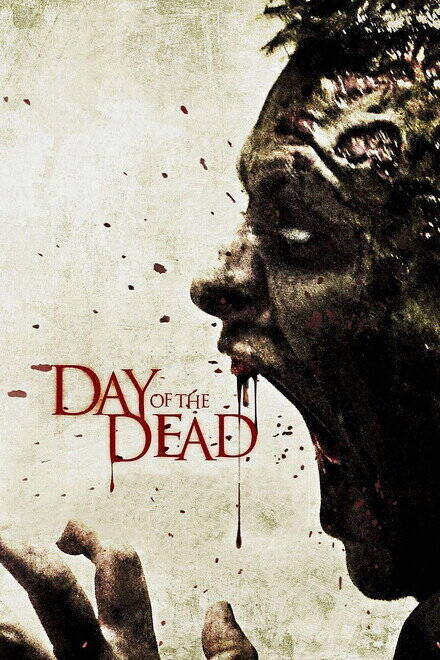
Looking at Day of the Dead: Bloodline, Day of the Dead 2: Contagium, and the 2008 Day of the Dead remake together, it is difficult to escape the feeling that these productions were driven more by the commercial value of Romero’s movie than by a genuine desire to expand his universe. Each film arrived at a point where the horror market had a clear demand for recognisable brands. Contagium appeared during the DVD boom of the mid-2000s, when video stores and collectors created a strong market for familiar titles that could stand out on crowded shelves. The 2008 remake followed during a period when horror remakes were big business on late night genre TV channels and a known property carried instant marketing appeal. By the time Bloodline arrived in 2018, streaming platforms and digital distribution had created another demand: inexpensive genre content with an established name that could attract viewers browsing endless libraries.
The problem is that none of these films feel particularly interested in continuing Romero’s core values or adding meaningful chapters to the world he created. The original Day of the Dead was not simply a zombie film; it was a bleak examination of humanity, authority, scientific responsibility, and whether society deserved to survive at all. These later productions largely borrow the surface elements, the title, military locations, experiments on the undead, and occasional character references all without capturing the intelligence and anger beneath them. They feel less like natural extensions of the franchise and more like products designed around brand recognition, whether that meant a DVD case catching someone’s eye, a cable channel filling a late-night horror slot, or a streaming service adding a familiar title to its catalogue.
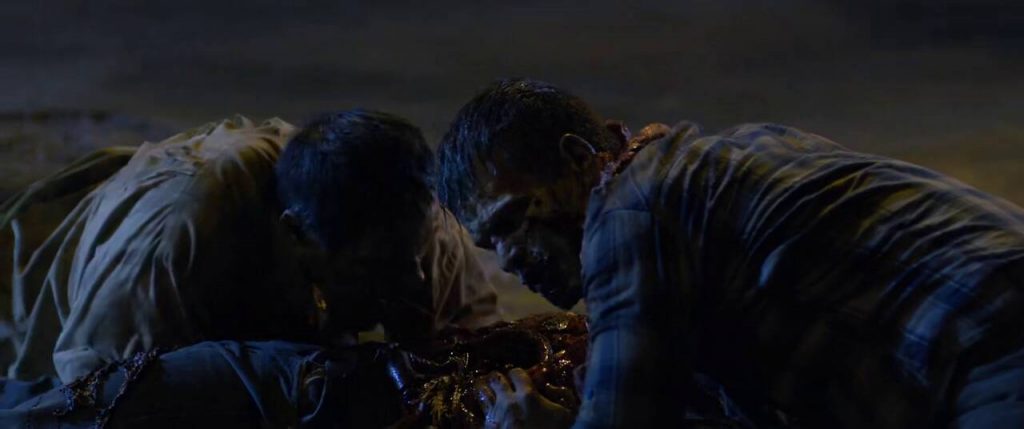
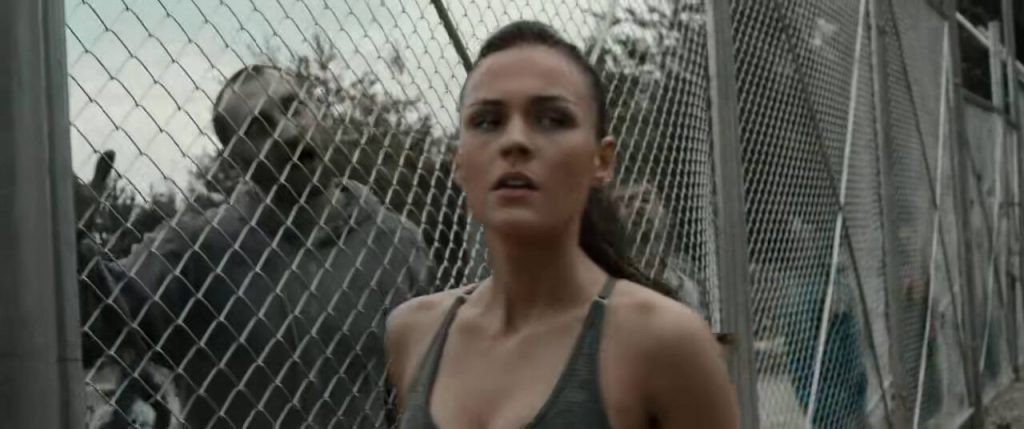

That is not to say there is no entertainment value to be found in them. Each has moments of gore, zombie action, or curiosity value for fans determined to explore every corner of the Dead legacy. However, compared with Romero’s films, where every zombie outbreak reflected something about the society experiencing it, these spin offs often feel like they started with the question “How do we use the Day of the Dead name?” rather than “What new story is worth telling in this world?”
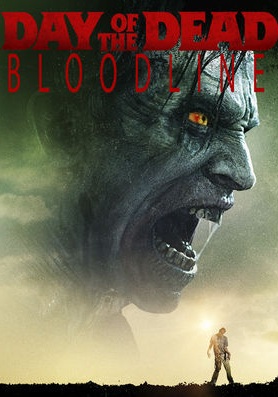
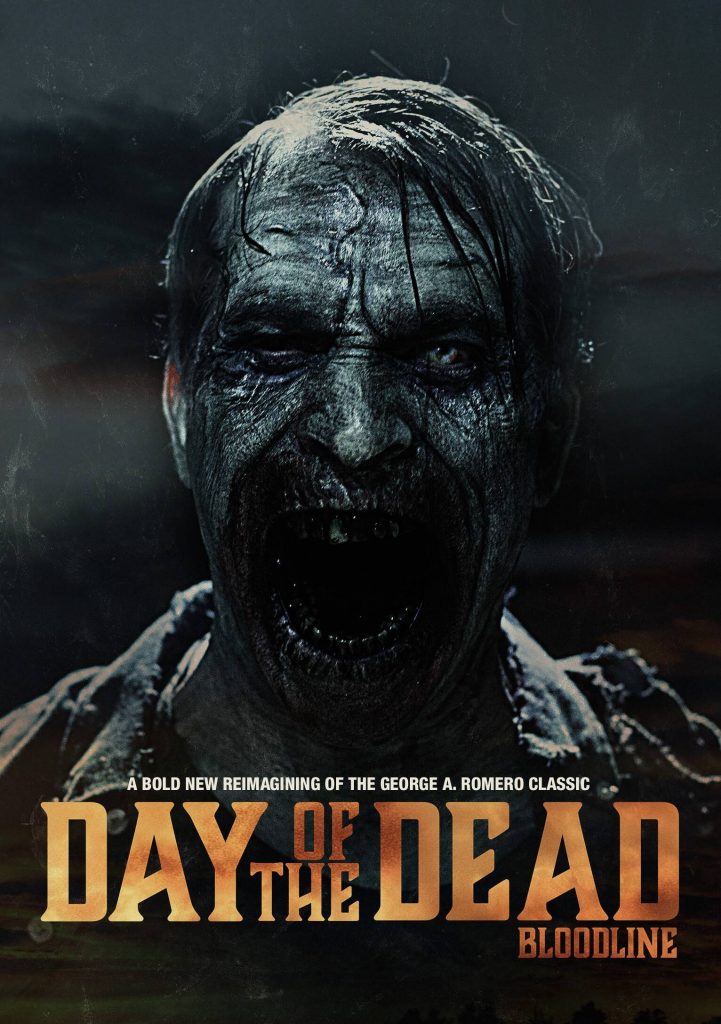
There is a Blu-ray release available, offering only a single featurette as an extra. Beyond that, Day of the Dead: Bloodline was distributed pretty much everywhere possible. It received DVD and Blu-ray releases across multiple regions, appeared across the major digital stores, and remains readily available through various streaming and rental platforms today, although usually at a price higher than I would personally recommend anyone paying. In fact, given the film’s reputation among Romero fans, I’m sure there are a few viewers out there who still feel annoyed they paid anything for it in the first place.