Rosa Parks: A Seat, A Stand, A Movement
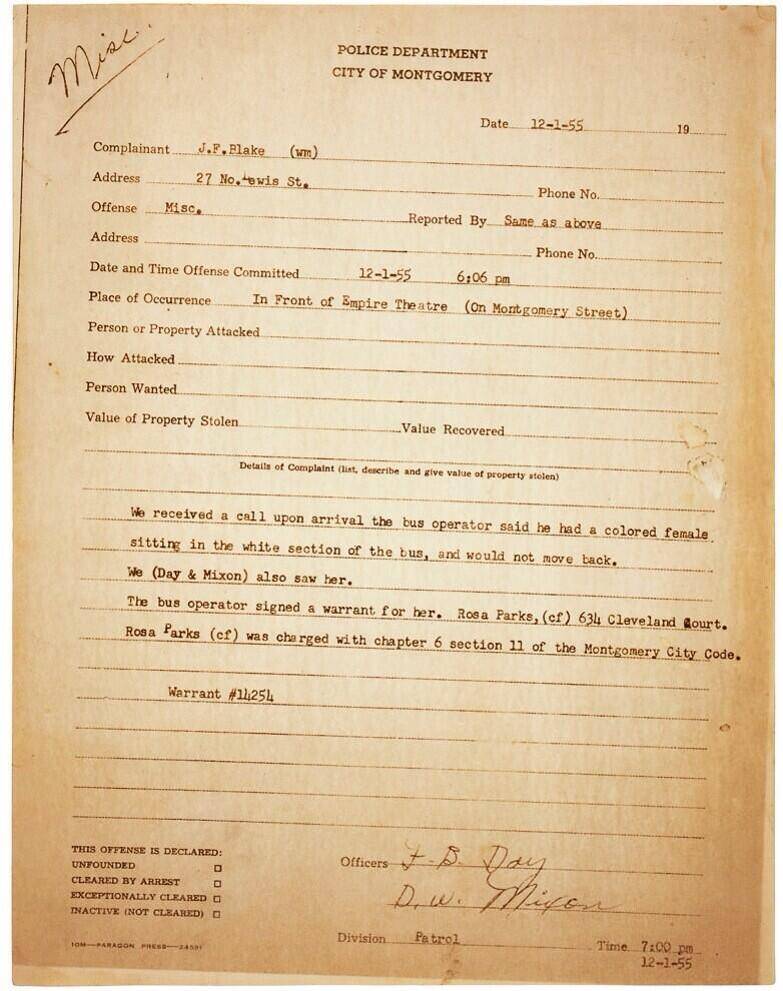
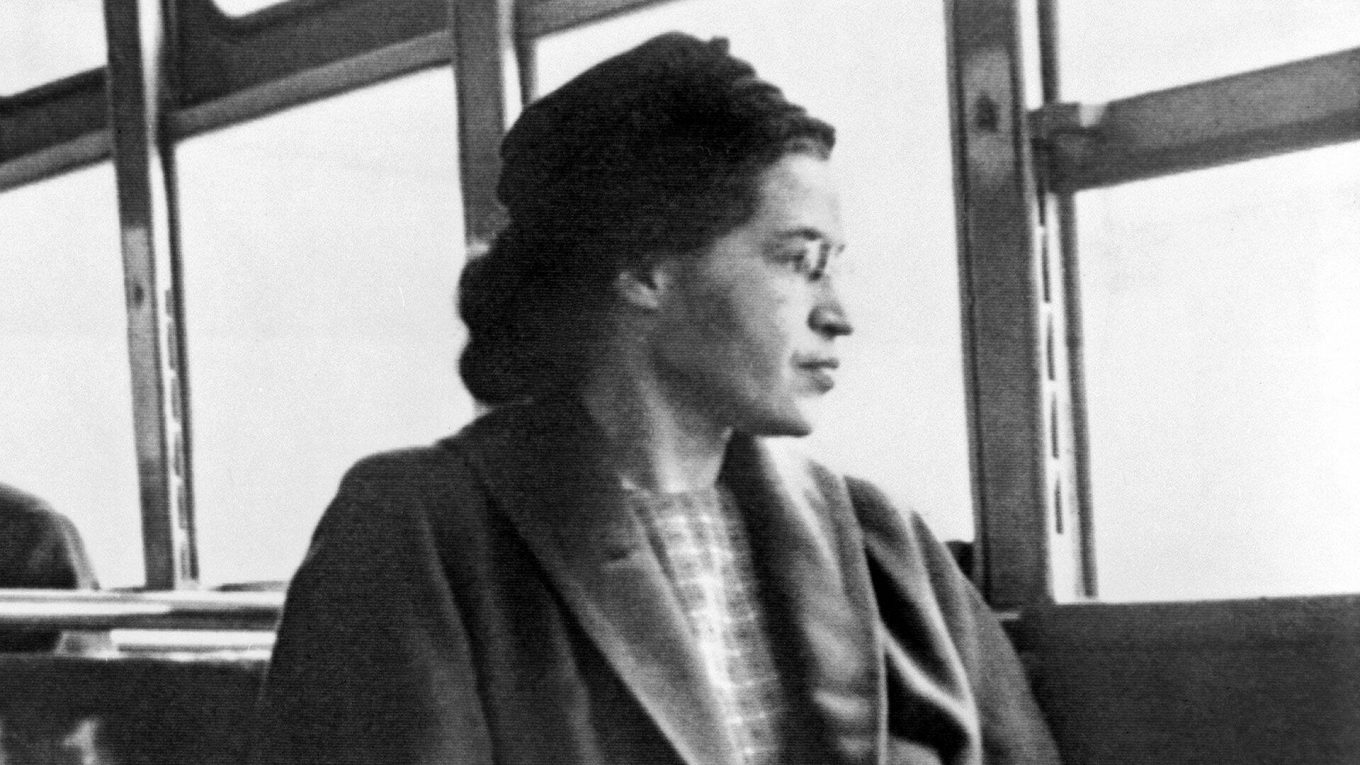
Rosa Parks (born Rosa Louise McCauley) is often remembered as one of the key figures in the fight against racial segregation in the United States. On December 1, 1955, in Montgomery, she refused to give up her seat to a white passenger on a segregated bus and was arrested. While it might seem like a spur-of-the-moment decision, Parks had already been active in the civil rights movement through her work with the NAACP. Her quiet but firm stand sparked the Montgomery Bus Boycott, where the Black community refused to use city buses for over a year in protest.
That boycott became a huge moment in the wider Civil Rights Movement and helped bring national attention to the fight for equality. It also helped introduce a young leader, Martin Luther King Jr., to a wider audience. Parks’ courage made her a lasting symbol of resistance, and she was later honoured by the U.S. Congress as “the first lady of civil rights” and “the mother of the freedom movement.” She kept working for justice for the rest of her life, supporting causes like voting rights and equality, and her story still stands as a reminder of how one person’s actions can make a real difference.