

The Dawn Rapists (1978)
The title of Terrorismo Diario (originally Los violadores del amanecer and alternatively known as The Dawn Patrol or most controversially The Dawn Rapists) immediately signals its intent: unadulterated exploitation, designed to provoke a visceral reaction.

This Spanish entry into the gritty, often violent, 70s European exploitation scene doesn’t just promise depravity; it delivers with relentless commitment. Forget nuanced character arcs or complex plots; this is a straightforward, notorious film designed to shock its audience with sustained, brutal violence, focused on women. It doesn’t just join the ranks of difficult films to watch, it pushes the boundaries further than films like like Death Wish II or I Spit on your Grave, with its extended, gratuitous sequences of torture and rape that stretch far beyond a single impactful scene.
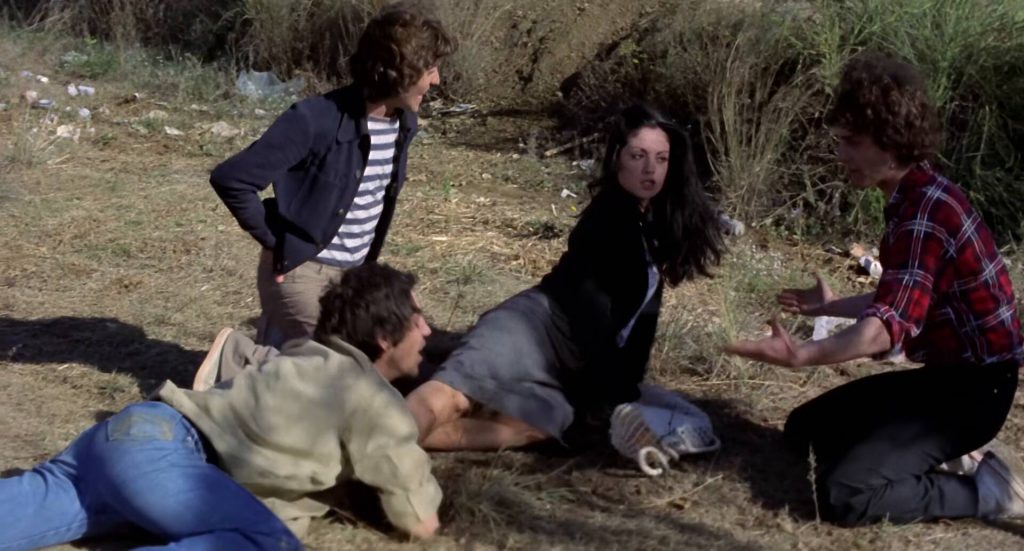

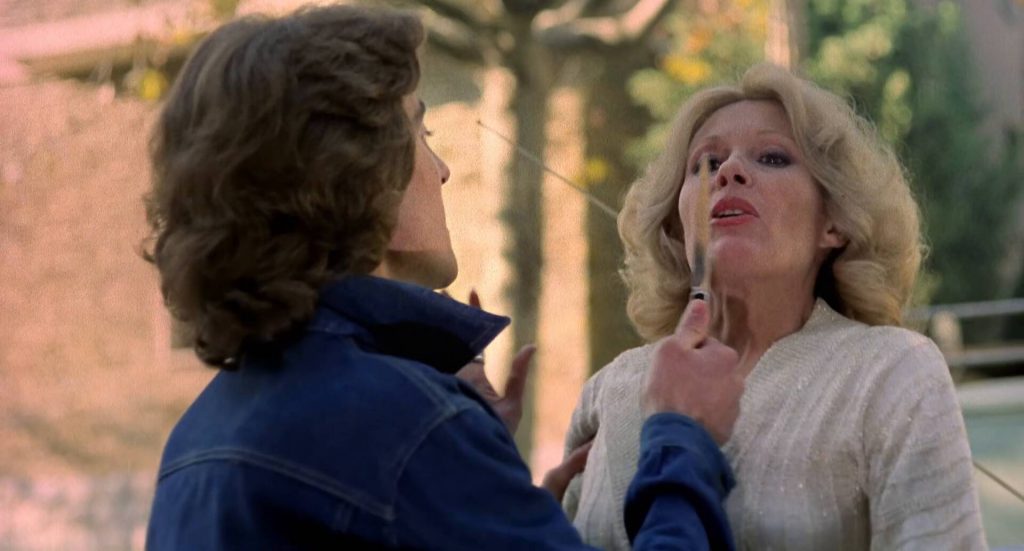
Despite the harrowing circumstances, the principal cast perform admirably, effectively conveying the progressive disintegration of their characters under the crushing weight of the depicted injustice. This crumbling is further emphasized by the film’s shift to focus on the police investigation. The introduction of the police procedural, with its emphasis on a dogged pursuit, implicitly comments on the film’s central theme: that such extreme violence is disturbingly normalised and dealt with, perhaps too often, within the community being depicted.
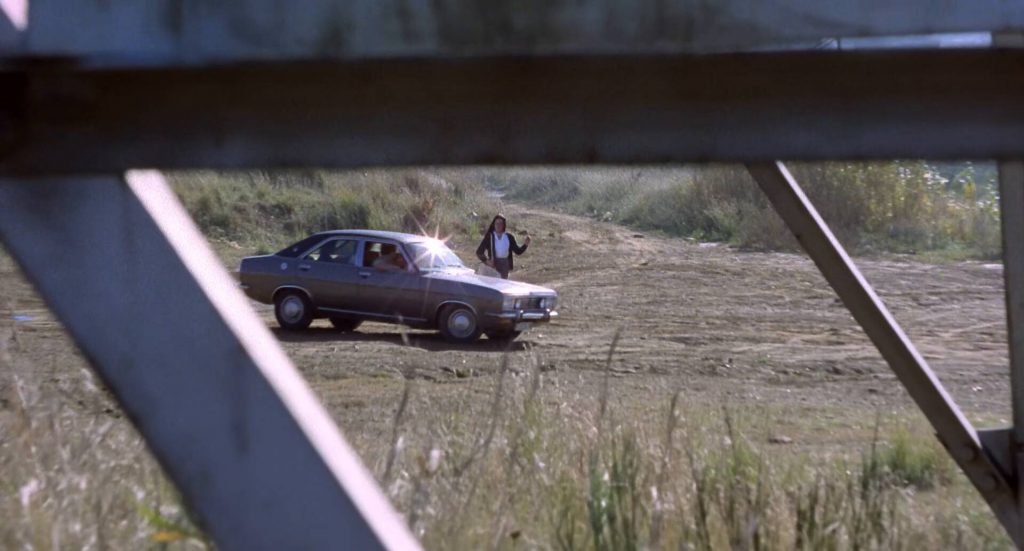

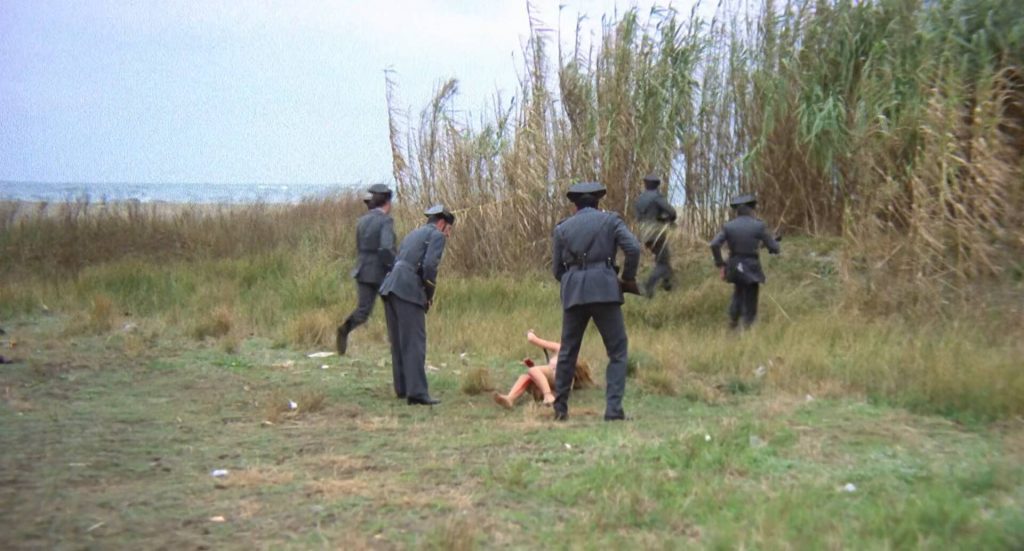
Terrorismo Diario might superficially resemble the structure of I Spit on Your Grave with its initial brutal assault followed by a police procedural, it lacks the latter’s thematic depth or eventual vigilante turn. Instead, it revels entirely in the raw, unfiltered barbarity of the criminals and the seemingly ineffectual machinery of the law.


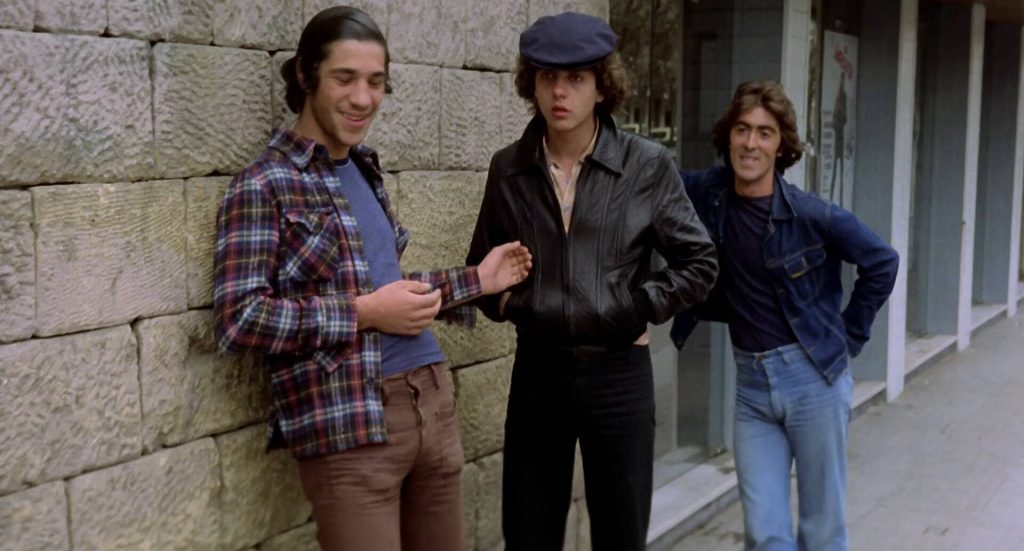
The plot concerns four delinquent teenage boys and a heavily pregnant girl, Largarta who was not allowed to have an abortion due to the law, whose escalating crime spree forms the core of the film. They begin with a robbery that spirals into the kidnapping and brutal torture/rape of a hostage. This initial atrocity becomes just the opening attention grabber, the film chronicles their descent into further depravity, systematically targeting more vulnerable young women, holding them hostage, and subjecting them to increasingly sadistic torment and rape. Each of these horrific sequences is drawn out, not to build suspense but seemingly to wallow in the perpetrators’ cruelty and the victims’ suffering. The film doesn’t shy away from showing the consequences, often lingering on the aftermath or the perpetrators’ attempts to mask their crimes, adding to the repulsive impact.

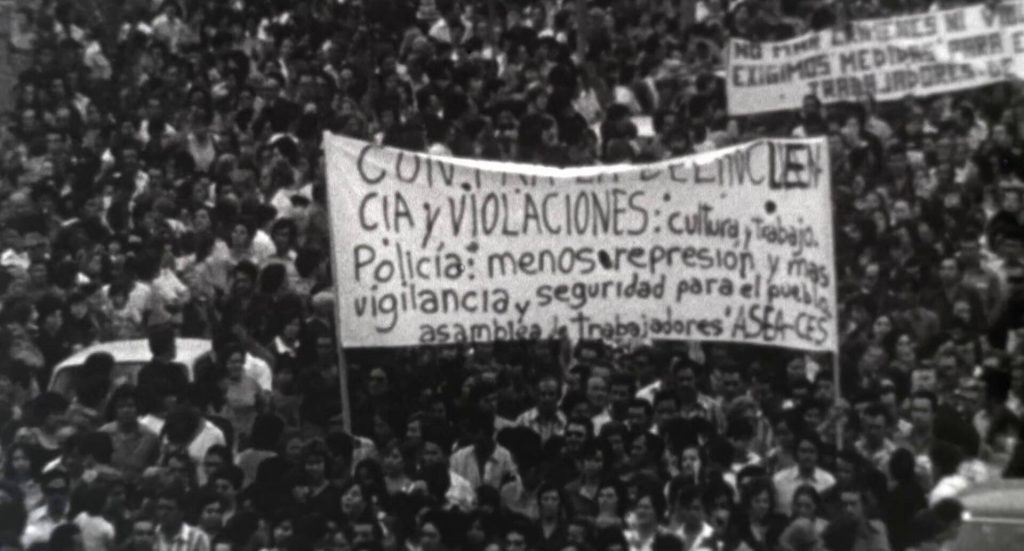

While the Spanish production values are understandably rough and the characters are presented as unappealing, the film’s primary mission (or desired focus, depending on your perspective) is its unrelenting focus on violence. It feels like a product of the post-WWII European social decay often depicted in 70s exploitation films, where disillusionment and lack of opportunity fuel youthful crime for its own sake.A look at the parents offers a telling glimpse of the horror. Lagarta’s father, a hardened man living in squalor, failed to control his daughter’s path and the future of his grandchild. His inability to guide her led to her leaving home in a disrespectful act, perhaps a consequence of his own neglect. Like many Italian and other European films of the era, Spain clearly aimed to compete in this brutal genre, and Terrorismo Diario certainly fits the mold, albeit with a focus purely on the darkest elements.



Following the initial assault, the film shifts towards the police investigation, suggesting a hope for law and order to prevail. However, this procedural element doesn’t redeem the core content, it merely highlights the inability to rehabilitate those who embark on such savagery within the local community and the system’s struggle to contain it. It’s a grim outlook to the film’s premise, a cycle of violence and a failed justice system. The officer assigned to the case keeps a steady, reassuring front, offering support to the affected female victims despite the horrific nature of the crimes. He maintains a composed, perhaps forced, smile until the investigation turns deadly, only then does the system’s approach become fully apparent and more intense.



While perhaps not a unique concept, its graphic portrayal makes it a uniquely difficult and disturbing watch, a notorious piece of exploitation cinema that, despite its flaws, remains unforgettable for its raw, unflinching, and deeply problematic descent into criminal depravity.
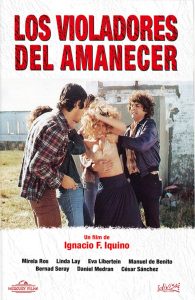


Released a decade ago, this Spanish Blu-ray is proving hard to find, although bootlegs are sometimes obtainable and Amazon lists an out-of-print DVD version.