Hemingway’s Shotgun
The final years of Ernest Hemingway’s life were marked by declining health, paranoia, and deep depression, an often overlooked chapter when discussing the legendary author. After undergoing extensive electroconvulsive therapy at the Mayo Clinic in late 1960, Hemingway returned home under the care of his wife, Mary Hemingway. But his condition didn’t improve. He became increasingly withdrawn, convinced he was under surveillance, and struggled to regain any sense of normalcy. In April 1961, a troubling incident involving a shotgun led to further hospitalisation, and by the end of June he was back at his home in Ketchum, Idaho, fragile and exhausted.
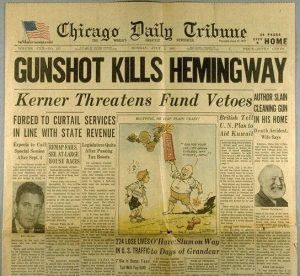
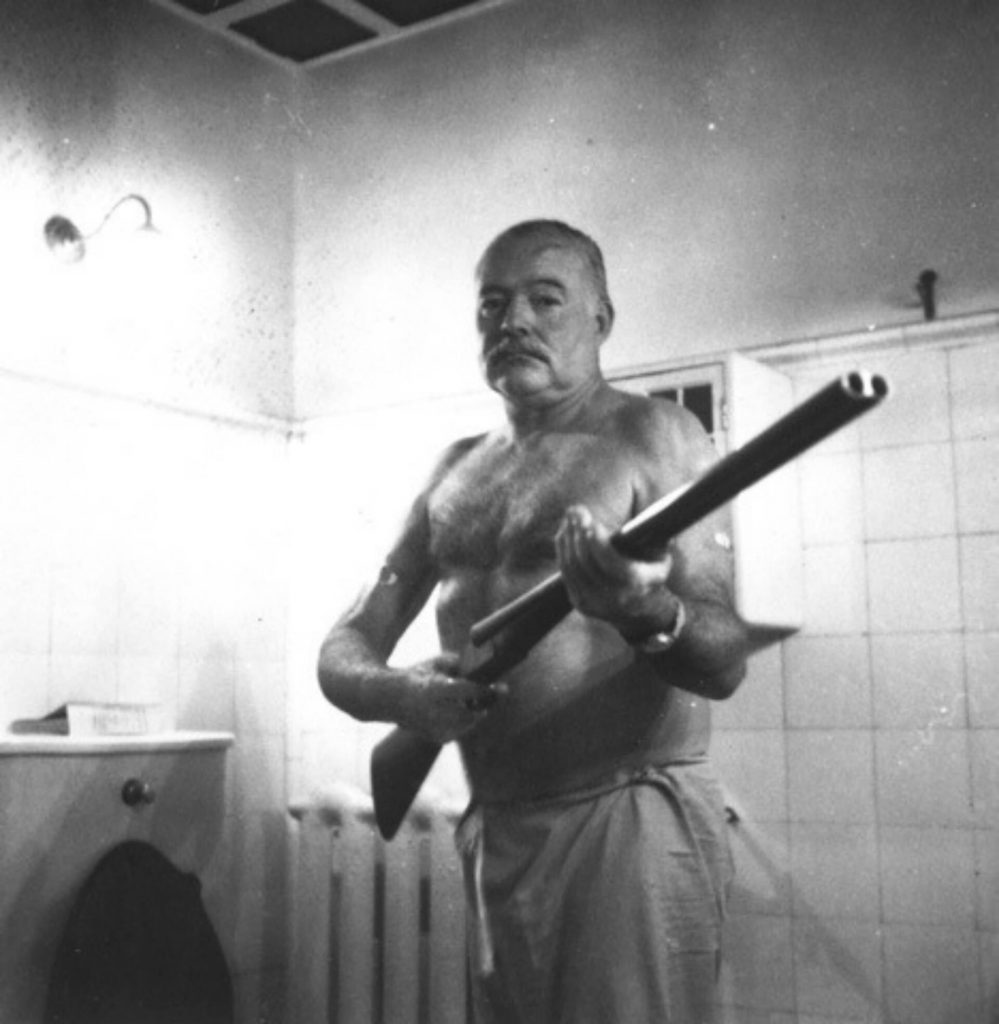
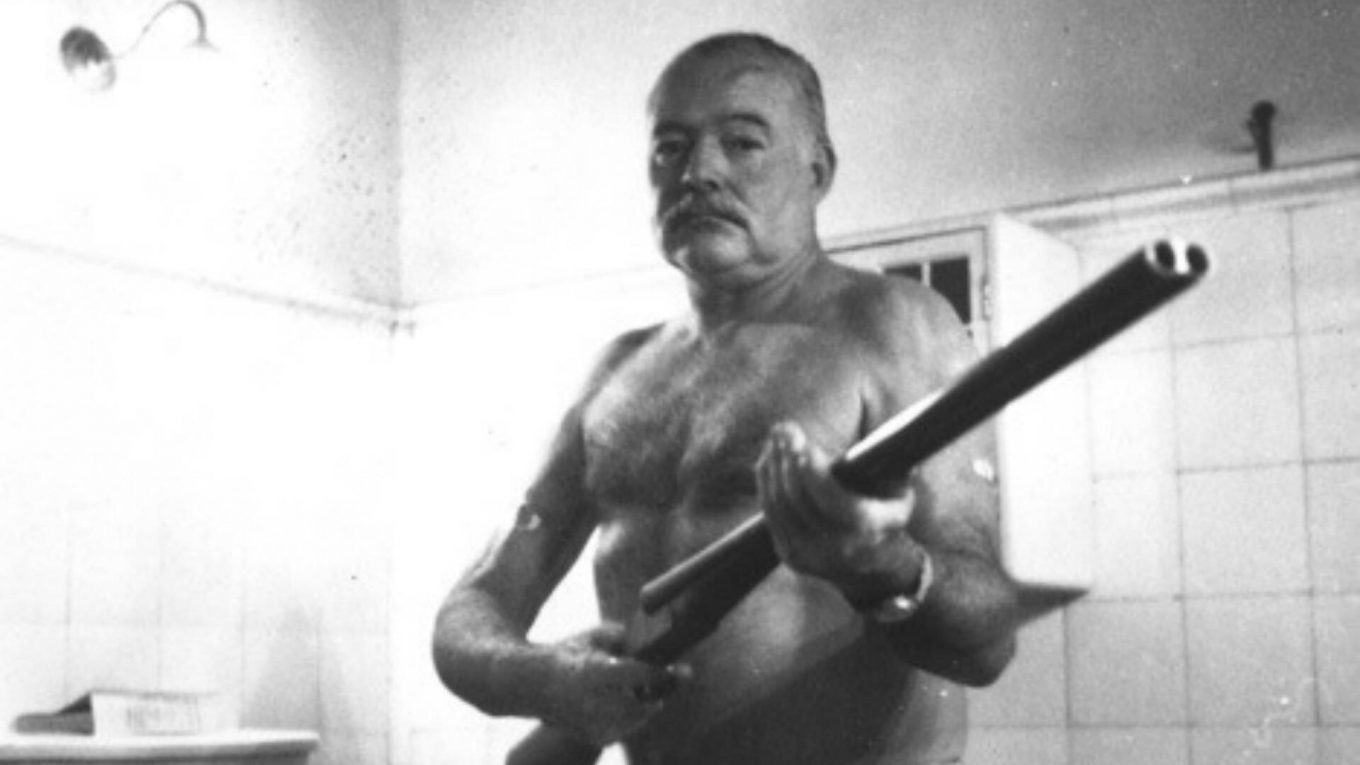
Just two days later, on July 2, 1961, Hemingway died by suicide in the early hours of the morning, using a shotgun he kept at the house. At the time, his death was publicly described as accidental, a version of events that persisted for years before the truth quietly emerged. Questions have even lingered about the gun itself. While early reports, most notably in Life magazine, claimed it was a high-end Boss shotgun, later research suggests otherwise. According to Hemingway’s Guns, the weapon was more likely a well-used W. & C. Scott & Son shotgun, one that had accompanied him on hunting trips from Cuba to East Africa. In a grim postscript, the firearm was destroyed shortly after his death, though fragments reportedly survived, adding one last layer of mystery to an already tragic story.