The Loneliest Photographer in the Universe – Michael Collins
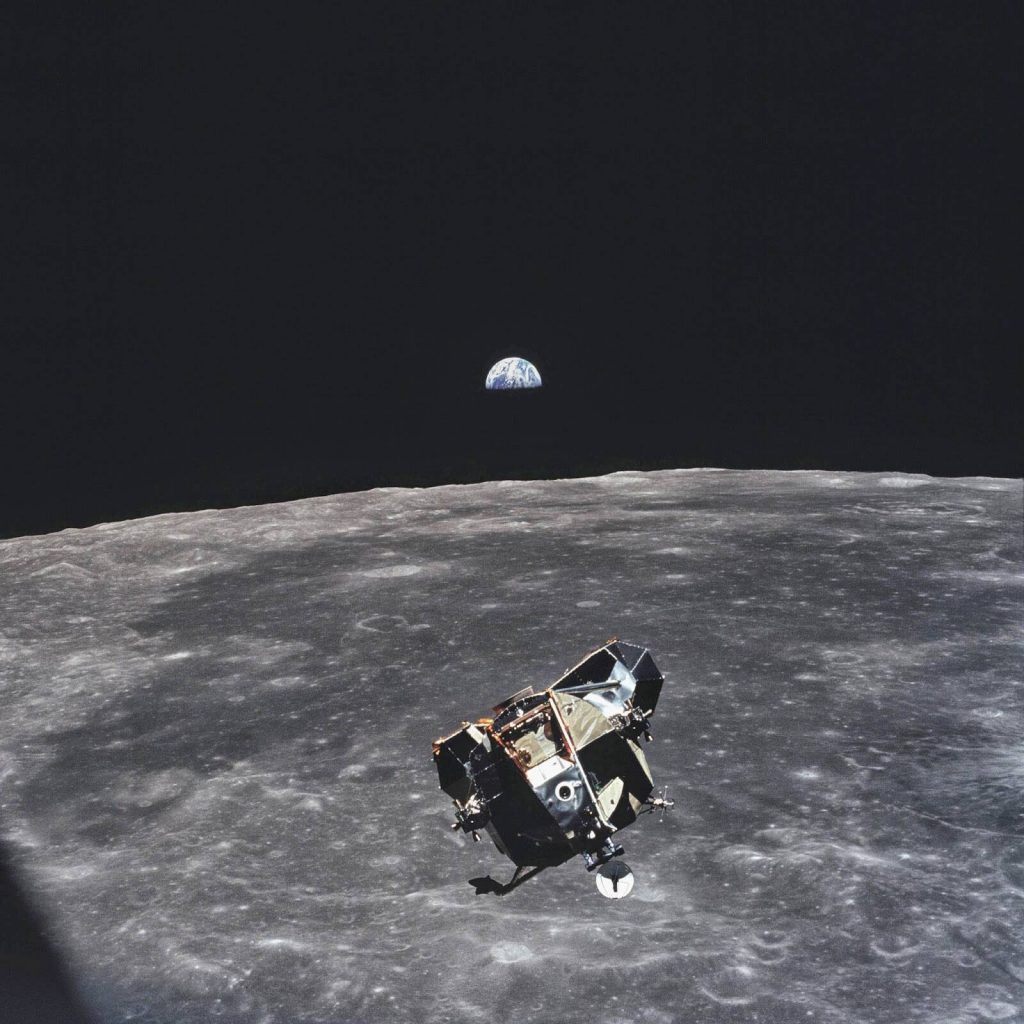
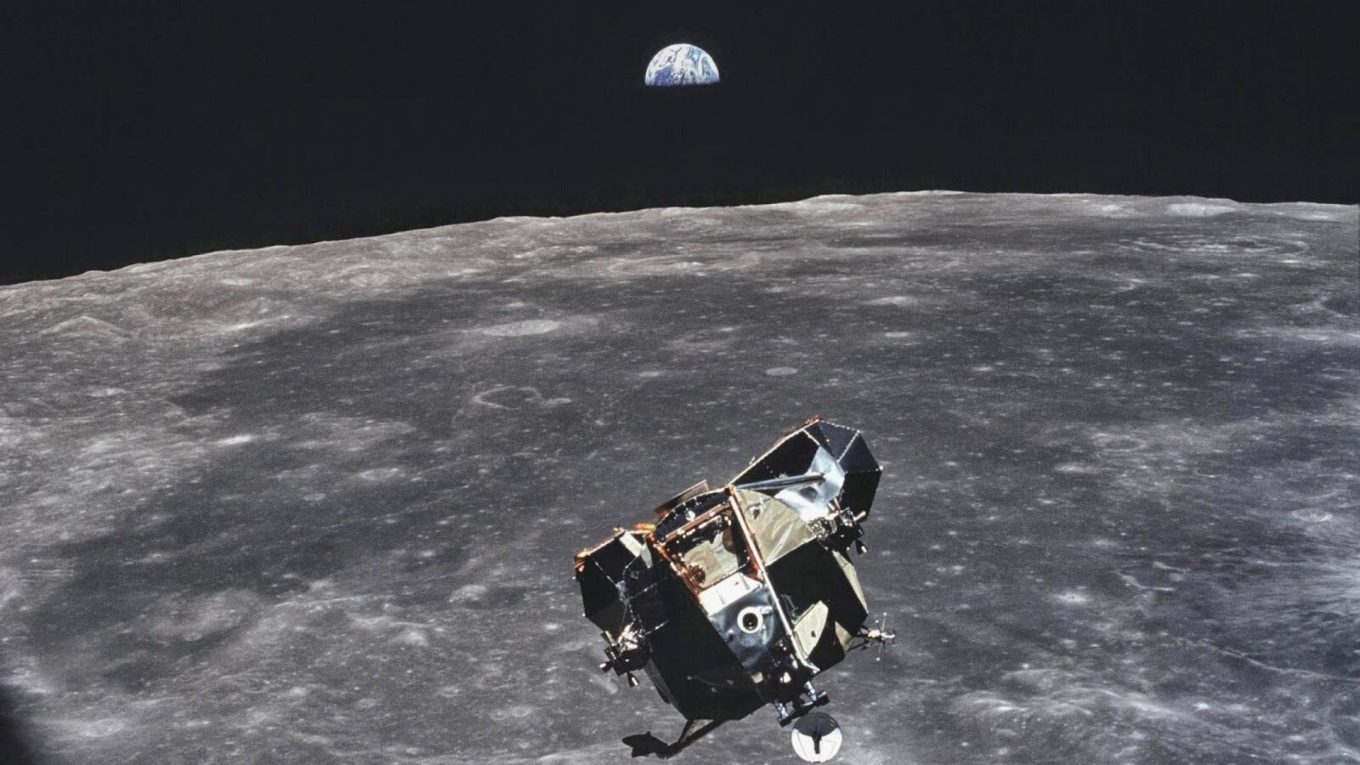
During the historic 1969 Apollo 11 mission, command module pilot Michael Collins captured a breathtaking photograph of the Lunar Module carrying Neil Armstrong and Buzz Aldrin, with Earth suspended in the background. Because Collins was behind the lens, he became the only person in human history, alive or dead, not contained within the frame of the photo. Thanks to the law of conservation of mass, which states that matter can neither be created nor destroyed, the elemental building blocks of every human existence are captured in that single image. The physical remnants of those who died before 1969, and the atomic materials that would later combine to form everyone born since, were all present on Earth at that exact moment.
While holding the camera, Collins was also enduring a profound, historic isolation. For 21 and a half hours, he orbited the Moon alone while his crewmates walked the surface, completely cut off from all communication each time his spacecraft drifted into the lunar shadow. He famously reflected on this solitude, noting that while three billion people and two astronauts occupied one side of the Moon, he was “absolutely isolated from any known life” on the other. Beyond the existential loneliness, Collins later revealed he was gripped by a practical anxiety: he deeply feared for his crewmates’ safety, terrified that if they were stranded on the Moon, he would have to return home alone and spend the rest of his days as the tragic mission’s “marked man.”