
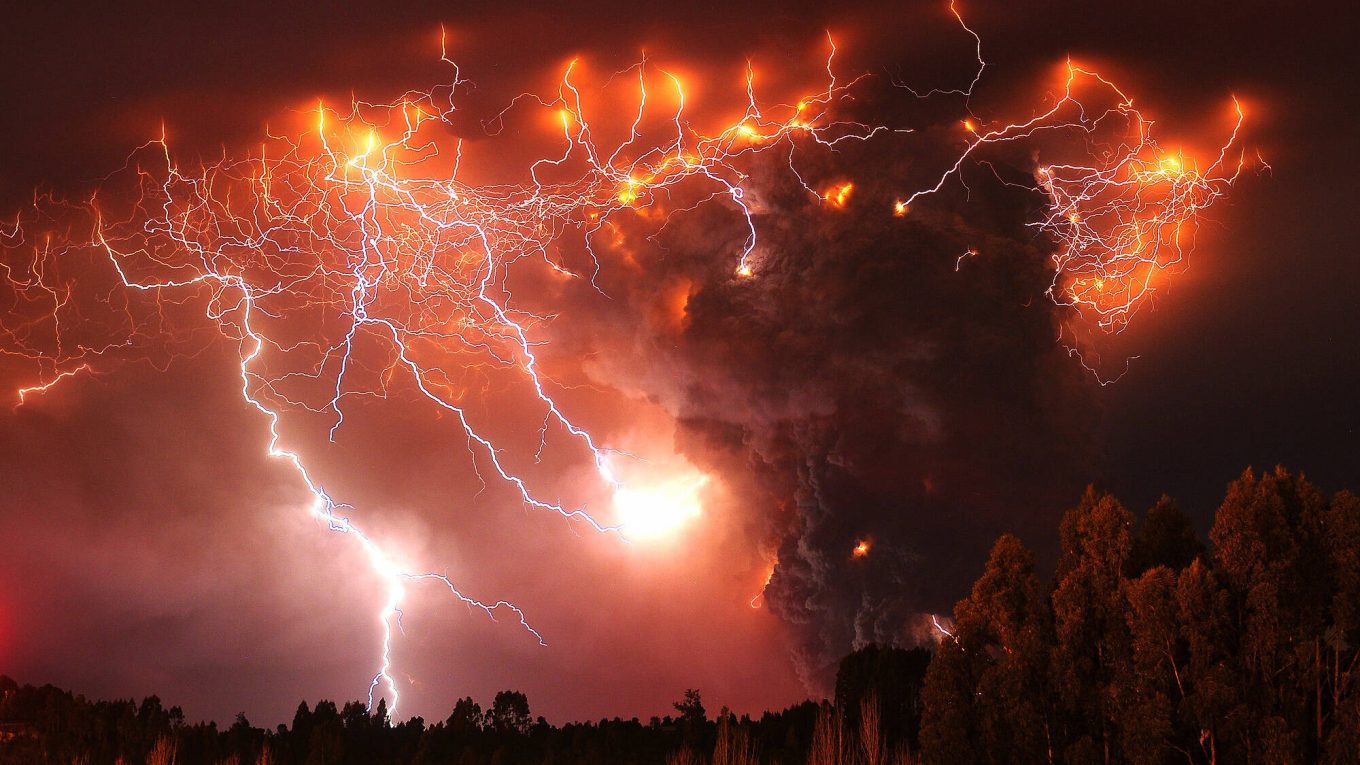
The Puyehue-Cordón Caulle Spectacle
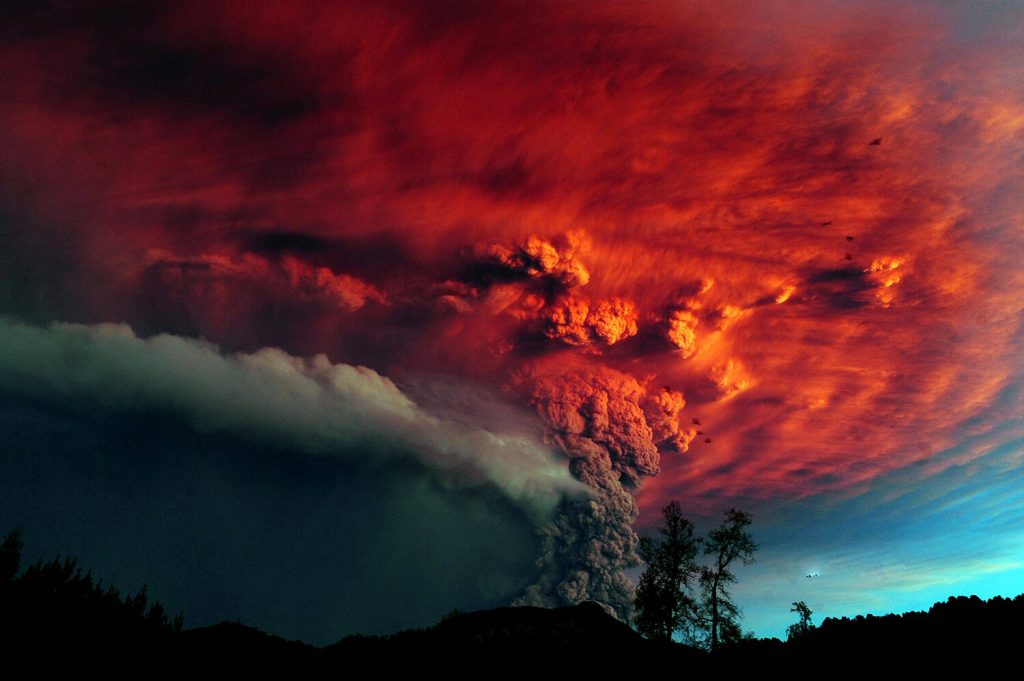
On 4 June 2011, the Puyehue-Cordón Caulle volcanic complex roared into life after decades of being relatively quiet, sending a full column of ash and gas some 10 kilometres into the atmosphere. The eruption, triggered by a series of earthquakes in the days beforehand, quickly escalated into a major geological event, forcing evacuations across southern Chile and neighbouring Argentina. Ash clouds drifted eastward across the Andes, blanketing towns, disrupting agriculture, and grounding flights as far away as Australia and New Zealand.
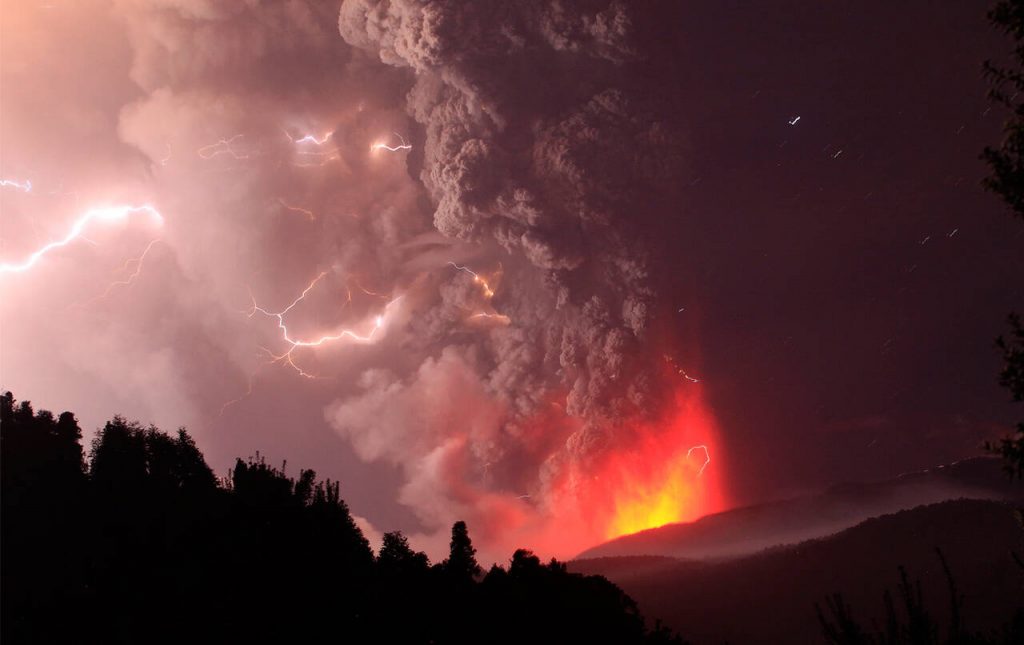
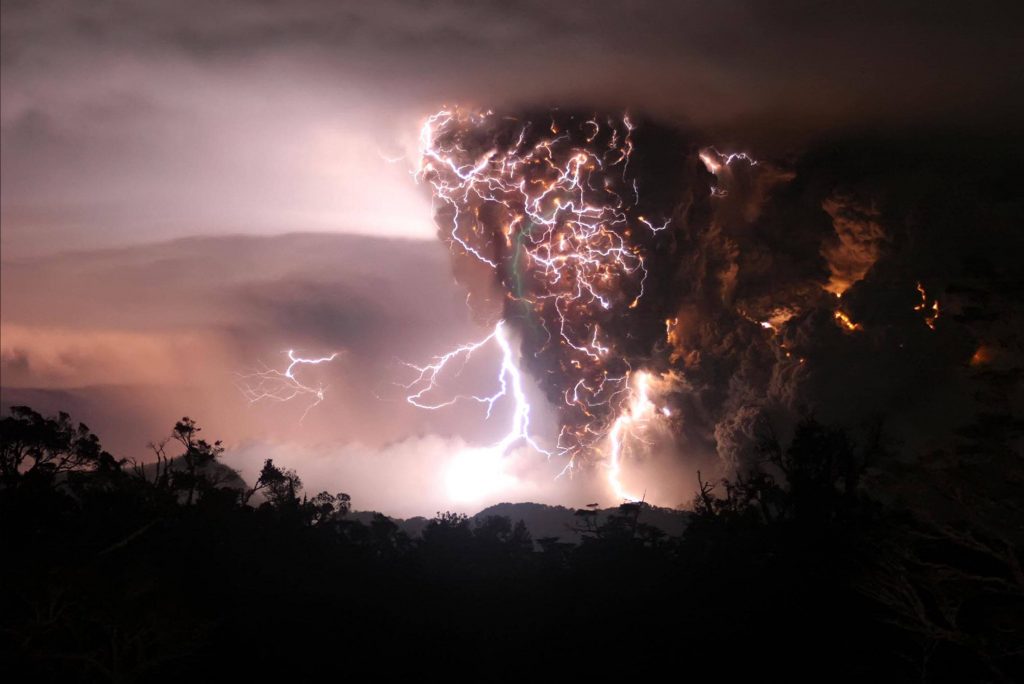
One of the most striking aspects of the eruption was the appearance of a so-called “dirty storm,” a phenomenon more formally known as volcanic lightning. As vast quantities of ash, rock fragments, and ice particles were hurled into the sky, collisions between these particles generated powerful static charges. The result was an intense electrical display with forks of lightning flashing through dense, roiling clouds of ash and turning the eruption into a surreal and almost apocalyptic spectacle.
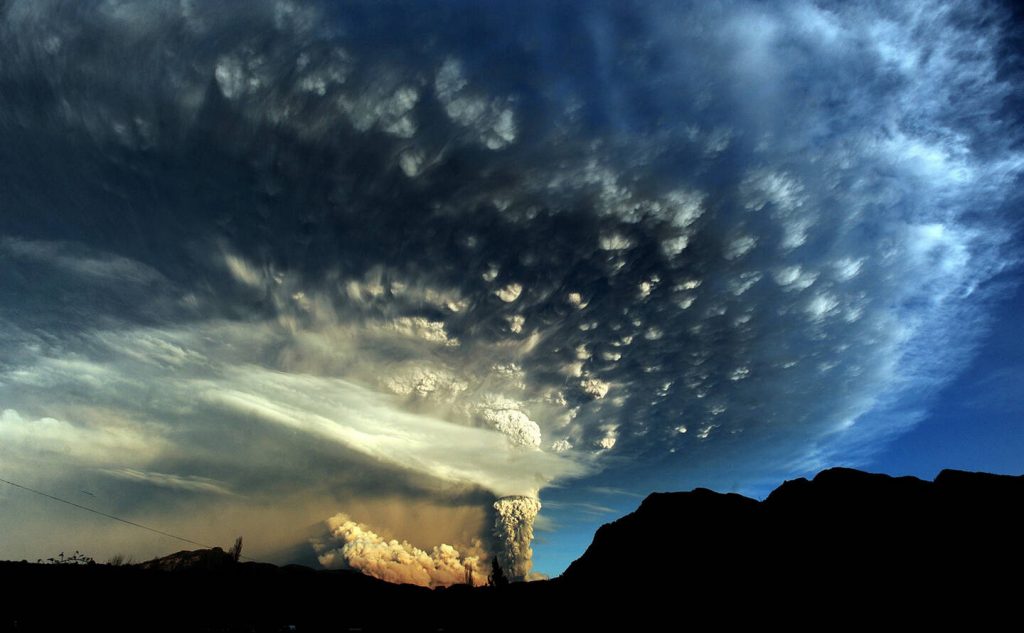
Beyond its spectacle, the eruption had significant real-world impacts. Air travel across the Southern Hemisphere was heavily disrupted for weeks due to the dangers posed by fine volcanic ash to jet engines. Local communities faced long-term challenges as ash deposits contaminated water supplies, damaged crops, and affected livestock. The eruption also served as a vivid reminder of the dynamic and sometimes unpredictable forces that shaped the Andes.