Hokum (2026)
What’s not to love about a good old-fashioned haunted house movie? With Hokum, writer-director Damian McCarthy has a few tricks up his sleeve, delivering some striking imagery, a handful of solid scares and a mystery that takes its time and keeps the viewer engaged. The result is an intriguing supernatural horror with some unexpected turns, even if its eventual conclusion might divide audiences.
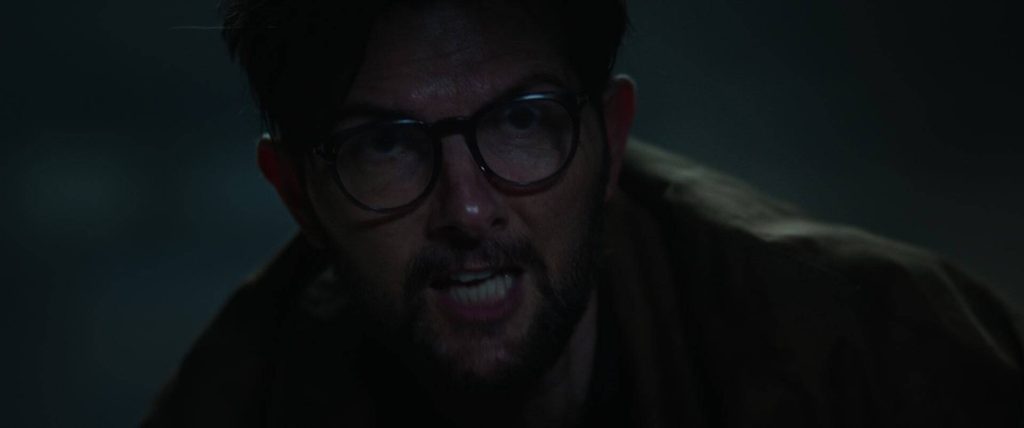
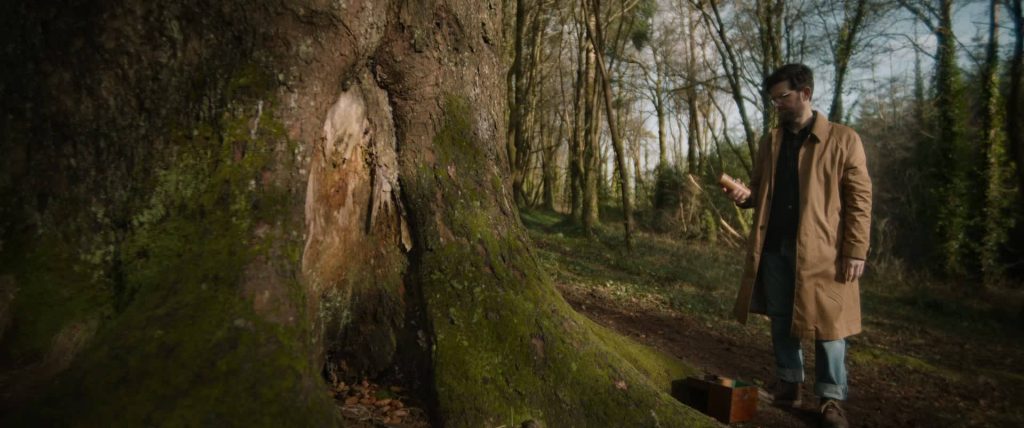
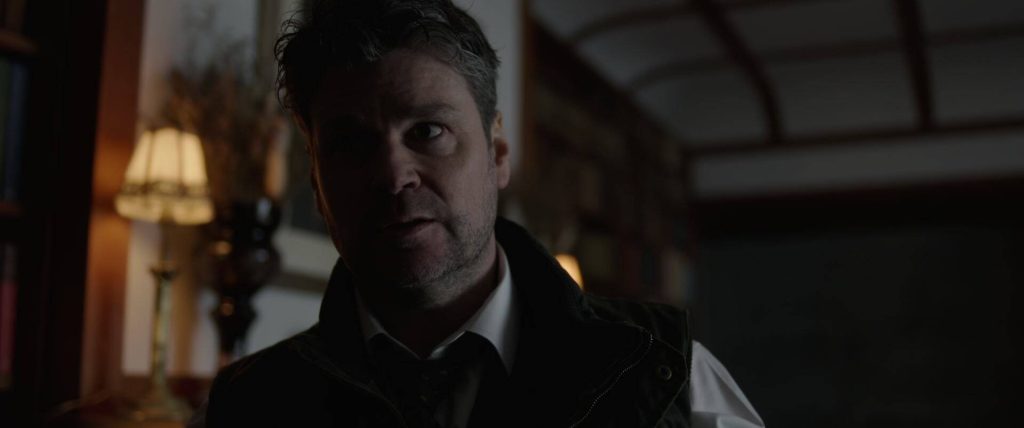
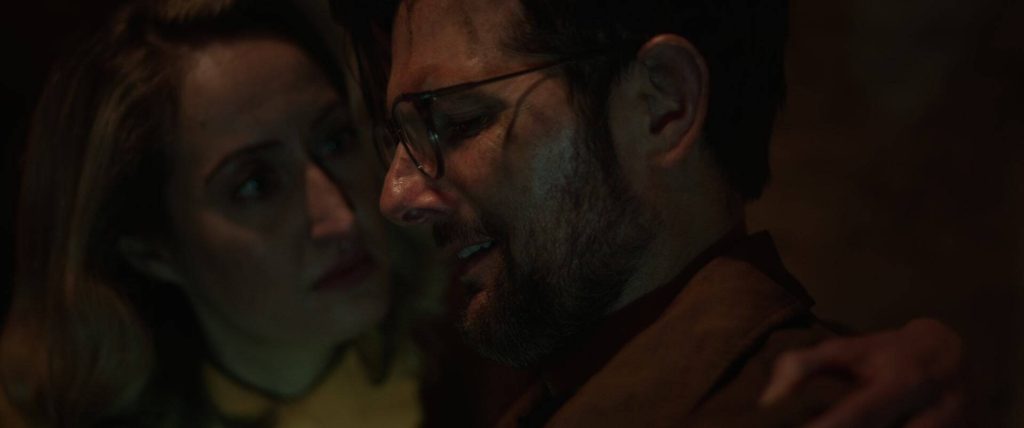
Adam Scott is a terrific choice to lead this film. He brings just the right balance of cynicism, vulnerability and sheer unpleasantness to his character, making him someone you might not particularly like but nevertheless find yourself rooting for when things start taking a turn for the worst. It’s a tricky balancing act, but Scott makes it work. There’s also something quite convincing about his physical presence in the role. He looks like a man who might struggle to kick down a small door. It helps to have a lead who seems genuinely ill-equipped to deal with the horrors unfolding around him.
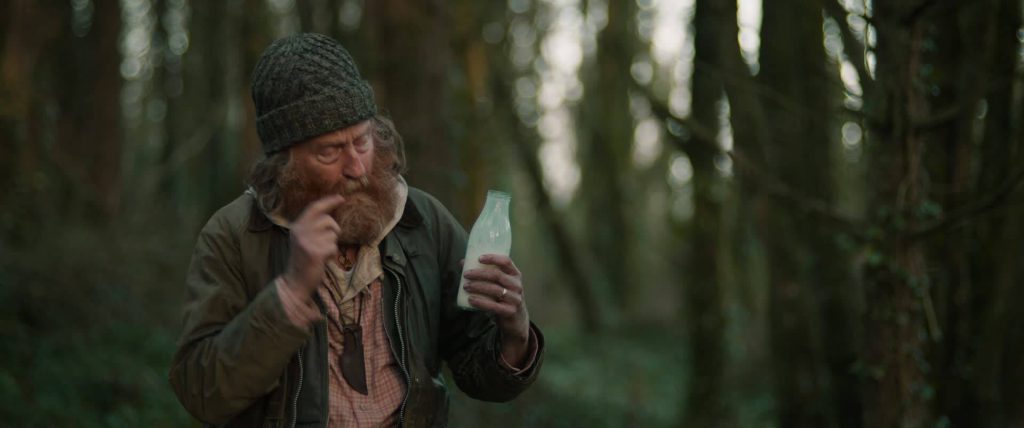
Although Scott commands much of the screen time, there’s a supporting cast of characters who add a lot to the film. Among them David Wilmot, known for a similar character in Bodkin, putting in a performance that taps into that slightly peculiar, distinctly Irish characterisation that can make you wonder whether someone is simply an eccentric local or has a much more significant role to play. These encounters help build the world around the central mystery.
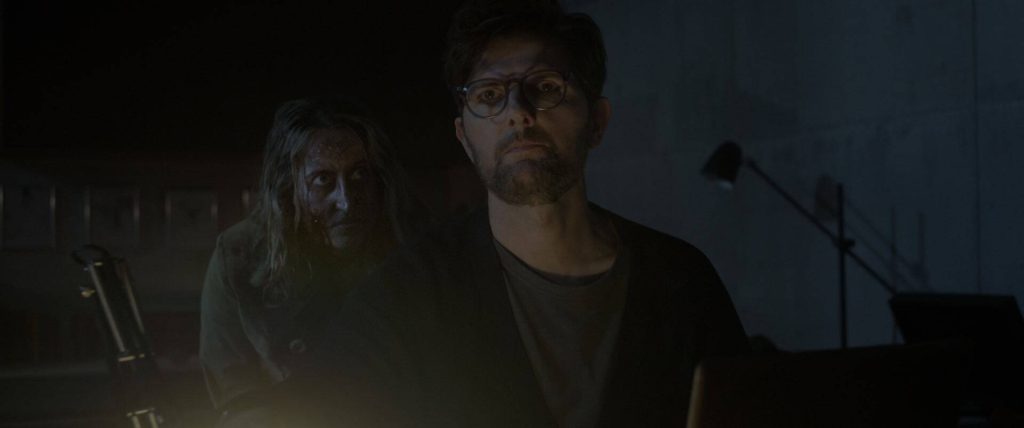
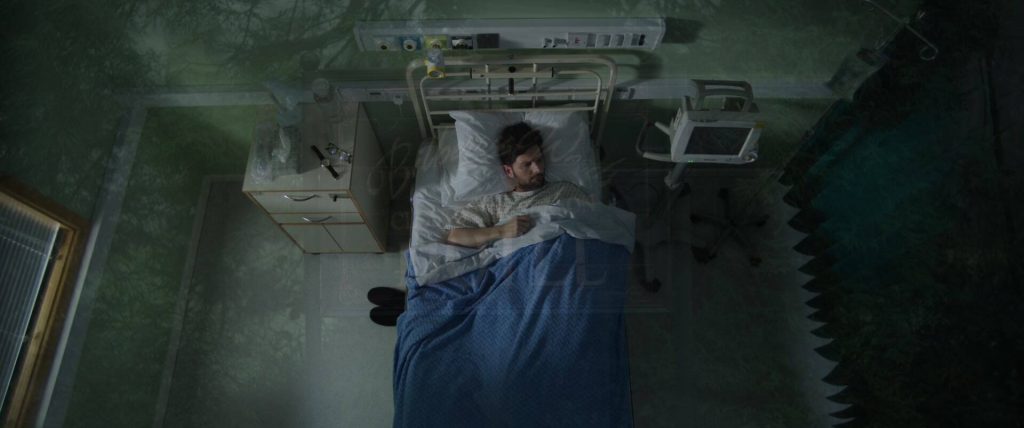
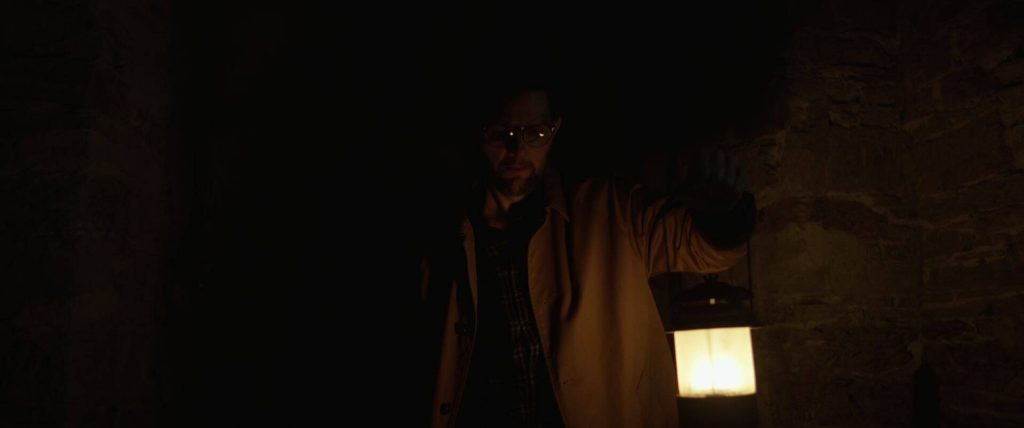
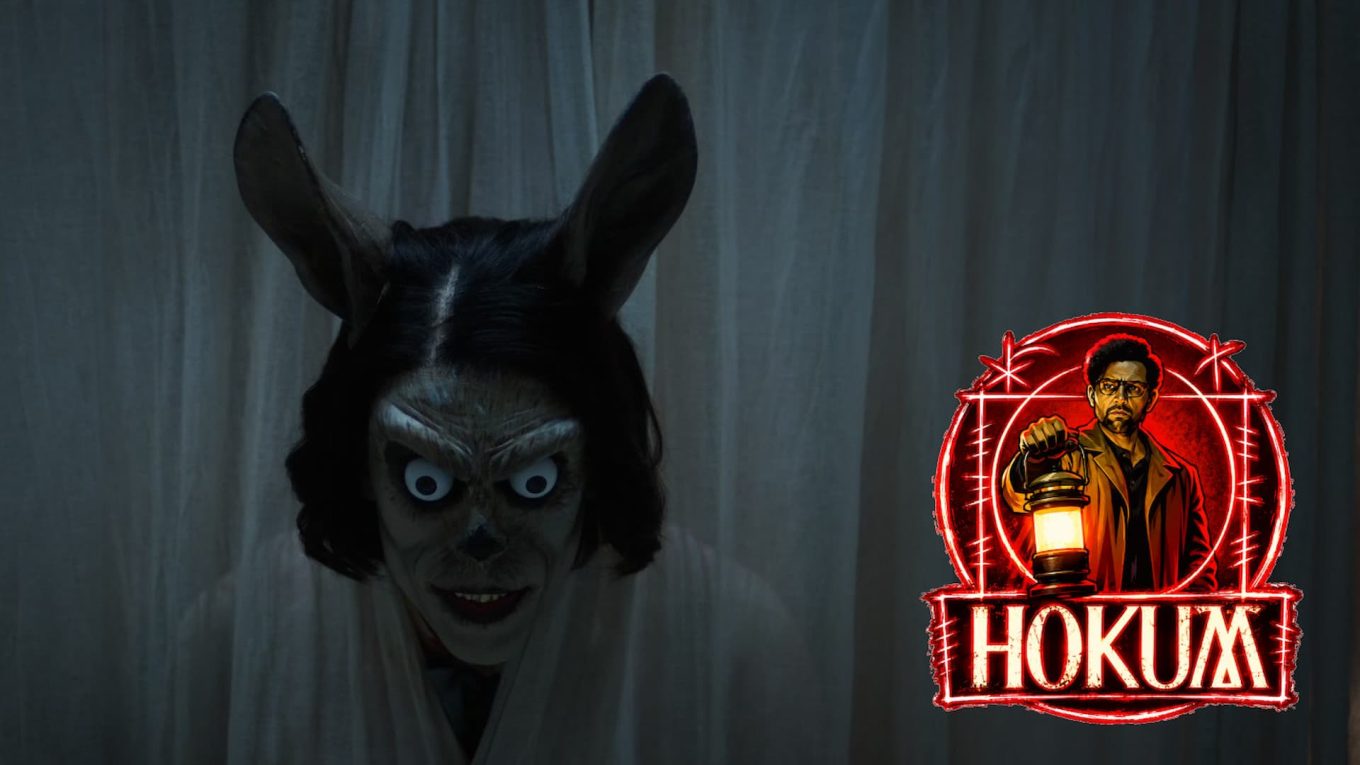
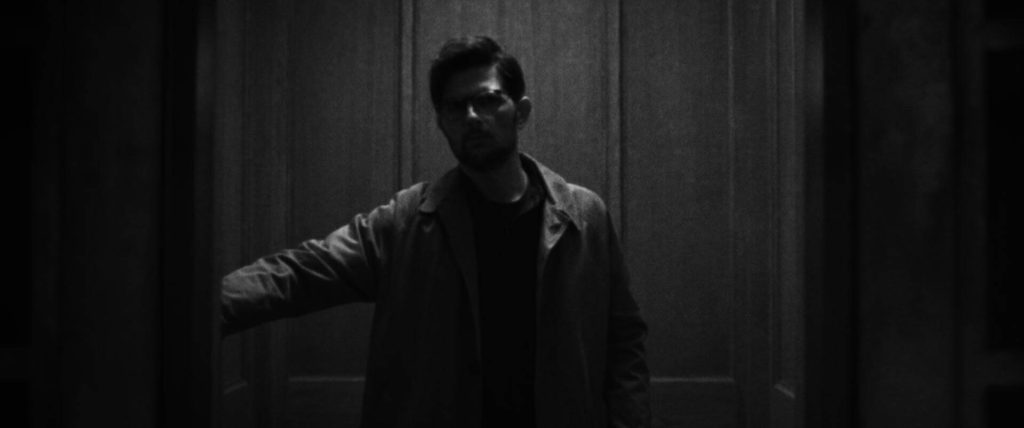
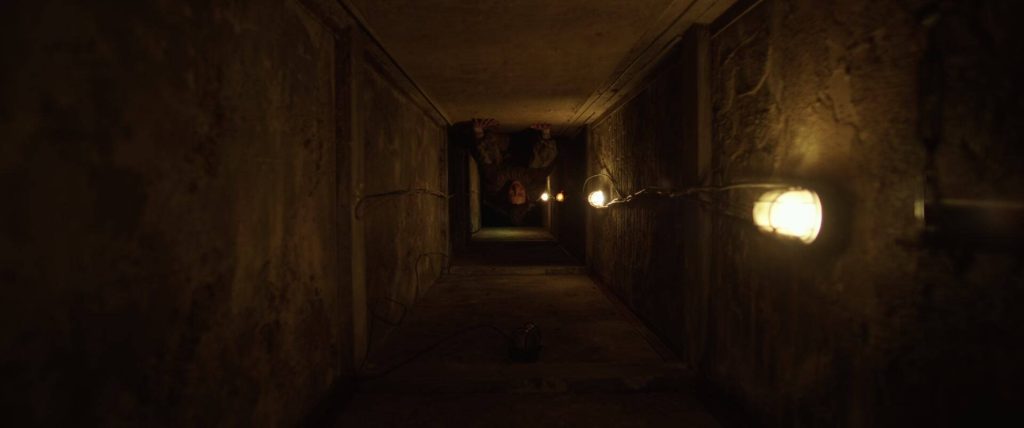
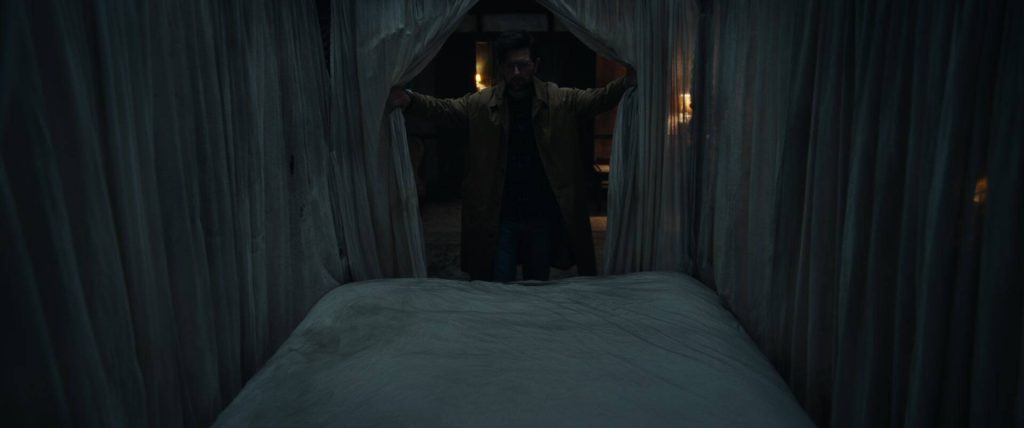
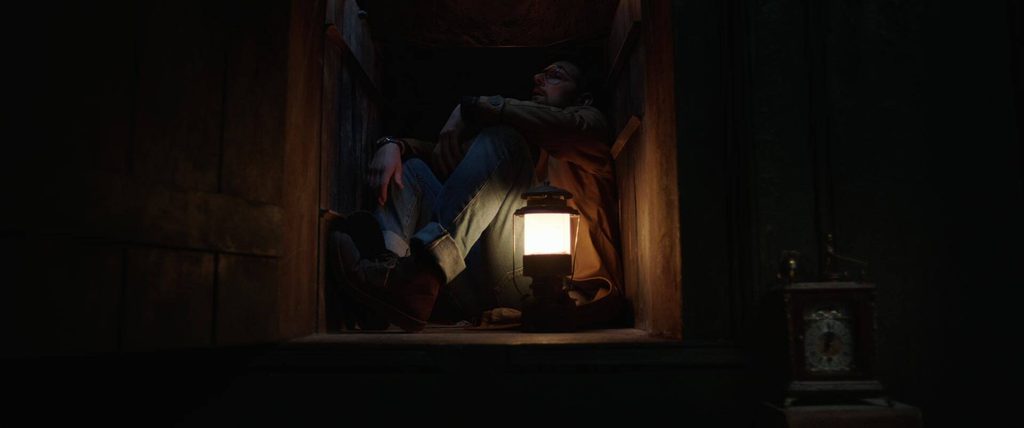
McCarthy has a knack for creating unsettling images, and Hokum is at its strongest when it leans into the strange, the unexplained and just plain creepy. There’s a real sense of atmosphere here above all else. The first half is particularly effective, delivering some genuine strangeness alongside moments of darkly fun horror.
There’s also an intriguing metaphorical bookend that lends the film a greater sense of scale and accomplishment. It elevates the film beyond what might otherwise have been just another low-budget Irish ghost story.
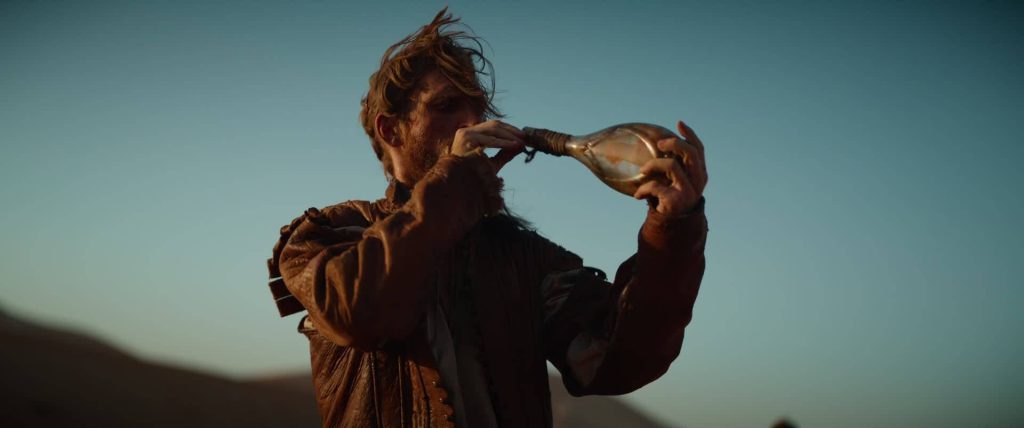
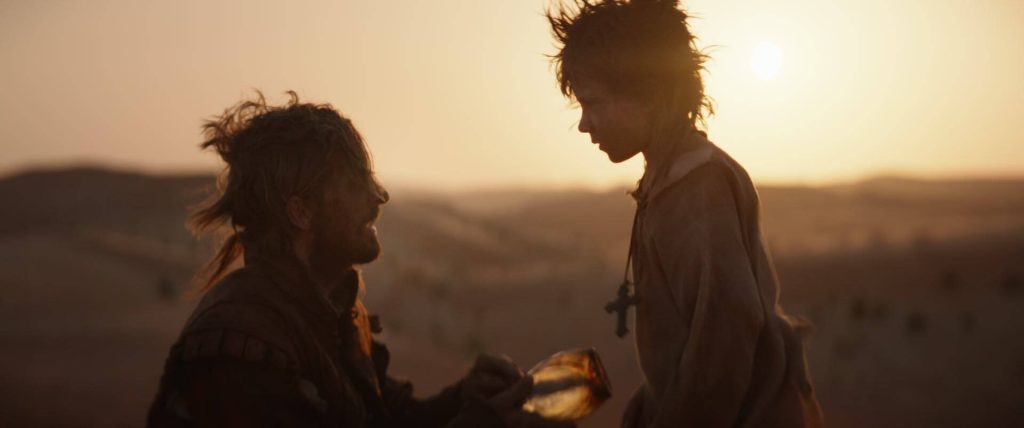
One of the film’s more interesting decisions is the way it handles its central threat. Without giving too much away, the identity of a killer is revealed around the halfway point, rather than leaving such a reveal for the final act. It’s a choice I rather enjoyed. With the mystery partially unravelled, it’s a collection of characters firmly in the thick of the action. It’s refreshing when a horror film doesn’t feel obliged to save every answer for the last ten minutes, and this approach gives Hokum an unusual rhythm and energy to keep moving.
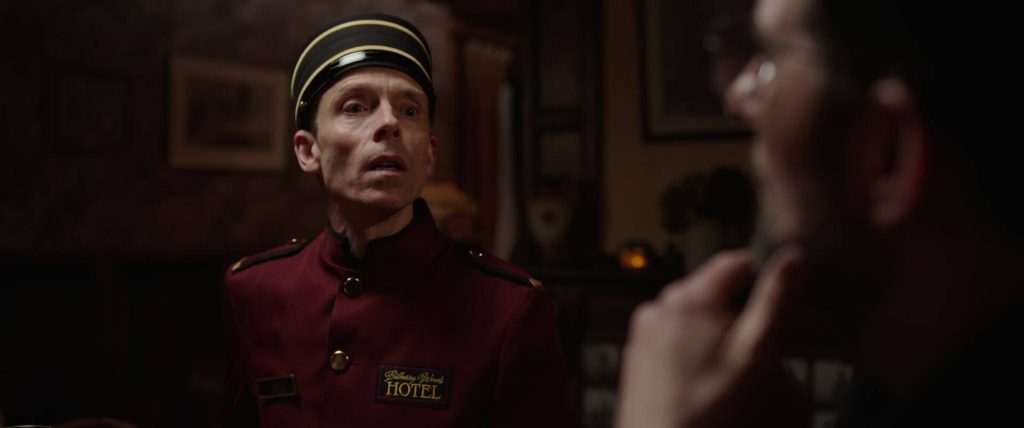
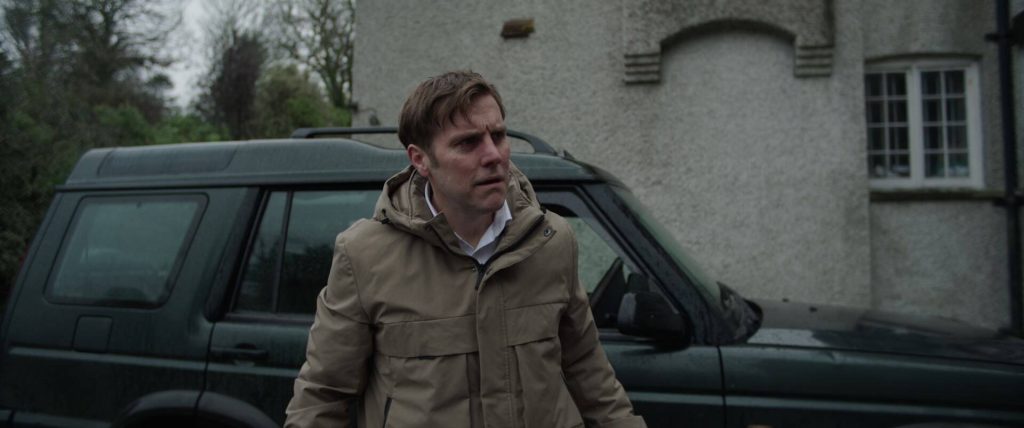
However, the second half takes the film in a different direction, and while that shift is interesting, I found myself becoming less convinced as the pieces began to fall into place. McCarthy introduces several intriguing ideas along the way, some of which seem to suggest a deeper mythology or a more satisfying explanation for the horrors on display. Yet some avenues aren’t explored.
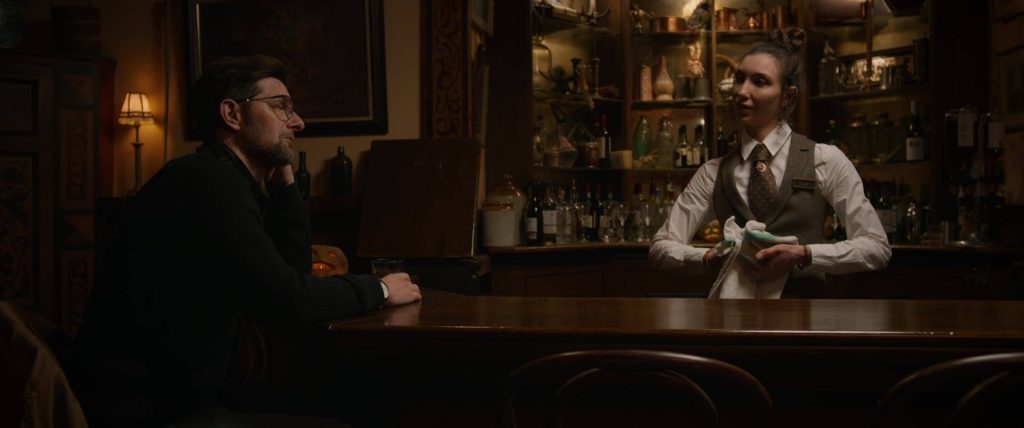
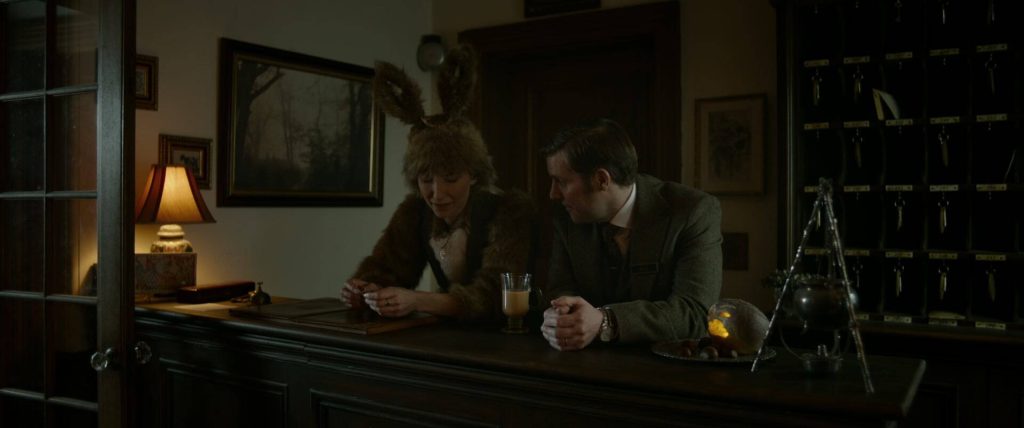
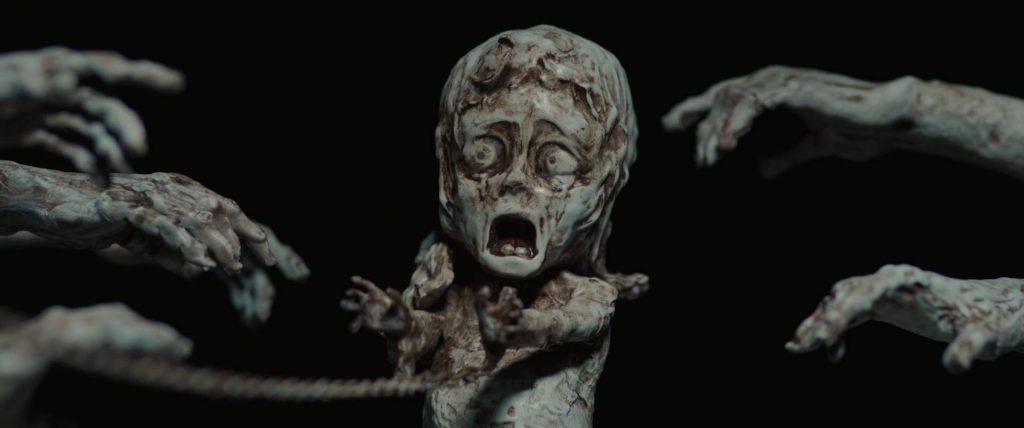
A particularly memorable example is a creepy children’s television show that enters the story. It’s a wonderfully bizarre addition, perfectly suited to the film’s atmosphere. Unfortunately, the concept never quite develops into the significant element I hoped it might become and it is forgotten about once played out. It’s the sort of idea that makes you sit up and take notice, only for the film to move on before fully exploring its potential.
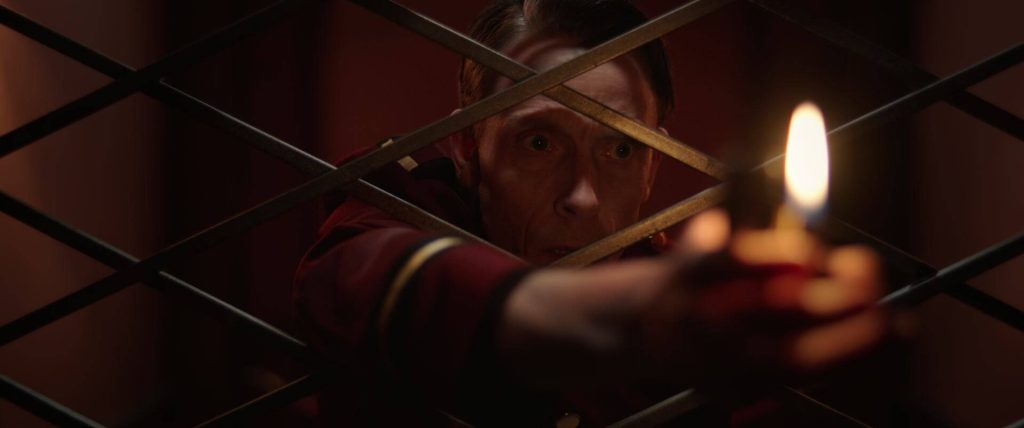
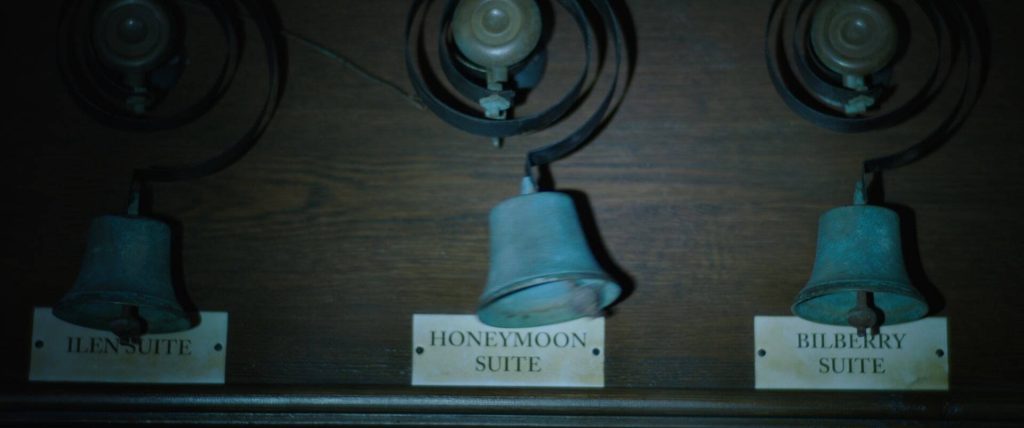
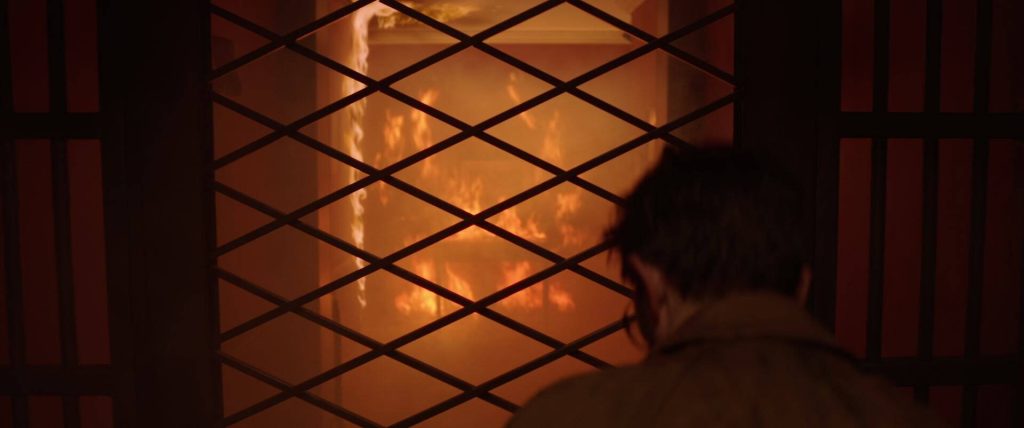
That sense of unrealised promise becomes more apparent as the conclusion approaches. Horror films are generally judged by how well they weave their various elements together, and a strong atmosphere can only carry a story so far if the payoff isn’t great. Hokum ultimately falls a bit short. There are plenty of interesting ideas scattered throughout the film, but they don’t all come together in the end. What we get resolves things, but it lacks the satisfying final punch I was hoping for.
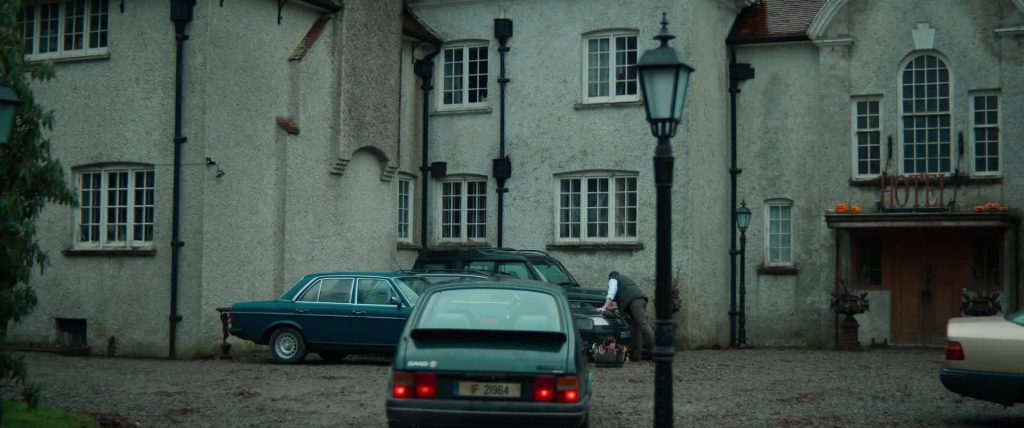
It’s particularly frustrating because the film spends so much time building a terrific sense of mystery. The atmosphere is there, the imagery is creepy, and the story repeatedly hints at something more substantial in the narrative. Yet when the credits roll, I was left feeling that the story had more to give. Rather than being unsettled by what I had witnessed or satisfied by the answers I’d been given, I found myself a bit miffed by the conclusion. McCarthy’s previous feature, Oddity. That film delivered a tightly constructed horror that knew precisely what it wanted to achieve and how to finish things up.
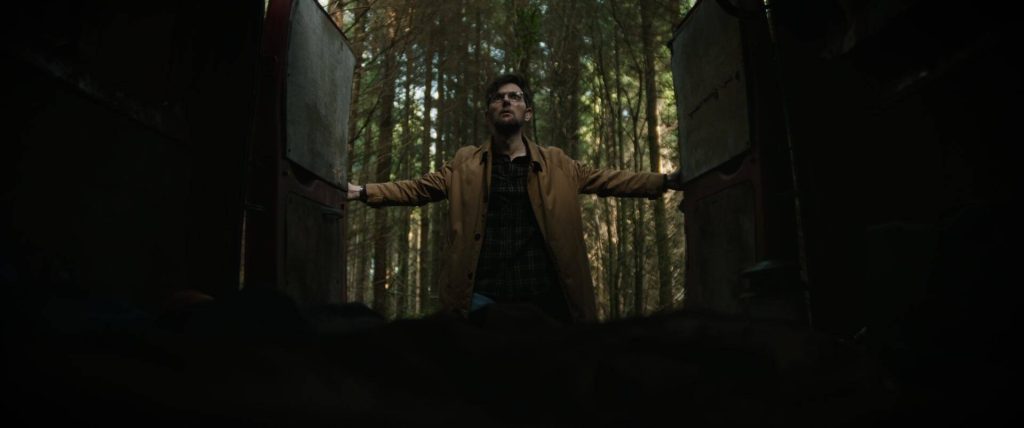
That’s not to say Hokum is not worth your time. Far from it. Adam Scott is excellent, the atmosphere is frequently terrific, and the first half contains enough inventive horror most will enjoy. I also appreciate a film that’s willing to take narrative risks rather than the usual haunted-house approach. Even though its ideas don’t entirely come together, there’s enough here to keep you engaged and curious about where the story is heading.
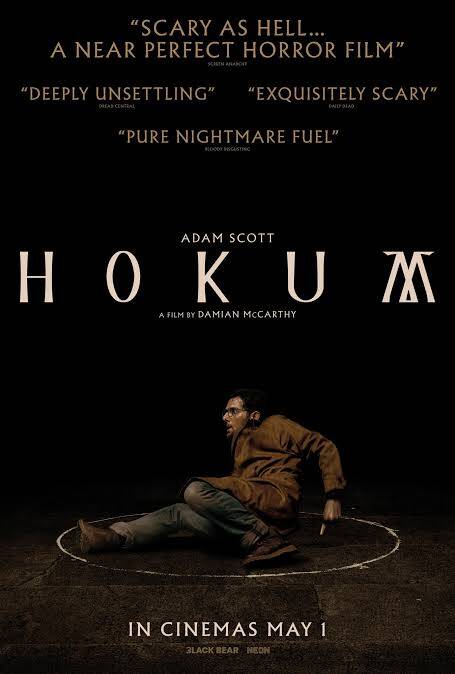
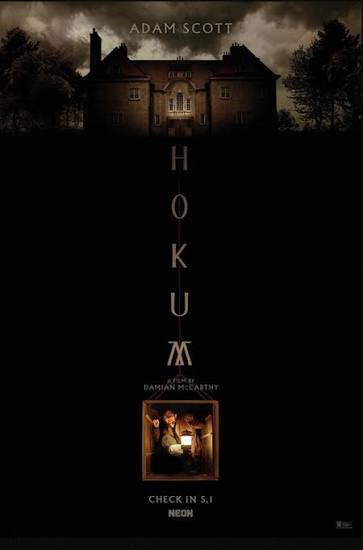
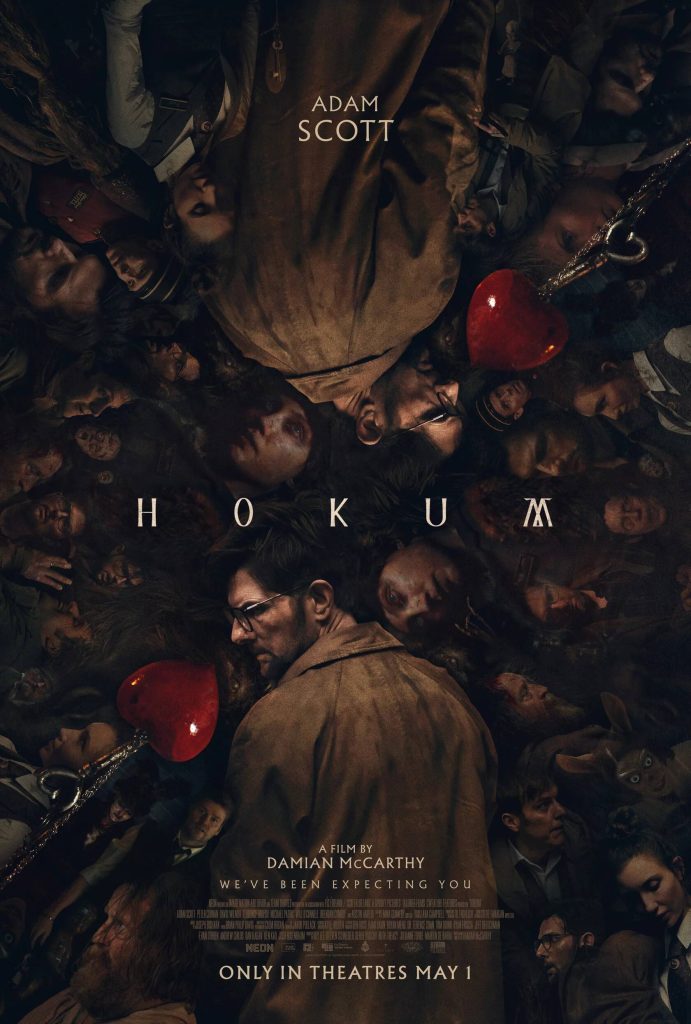
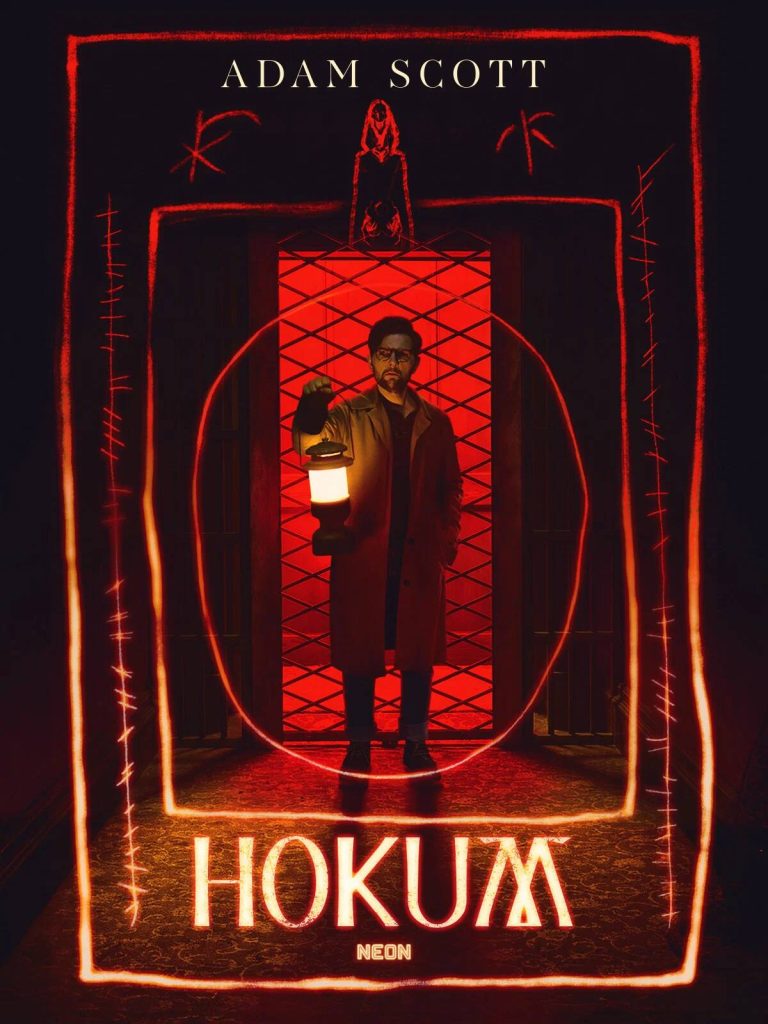
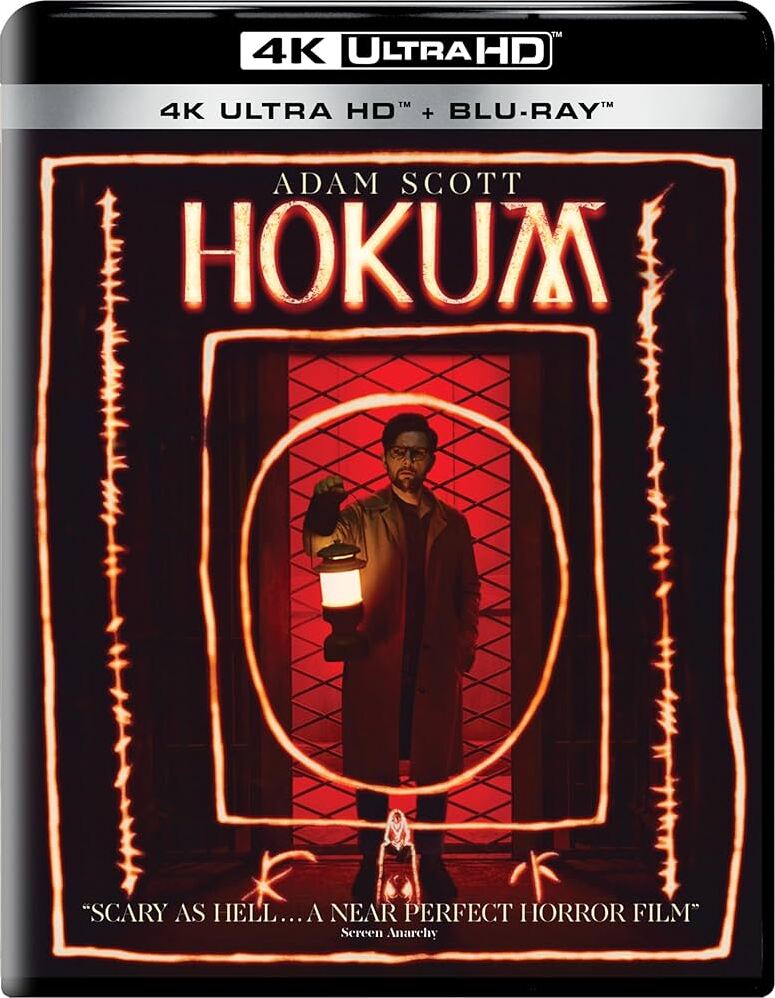
A 4K UHD release just dorpped, the picture and sound are perfectly passable, but neither does enough to make this a particularly memorable home cinema experience. Given the film’s striking imagery and atmospheric approach to horror, I was hoping for a little more from the presentation, which feels more Hohum than Hokum.
The extras offer some compensation, with the creepy television show featured in the film getting a little additional attention, while I’m particularly looking forward to revisiting and hearing Damian McCarthy’s commentary in the future. However, the sole making-of featurette runs for just 15 minutes, which feels rather short for a film with so many intriguing ideas and visual touches worth exploring. I can’t help feeling there was room for a more substantial selection of supplements.