Excessive Force (1993)
There are certain VHS box covers that burn themselves into your memory, even if you never actually rented the film. Excessive Force was one of those titles for me. Sitting proudly on the video store shelf during the golden age of direct-to-video action cinema, it promised hard-hitting thrills, explosive shootouts, and another martial arts-infused action hero ready to compete with the era’s bigger names. Yet, for whatever reason, I always passed it by.
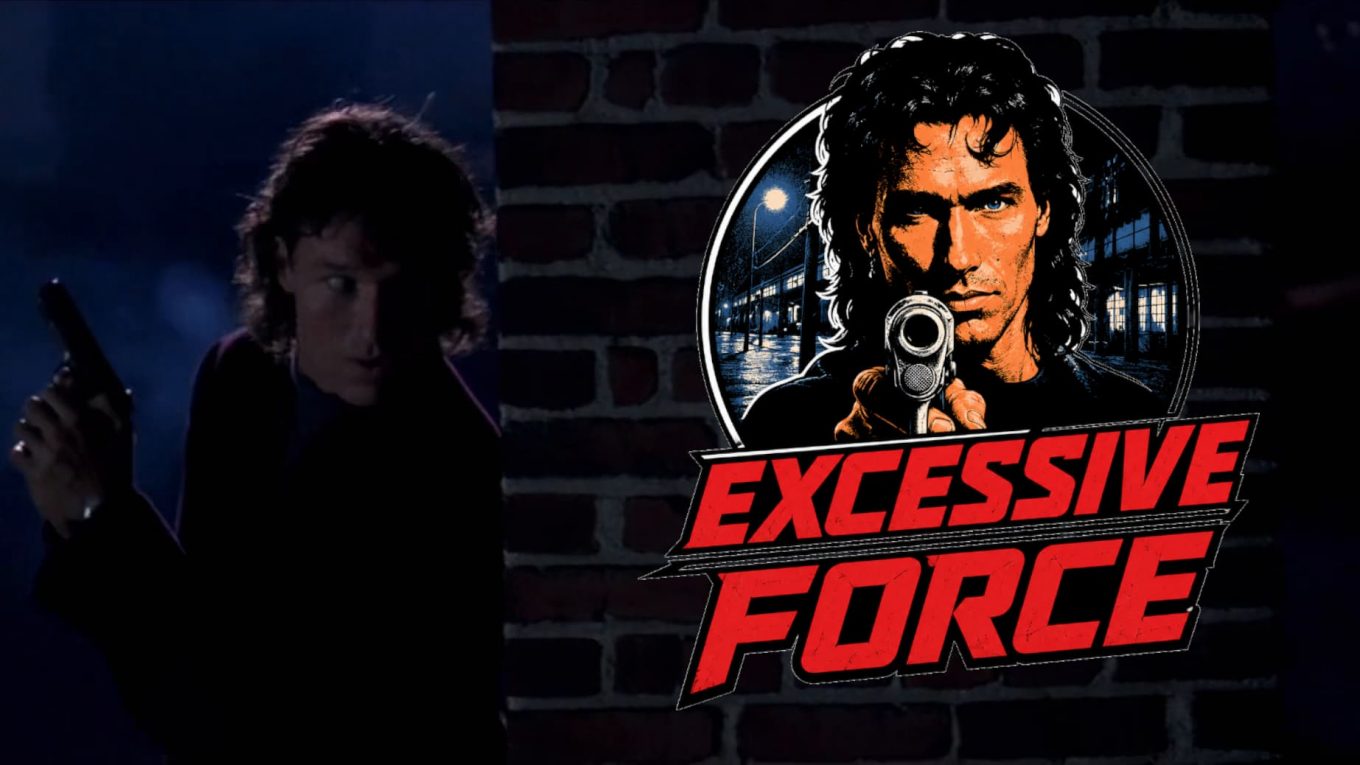
After recently revisiting Crackerjack, curiosity got the better of me and I decided to check out another Thomas Ian Griffith vehicle. Compared to the chaotic ineptitude of Crackerjack, Excessive Force comes across as a far more competent and restrained effort. It is a serviceable crime thriller with modest ambitions, and perhaps that works in its favour. The film never aims for the bombastic heights of the best action movies of the early 1990s, but by keeping its goals relatively grounded, it also avoids becoming an outright disaster.
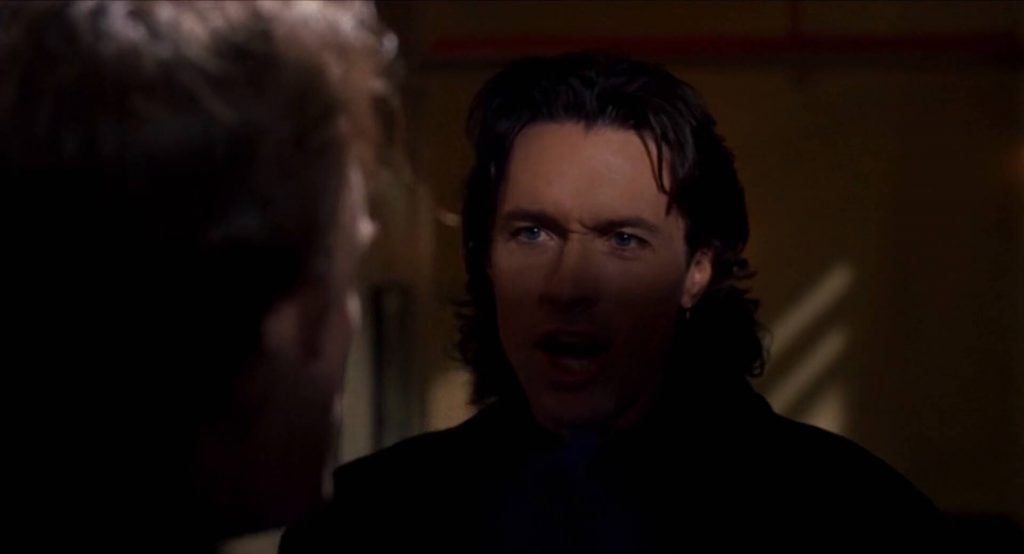

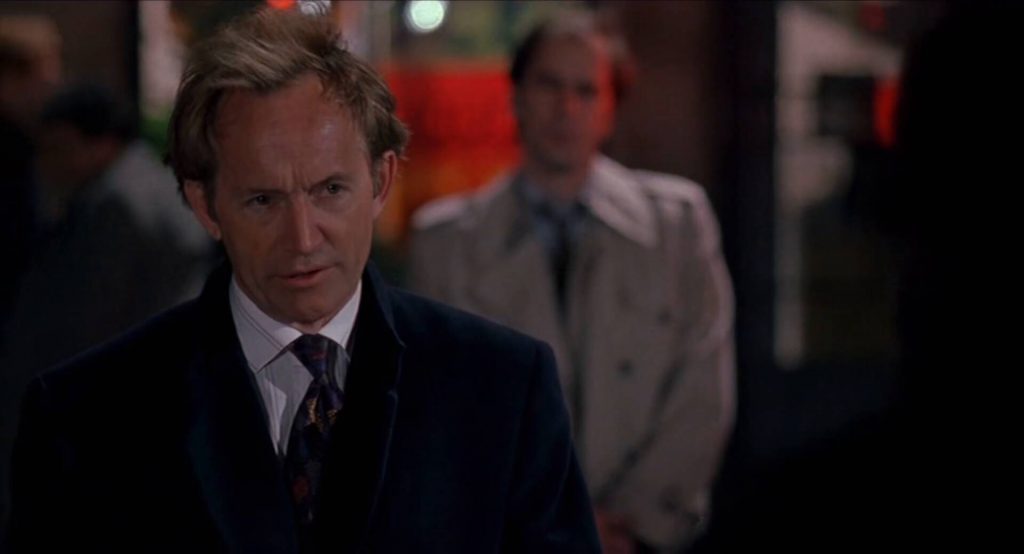
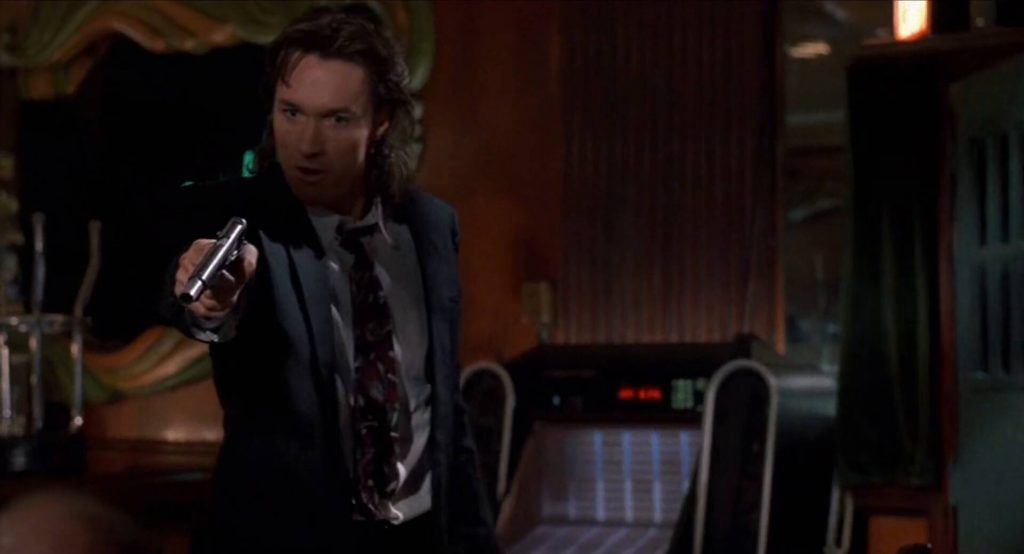
That said, the biggest issue with Excessive Force is right there in the title: the film simply does not deliver enough memorable action. For a movie built around a martial arts-trained leading man, the set pieces are surprisingly tame and rarely leave a lasting impression. There are fist fights, a few gun battles, the occasional car chase, and the standard scenes of the hero escaping from armed goons, but nothing truly elevates the film above the countless action thrillers flooding the market at the time.


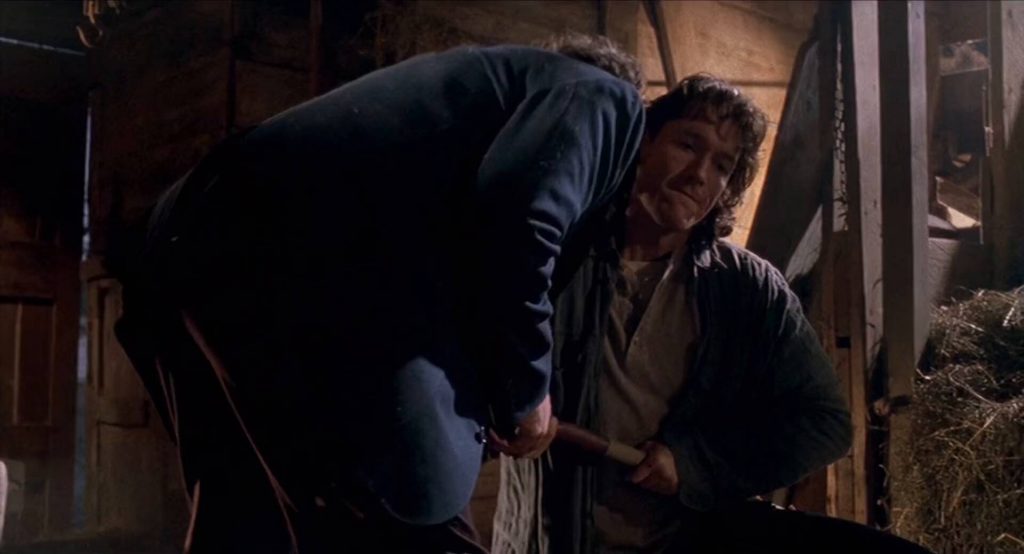
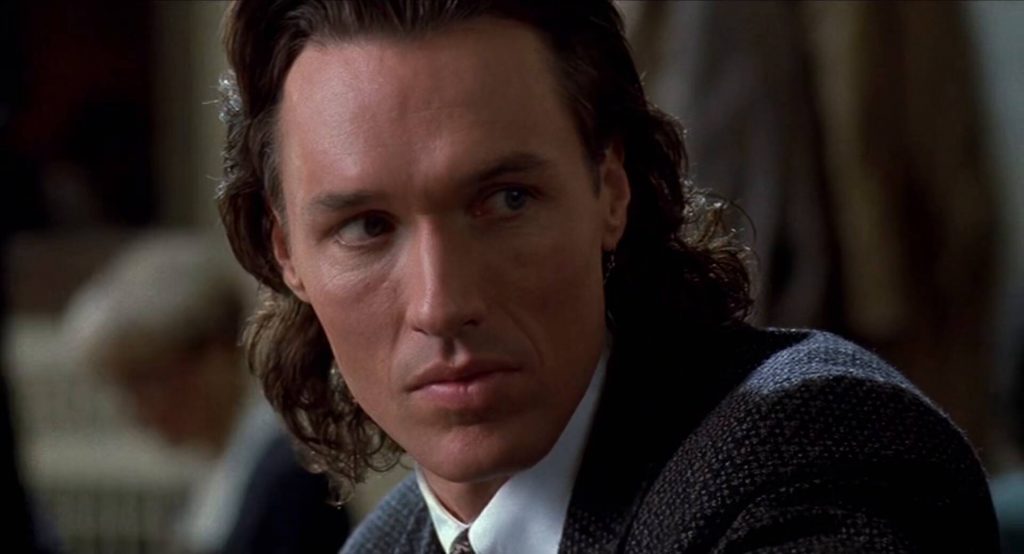
Thomas Ian Griffith certainly looks the part of an action hero. Tall, imposing, charismatic, and undeniably athletic, he has the physical presence to carry this sort of material. The problem is that the screenplay makes him almost absurdly overpowered from the outset. Early scenes establish his character as an unstoppable fighter capable of dismantling groups of enemies without taking so much as a meaningful hit. Throughout the film he bulldozes his way through opponents with such ease that there is rarely any sense of danger.
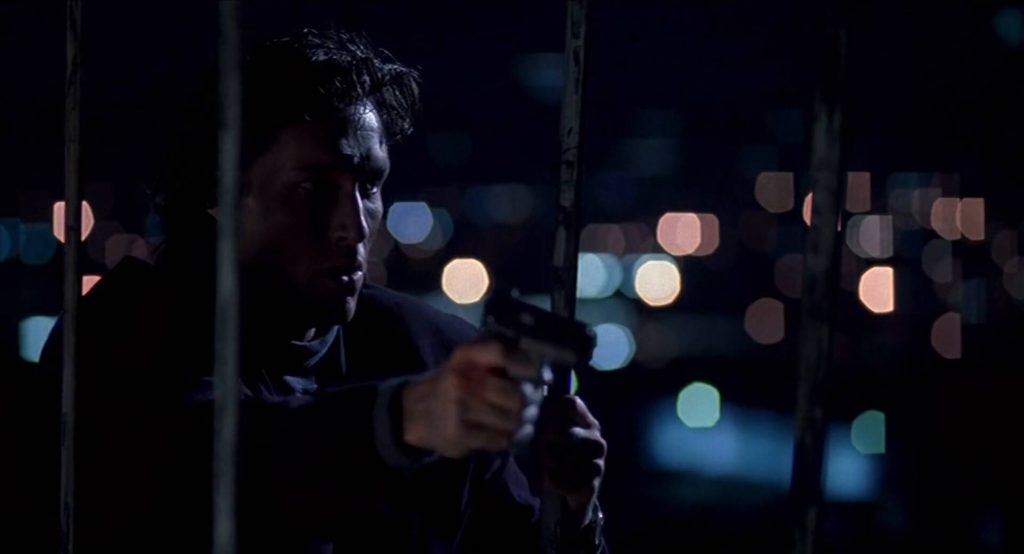
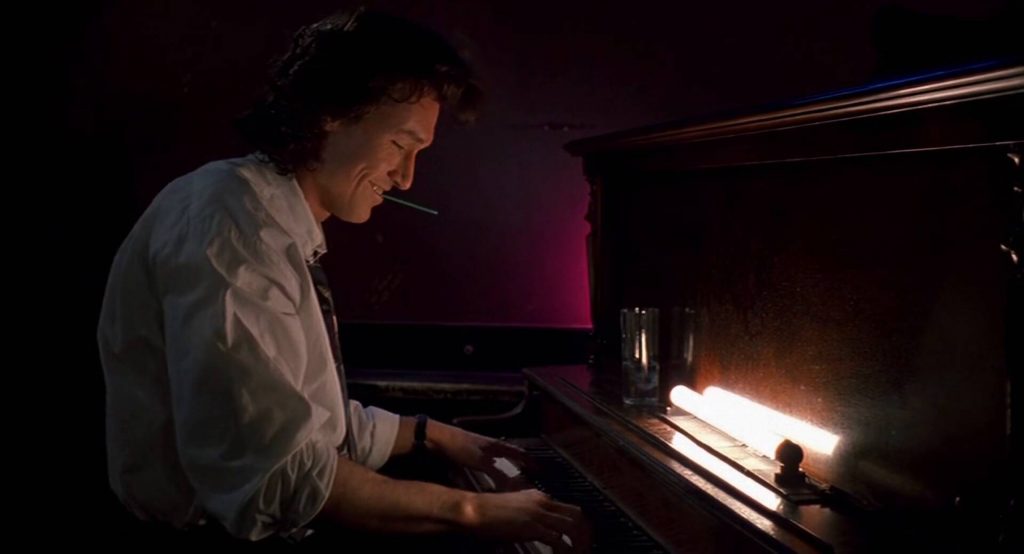
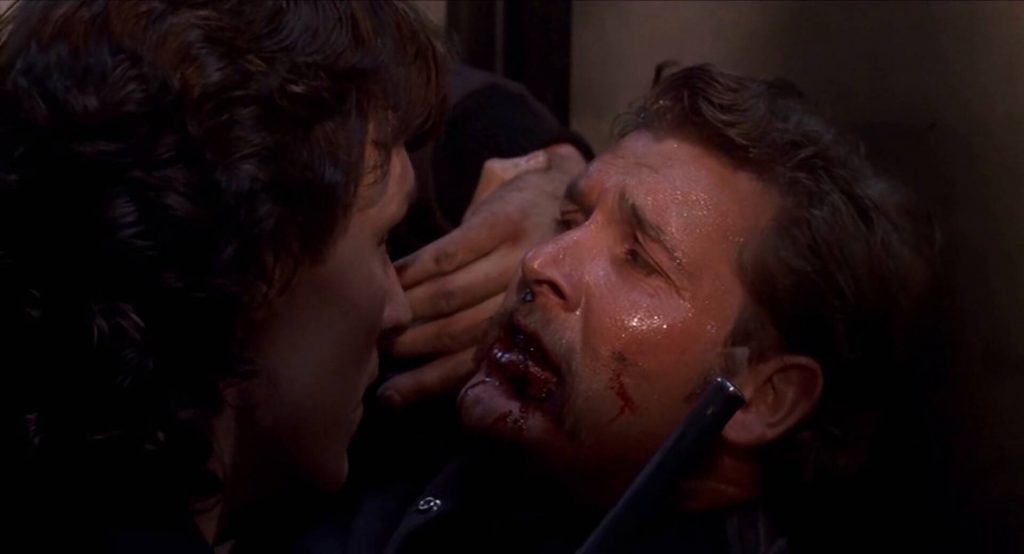
A strong action hero is one thing, but Excessive Force pushes Griffith into near-superhuman territory. He is not only an elite cop, but also a gifted jazz musician and world-class kickboxer. The film stacks the deck so heavily in his favour that conflict becomes predictable. The audience never truly believes he might fail, which drains tension from many of the action sequences.
Ironically, Griffith himself is not the problem. In fact, he gives a fairly committed performance and has enough screen presence to make you wonder why he never became a bigger action star. There is a sincerity to his performance that helps ground some of the sillier elements, even when the script leans heavily into action movie fantasy.
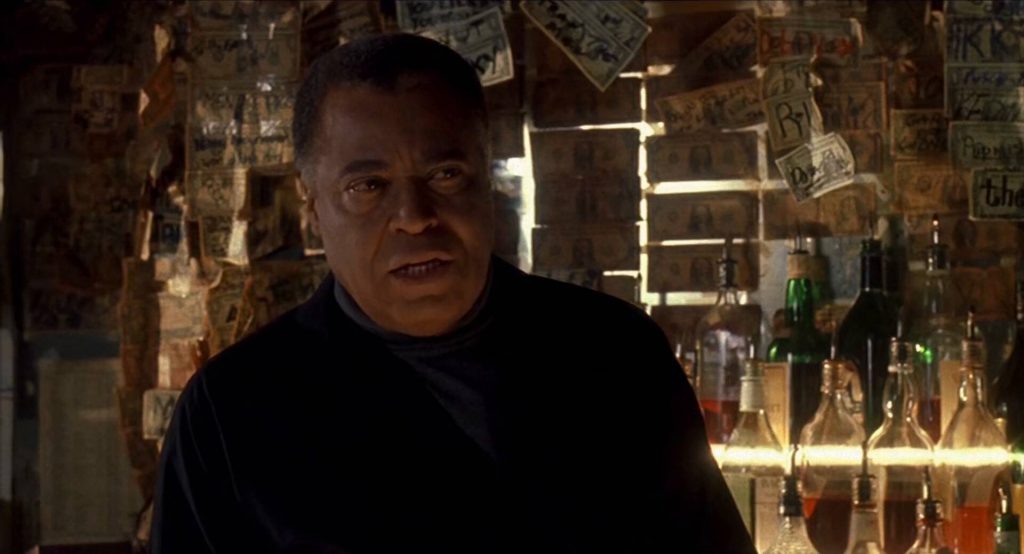
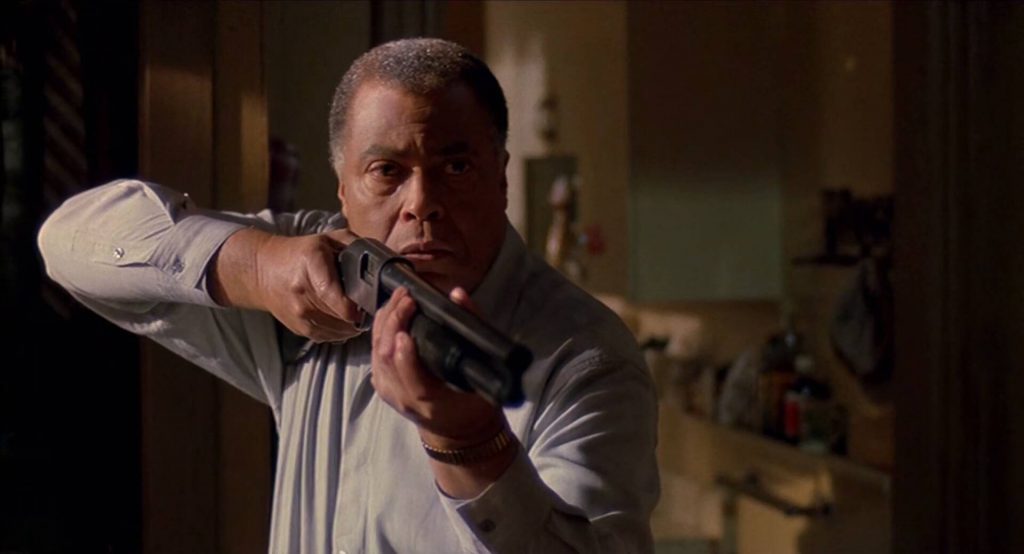
The supporting cast adds some welcome personality, even if most of the characters are underwritten. James Earl Jones turns up in a small but entertaining role and unexpectedly gets involved in a brief but amusing punch-up later in the film. It is over almost as quickly as it begins, but there is undeniable enjoyment in seeing Jones throw down.
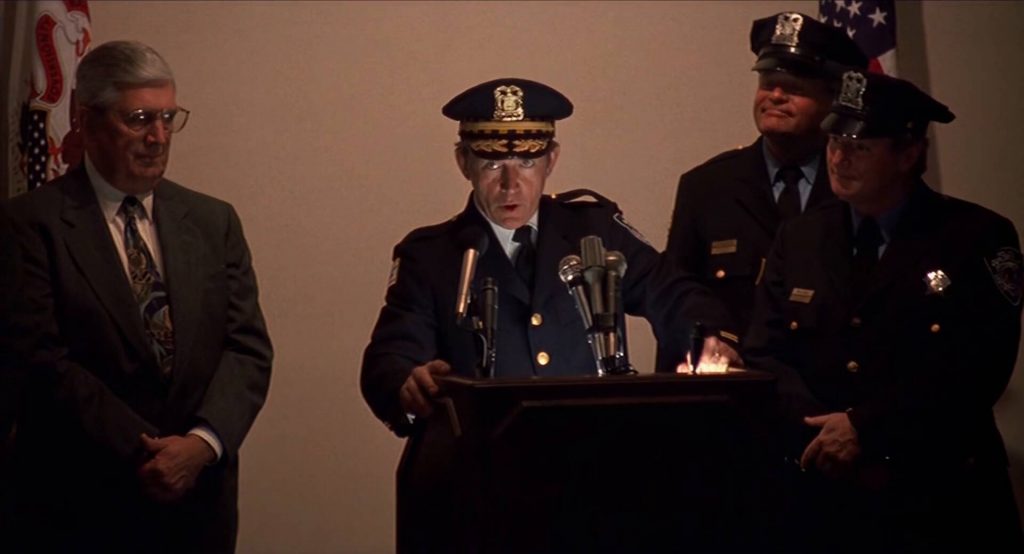
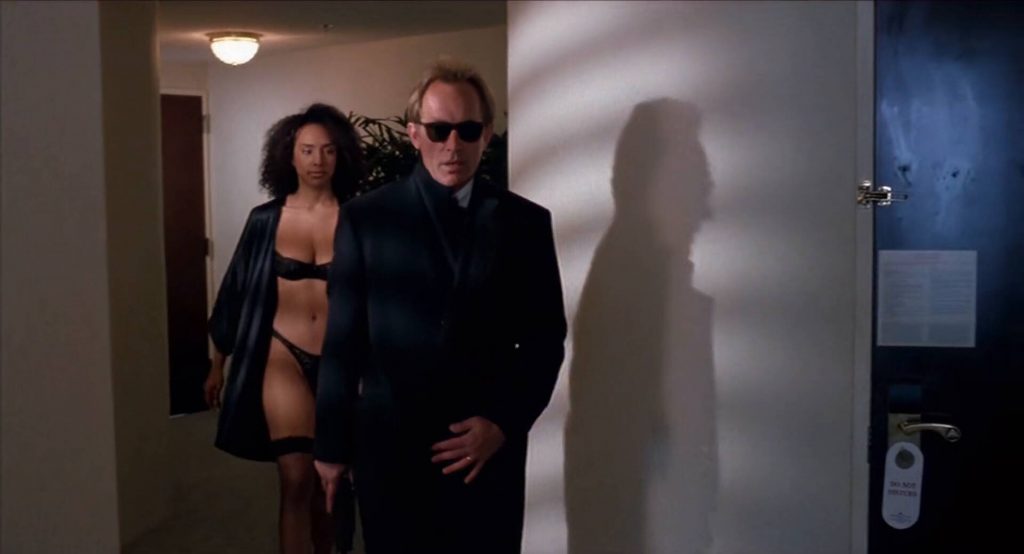
Lance Henriksen fares slightly better, playing Griffith’s captain with the kind of world-weary authority he could deliver effortlessly during this period. Henriksen always brings gravitas to low-budget genre material and he helps elevate scenes that might otherwise feel routine. Unfortunately, despite having a larger role than expected, the character never becomes especially memorable.
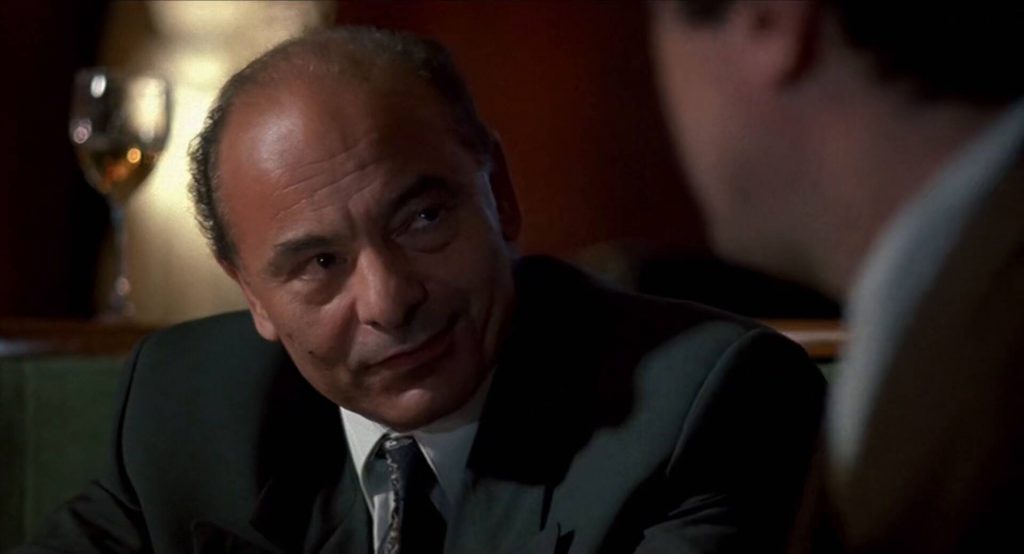
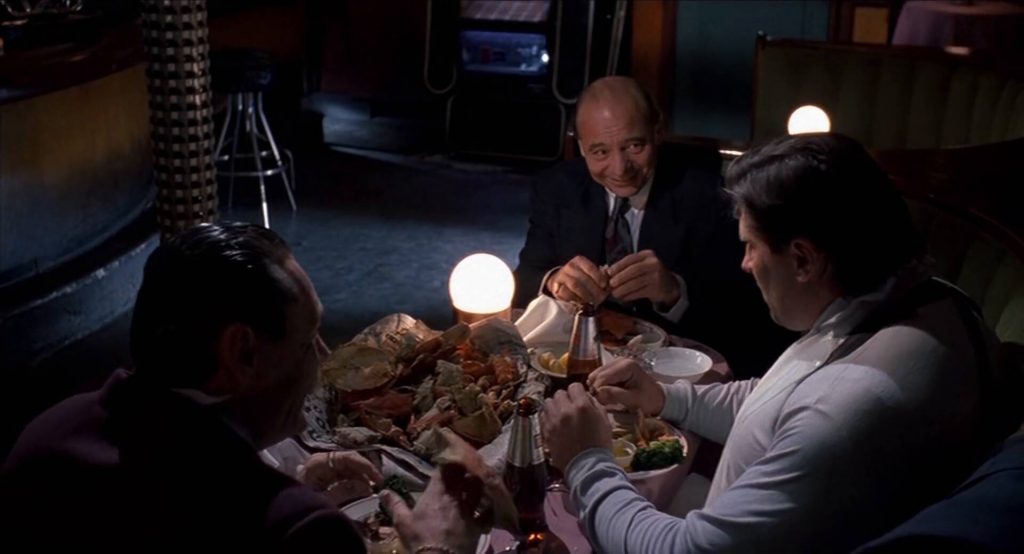
Burt Young is arguably the standout among the supporting players. As the mob boss pulling strings behind the scenes, he brings genuine menace during the first half of the movie. Young wisely avoids turning the character into a cartoonish gangster and instead plays him as a dangerous opportunist who becomes increasingly desperate as events spiral out of control. One of the film’s better touches is showing how quickly his bravado disappears once his hired muscle is stripped away.

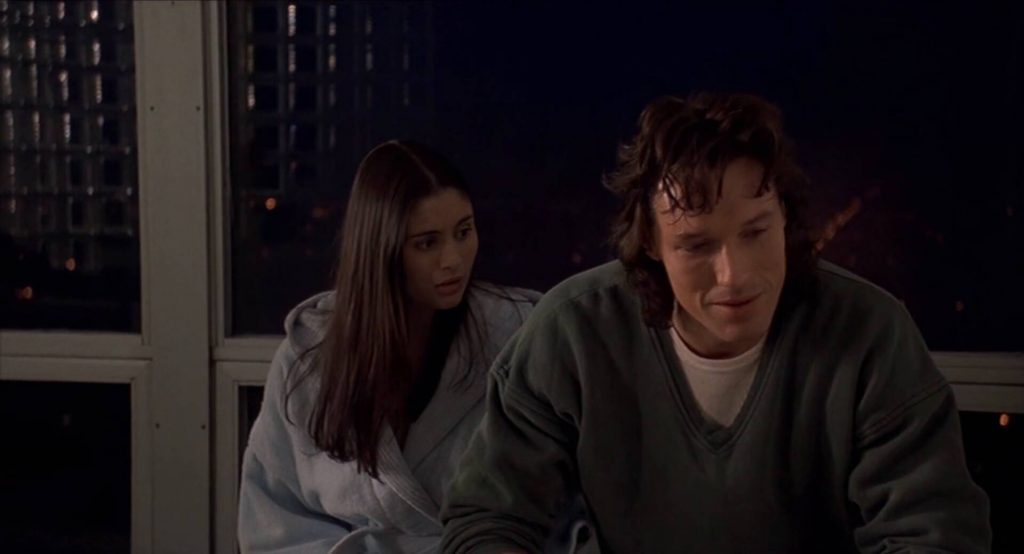
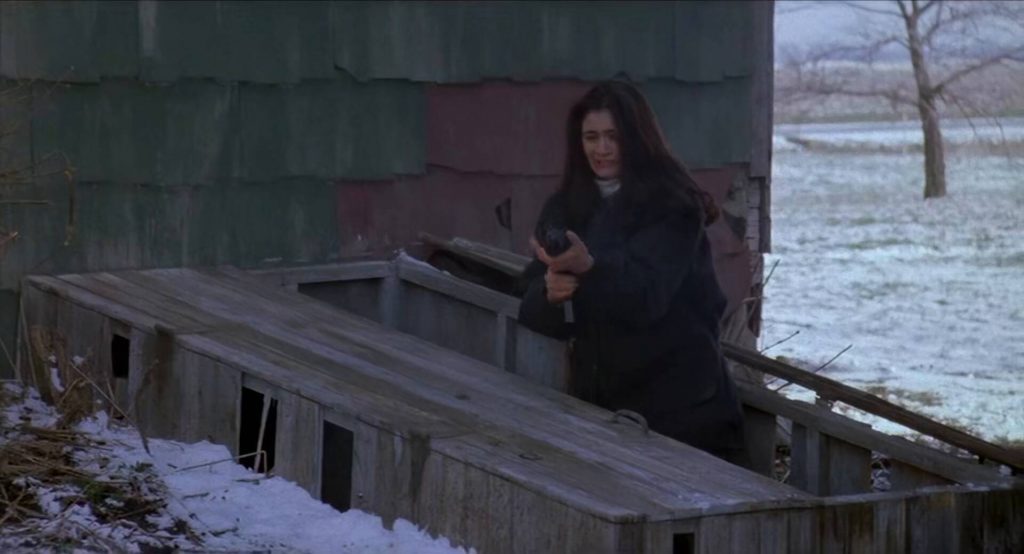
Charlotte Lewis plays the female lead entirely straight, though the screenplay does her few favours. Her character has an unusual connection to Griffith’s hero that could have created stronger emotional stakes, but the film never fully explores the idea. As a result, she ends up feeling more like another obligatory genre addition than a fully realised character.
The plot itself is pure early 1990s action-thriller formula. Corrupt officials, organised crime, betrayals within the police force, and a lone cop forced to fight against the system. None of it will surprise seasoned action fans. Worse still, the film can’t hide one of its major twists due to an extremely obvious casting choice. Even viewers only casually familiar with crime thrillers will likely see the reveal coming long before the screenplay intends.
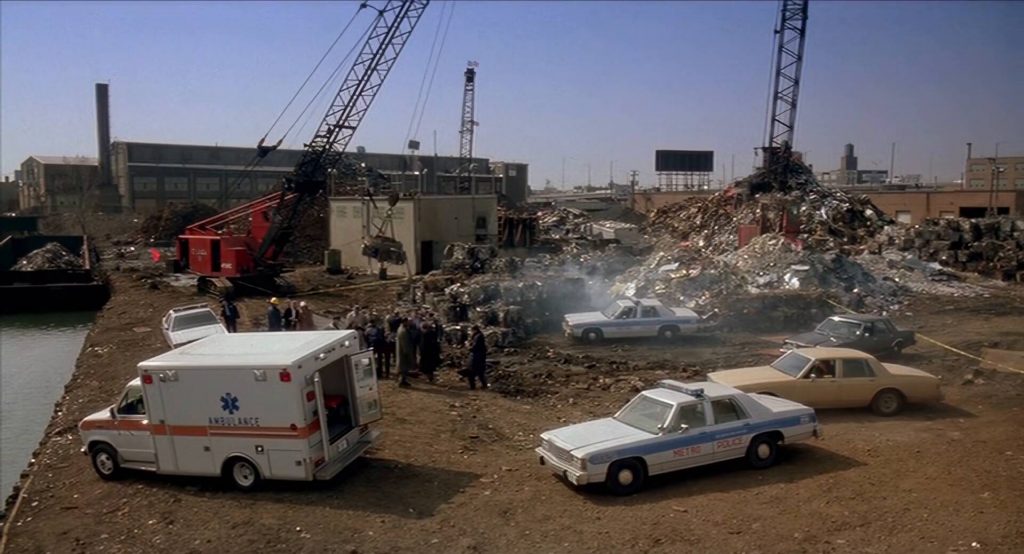
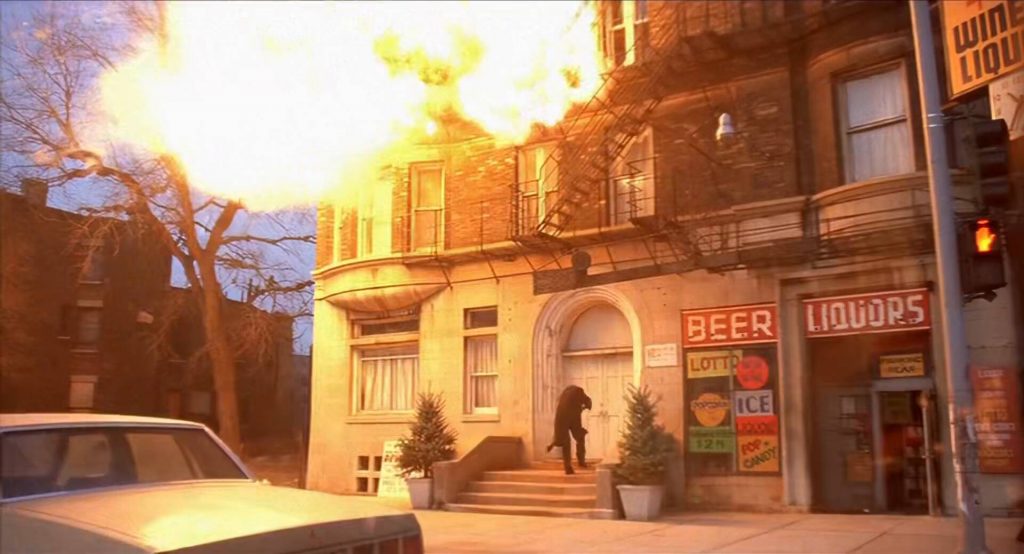
What hurts the film even more is the way it handles one of its key “surprises.” Venturing into spoiler territory, Excessive Force relies on the tired tactic of having a supposedly dead character conveniently die off-screen, only to reappear later for shock value. It feels less like clever plotting and more like the movie trying to cheat the audience. A stronger script could have constructed a more convincing twist without resorting to such an overused device.


Despite these shortcomings, the film is professionally assembled. Director Jon Hess keeps things moving at a brisk pace and the movie never becomes boring, even during its weaker stretches. While budget limitations are apparent, Excessive Force avoids looking embarrassingly cheap, which was not always guaranteed with mid-tier action films of this era. The production values are solid enough, locations are used effectively, and the cinematography has that distinctly gritty early-90s direct-to-video aesthetic.
The soundtrack and score, however, are another missed opportunity. Nothing about the music stands out and there are few moments where the film uses sound to enhance tension or excitement. It gets the job done in functional fashion, but like much of the movie, it fades from memory almost immediately after the credits roll.
When Excessive Force was released in 1993, it failed to make much of an impact critically or commercially, and it is easy to see why. Audiences at the time were spoiled for choice when it came to action cinema. This was an era that still had the afterglow of Schwarzenegger, Stallone, Van Damme, Seagal, and the rising influence of Hong Kong action cinema. Against that competition, Excessive Force simply does not have the standout action sequences, memorable villains, or quotable moments needed to distinguish itself.
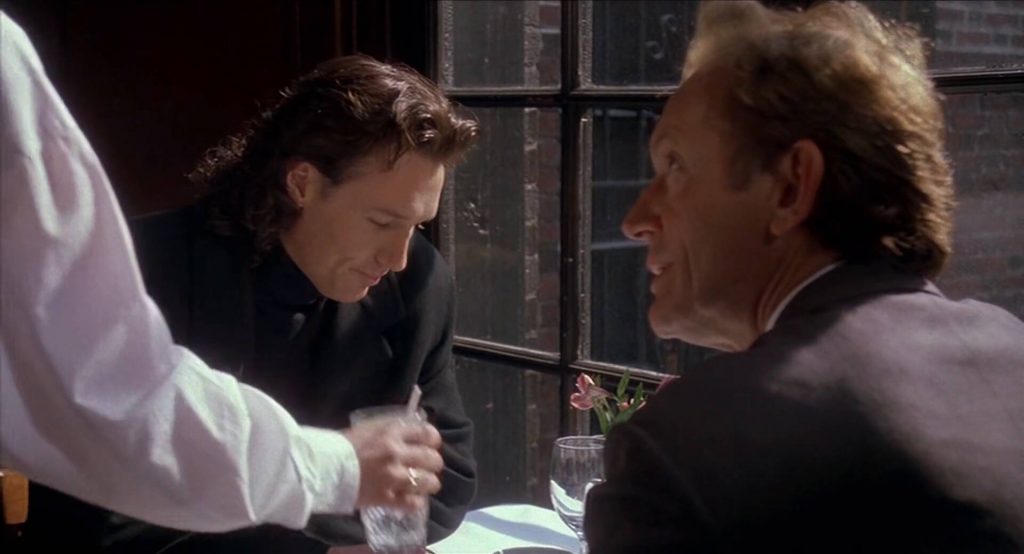
Watching it today, especially alongside genuinely poor straight-to-video action efforts, the film becomes easier to appreciate. The first half in particular is reasonably entertaining, and after enduring the far weaker Crackerjack, this felt refreshingly competent by comparison. While it ultimately falls short as a truly satisfying 1990s action movie, it is still nothing more than a bargain-bin action film both then and now.
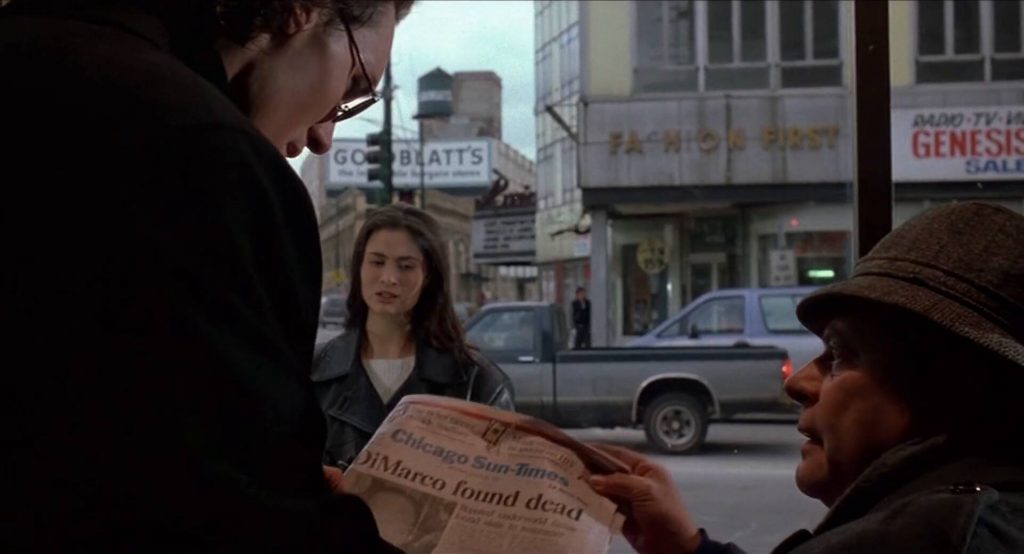

In the end, Excessive Force is neither a hidden gem nor an outright train wreck. It sits comfortably in the middle of the pack: watchable, competently made, occasionally entertaining, but ultimately forgettable. Thomas Ian Griffith proves he had the physicality and charisma to headline action films, yet the material around him never rises above standard genre fare. For fans of early 90s action cinema, it is worth a look out of curiosity, but don’t expect anything excessive beyond the title itself.
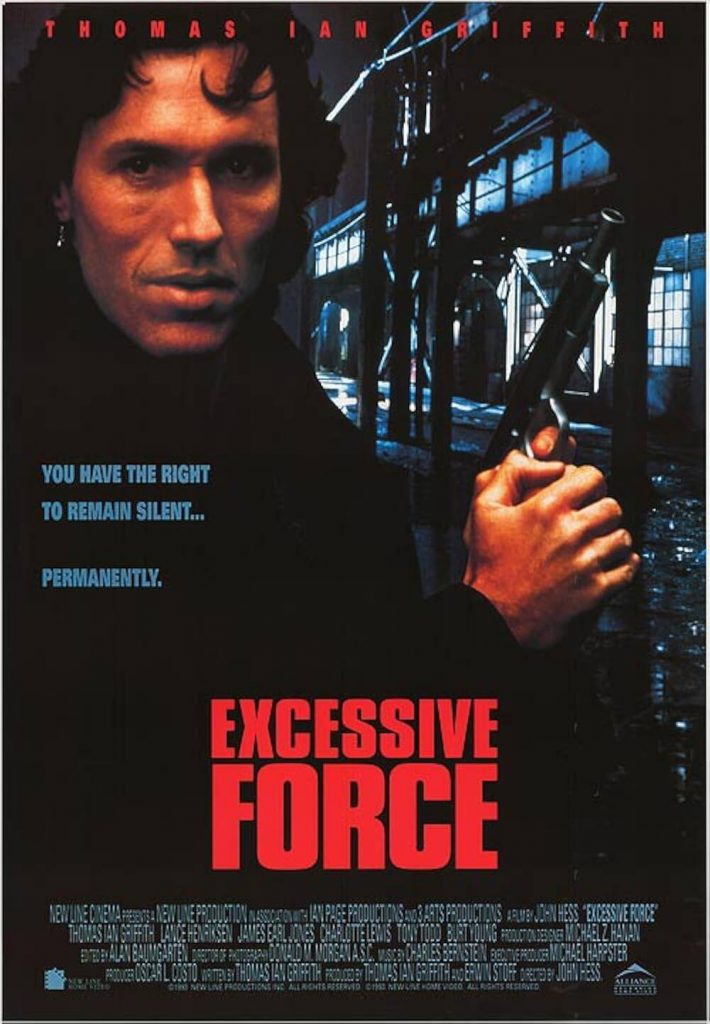
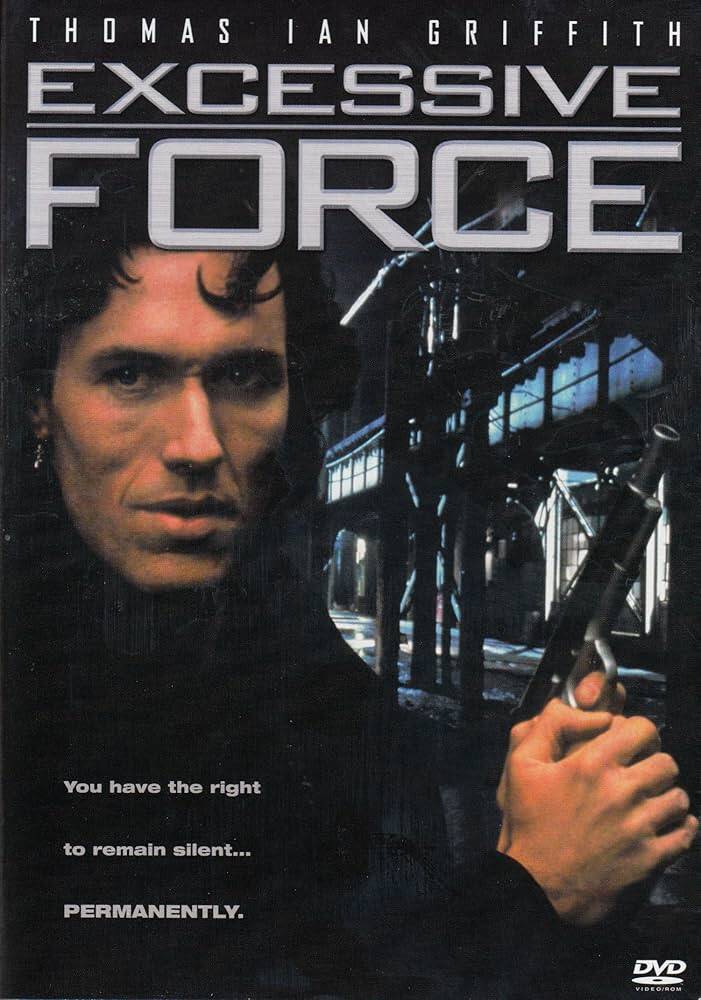
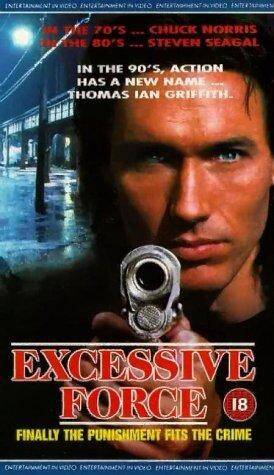
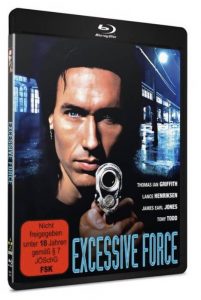
German got a barebone Blu-raythat features English Audio, Widescreen and Open Matte Versions of the Film.
After that, you are are looking at a bargain bin DVD. You know what? It’s not worth it, if you watch it once, you’ll never return to to.