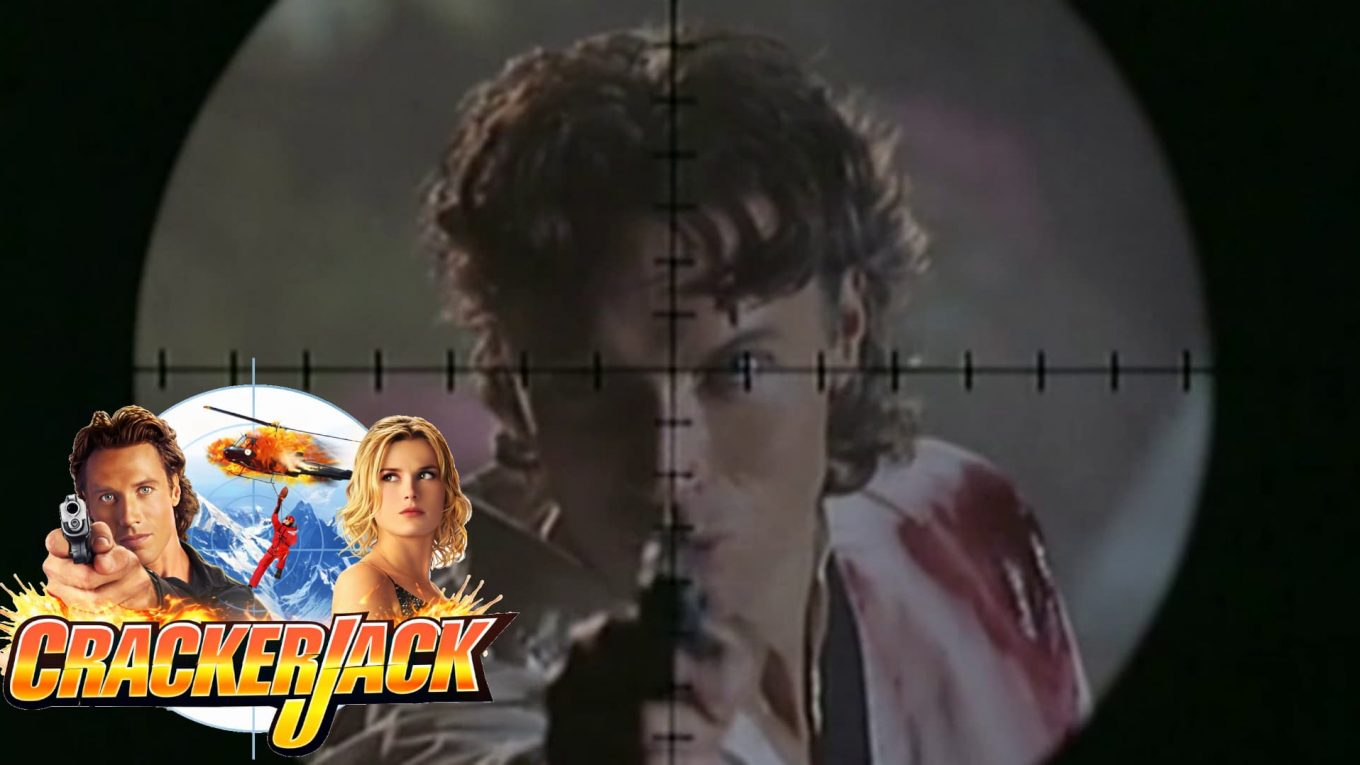
Crackerjack (1994)
If you’re searching for a film to categorise, Crackerjack might just throw you a confusing curveball. Yes, it’s an action movie, and it leans hard into that genre’s most familiar territory, John McTiernan’s Die Hard. For the most part, it delivers exactly what you’d expect from such an endeavor: a plausible (just barely) premise, familiar heroes and villains, and a relentless assault on the viewer’s adrenal glands.
And that’s precisely where the first, most straightforward way to engage with Crackerjack lies: as a Die Hard knock-off. Watching it through this lens is predictably entertaining, albeit in a specific, self-aware way. You can easily pull this film apart line by line, scene by scene. The plot twists are telegraphed miles in advance, character motivations are often bafflingly simplistic, and the sheer volume of convenient coincidences required for the plot to function is almost overwhelming. But there’s a certain charm in its predictability, a knowingness that lets you lean back and enjoy the familiar ride. Every over-the-top line of outacted dialogue lands as a deliberate parody, and the rapid, often jarring, editing style keeps the momentum going, even if the destination is always foregone.

However, the film’s ambition to be a cool action picture, echoing the grit and intensity of Die Hard or the stylish thrills of Cliffhanger, is where the trouble begins. It’s here that Crackerjack manages to be simultaneously terrible and strangely endearing. It tries so hard, so desperately, to be something more than just a cheap imitation, that its failure becomes its unique character.
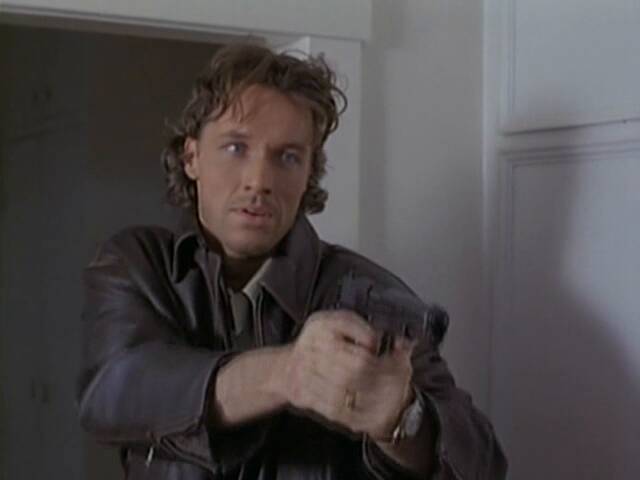
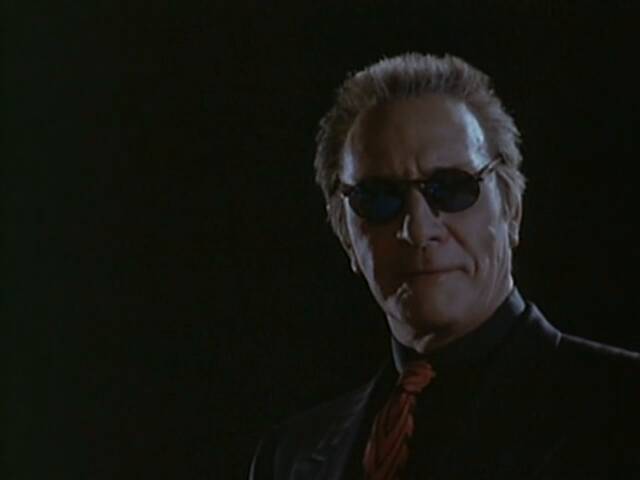
Crackerjack possesses strong foundations, gritty protagonists, high stakes, explosive set pieces. The film tries to fit the mold. We get a rugged hero (Thomas Ian Griffith), a beautiful damsel in distress (Nastassja Kinski), a villainous henchman (Christopher Plummer), and a ticking time bomb scenario (literally, in this case). The Die Hard in a … premise – a ski resort owner holding a hostage crisis and threatening to detonate explosives. A mold certainly ripe for action.
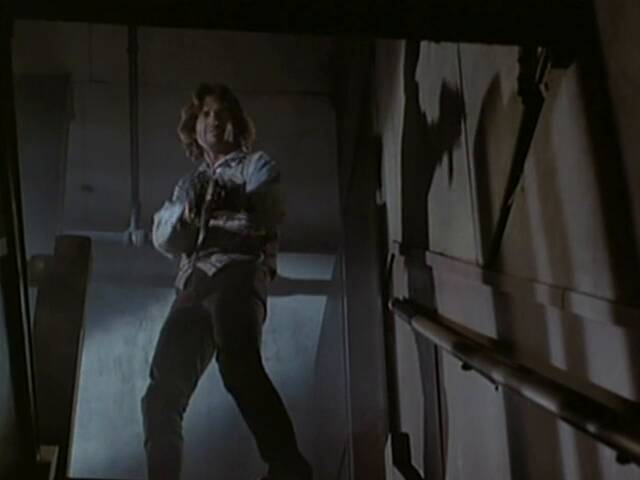
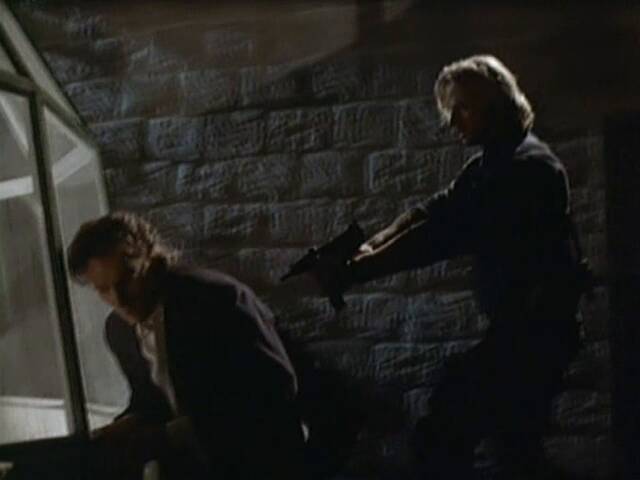
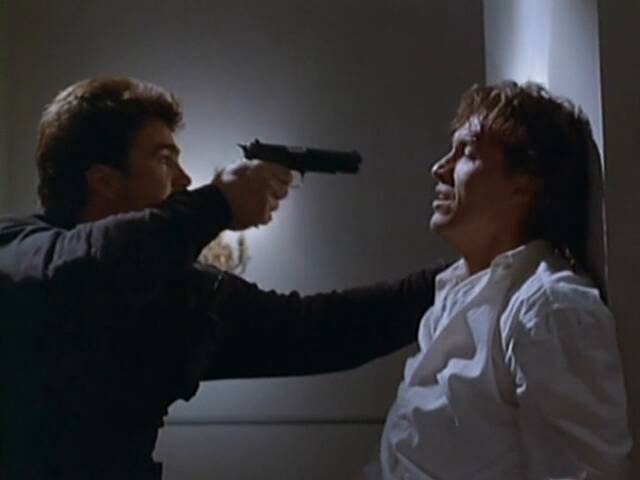
Yet, here’s where the fatal flaw creeps in: the sum of its parts is truly dire. The execution is often clunky, the dialogue is frequently wooden or worse (at times unintentionally hilarious), and the plotting is riddled with holes that you could fit a few muscley, eastern european terrorists through. Characters behave illogically, betrayals feel random, and the action sequences, while occasionally kinetic, often feel predetermined and less like thrilling chaos and more like a checklist of tropes.
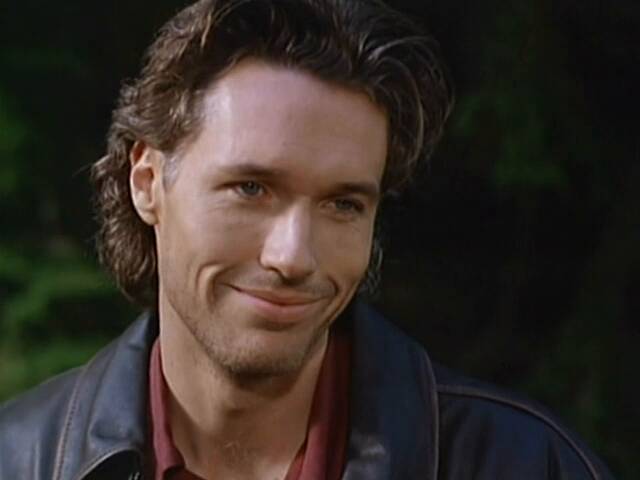
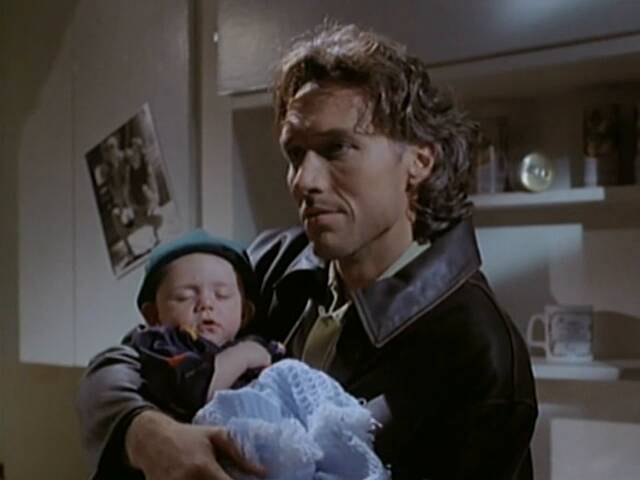
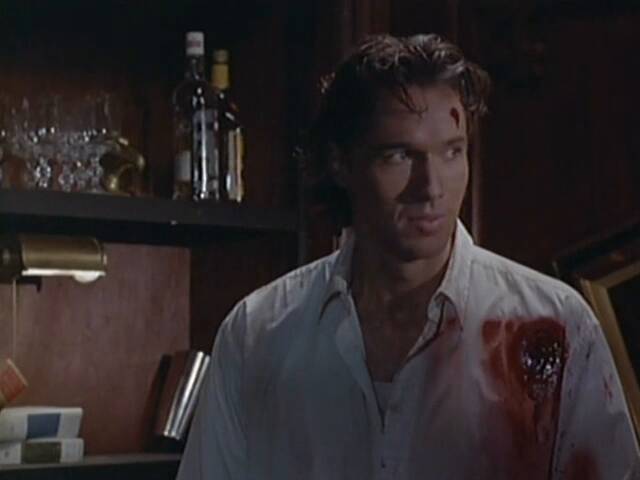
Griffith’s protagonist, Jack Wild, embodies the film’s central conflict. He’s supposed to be tough, resourceful, and cool under pressure. Griffith, an actor known for capable action roles (like in Excessive Force and Timecop 2: Berlin Weekend City Break), certainly tries. But the script gives him very little to work with beyond the archetypal “hero.” He’s often presented with impossible situations and expected to overcome them through sheer willpower and luck. Does he succeed? More often than not, yes. But the way he succeeds, often involving convenient misunderstandings or lucky breaks, undermines the intended coolness. It feels less like earned competence and more like a fortunate fluke. Not to mention his broad shoulders are forever getting shot up in gunfights.
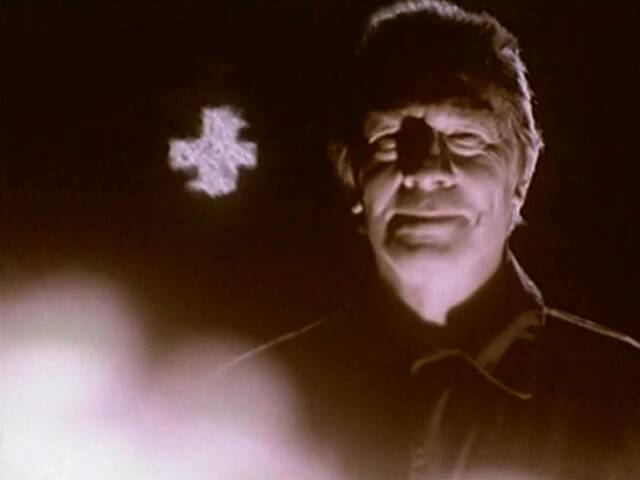
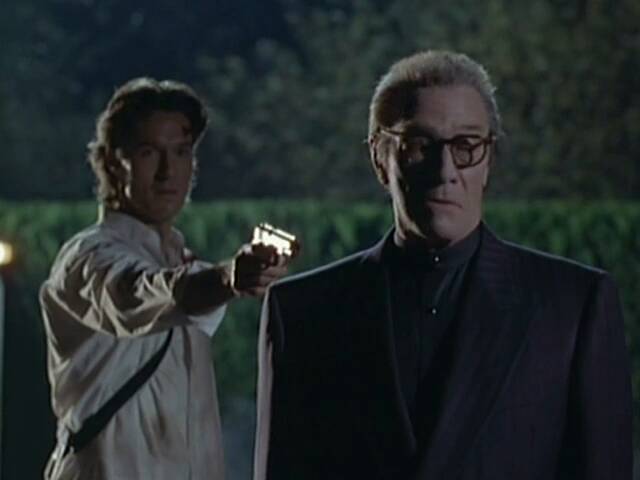
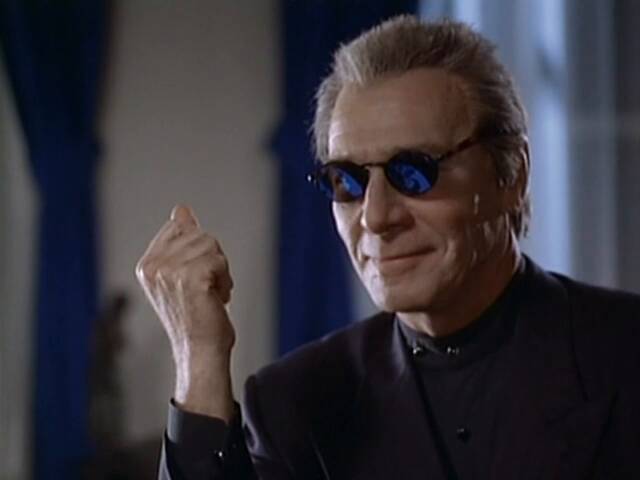
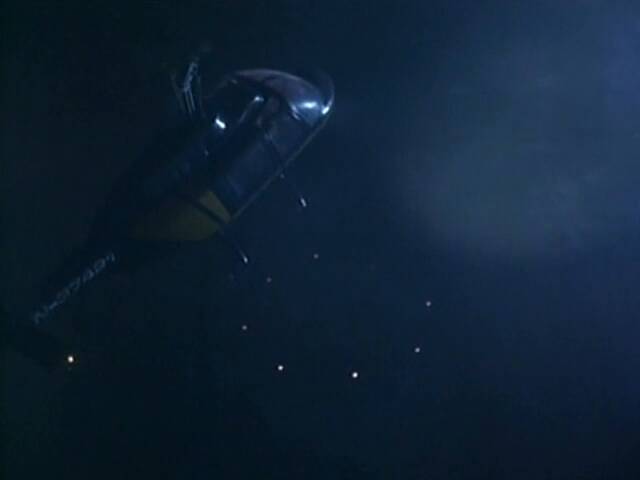
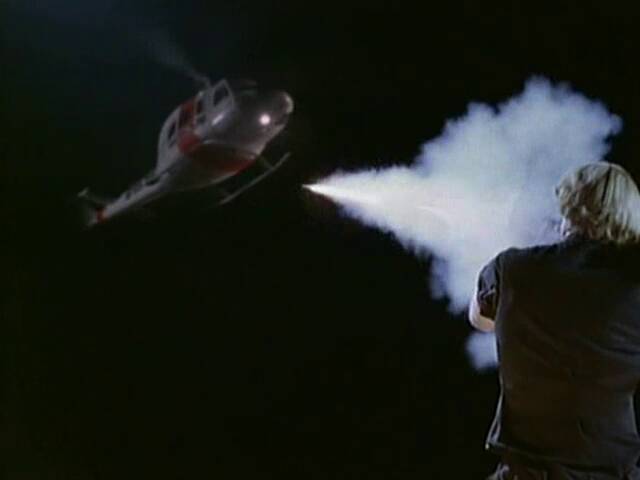
Visually, the film leans heavily into the cheapness that often accompanies such a formulaic approach. Getting Christopher Plummer likely pushed the budget to the absolute limit, resulting in a film that looks barely operable. Sets a dark to hide detail, effects are often cheap and sometimes cheesy, and the cinematography doesn’t always elevate the material. The promise of the posters and trailers, hinting at perilous mountaineering and exploding helicopters, rarely materialise in a satisfying way. While there are moments of tension, they often lack the visual grandeur promised by the advertising.
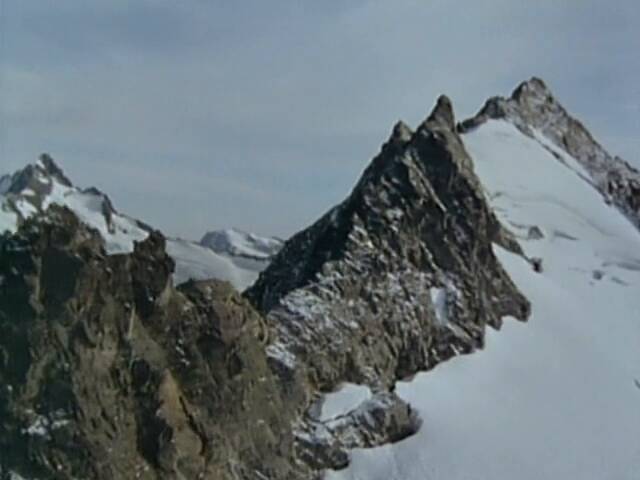
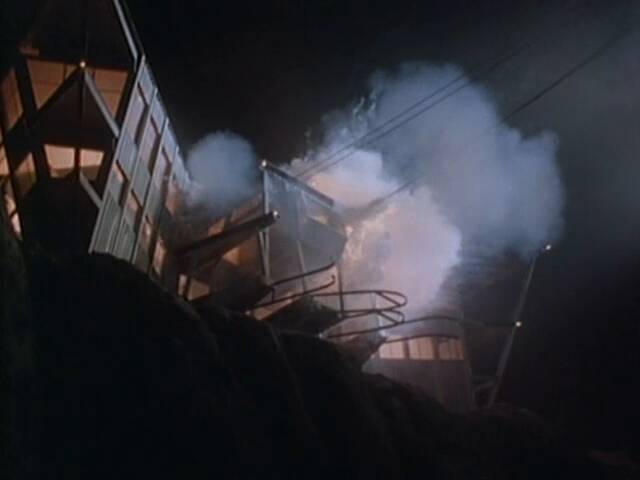
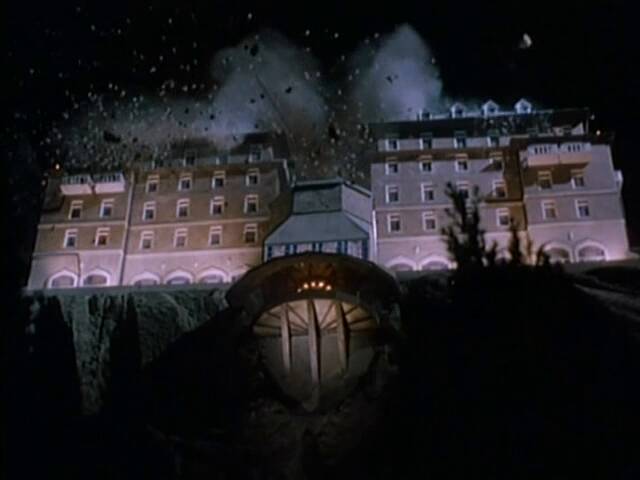
The comparison to Die Hard is unavoidable and largely unflattering. Both are about a lone hero in a building fighting terrorists. The comparison to Cliffhanger is less direct but still present, given the high-stakes rescue elements. Crackerjack tries to straddle these horses, but does not have the ability to even come close to succeeding. There are indeed a couple of action set pieces that feel a little more Die Hard-ish, but cannot even measure up to Die Hard’s lesser action moments.
Director Michael Mazo keeps popping up in my reviews, again and again, most recently cropping up while watching Empire of Ash III and Time Runner. It’s a bit unintentional, but whatever unique cinematic path he’s forging now, I’m thankful for the distinct collection of films he carved out during the 80s and 90s.
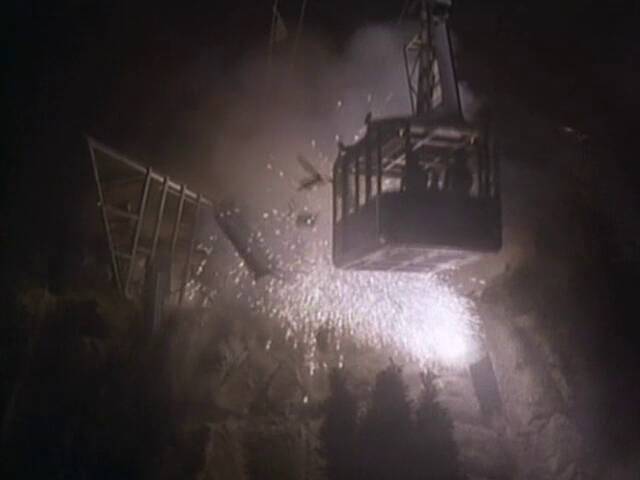
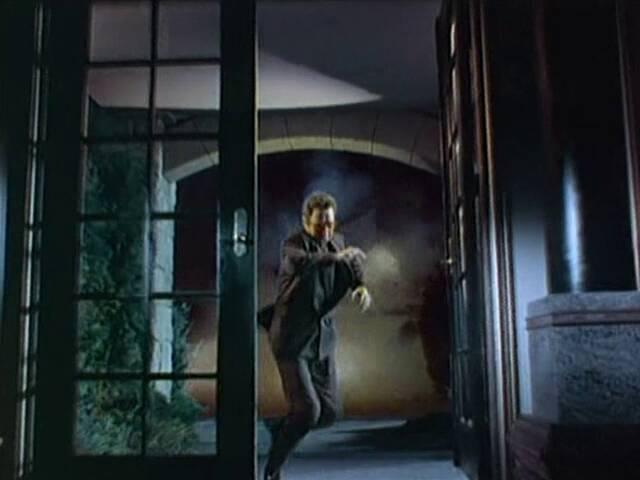
Despite, or perhaps because of, its significant flaws, there’s something undeniably watchable about Crackerjack. Its self-awareness prevents it from being completely off-putting. There’s a perverse enjoyment to be had in watching something try so hard and fail so spectacularly, in a way that’s genuinely cheesy rather than just bad. There is also the opportunity to see Christopher Plummer having a go at an Alan Rickman style villain.
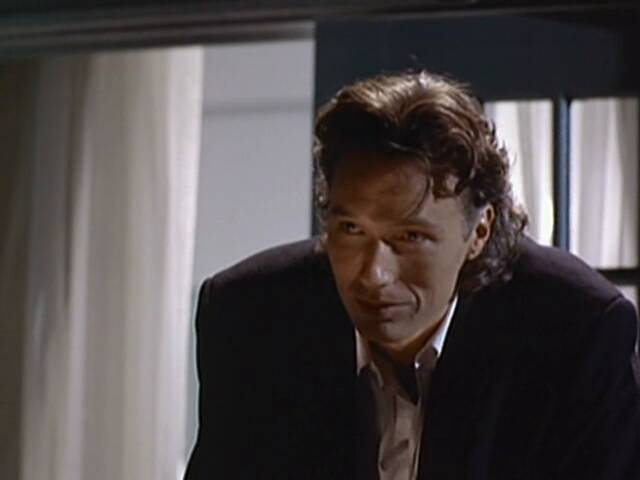
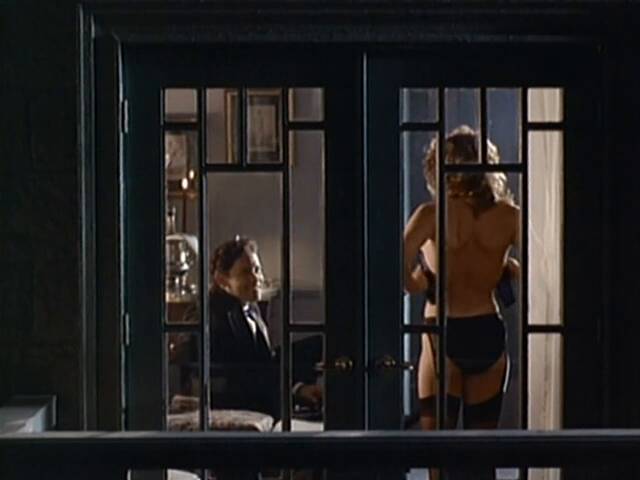
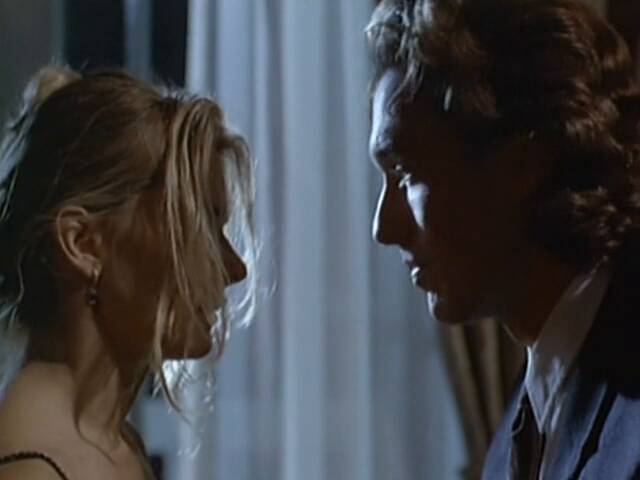
Crackerjack is the ultimate example of the “horrible in the best way” film. It’s bad, predictable, and often frustratingly stupid. Its execution is frequently clunky, its characters unconvincing, and its plot holes are as large as the villain’s ski mask. Yet, it succeeds in being unapologetically derivative and in trying (and mostly failing) to be cool. It’s a film that invites you to dissect it for laughs, and perhaps that’s its saving grace. It’s a terrible movie. Don’t expect depth or sophistication. Expect an over-the-top, derivative ride that cannot deliver what its title promises.
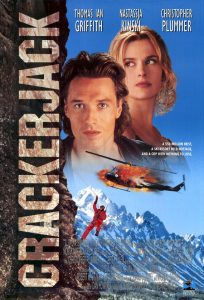
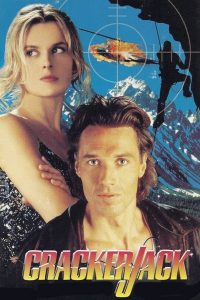
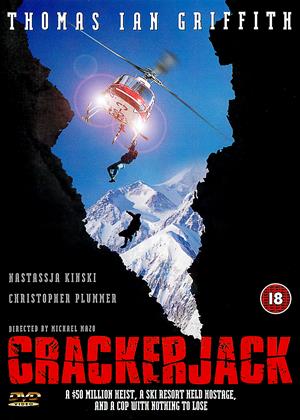
For now, DVD is the best way to watch this. You can also find it streaming for free on Plex, or rent it via Amazon.
My rather barebones DVD edition contains just the film itself, with no special features included, which is a bit disappointing.
I’ve also noticed some discrepancies in the listed runtime. Certain DVDs state 92 minutes while others list 96, which is likely a packaging error. The film’s actual runtime is 96 minutes, except for the German theatrical cut, which runs shorter at 85 minutes.