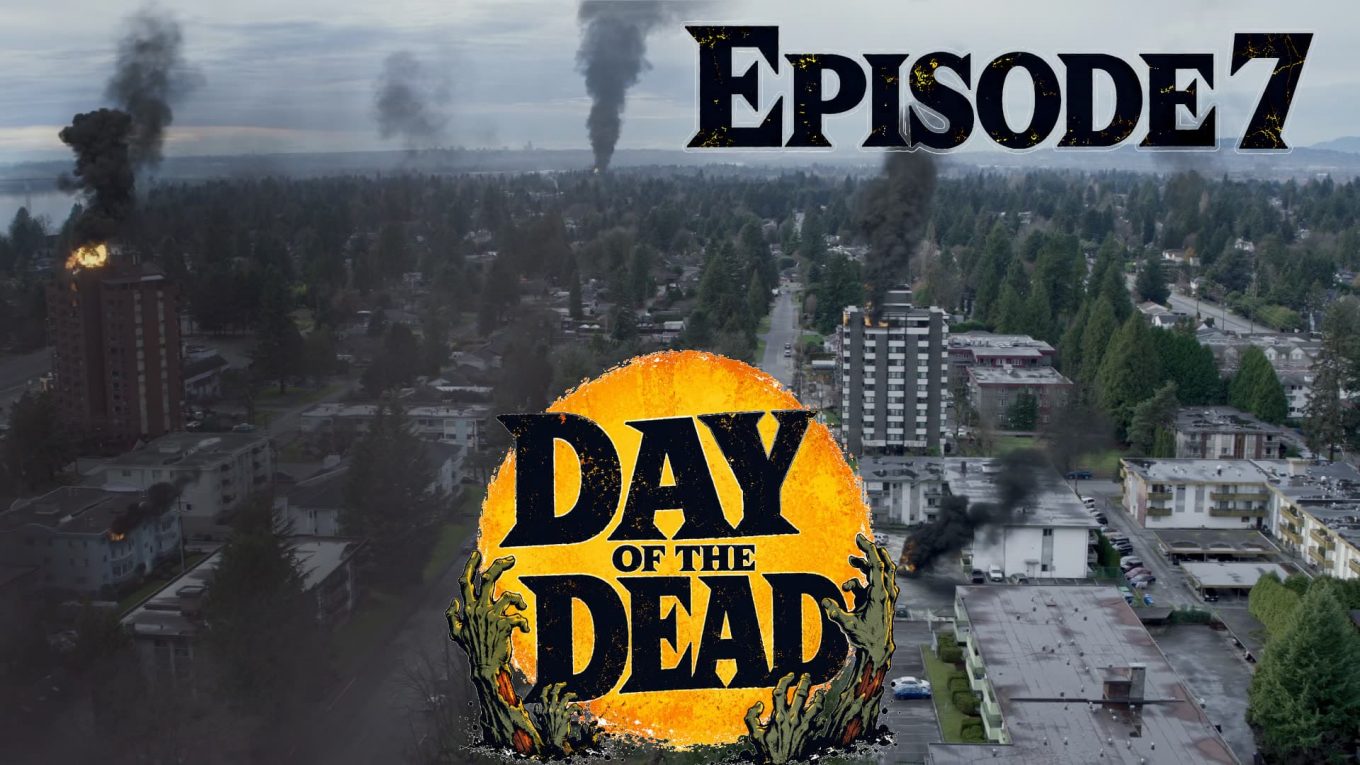
Day of the Dead – Episode 7 – Their Evil Was Our Evil
It saddens me to say that, while Episode 7 is certainly more engaging than the previous instalment, Day of the Dead is beginning to lose a good bit of the charm that initially won me over. The problem is that the character dramas are increasingly taking centre stage, and unfortunately, these conflicts are starting to feel like bargain-basement television drama.
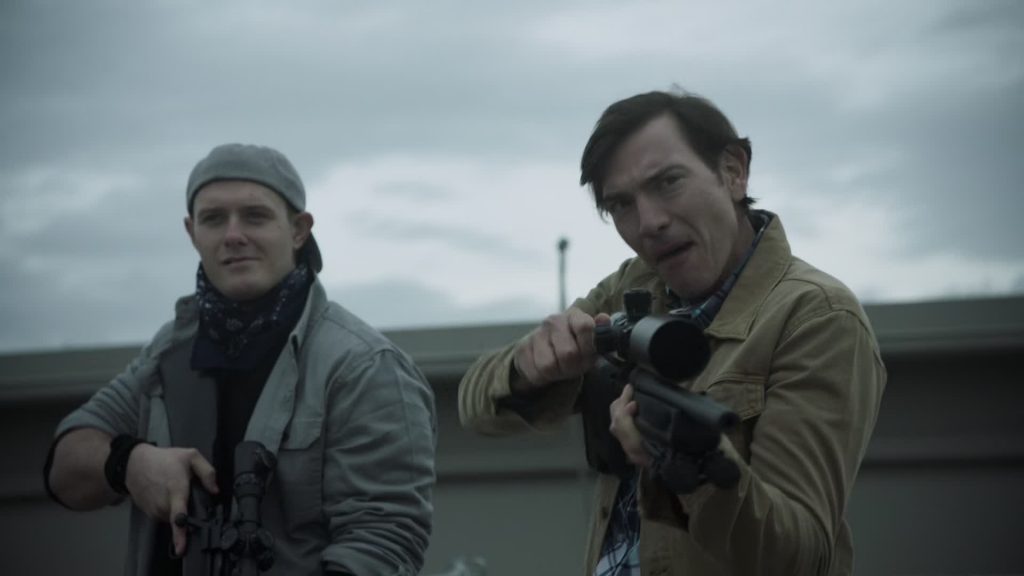
When the zombie apocalypse is the main attraction, it’s much easier to overlook some of the less-developed motivations. Characters can make questionable decisions, relationships can be exaggerated and the dialogue can occasionally be hokey, because there’s usually a zombie waiting around the corner to distract you. When those personal dramas become the central focus, however, the weaknesses in the writing become considerably harder to ignore.
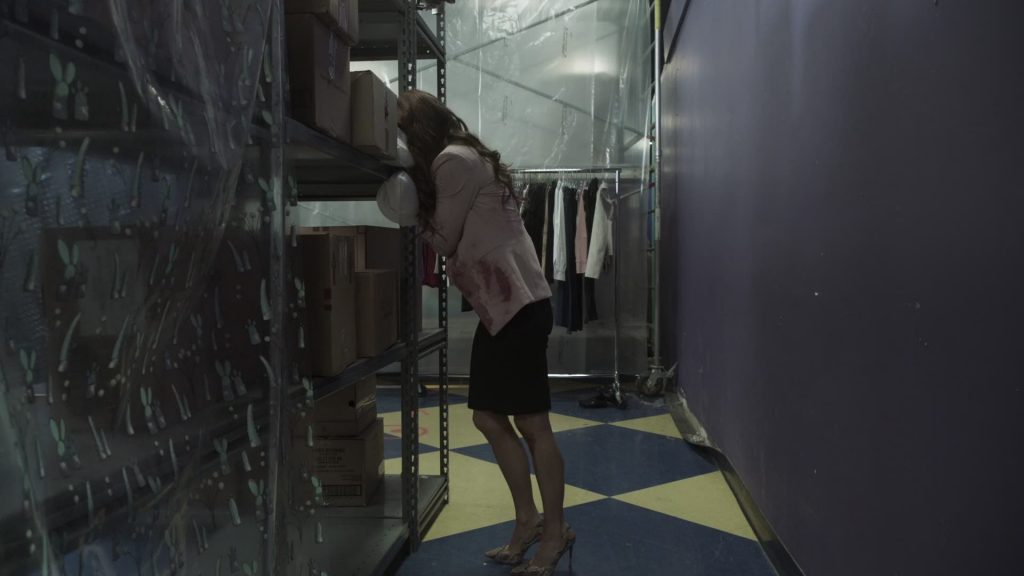
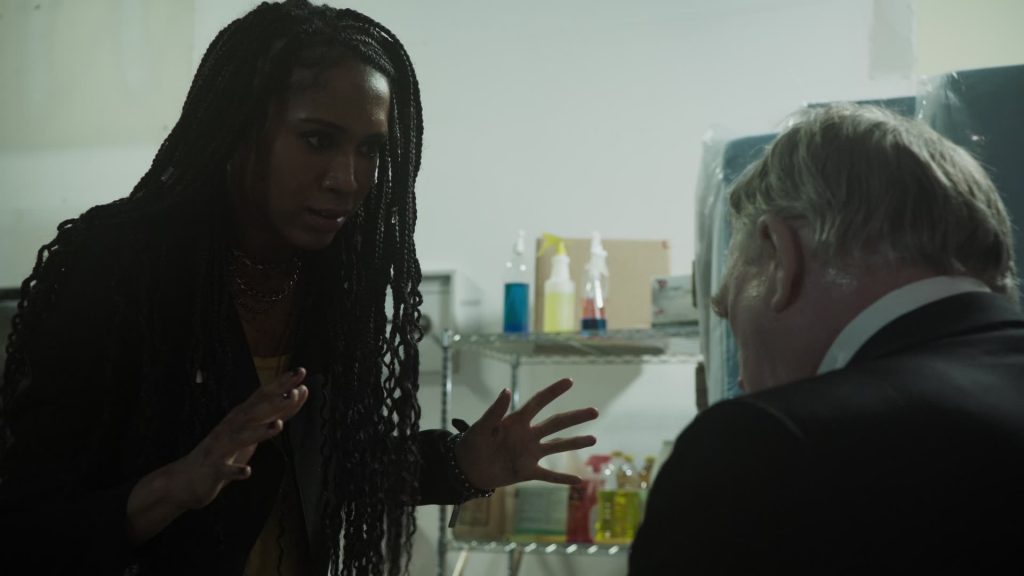
The show’s compressed timeline is becoming particularly problematic. As I understand it, virtually everything we’ve seen so far has taken place within the same day. That creates an interesting situation, but it also means the emotional responses of some of the characters feel incredibly rushed. We are essentially watching a wife lose her husband and then move on almost immediately.
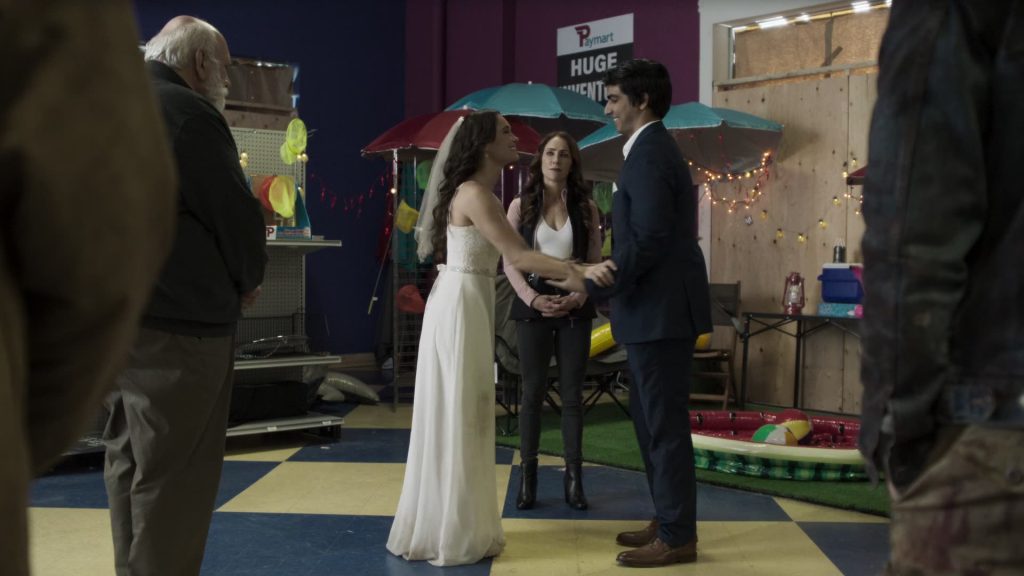
That’s obviously a deliberately blunt description of what happens, and I appreciate that grief affects everyone differently. However, the series doesn’t seem particularly interested in allowing its characters time to process what has happened. One scream into a pillow and suddenly everything is back to normal. Compare that with The Walking Dead, where grief and trauma could become defining parts of a character’s journey for entire seasons. Here, the apocalypse seems to require everyone to process the death of someone they love in about five minutes before getting on with the next plot point.
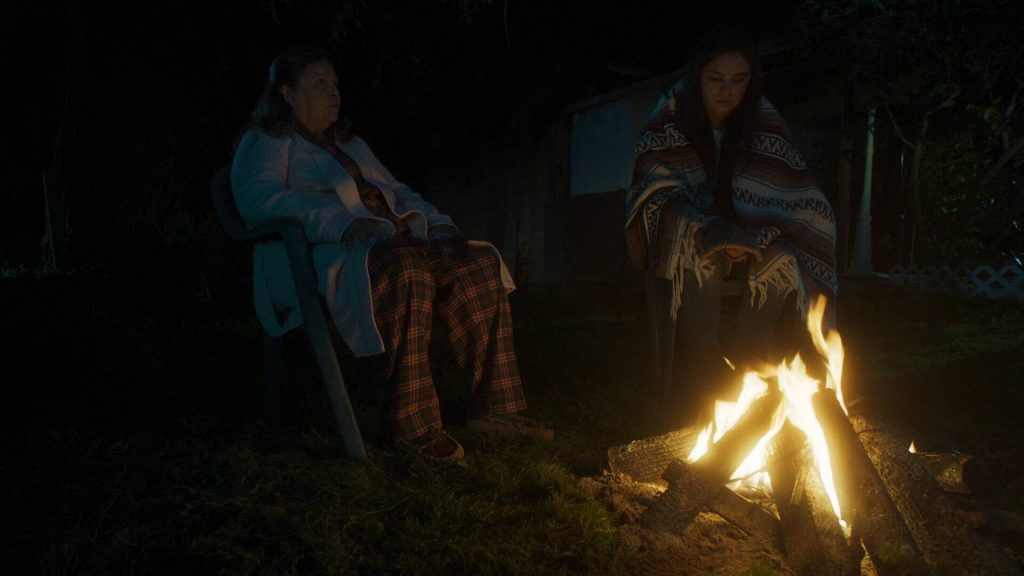
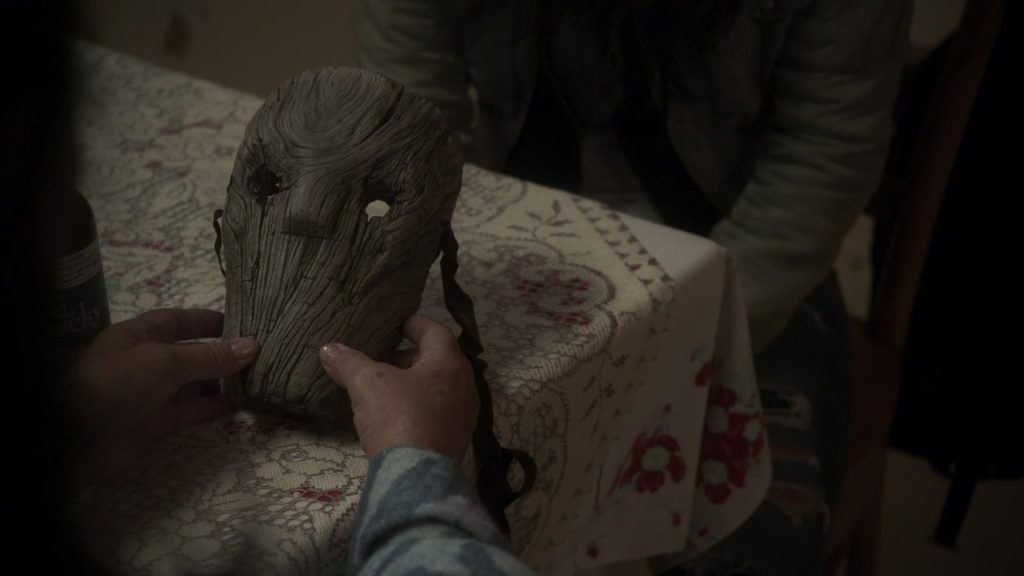
The zombie action has also slowed considerably. Instead, the episode spends much of its running time expanding the mythology behind the outbreak. I actually like the idea being presented here. It’s an imaginative attempt to give the series an origin story and explain why this particular outbreak has happened. Unfortunately, the execution is rather flat, and it doesn’t answer enough of the questions to make the revelation particularly satisfying.
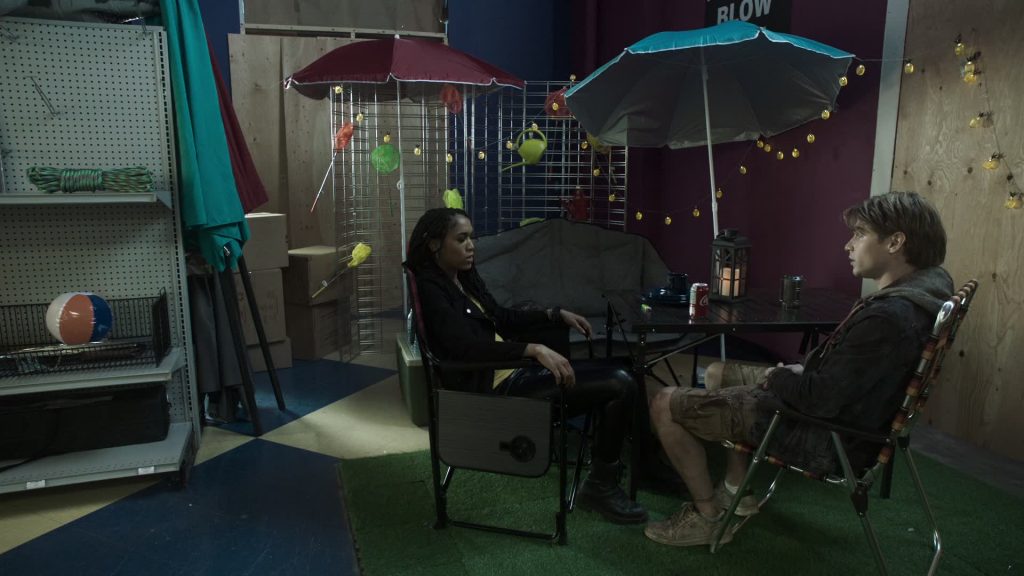
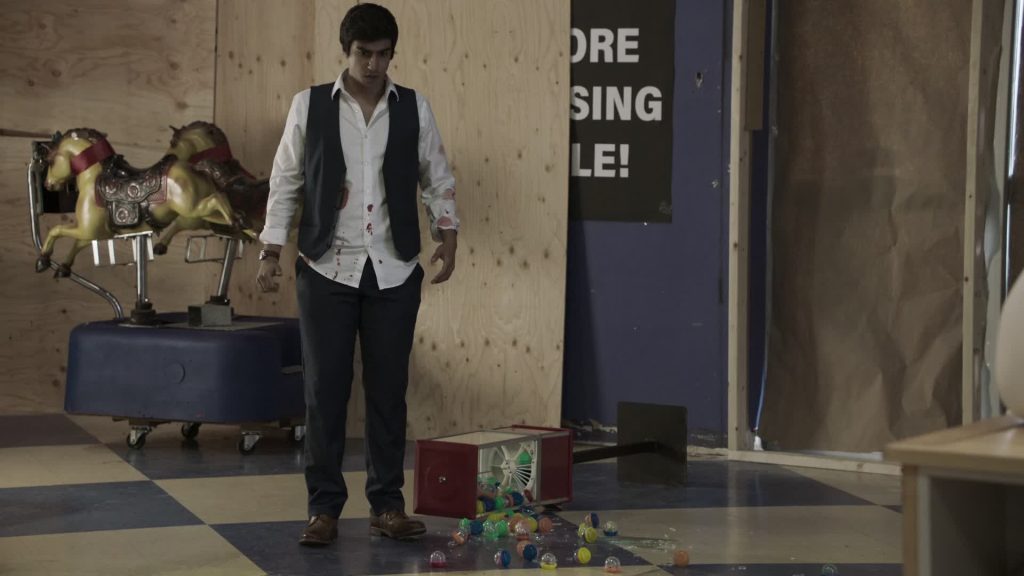
Interestingly, the further this series moves along, the more it reminds me of Dawn of the Dead rather than Day of the Dead. The connection to Romero’s 1985 film is becoming increasingly thin, with the most obvious link remaining the Bub-inspired storyline introduced earlier. And honestly, I don’t necessarily think that’s a bad thing.
In fact, I’ve enjoyed the decision to keep the series out in the world rather than immediately confining everyone to a bunker. The original Day of the Dead is rightly celebrated, but its claustrophobic military setting isn’t necessarily lend itself well to the duration of the series. Seeing an outbreak develop across a living community gives the series opportunities that a bunker-bound story wouldn’t have.
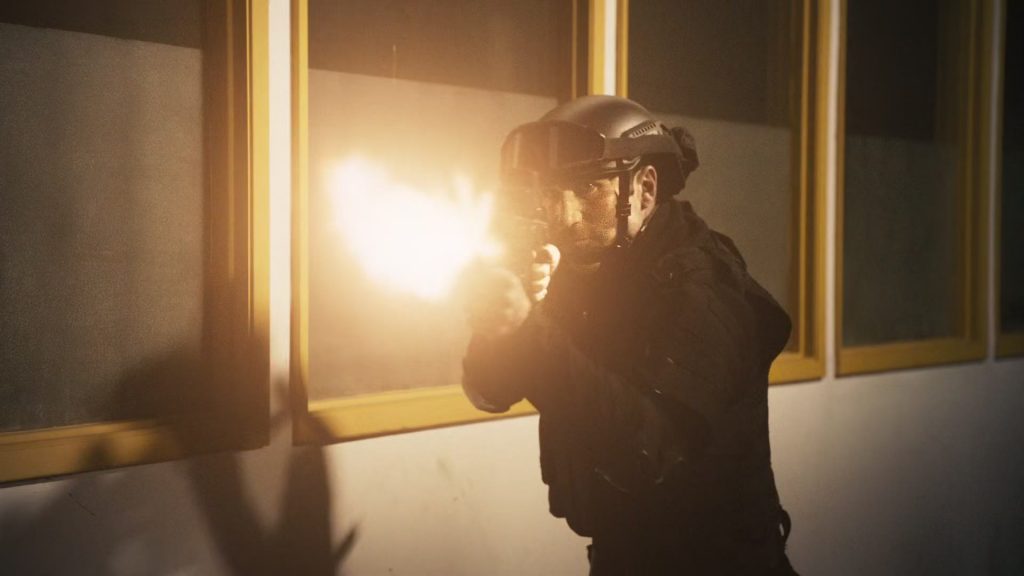
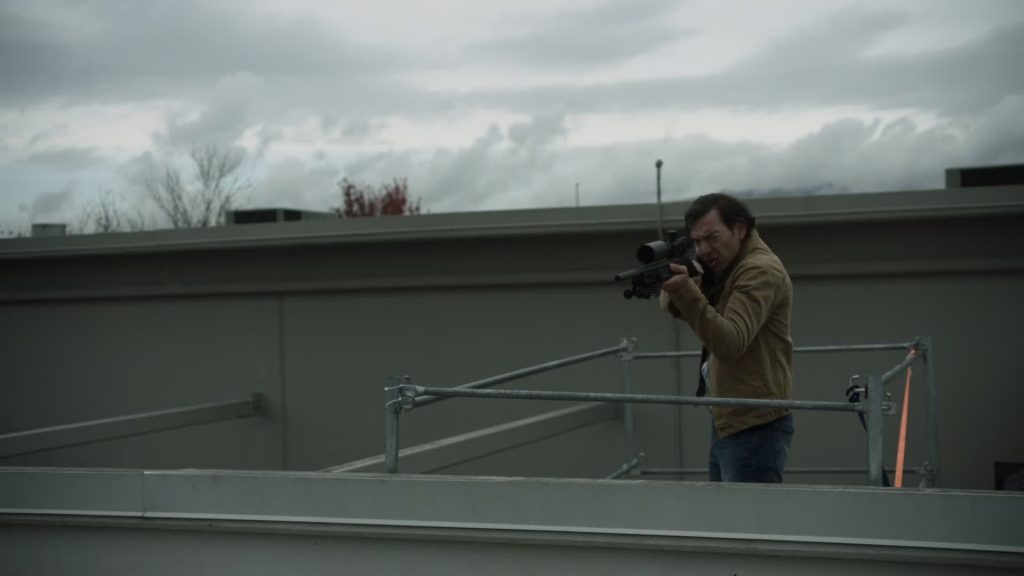
Unfortunately, the humour that helped distinguish the early episodes has largely disappeared. There are still a couple of jokes scattered throughout the episode, but they now feel somewhat shoehorned into the more serious drama. The result is an increasingly uneven tone. The early episodes managed to balance horror, gore, comedy and character drama surprisingly well; now those ingredients feel as though they’re being added separately rather than working together.
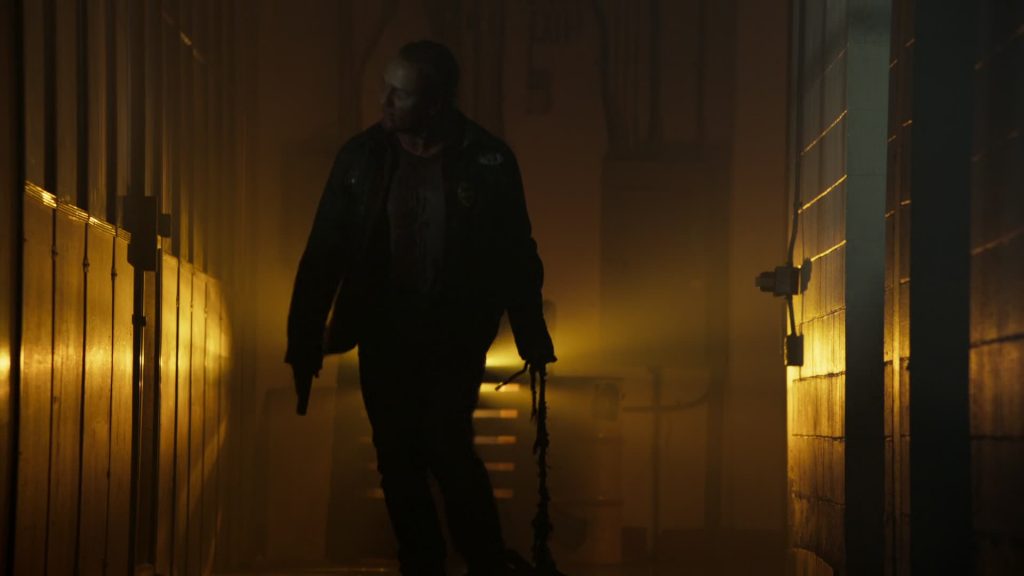
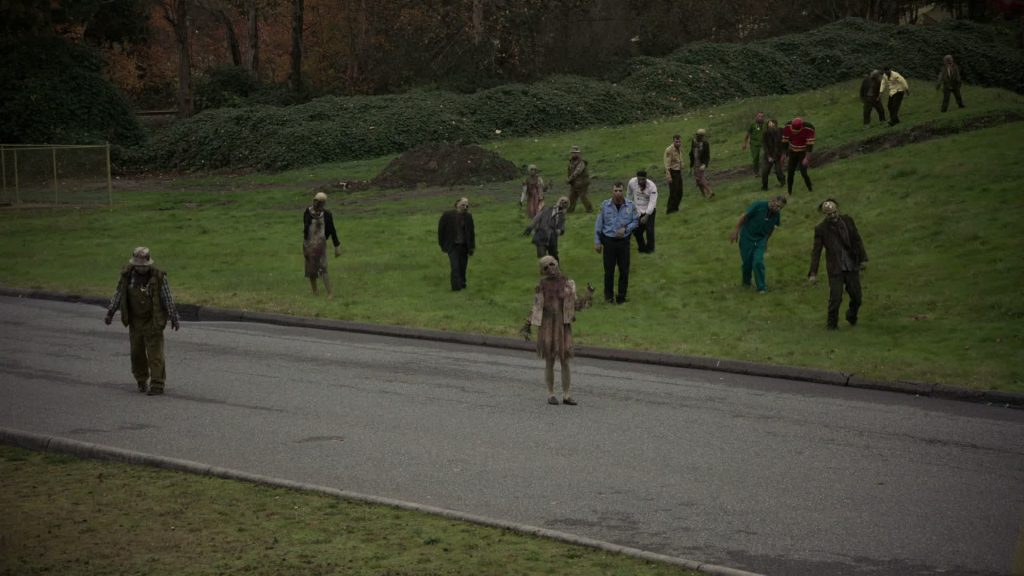
Episode 7 is therefore something of a mixed bag. It’s certainly an improvement over the previous episode in terms of engagement, but the more serious the series becomes, the more obvious its writing limitations are. The zombie mythology is interesting enough to keep me curious, and I still prefer the wider-world approach to simply locking everyone in a bunker, but the character drama needs considerably more depth if it’s going to carry this much of the story. Hopefully the final few episodes can bring some of that earlier energy, humour and gore back into the mix.