Chernobyl’s Deadly Elephant’s Foot
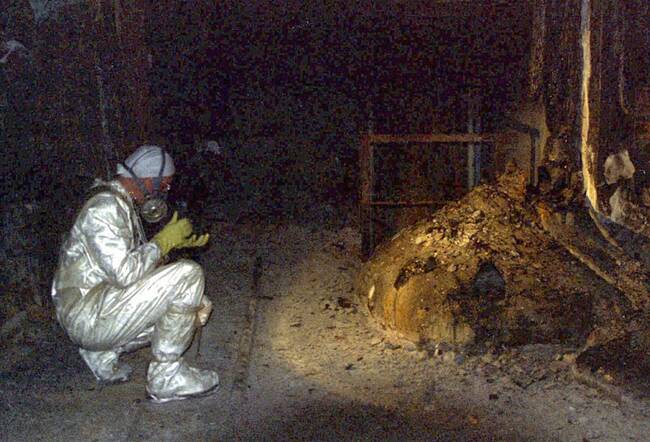
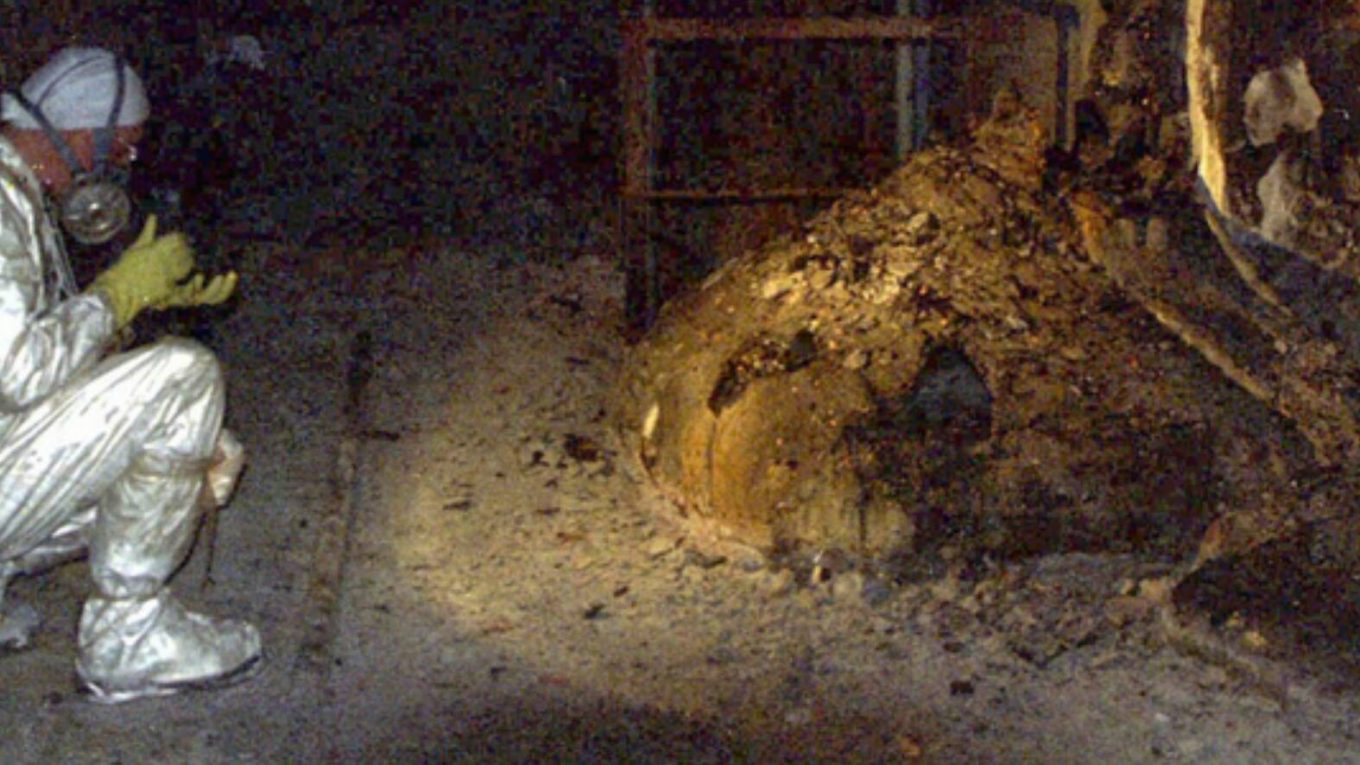
The “Elephant’s Foot” is a notorious, highly radioactive mass of corium, a lava-like mixture of nuclear fuel, fission products, melted concrete, and shielding materials that formed during the Chernobyl disaster in April 1986. Located in a dark corridor beneath the remains of Reactor No. 4, it earned its name from its wrinkled, greyish appearance that resembles the foot of a massive elephant. When the reactor melted down, this molten material burned through the reinforced concrete floors and flowed downward, eventually cooling and solidifying into a dense, deadly mass.
Upon its discovery a few months after the accident, the Elephant’s Foot was exceptionally lethal. It emitted roughly 10,000 roentgens per hour, a dose of radiation so extreme that just 30 seconds of exposure would cause dizziness and fatigue, while 5 minutes would mean certain death within days. Over the decades, its radioactivity has significantly decayed, allowing scientists to briefly photograph and study it, though it remains highly dangerous. Today, the mass is slowly degrading, cracking, and turning to dust, but it stands as one of the most vivid and terrifying symbols of the catastrophic scale of the Chernobyl disaster.