
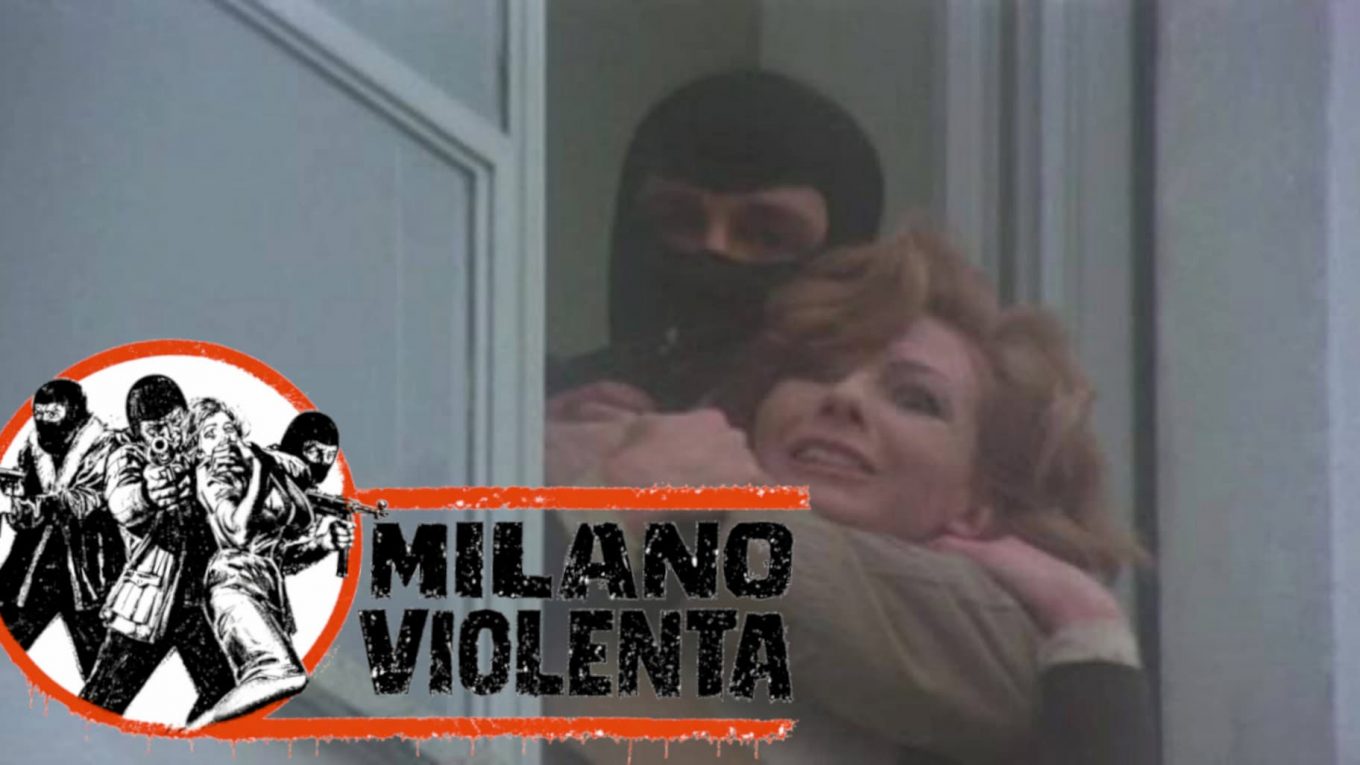
Violent Milan (1976)
There’s something immediately striking about Mario Caiano’s Violent Milan, or whatever title you happen to encounter it under (aka Milano violenta, Bloody Payroll, or even Commando Terror.) There is a sense that what you’re watching hasn’t been overly dressed for cinematic effect. The reactions feel natural, the performances grounded. Characters don’t behave like film archetypes hitting their marks, they come across as recognisably human, making decisions that feel logical rather than dramatically convenient. It gives the film a raw, almost documentary-like edge that draws you in early and holds your attention.
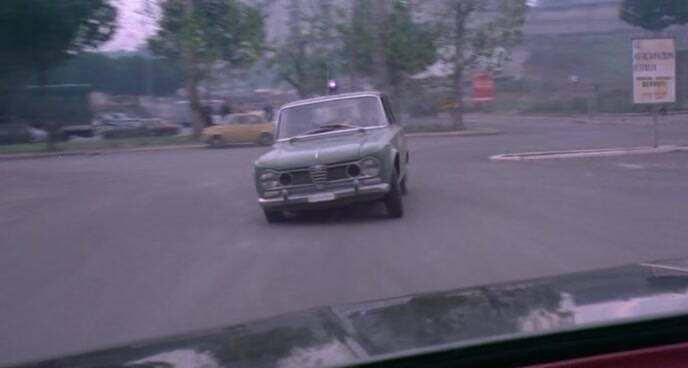
At first glance, the film carries the rough edges of a modest production, but that impression quickly fades. Before long, it opens out into large-scale sequences filled with extras, and the car stunts, arguably the film’s centrepiece, are genuinely first-rate. There’s a palpable sense of weight and danger throughout, with twisted metal and chaotic collisions that feel far removed from anything overly staged or polished. The opening 25 minutes in particular are relentless, a sustained barrage of vehicular mayhem that establishes the tone with unapologetic force.
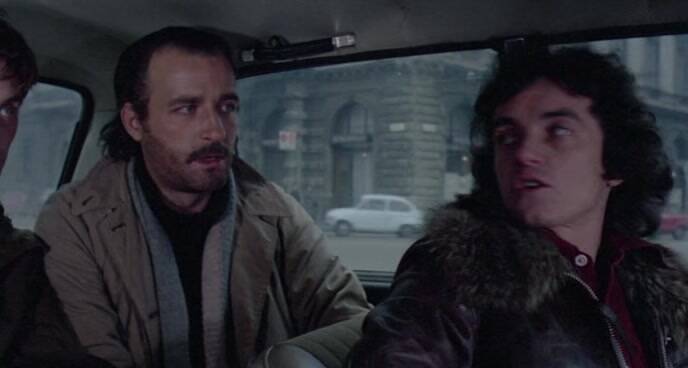
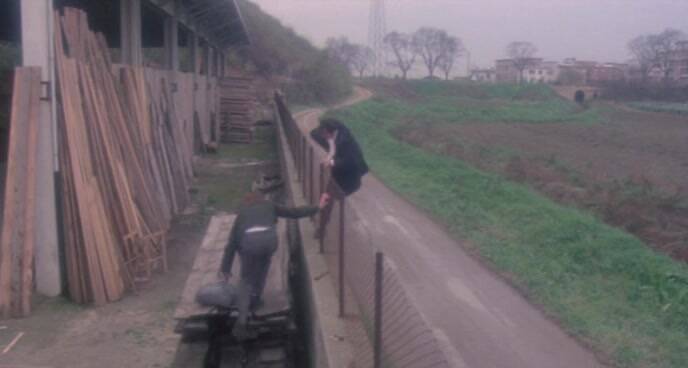
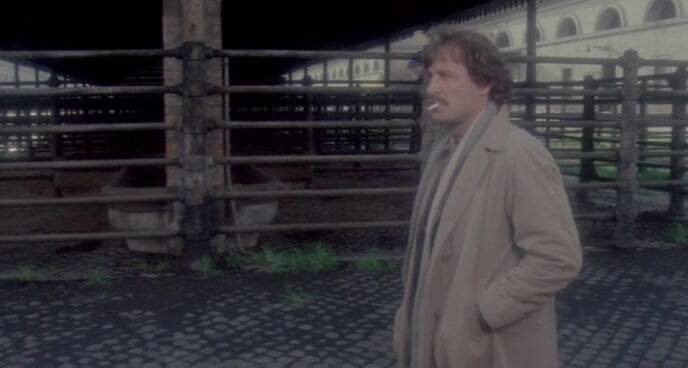
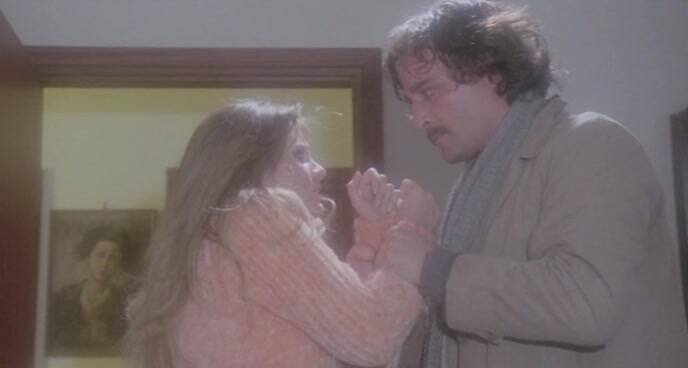
The cast are uniformly strong, fully committing to the film’s grim and often brutal world. Claudio Cassinelli delivers a standout turn, balancing intensity and cruelty with a flicker of vulnerability that sits just beneath the surface. His character feels like a man perpetually at odds with himself, and that tension carries much of the film’s emotional weight. Opposite him, John Steiner provides an effective counterpoint, and the interplay between the two remains consistently engaging. That said, Cassinelli’s treatment of Silvia Dionisio is, at times, difficult viewing, contributing to the film’s broader sense of discomfort and moral ambiguity.
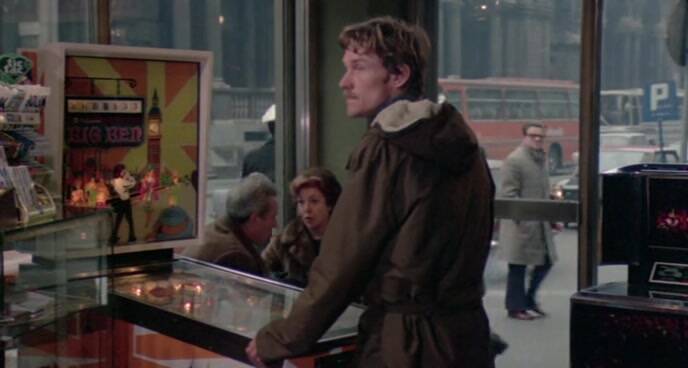
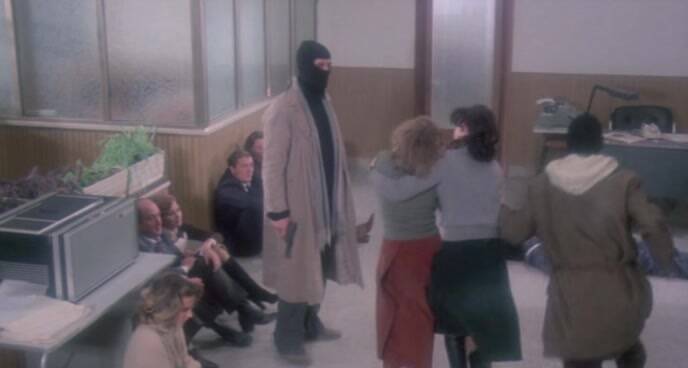
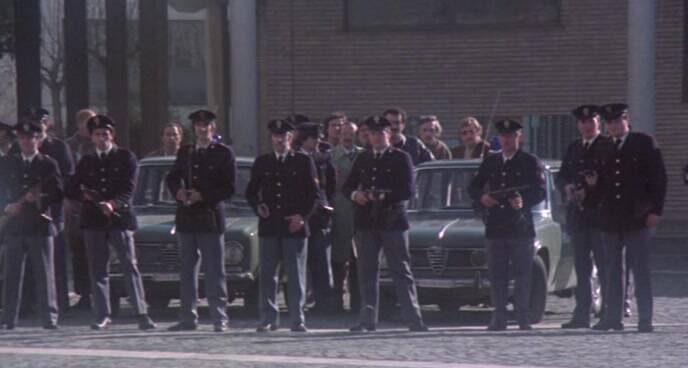
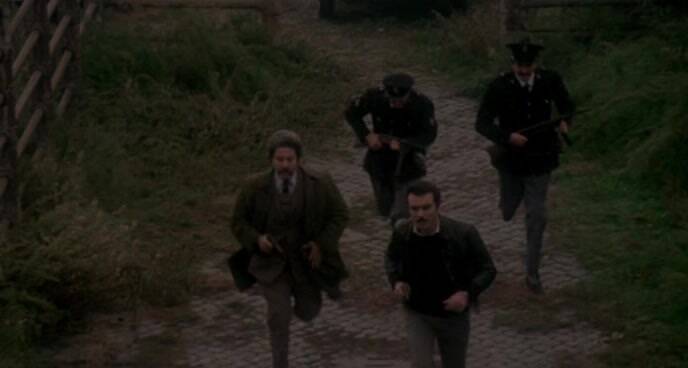
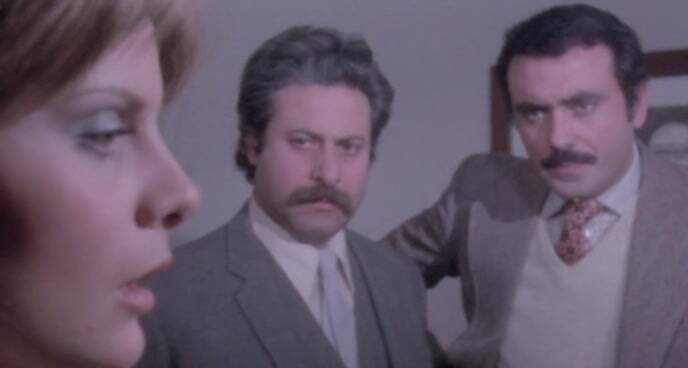
How Director Mario Caiano, who is responsible for Weapons of Death, sets the film apart is by the handling of the police procedural elements. There are no flashes of genius or implausible leaps of intuition, just professionals going about their work, methodically and with occasional missteps. It’s a grounded, workmanlike depiction that enhances the film’s sense of authenticity and reinforces its commitment to realism. Any moments of humour of levity are shot down quickly in this world.
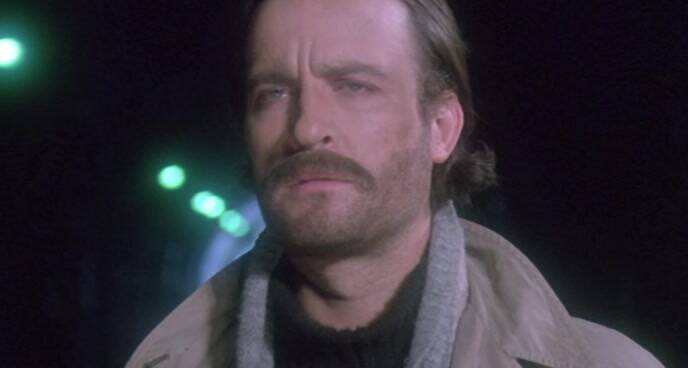


One particularly effective moment arrives early on, when a familiar face is killed off with startling abruptness. It’s the sort of jolt that sharpens your attention, making it clear that the film has little interest in convention or in shielding its characters.

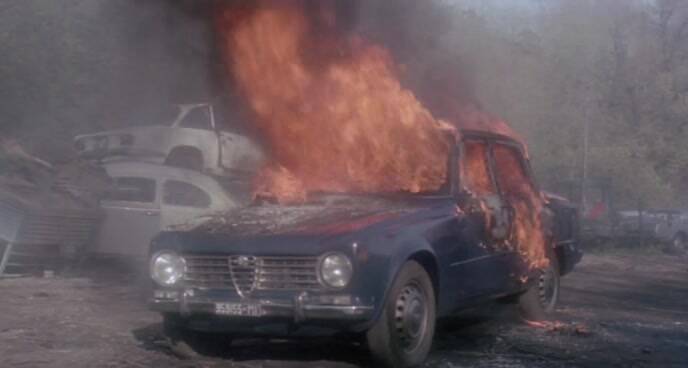
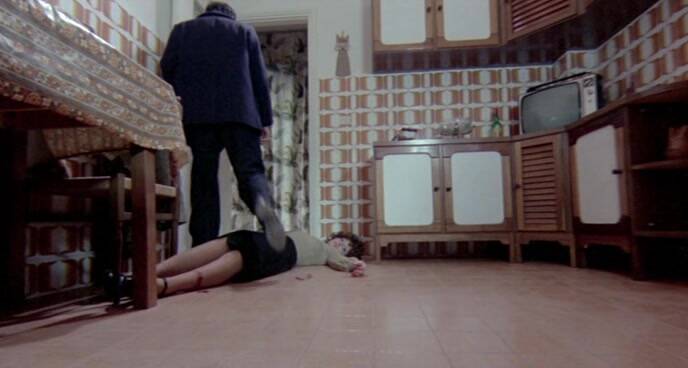
As the film moves into its second half, the pacing shifts. The explosive action gives way to something more measured and tension-driven, allowing the narrative space to breathe whilst maintaining a continuing feeling of unease. It’s a well-judged transition that adds depth rather than diluting the impact. The ending, however, comes suddenly, almost jarringly so, but that abruptness feels entirely in keeping with the tone of many mid-’70s European crime films.
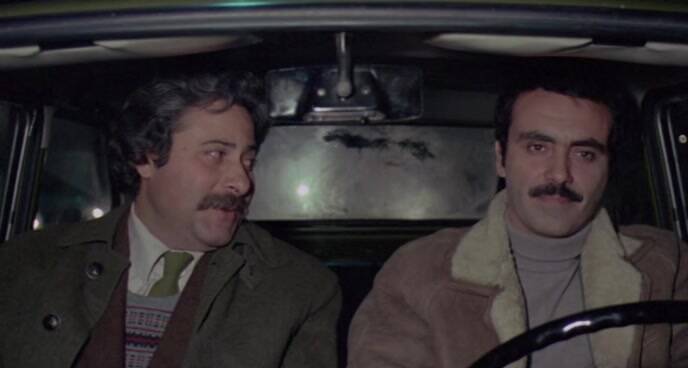
The music is another notable element, if somewhat diverse. It’s not entirely clear whether the film features a wholly original score or draws from existing material, but the effect is undeniable. The cues land effectively when required, even if there’s little in the way of recurring thematic structure.

Despite one of its alternative titles suggesting a connection to Maurizio Merli’s Violent Rome or Violent Naples, this film stands firmly on its own. There’s no shared continuity, and more importantly, no sense of pulp heroics or easy catharsis. Even if Merli were to step into Elio Zamuto’s more than capable shoes, the tone would be markedly different. This is a bleak world populated by weary, often unlikeable characters, each struggling to maintain some semblance of stability or happiness.
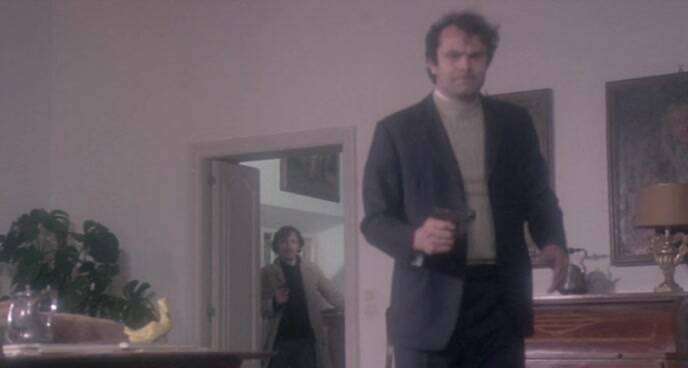
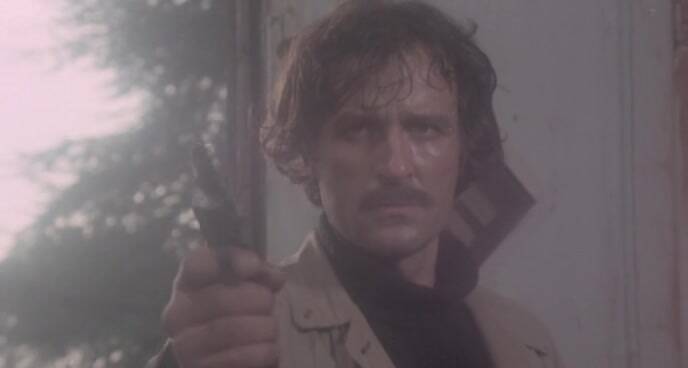
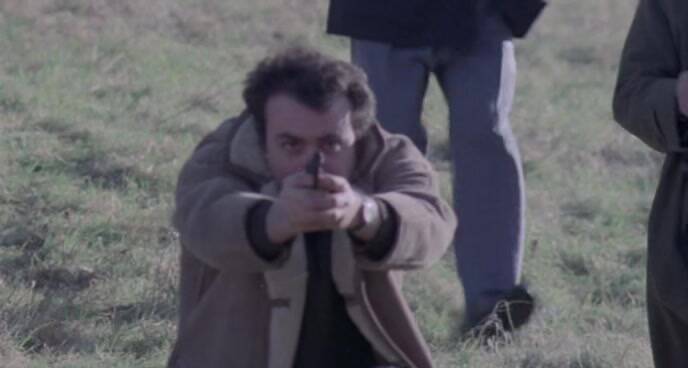
This is what makes Violent Milan so compelling. It captures something essential about Italian crime cinema of the mid-1970s, a willingness to favour grit over glamour, ambiguity over resolution, and humanity in all its flawed, uncomfortable forms. It isn’t always an easy watch, but it is a rewarding one.
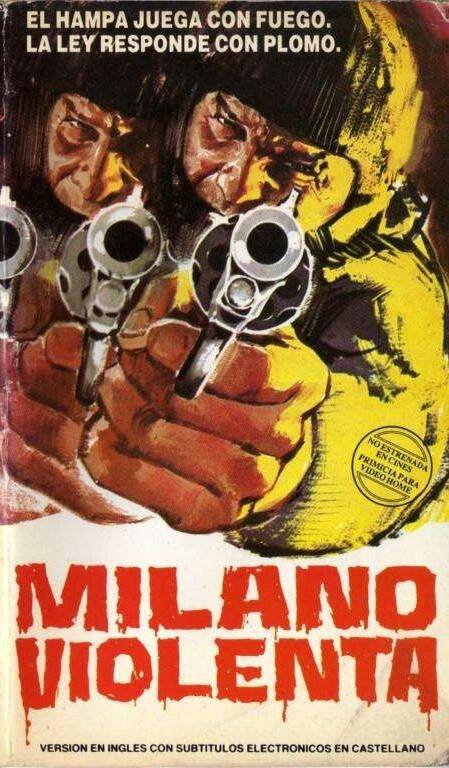
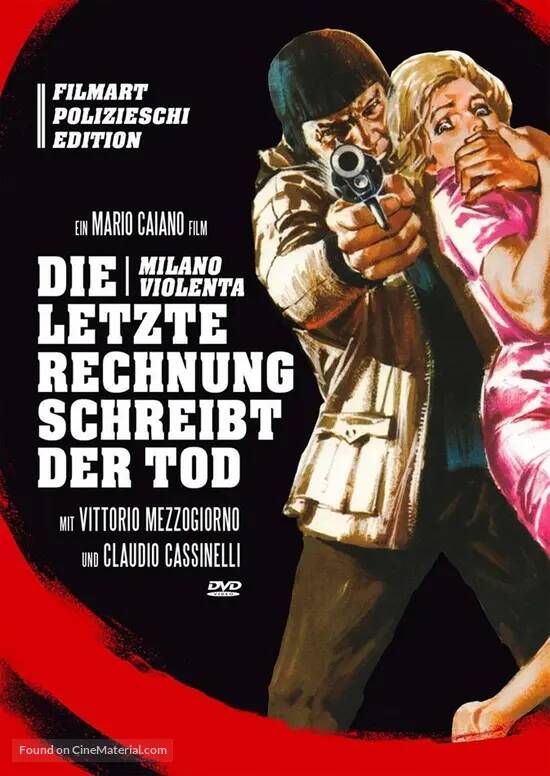
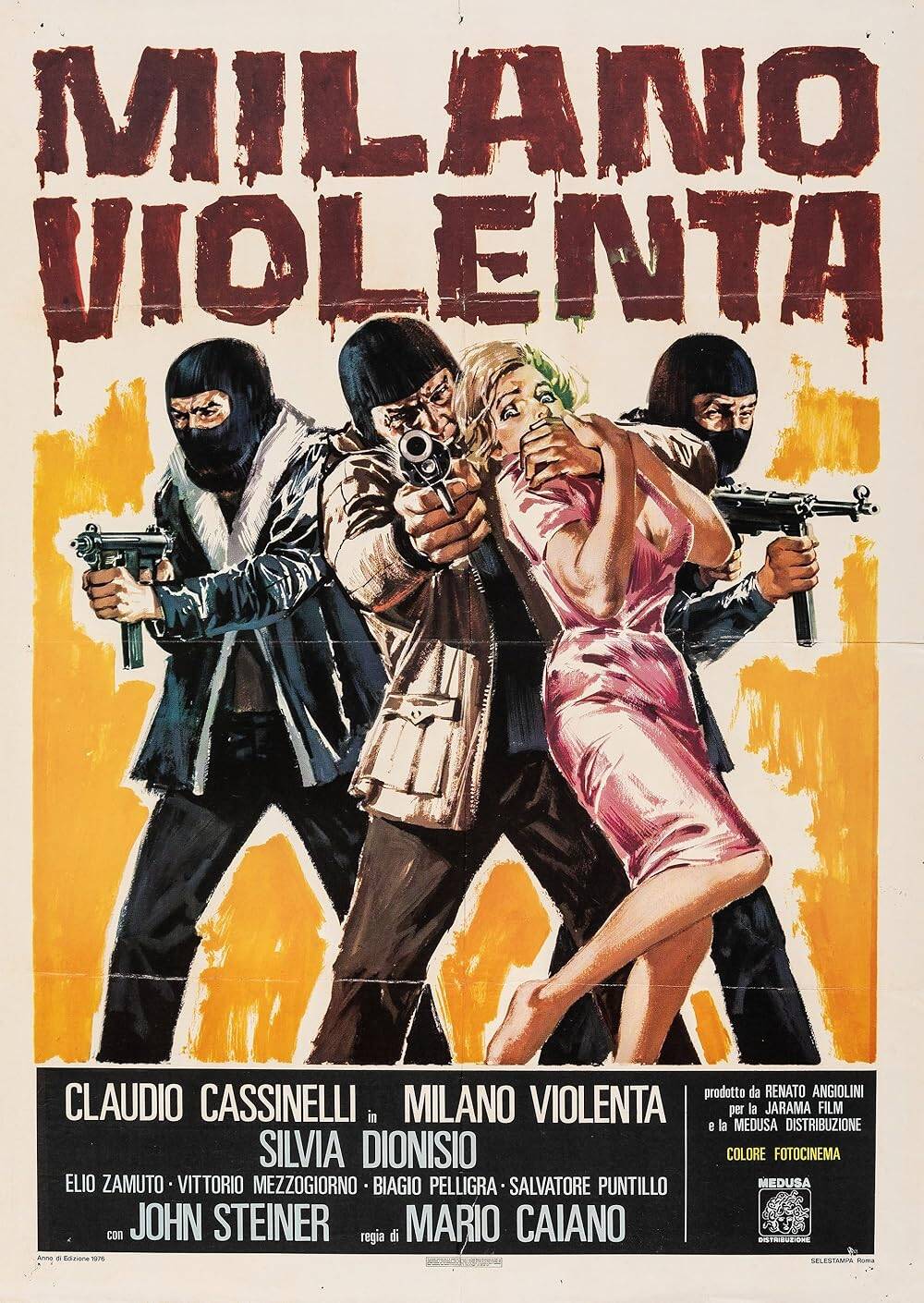
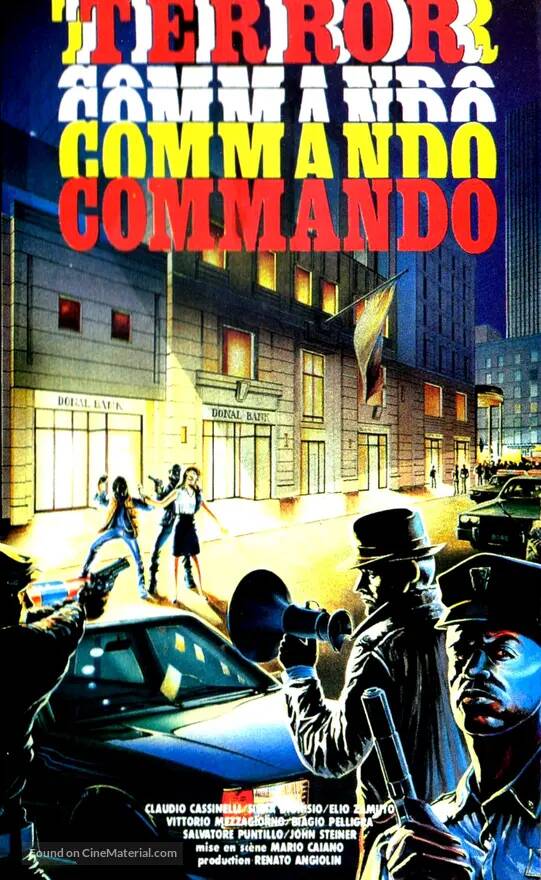
There have a been a couple of releases across Europe on DVD over the years, however, no sign of a Blu Ray as yet.
DVDs can have German and English dubs. The English dub is quite jarring, so finding the original Italian audio with subtitles is probably the best experience.