
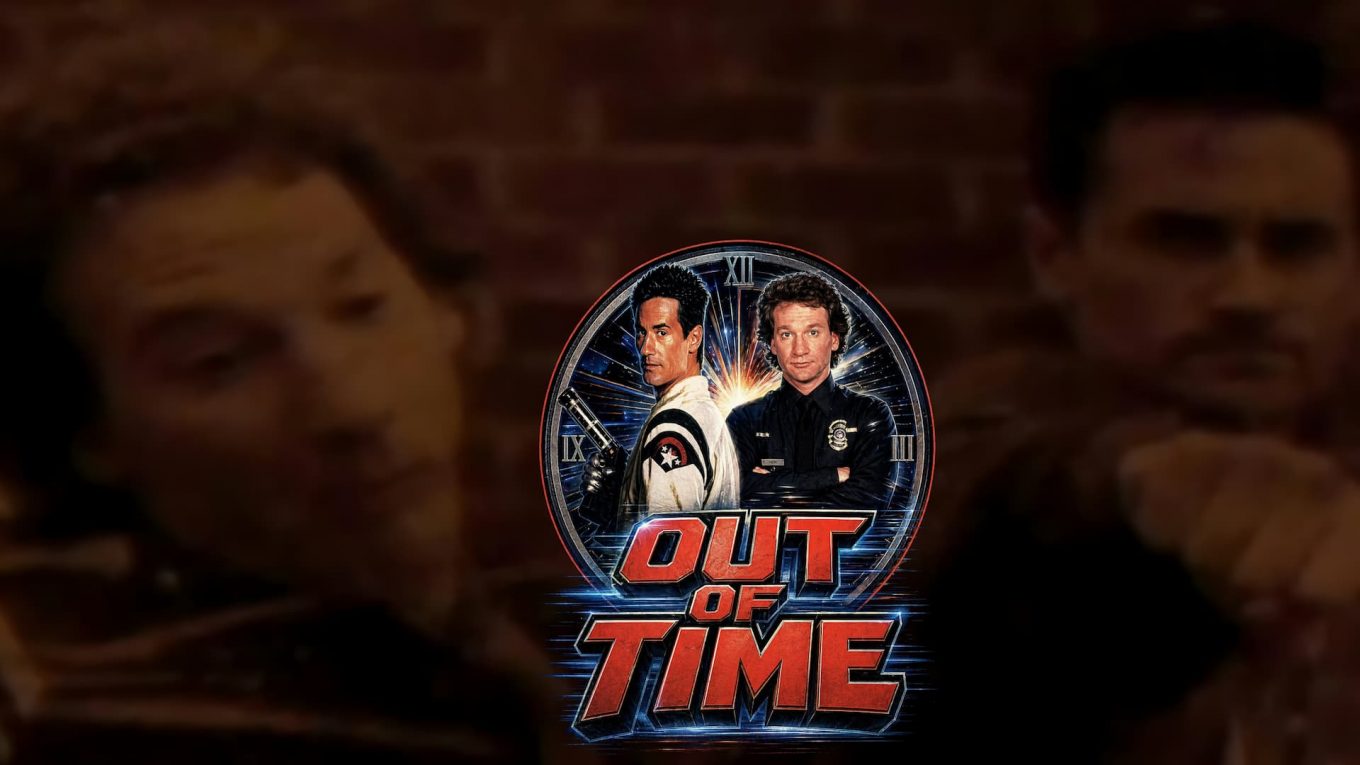
Out of Time (1988)
After revisiting Turbulence and Up the Creek, it felt only right to round out a loose trilogy of films directed by Robert Butler by taking a look at his 1988 TV effort Out of Time. Released between the breezy college comedy Up the Creek and the later big-screen misfire that capped off his career, this one sits in an interesting middle ground. It also gave me a chance to revisit a film I hadn’t seen since catching it on television in the early ‘90s, mainly because I have been a fan of Bruce Abbott following his roles in Re-Animator and Interzone.
Out of Time is a curious little relic. Information on it is surprisingly scarce, but what does exist suggests it began life as a failed TV pilot, later repackaged into a standalone movie. The premise is a fun one gear toward family audiences. A police officer from the future forced to team up with a cop from the past, feels tailor-made for late-‘80s episodic television. It’s exactly the kind of high-concept, low-risk idea that networks were throwing at the wall in the wake of Back to the Future becoming a cultural phenomenon. A few years later, shows like Time Trax would successfully mine similar territory, but Out of Time never made it past the starting line, despite being polished enough to earn a broadcast slot, a VHS release, and eventually a DVD.
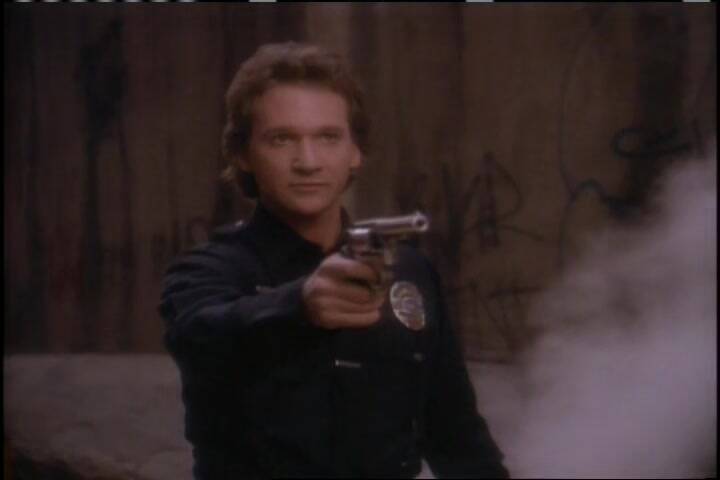
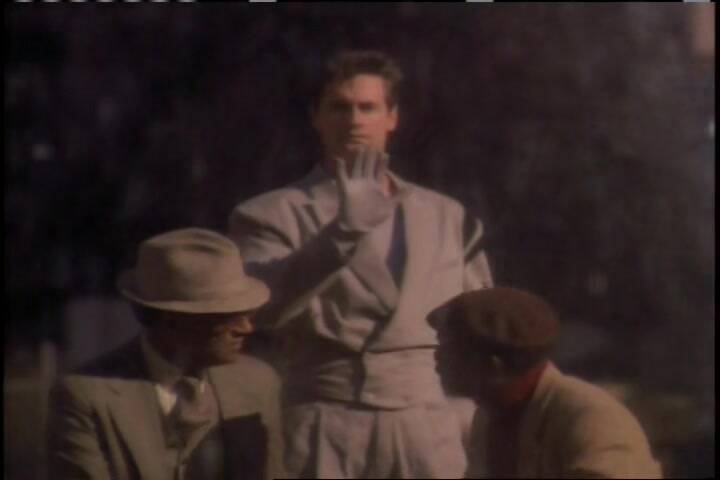
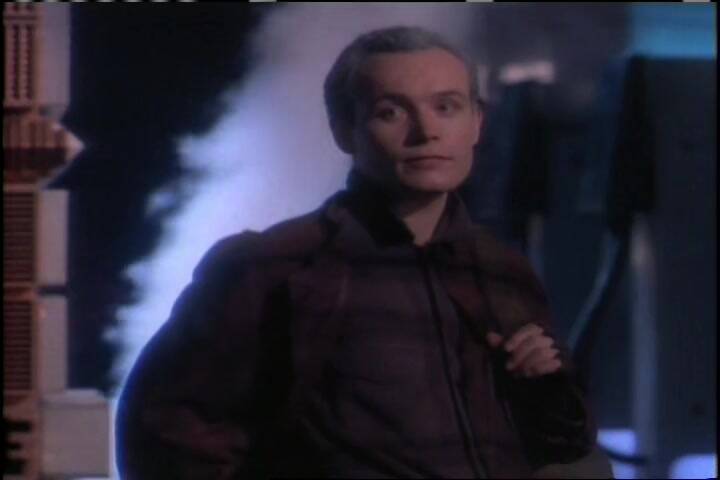
The plot itself is fairly routine, and perhaps tellingly so. A police officer from the future, played by Bruce Abbott, is sent back in time to 1980s Los Angeles while pursuing a dangerous criminal (played by Adam Ant). Stranded a century in the past, the futuristic cop is forced to partner with a present-day detective, blending advanced technology with old-school police work as they track the fugitive across the city. As the culture clash between future and past creates both tension and humour, the pair race against time to stop the villain from altering events in ways that could have lasting consequences for the future.
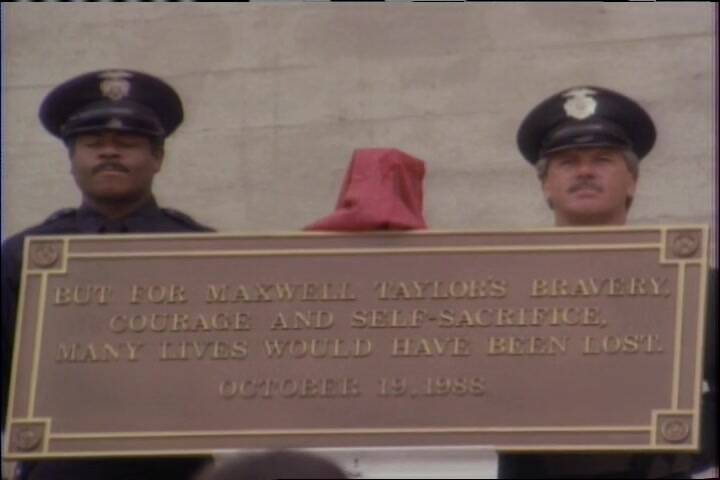

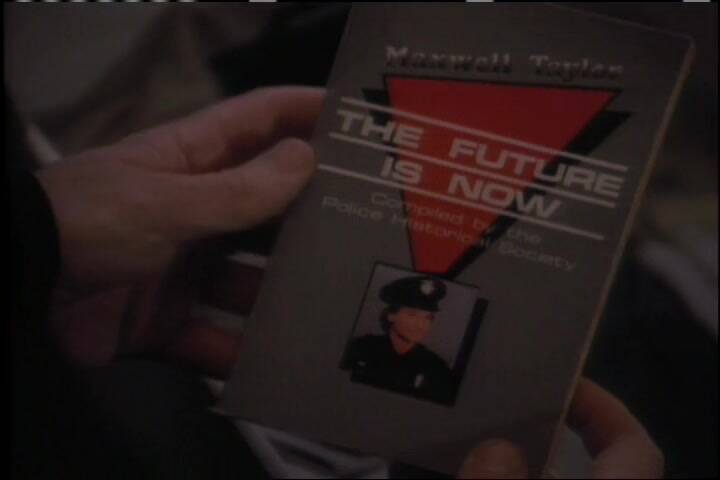
As a pilot, it sets up a concept rather than delivering a particularly compelling standalone story. You get the sense that the writers were more interested in laying groundwork for a series than crafting a memorable narrative here. As a result, the stakes feel modest and the story is fairly predictable, leaving you wondering how sustainable the premise would have been over multiple episodes.
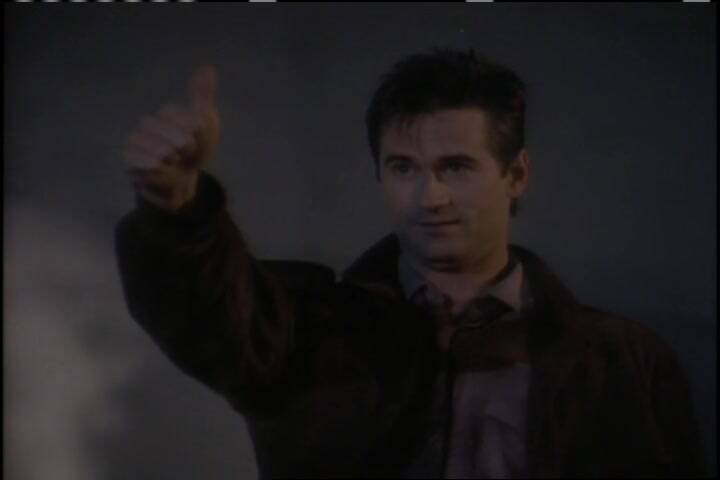
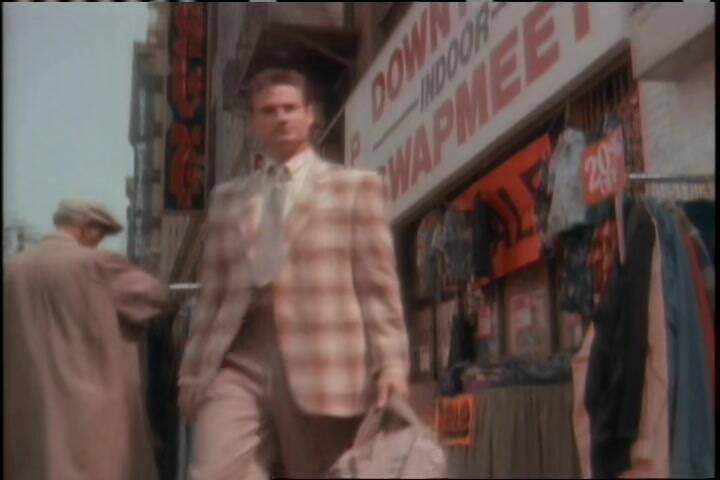
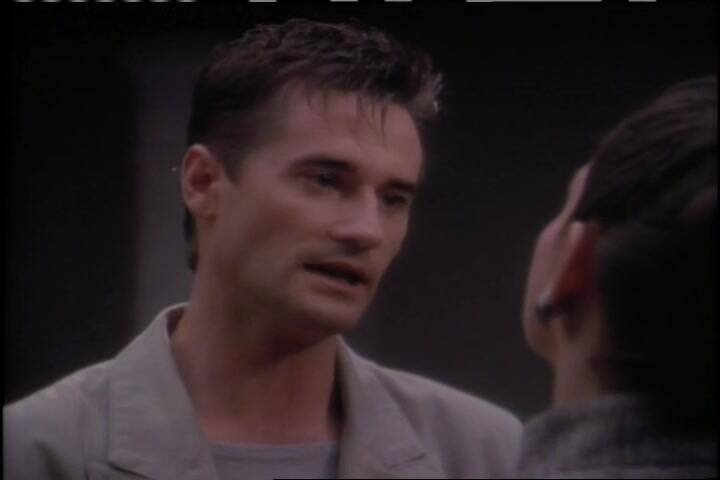
What does work, however, is the central pairing. Abbott carries the film comfortably, handling the bulk of the screen time and shouldering the tonal shifts between action, light comedy, and the occasional hint of drama. He’s a likeable presence, and the role asks quite a lot of him, even if the script doesn’t always give him the support he needs. There’s an underexplored emotional angle in his character being stranded a century in the past, but the film largely sidesteps this in favour of culture-clash humour. It’s a missed opportunity, though not an unusual one for a TV production of the era.
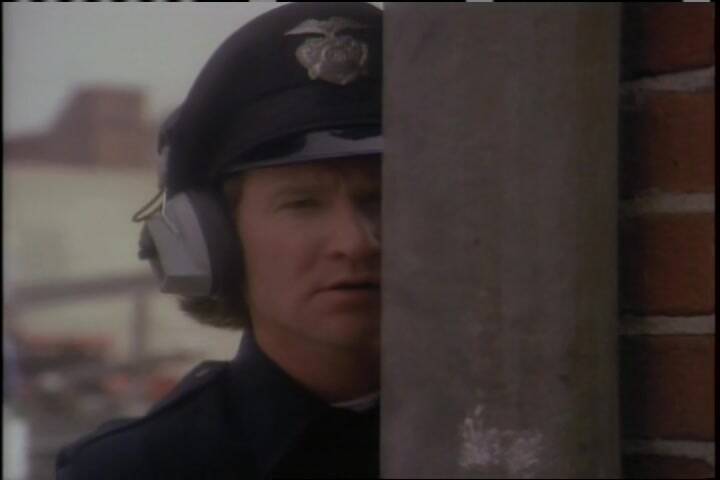
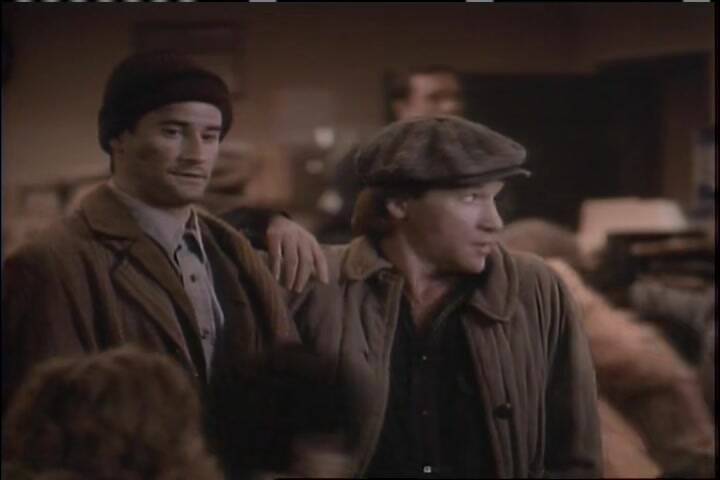
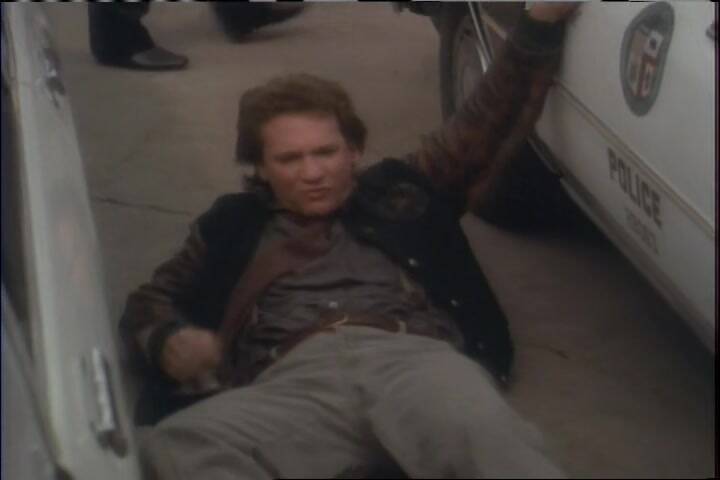
Bill Maher (appearing here in an early acting role) doesn’t show up until roughly the halfway point, but once he does, the dynamic shifts for the better. While Maher isn’t playing it for outright laughs, his grounded performance complements Abbott’s more animated, fish-out-of-water approach. The chemistry between the two is solid, and thankfully the film wastes little time in getting them together and moving the story along once he arrives.
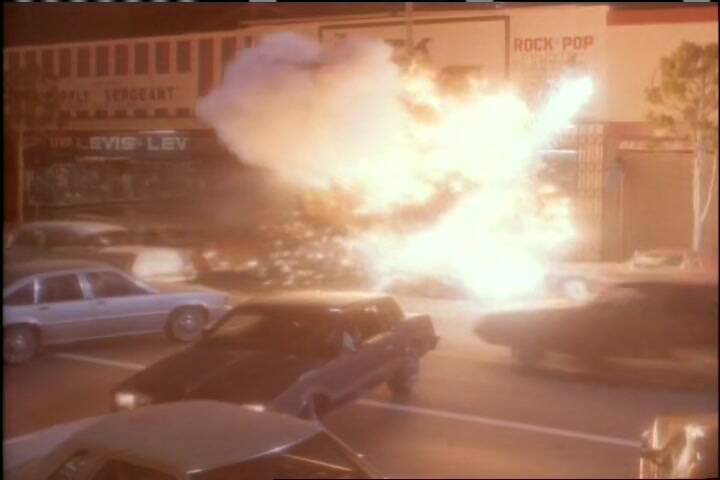
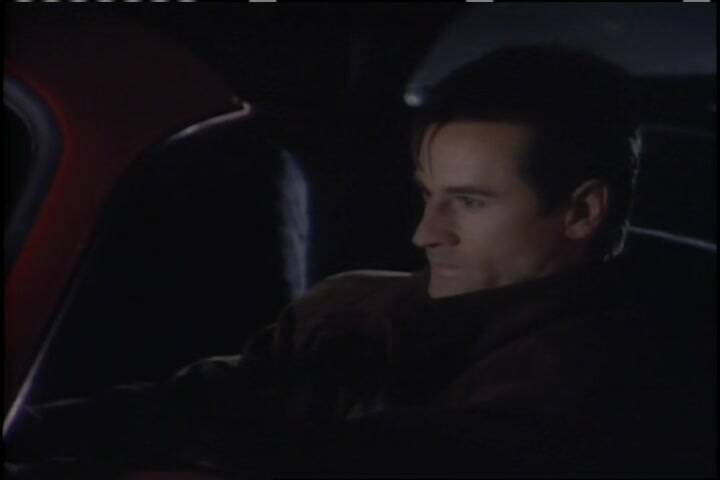
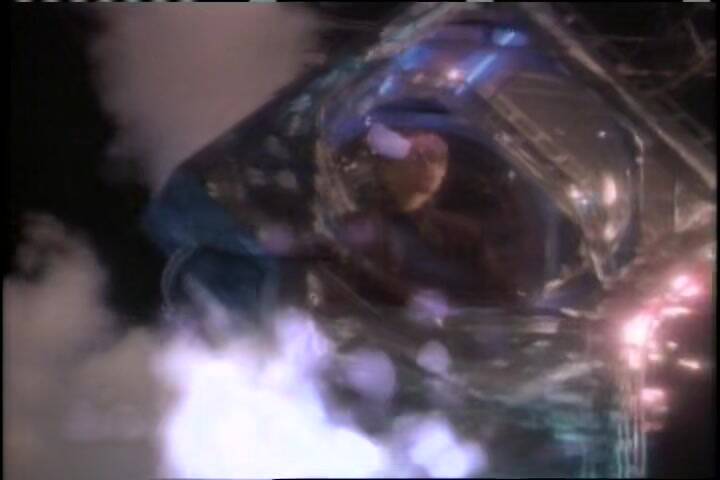
The film has a fair bit of fun with its premise, even if it never fully capitalises on it. There’s some fun in seeing Abbott’s futuristic mindset collide with 1980s Los Angeles. One standout involves him leaping into a sports car, grabbing the wheel, and commanding it to “Go!”, a small gag, but an effective one. There are also a few gadgets sprinkled throughout, some more convincing than others. A highlight is a scene involving Leo Rossi’s convenient criminal character, who ends up immobilised by Abbott’s non-lethal tech in a sequence that’s surprisingly well realised given the film’s obvious budget constraints. Yet, the two tent-pole effects for the actual time travel sequences are poorly realised and some might find them nauseating on a large TV!

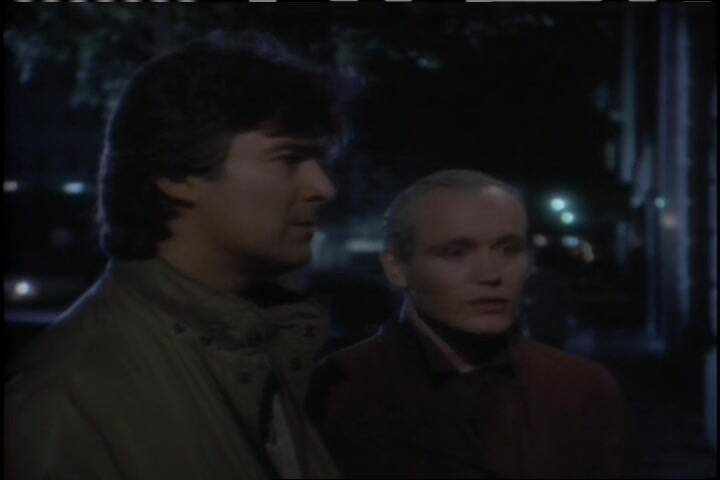
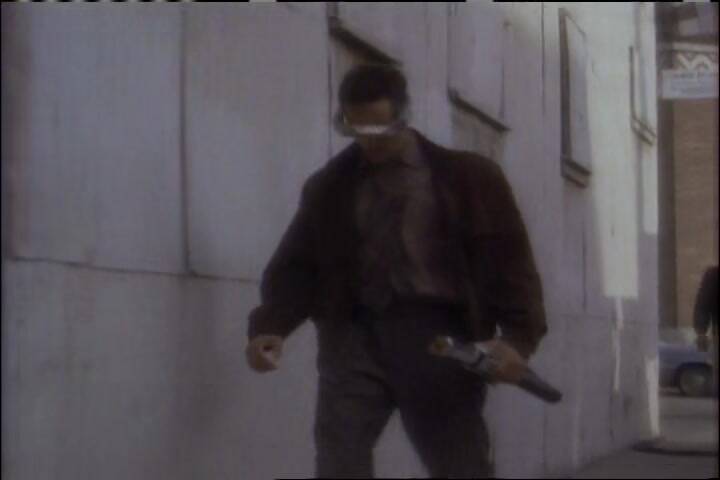
And those constraints are hard to ignore. Like many TV movies and unsold pilots of the time, Out of Time was made quickly and cheaply, and it shows. The production values are modest, the majority of the effects are functional at best, and certain performances and story choices feel undercooked. But criticising it too harshly almost feels beside the point, this wasn’t designed for close scrutiny, but rather as disposable tester entertainment in a crowded TV landscape.
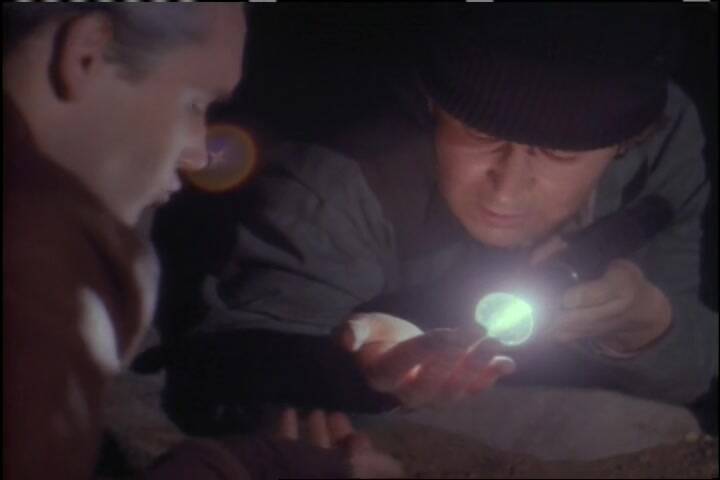
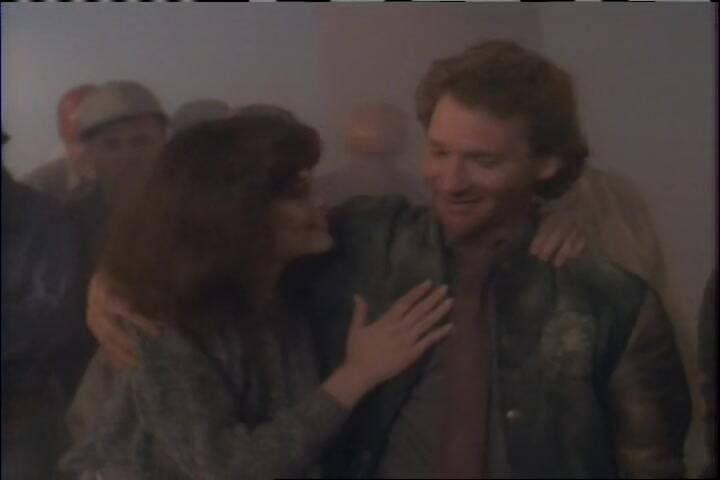
That’s really where Out of Time lands. It’s the kind of film that survives more on curiosity and nostalgia than on outright quality. Fans of Bruce Abbott will likely get the most out of it, as will those with an interest in obscure sci-fi oddities or failed TV experiments. For everyone else, it’s a mild diversion at best. As a 90-minute time capsule, it’s easy enough to sit through, occasionally amusing, and anchored by a committed lead performance. Just don’t expect anything groundbreaking. Out of Time is exactly what it appears to be: a relic of a very specific era of television, and a reminder of how many almost-series quietly came and went.
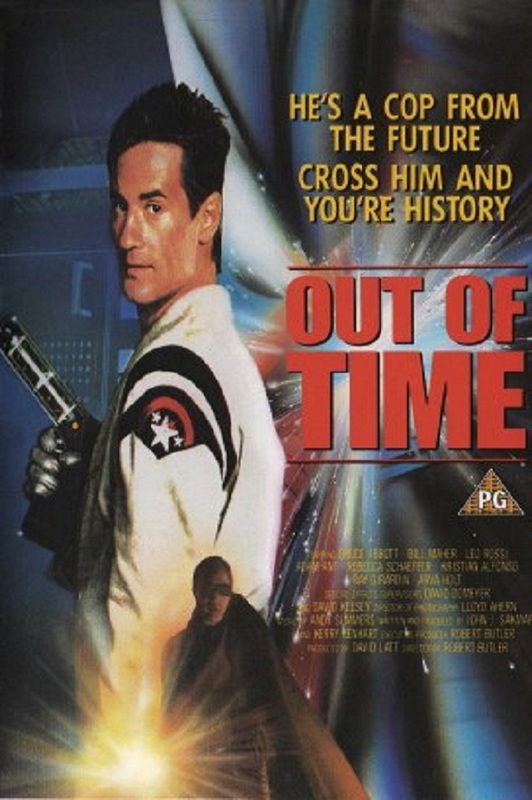
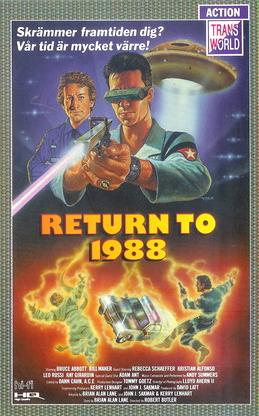
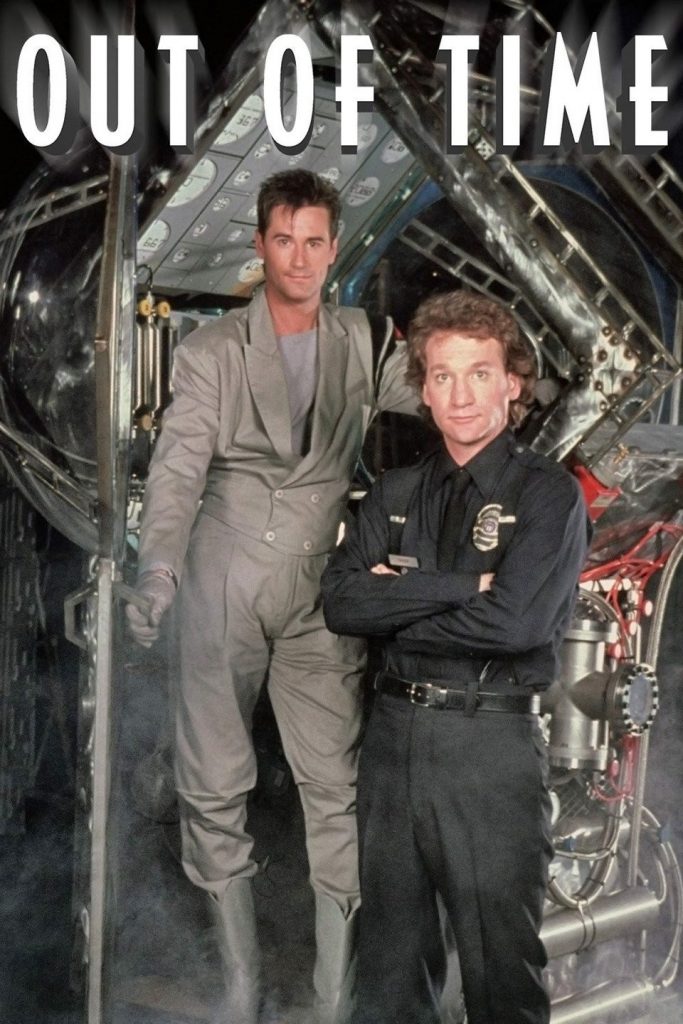
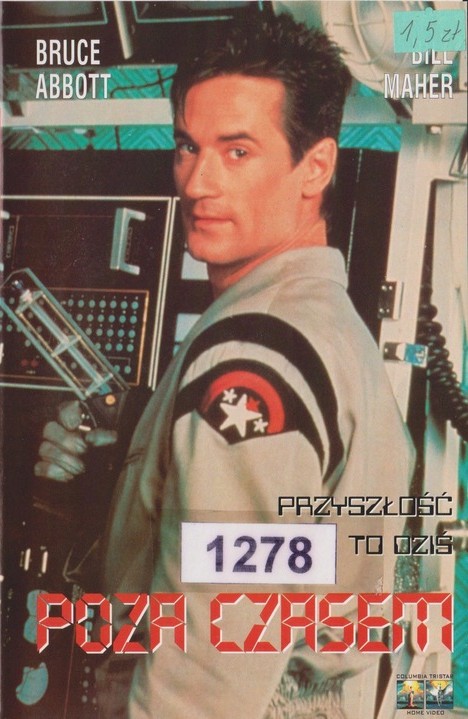
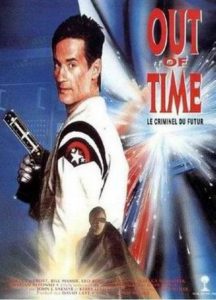
Physical copies do exist on DVD, but they’re essentially straight transfers from VHS, so expectations need to be kept in check. The image is soft, a little murky, and very much of its time. I picked up a US import back in the late ‘90s and, while it edged out my old ex-rental tape, the improvement was hardly dramatic.
It’s popped up on streaming platforms over the years, briefly available on services like Roku and Google TV, but more recently it seems to have drifted behind the MGM+ paywall.
Realistically, this isn’t the kind of title likely to get a proper remaster. What’s out there now is probably as good as it’s ever going to look.