Turbulence (1997)
As one of the very first people in line to see Turbulence (1997) when it landed in Belfast cinemas, I distinctly remember the circumstances. I went with a girl I barely knew, most of my usual Thursday night crew were unavailable for the “test reel” showing. Her motivations remain a mystery; maybe it was boredom, maybe curiosity, but the connection was flimsy at best. I don’t believe we crossed paths again after that night, though I hope, for old times’ sake, that she’s doing well.
I entered the viewing experience largely unprepared. I was primed for an action flick, chasing the thrill, and I’d wisely avoided checking any reviews or trailers beforehand, I wanted to go in fresh. The only piece of intel I’d absorbed was the shocking revelation from a magazine (Empire or Film Review, one of those ubiquitous glossy publications back then) that issued a brief description, Ray Liotta would be teaming up with Lauren Holly, with him playing the villain, specifically, “a screaming, psycho” type in a plane disaster movie. That single fact blew any chance of guessing the antagonist or expecting anything remotely conventional from the outset. It felt like confirmation that this would be a wild ride.
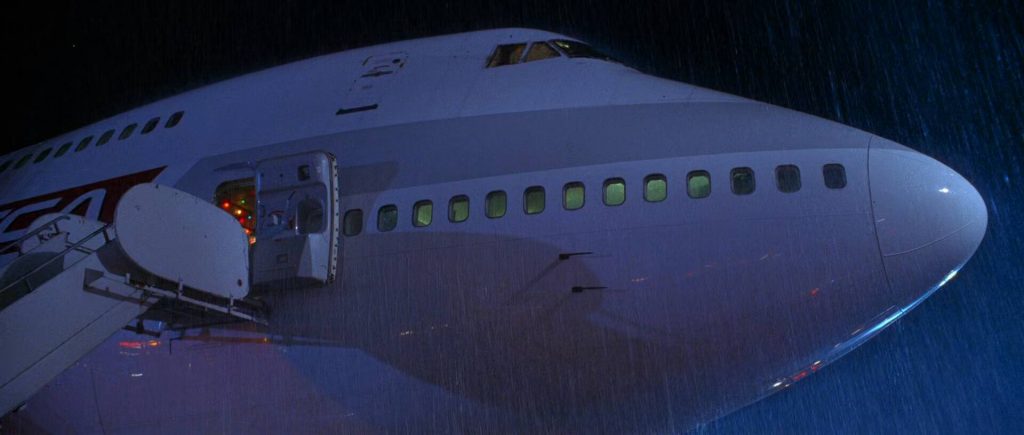
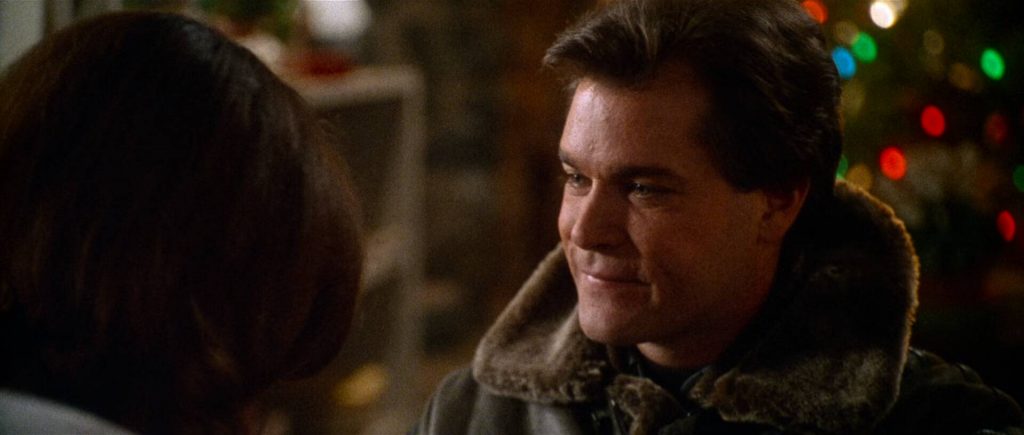
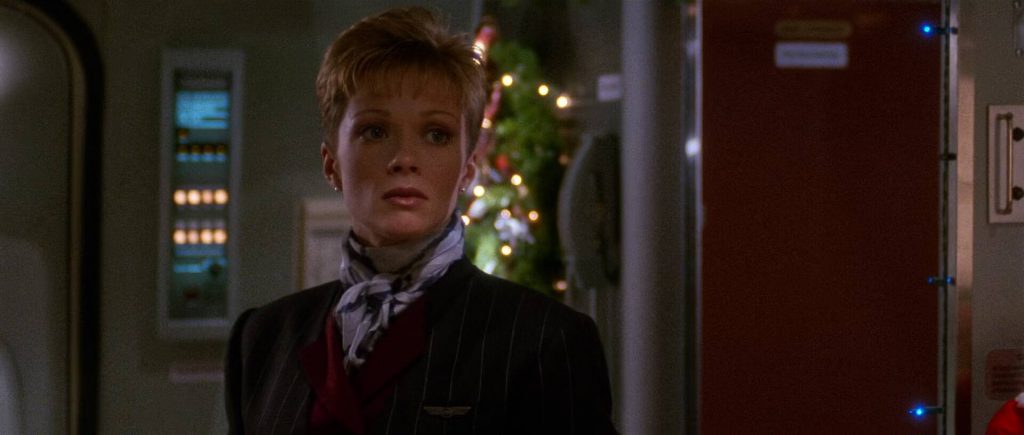
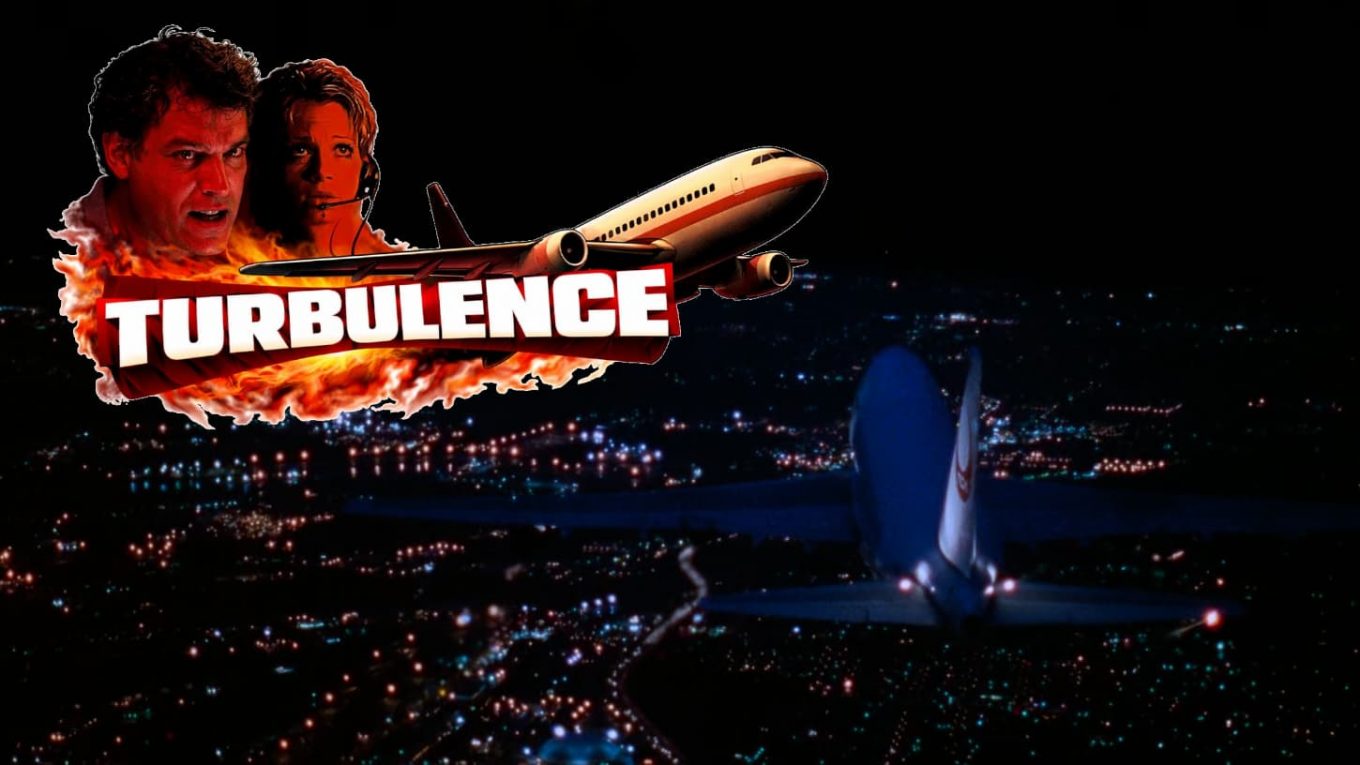
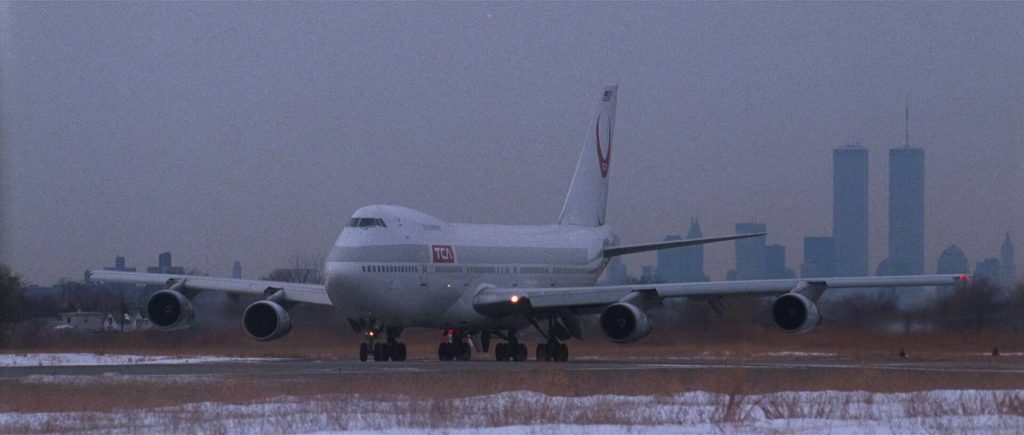
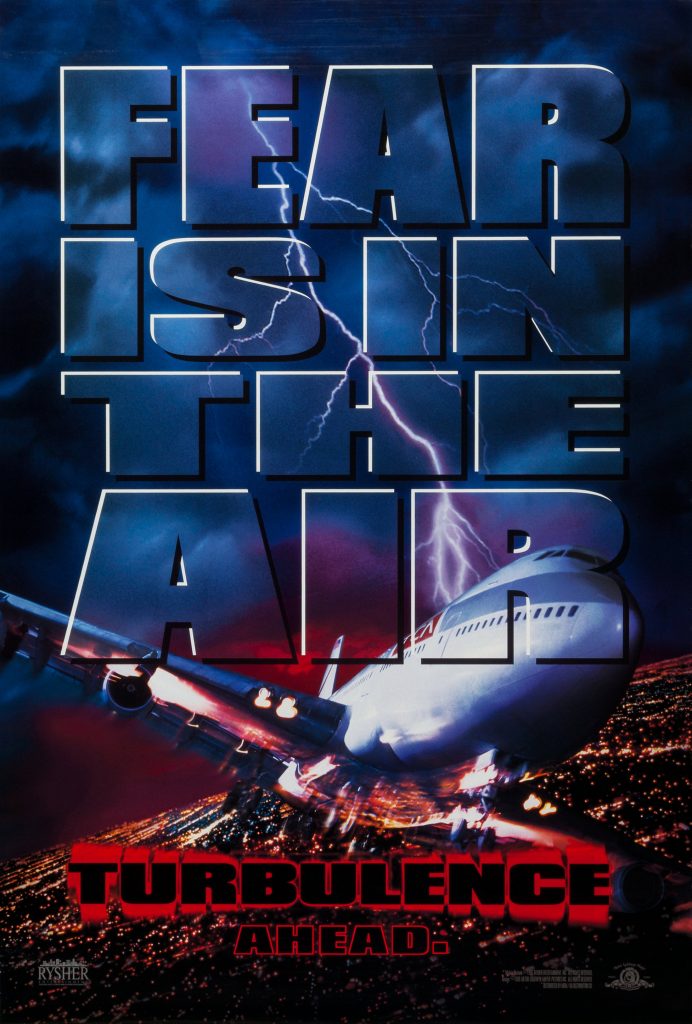
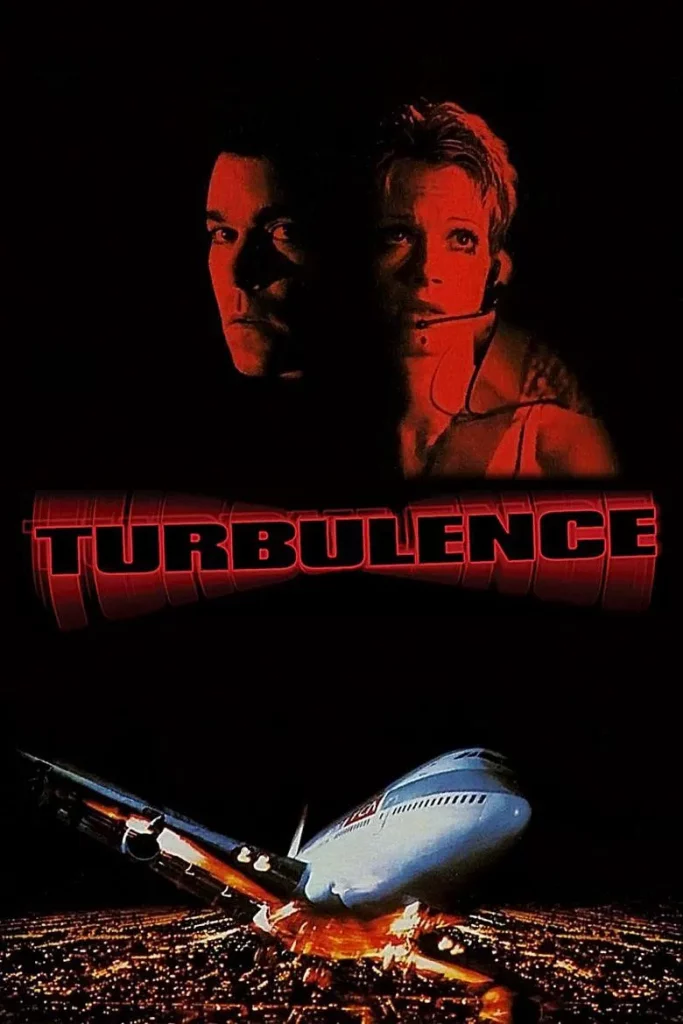
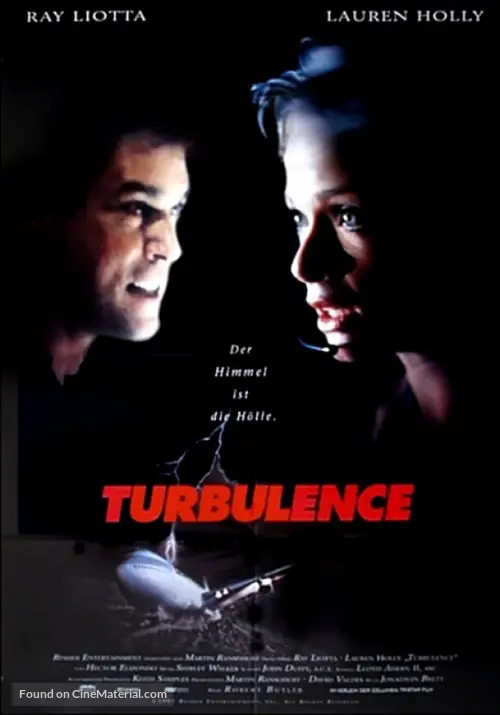
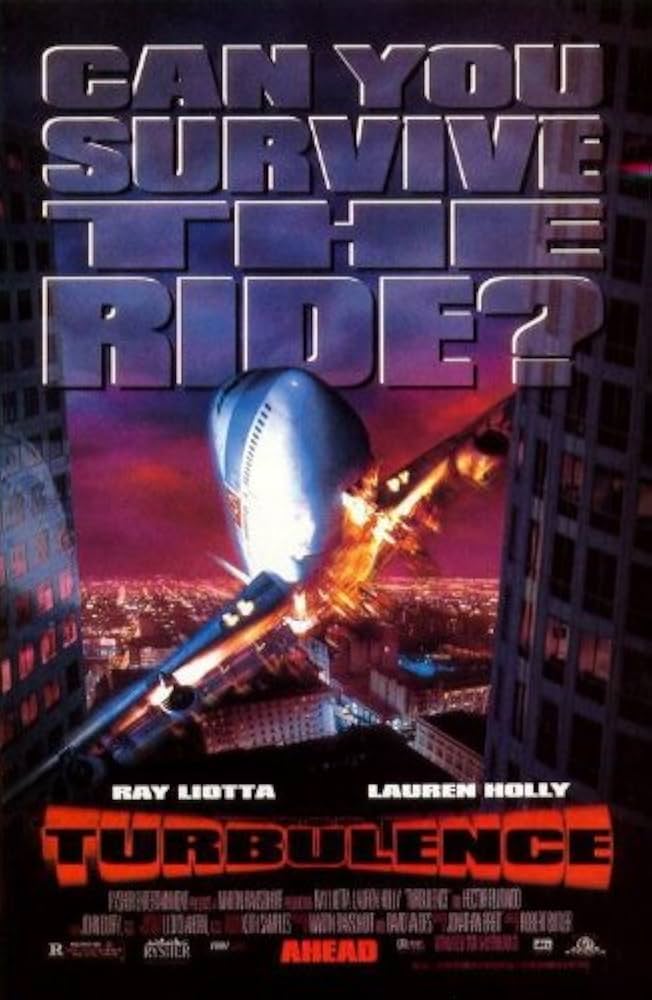
Turbulence follows a routine Christmas Eve flight from New York to Los Angeles that turns into a nightmare when two prisoners (worth seeing for Brendan Gleeson doing Lake Placid-esq accents again) being transported onboard attempt an escape. After a violent struggle leaves the crew incapacitated, one of the prisoners, charismatic but dangerously unhinged played by Liotta, takes control of the plane mid-flight. A lone flight attendant, Lauren Holly, is forced to overcome her fears and outwit the Liotta who is becoming increasingly erratic while trying to safely land the aircraft. As a fierce storm batters the plane and authorities scramble on the ground, the situation escalates into a tense battle of wits and survival at 30,000 feet.
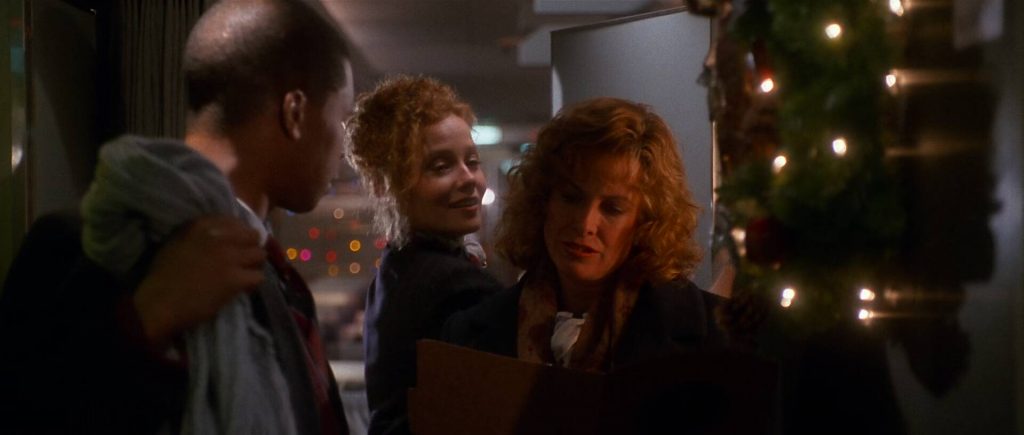
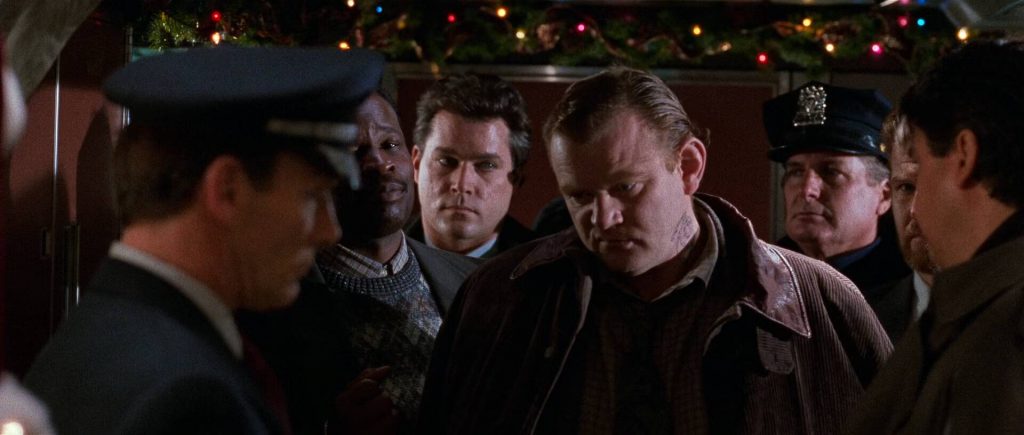
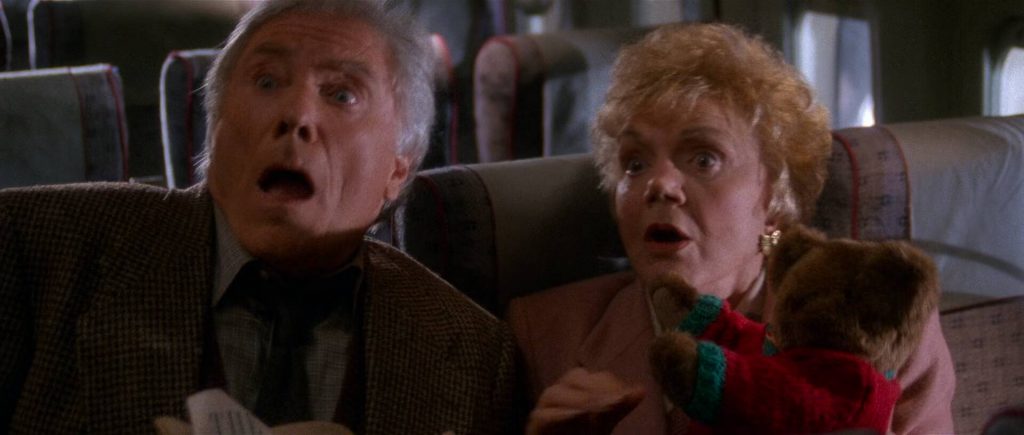
Initially, Turbulence starts well, if a little overwrought, a heavy score that sets a tense, impending doom mood. It definitely captures the Airport movie vibe, assembling a motley crew of passengers and crew before take off, laying down some backstories, and then the real drama kicking off once the engines roar. The promise there is multiple character arcs developing under pressure, a common trope in the genre that can be quite entertaining.
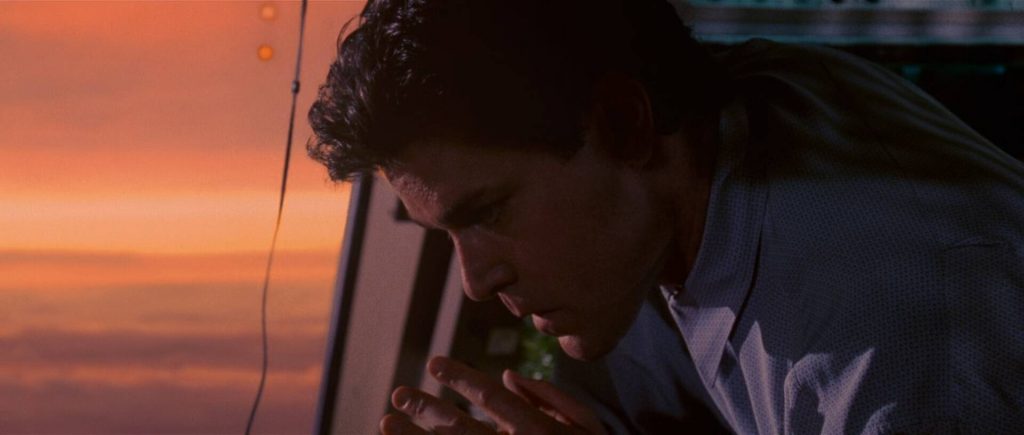
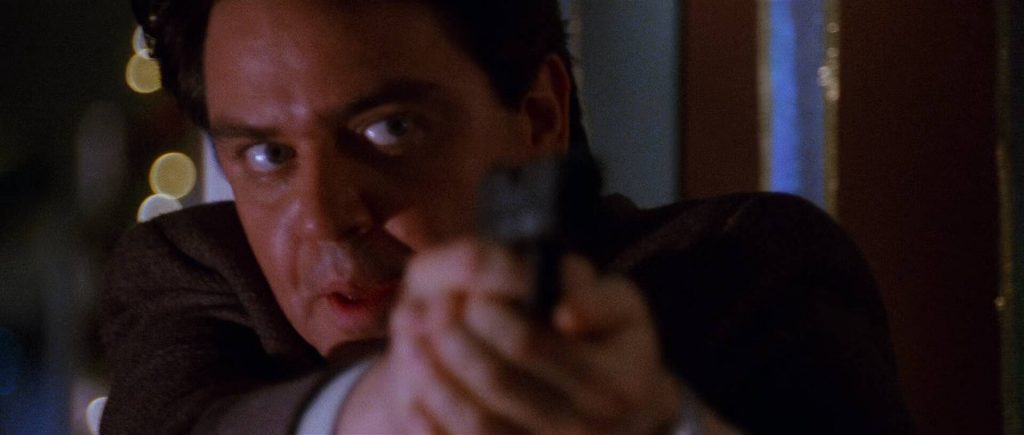
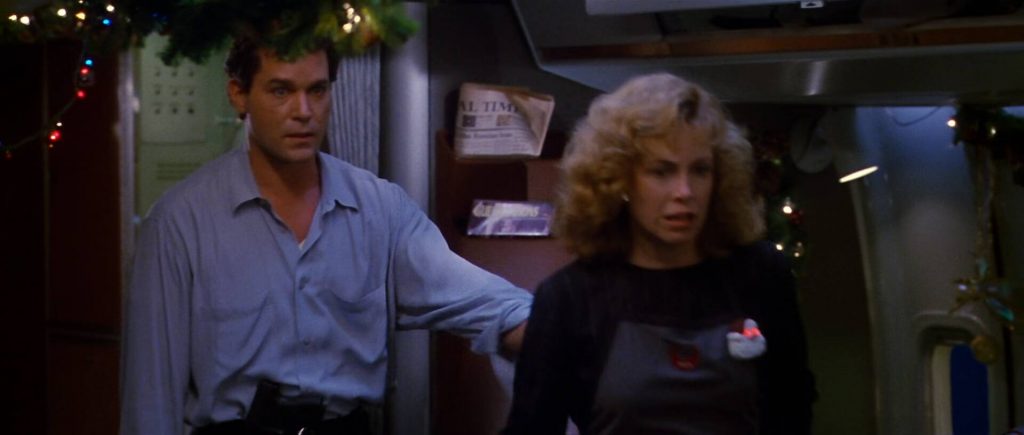
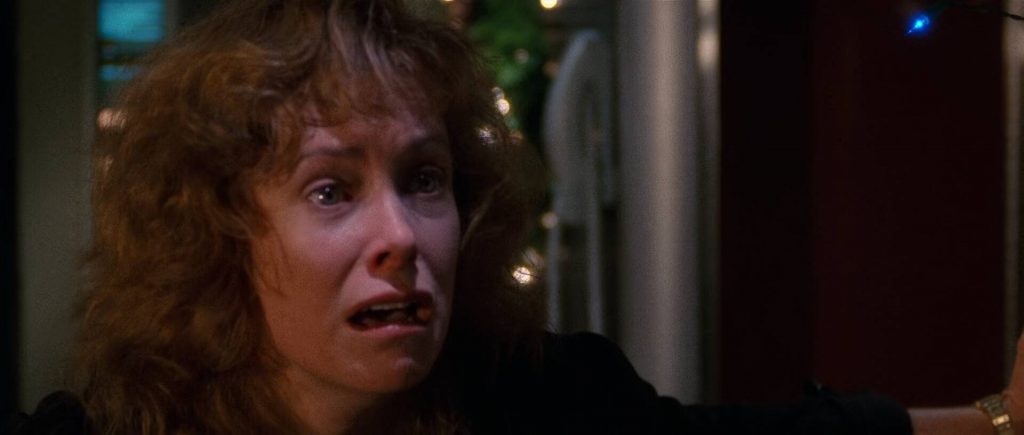
However, the film quickly curtails that potential. After take-off, Turbulence rapidly shuffles almost all the secondary characters out of the main arena and into a small, cramped room at the back of the plane, effectively out of the way. This narrative decision leaves the stage clear for Liotta’s to be villainous, essentially forcing him to terrorise the flight crew (Lauren Holly and Catherine Hicks) and, by extension, the audience, with little interference from the other passengers or crew. The early momentum, built by the character introductions, stalls.
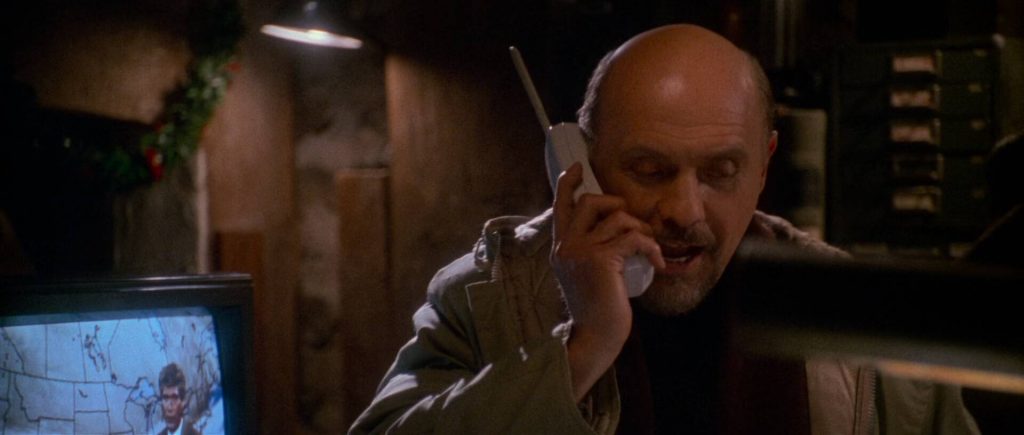
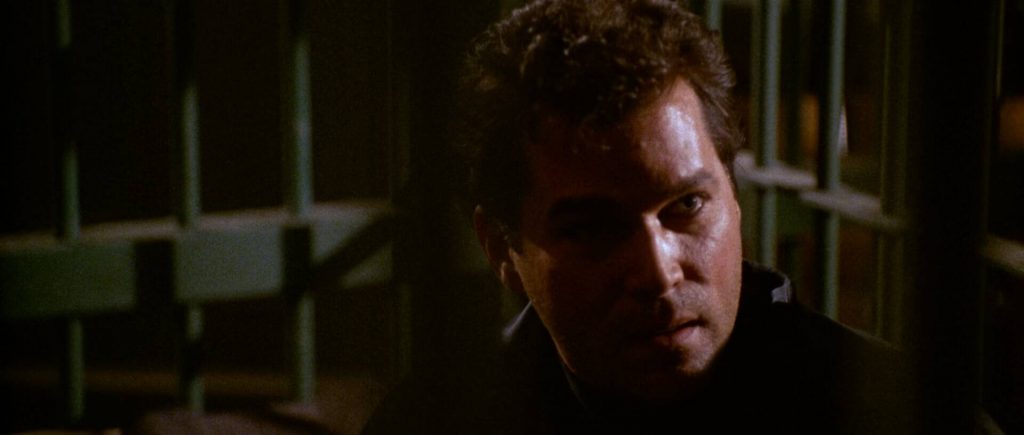
The first thirty minutes or so are, in their own way, surprisingly enjoyable. There’s a certain charm in watching Hector Elizondo’s somewhat questionable detective clash with Liotta as the film toys with the audience’s perception of Liotta’s initially disarming, almost likable presence. He somehow manages to be both the architect of the chaos and a figure who relishes every moment of it. There’s a particular fun in watching him attempt to convince the passengers and crew that he’s actually the good guy. Despite the central character’s lack of redeeming qualities, the shifting dynamic remains consistently engaging.
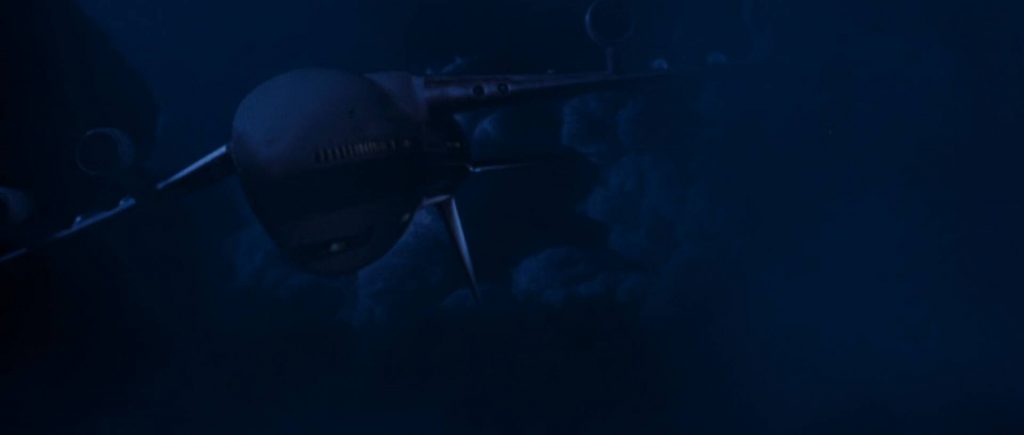
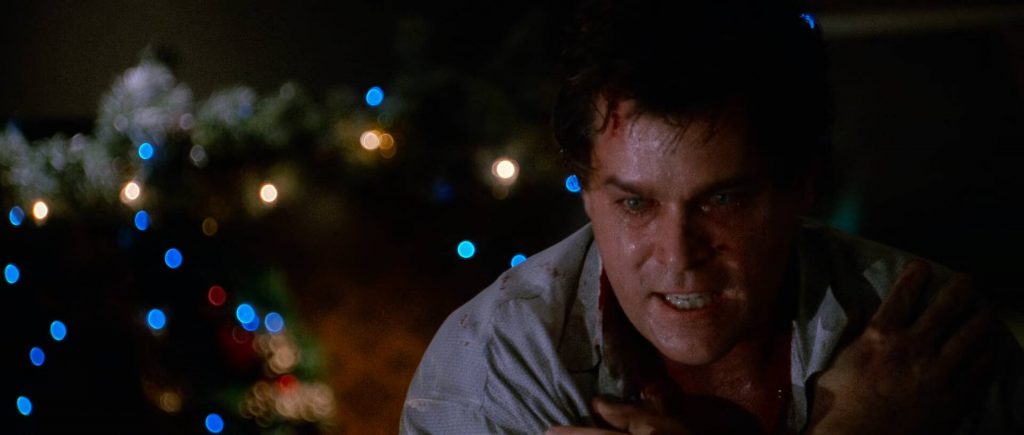
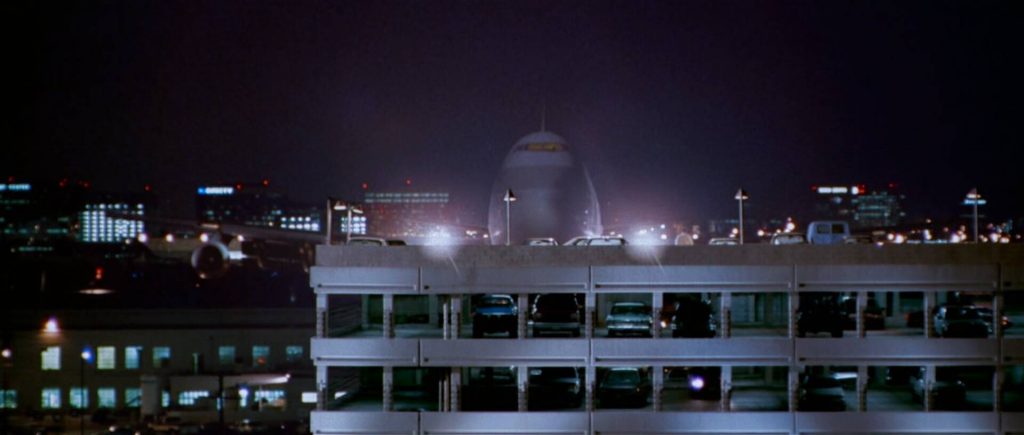
But then, once the immediate threat solidifies and the other characters are conveniently sidelined (either hidden or dispatched), the film largely becomes Holly’s perspective, reacting to Liotta’s crazed actions and the ground control chaos. The film doesn’t really have much else to realise upon after the main cinematic event, the stomach-churning 360-degree flip sequence. To be honest, that sequence, while undeniably fun for its time, yet feels poorly put together in retrospect. A second event, a collision with a parking structure looks better but does little to affect the storyline other than eye candy.
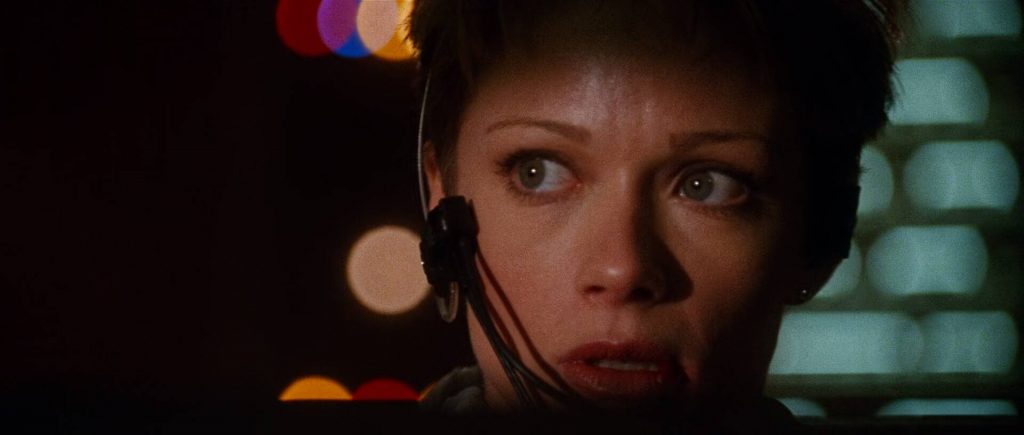
It’s all chaotic, leaning heavily on Liotta’s increasingly manic performance to carry it, and forgets entirely about any baggage elsewhere on the plane. We get a glimpse of the other passengers at the very end, looking shaken, battered, and one character sporting a sling, but their individual arcs feel abandoned. The events confined in that back room could have elevated the film significantly, offering a dark, claustrophobic sub-story and perhaps some much-needed emotional weight. I wonder if those scenes were filmed and perhaps cut due to runtime concerns or perhaps, ironically, because of the claustrophobia they might have induced.
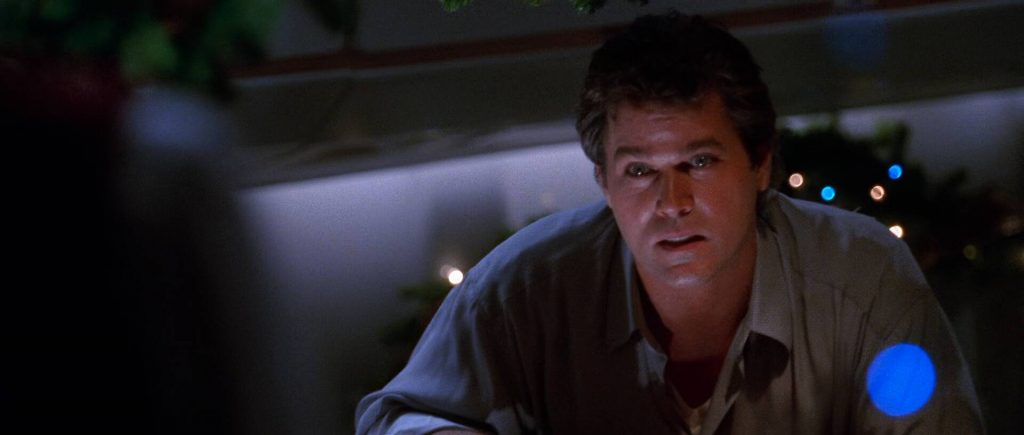
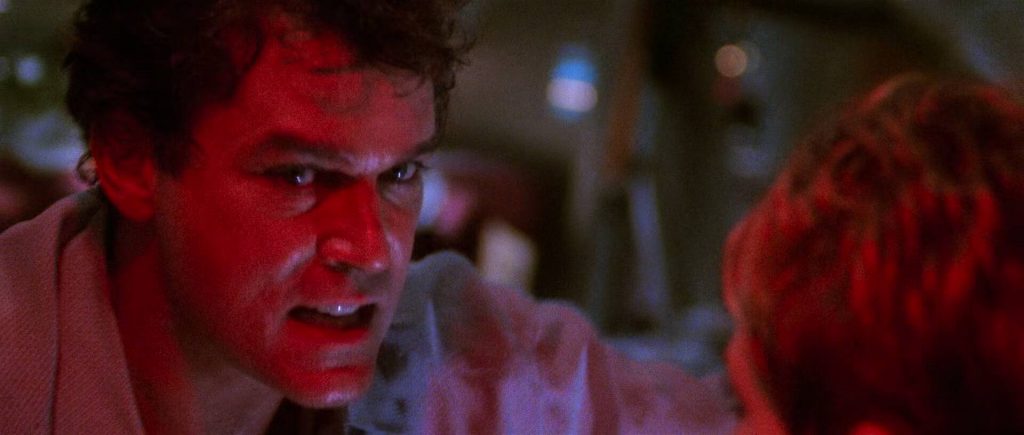
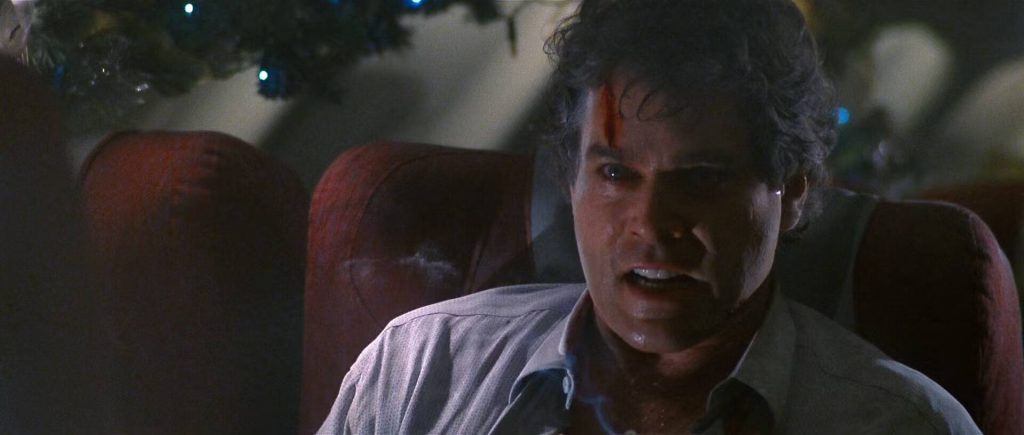
Turbulence isn’t a great movie, I genuinely find it painful to say that. Yet, I love it. It’s one of the, now limited, gems in Ray Liotta’s filmography that I genuinely love to revisit. It’s the third time he played this particular type of amoral, deranged villain, following Something Wild and Unlawful Entry. And the third time was not a charm; it just cemented the pattern. He would revisit the archetype a few more times in his career, but Turbulence feels like the bottom of the barrel, the most straightforwardly terrible entry point.
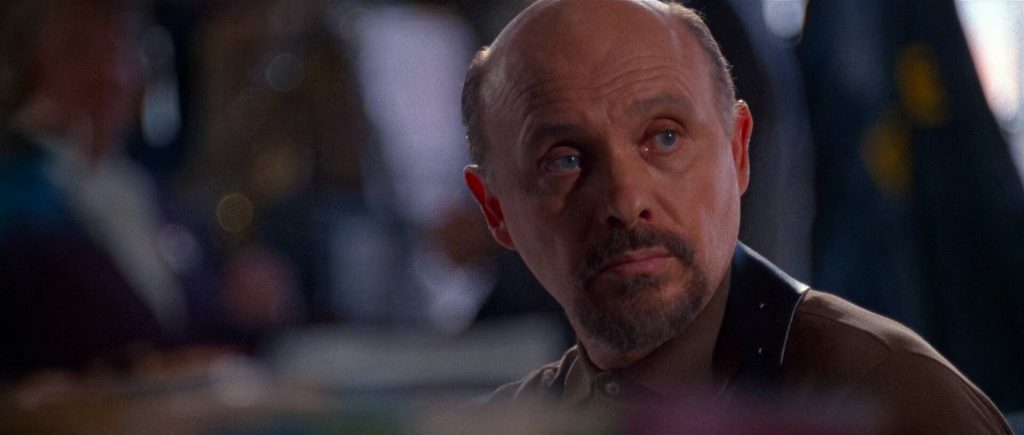
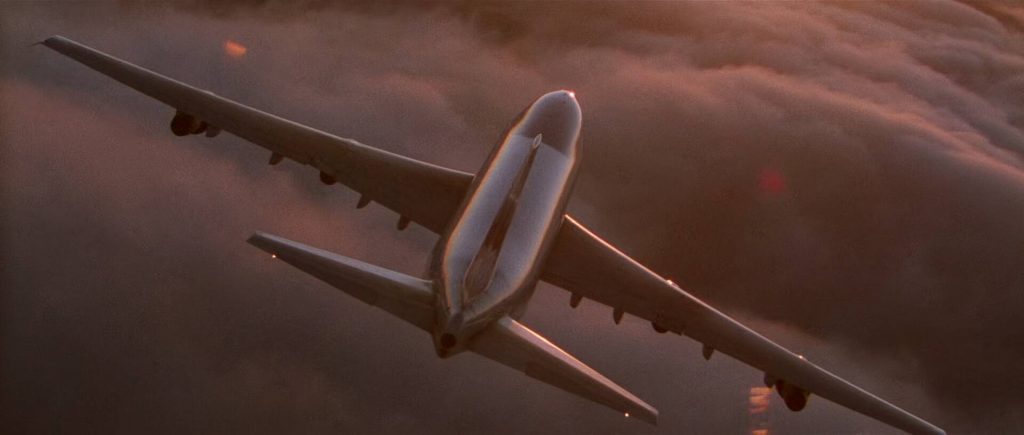
Turbulence was the last cinematic release directed by Robert Butler who’s filmography is incredible, from the highs of Night of the Juggler or one of my guilty pleasures Up the Creek and through episodes of almost every TV show ever made. We can thank him for the pilots to Star Trek and Hill Street Blues. Butler also directed David Janssen in the slightly similar Mayday at 40, 000 Feet! 20 years prior.
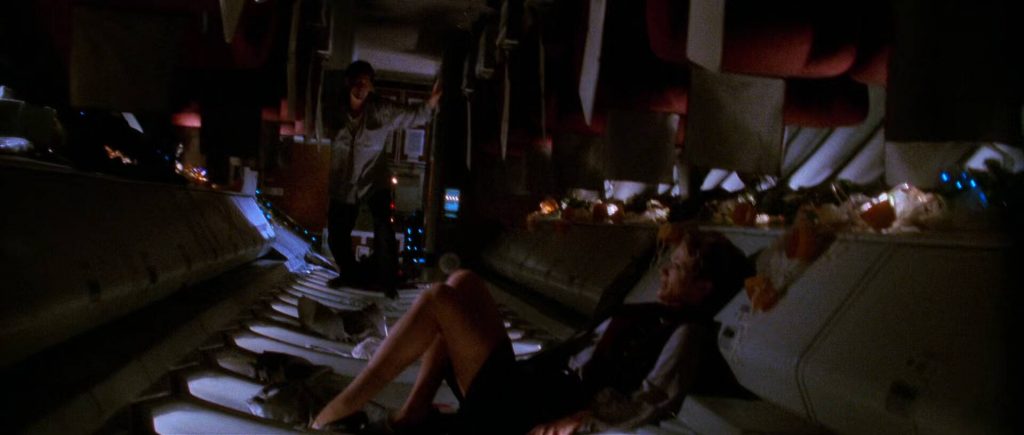
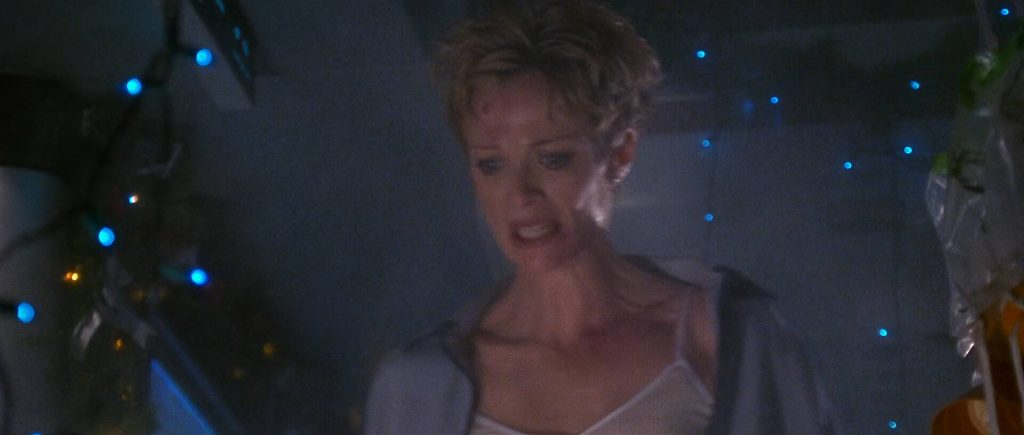
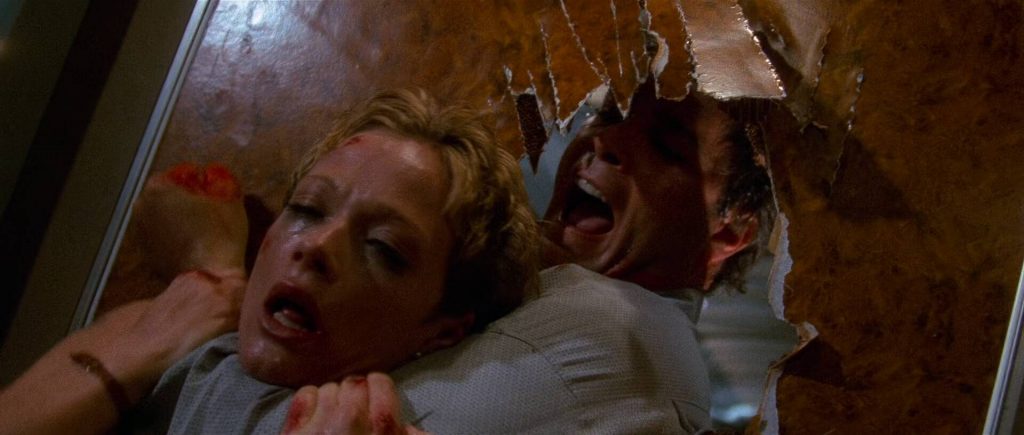
Ultimately, Turbulence is a terrible movie. Its plot is thin, most characters secondary to the central gimmick are ignored, and its execution leans heavily on audience complicity. However, much like Airplane! or even any of the lesser Airport movies before it, it functions perfectly as an “enjoyably stupid” piece of cinema. There’s a peculiar joy in watching Liotta practically chew the scenery as the villain, his over-the-top performance anchoring the entire nonsensical enterprise. Lauren Holly, despite a decent leading lady pedigree, feels very much like the designated weak link here, saddled with a poorly written character who primarily serves as a passive victim reacting to Liotta’s antics. Turbulence understands its own limitations. It’s less about a coherent thriller and more about showcasing one man’s descent into chaos within an airplane. It knows exactly what it wants you to enjoy: the spectacle, the ridiculousness, and, above all, the front-and-centre brilliance of Ray Liotta.
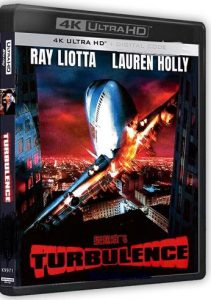
The recent 4K UHD restoration and release a good! It’s not the sort of film I’d expect a major studio to be enthusiastic about breathing new life into, especially given its troubled theatrical release (it reportedly lost money).
It did perform surprisingly well on Video/DVD rental back in its original release cycle, perhaps tapping into that dedicated cult following. The renewed availability in high definition might just be a last-ditch effort to find an audience for this peculiar, flawed, yet strangely endearing piece of cinema.