
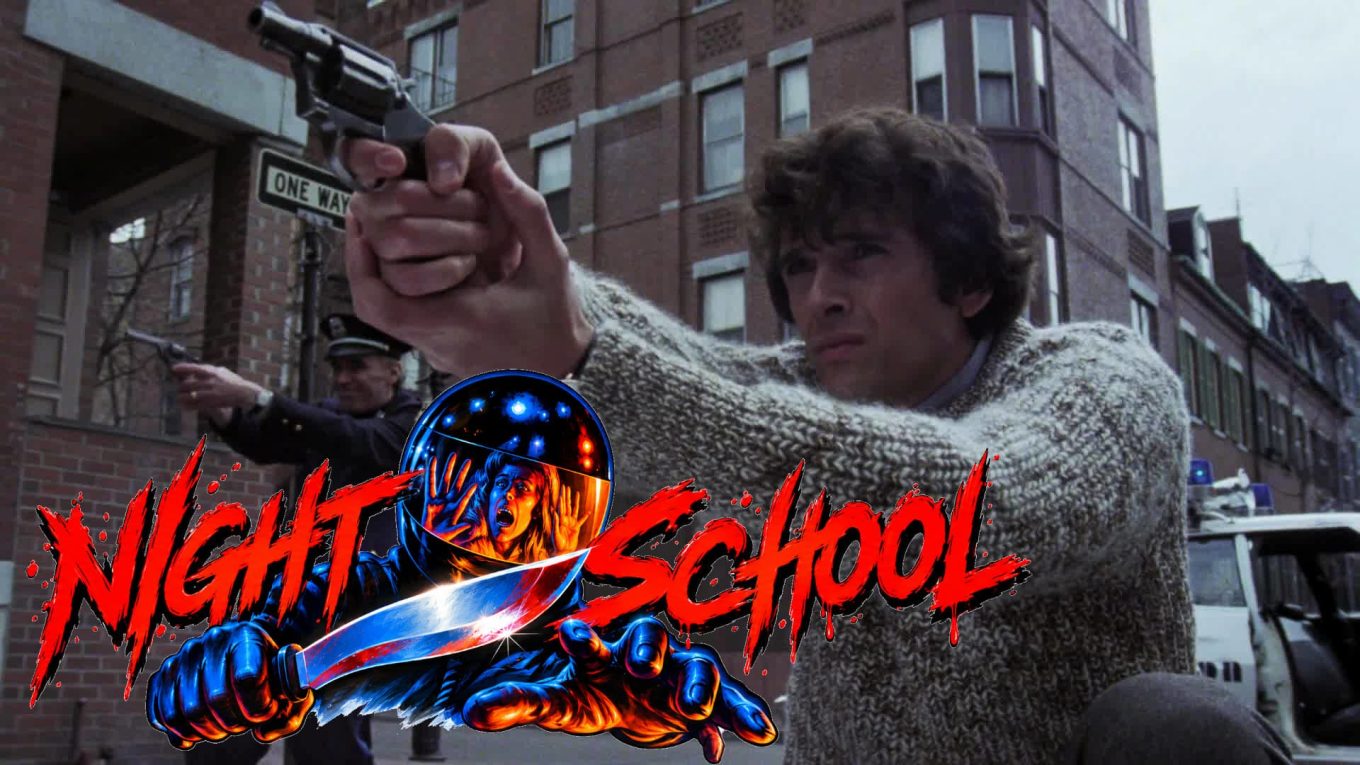
Night School (1981)
This came to me with some pretty high recommendations, and when Vinegar Syndrome announced its new 4K restoration, I felt almost compelled to pick it up. Having now finally watched it, I’m glad to have it in the collection, but I suspect it’ll be quite some time before I will put it on again.
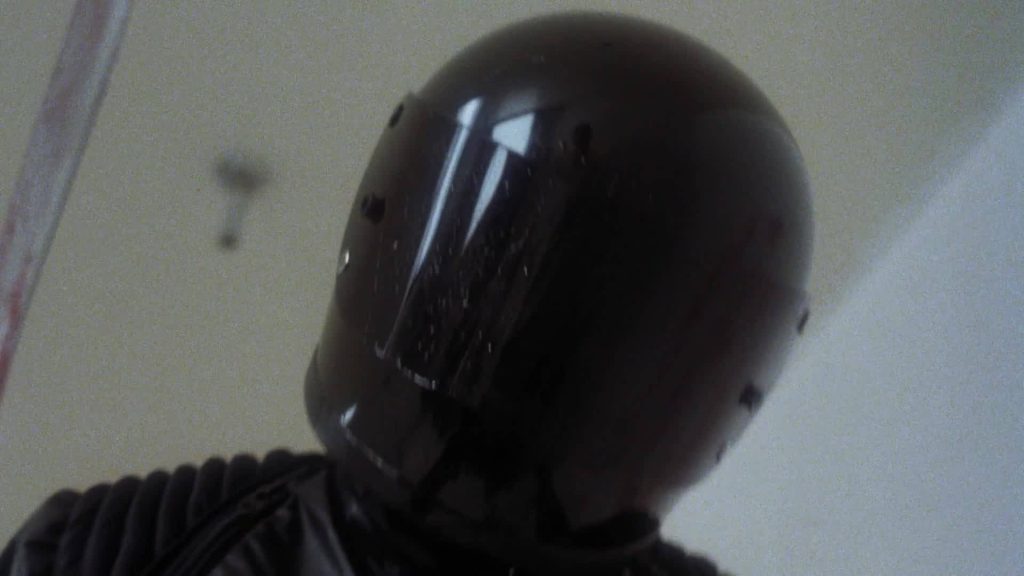
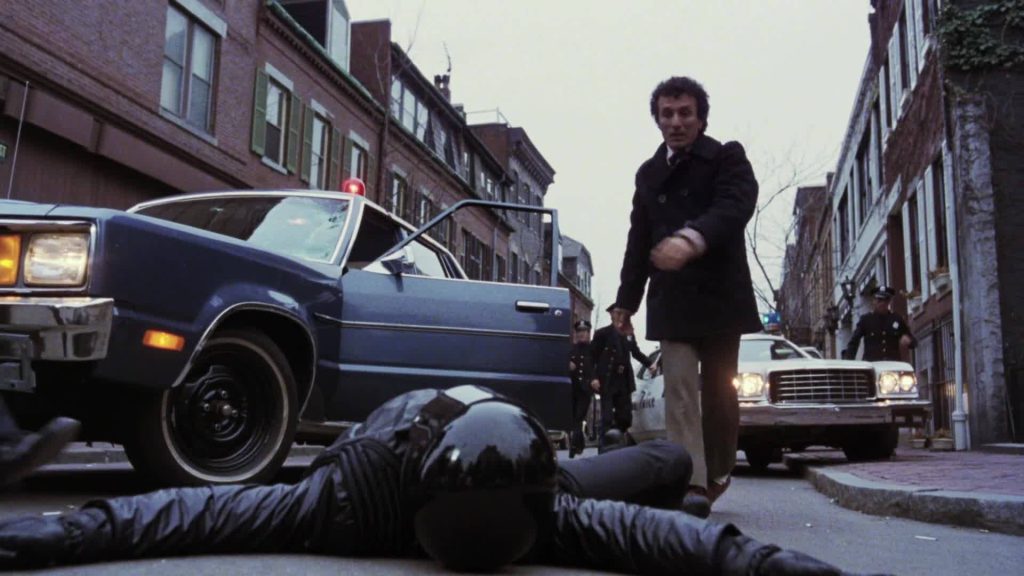
Night School is a 1981 slasher that arrives with several things going for it. There’s the spectacular Rachel Ward making her feature-film debut, a Boston setting that gives the film a distinctive atmosphere, some surprisingly decent murders and a solid amount of sleazy early-’80s exploitation appeal. Leonard Mann plays Lieutenant Judd Austin, a shrewd Boston cop investigating a series of brutal decapitations involving attractive young women attending a night school for adults. The killer, dressed in black leather and wearing a motorcycle helmet (similar to Nightmare Beach and several others of the period,) stalks the city with a distinctive curved kukri.
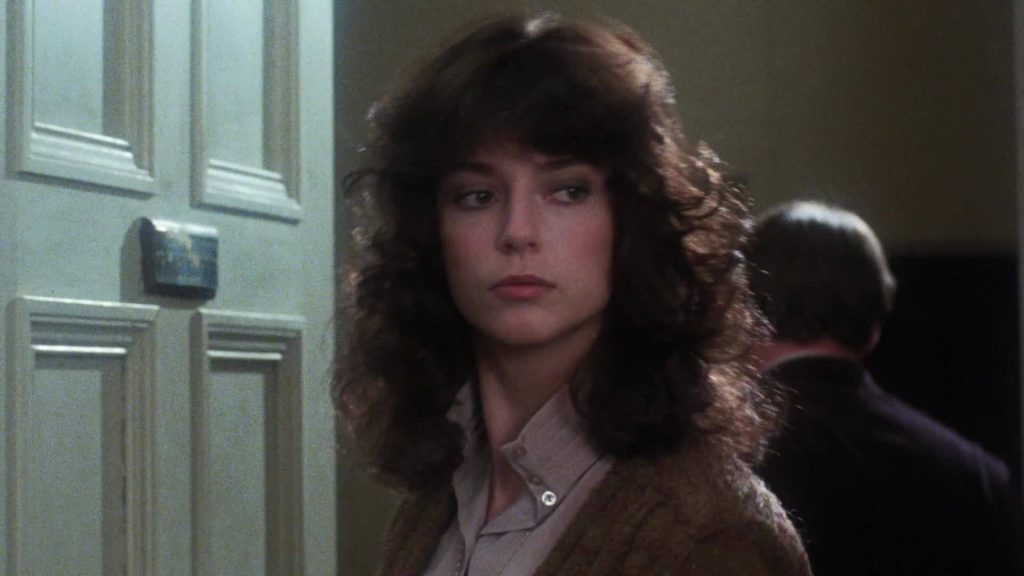

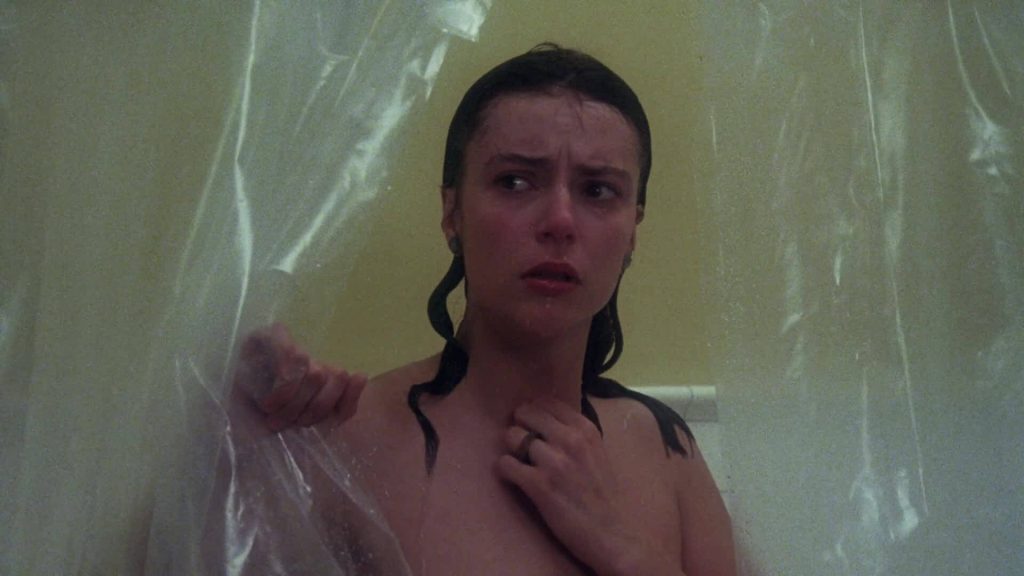
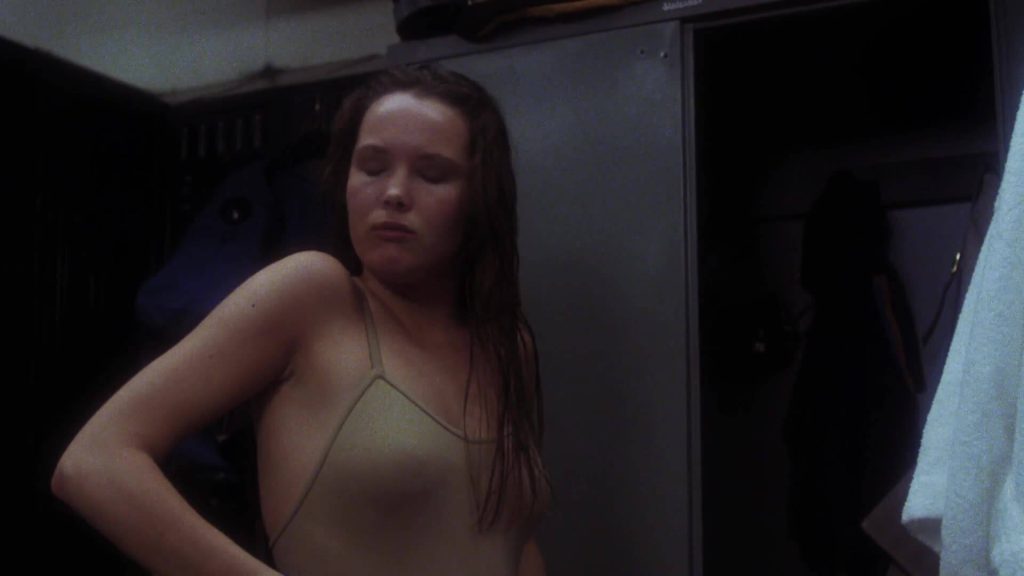
It’s difficult to escape the feel that Night School is built around putting Rachel Ward in front of the camera. Ward was a successful fashion model at the time and this was her first feature film. The camera certainly seems very happy to have discovered her and the more skin we see, the more bums on seats in the theatre. She brings a certain presence to the film, although she was still very much finding her feet as an actress. It’s an interesting debut when viewed in hindsight, particularly given the much more substantial career that followed.

The film was written by Ruth Avergon, who was also one of its producers. The basic idea reportedly came from an article Avergon had read about the headhunting practices of tribes in Papua New Guinea, and lends itself quite well to the film’s murder plot. There’s an amusingly odd mixture of anthropology, sexual jealousy and slasher mechanics running through the story maxing things up a bit.

Ken Hughes was brought in to direct the film at the last minute. Hughes was hardly an obvious choice for a low-budget slasher, having already directed films like The Smallest Show on Earth, Chitty Chitty Bang Bang and some of Casino Royale (1967). Indeed, Night School would prove to be his final feature film. Hughes reportedly rewrote parts of Avergon’s screenplay, adding more humour and character development, which perhaps explains why the film occasionally feels like it is trying to be a police thriller as much as a genre-pleasing slasher flick.
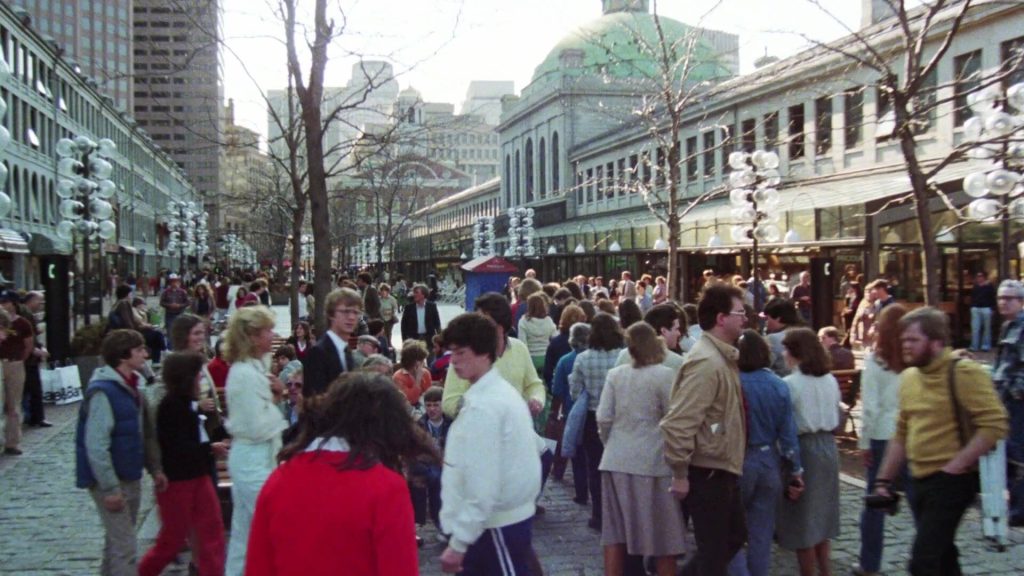
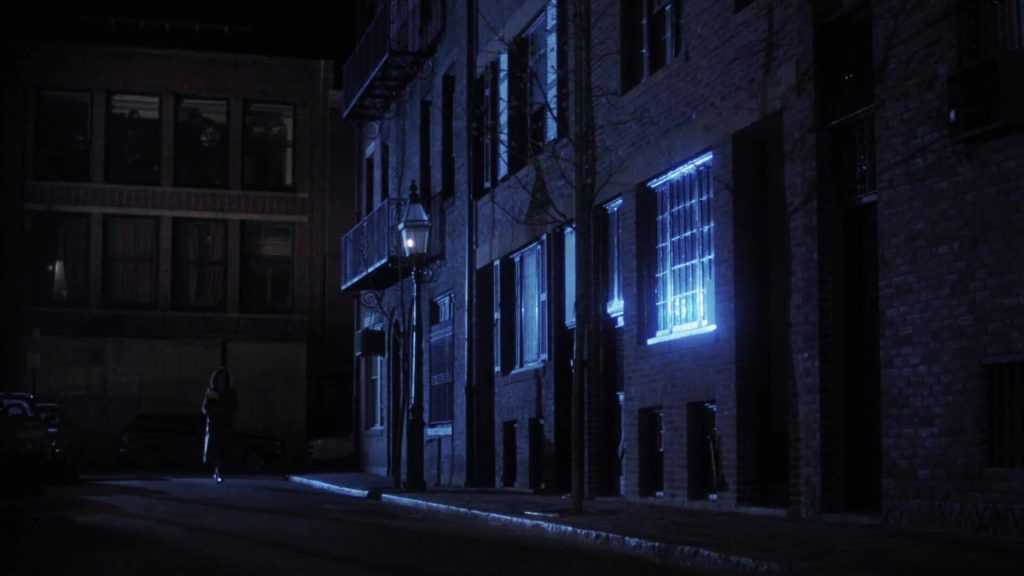
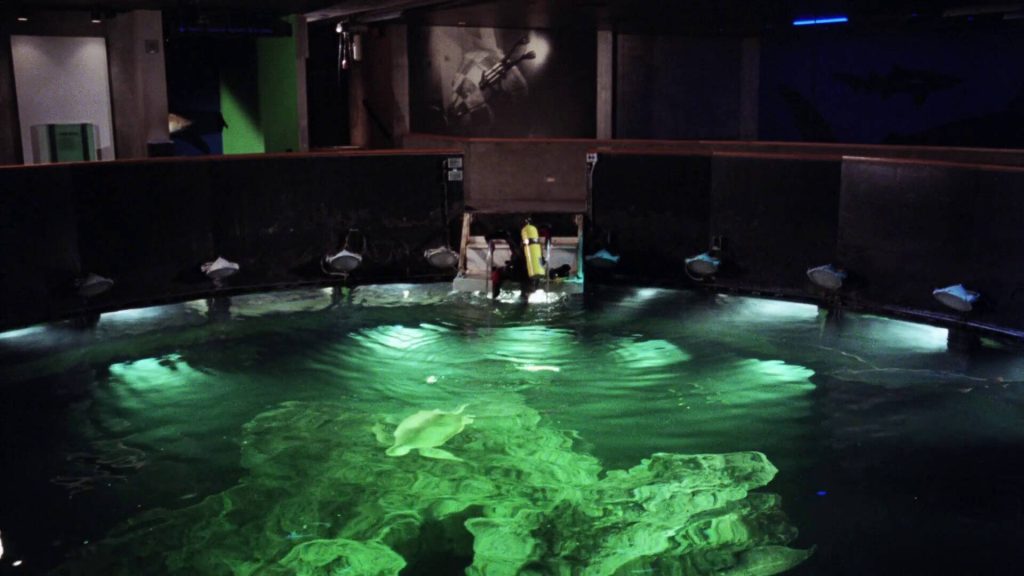
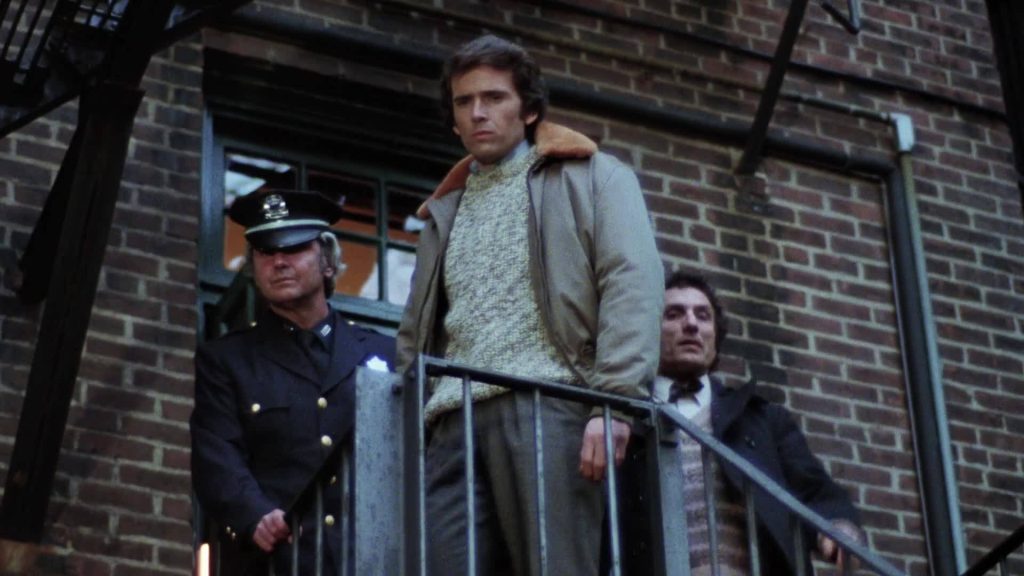
The production itself is one of the film’s strongest assets. Night School was shot on location around Boston in 1980 on a relatively modest budget of around $1.2 million. Locations included Beacon Hill, Back Bay, Boston Common, Quincy Market and the New England Aquarium. This gives the film a sense of place that many low-budget slashers simply didn’t possess at the time. Night School makes Boston part of its identity. The red brick streets, night-time photography and recognisable locations give it a fresh colonial quality that works particularly well during the stalking sequences.
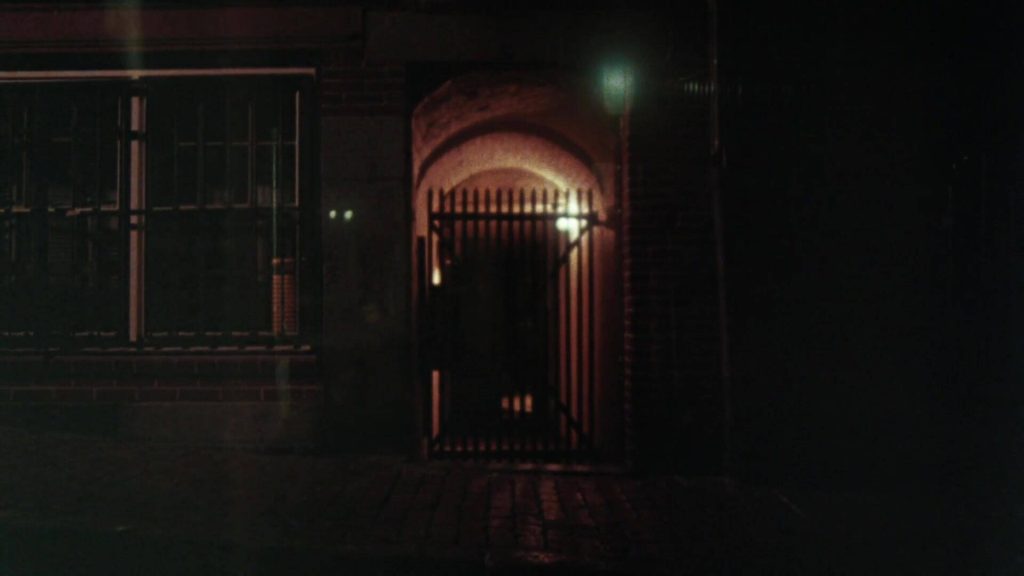
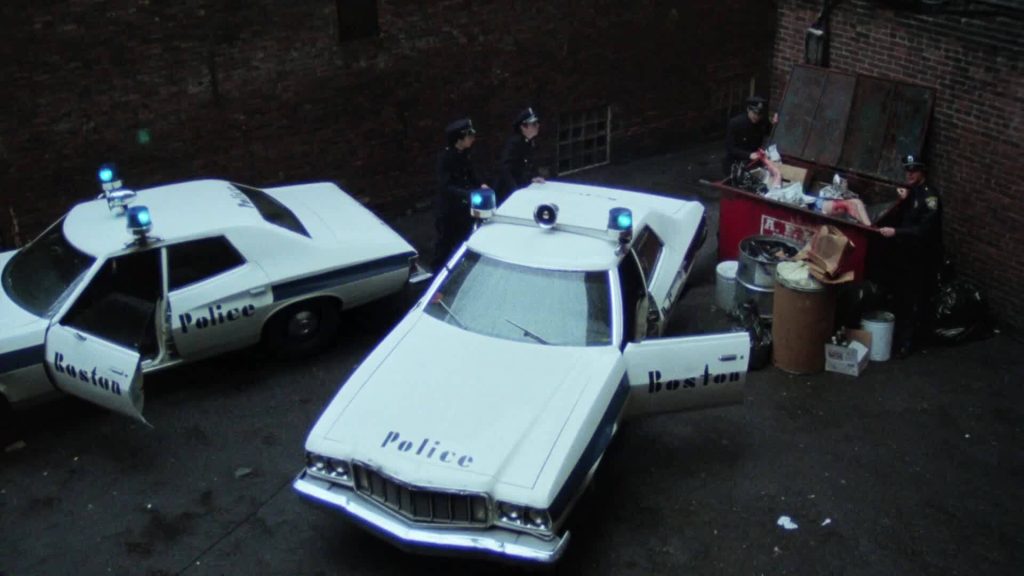
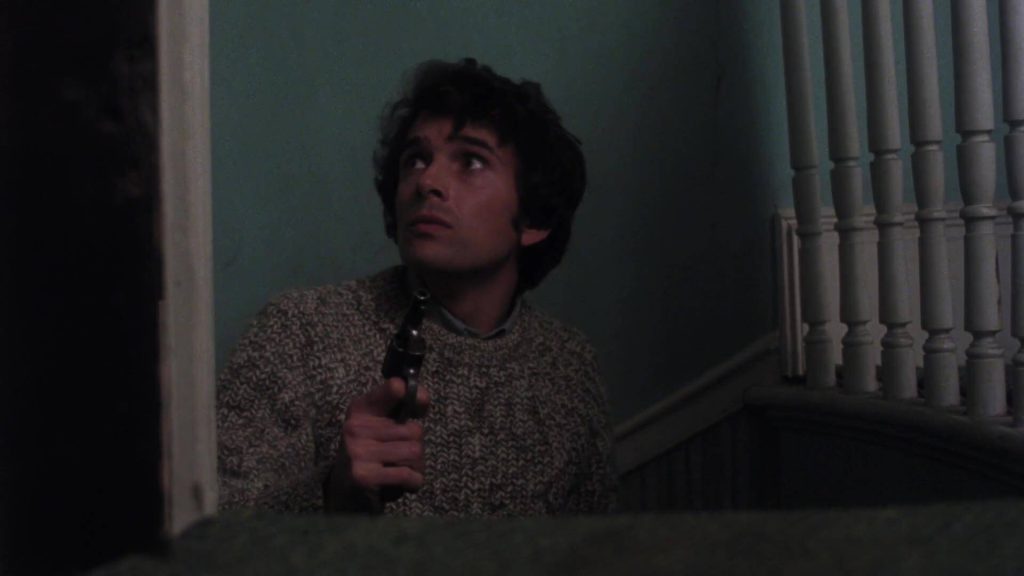
The cinematography comes from Mark Irwin, who would go on to become a regular collaborator with David Cronenberg, shooting films including Videodrome and The Fly. There’s a pleasingly dark and atmospheric quality to the photography here, even if the film doesn’t always take full advantage of it. Brad Fiedel provides a suitably interesting score, several years before he would become much better known for his electronic work on The Terminator and Fright Night.
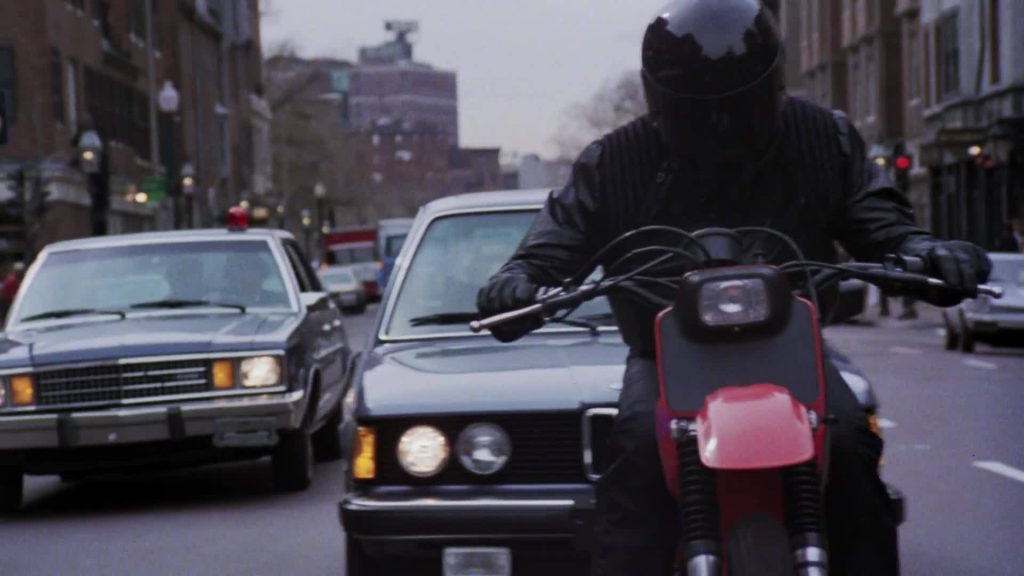
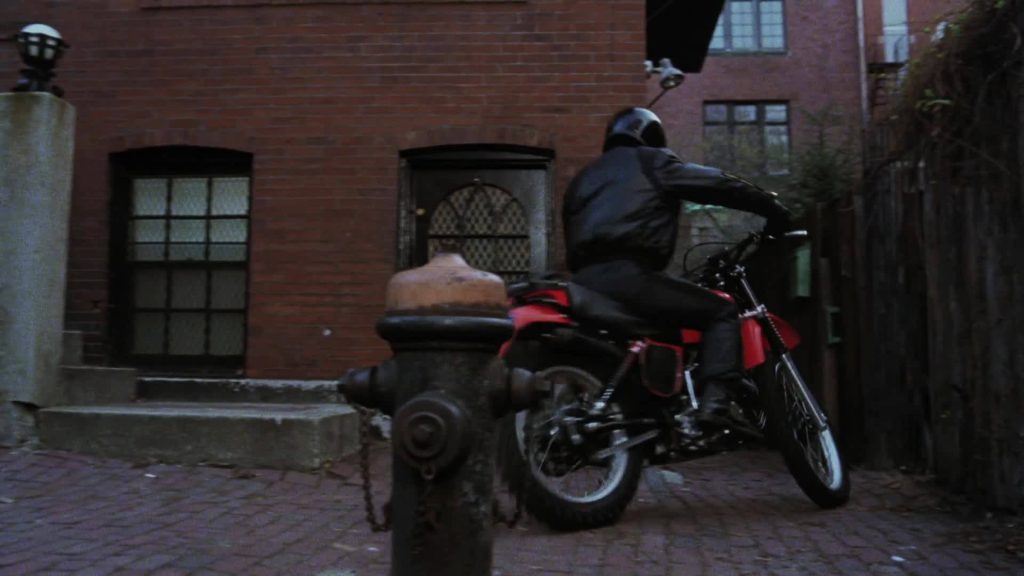
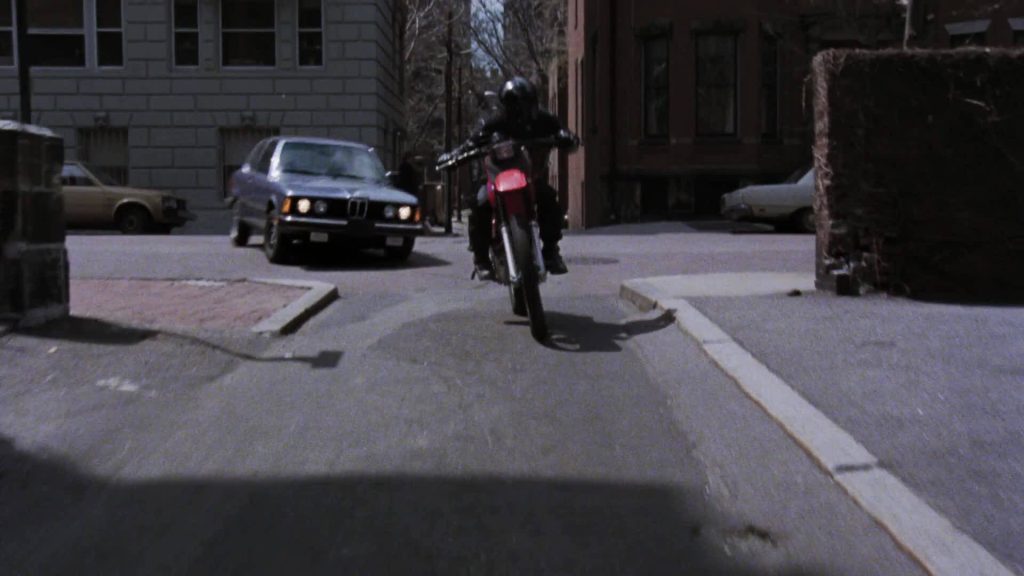
One of the film’s highlights is the car and motorcycle chase through the streets of Boston. It’s a surprisingly substantial action sequence for what is essentially a low-budget slasher, and it gives the film a much needed injection of energy, even if it feels a little unnecessary for a slasher. It is probably the point where Night School comes closest to becoming a full-blown police thriller.
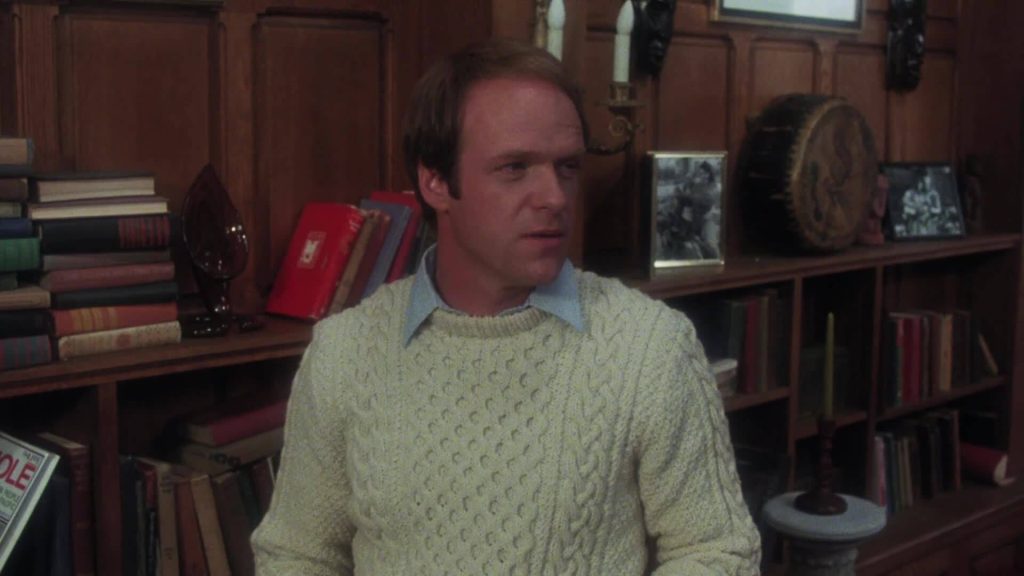
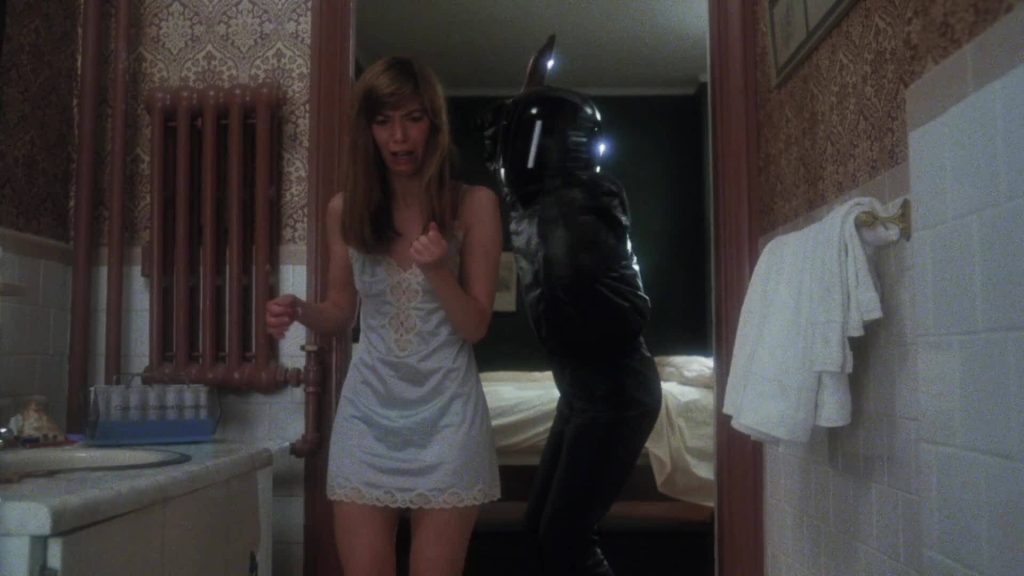
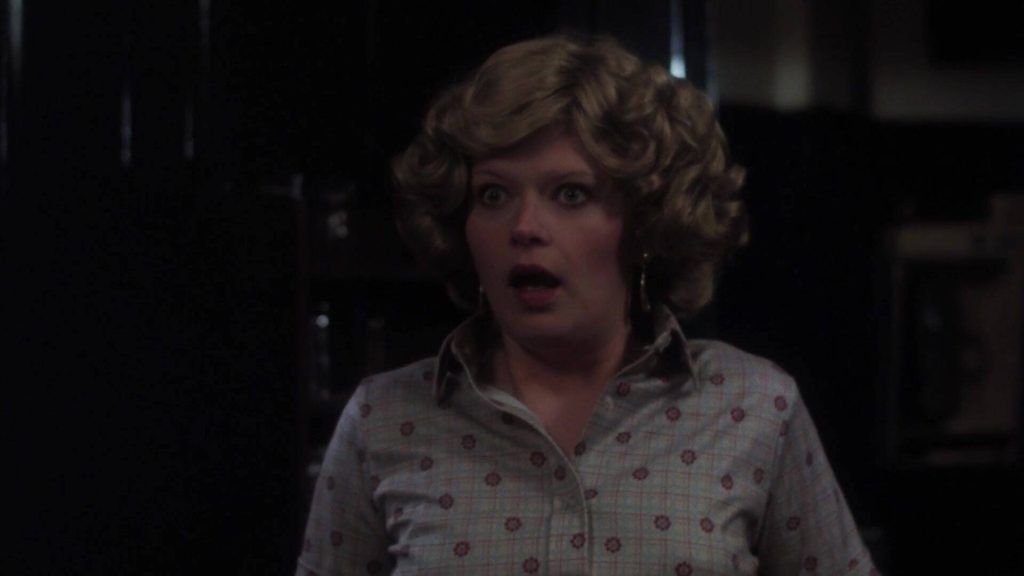
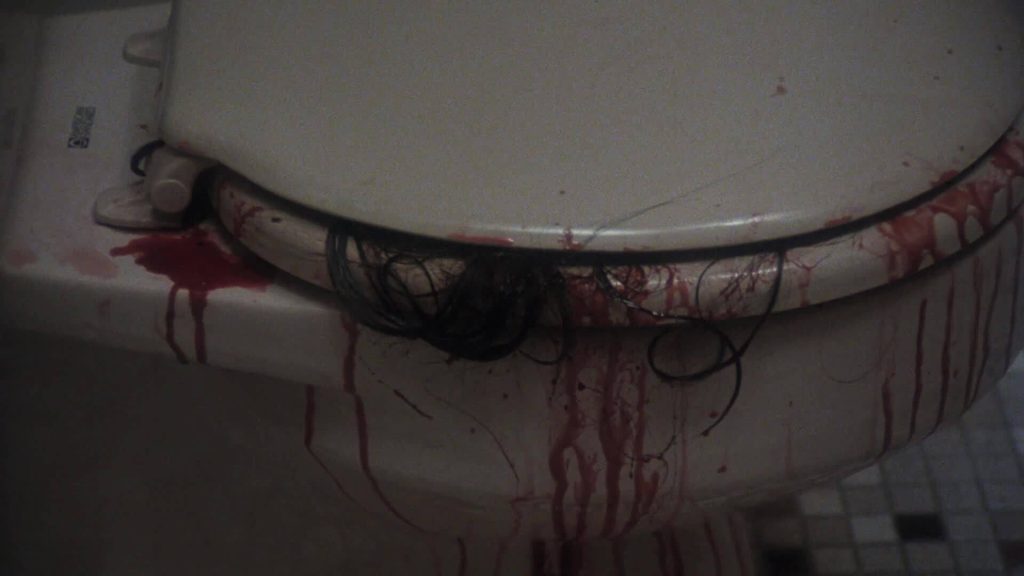
The murders themselves are effective, although the film isn’t nearly as gory as its reputation might suggest. There’s certainly some nudity, a fair amount of sleaze and a handful of memorable deaths, including some particularly inventive uses of severed heads. The diner sequence is probably the one that sticks in the mind, and there’s enough tension to satisfy anyone coming to this expecting an early-’80s slasher.
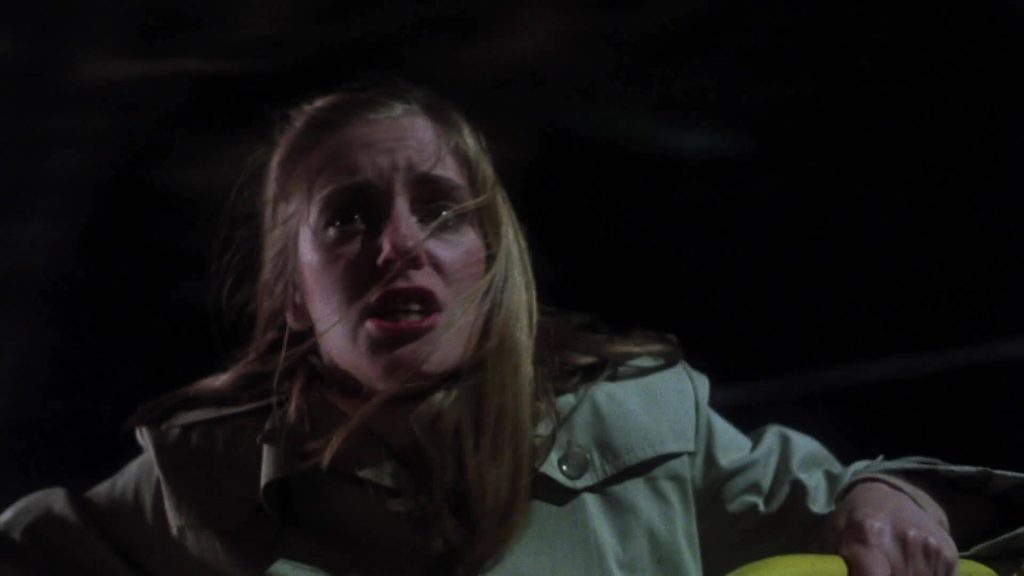
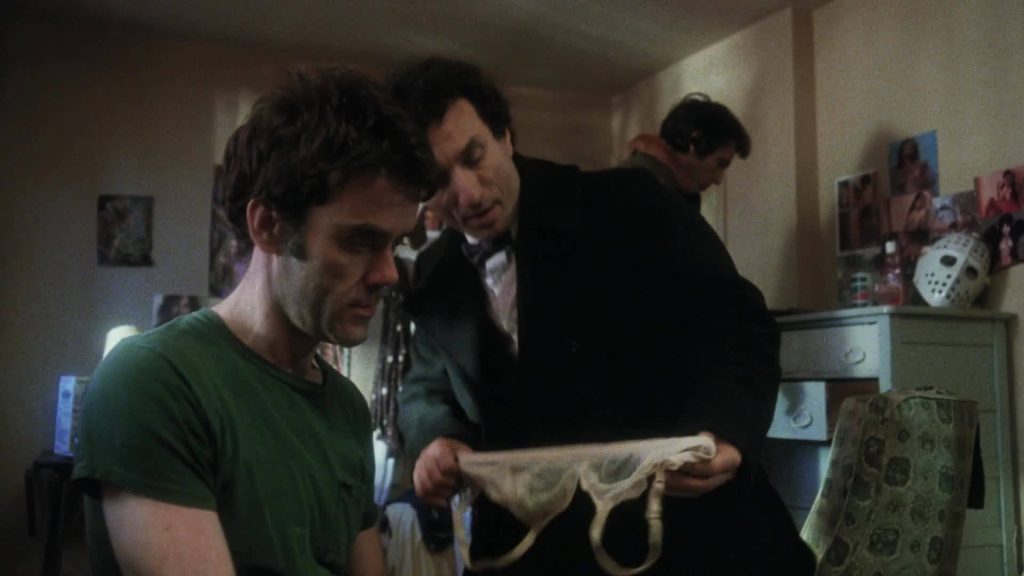

The problem is that so much of Night School feels familiar. The film mainly consists of two types of scenes: Mann’s Lieutenant Austin investigating the murders and questioning suspects, or one of the young women being stalked by the mysterious motorcycle killer. Neither side is particularly bad, but there isn’t a huge amount of variation between them. The investigation occasionally feels like it is idling until the next murder, while the stalking sequences often follow the familiar formula of victim alone, strange noise, suspicious figure, chase, eventual attack and a squirt of blood.
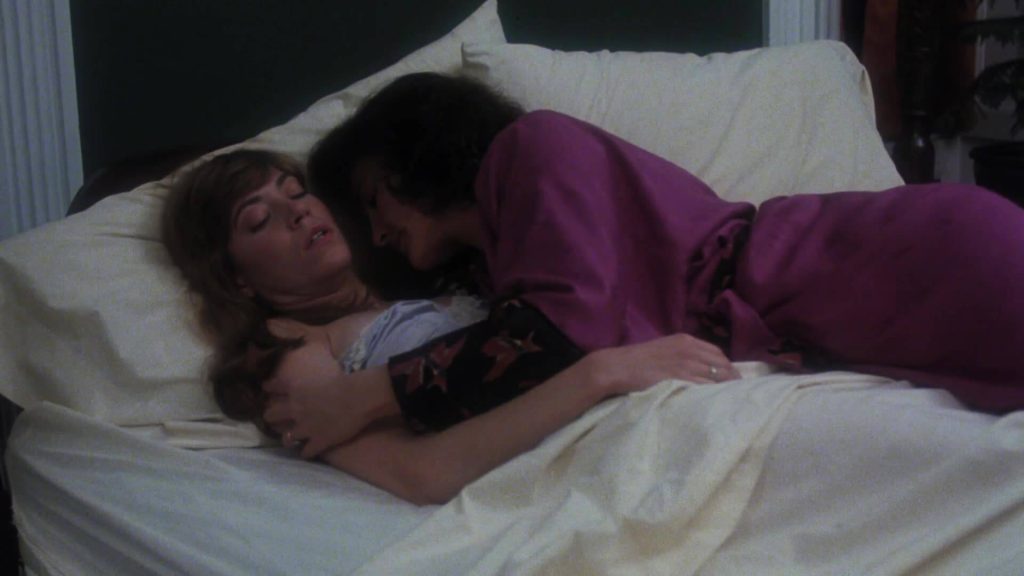
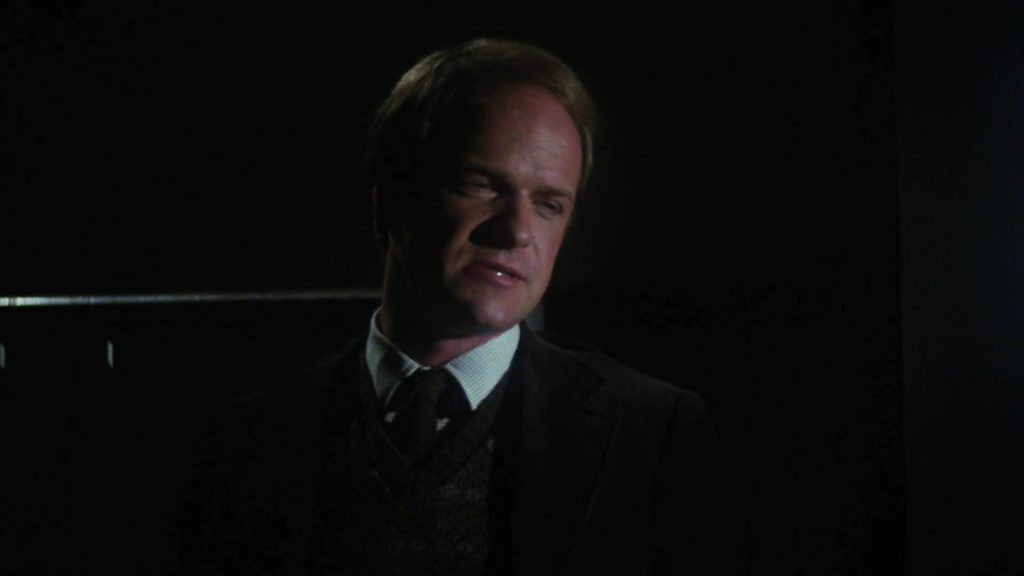
And then there are the twists. Night School does have an interesting idea at its centre, and the eventual explanation for the murders is considerably more unusual than the standard slasher motivation. Unfortunately, the film indicates its suspicions so heavily that you can see most of what is coming a Boston Mile away. The final revelation therefore has less impact than it should be. There is also a slightly strange final sting that feels more like an attempt to tack on one last joke than a genuinely satisfying conclusion.
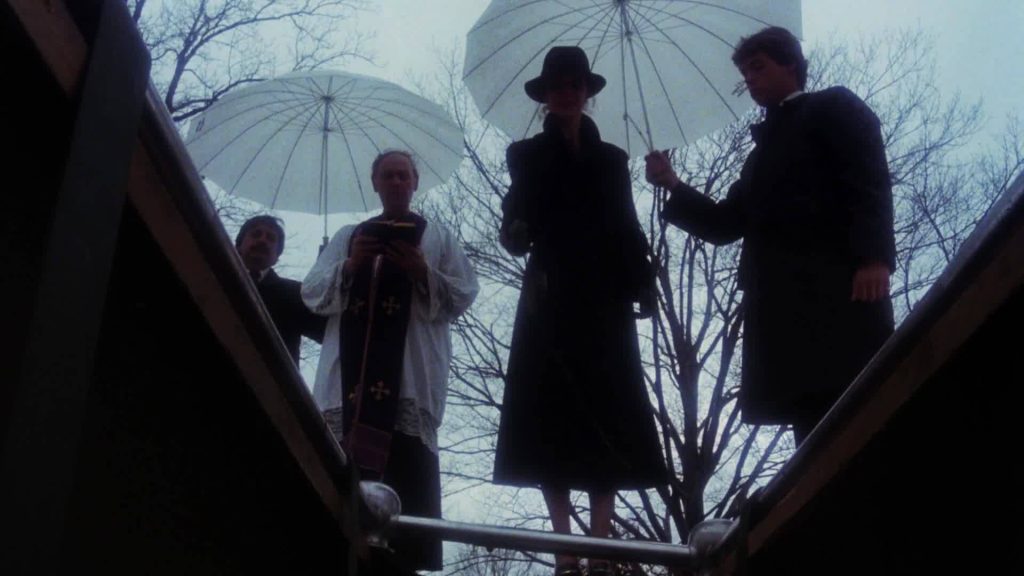
That is probably my biggest problem with Night School. There are several good ideas here, but the film rarely manages to turn them into something genuinely worthwhile. It sits somewhere between a slasher, a police procedural and a slightly sleazy giallo, and occasionally you can see the better film hiding underneath.
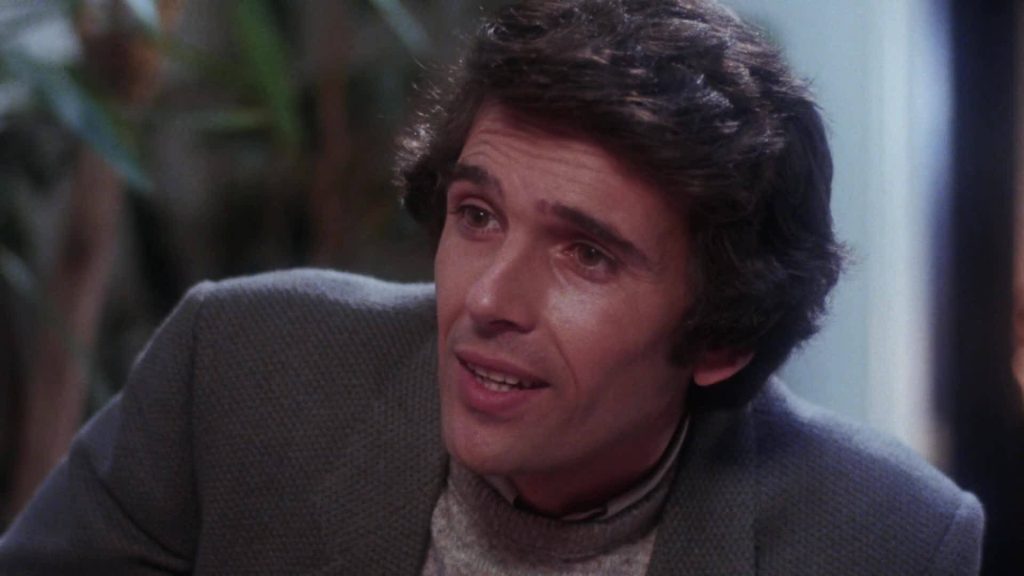
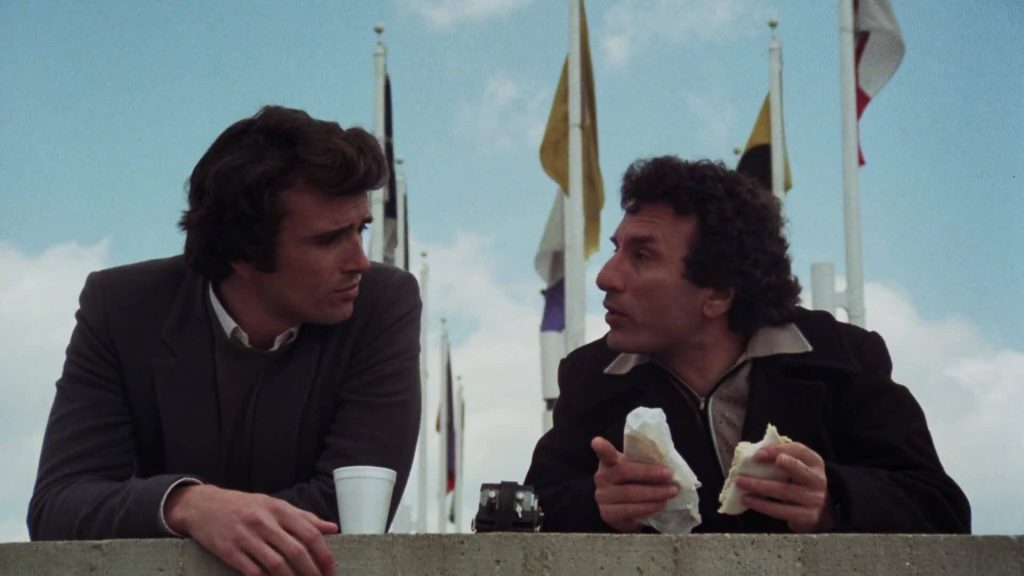
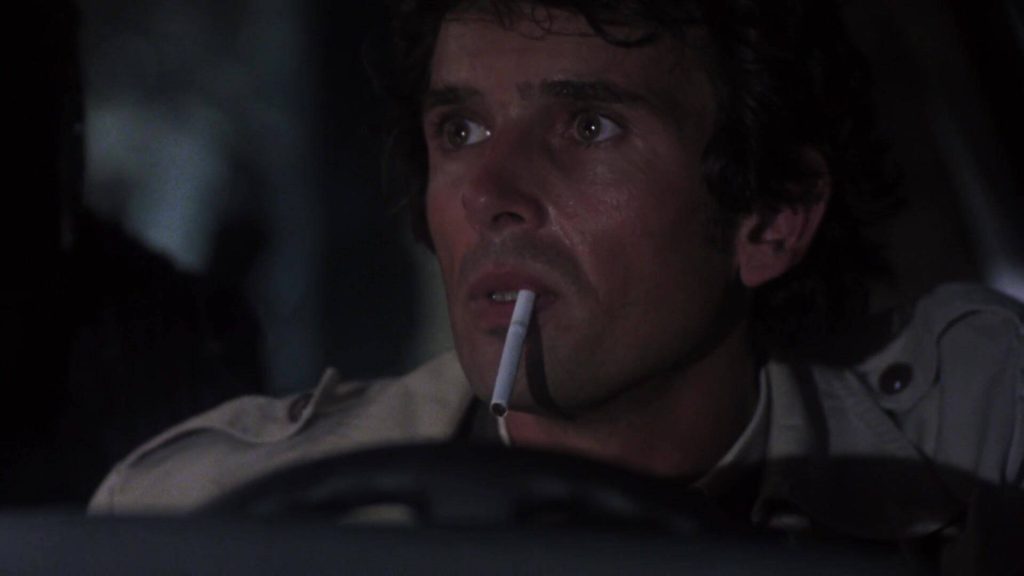
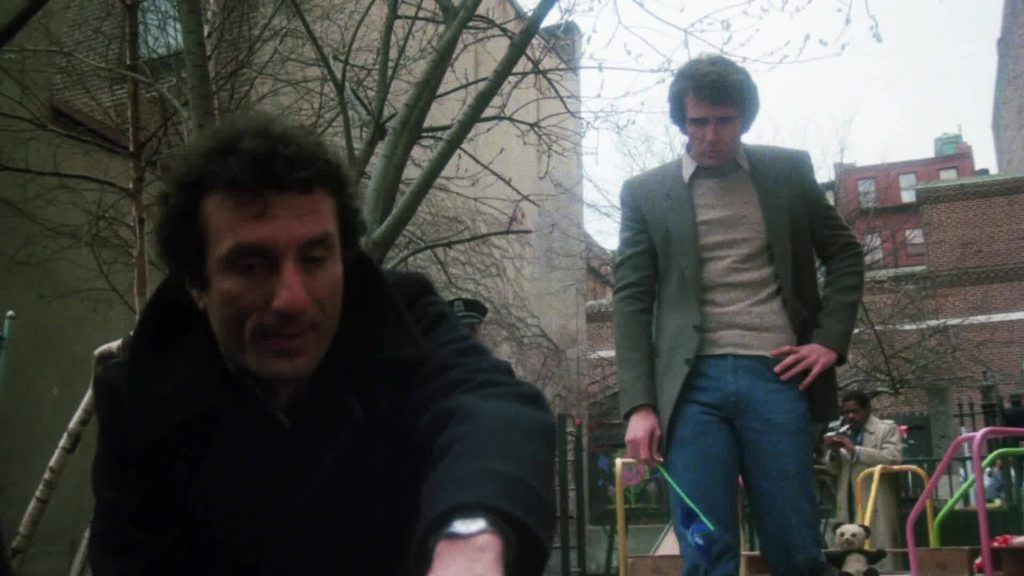
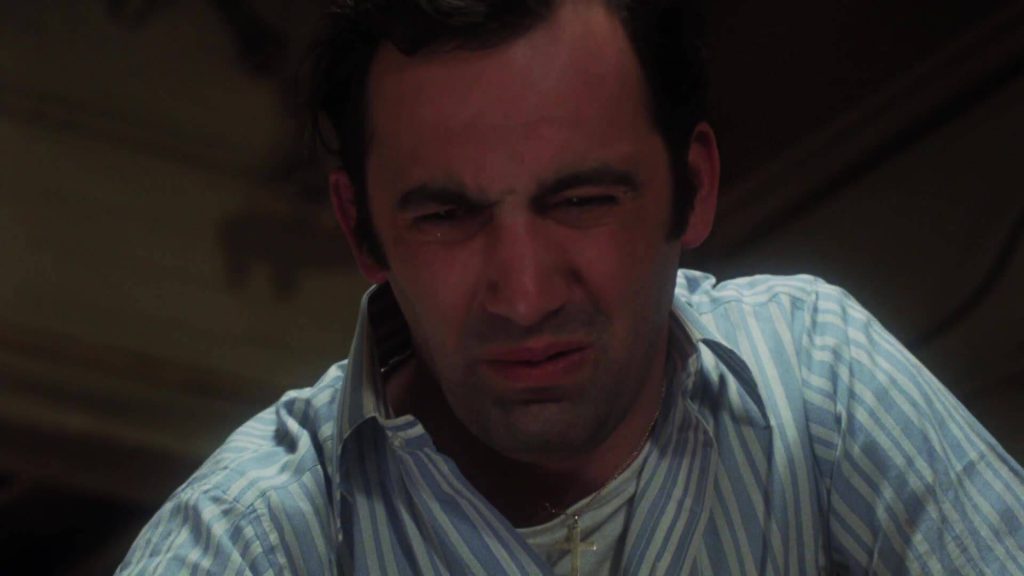
It is also interesting that Leonard Mann was already an experienced actor in Italian genre cinema and this was actually his American film debut. His presence gives the film a little more weight than you might expect, and his relationship with his partner Taj provides some welcome humour. The cop characters are arguably more interesting than some of the potential victims, which isn’t necessarily a criticism given how thinly drawn some of the supporting characters are.
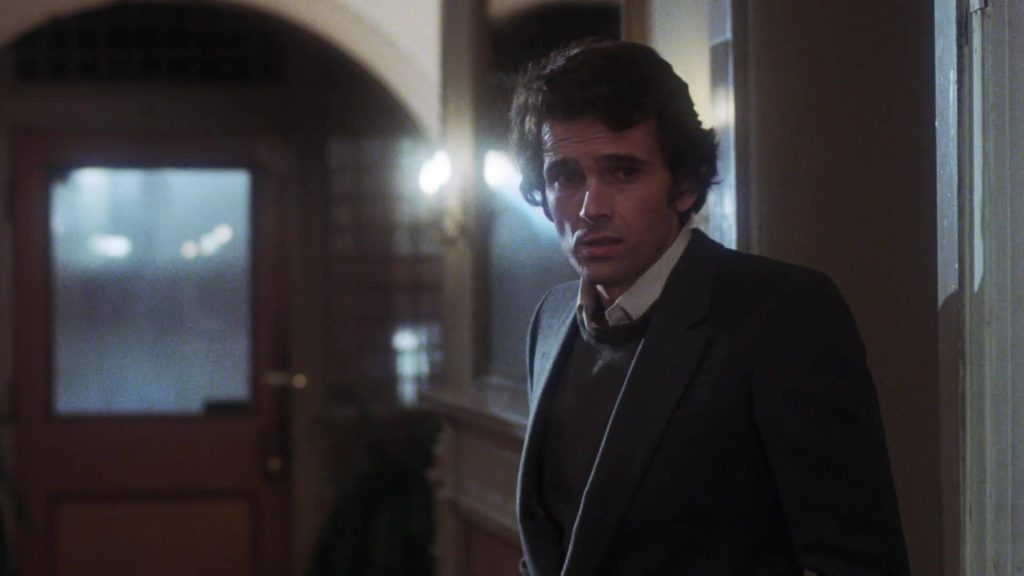
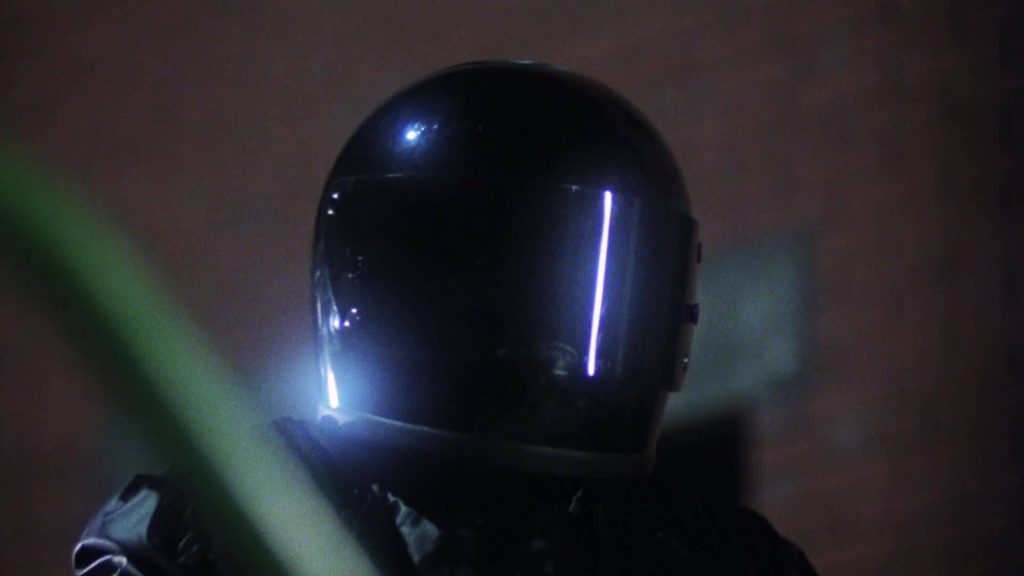

For all my reservations, I can understand why Night School has developed something of a cult following. It has atmosphere, location shooting, some good kills, Rachel Ward making her debut, a memorable killer and that excellent motorcycle chase. It also has a grubby charm that comes from a particular period when filmmakers were throwing together increasingly inventive combinations of horror, mystery, sex and action. It just isn’t a particularly great slasher and there are plenty of films from the golden age of the slasher boom that are more suspenseful, more inventive and considerably nastier.
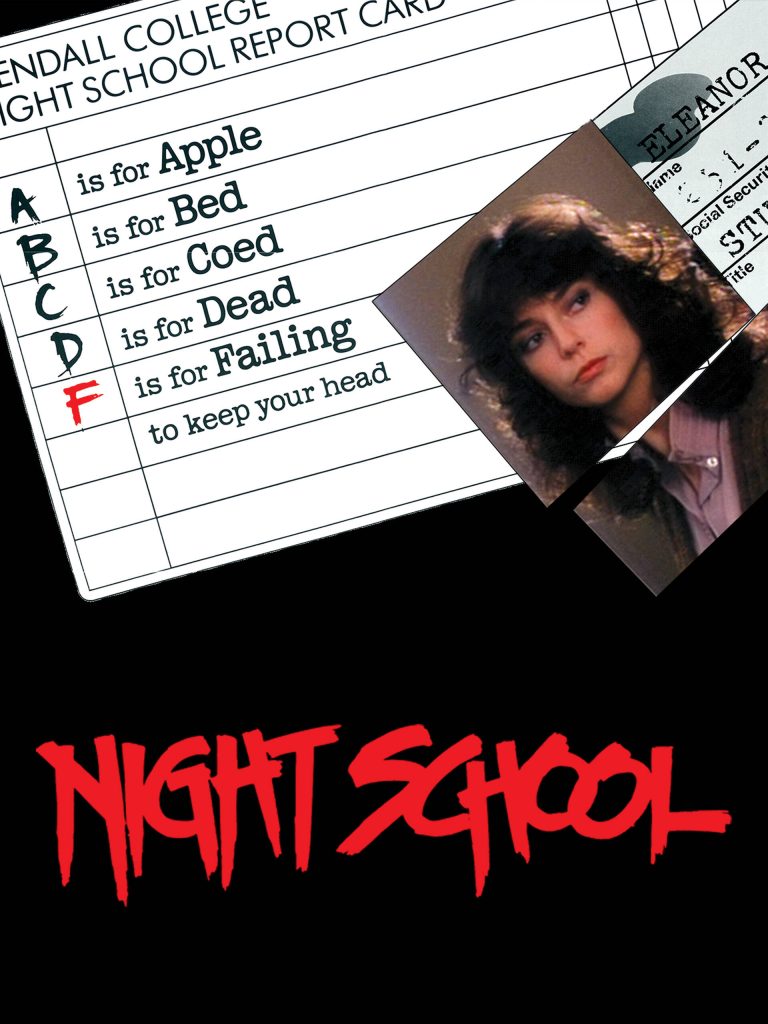
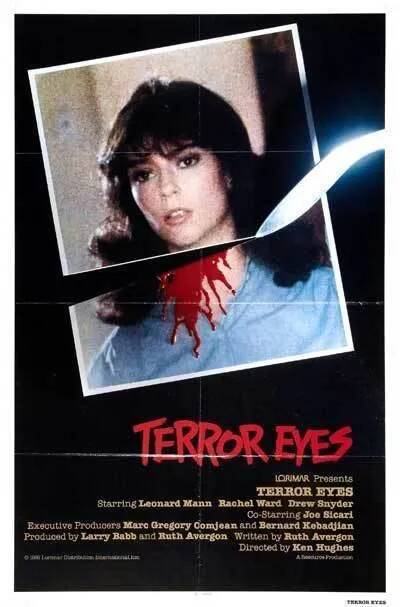
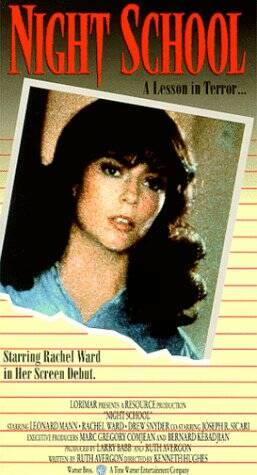
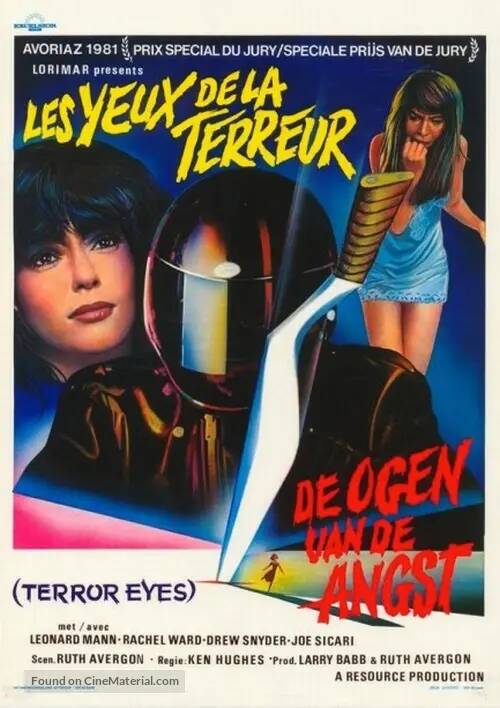
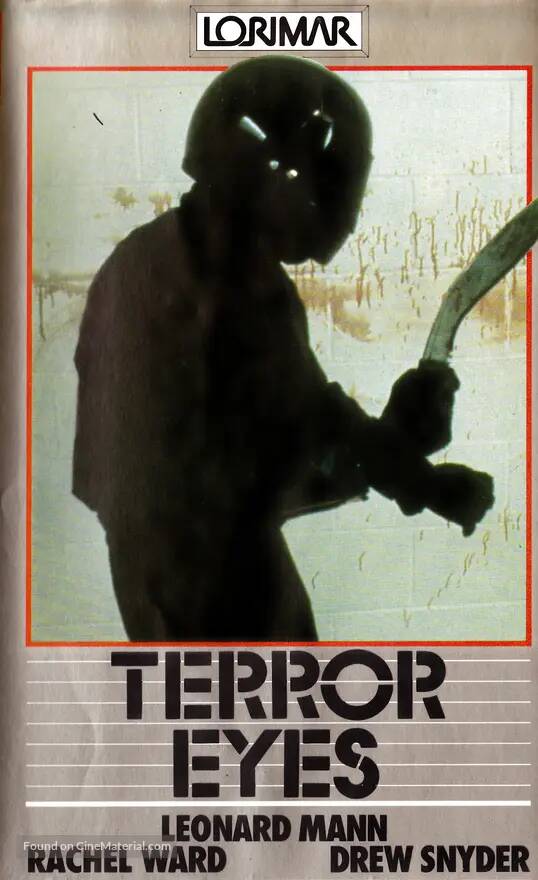
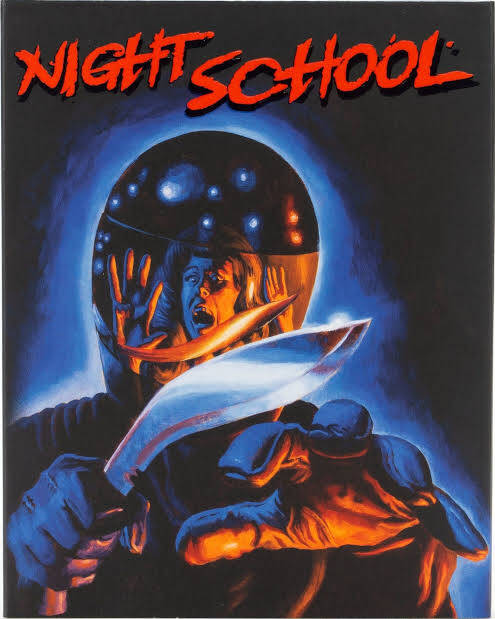
Night School has had an interesting history on physical media, particularly in the UK. The film was initially released as Terror Eyes, cut for its original cinema release and later becoming one of the infamous Video Nasties. An uncut pre-cert VHS circulated before the ban, while subsequent releases were cut, and it wasn’t until 2025 that the BBFC finally passed the film completely uncut with an 18 certificate.
That makes Vinegar Syndrome’s new 4K release particularly welcome. Newly scanned and restored in 4K from the original 35mm camera negative with Dolby Vision HDR, the release also includes a 1080p Blu-ray and an impressive selection of extras, including commentaries with associate producer Leon Williams, stuntman Jeffrey Leavitt, film historian Bryan Thomas Norton and cinematographer Mark Irwin, alongside interviews and a featurette.