The Ghost Galleon (1974)
By the time The Ghost Galleon (aka El Buque Maldito) arrived in 1974, director Amando de Ossorio had firmly established the Knights Templar of the Blind Dead as one of European horror’s most distinctive monsters. Although never an official series in the modern sense and entirely separate from George A. Romero’s zombie popular mythology, audiences had come to expect another eerie encounter with the slow shuffling undead Knights. This third outing attempts to freshen the formula by trading abandoned monasteries and rural villages for a haunted ship adrift in the Mediterranean, resulting in a film that boasts plenty of atmosphere but struggles to maintain the momentum of its predecessors.
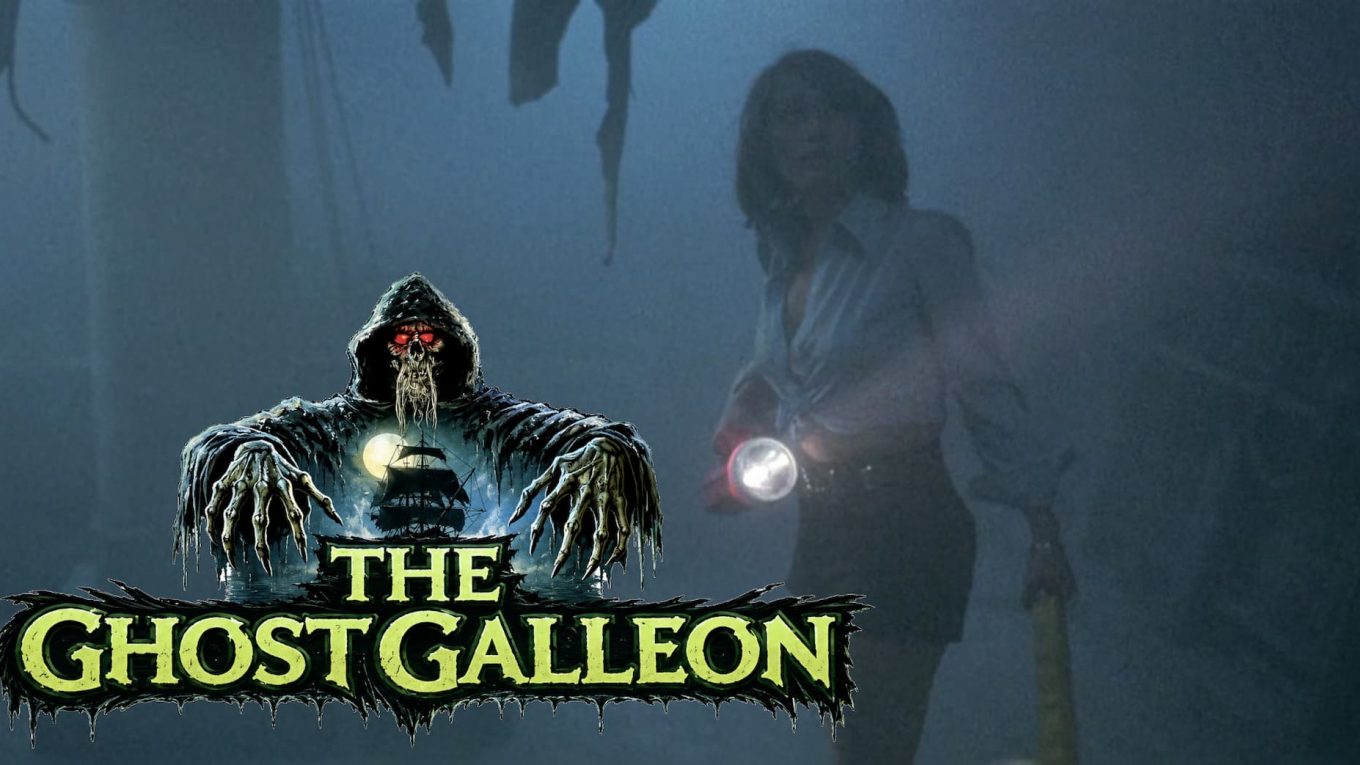
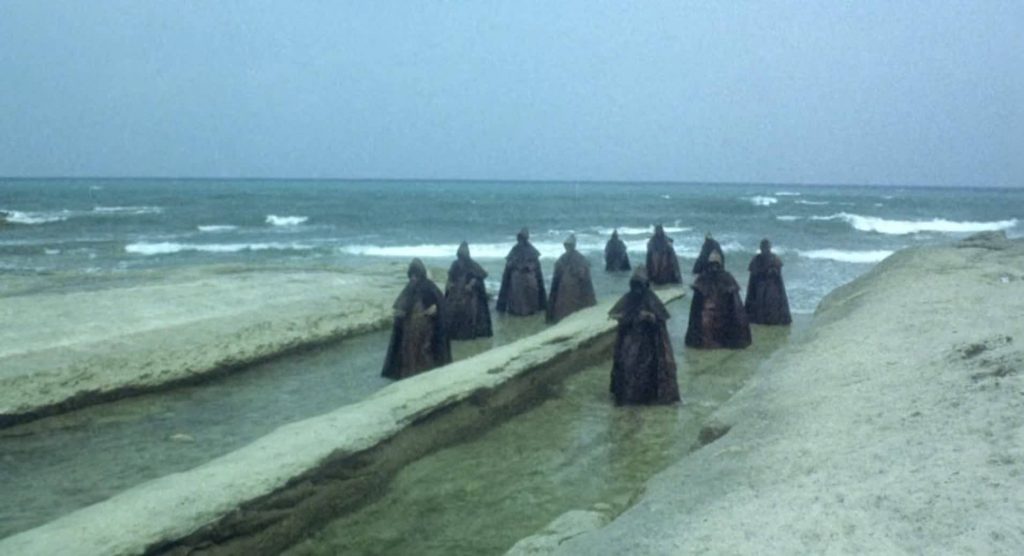
While it never reaches the unsettling heights of Tombs of the Blind Dead, The Ghost Galleon deserves credit for trying something different. The image of a centuries-old ghost ship emerging from thick sea fog is an inspired one, and de Ossorio wrings as much atmosphere from the concept as his modest budget allows. The decaying galleon itself is an evocative setting, filled with shadowy corridors, rotting wood and an overwhelming sense of isolation. Combined with the mist-covered coastline and endless stretches of dark water, the film often feels like a supernatural maritime nightmare.
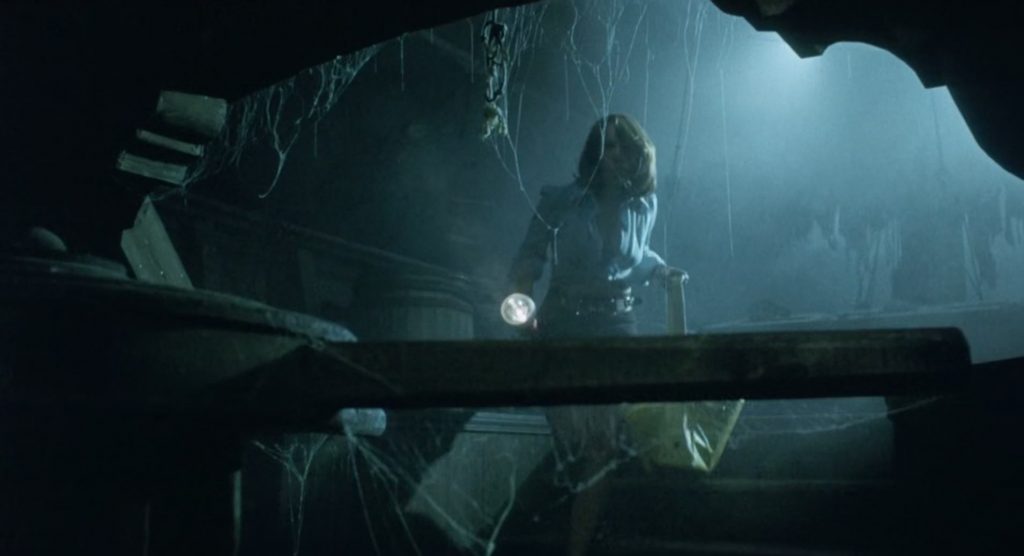
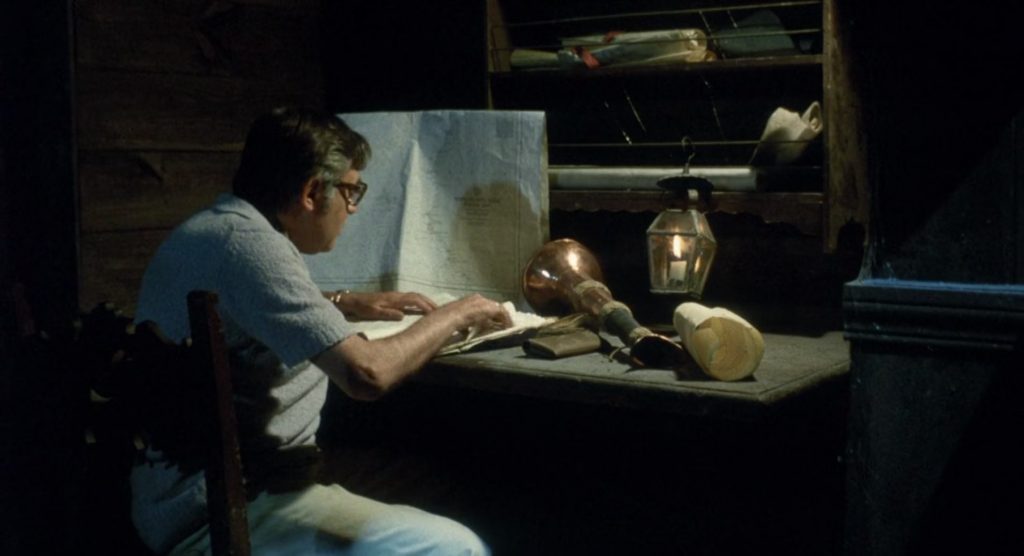
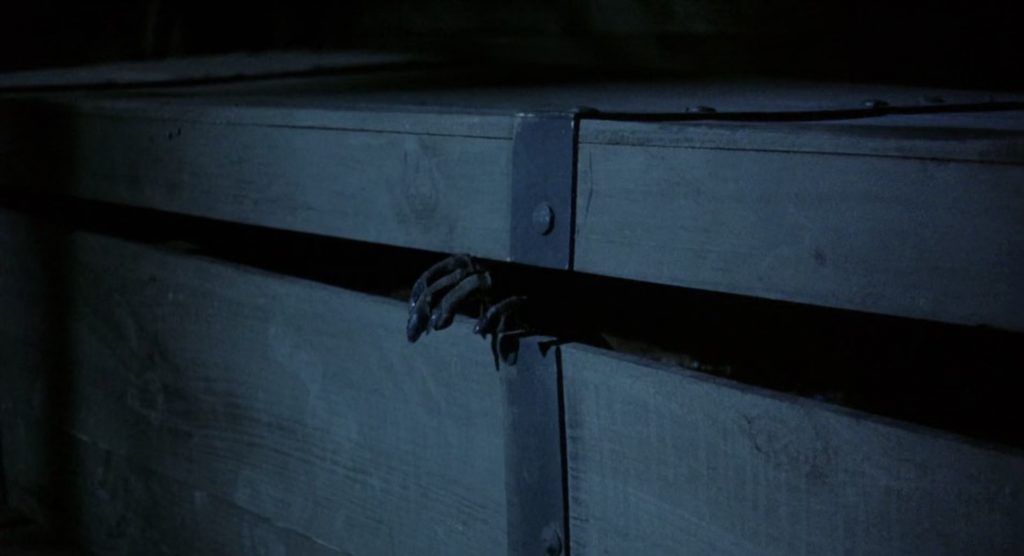
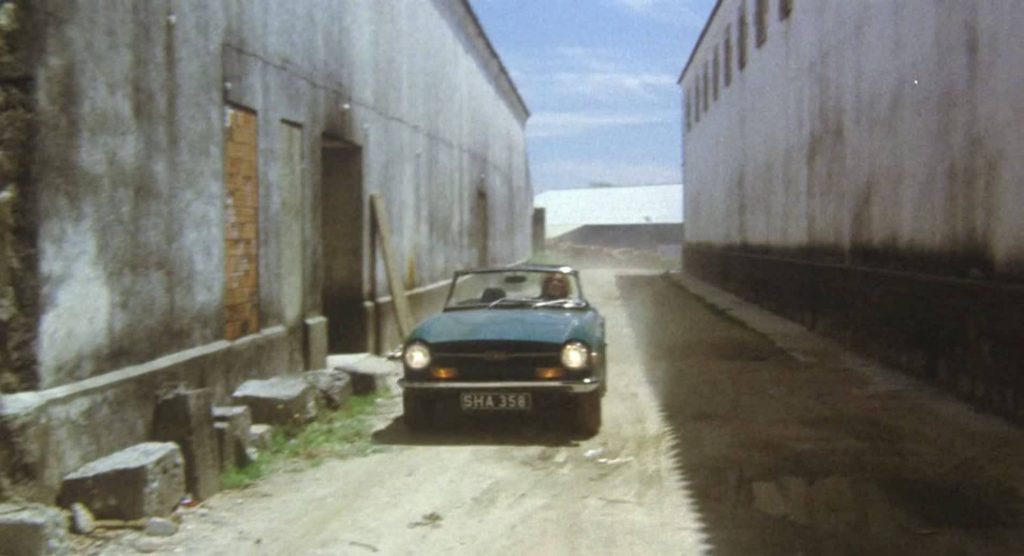
Atmosphere has always been the Blind Dead series’ greatest strength, and it remains the primary reason to watch this entry. Even when very little is happening, there’s an unnerving quality to the visuals that keeps you engaged. Following a fairly typical opening for a horror of the period in a Spanish coastal location this gives way to a gothic mood that frequently outshines the story unfolding within them.
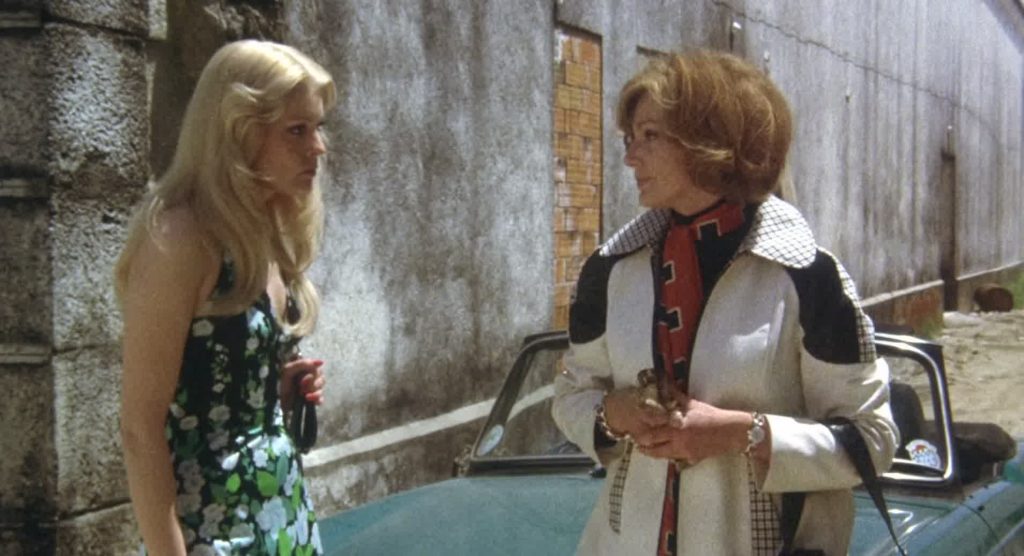
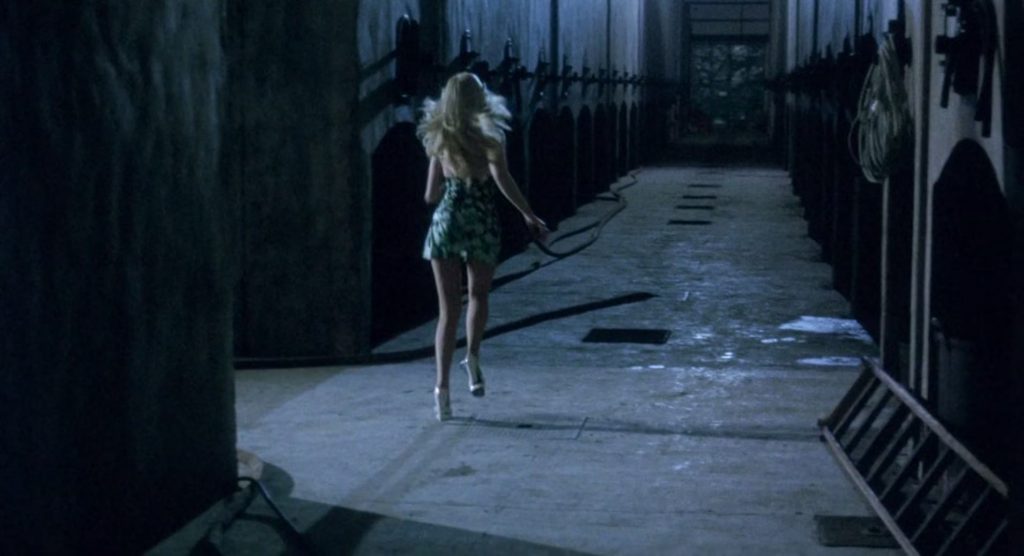
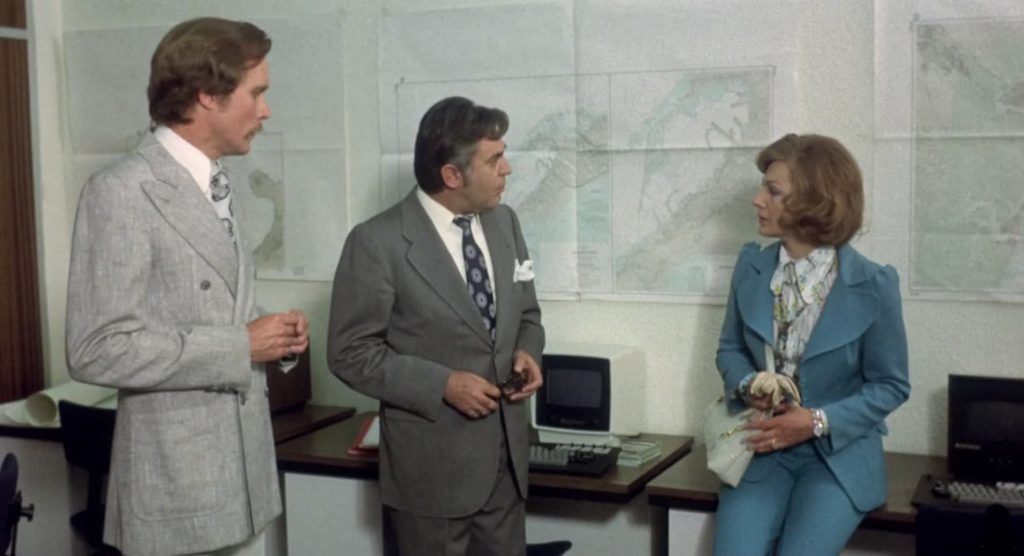
One curious production choice is the reuse of Antón García Abril’s musical score from the original film, often mixed surprisingly low. At times the subdued soundtrack enhances the eerie silence surrounding the ghost ship, while at others it feels oddly restrained, preventing scenes from reaching their full dramatic impact.
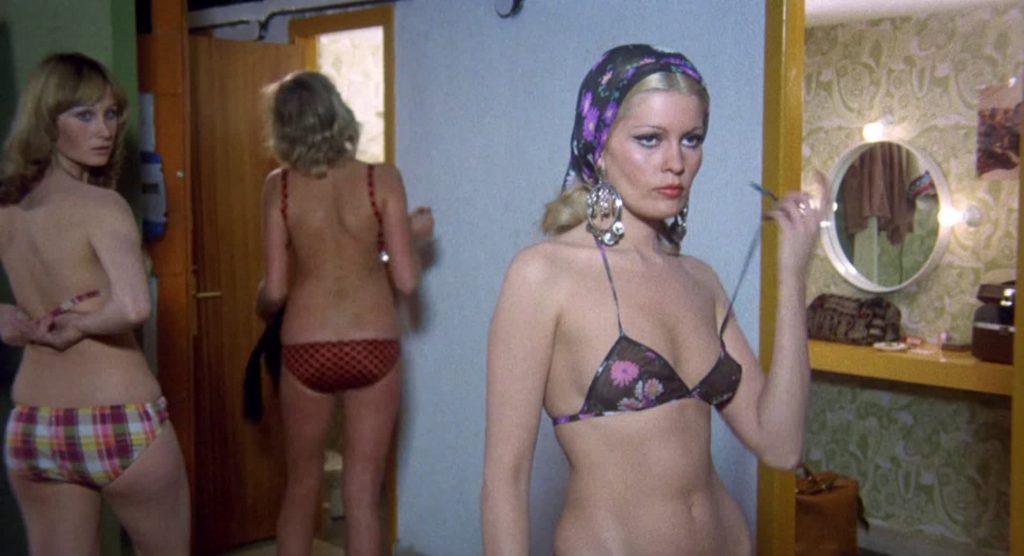
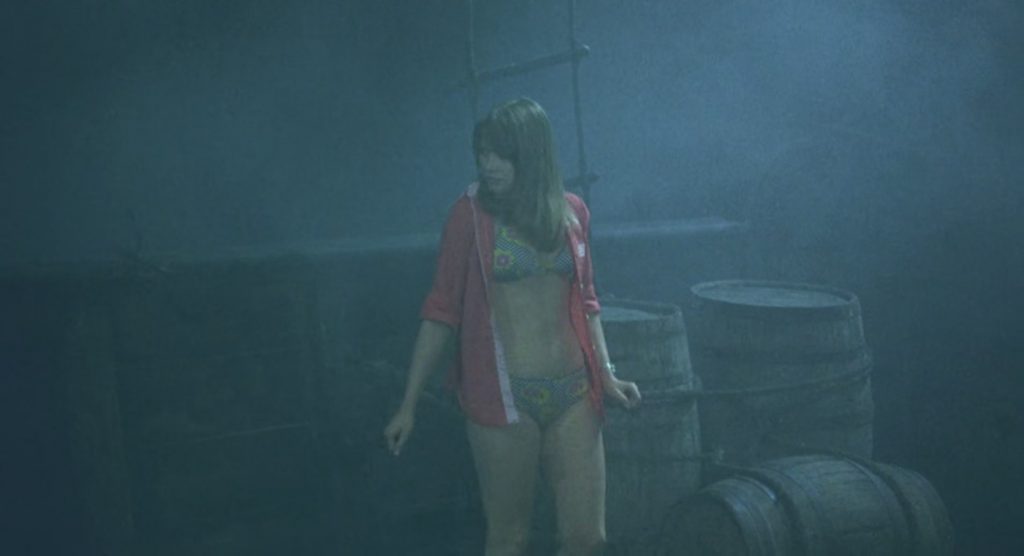
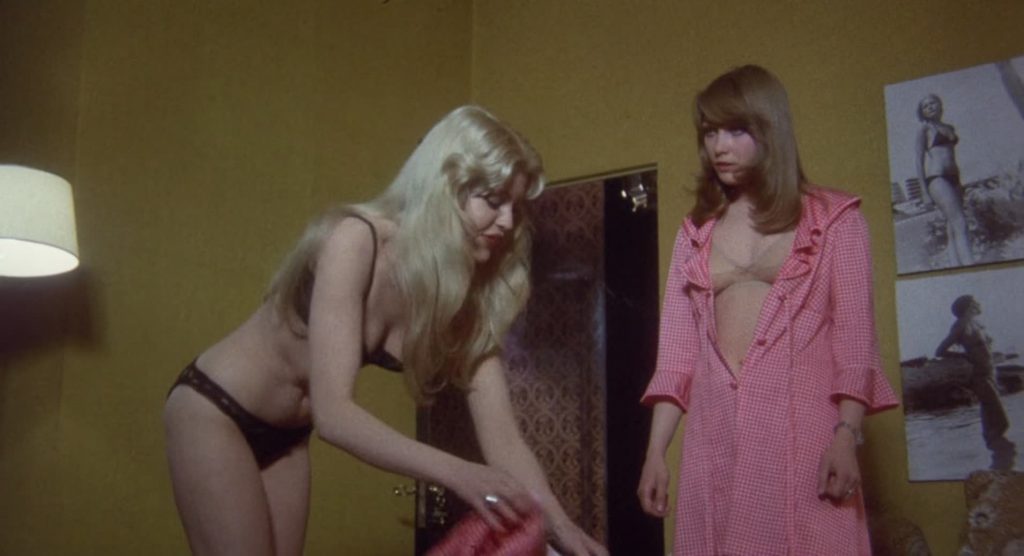
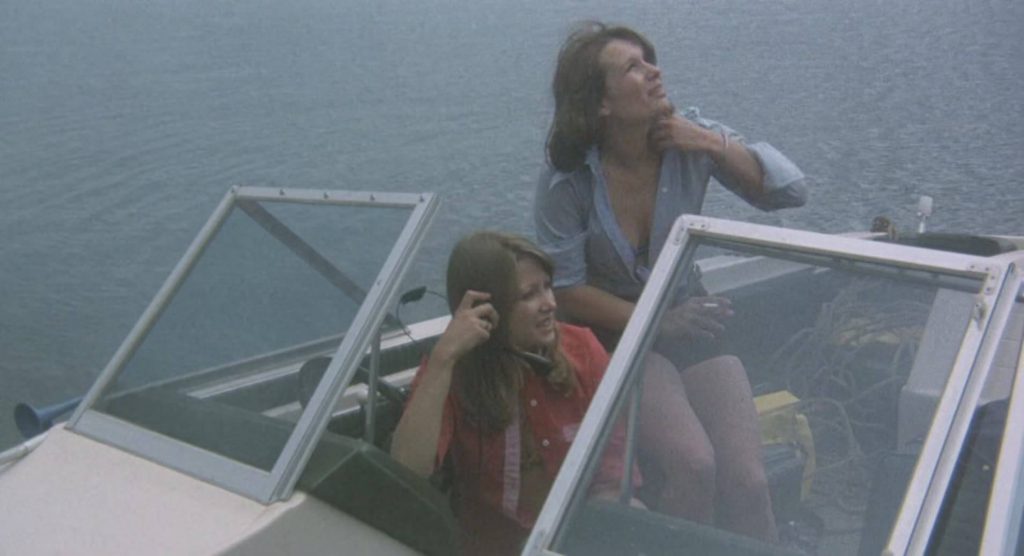
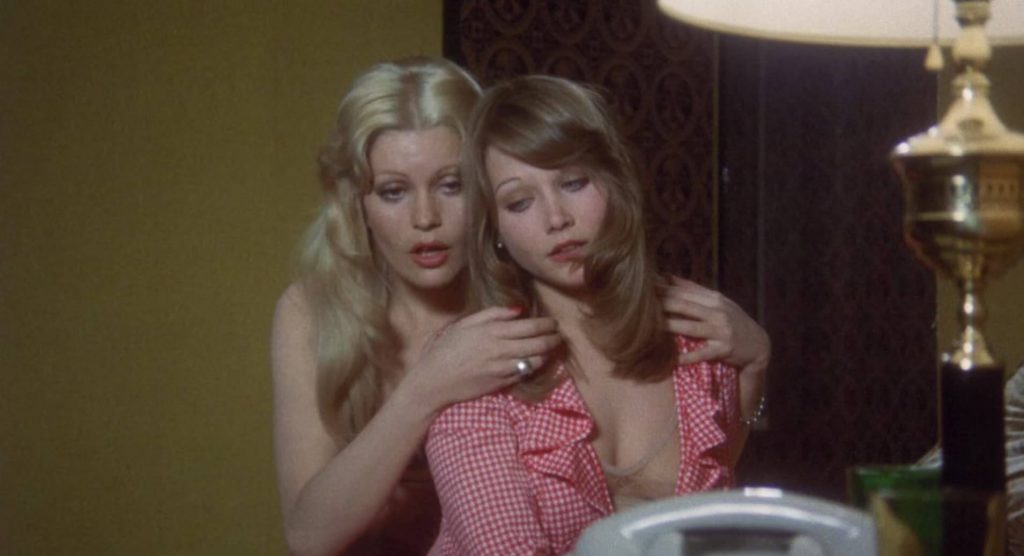
Like many European horror productions of the early 1970s, The Ghost Galleon also embraces the era’s relaxed attitude towards glamour and sexuality. The costumes become increasingly revealing as the franchise progresses, particularly during the earlier half of this film, bikinis being required for female cast members. However, this never crosses into outright exploitation or excessive nudity. Instead, it reflects the changing tastes of European cinema during the period and feels more like an aesthetic choice than an attempt to shock audiences.
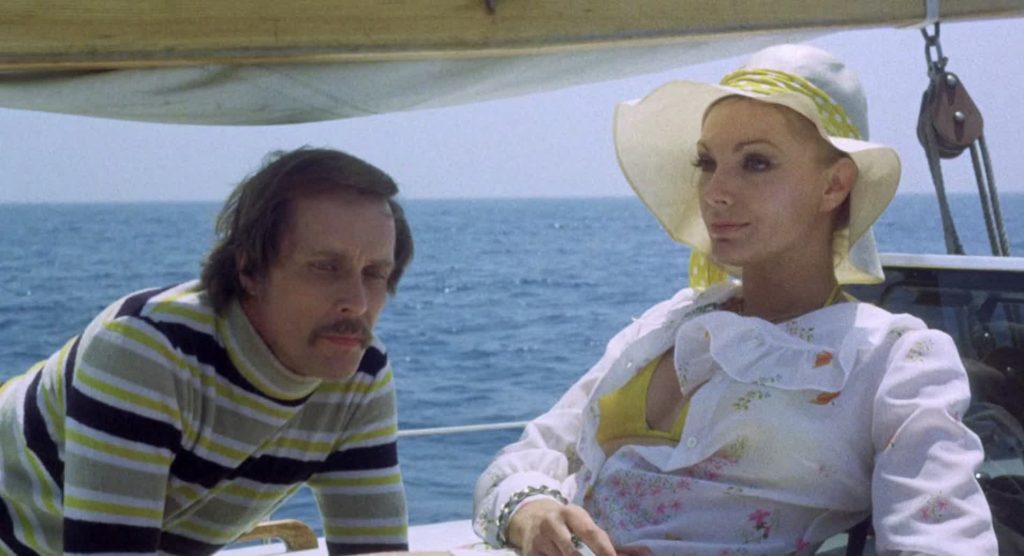
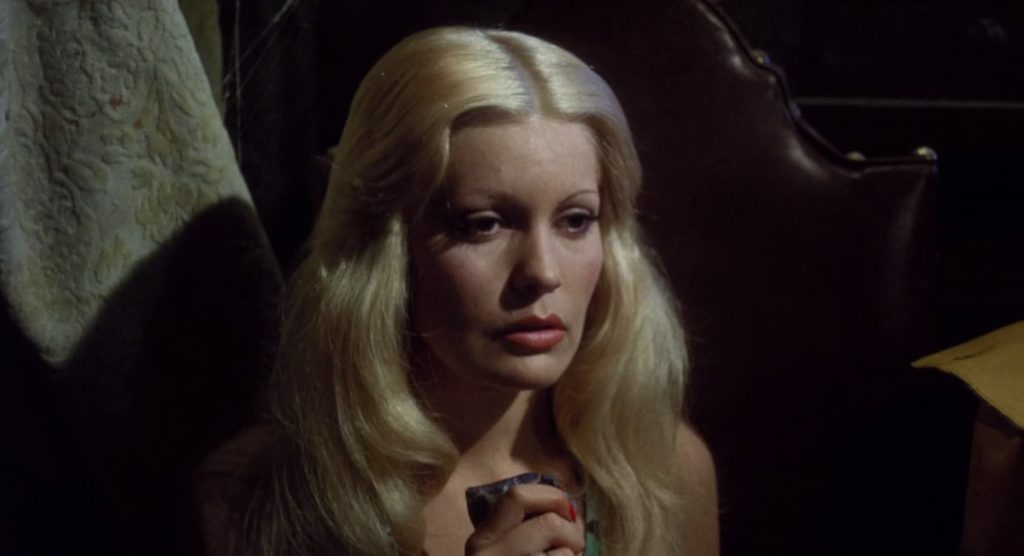
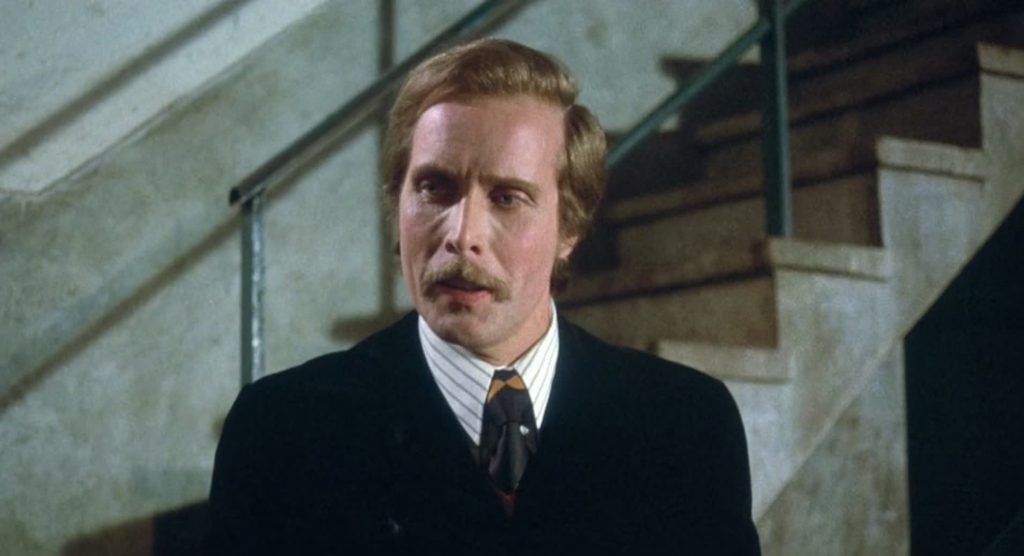
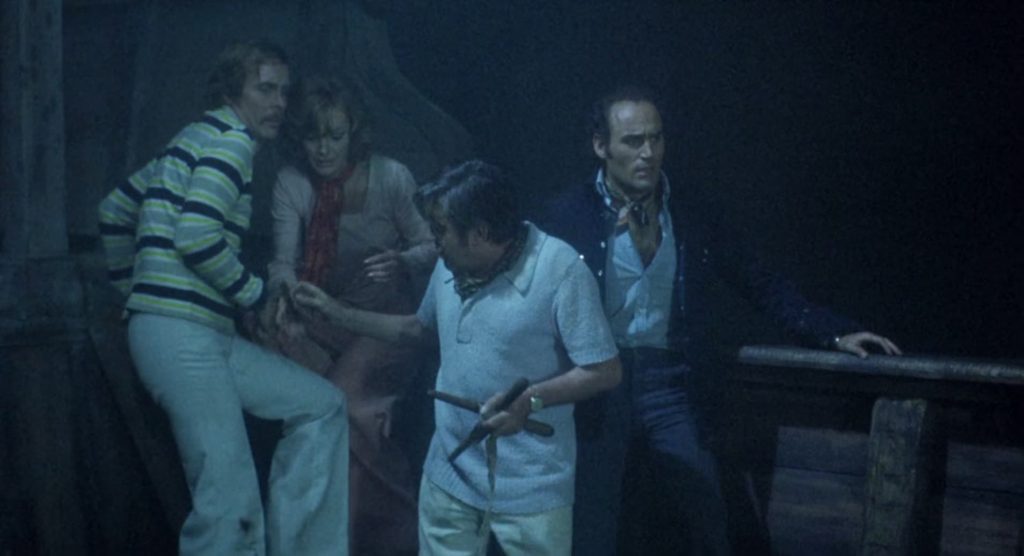
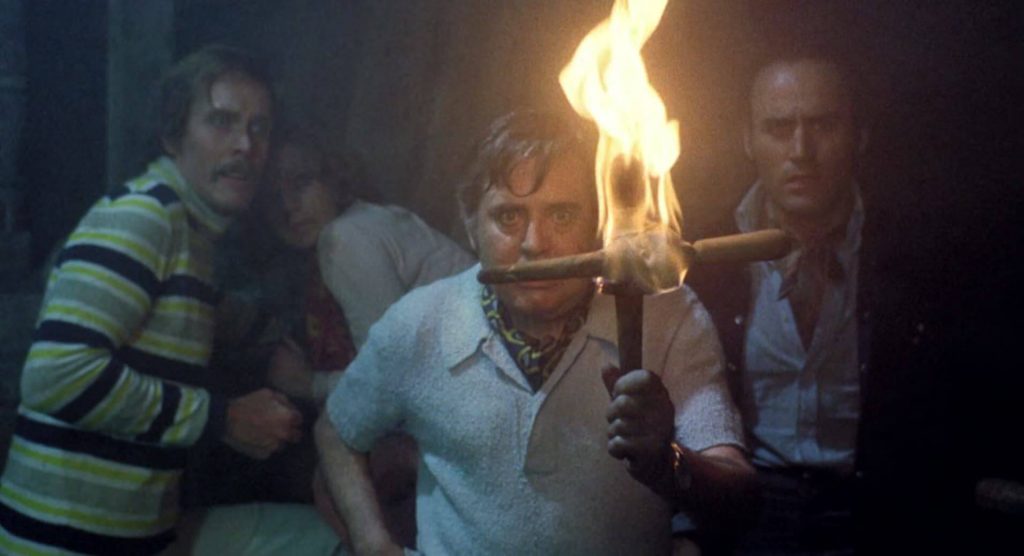
Unfortunately, the cast rarely rises above functional. María Perschy and Jack Taylor are perfectly competent, while Blanca Estrada arguably leaves the strongest impression, but few of the performances possess enough personality to elevate the material. Much of the dialogue is stiff, and the characters often exist simply to explain the plot or react to supernatural events. The opening promises an intriguing gothic mystery involving strange disappearances and mysterious symbols, hinting at a richer mythology waiting beneath the surface. Instead, the film quickly settles into familiar genre conventions, with sceptical authority figures, lengthy exposition and plenty of screaming once the Blind Dead inevitably appear.
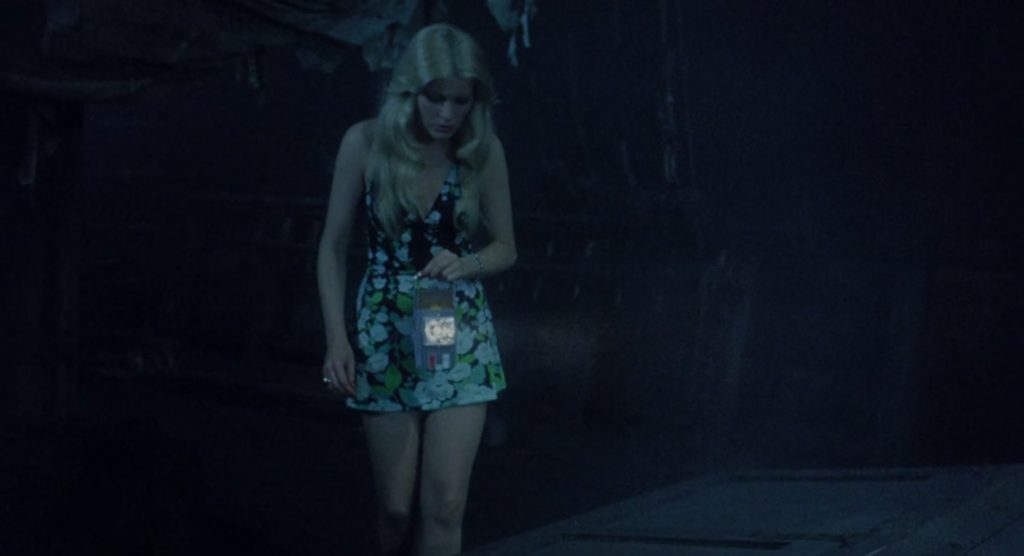
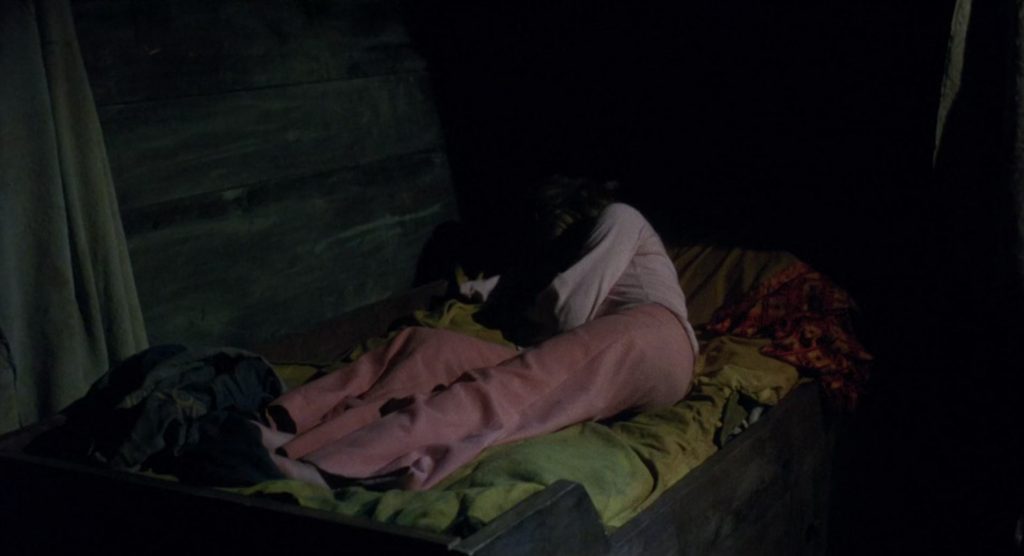
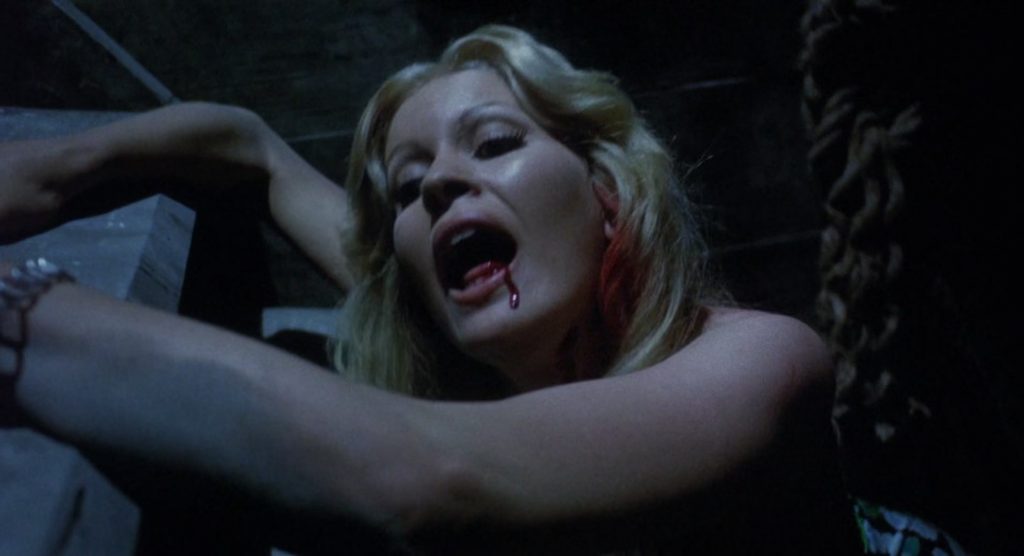
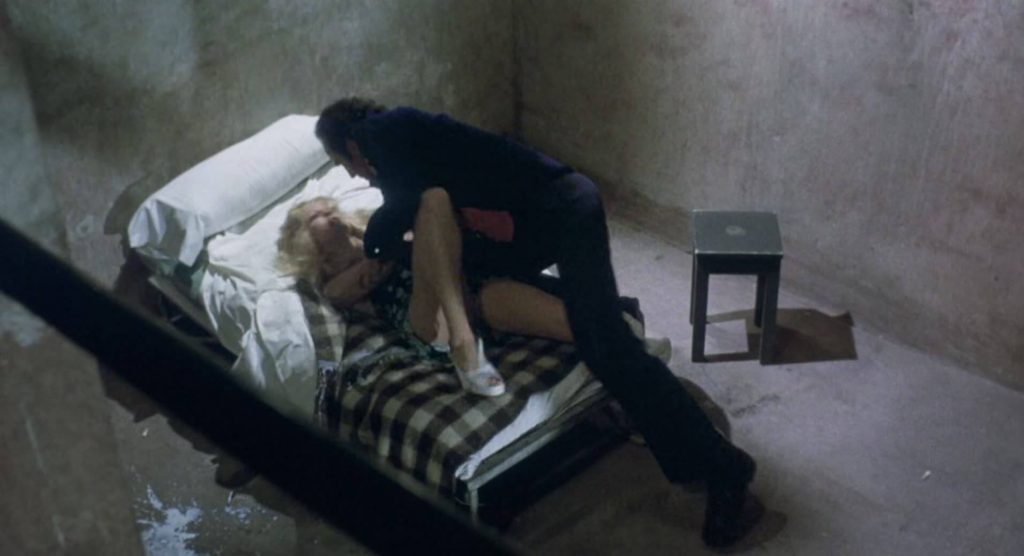
The pacing is equally inconsistent. Several sequences linger far longer than necessary, diluting what should have been moments of genuine suspense. Bárbara Rey’s extended sequence aboard the ship should be one of the film’s highlights, yet it loses much of its effectiveness because it drags on without escalating the tension. One particularly odd moment sees her screaming in an almost whispered voice while being dragged away, seemingly so as not to disturb sleeping companions nearby. Rather than heightening the suspense, it feels unintentionally awkward and raises uncomfortable questions about the internal logic of the scene.
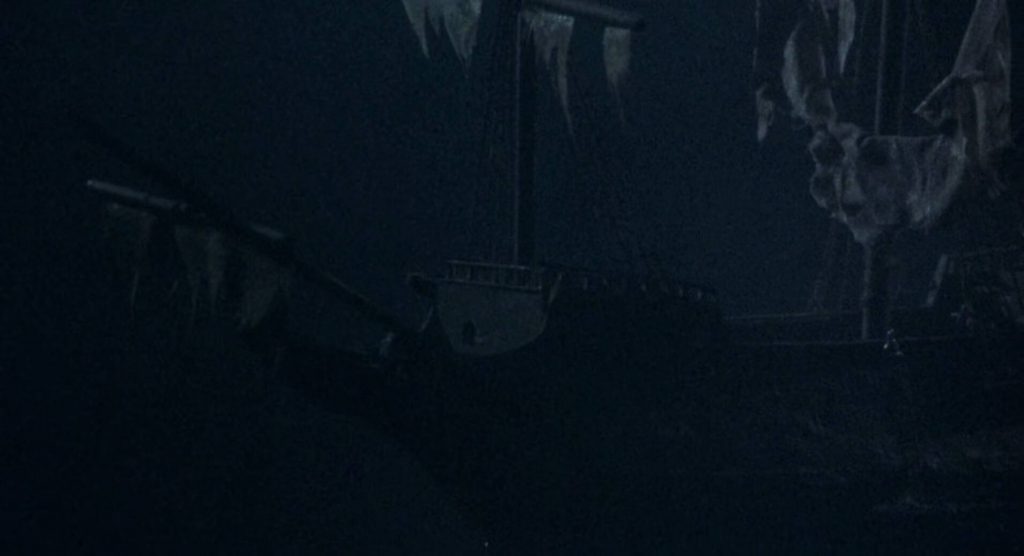
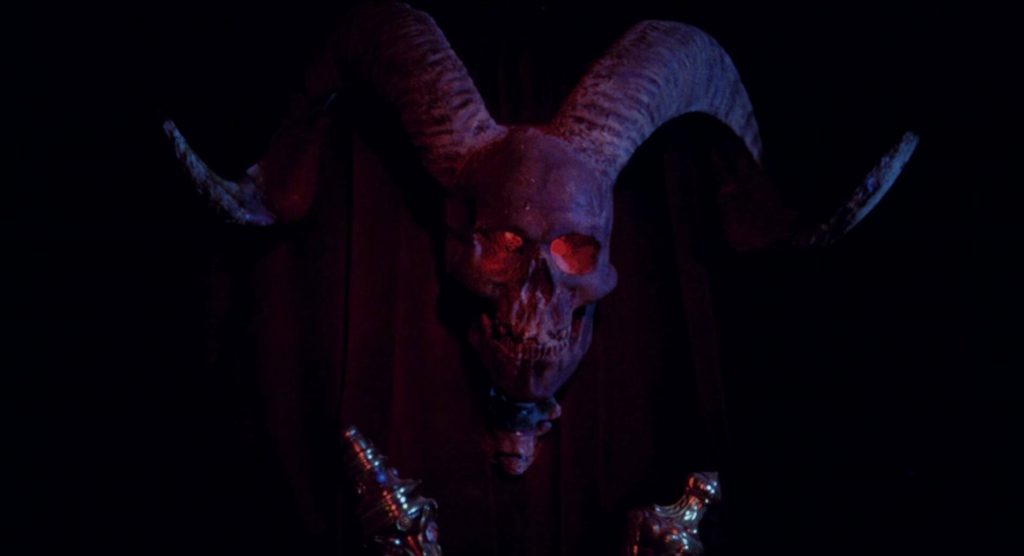
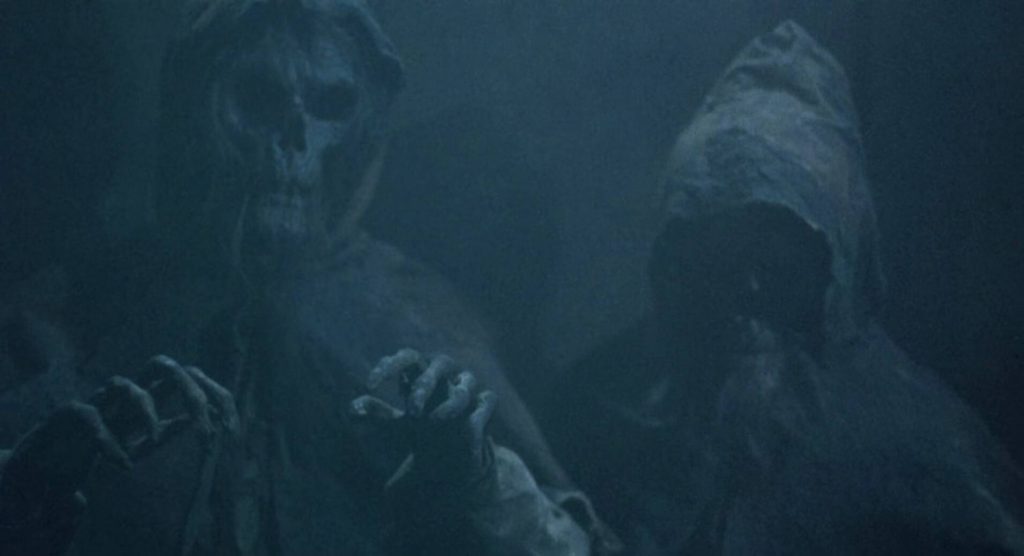
The production values are similarly uneven. The ghost ship itself is wonderfully atmospheric when photographed in darkness or shrouded in fog, but brighter scenes reveal the limitations of the budget. Certain interiors resemble modern sets rather than an ancient cursed vessel, and some of the visual effects fail to convince even by mid-1970s standards, old damp wood can look like new wood painted grey. Fortunately, de Ossorio understands that suggestion is often more effective than spectacle, allowing shadows, smoke and careful framing to hide many of the film’s shortcomings.
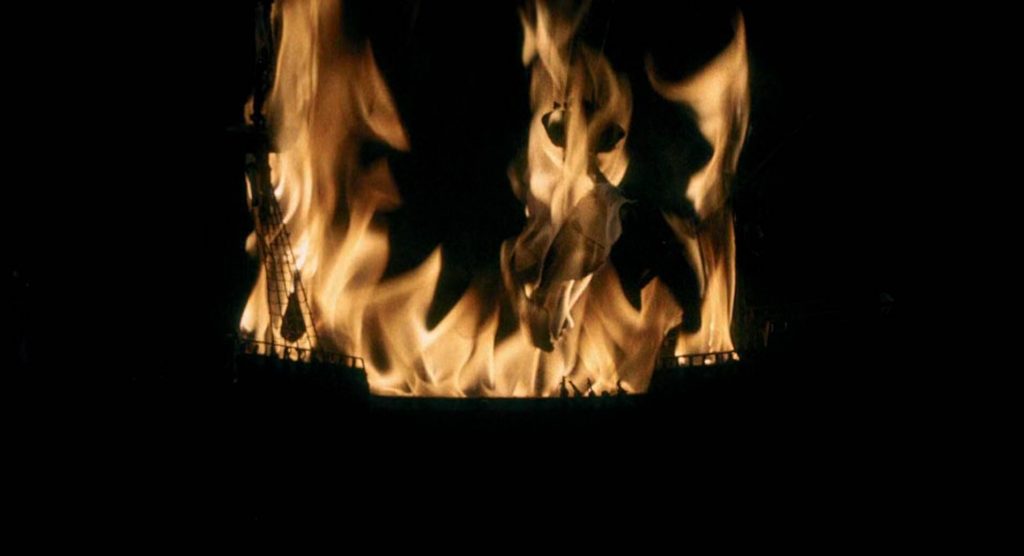
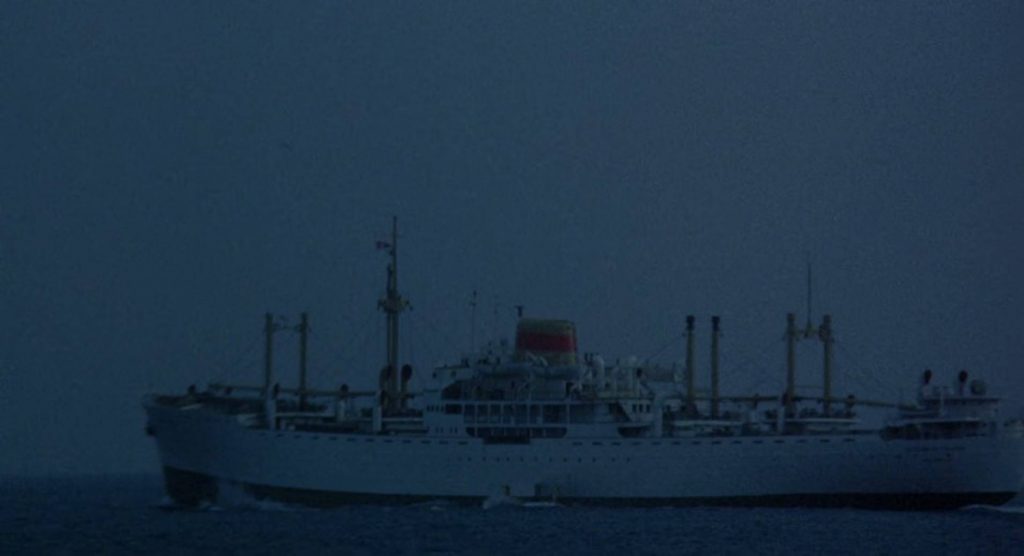
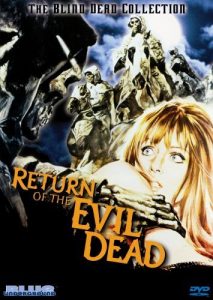
One area where The Ghost Galleon does edge ahead of Return of the Evil Dead is in its willingness to break away from the formula. Whereas the second film largely repeated the original’s structure on a bigger scale, this third instalment at least attempts something fresh. It’s a bold change of scenery that gives the film its own identity. However, the ambition isn’t quite matched by the execution. The production values are noticeably more modest, the sense of scale is reduced, and the ghost ship, despite its evocative premise, never feels as expansive or convincing as it should. Return of the Evil Dead may have played things safer, but its larger scope and more confident production gave it a grandeur that The Ghost Galleon ultimately can’t replicate.
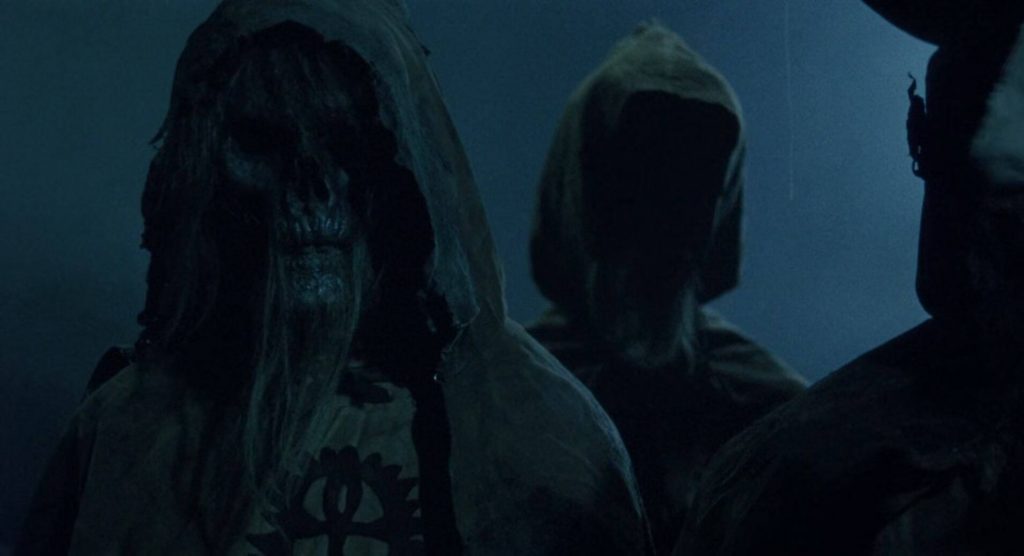
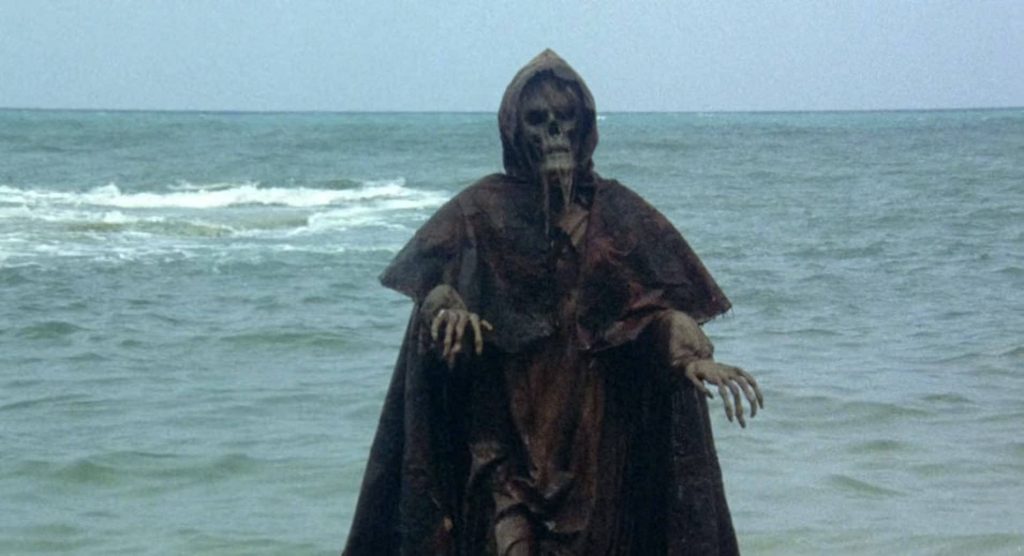
Perhaps the strangest aspect of the screenplay is its attempt to rationalise the existence of the Blind Dead through an explanation involving parallel universes. It’s an unexpectedly ambitious concept for what is otherwise a straightforward gothic horror film, but it ultimately feels unnecessary. The Blind Dead have always been more effective as mysterious supernatural figures than creatures requiring elaborate scientific explanations. Rather than enriching the mythology, the idea simply muddies the waters and distracts from the film’s strongest qualities.
Despite its flaws, The Ghost Galleon remains an enjoyable slice of 1970s Euro-horror. Its eerie visuals, haunting locations and memorable central premise ensure that it rarely becomes dull. There are enough striking images, the ghostly galleon emerging through the mist, the skeletal Knights Templar silently stalking their victims and the lonely expanses of the Mediterranean, to remind viewers why the Blind Dead series has endured for so many decades.
It may not possess the raw impact of the original film, nor does it recapture the same sense of relentless dread, but it succeeds often enough on atmosphere alone to justify its place in the series. For casual horror fans, it’s likely to feel slow, repetitive and occasionally frustrating. For devotees of Spanish gothic horror and admirers of Amando de Ossorio’s Blind Dead saga, however, it offers another atmospheric journey into one of European horror’s most distinctive nightmares.

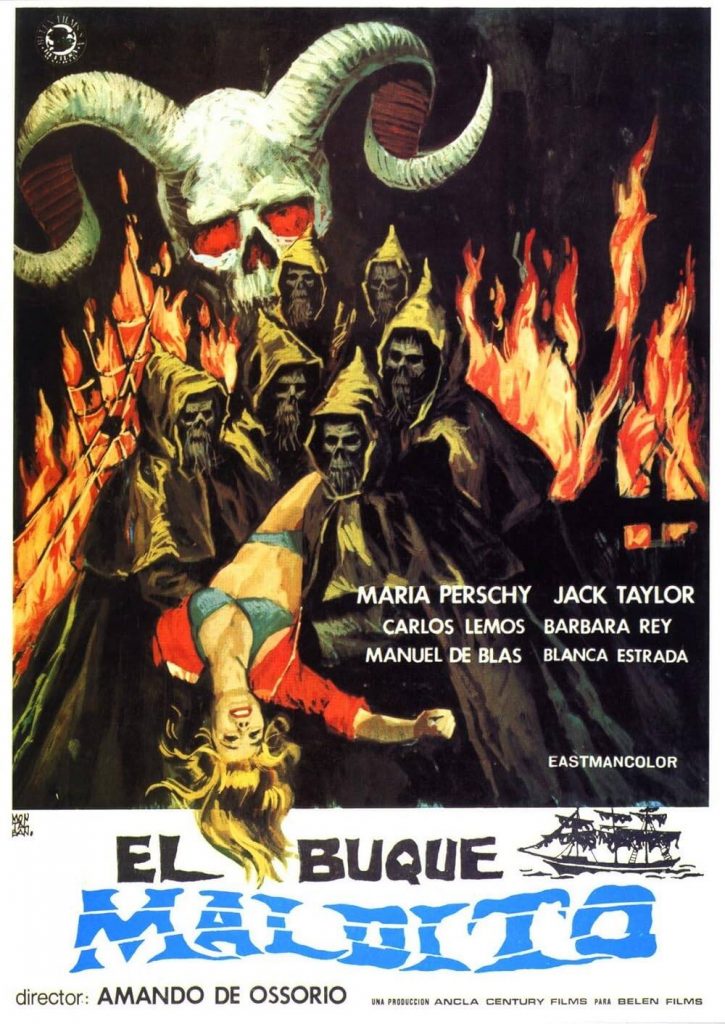
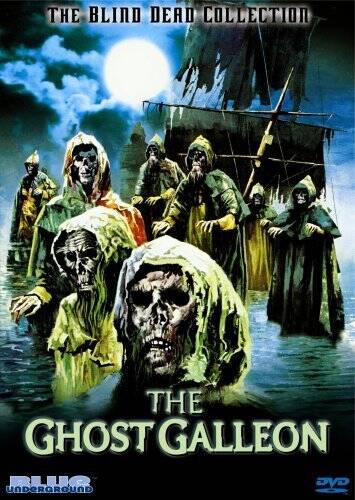
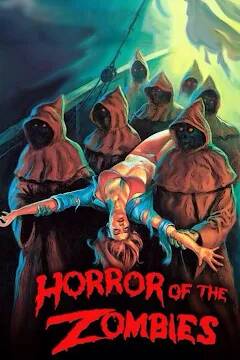
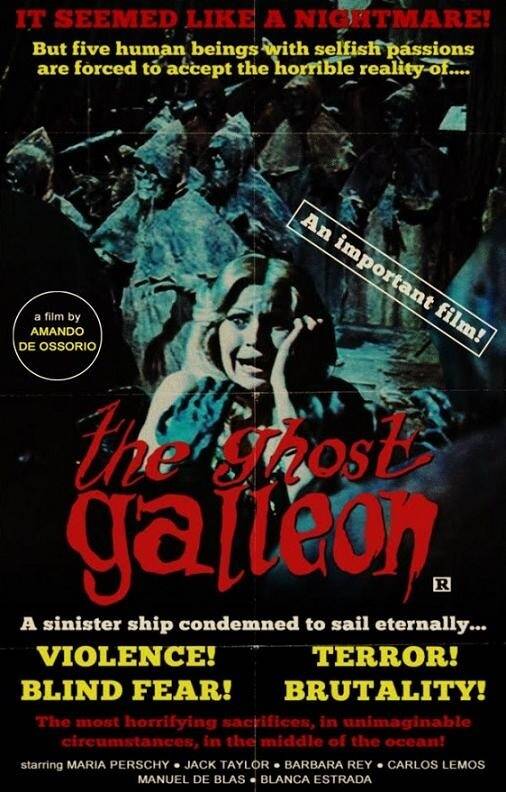

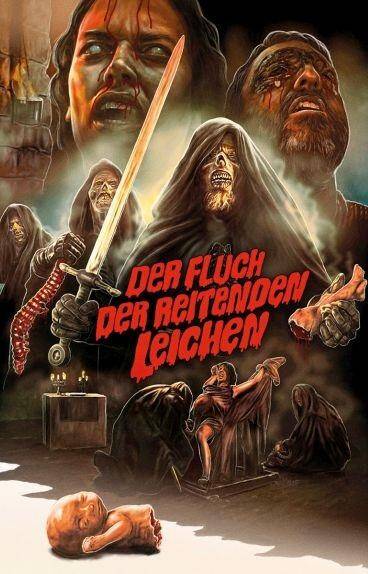
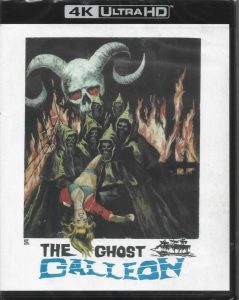
There are a couple of different releases, however, Vinegar Syndrome’s 4K UHD seems to be the pick of the bunch. The recent French limited release might have some issues with the Day-for-Night sequences, however, it pairs nicely with the similar release of Return of the Evil Dead.