

Moon 44 (1990)
Before he was blowing up the world in blockbuster spectacles like Independence Day, Roland Emmerich was crafting low-budget science fiction on a much smaller scale. Moon 44 is one of those fascinating early works that has largely slipped through the cracks of genre cinema history. Released in 1990, this English-language West German production arrived during a transitional period for science fiction films, caught somewhere between the practical goodness of the 1980s and the CGI revolution that would soon transform the genre forever. It’s easy to overlook today, especially given the enormous shadow cast by Emmerich’s later successes, but Moon 44 remains an intriguing glimpse into the filmmaker’s developing style.
Set in a future where corporations have exhausted Earth’s resources and are fighting over the remaining mining colonies scattered throughout space, the story follows Felix Stone (Michael Paré), an undercover corporate investigator sent to Moon 44 to uncover acts of sabotage threatening valuable mining operations. What begins as a straightforward mystery gradually evolves into a blend of military action, corporate espionage, and science-fiction adventure.
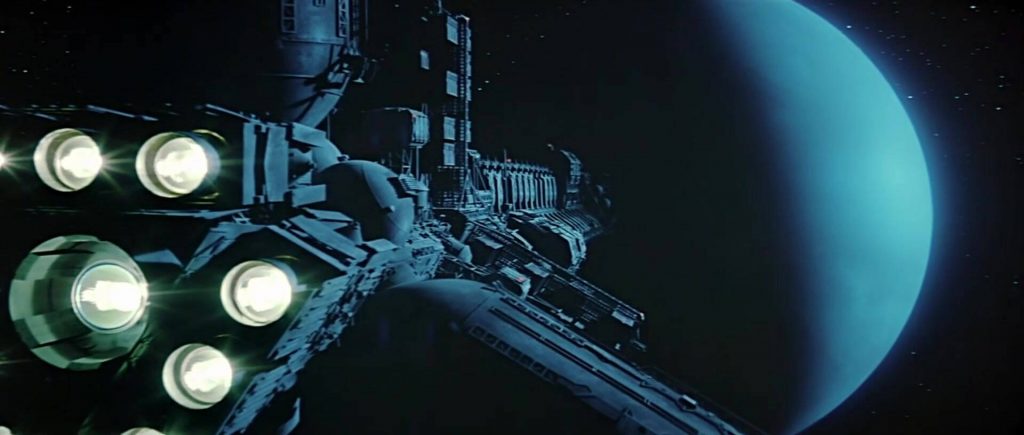


What immediately stands out isn’t the plot or even the action sequences, it’s the world itself. The film’s greatest achievement is the environment Emmerich and his production team create on what was clearly a very limited budget. Look closely and you’ll spot plenty of repurposed industrial equipment, plastic containers, egg and bread boxes, cargo palettes, and everyday machinery dressed up as futuristic technology. Yet somehow it works. Everything is coated in layers of dirt, oil, rust, and sweat. The result is a universe that feels genuinely inhabited, old and worn rather than constructed.


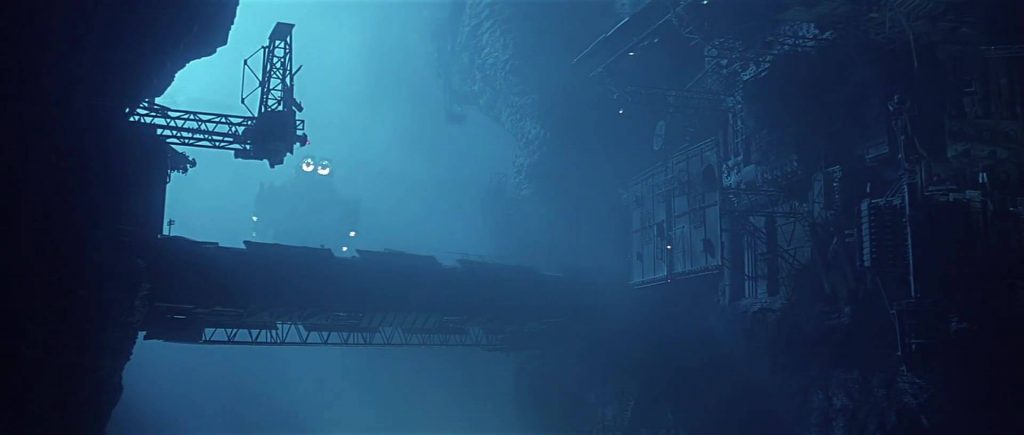
The influence of classics such as Alien, Blade Runner, and Outland is unmistakable. Like those films, Moon 44 embraces the concept of a “used future” where technology isn’t pristine but battered, unreliable, and constantly breaking down. The uniforms look unwashed, the machinery sounds like it’s held together by luck, and the actors perpetually appear exhausted from living in this harsh industrial frontier. You can practically smell the engine grease, people’s rank breath and stale air circulating through the station’s corridors.
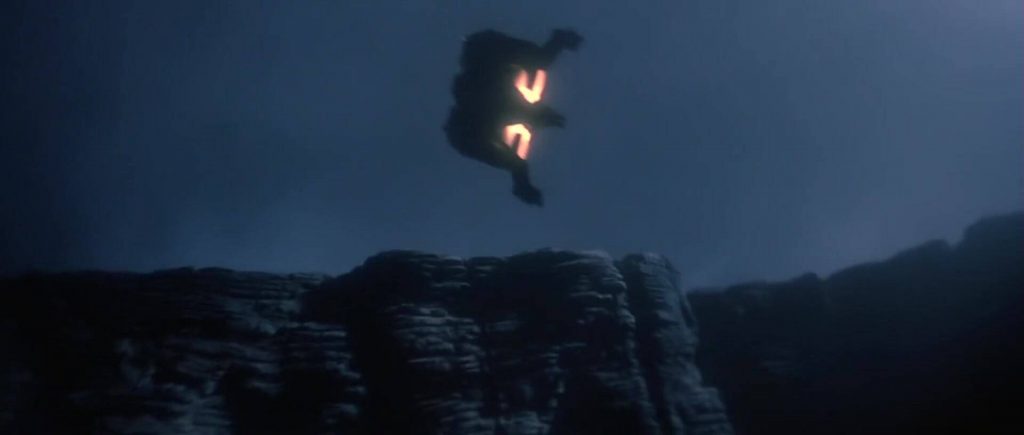
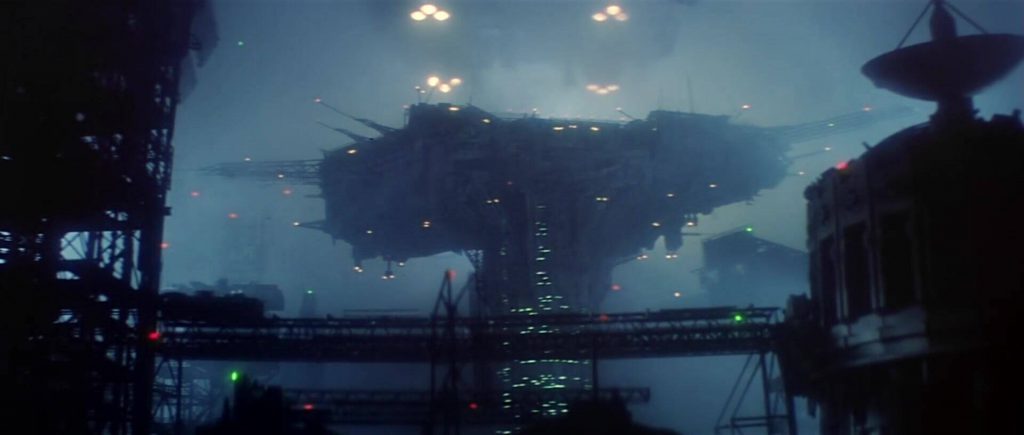
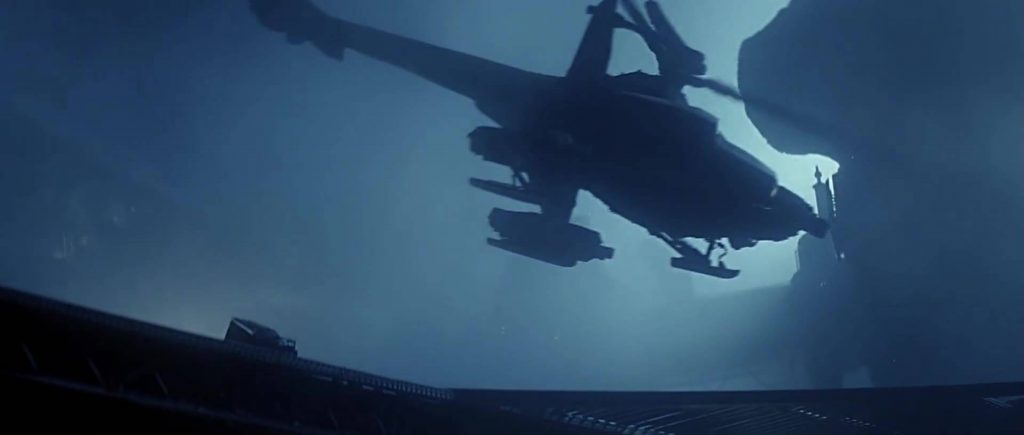
The special effects are another interesting aspect of the film. For a production operating on a fraction of the budget of its Hollywood contemporaries, the miniature work and visual effects are often impressive. Emmerich clearly understood how to maximize resources, using lighting, atmosphere, and careful framing to stretch every deutschmark. However, the film wisely deploys its effects sparingly. While the spacecraft and helicopter-inspired combat vehicles are memorable, the visual effects tend to lose some of their impact the longer they’re on screen.
Much of the action unfolds beneath a blanket of industrial fog. This undoubtedly helps conceal the limitations of the effects work, but it also creates a unique visual style that occasionally becomes frustrating. The colour palette rarely strays from shades of grey, blue, and black. Explosions provide brief flashes of visual excitement.


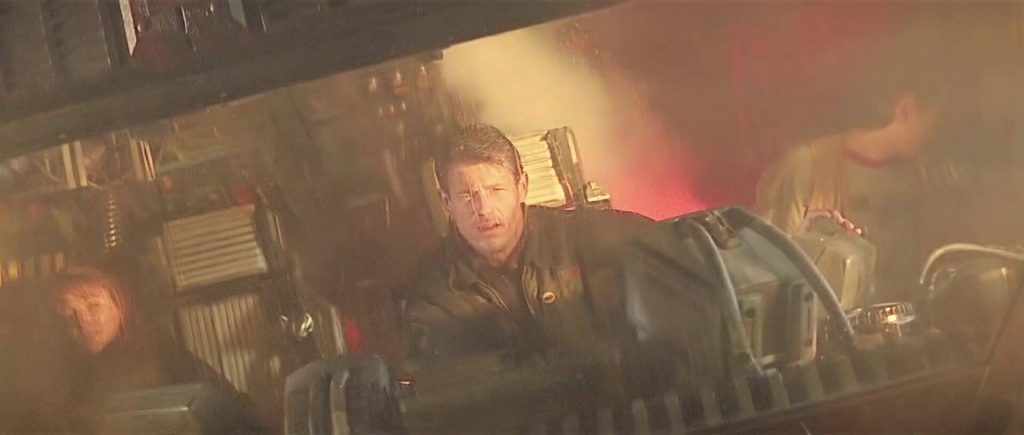
Performance-wise, the cast delivers exactly what the material requires. Michael Paré is firmly within his comfort zone as the tough, stoic hero. Fans of his work in films like Streets of Fire will recognise the familiar screen presence. He’s dependable and charismatic enough to anchor the story, though the role doesn’t give him much opportunity to explore new territory.
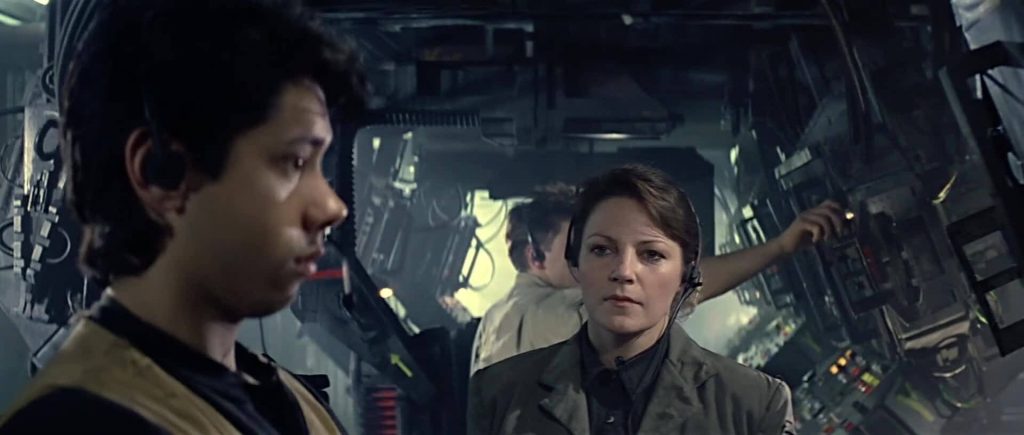


The standout performance is undoubtedly Tyler, played by Dean Devlin. Long before becoming Emmerich’s frequent writing and producing partner on films such as Independence Day and Godzilla, Devlin appears here as one of the station’s technicians. Tyler receives some of the film’s strongest character moments and emerges as the most relatable and interesting figure in the ensemble. His performance injects a welcome sense of humanity into an otherwise bleak environment.


Brian Thompson is excellent as the intimidating O’Neil. With his distinctive features and imposing physical presence, Thompson was born to play villains. He initially comes across as genuinely threatening, and his presence elevates every scene he appears in. Leon Rippy provides his reliable sleaze and treachery throughout whilst Malcolm McDowell delivers precisely what audiences expect from Malcolm McDowell. Whether playing aristocrats, madmen, or corporate executives, he possesses an effortless ability to dominate the screen. His role here may not be especially demanding, but his charisma ensures he remains memorable.


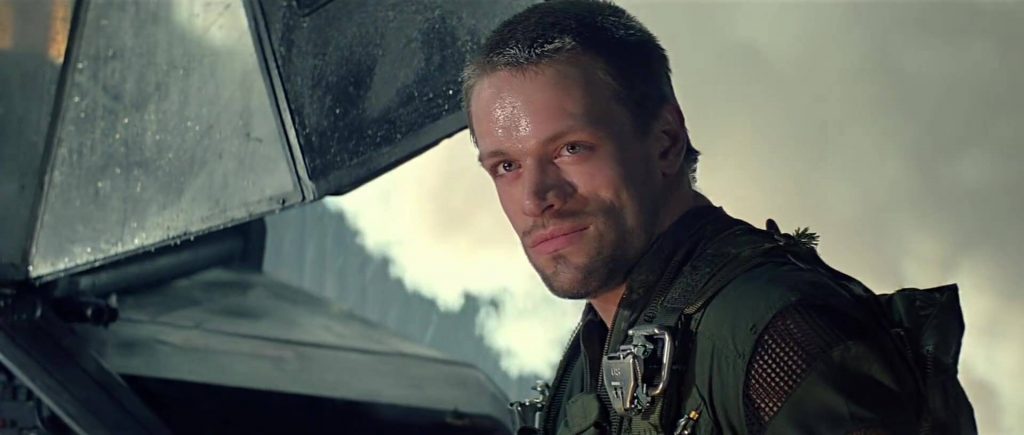
One particularly fascinating aspect of Moon 44 is how many ideas it seems to anticipate. The film’s helicopter-style combat craft and trainee pilots bear more than a passing resemblance to concepts later seen in video games and films throughout the 1990s. There are a few passing similarities between certain sequences and the mining colony atmosphere later explored in James Cameron’s Avatar. Whether coincidence or influence, the film contains numerous ideas that would become more familiar in science-fiction cinema over the following decades.

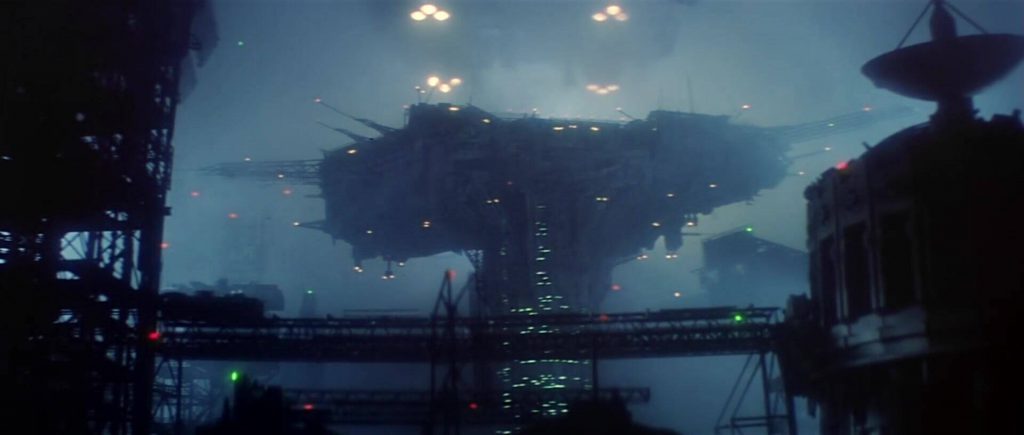

Viewed today, Moon 44 feels like a bridge between eras. It lacks the polish of big-budget Hollywood productions, yet its practical effects, industrial design, and tangible environments give it a texture many modern CGI-heavy films struggle to replicate. It is rough around the edges, occasionally clunky, and visually repetitive, but there is a lot to like about its world-building that makes it easy to appreciate and fans of gritty industrial sci-fi, practical effects, and forgotten genre curiosities, it’s well worth seeking out.
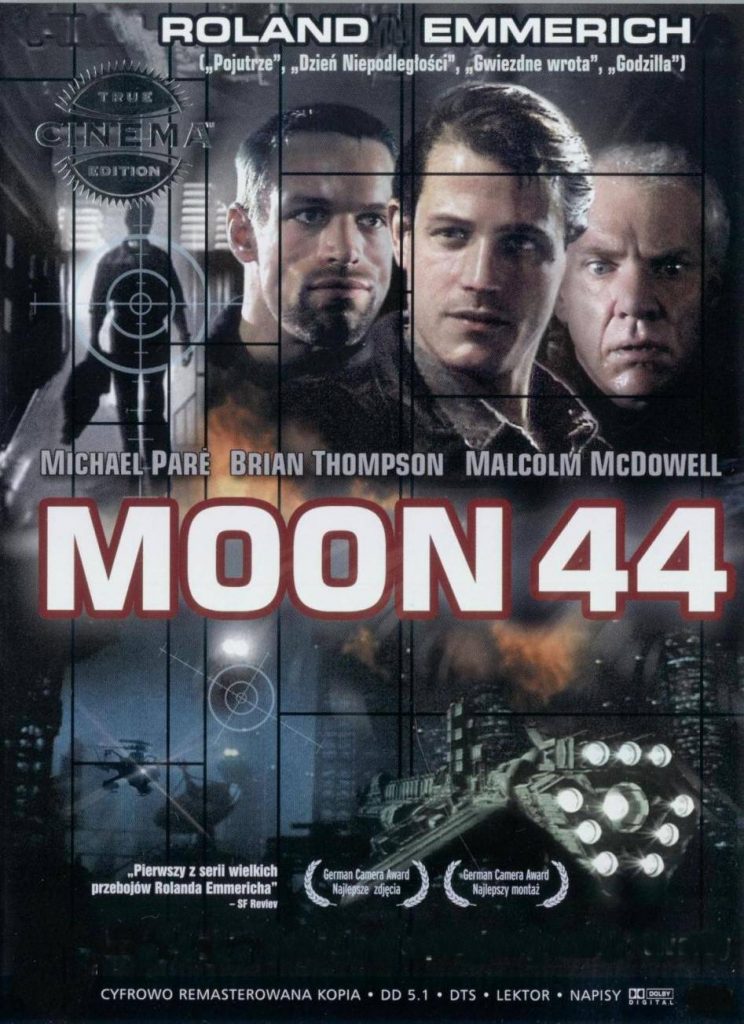
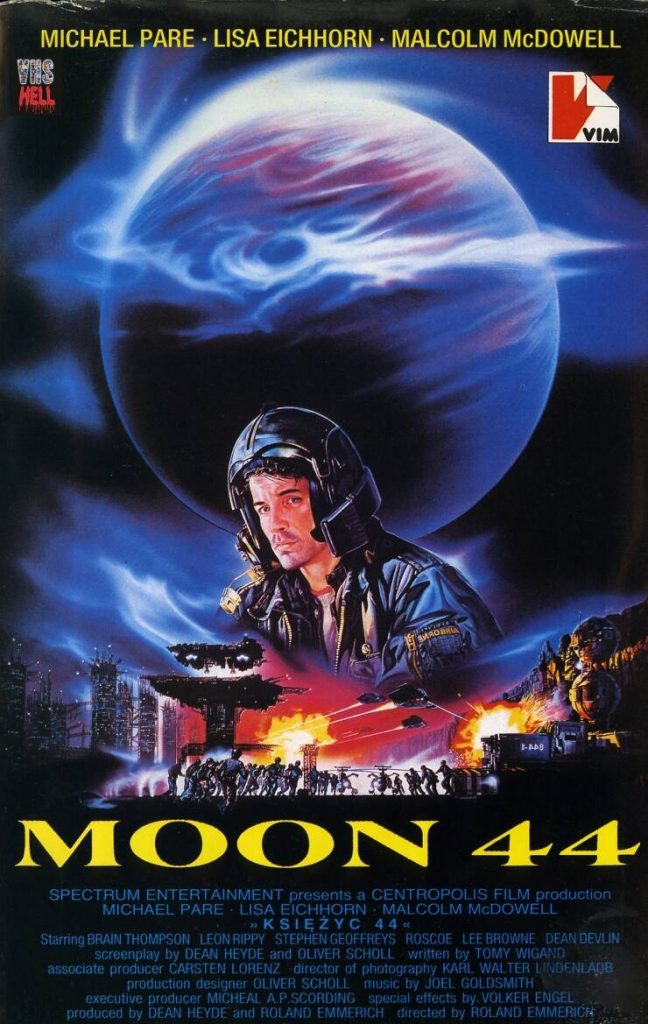
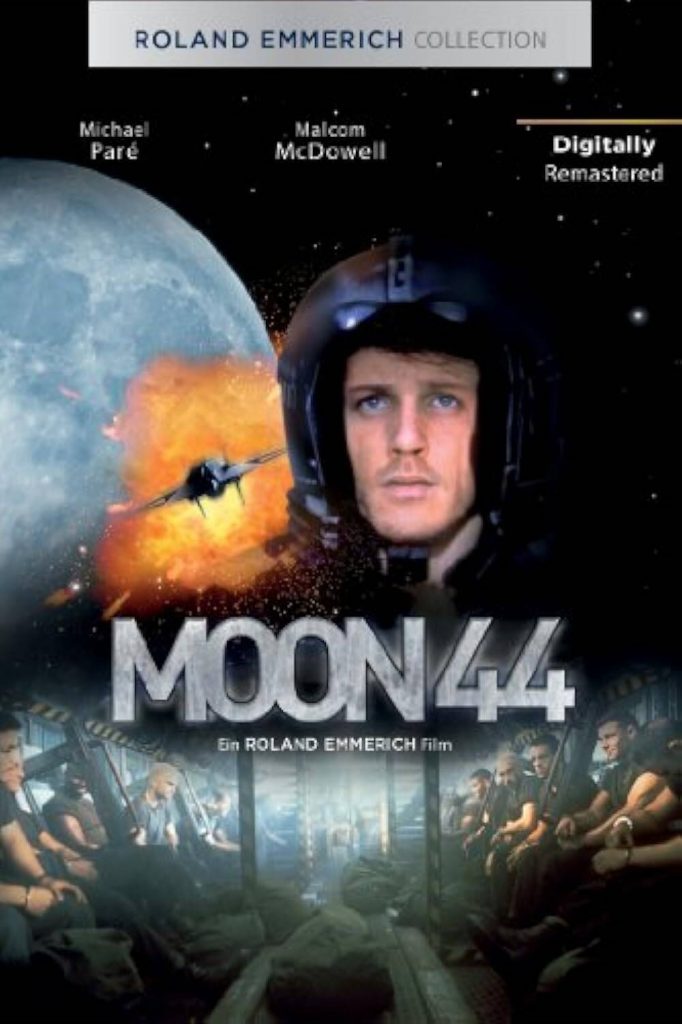
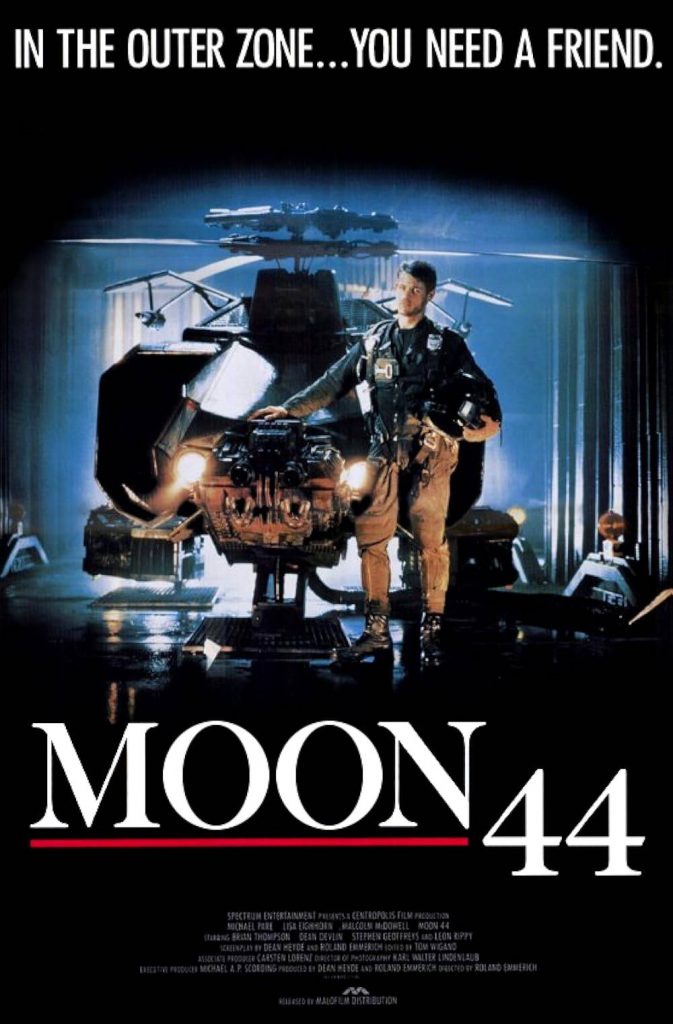
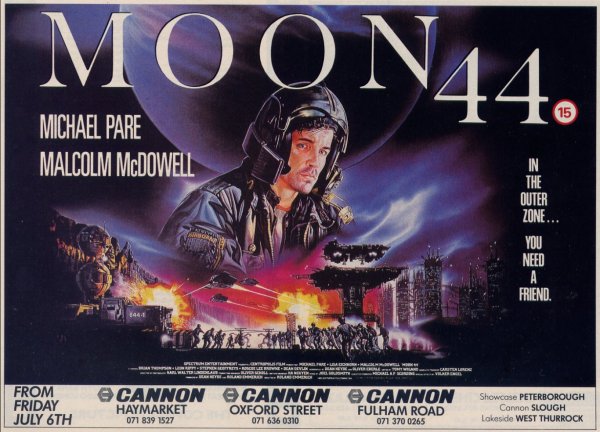
If you’re looking to add this one to your collection, the French and German releases are your best bets. There are a handful of DVD editions available in various territories, but they offer little of note.
Germany also received an attractive limited Digipak release a few years ago. Unfortunately, detailed information about its contents and technical specifications remains surprisingly scarce.