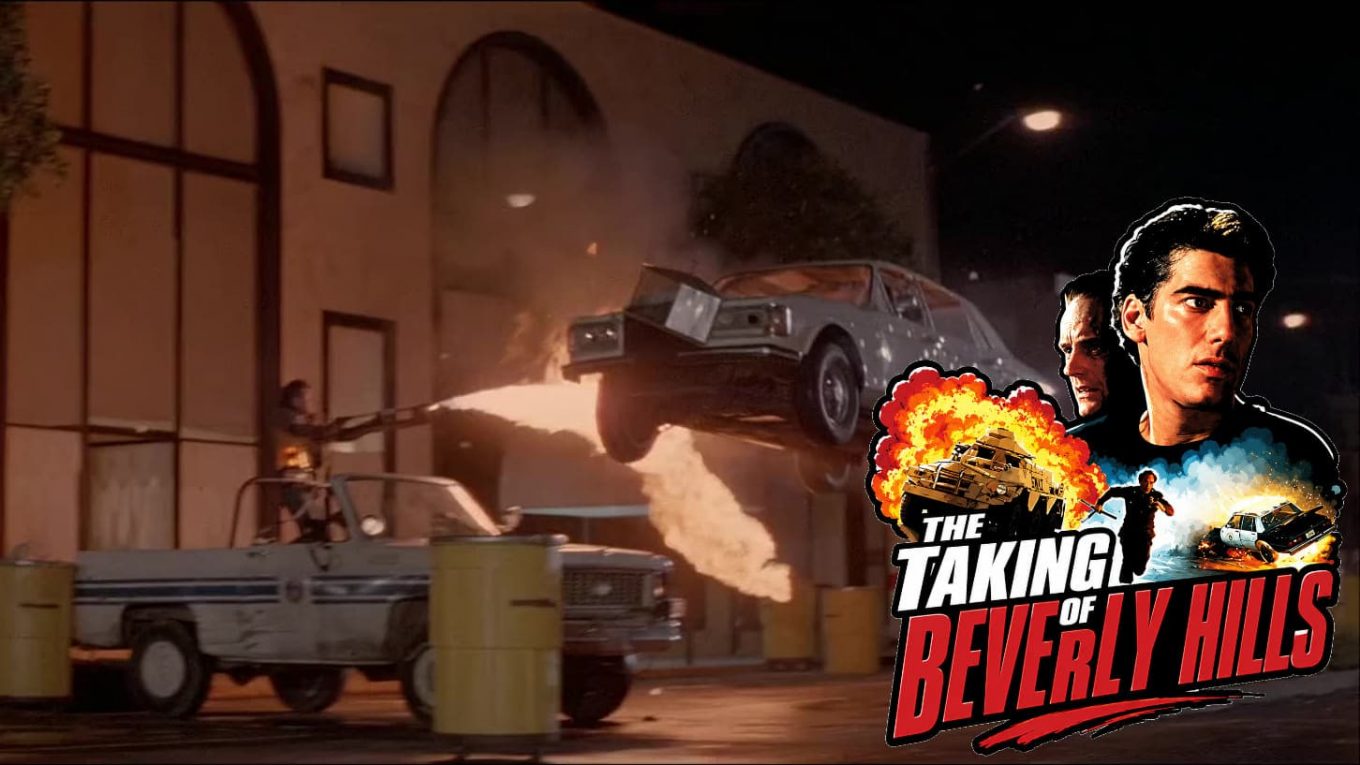
The Taking of Beverly Hills (1991)
The Taking of Beverly Hills was a big title during my years working in a video library. Although I wasn’t there when it was first released, I remember customers asking about it in the years afterward. It seemed to enjoy a surprisingly long shelf life as a rental favourite, which eventually made me curious enough to find out what all the fuss was about.
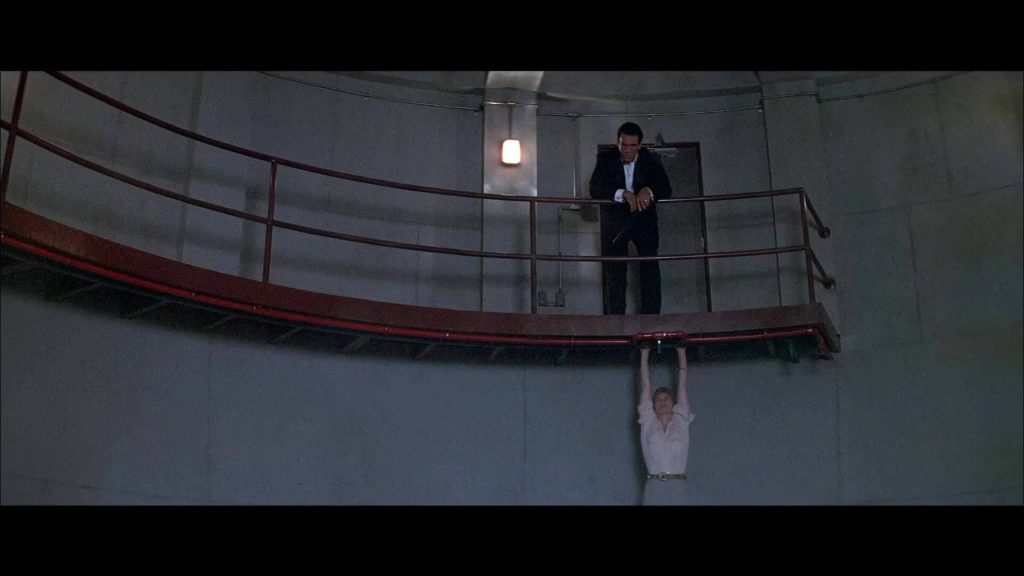
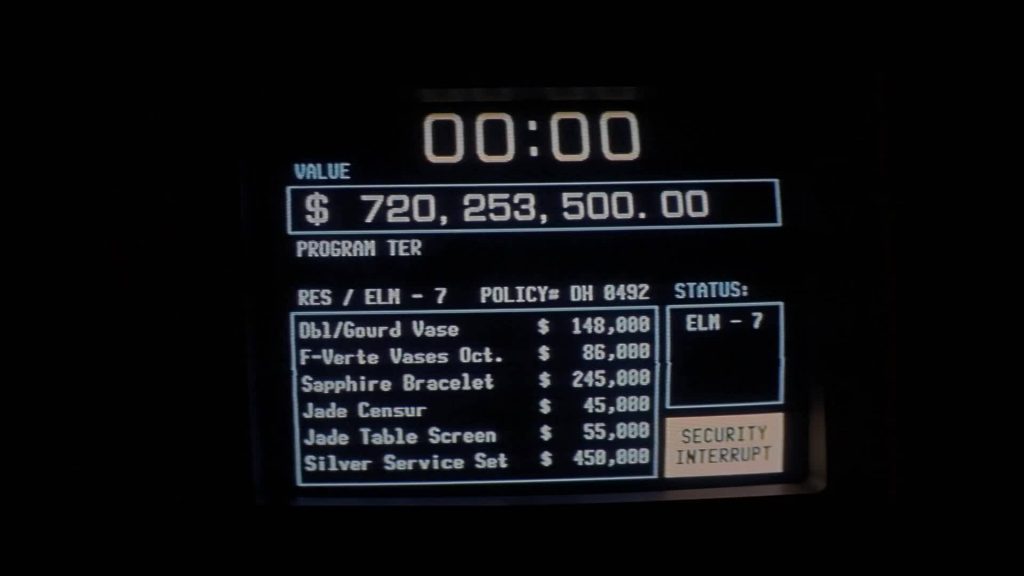
What I discovered was an action film that is undeniably ambitious. It has enough money, style, and confidence behind it to fully commit to its outrageous premise. The idea of heavily armed mercenaries effectively taking over Beverly Hills and robbing its wealthy residents whilst they are seeking refuge in a hotel is ridiculous, but the film embraces that absurdity with such enthusiasm that it rarely stops being entertaining. There may be moments that stretch credibility beyond breaking point, but boredom is never one of its problems.
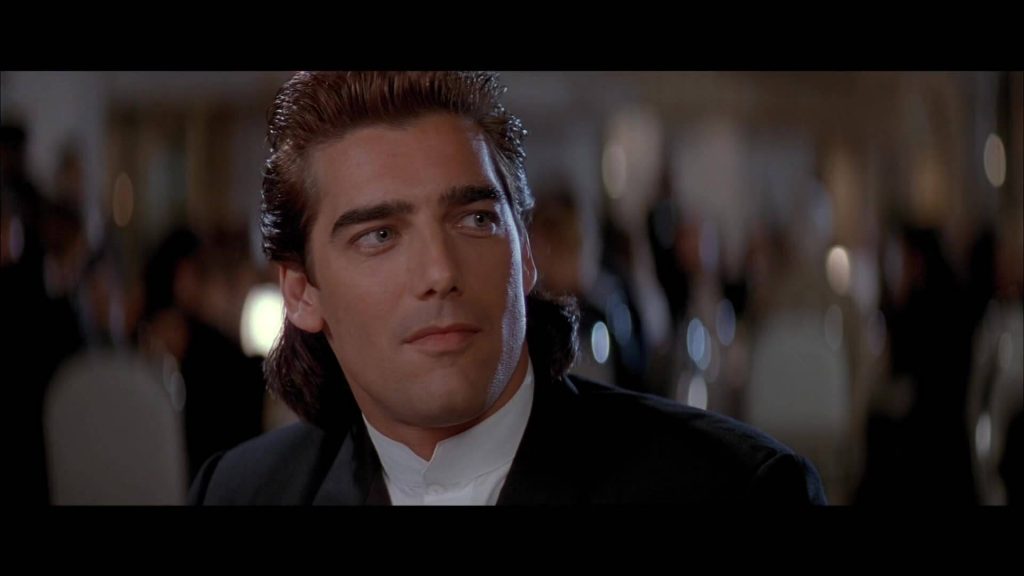
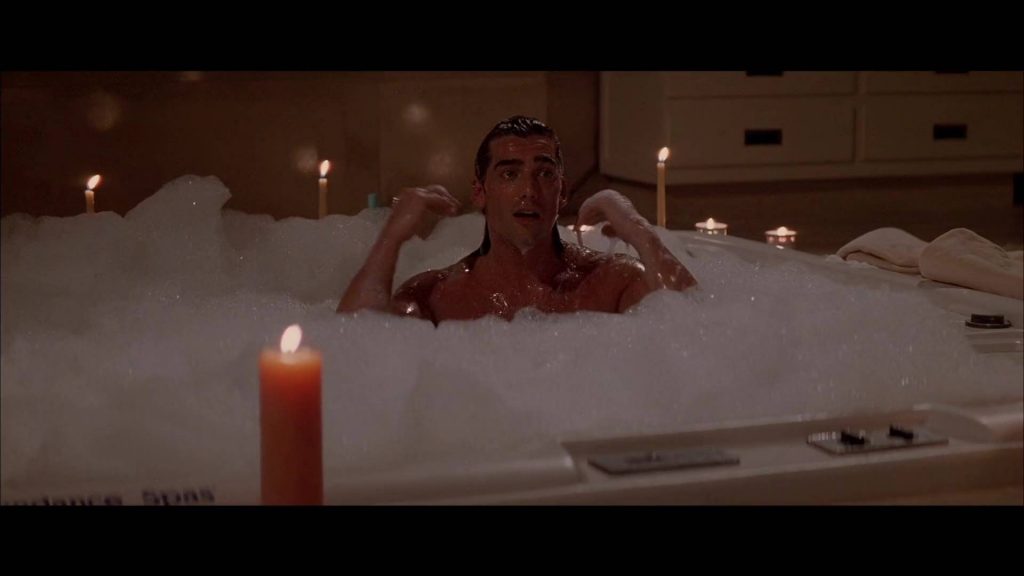
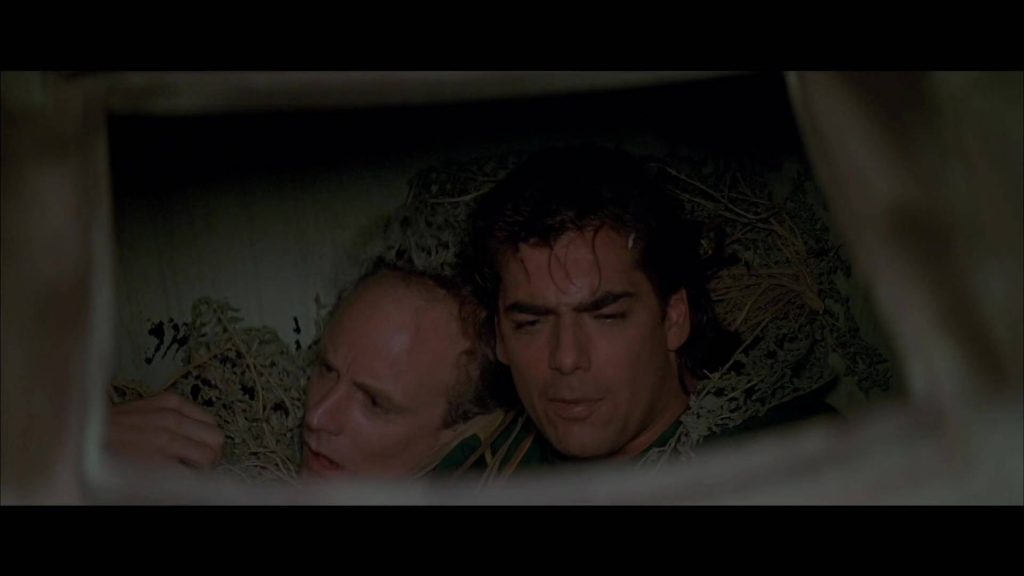
Ken Wahl takes a little time to win the audience over. His character, appropriately named Boomer, is introduced as an arrogant professional football star whose ego makes him difficult to like. There’s also an early incident involving Matt Frewer’s character that feels as though it is setting up a larger conflict, only for it to be largely forgotten as the story progresses. Fortunately, the chemistry between the two leads eventually becomes one of the film’s greatest strengths.
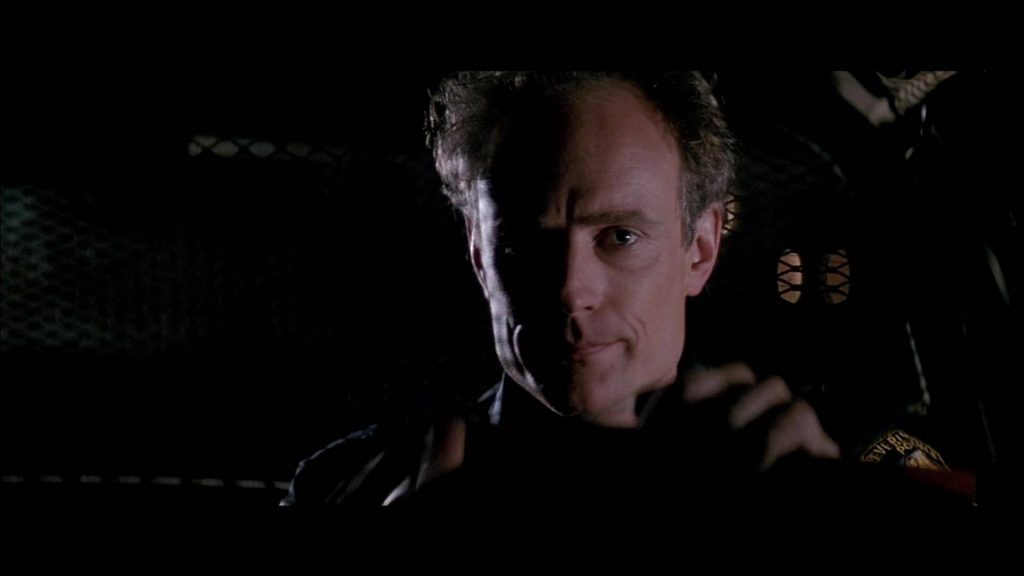
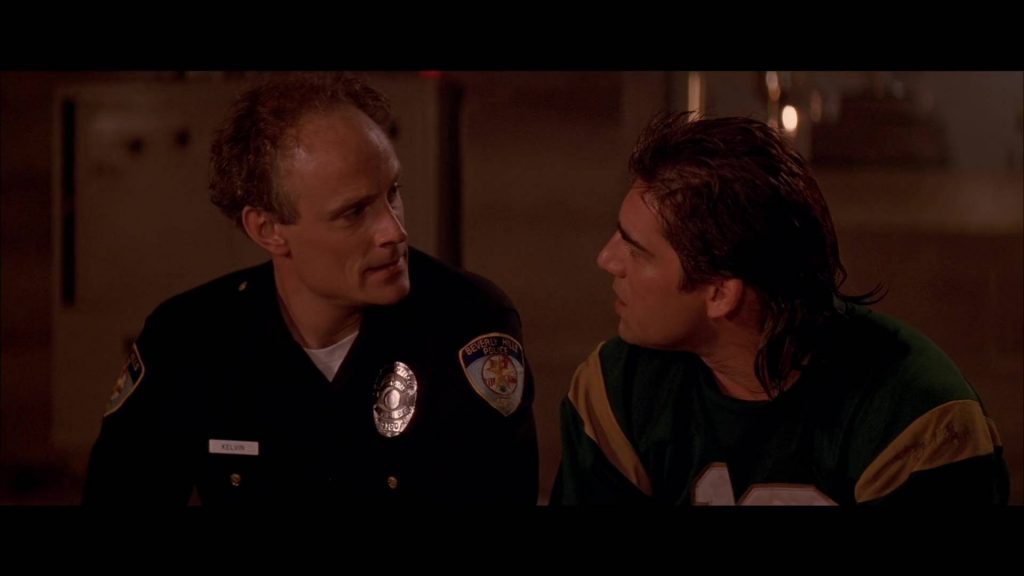
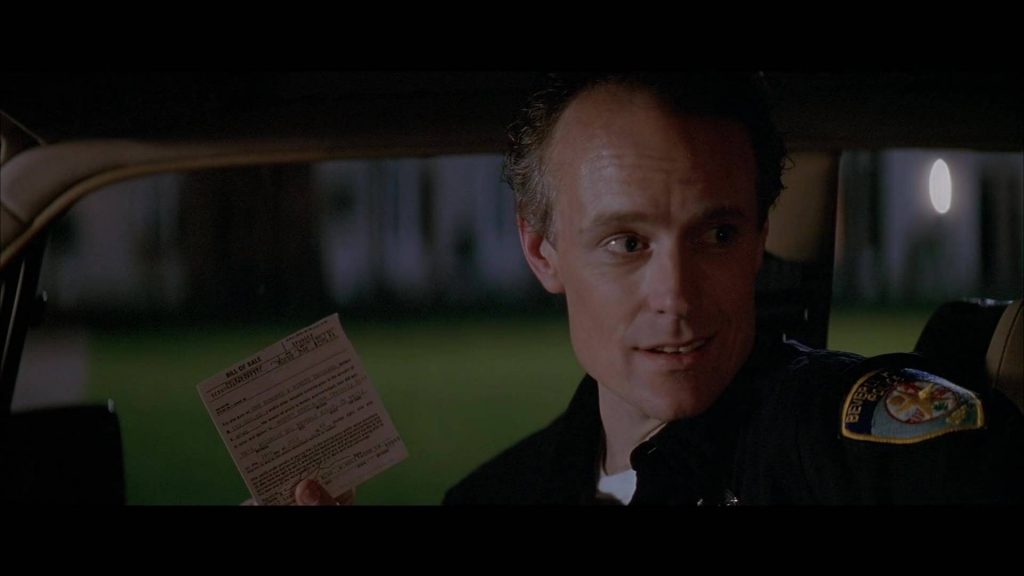
Frewer is the refreshing ingredient that separates The Taking of Beverly Hills from many of its contemporaries. He isn’t built like an action hero, nor does he carry himself like one. Watching him stumble, scramble, and somehow survive alongside Wahl during increasingly ludicrous action sequences makes him far more relatable than the typical muscle-bound sidekick. As the film progresses, the pair develop into an enjoyable buddy-team dynamic, with Frewer helping to ground Wahl’s increasingly humbled protagonist.
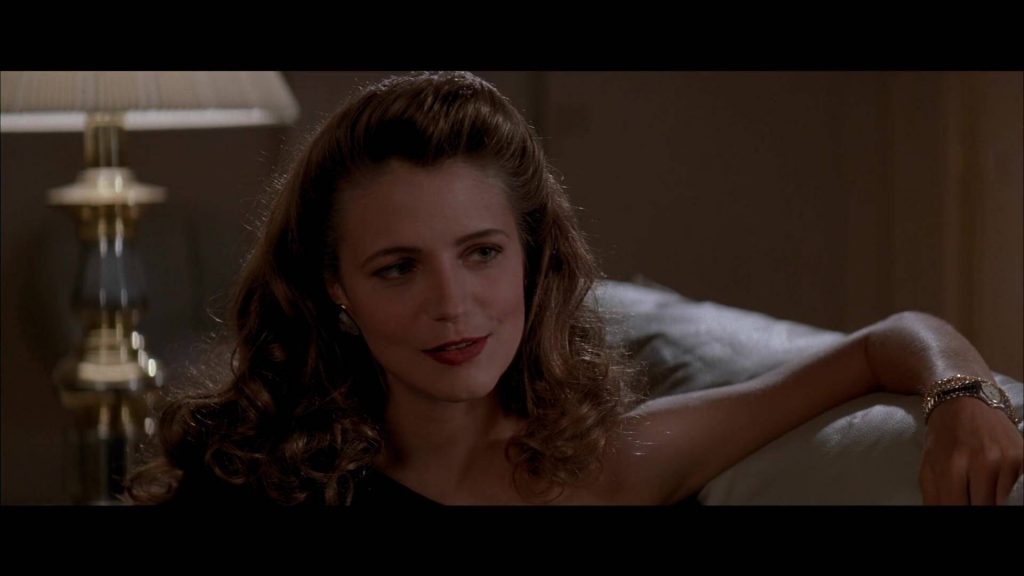
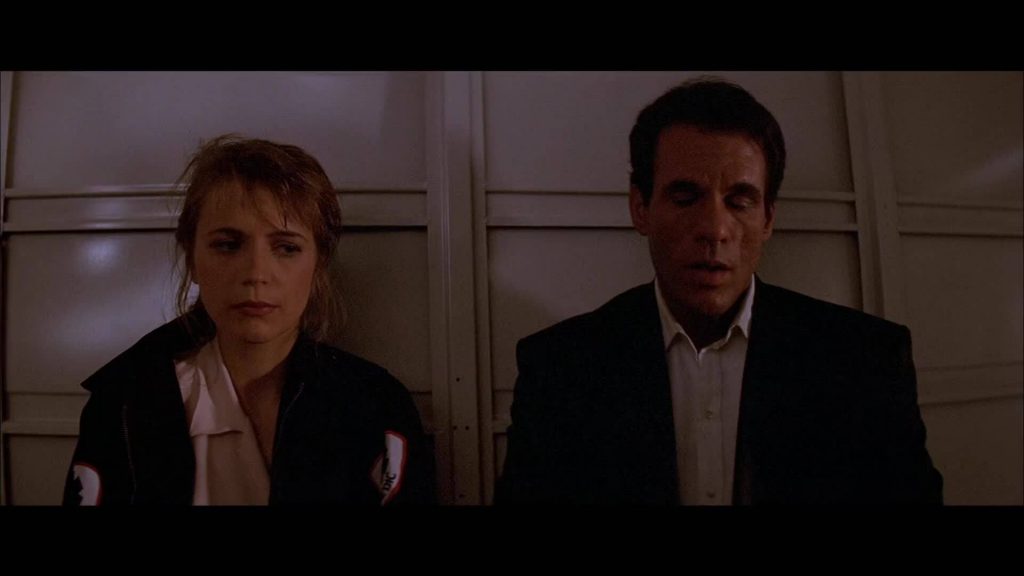
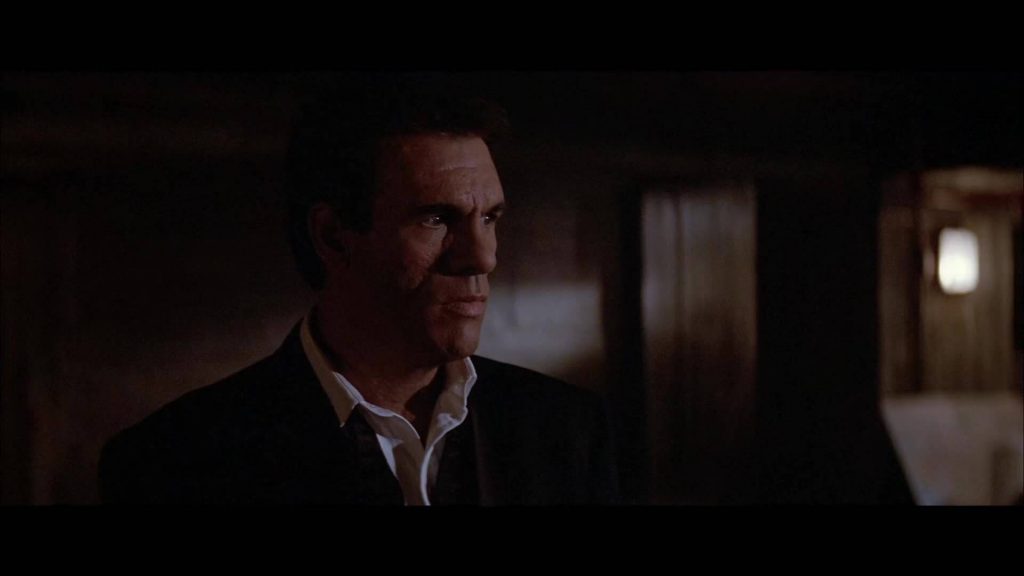
Harley Kozak’s character is another figure who isn’t immediately easy to root for, but she develops well as the story unfolds and plays effectively against the film’s villains. Speaking of villains, Robert Davi is in terrific form. Coming only a year after his superb performance as Franz Sanchez in Licence to Kill, Davi once again demonstrates why he was one of the most dependable screen antagonists of the era. Rather than simply recreating Sanchez or borrowing from Alan Rickman’s Hans Gruber, Davi crafts a different kind of villain here, charismatic, intelligent, and deeply unpleasant, often managing to be strangely likeable and utterly despicable in the same scene.
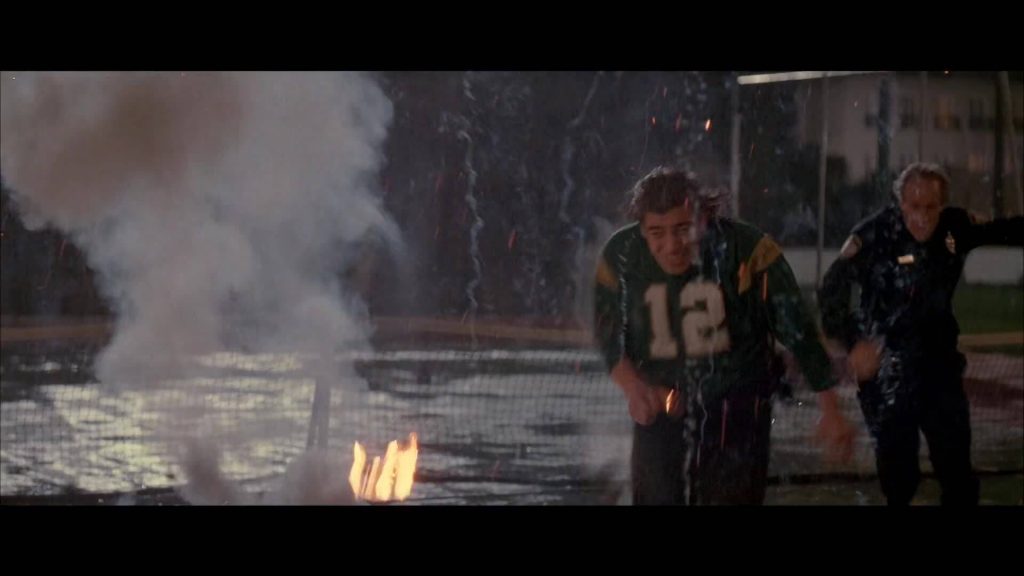
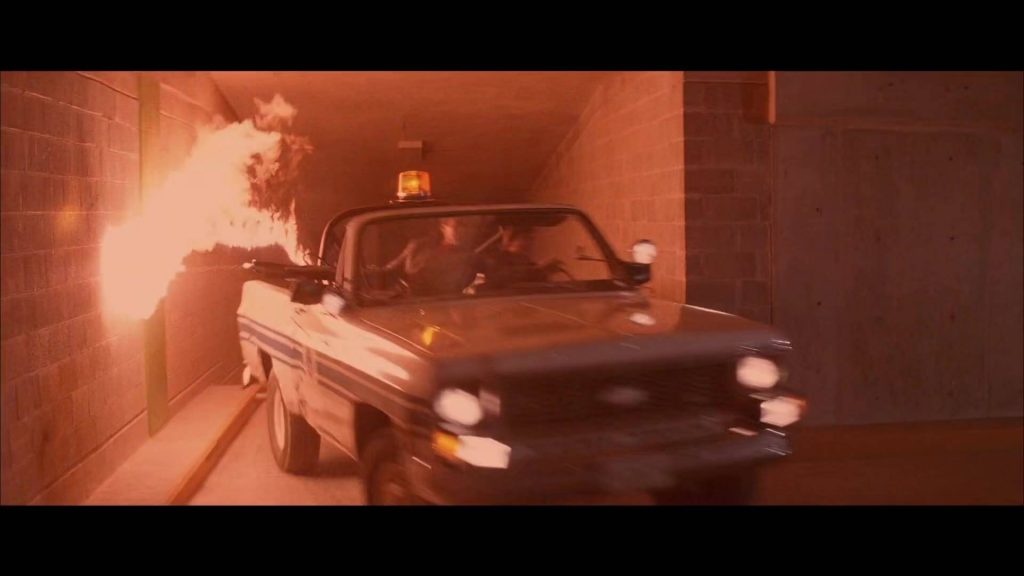
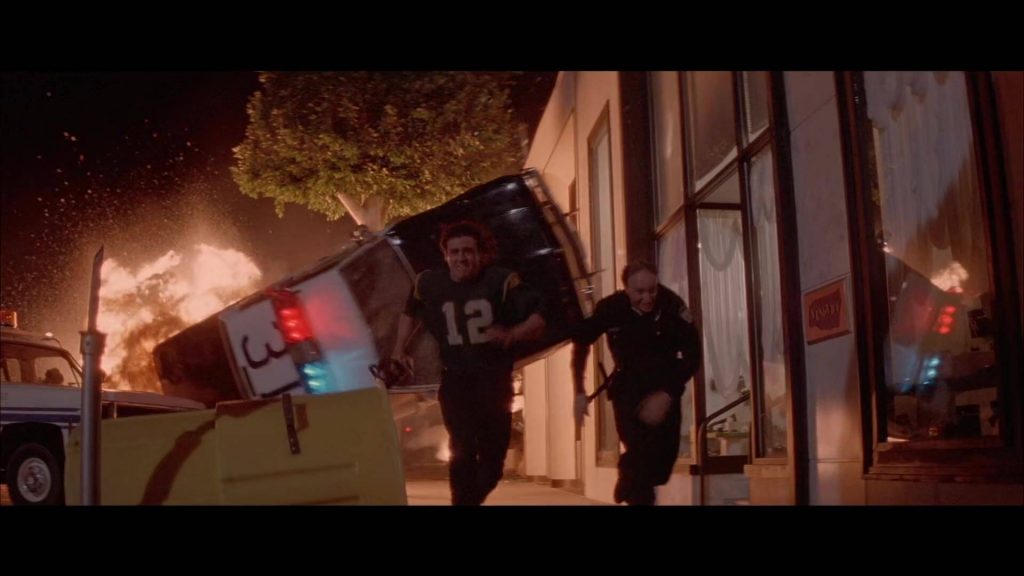
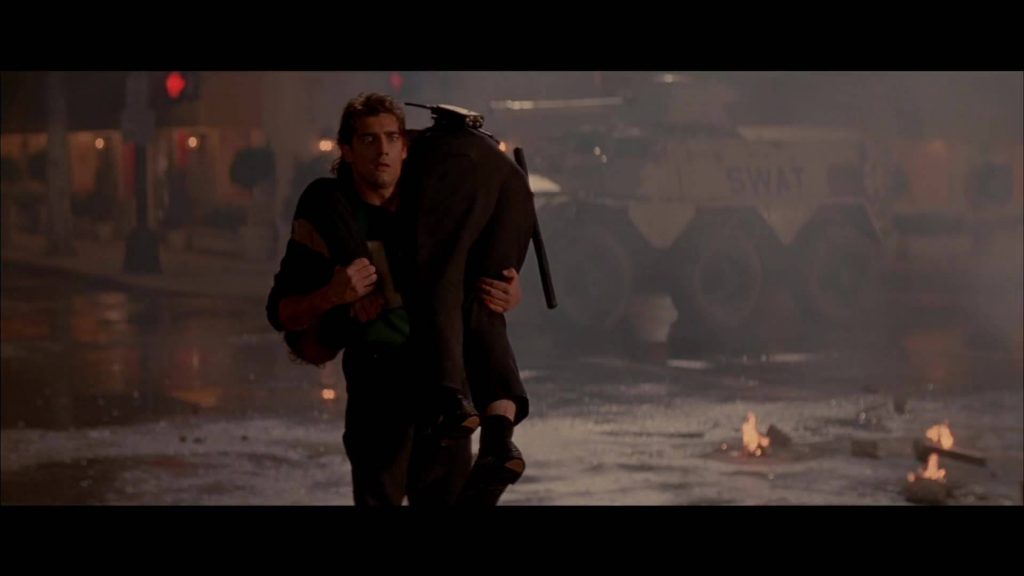
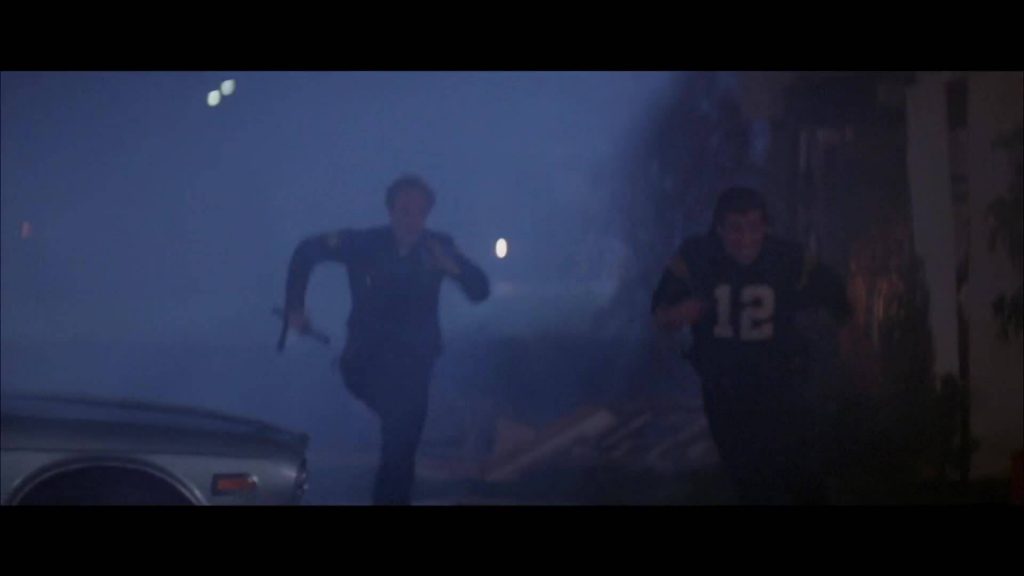
One aspect that stood out was the soundtrack. Contemporary rock powers much of the film, giving even the most absurd sequences an infectious energy. Wahl and Frewer spend much of the running time sprinting away from explosions accompanied by blazing guitars and pounding drums. The film arguably reaches its peak during the spectacular finale, which sees Boomer hurling Molotov cocktails from a speeding Rolls-Royce as it crashes through fire-ravaged streets while Faith No More’s Epic blasts across the soundtrack. It is gloriously over-the-top and perfectly encapsulates the film’s approach to action.
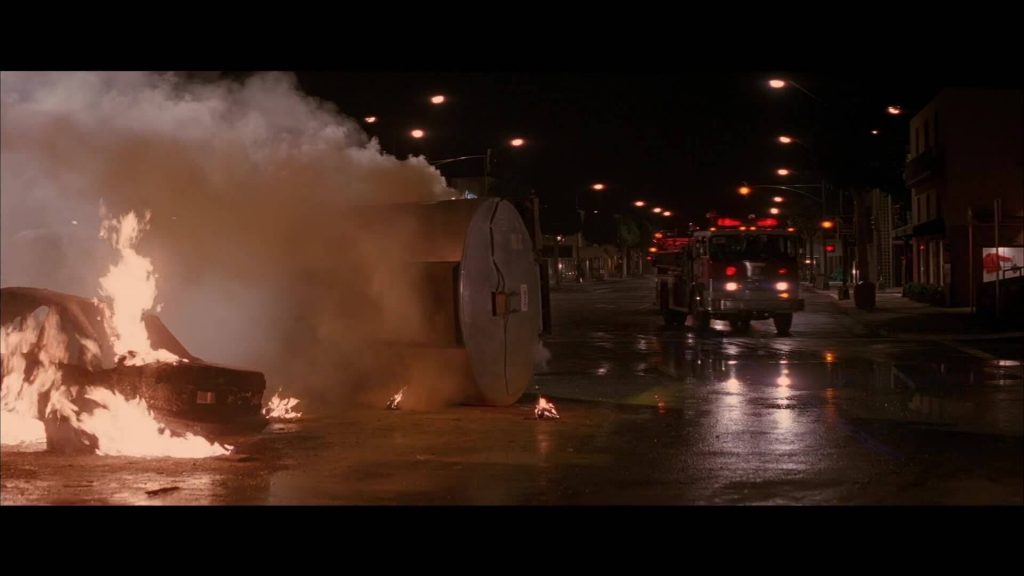
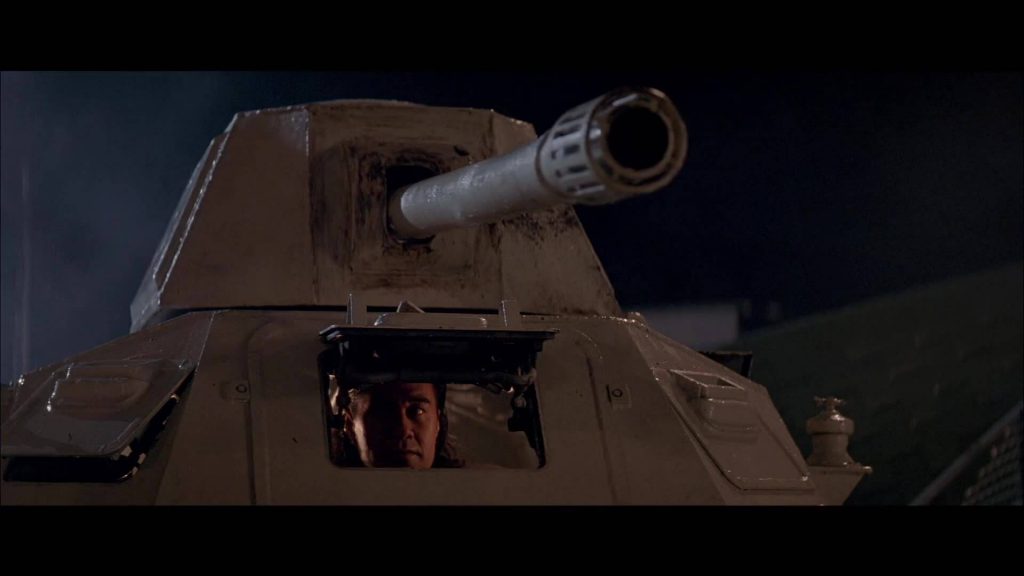
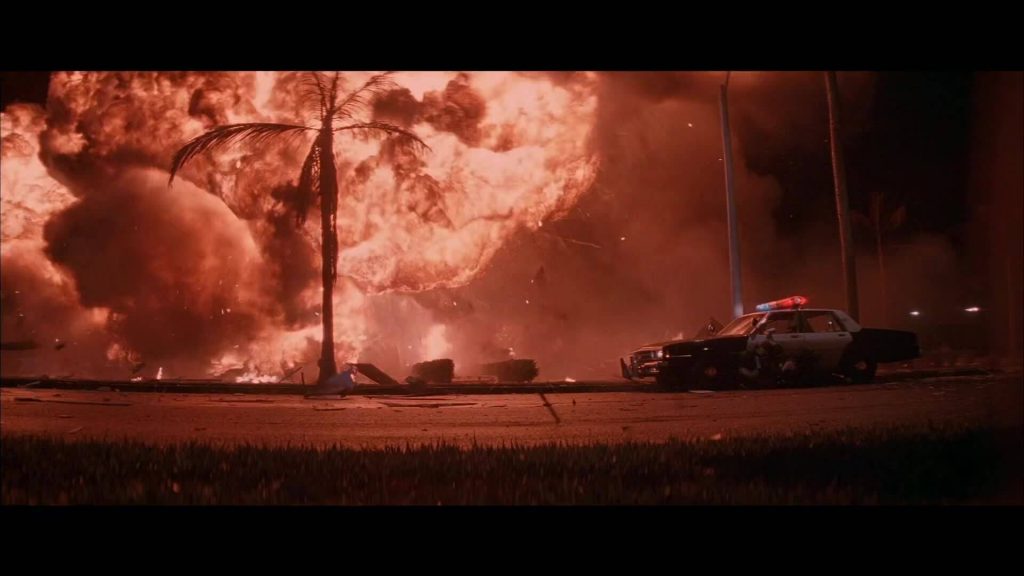
The destruction throughout the film is genuinely impressive. This was made at a time when filmmakers still had to physically blow things up rather than rely on computer-generated effects, and the budget is clearly visible on screen. Cars are wrecked, buildings explode, and large-scale stunts unfold with a sense of weight that modern action films sometimes struggle to replicate.
One of the more enduring pieces of trivia surrounding the film concerns Pamela Anderson. She is often credited as appearing as a cheerleader, yet many viewers, including myself, have never managed to spot her. Whether she is buried somewhere in the background, or had material cut from the final film remains a subject of debate among fans. In truth, the mystery probably adds more to the film’s legacy than an identifiable cameo ever could.
The story behind the film’s release is almost as interesting as the film itself. Although principal photography was completed in 1989, Orion Pictures’ mounting financial troubles delayed its release until 1991. By the time audiences finally saw it, much of the momentum had disappeared. Orion was struggling throughout this period, and several of its productions suffered from delayed releases and lacked marketing.
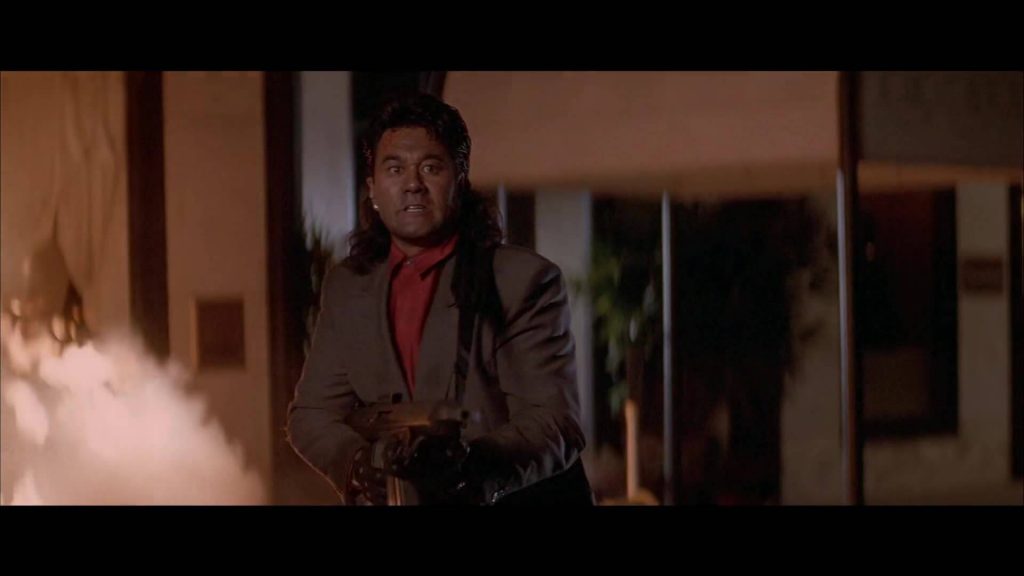
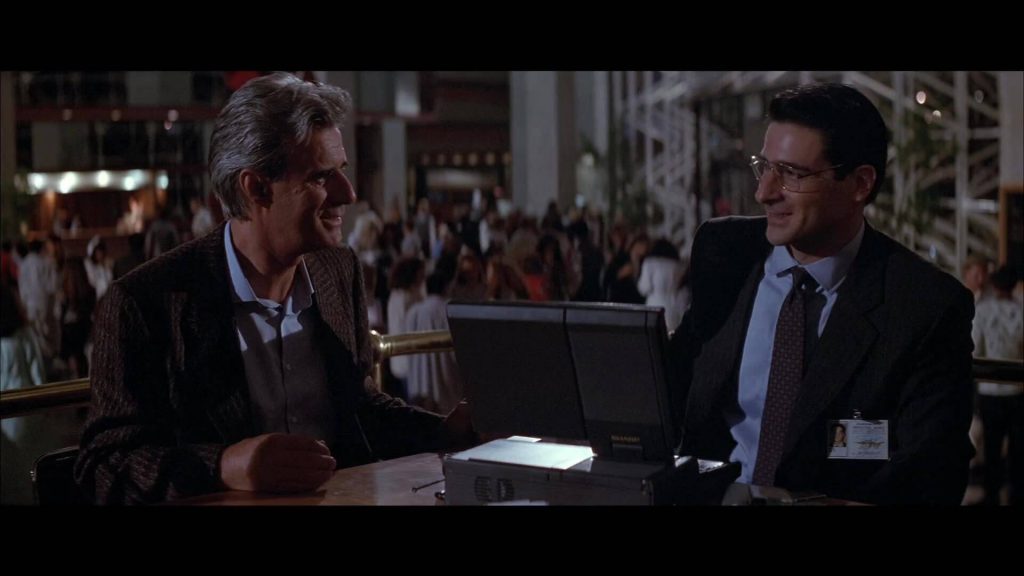
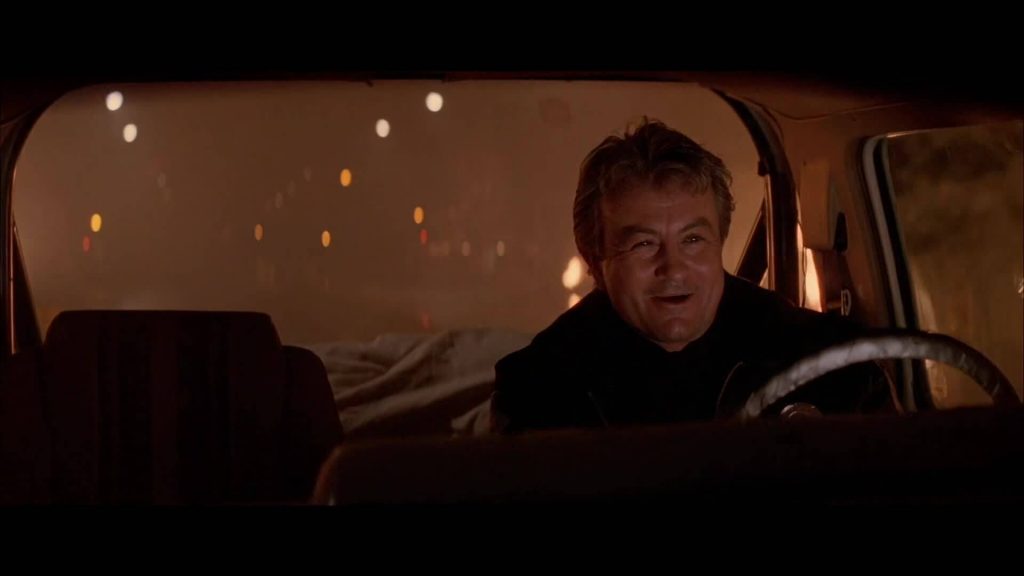
The timing was particularly unfortunate because the cast and crew were in strong form. Ken Wahl was riding the popularity of Wiseguy, and there was perhaps a hope that he might make the same leap from television to movie stardom that Bruce Willis had achieved after Moonlighting. Matt Frewer was a familiar and distinctive screen presence thanks to projects such as Short Time and Max Headroom. Robert Davi was enjoying one of the busiest periods of his career, appearing in films such as Licence to Kill, Predator 2, and Maniac Cop 2. Harley Kozak had recently gained attention through When Harry Met Sally… and Arachnophobia. Behind the camera was veteran director Sidney J. Furie, whose career included classics such as The Ipcress File. On paper, the ingredients were there for a major hit.
Instead, the film quietly slipped away. Released with little fanfare, it performed poorly at the box office, earning only a fraction of its estimated $20 million budget. Yet like many action films of the era, it found a second life on VHS, where its high-concept premise and explosive set-pieces worked a charm on video library shelves.
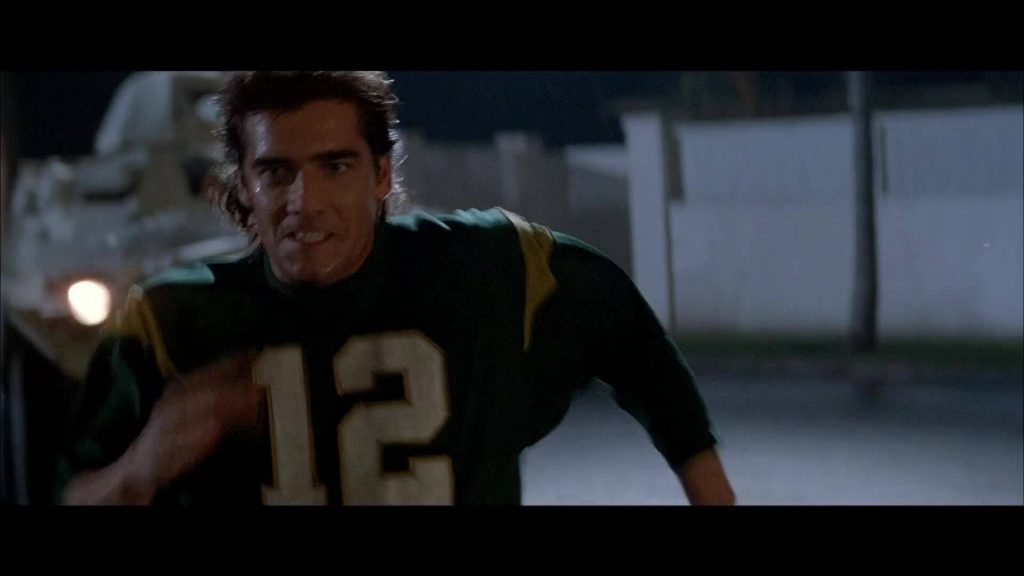
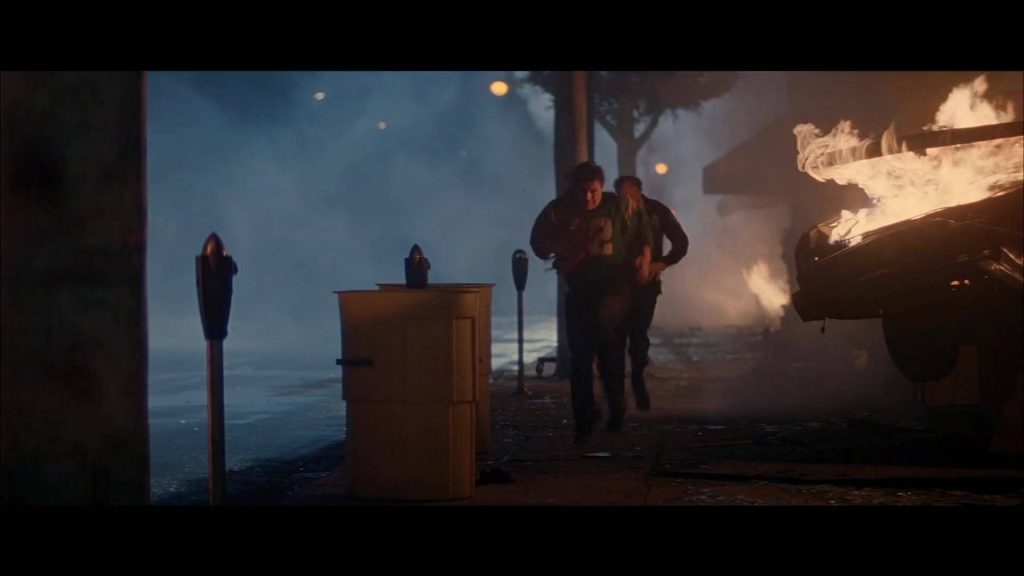
Today, The Taking of Beverly Hills occupies an interesting place in action cinema. It isn’t a classic, and it never reaches the level of craftsmanship achieved by films such as Die Hard, Commando, or even Rambo III. There is something missing that prevents it from joining the top tier. What it does offer, however, is a hugely entertaining slice of late-1980s action excess. It is big, loud, expensive, and unashamedly ridiculous. The stunts are impressive, the villains are memorable, the soundtrack rocks, and the film never stops moving. In many ways, it is the definition of a “four-star three-star movie,” better than its reputation suggests, yet never quite good enough to become a genuine classic.
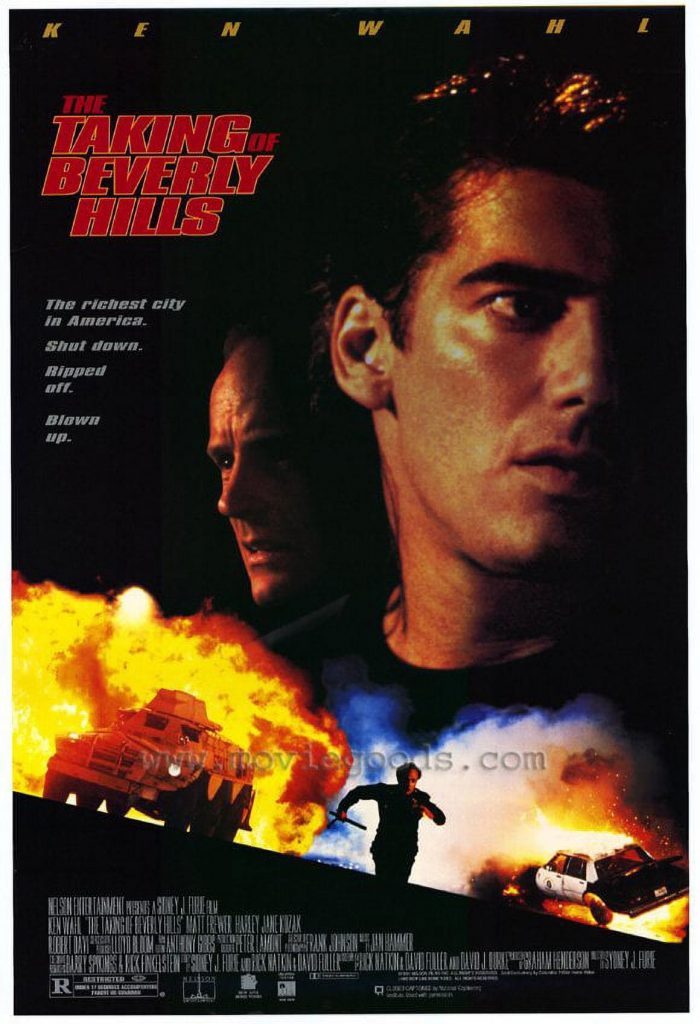
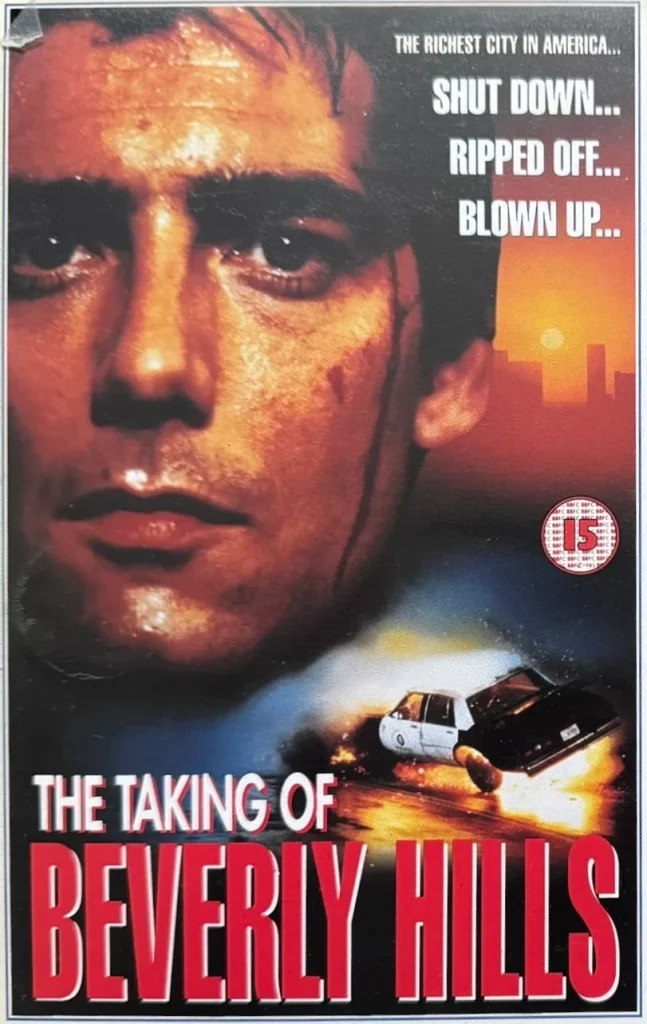
For collectors, the film received a Blu-ray in North America from Kino Lorber giving the film one of its strongest home video presentations to date. The disc was well received and included an audio commentary featuring film historians who explore the film’s troubled production and place within the post-Die Hard action boom.
European collectors had already been catered for years earlier, with a German Blu-ray release from Ascot Elite under the rather more colourful title Boomer – Überfall auf Hollywood (Boomer – Assault on Hollywood).
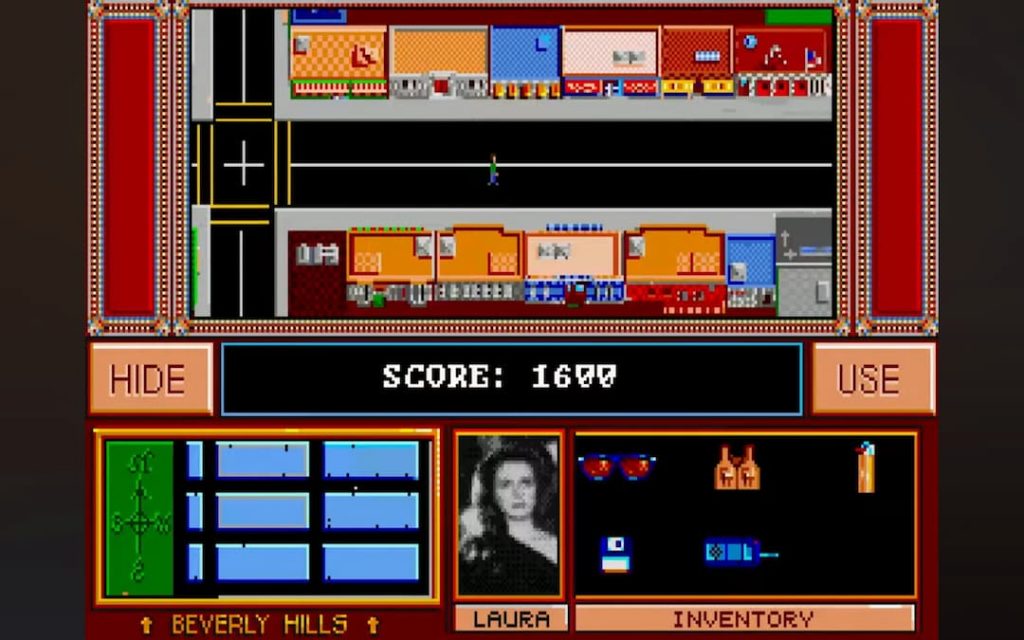
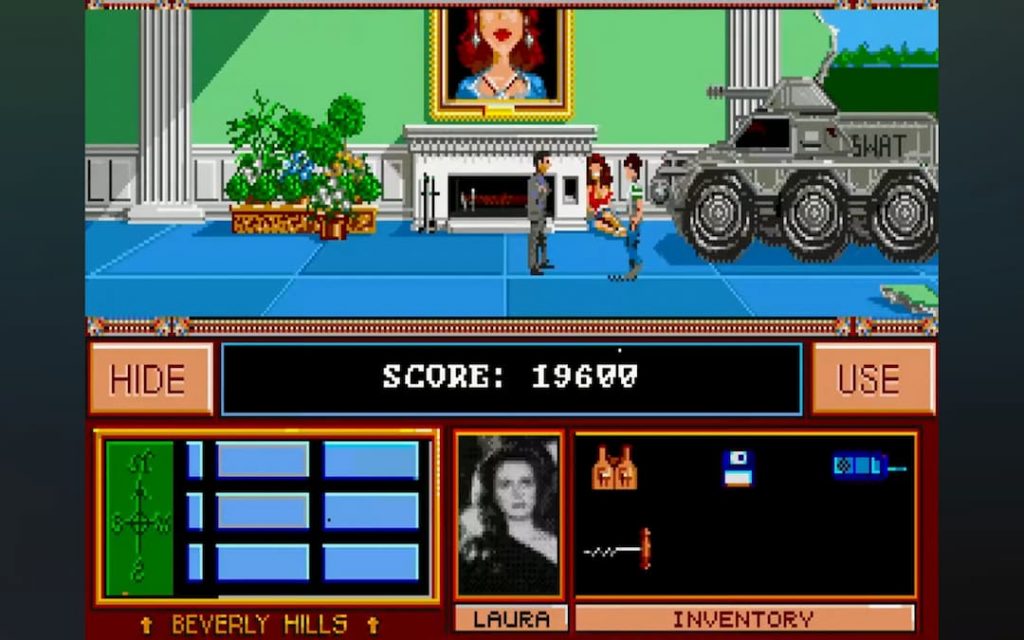
Another indication that there were genuine hopes for The Taking of Beverly Hills can be found in its surprisingly obscure video game tie-in. Movie licences weren’t handed out to every action film in the early ’90s, and the existence of a game suggests Orion expected the film to make enough of an impact to justify expanding it into other media. Ironically, much like the film itself, the game seems to have had a very limited release, appearing only in the US and select European territories.
I’m fortunate enough to own the French edition, which is entirely playable in English apart from the manual. A strange choice is that the game is a Point and Click adventure, given the movie is a fast moving action affair, I guess that was an approach used for one of the Indiana Jones and the Last Crusade games. That rarity has made it an interesting collector’s piece, mirroring the film’s own journey from overlooked theatrical release to cult curiosity