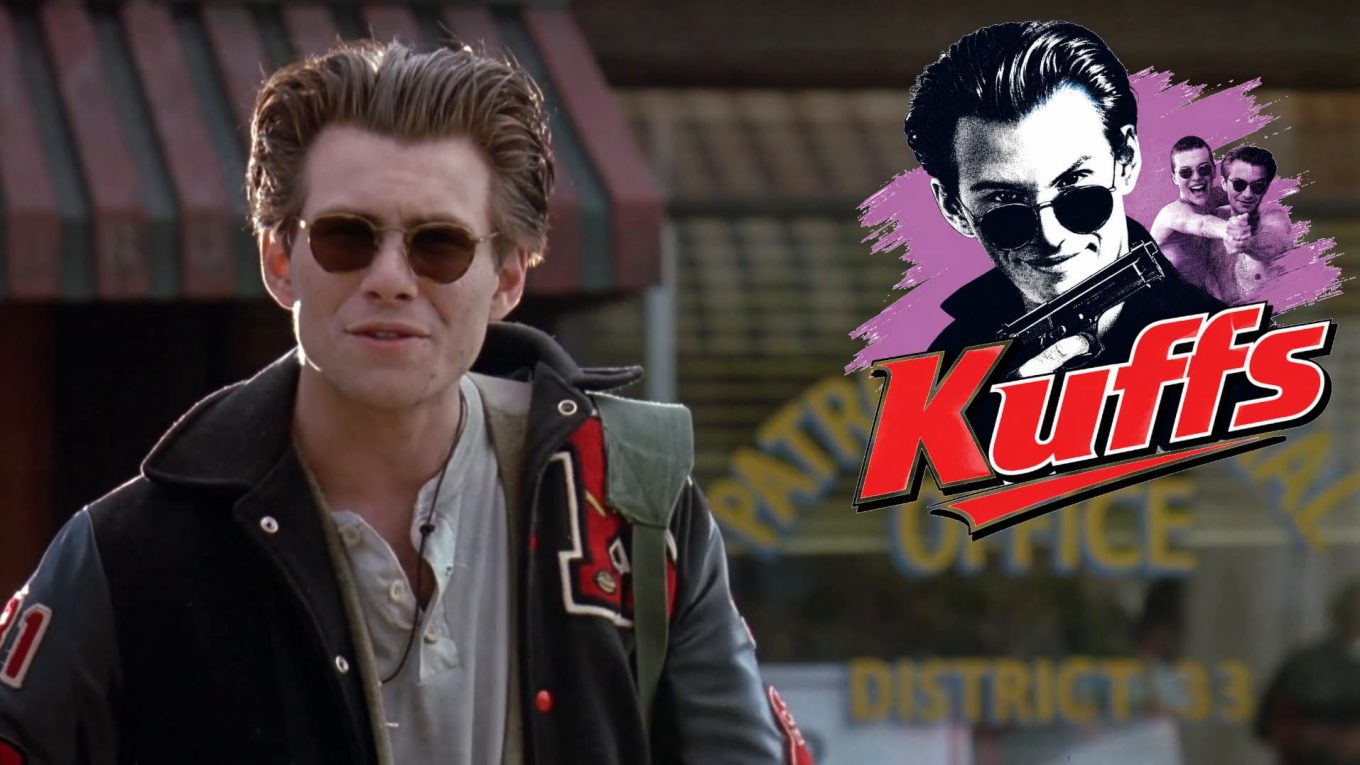
Kuffs (1992)
There’s a version of Kuffs that should have been a defining early-’90s hit. On paper, it’s almost engineered for success: a fast-talking, fourth-wall-breaking lead, a slick San Francisco setting, and a tone that tries to bottle the lightning of buddy-cop cool and Gen X attitude. Watching it now, you can still see that ambition flickering throughout, but it never quite swivels and locks.
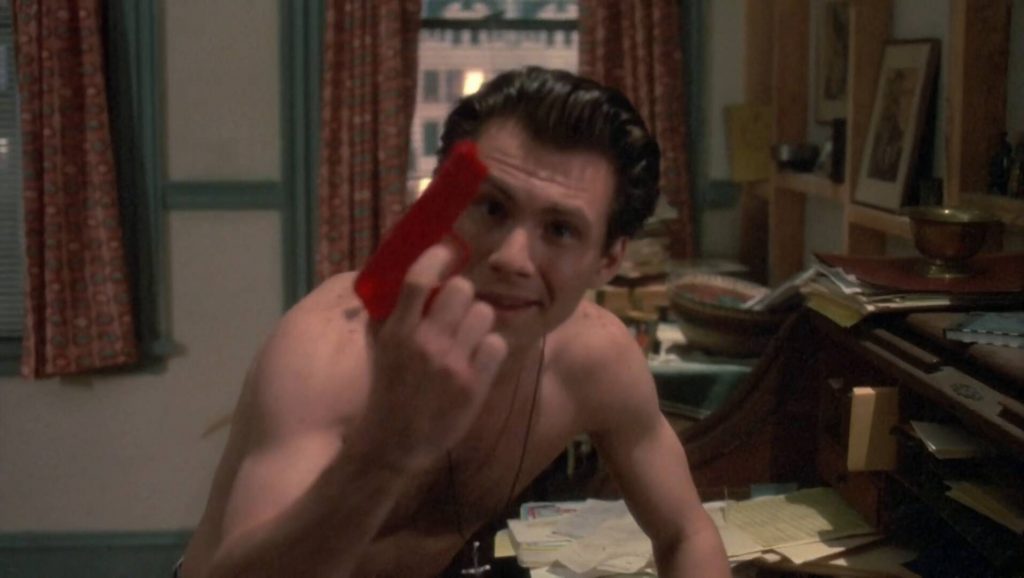
Coming off the momentum of Heathers and Gleaming the Cube, Christian Slater was a smart pick to headline. He had that smirking, rebellious charm studios were eager to package, and Kuffs leans heavily into it. The film is essentially: what if you fused the wisecracking, street-smart swagger of Beverly Hills Cop with the direct-to-camera cheek of Ferris Bueller’s Day Off? It’s a compelling idea, and at times, it works. Slater breaks the fourth wall with a confidence that feels natural rather than gimmicky, giving the film a slightly anarchic edge compared to its more formulaic peers.


Add in a score by Harold Faltermeyer, whose synth-heavy style inevitably evokes memories of Axel Foley cruising through Beverly Hills, and you’ve got all the ingredients for a slick, crowd-pleasing ride. So what went wrong?
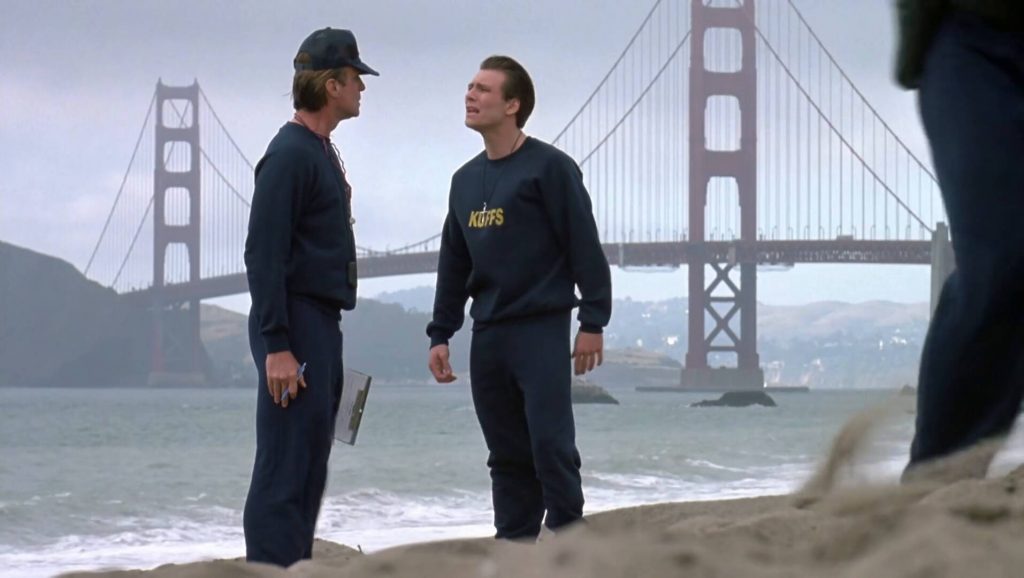
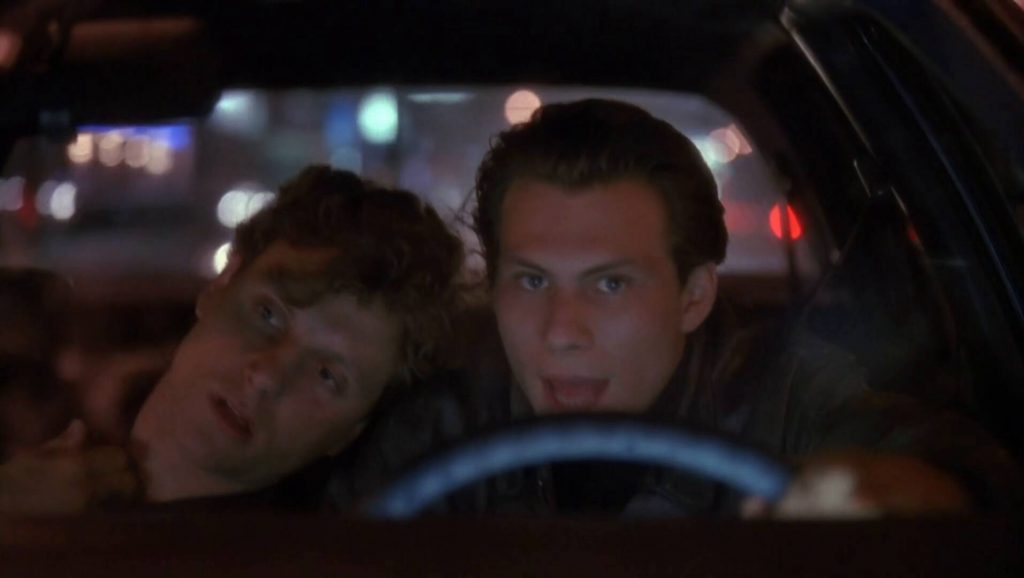
The strange thing is… not much. Kuffs didn’t bomb; it just didn’t matter. It arrived, did modest business, received lukewarm reviews, and quietly slipped out of the cultural conversation. It’s one of those films that feels like it should have been bigger than it was, yet never quite earns that status.
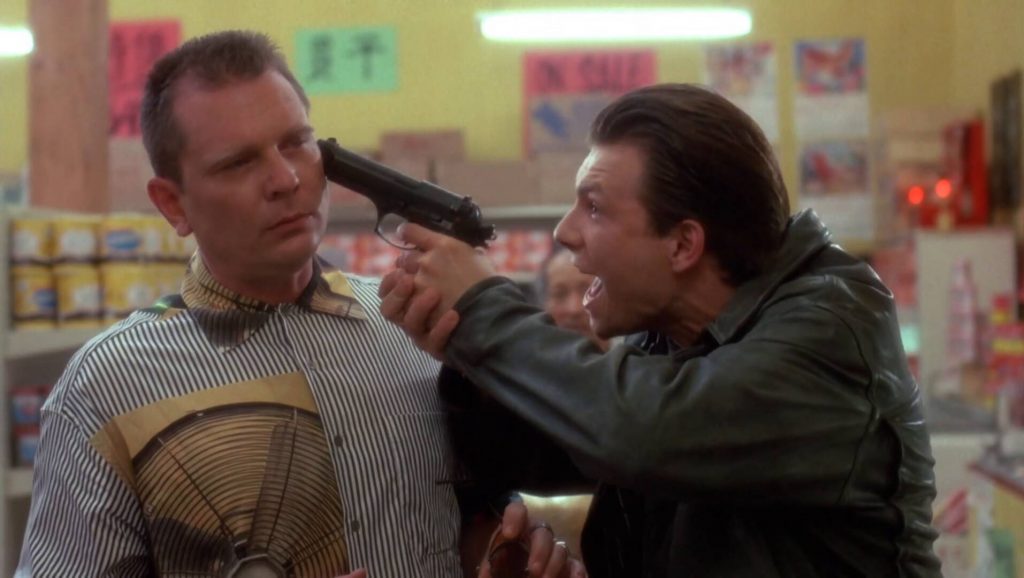
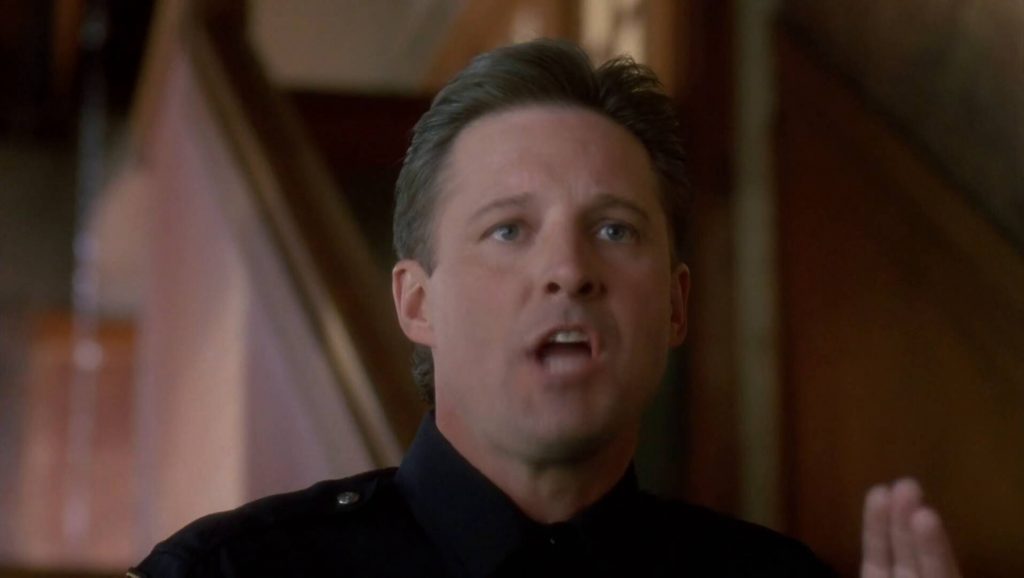
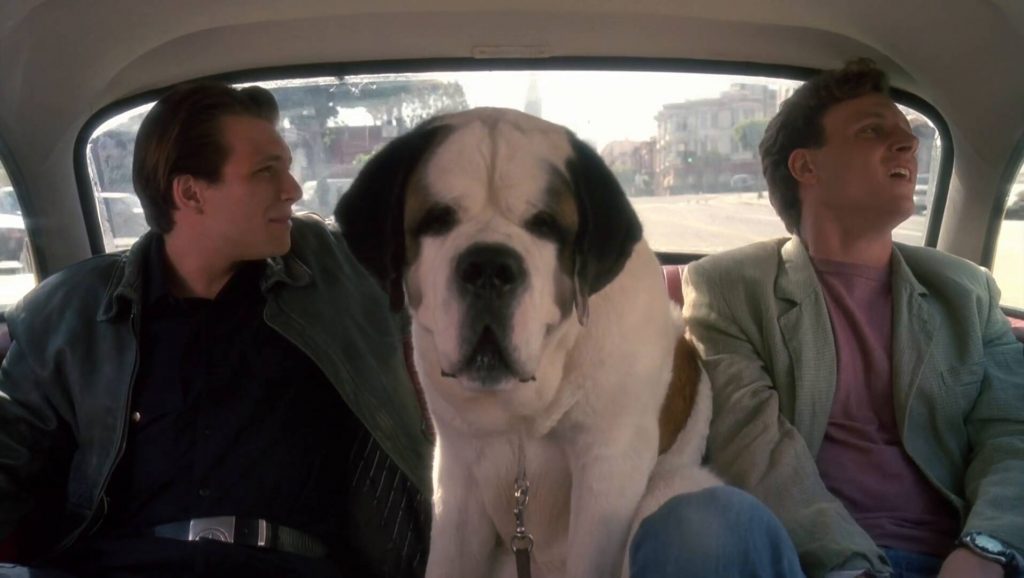
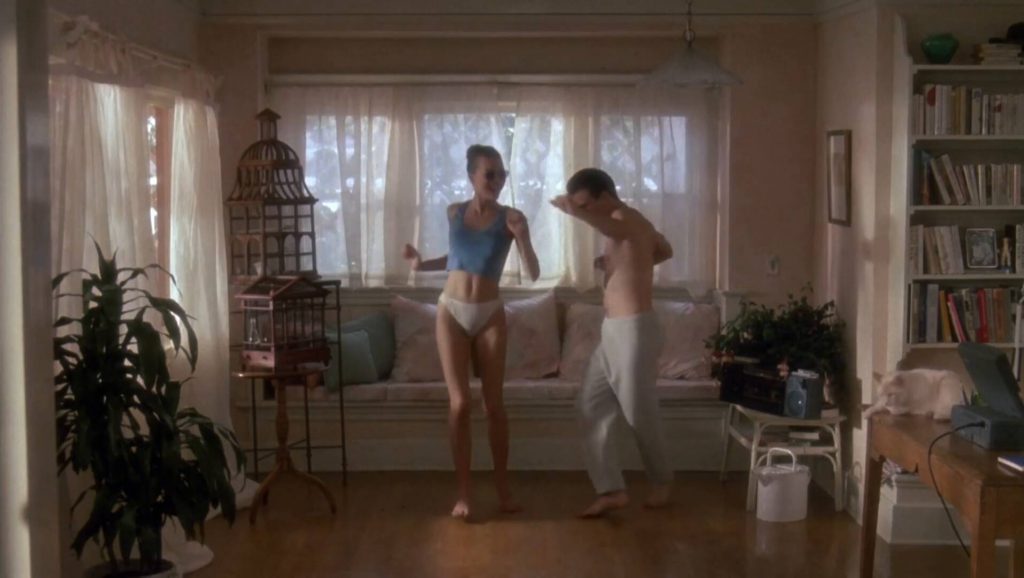
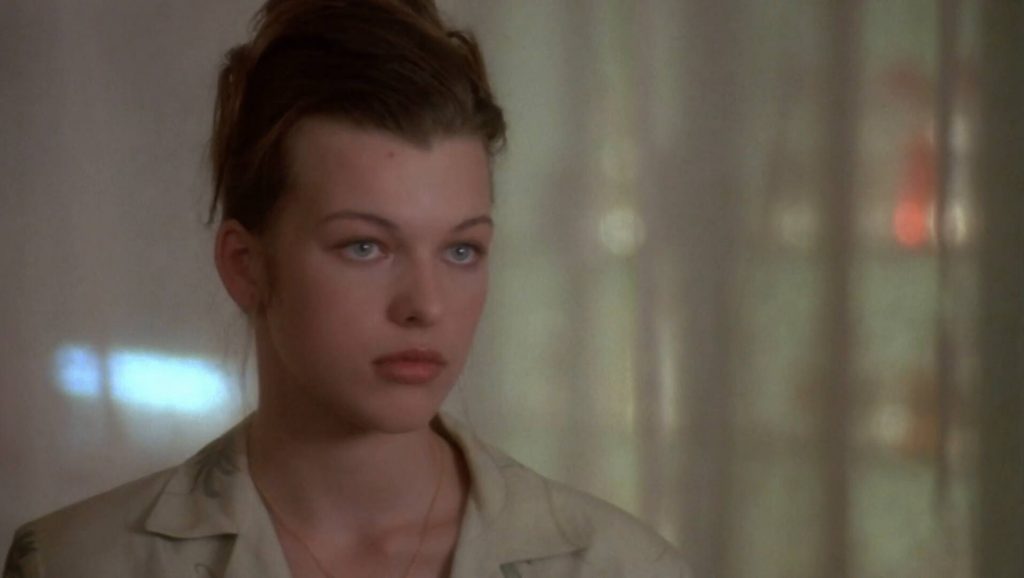
Revisiting it now, the film is still an easy, likeable watch. The opening, featuring a young Milla Jovovich, has a breezy charm, and Slater carries the film with a laid-back charisma that occasionally tips into trying a bit too hard to be “cool.” His dynamic with Tony Goldwyn is genuinely strong, which makes it all the more frustrating that Goldwyn disappears for large stretches of the film. There’s a better, tighter buddy movie hiding in there somewhere.

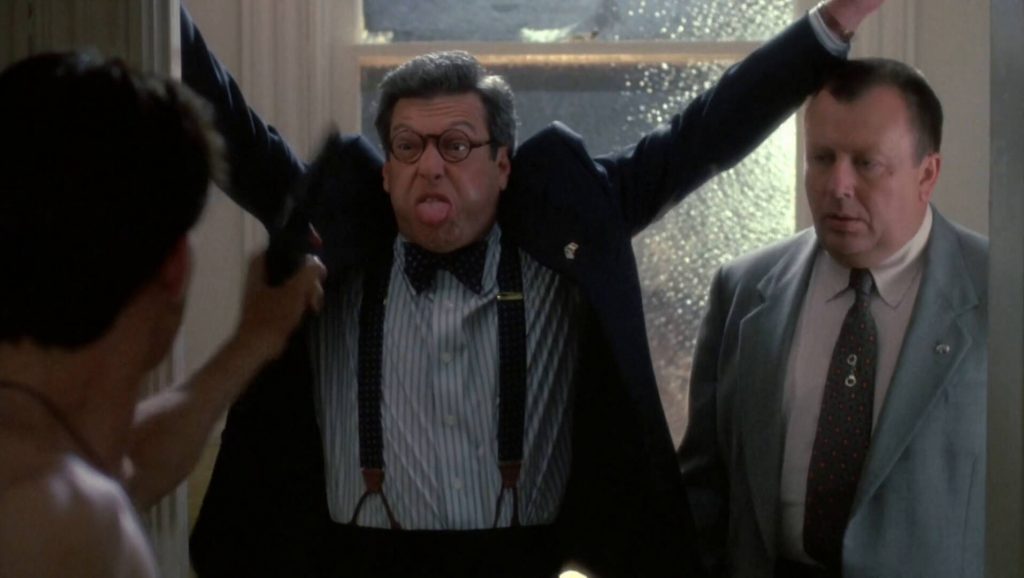
The comedy lands often enough, though it sometimes leans into the kind of early-’90s humour that hasn’t aged particularly well, there’s a certain gag involving Goldwyn’s guts that feels more awkward than funny today. Still, the film’s tone remains light and energetic, never bogged down by its own missteps.
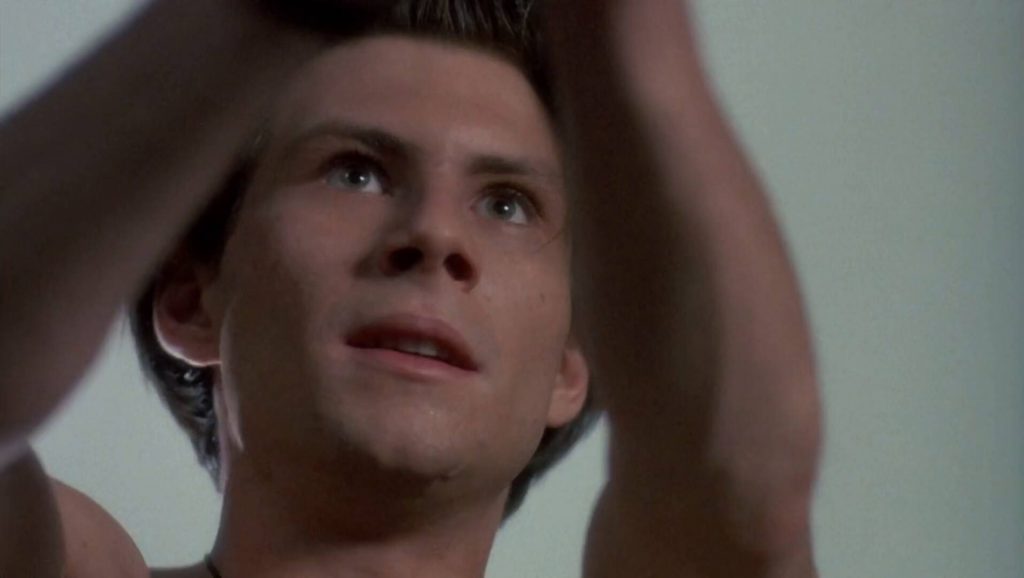
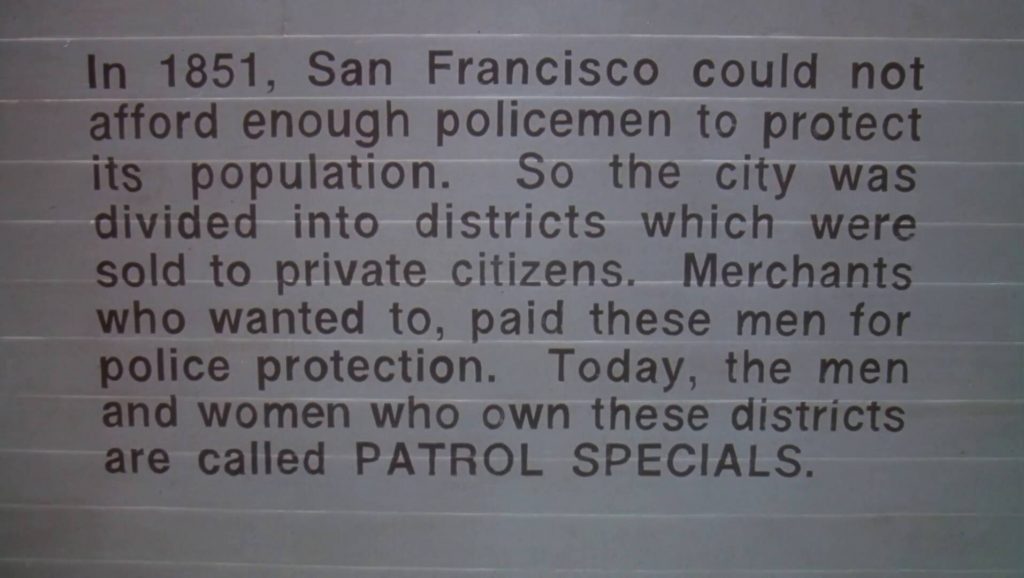
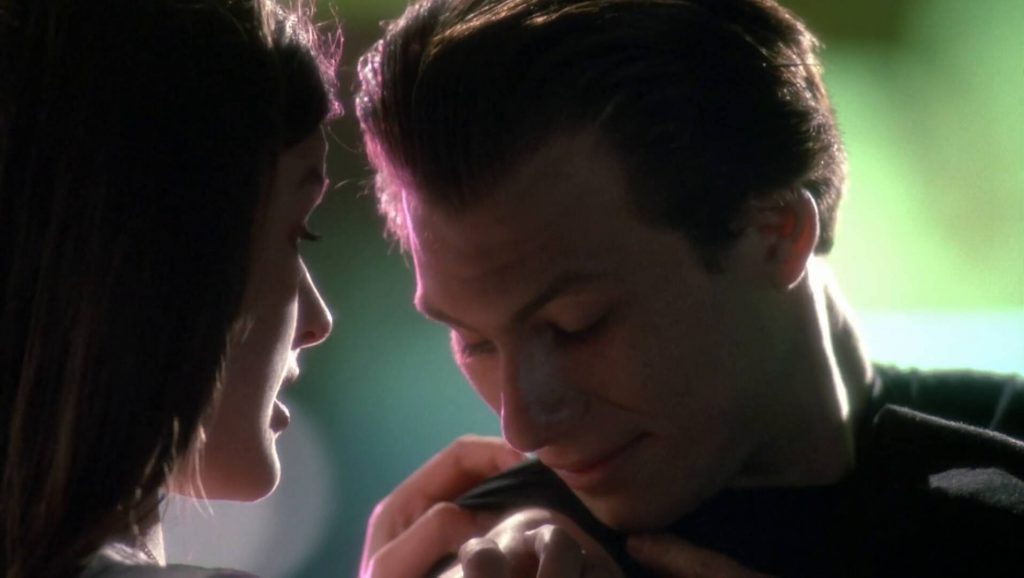
Where Kuffs really stumbles is in its narrative. The central premise, private “Patrol Specials” operating in tandem with official law enforcement, is intriguing but complex to explain. The mechanics of how this system works are muddled, and the film never quite grounds its world in a way that makes intuitive sense. Whether that confusion is cultural (the quirks of American municipal systems) or just clumsy storytelling, it demands more attention than a breezy action-comedy should.
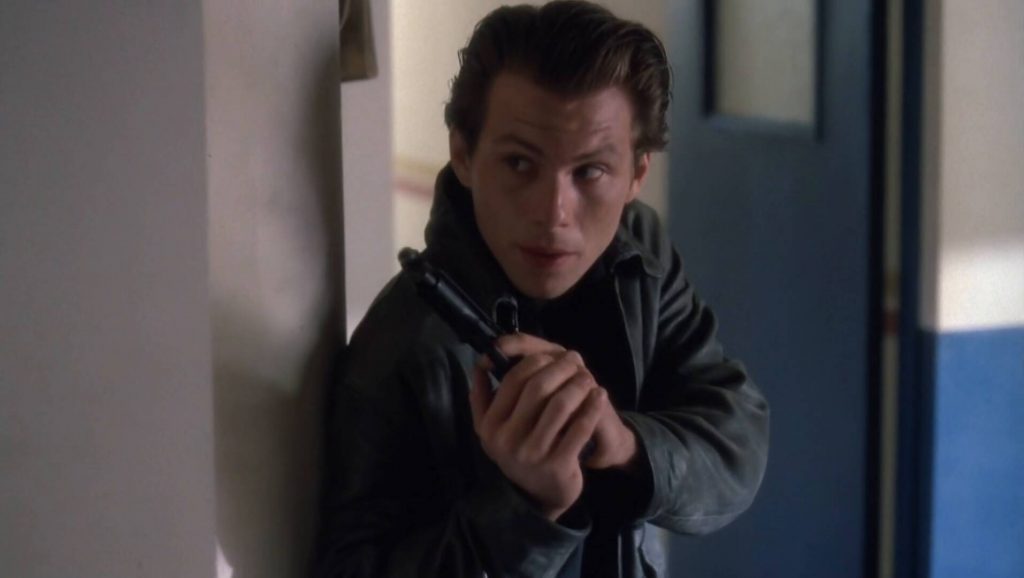
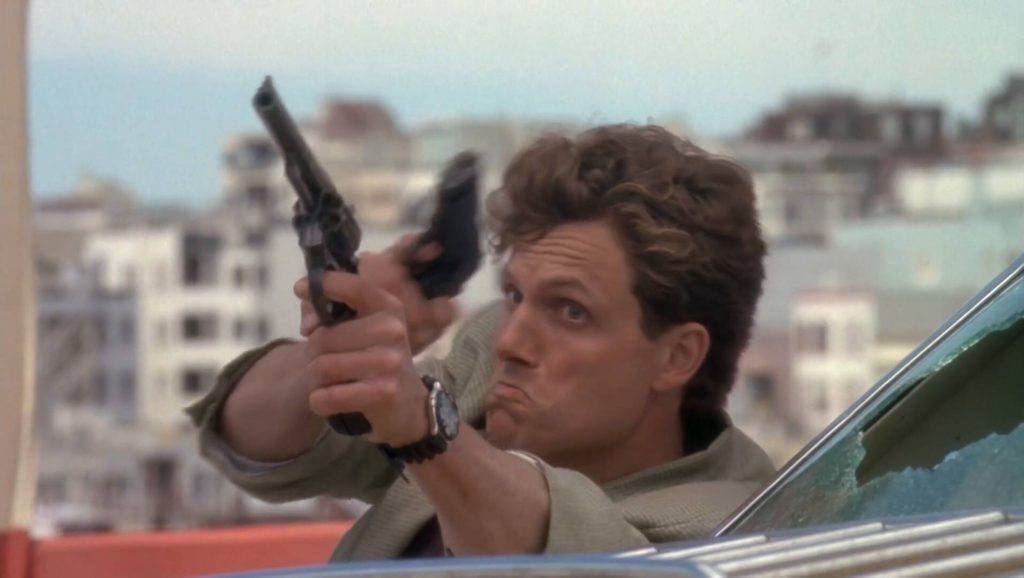
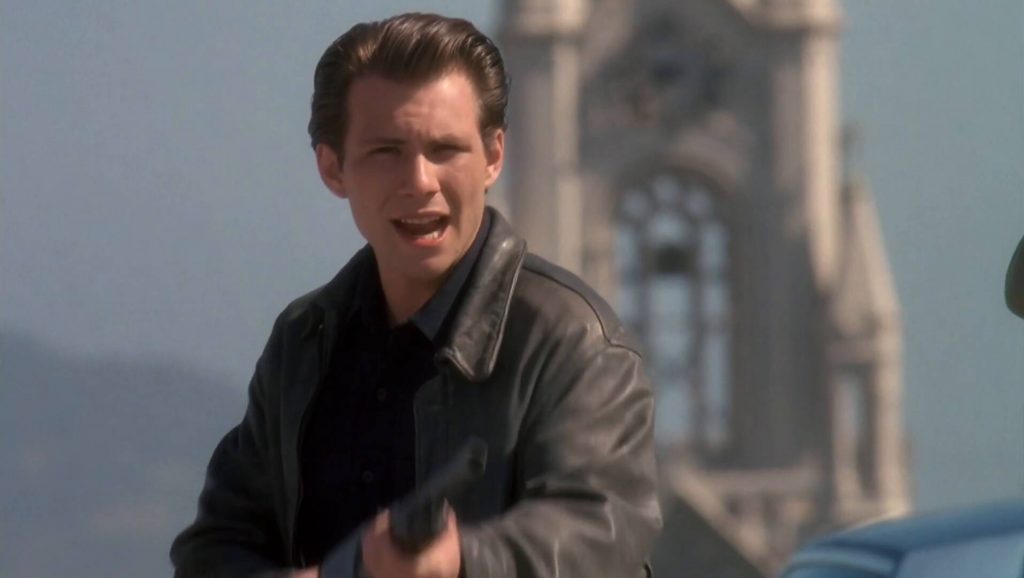
And then there’s the ending. After building up its conflict, Kuffs wraps everything up with surprising haste, almost as if it runs out of time or interest. Slater’s character effectively closes the story with a quick, almost throwaway address to the camera, a move that fits the film’s style, but feels dramatically underwhelming.
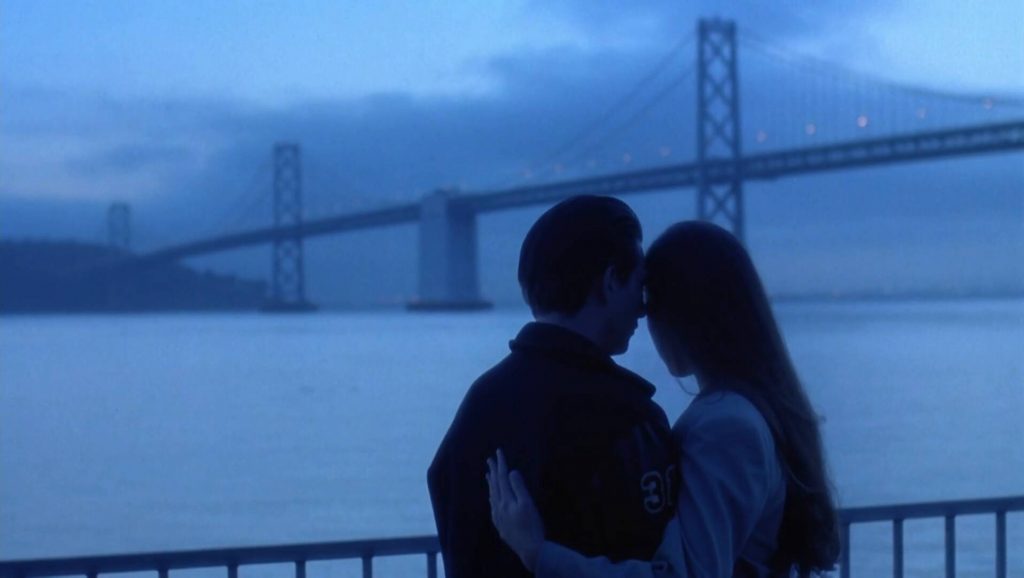
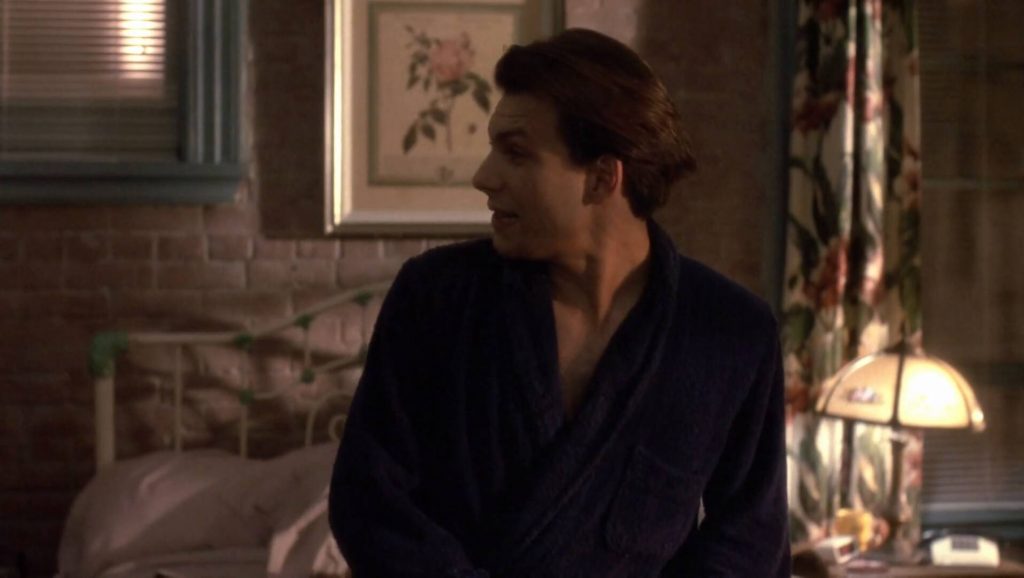
In the end, Kuffs is a film full of good ideas that never quite coalesce into something memorable. It’s got charm, a strong central performance, and flashes of originality, but it lacks the polish and narrative clarity needed to elevate it alongside the classics it so clearly emulates. Not a hidden gem by any stetch, but far from a misfire. More like a near-miss that’s still worth a revisit if you’re in the mood for a slice of early-’90s attitude.
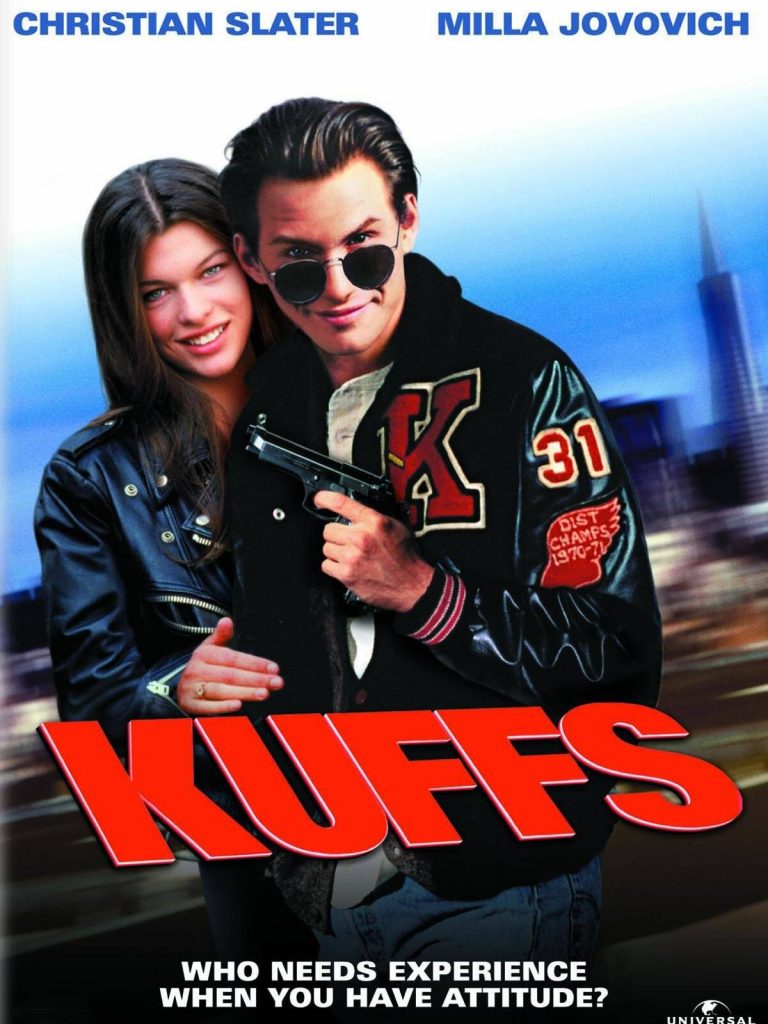
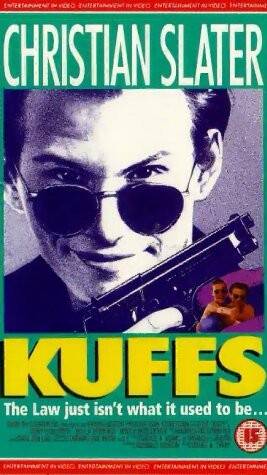
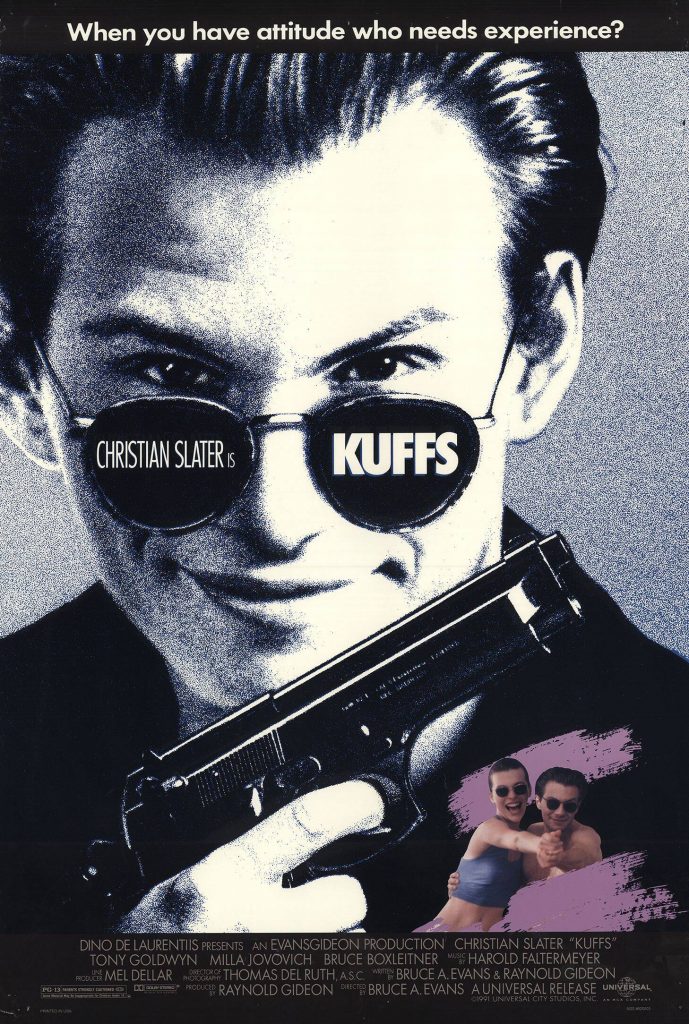
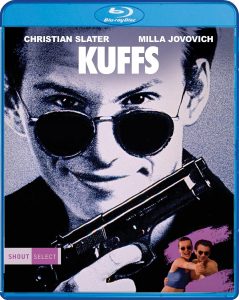
The US were treated to a Shout Select blu several years ago that recieved good reports on transfer and a few good looking features. I would love to hear the commentary track one day.
Here in the UK, we have DVDs and YouTube. Unless you have Region A player.