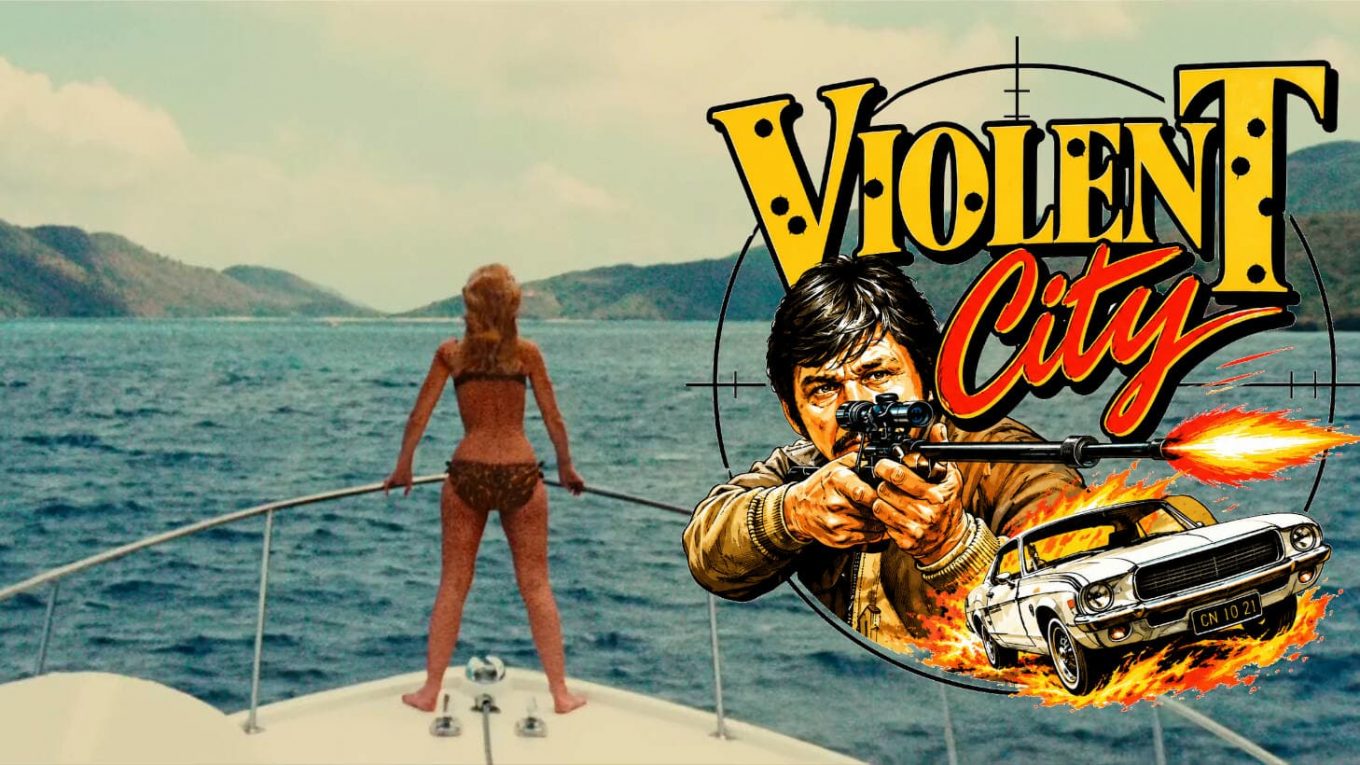
Violent City (1970)
When people discuss the great Italian crime thrillers of the 1970s, Violent City (Città Violenta) often finds itself overshadowed by the wave of harder, grittier poliziotteschi films that followed. Yet this investing, atmospheric thriller from Sergio Sollima remains one of the genre’s most fascinating early entries, combining the elements of film noir, the cool professionalism of a hitman thriller, and the visual flair that made Sollima one of Italy’s most accomplished directors. Released in 1970 and starring Charles Bronson, Telly Savalas, Jill Ireland and Umberto Orsini, the film saw Sollima’s transition from the Spaghetti Westerns that made his reputation into the urban crime stories that would define much of Italian cinema during the decade.
At its heart, Violent City is a revenge story, but one far more complicated than its premise initially suggests. Professional hitman Jeff Heston (Bronson) is enjoying a rare holiday in the Caribbean with his lover Vanessa (Ireland) when an assassination attempt leaves him wounded and presumed dead. To make matters worse, Vanessa appears to have been involved in the setup. After surviving the attack and serving time in prison, Heston emerges determined to settle scores with everyone who betrayed him.
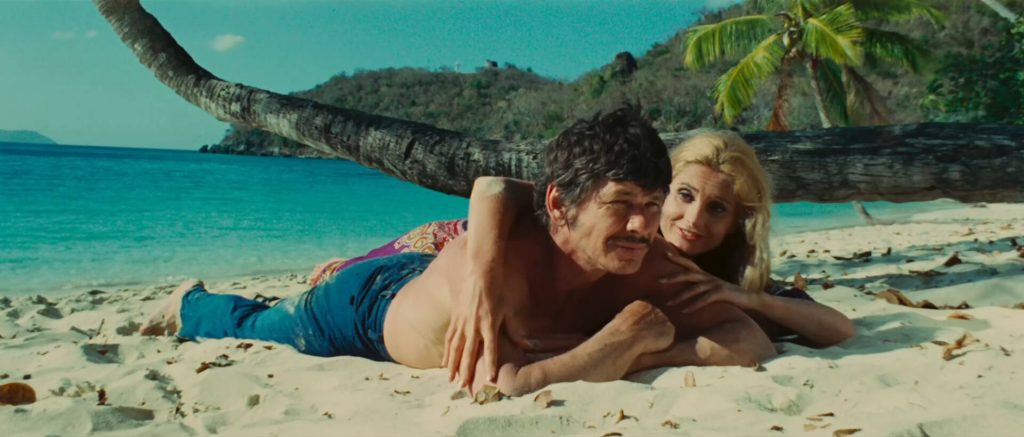
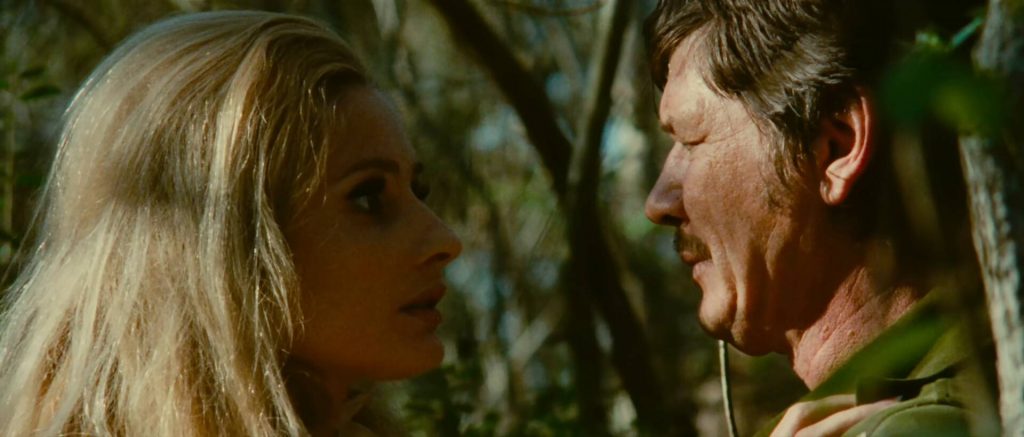
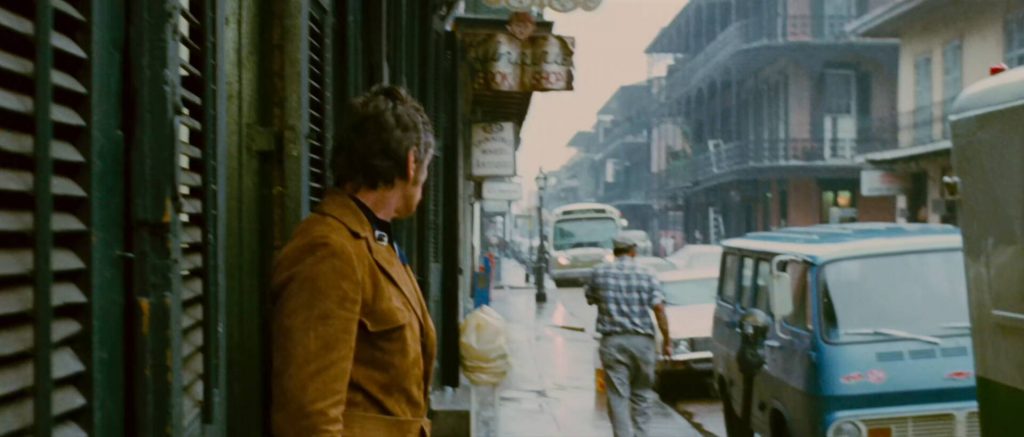
What follows is not simply a straightforward revenge mission. The screenplay gradually reveals layers of manipulation and treachery, with Jeff discovering that powerful crime boss Al Weber (Savalas) may have orchestrated events for personal reasons moreso than professional. As the plot unfolds, revenge becomes tangled with obsession, desire, and the lingering emotional hold Vanessa still has over Jeff.
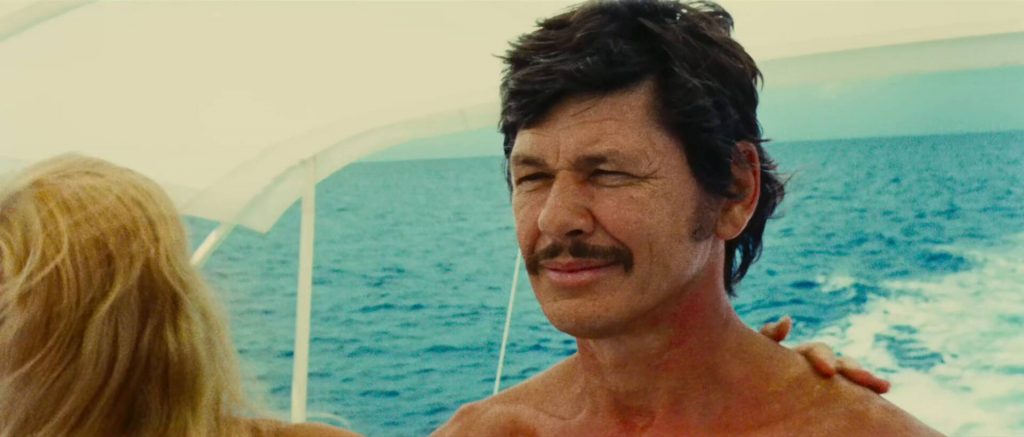
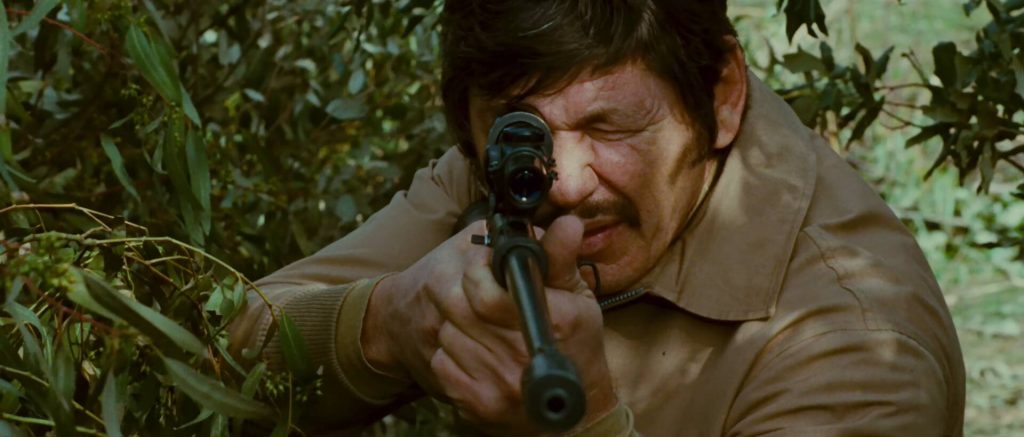
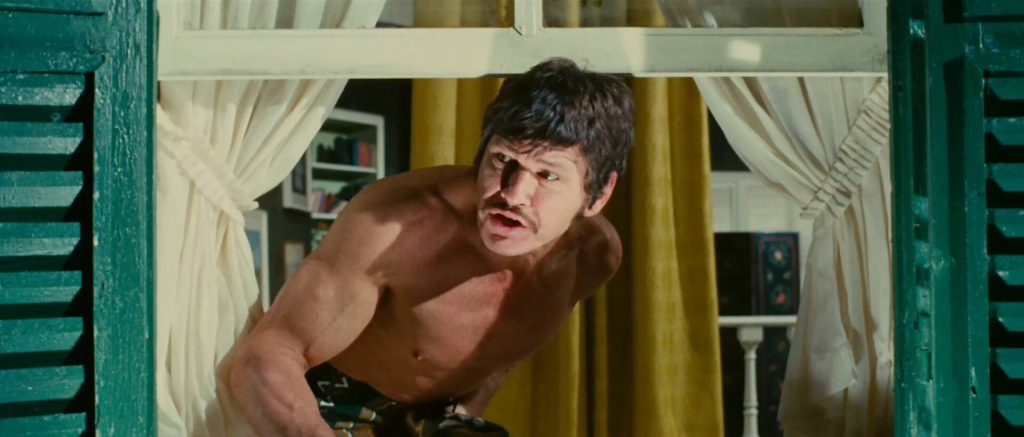
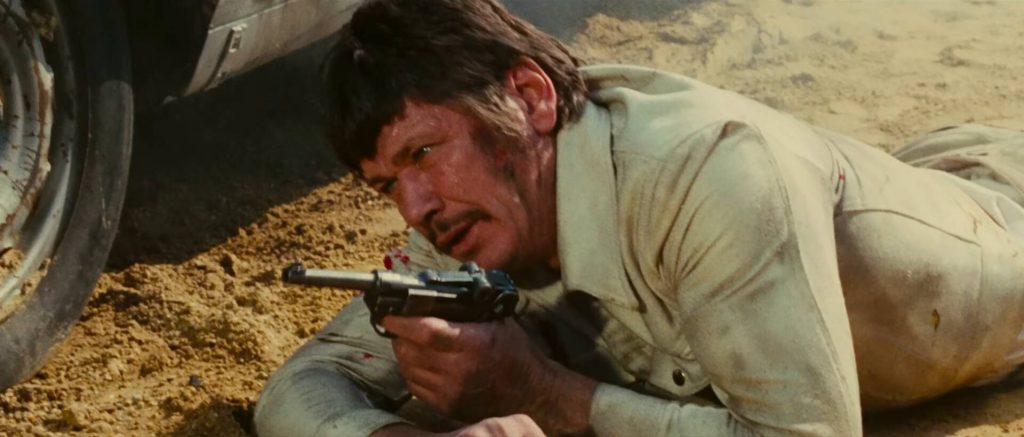
By 1970, Bronson was on the verge of becoming one of the world’s biggest action stars. Having already appeared in classics such as The Magnificent Seven and Once Upon a Time in the West, he was beginning his ascent as a leading man, particularly in Europe where his popularity often exceeded that in the United States. Violent City feels like a blueprint for many of the roles Bronson would play throughout the 1970s. Jeff Heston is a man of few words, relying on presence rather than dialogue. Bronson’s granite-faced performance conveys determination, bitterness and vulnerability with minimal expression. He doesn’t dominate scenes through speeches, instead he commands attention by standing still and staring down his opponents… a style Bronson would adopt frequently in the future.
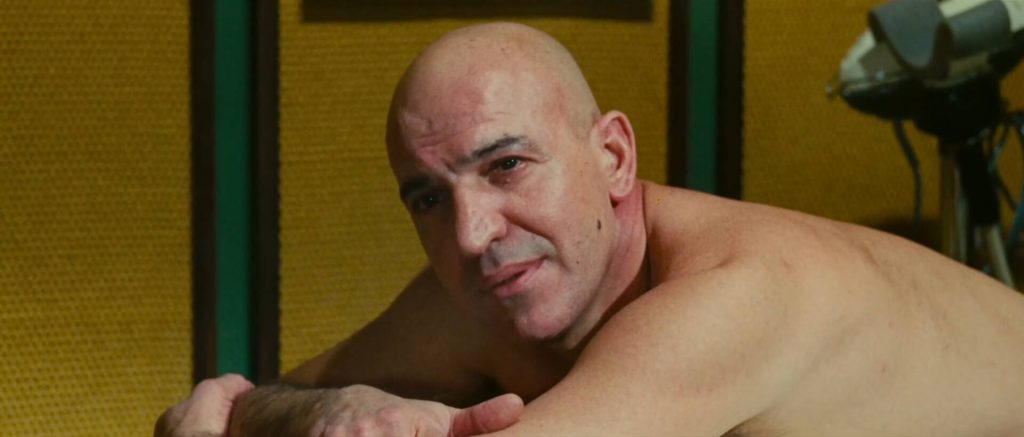
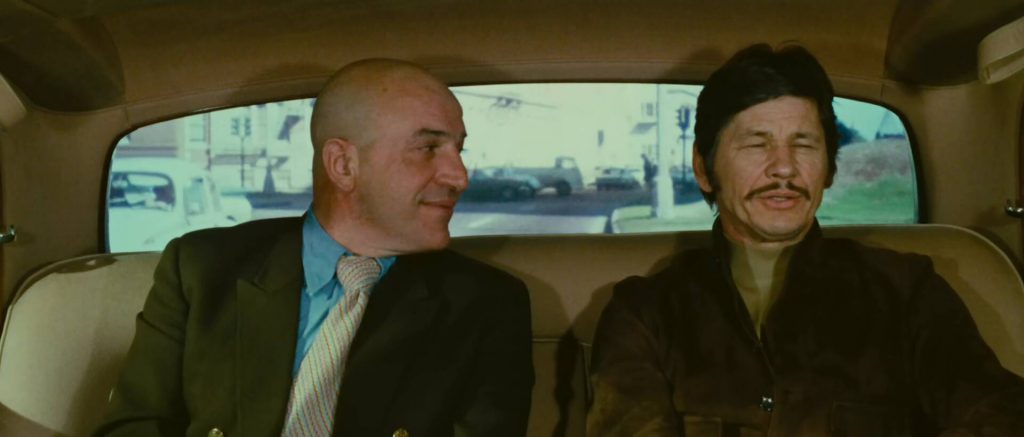
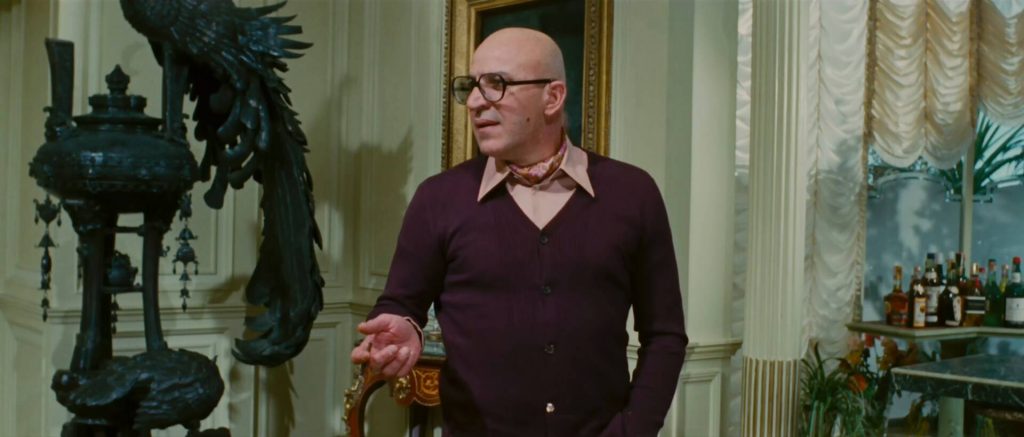
As memorable as Bronson is, the film arguably belongs to Telly Savalas. Playing mob boss Al Weber, Savalas delivers exactly the sort of performance that made him such a welcome screen presence. Charming one moment and terrifying the next, Weber is a villain who never needs to raise his voice to establish dominance. His confidence and unpredictability make him a constant threat. The scenes between Bronson and Savalas crackle with tension.
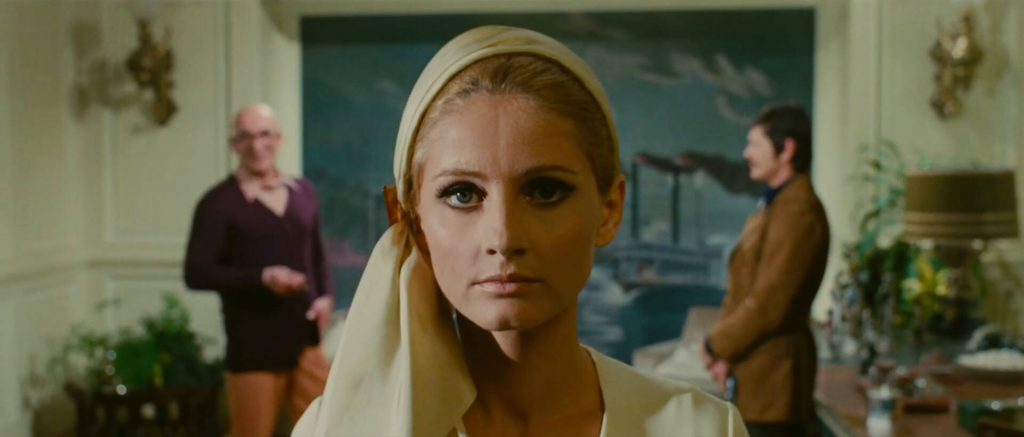
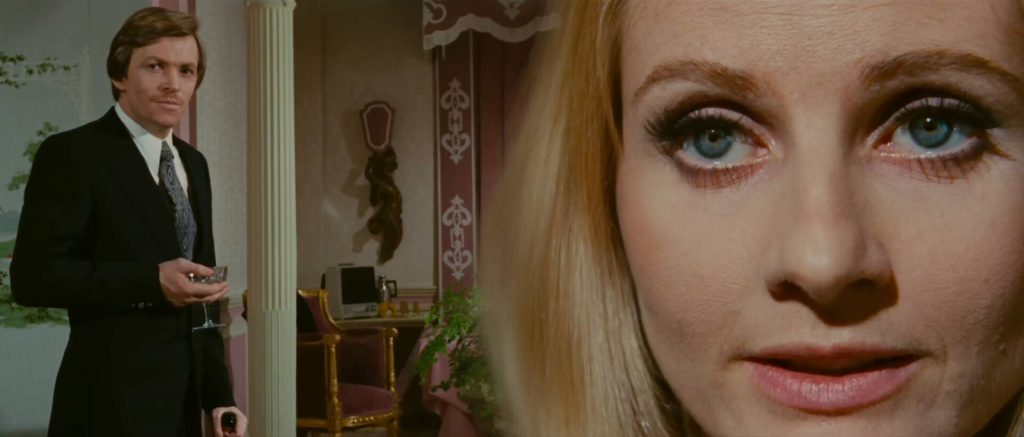
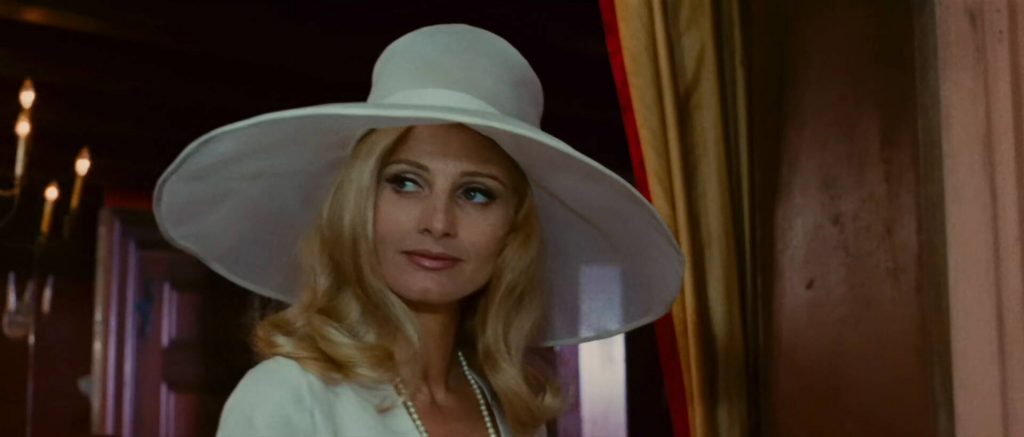
Jill Ireland often receives mixed assessments from critics, but Violent City arguably gives her one of her stronger roles opposite Bronson. Vanessa is the catalyst for the entire story, yet she remains deliberately enigmatic. Is she genuinely trapped by circumstances? Is she manipulating everyone around her? Or is she simply trying to survive in a world controlled by dangerous men? The audience can never fully understand Vanessa’s motives.
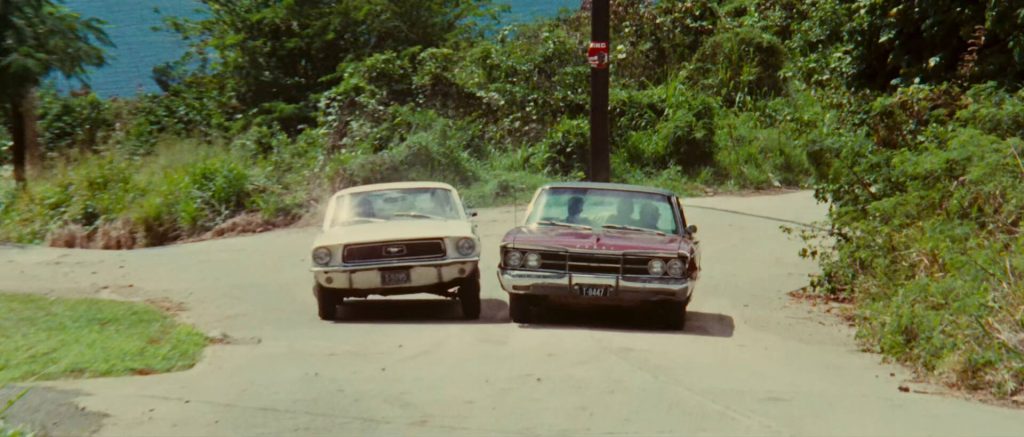
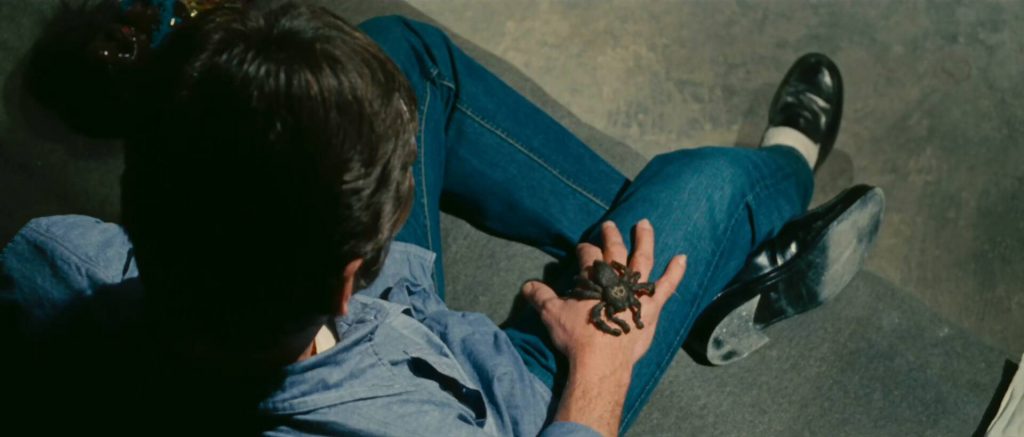
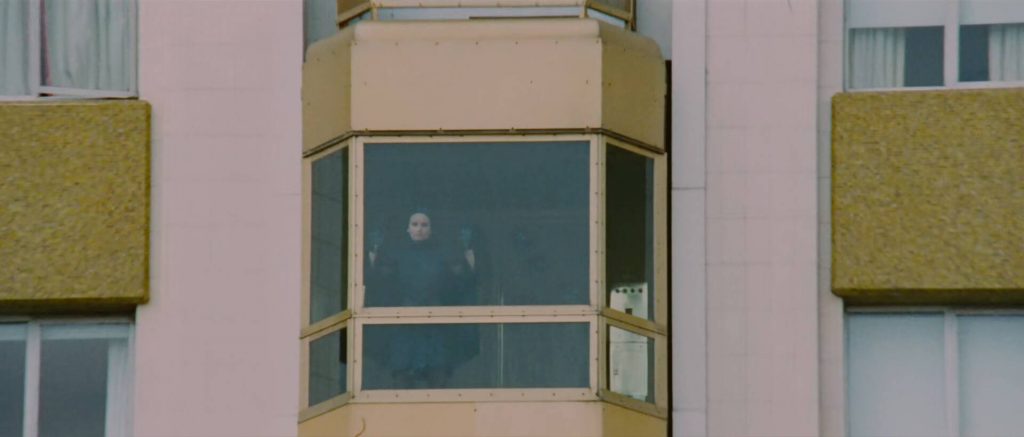
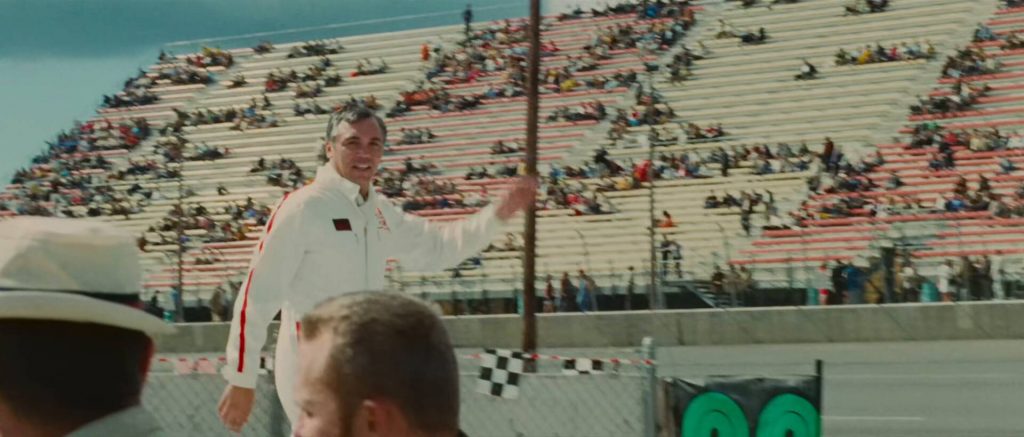
What separates Violent City from many contemporary crime thrillers is Sollima’s direction. Having established himself with acclaimed Spaghetti Westerns such as The Big Gundown and Face to Face, Sollima brought an unusually sophisticated visual style to the crime genre. The opening sequence alone is worth the effort to find this. A largely dialogue-free car chase establishing the film’s cool, kinetic energy. Critics and fans continue to highlight this opening as one of the film’s standout moments. Sollima specialises in visual storytelling. Long stretches play with minimal dialogue. The racetrack assassination sequence, prison spider reaction and the unforgettable climactic elevator showdown are masterclasses in building suspense.
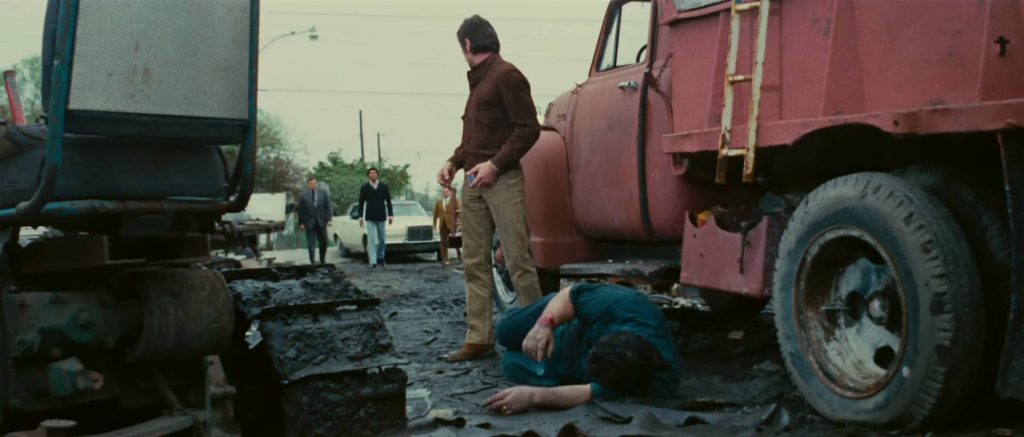
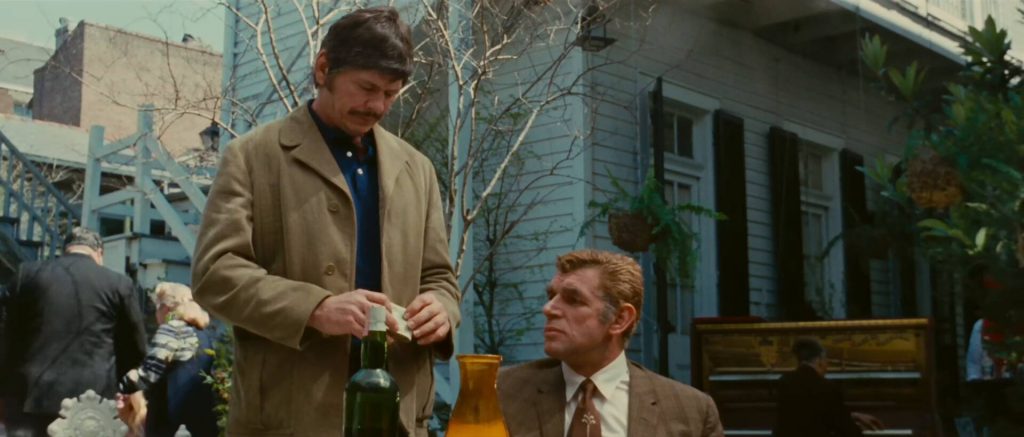
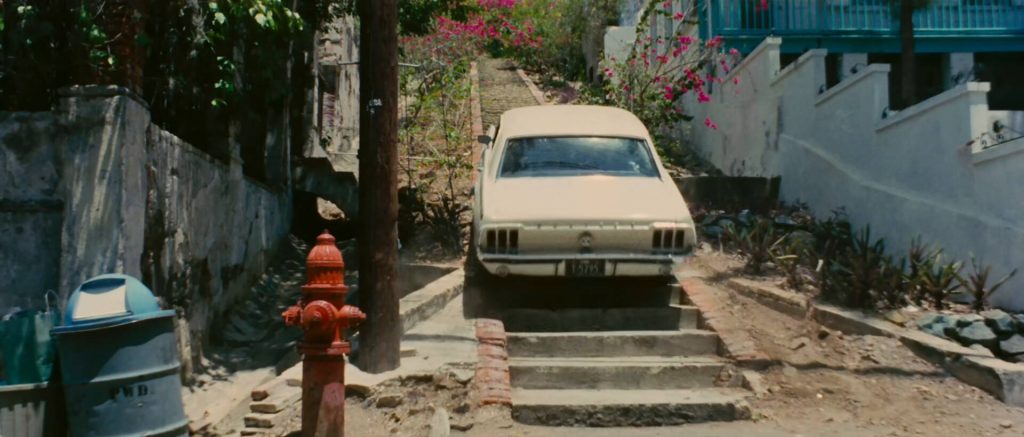
Ennio Morricone’s score is one of the film’s secret weapons. Rather than delivering a conventional action soundtrack, he crafts something dreamlike, melancholic and unsettling. The music often feels detached from the violence onscreen, creating a strange emotional distance that enhances the film’s fatalistic mood. Like much of Morricone’s best output, the score doesn’t simply accompany the action, it deepens the every scene.
Violent City occupies a fascinating place in Italian genre cinema. While it occasionally moves at a slower pace than modern audiences might expect, its stylish direction, strong performances and magnificent Morricone score make it far more than a routine revenge thriller. More than fifty years later, Violent City remains a slick, intelligent and surprisingly elegant crime thriller, one that deserves to be mentioned alongside the very best European action films of the 1970s.
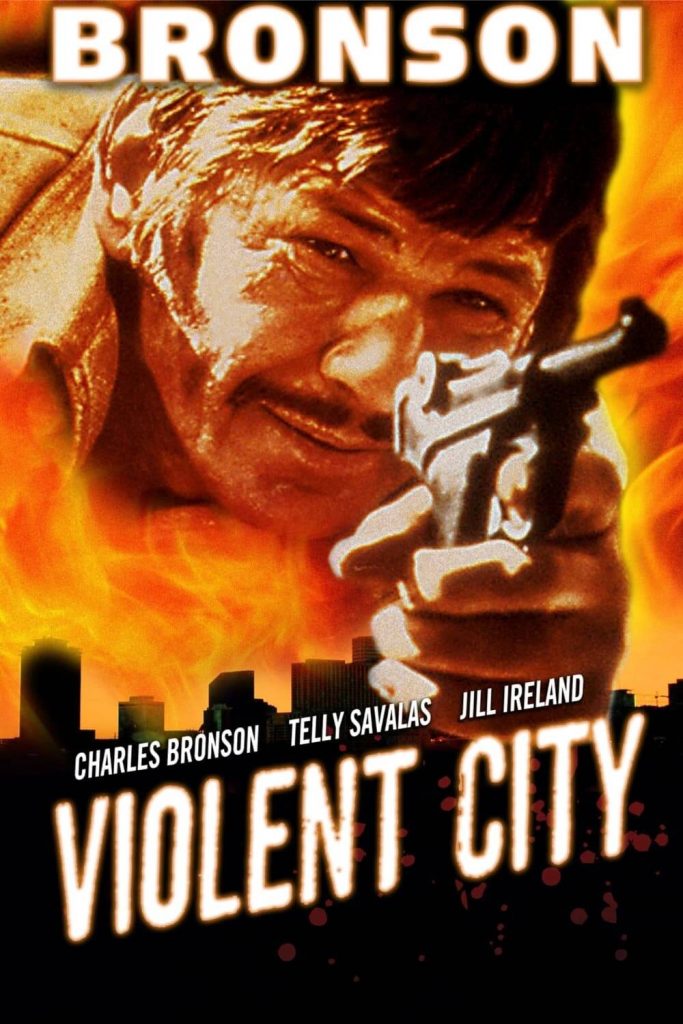
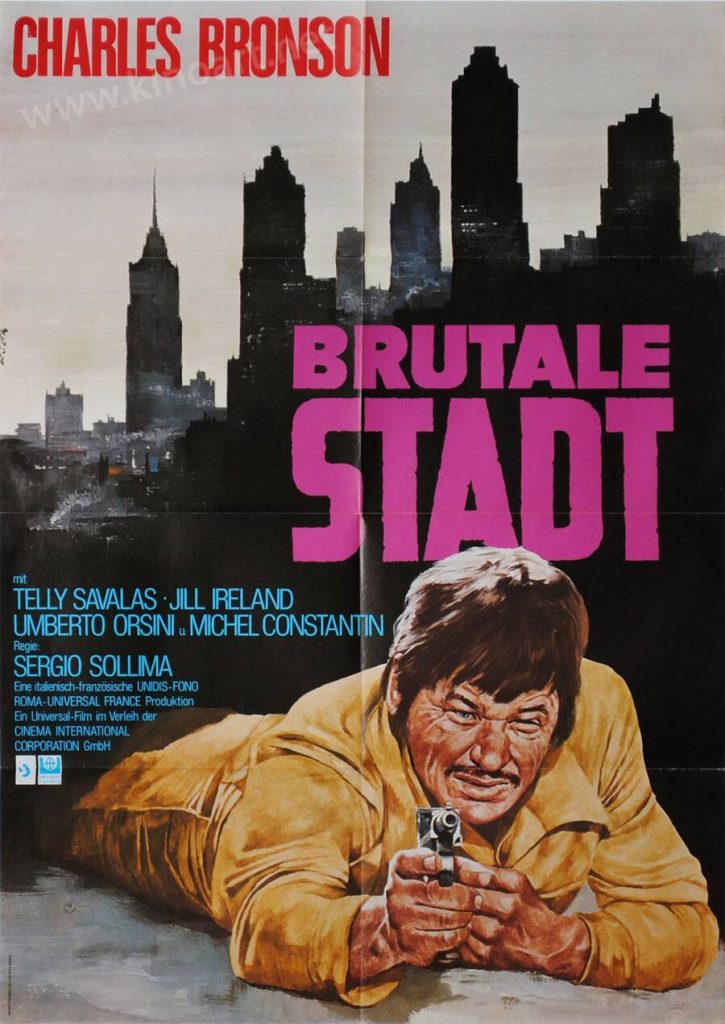
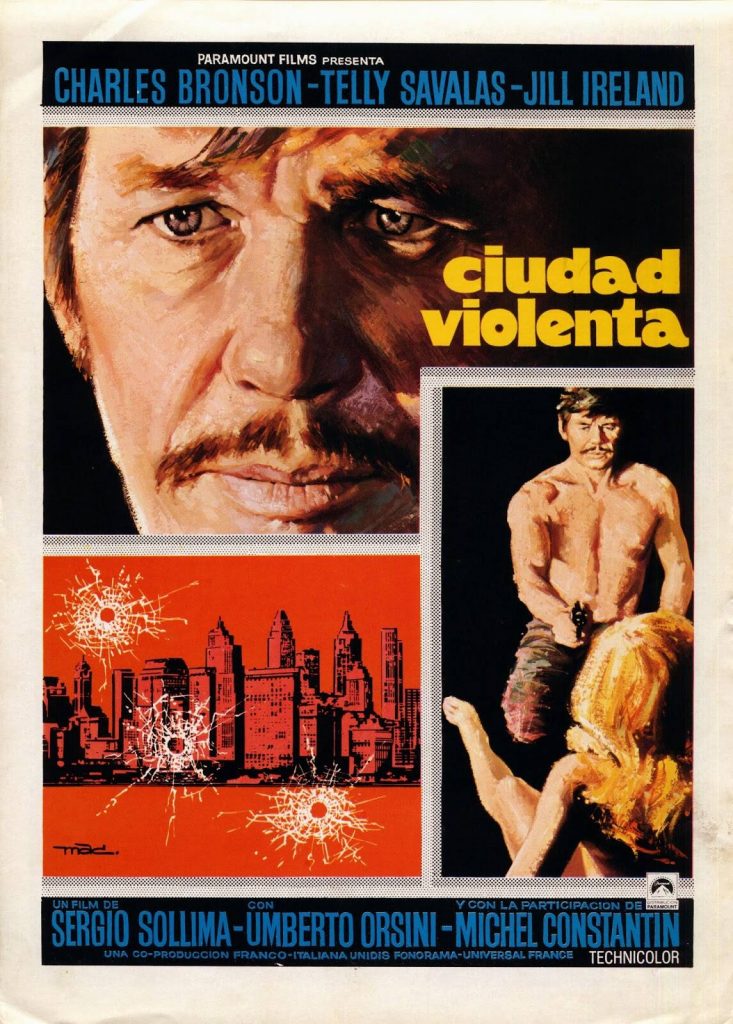
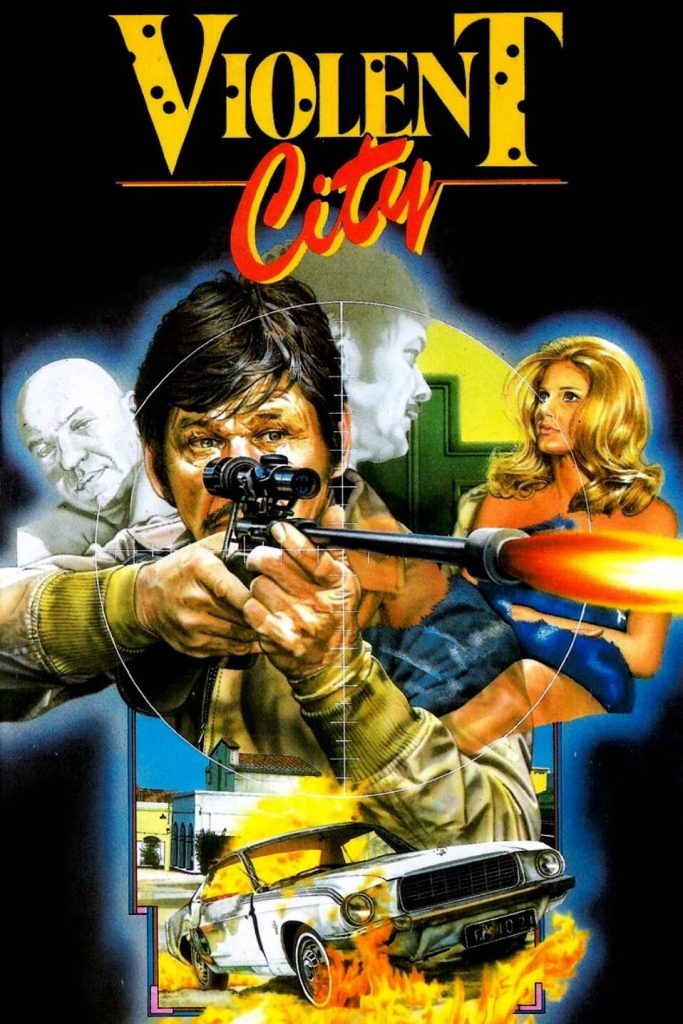
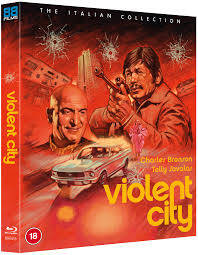
Kino Lorber US Blu-ray and the 88 Films UK Blu-ray releases appear to use the same underlying restoration. Both feature three versions of the film, newly restored Italian and English versions, and the 1973 U.S. cut titled The Family. The quality of each look very different and offer drastically different viewing experiences. 88 Films has an attractive collector edition with booklets, reversible artwork, and slipcase whereas Kino has a unique commentary from film historian Paul Talbot.
Whilst both versions are 4K remasters, they have only been released in 1080p. Germany has Citta violentà (1970) release on 4K UHD from Nameless, however, there are significant complaints about the colour grading.