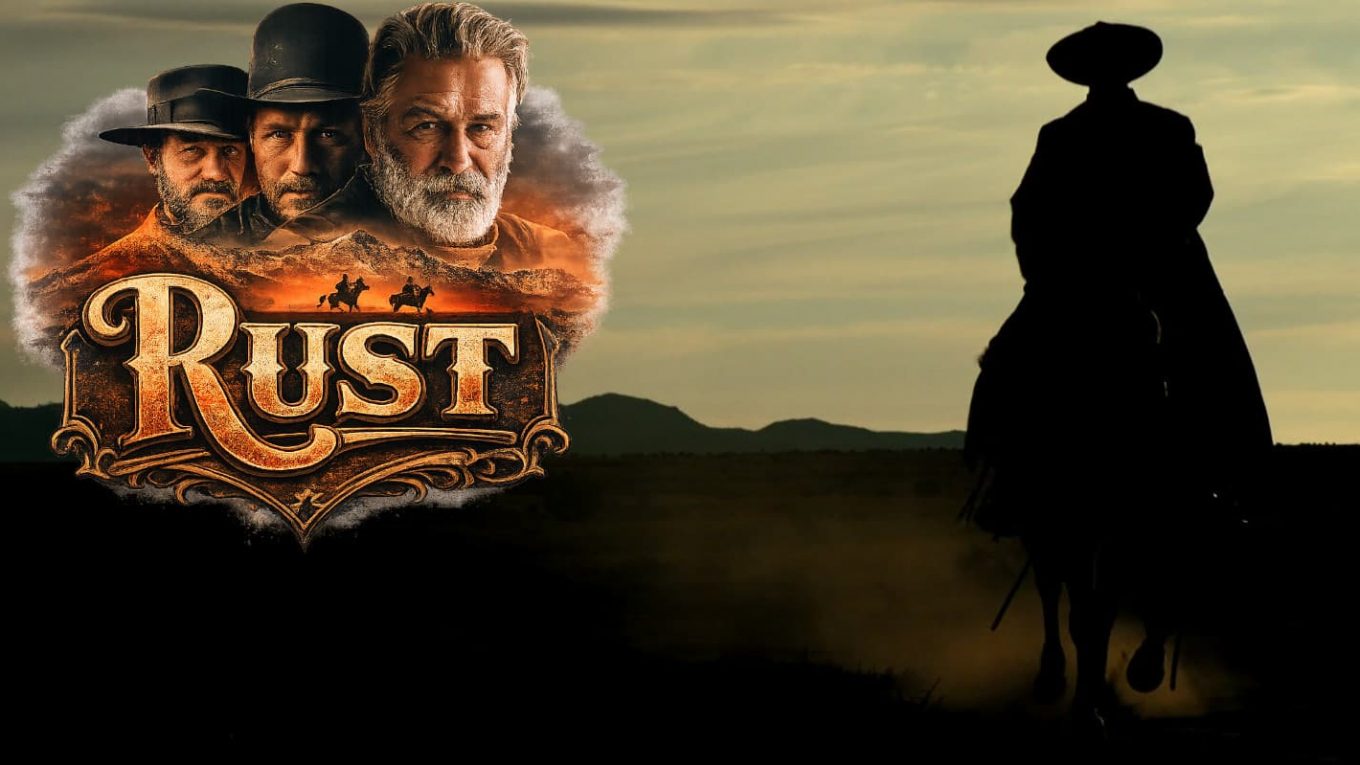
Rust (2024)
Released under the shadow of one of the most tragic and heavily publicised productions in recent memory, Rust arrived carrying more baggage than most modern westerns could ever hope to overcome. Like many people, I approached it cautiously. Fellow podcaster Ted had found some merit in it but wasn’t particularly enthusiastic, and I suspected the film might ultimately be remembered more for the controversy surrounding its production than for anything on screen. Still, as a longtime admirer of Alec Baldwin, curiosity eventually won out.

I’m glad it did.
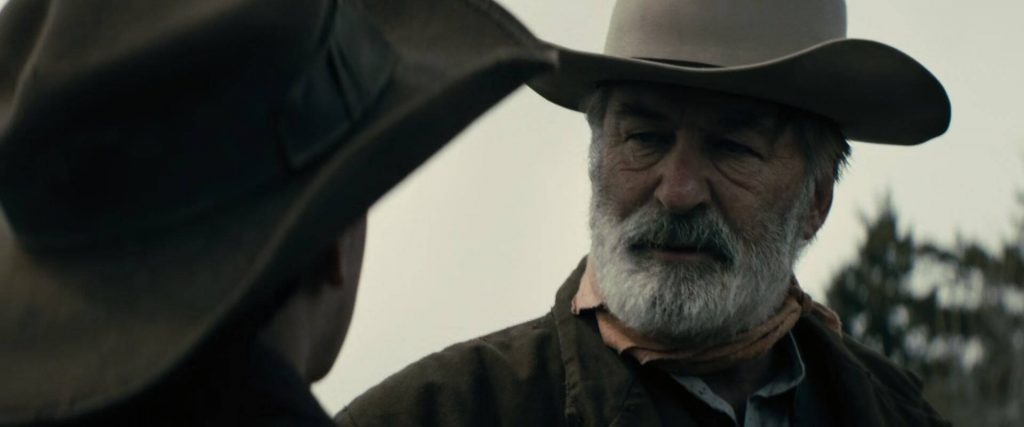
What immediately struck me was how much Baldwin’s presence elevates the material. Whatever opinions people may hold about him outside the film, there is no denying that he remains a genuine movie star and an immensely capable character actor. He commands attention the second he appears, bringing a gravitas that gives the opening act real tension. For the first thirty minutes especially, the film benefits enormously from his casting because the audience is never entirely sure where his character stands morally. Baldwin has always been effective at shifting between menace, vulnerability and authority, and Rust uses that ambiguity well. The film wisely takes its time revealing exactly who this man is, allowing the uncertainty to simmer rather than rushing toward easy answers.
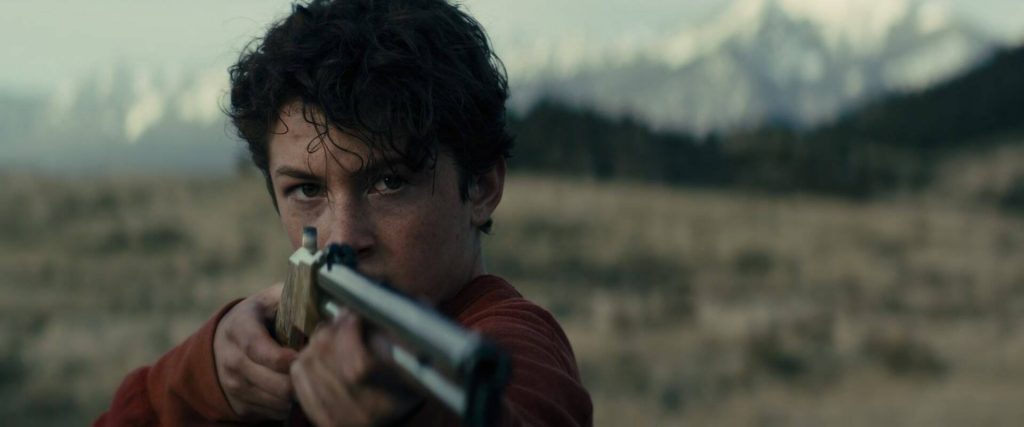
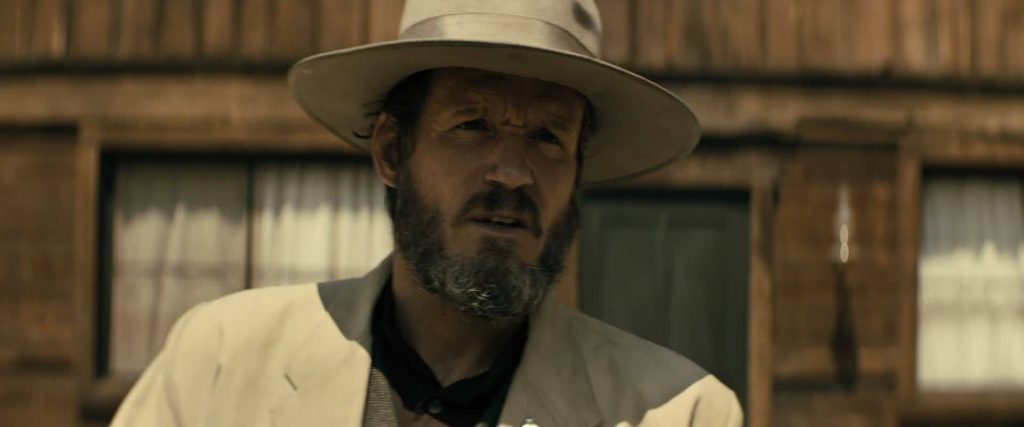
The story itself follows a familiar western formula: an ageing outlaw, a vulnerable young boy, violent men in pursuit and a harsh frontier forcing damaged people together. It’s territory that has been explored countless times before, but Rust succeeds because the screenplay understands the appeal of those classic themes. It’s less interested in reinventing the genre than in delivering a sincere, old-fashioned western drama with modern pacing and emotional weight.
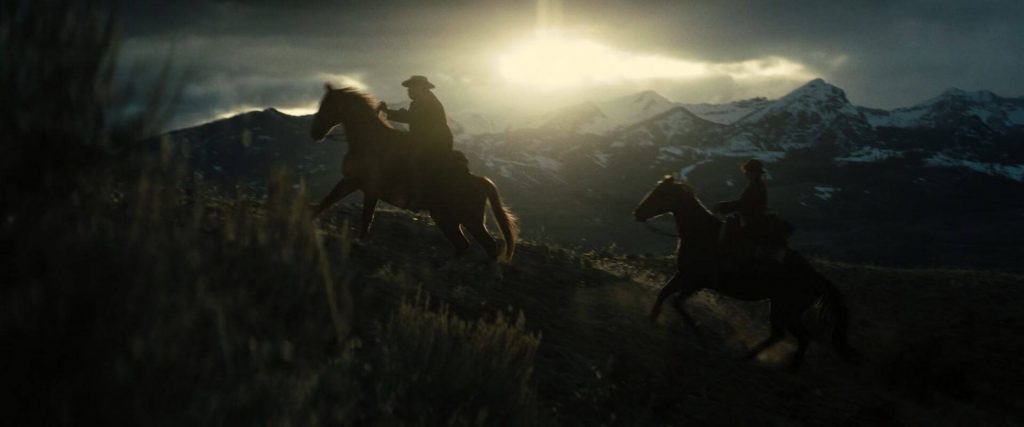
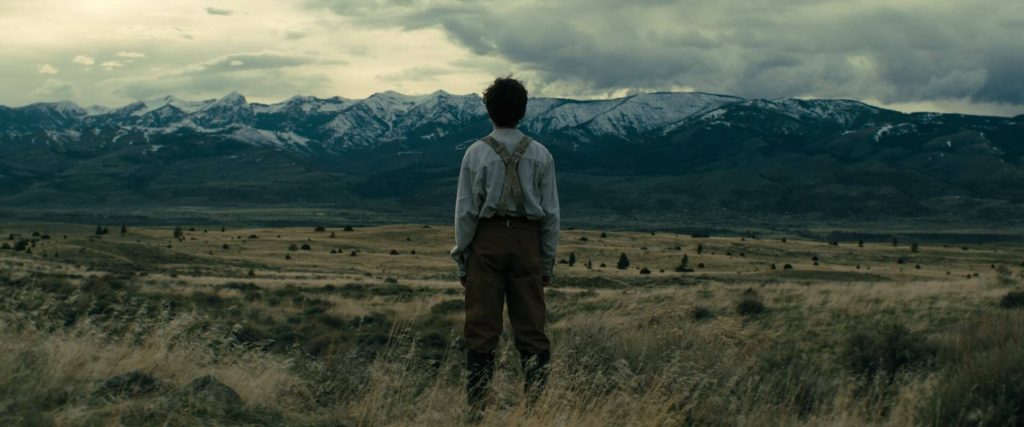
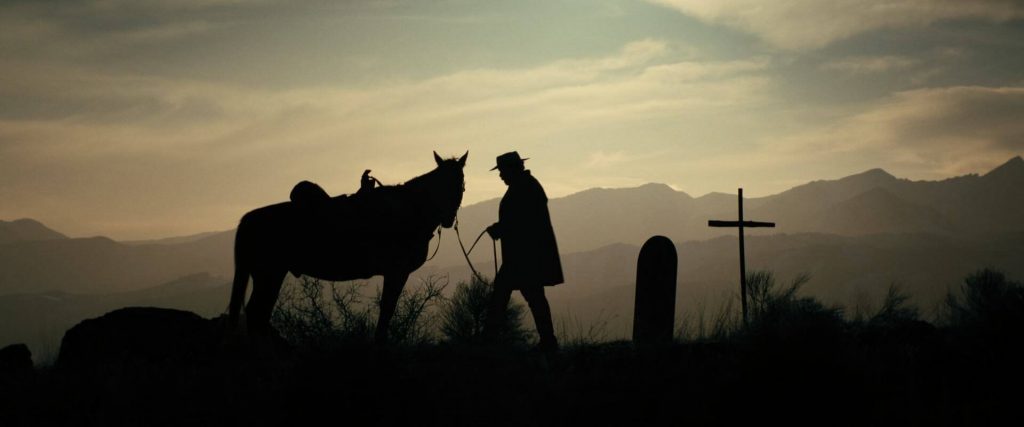
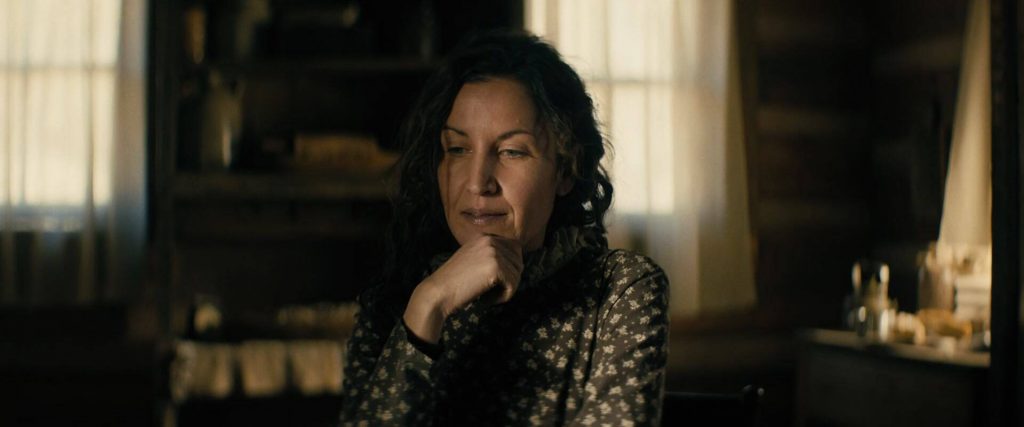
Where the film occasionally falters is in its sense of authenticity. The production design often feels caught between grit and polish. Cinematography, lighting and atmosphere work hard to create a lived-in world, dusty interiors, smoke-filled saloons and harsh natural light all contribute to the illusion, yet the costumes and makeup rarely convince completely. Clothing looks freshly distressed rather than genuinely worn, and many of the cast appear a little too clean, groomed and healthy for frontier life. Perfect teeth remain the eternal enemy of immersion in modern westerns. That said, these issues are unlikely to bother casual viewers too much, and Rust clearly aims to be accessible rather than aggressively revisionist.
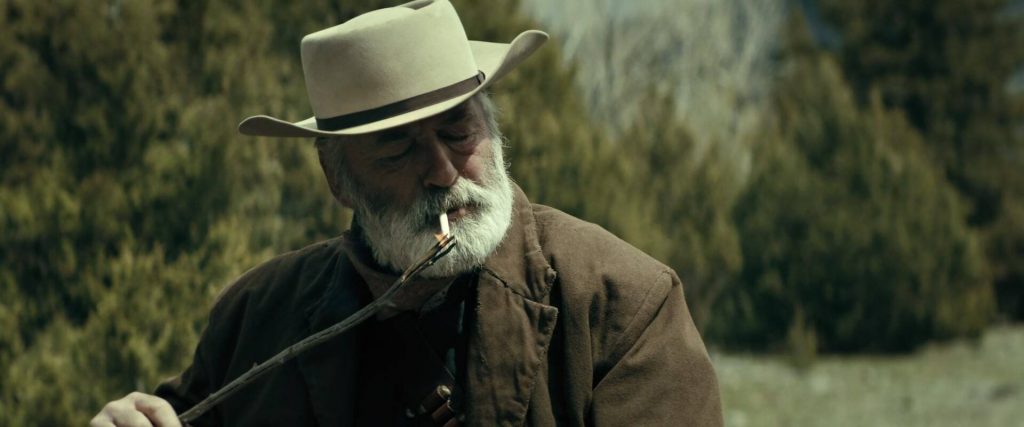
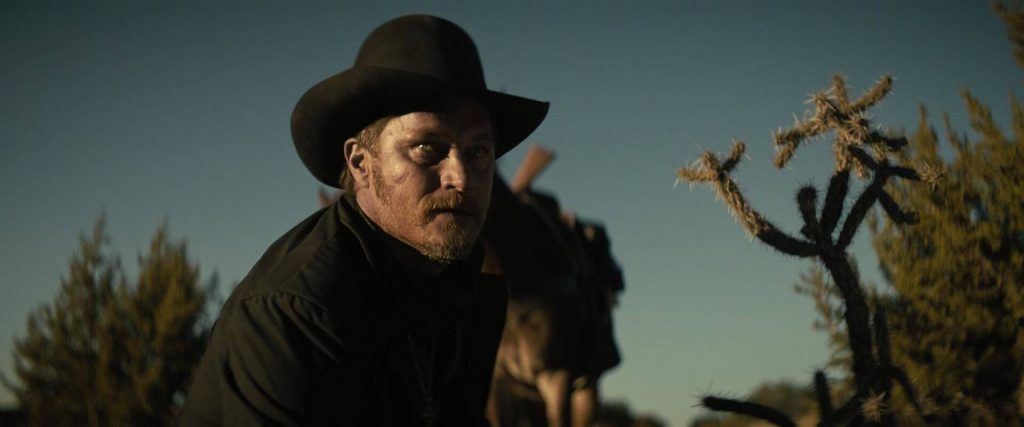
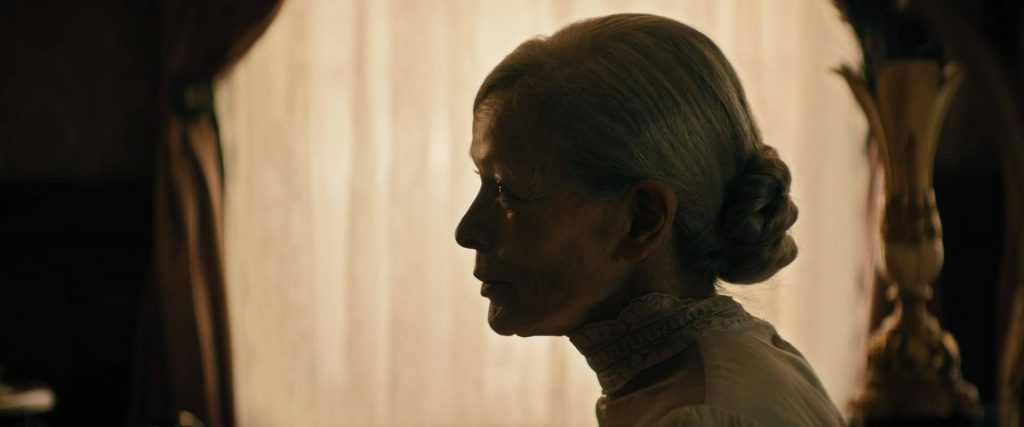
In many ways, the film sits comfortably between the romanticism of classic Hollywood westerns and the sombre mood of more modern frontier dramas. You can feel the influence of Stagecoach just as strongly as Tombstone, but the filmmakers never push too far into bleakness or moral ugliness. This is a safer, more commercially minded western than the savage European productions of the 1970s, and some viewers may find that restraint disappointing.
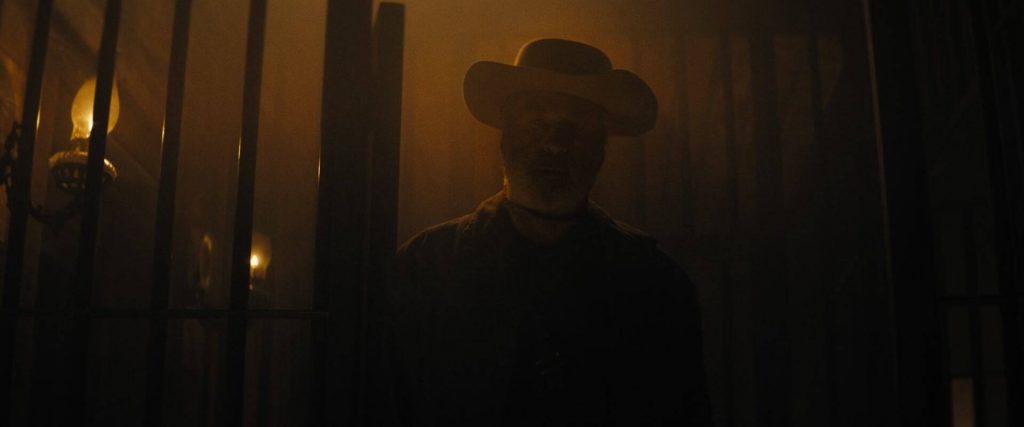
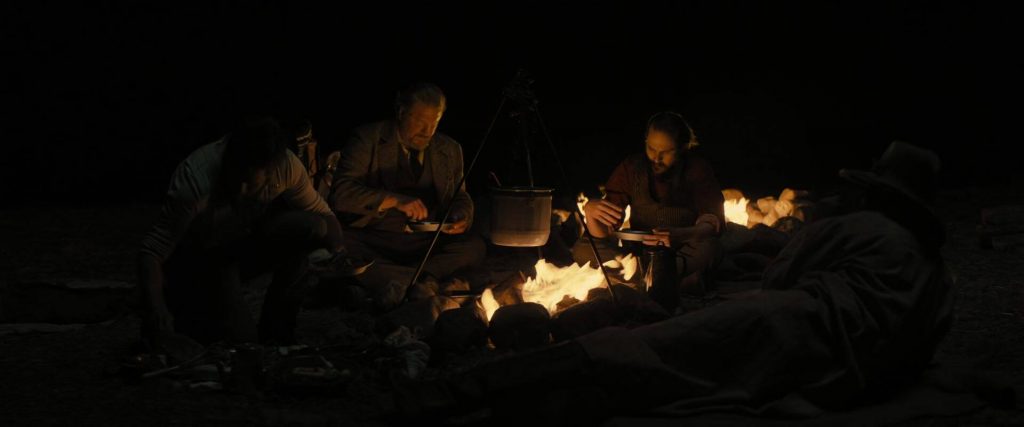
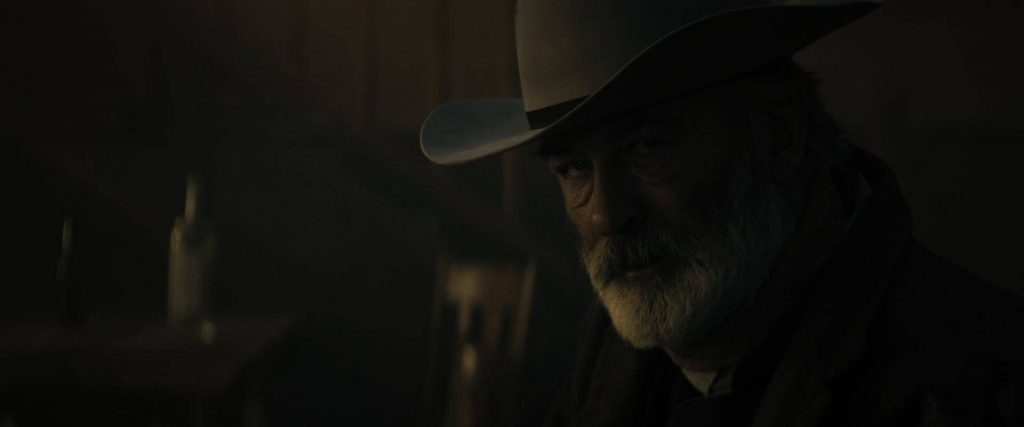
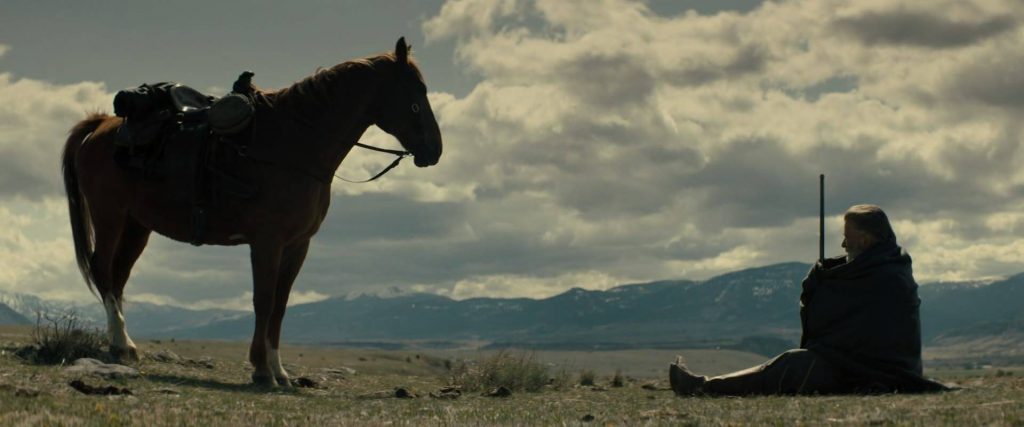
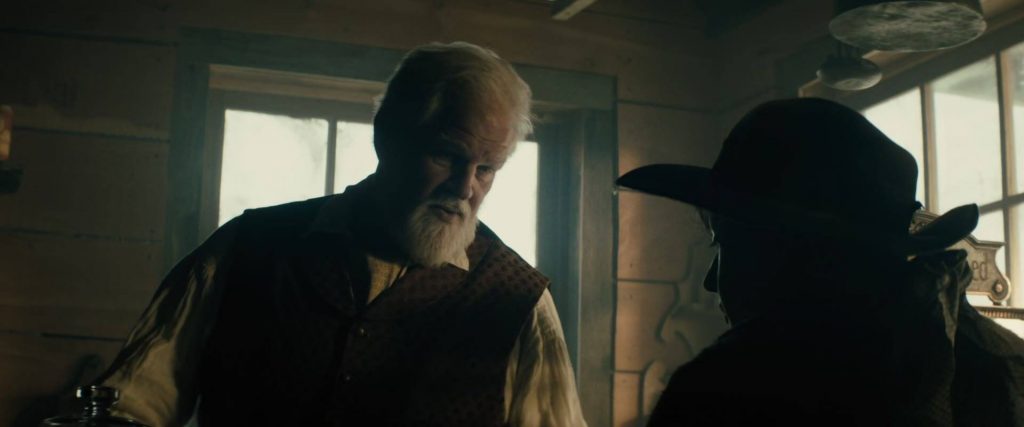
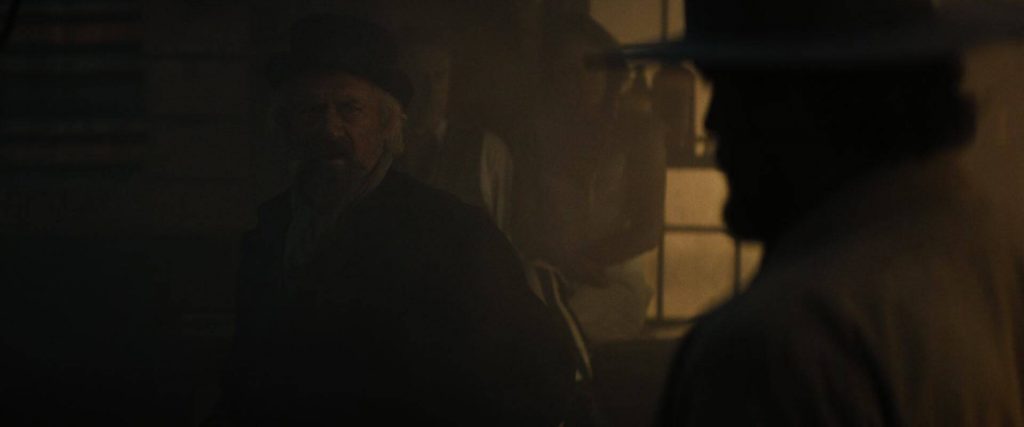
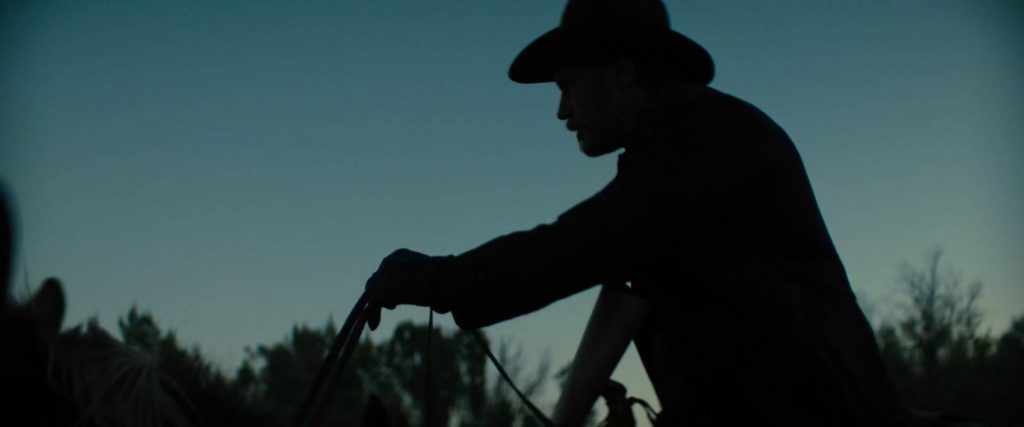
Visually though, the film is consistently impressive. The landscapes do a great deal of heavy lifting, but the cinematography knows exactly how to use them. Wide shots are drenched in beautiful natural light, whether harsh midday sun or fading evening glow, and the environments always feel expansive and unforgiving. The nighttime scenes deserve particular praise, darkness is allowed to remain dark, candlelight flickers imperfectly, and interiors often feel claustrophobic and uncomfortable rather than artificially illuminated for convenience.
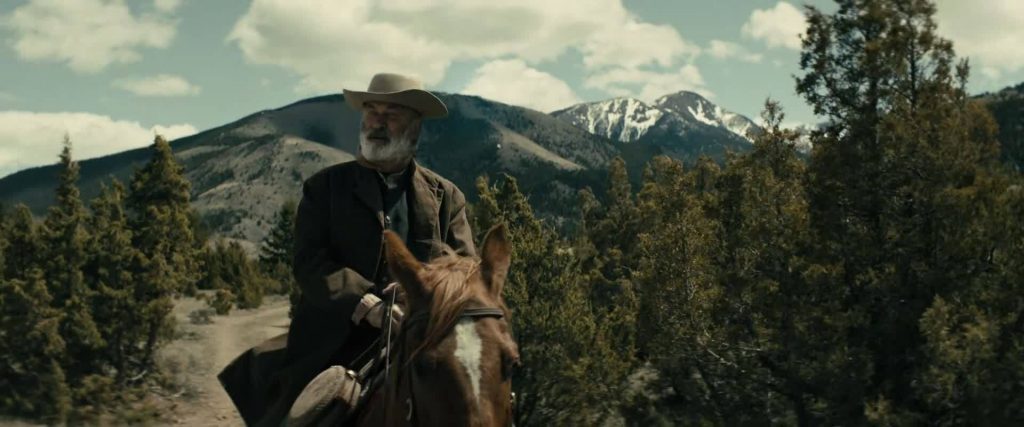
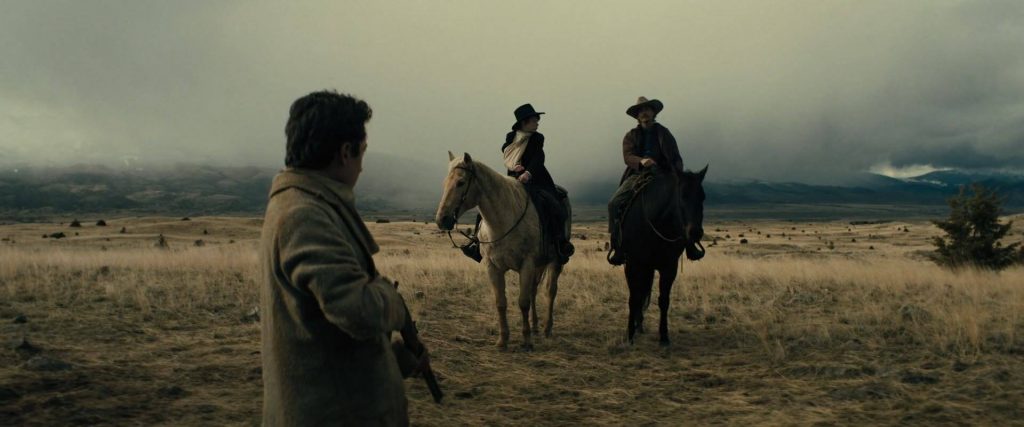
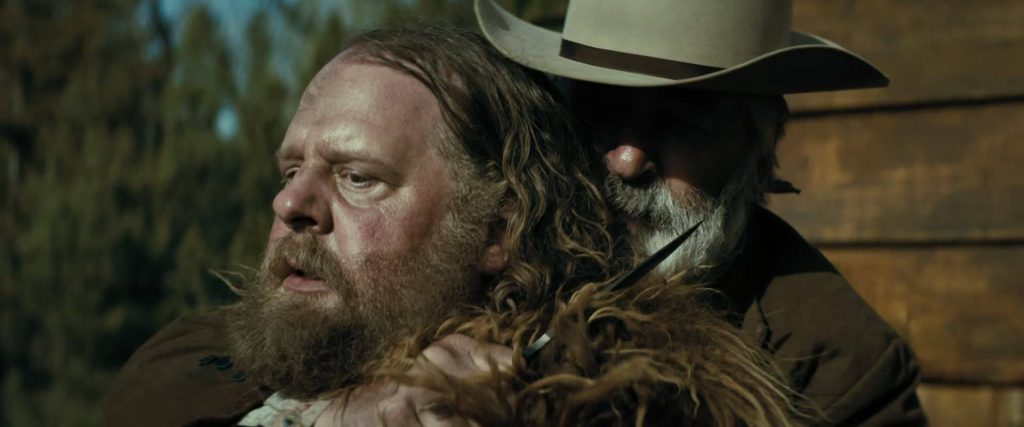
One of the biggest surprises is the runtime. I initially expected Rust to be a tight, disposable ninety-minuter, but instead it sprawls across nearly two hours and twenty minutes. Surprisingly, that length works in its favour. The film takes time to develop relationships, quiet conversations and emotional motivations, allowing the characters room to breathe. It never feels especially rushed, nor does it drag in the way many modern westerns can. In some respects it resembles a lower-budget companion piece to Kevin Costner’s Horizon: An American Saga – Chapter 1. Whilst it lacks the grand prestige sheen perhaps it might satisfy the craving for the further chapters sitting in limbo as Rust still carries enough ambition and polish to feel cinematic rather than disposable.
The score is solid without ever becoming memorable. I couldn’t help feeling that a more sweeping, emotionally dominant soundtrack might have elevated several scenes considerably. Instead, the music largely stays in the background, relying on restrained melodic themes rather than heroic flourishes. Given the film’s relatively subdued approach to action, the understated score ultimately suits the material well enough, even if it never reaches the iconic heights associated with the genre’s greatest works.
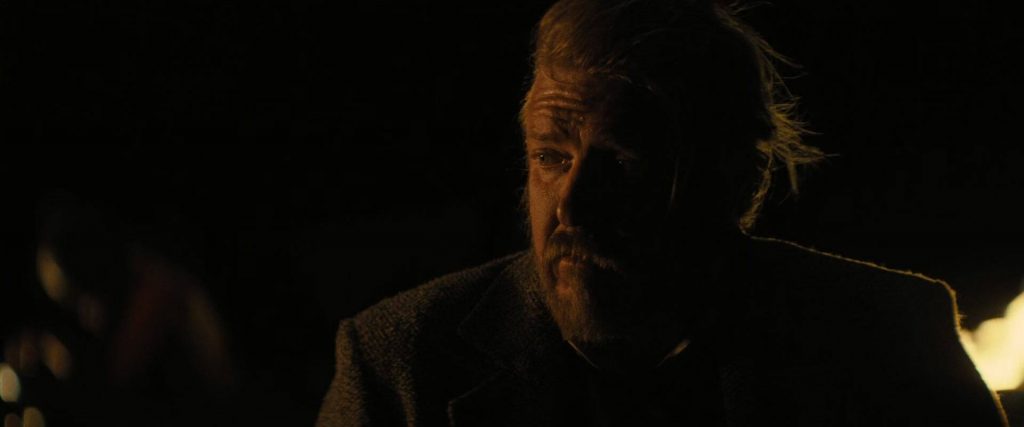
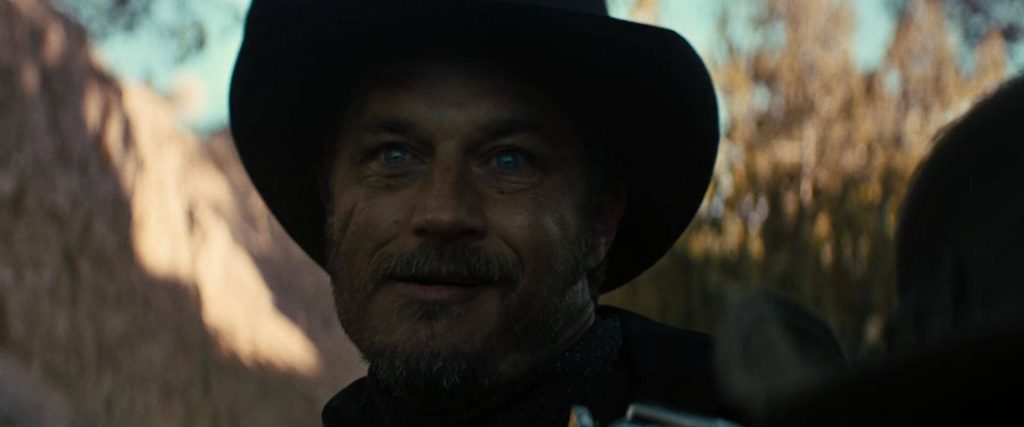
Performance-wise, the cast largely delivers across the board. Alec Baldwin is exactly as dependable as you would expect, bringing a quiet authority and screen presence that holds the film together whenever it threatens to drift. Even in a restrained role, he reminds you why he has remained such a compelling actor for decades. More surprising is Patrick Scott McDermott, a relatively fresh face to me, who measures up remarkably well opposite Baldwin. He carries much of the emotional weight of the story and never feels overshadowed, which is impressive considering the company he is keeping. Josh Hopkins, who was so strong in Crown Vic, unfortunately seems to have drawn the shortest straw here. His grief-stricken character is written in fairly one-note fashion, leaving Hopkins struggling to inject real life or unpredictability into the role. The standout performance, however, comes from Travis Fimmel. Physically imposing and deeply unsettling, Fimmel brings a haunting quality to his character that lingers over the film long after he leaves the screen. His performance provides Rust with a genuine villain, authentic and unnerving.
By the time the climax arrived, I found myself hoping for something explosive or emotionally devastating. The finale certainly delivers tension and a few satisfying moments, including a quietly enjoyable appearance from Xander Berkeley, but it remains grounded and human rather than operatic. There are no shocking twists or brutally nihilistic turns here. Had this exact story been produced in Italy during the 1970s, the ending would likely have been far harsher on both its characters and audience. Rust instead opts for a modern emotional realism that feels sincere, if somewhat safe.
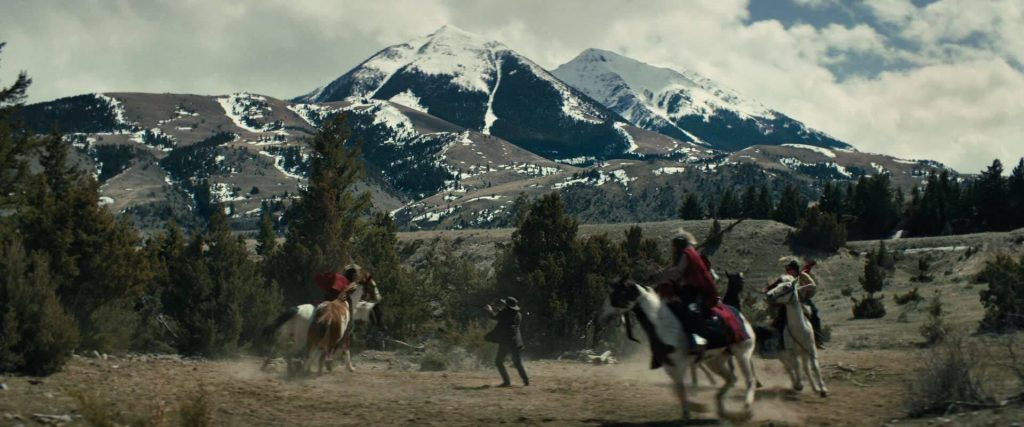
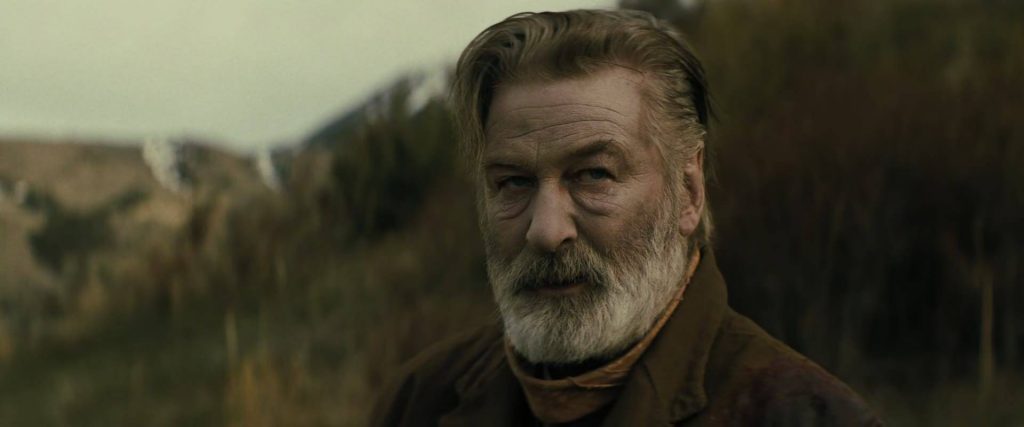
Rust tells a very familiar story, but it tells it well. It may not redefine the western genre, nor does it possess the raw power of the classics it clearly admires, yet it remains an engaging and surprisingly thoughtful frontier drama anchored by a commanding Baldwin performance and gorgeous cinematography. Despite its flaws, I enjoyed spending time in its world. It’s the kind of sprawling western that settles comfortably into the memory, perhaps not unforgettable, but absolutely worth revisiting on a rainy afternoon somewhere down the line.
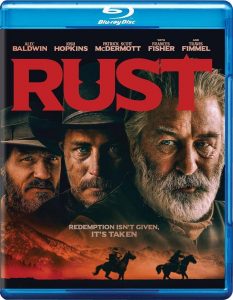
The Blu-ray delivers strong picture and sound quality, presenting the film in impressive fashion. Special features are unfortunately kept to a minimum, with the only a a brief memorial tribute to cinematographer Halyna Hutchins following the end credits, who tragically lost her life during production. While the inclusion is a respectful acknowledgement of the incident, it would have been great to see a more substantial selection of bonus material exploring the making of the film itself.