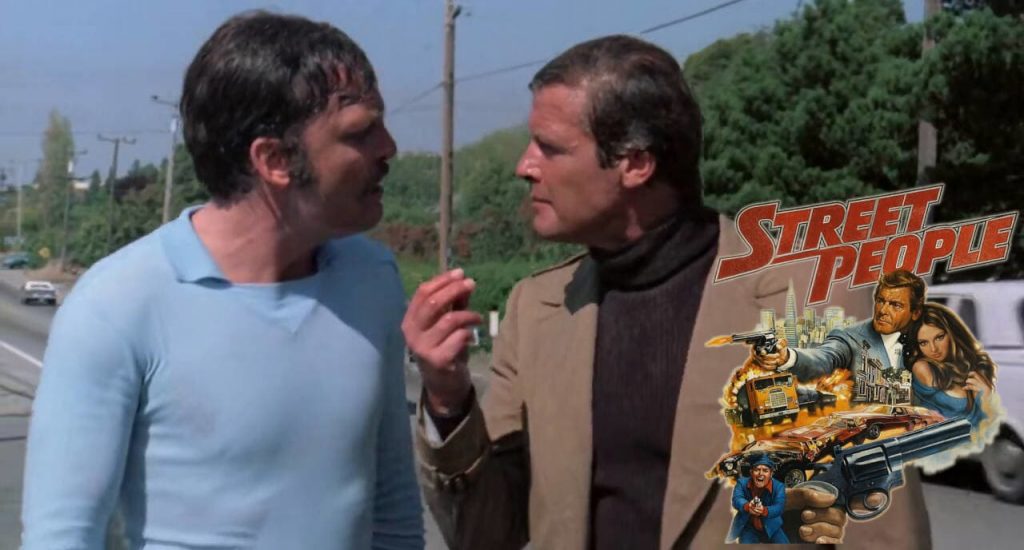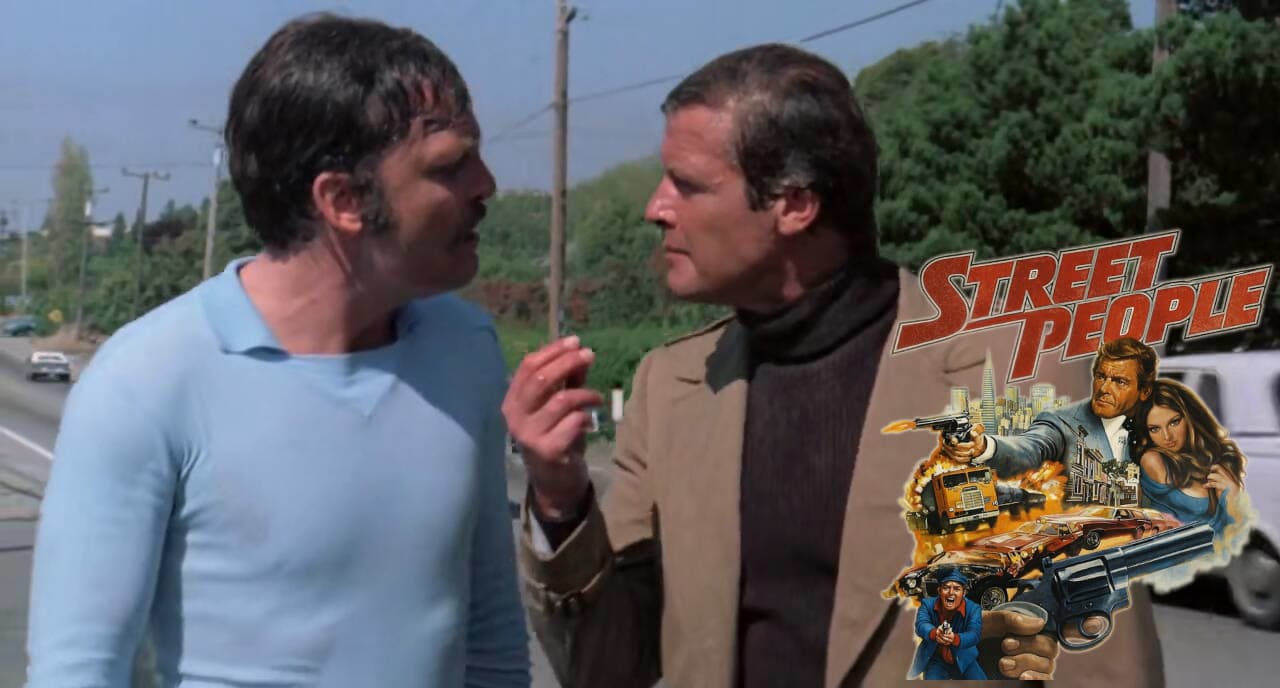
Street People (1976)
Going into Street People (AKA: The Sicilian Cross which I will refer to throughout this review) feels like a cinematic “cold turkey” experiment. On paper, the premise is a fever dream of mid-70s casting logic: Roger Moore, in the height of his Bond era, playing an Italian-born, British-educated lawyer for the San Francisco Mafia. It’s a “hunker-down” kind of film, the sort of cheap, Italian-flavoured thriller that promises very little beyond action and a little intrigue.
The lure here is twofold: seeing Moore attempt to shed his 007 skin and the prospect of him teaming up with the legendary Stacy Keach. While I anticipated a forgettable C-movie, there was a lingering curiosity about how these two vastly different acting styles would mesh in a gritty, transatlantic crime caper.
When The Sicilian Cross hit theatres in 1976, it was met with a mixture of baffled laughter and mild curiosity. While it didn’t set the box office on fire, it became a staple of the “grindhouse” and drive-in circuit. The actual viewing experience raises a finely groomed eye-brow. The film suffers from a frantic pace, feeling less like a cohesive story and more like a series of disconnected set-pieces stitched together with thin narrative thread despite the film having six credited screenwriters (including The French Connection’s Ernest Tidyman and future Grease director Randal Kleiser)
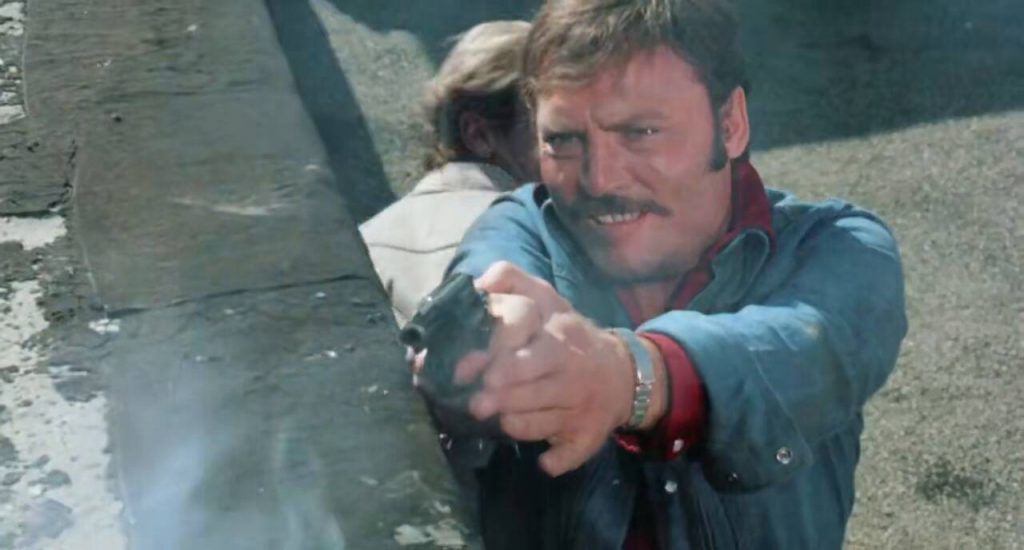
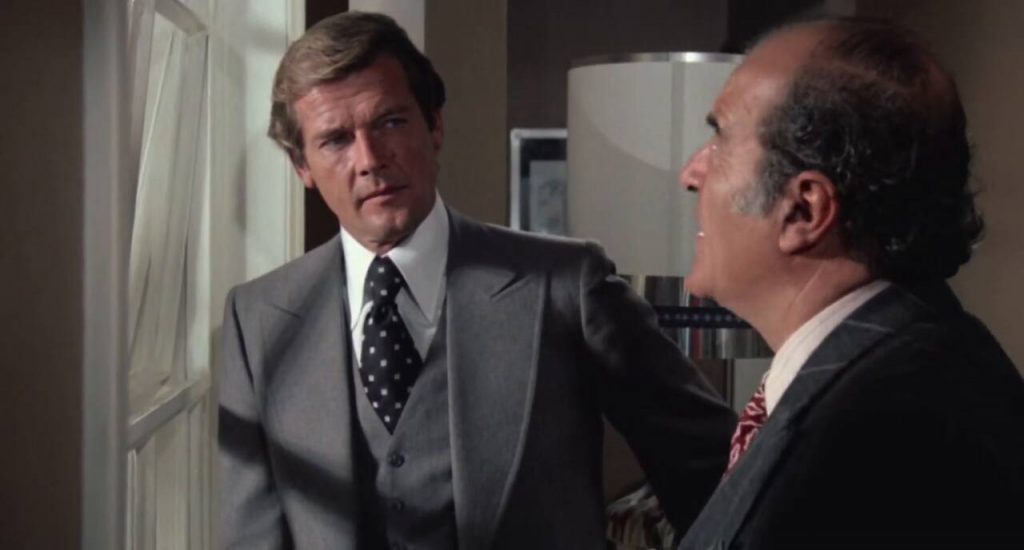
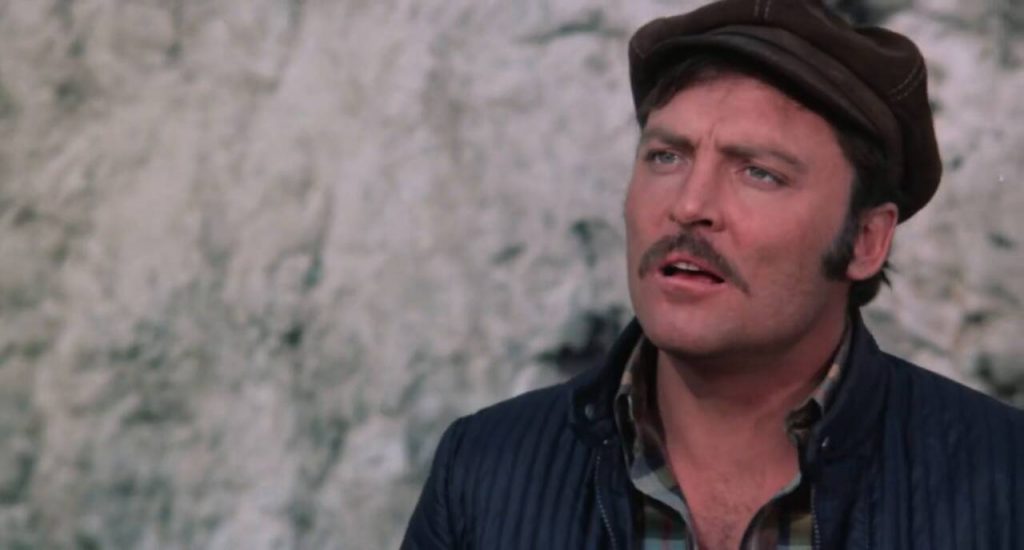
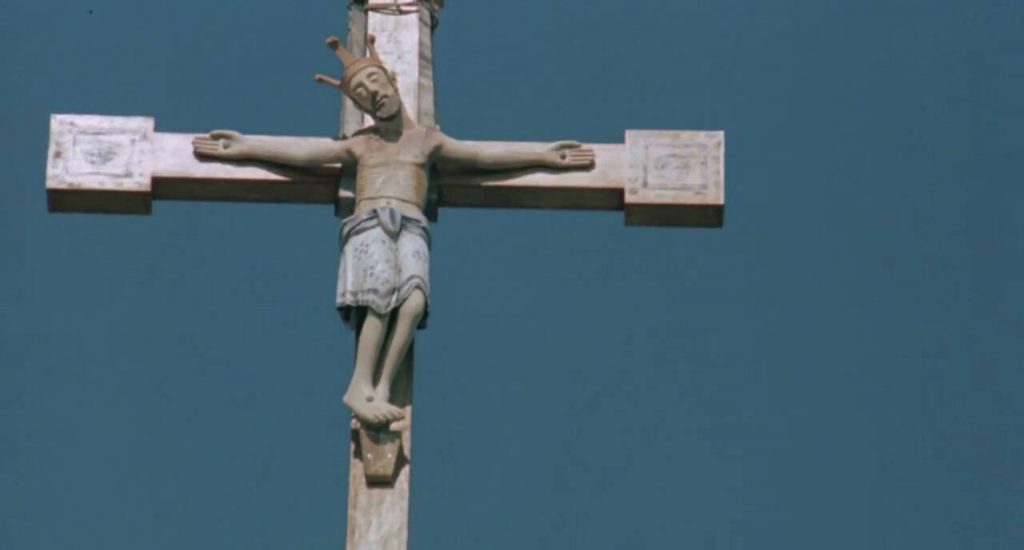
Leaning into the “Poliziotteschi” (Italian crime) genre the plot kicks off when a hollowed-out crucifix laden with heroin is smuggled from Sicily to San Francisco, only to be brazenly hijacked upon arrival by a mysterious crew. This high-stakes theft places local Mafia don Salvatore Francesco under the lethal suspicion of his peers, prompting him to dispatch his nephew Ulysses (Roger Moore)—a polished, British-educated lawyer—and his rough-and-tumble associate Charlie (Stacy Keach) to retrieve the contraband and clear the family name. Their investigation plunges them into a chaotic underworld of double-crosses and visceral violence, culminating in a series of high-octane car chases and rooftop shootouts as they realize the heist was merely a catalyst for a much larger, deadlier power struggle within the global syndicate.
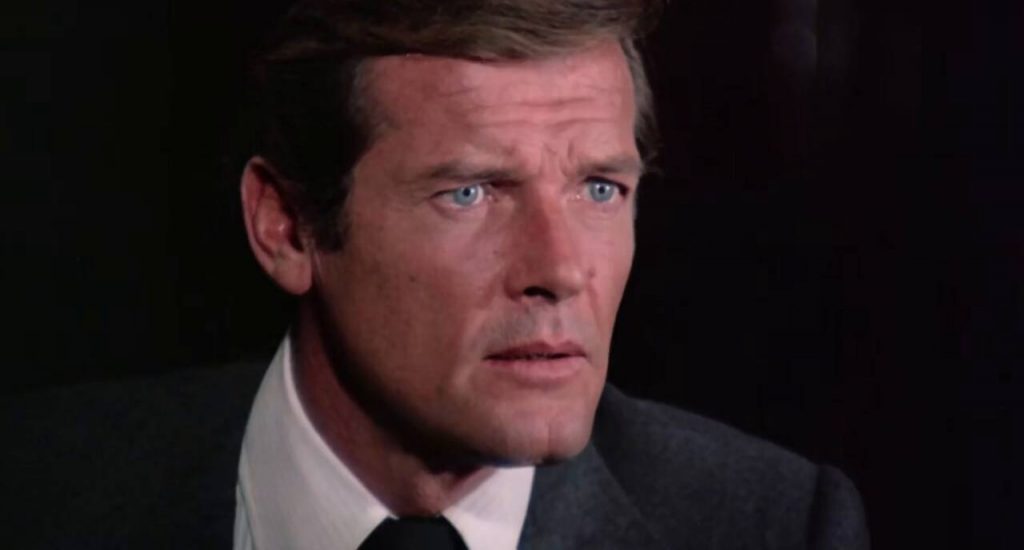
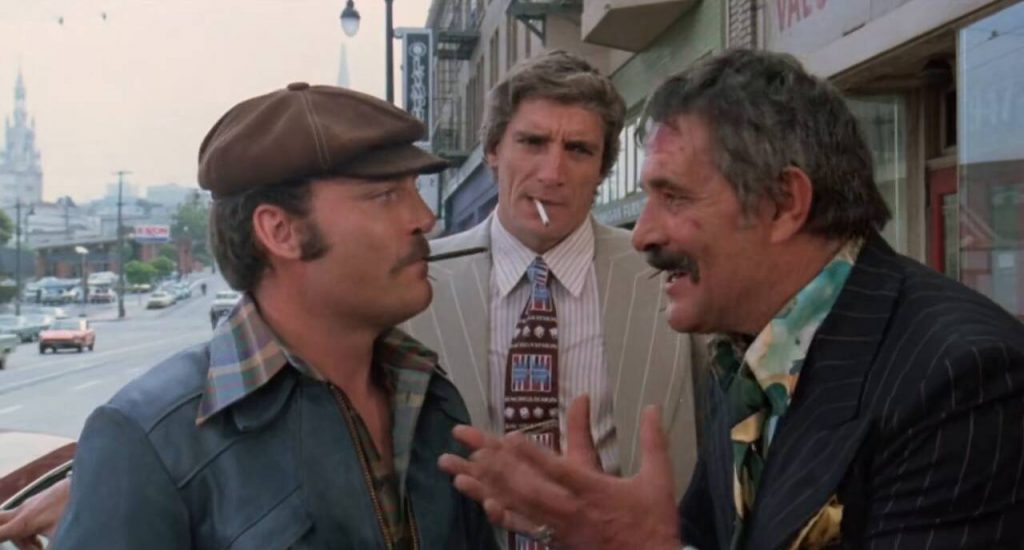
The biggest hurdle for the audience is the suspension of disbelief regarding Moore’s heritage. Watching the quintessentially English Moore earnestly declare, “It’s a family thing,” while operating as the “muscle” for a Sicilian crime syndicate, whilst playing a character called Ulysses is unintentionally hilarious. It’s a “poor man’s The French Connection” that frequently loses its own trail, leaving the viewer with more questions than answers as it zips through a plot defined by wonky motivations and “why not?” deception.
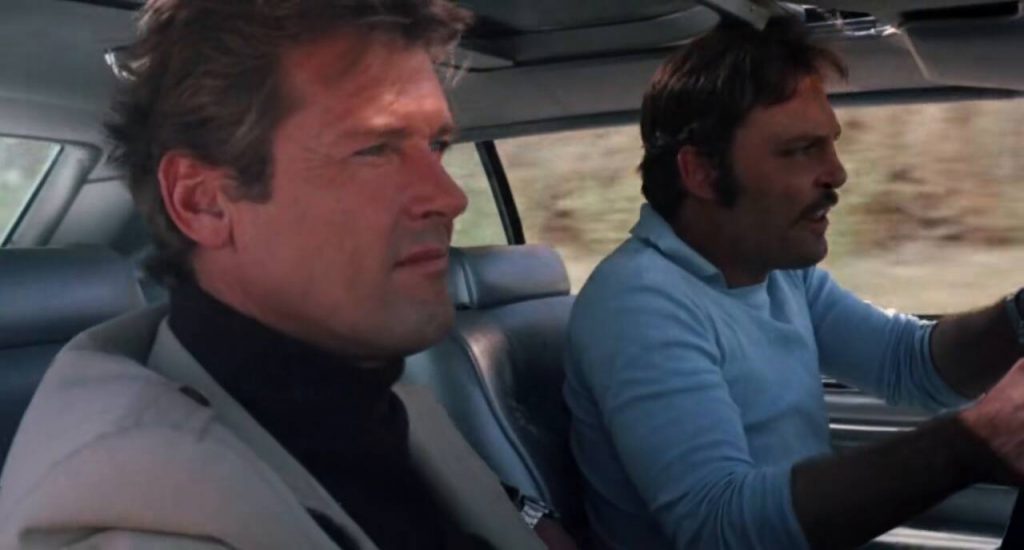
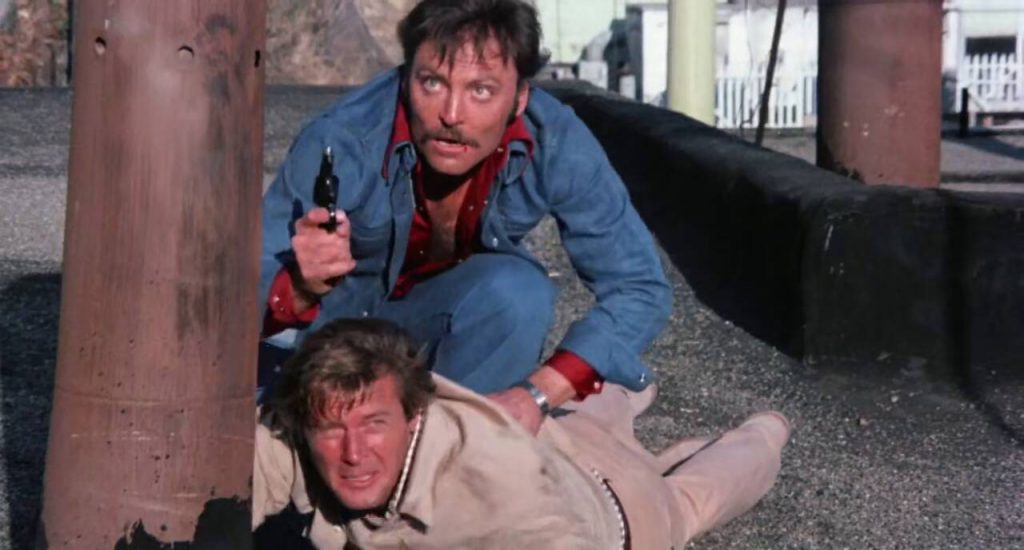
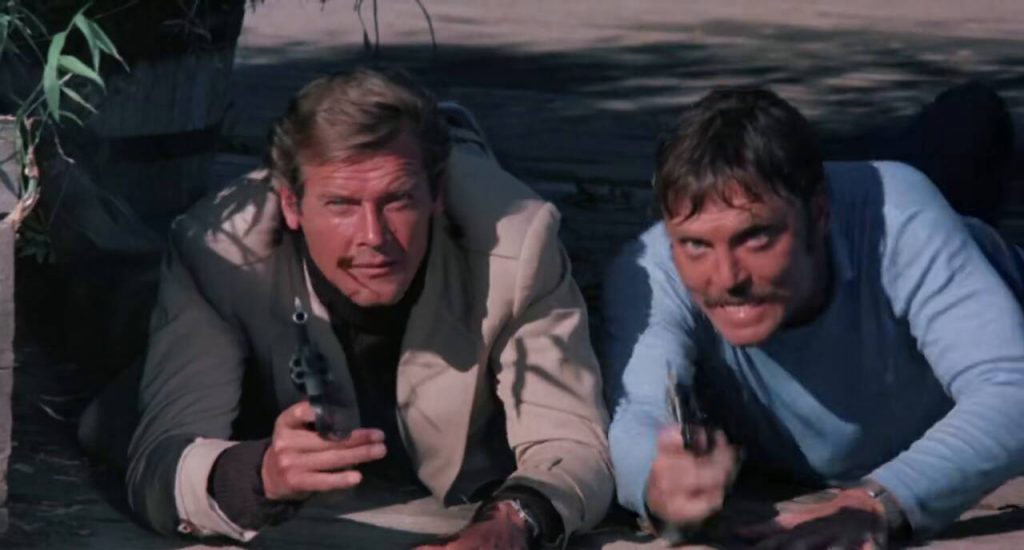
Despite the narrative collapse, the film is rescued by two distinct elements. Firstly The Odd-Couple at the centre of the story. The heart of the film isn’t the mob war, but the surprisingly rhythmic partnership between Moore and Keach. Two proper movie stars who know exactly how to polish a turd. Moore plays the “stiff-upper-lip” establishment figure, bringing a dependable, if slightly bewildered energy to the violence. Keach: Serves as the cynical, wisecracking buddy, a down-on-his-luck operative who provides the film’s pulse.
While their chemistry starts off strained, they eventually find a “buddy-cop” groove that makes the nonsense plot tolerable. Keach, in particular, delivers a handful of quips that genuinely land, offering a much-needed smile in an otherwise dour landscape.


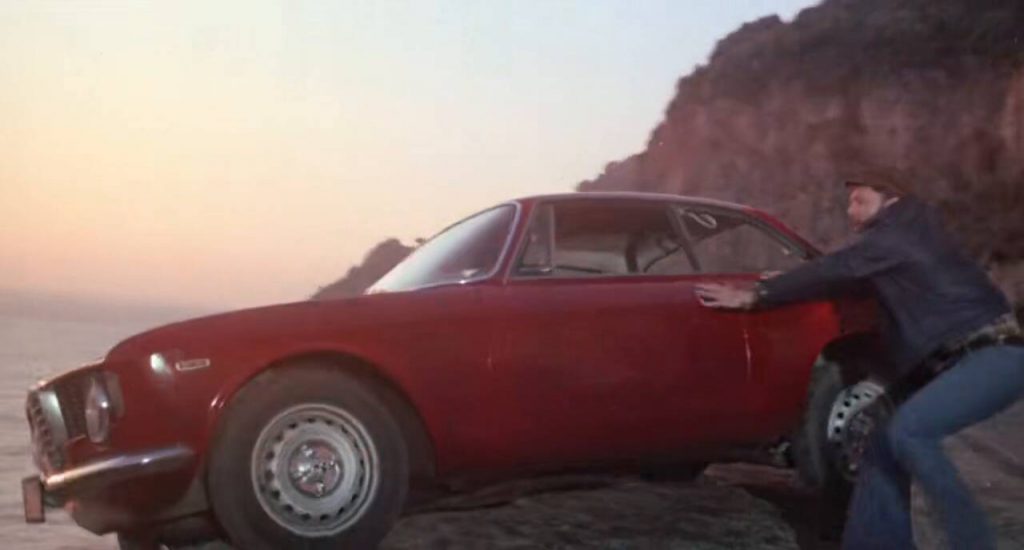
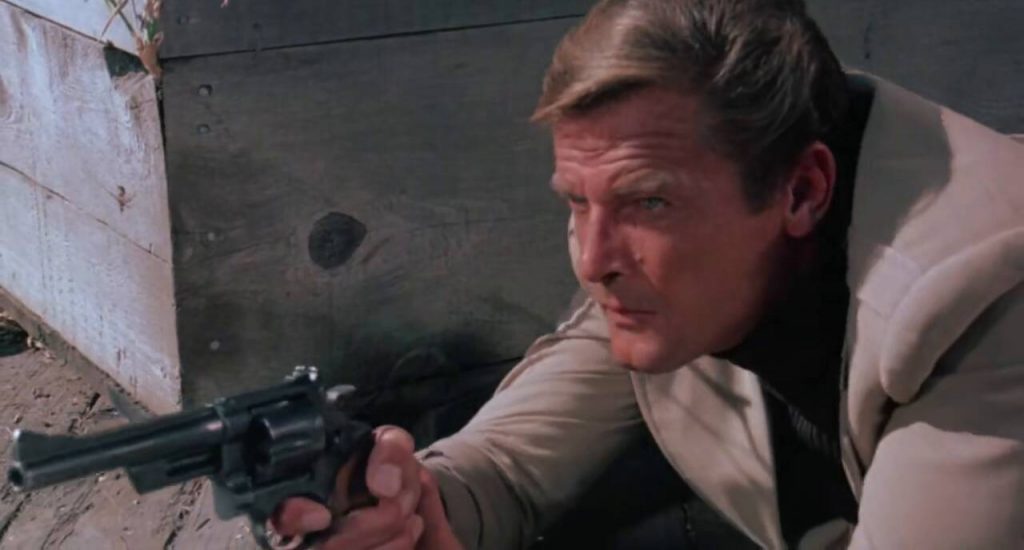
Secondly,is the final act. If the middle section of the film is a sluggish slog, the climax is a high-octane shot of adrenaline. The filmmakers clearly saved their budget for the finale, which features a robust car chase through the hilly streets of San Francisco, visceral brawl that showcases some surprisingly gritty stunt work and a rooftop sniper hunt that utilises the city’s architecture to create genuine tension. While it doesn’t quite reach the heights of the big budget American competition this sequence provides the “punch” the movie desperately needs to cross the finish line.
In his autobiography, My Word is My Bond, Moore admitted that neither he nor Keach could quite make sense of the plot even after seeing the final cut. He joked that he mainly took the role because it gave his Italian wife, Luisa Mattioli, a chance to spend a few months with her family in Rome.
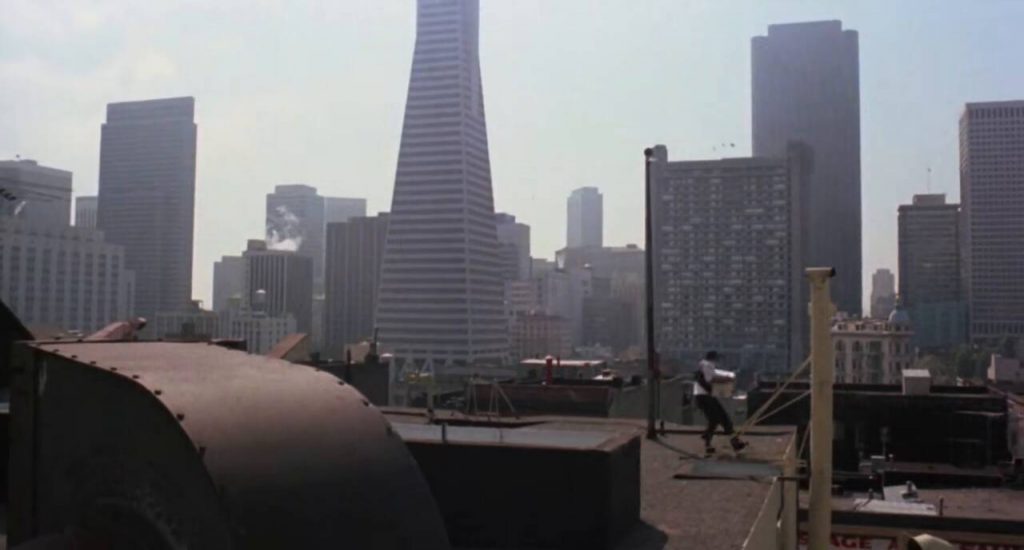
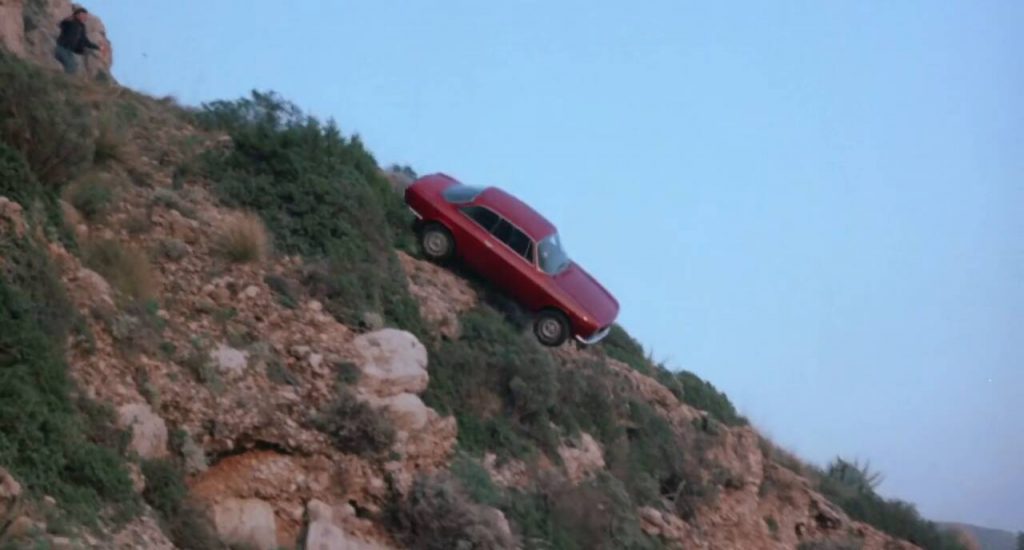
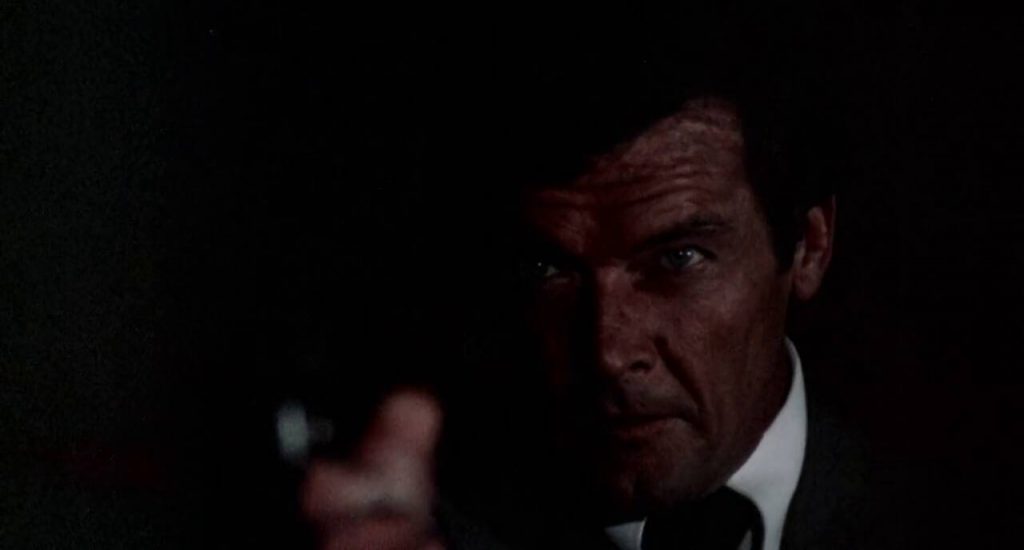
The Sicilian Cross is by no means a “good” movie, but it possesses a few charms that make it hard to hate. It’s a fascinating relic of a time when international co-productions were throwing everything at the wall to see what stuck. It succeeds as pure entertainment because it avoids being truly terrible by leaning into its own absurdity. If you enjoy seeing Roger Moore outside the confines of MI6 and want to see Stacy Keach at his most effortlessly cool, this is a “dud” well worth your time.
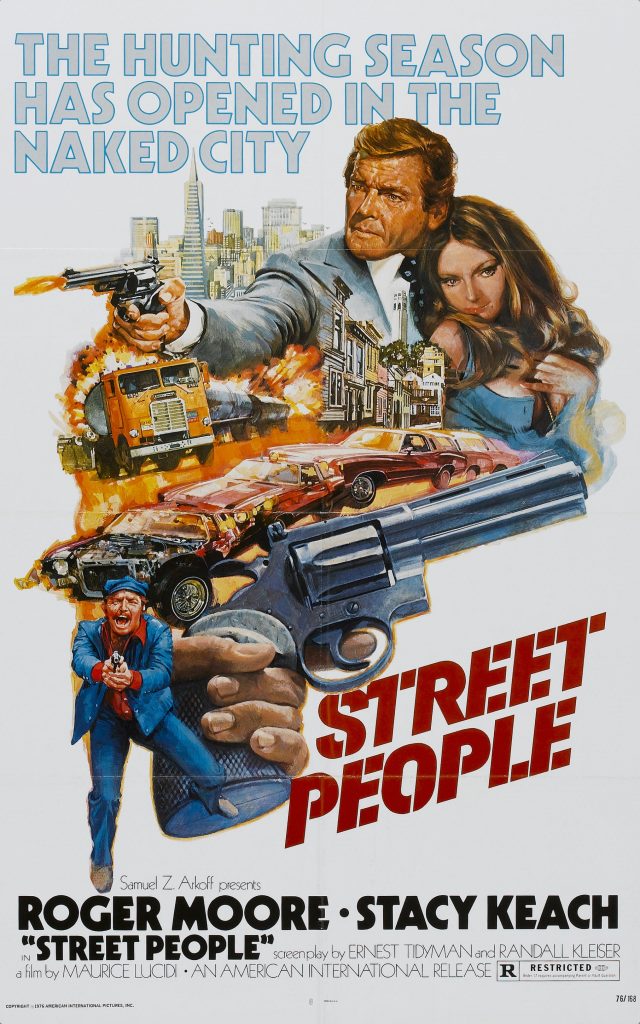
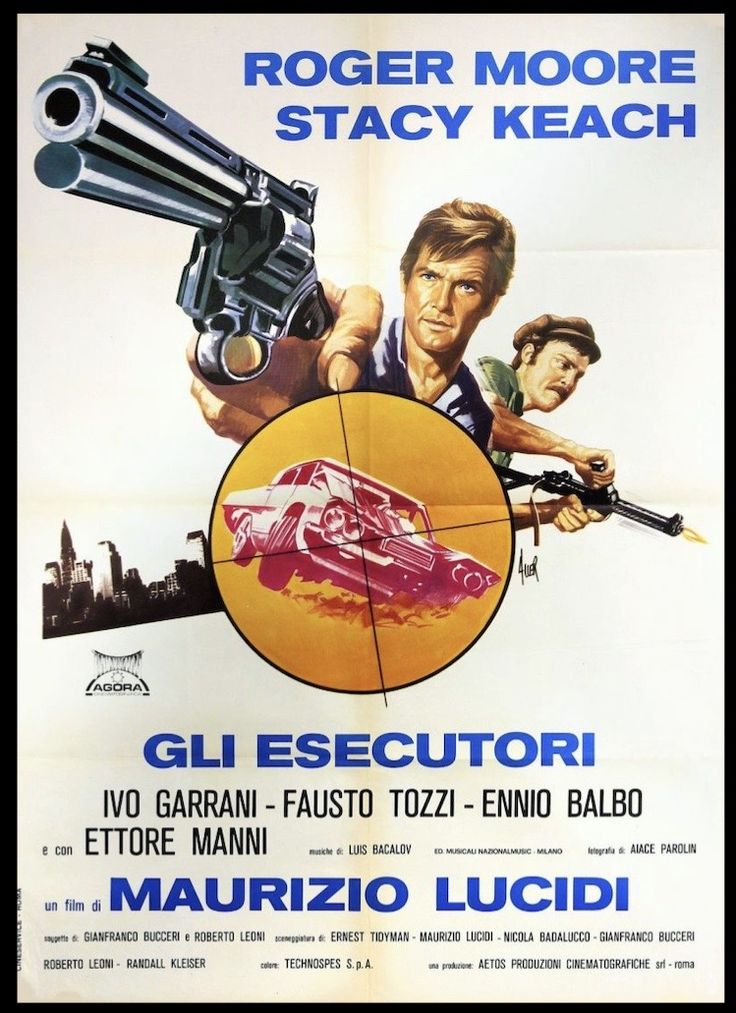
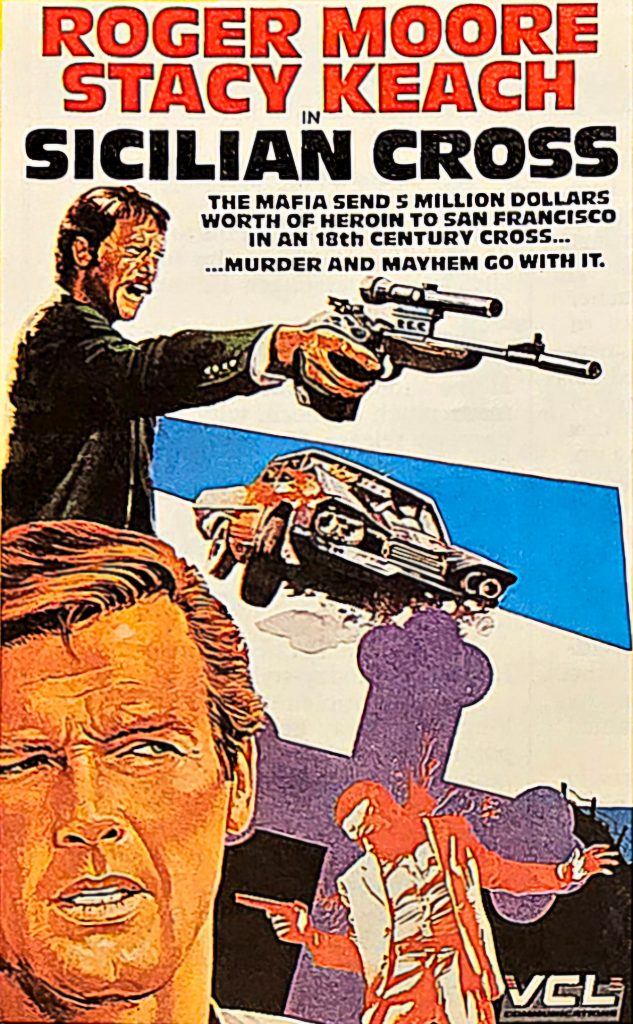
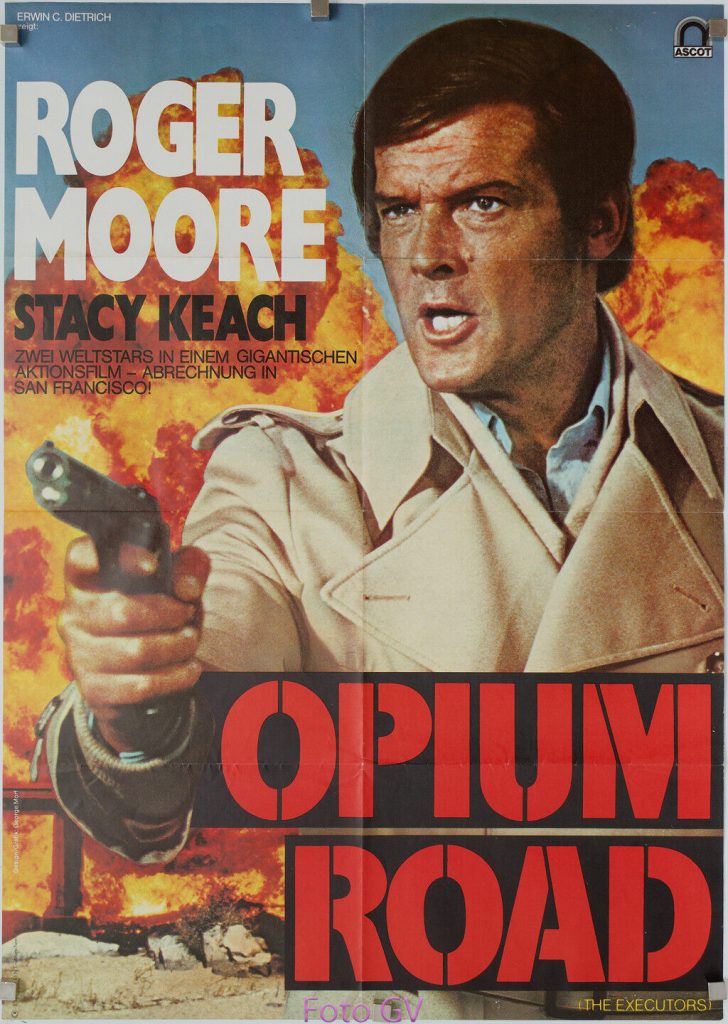
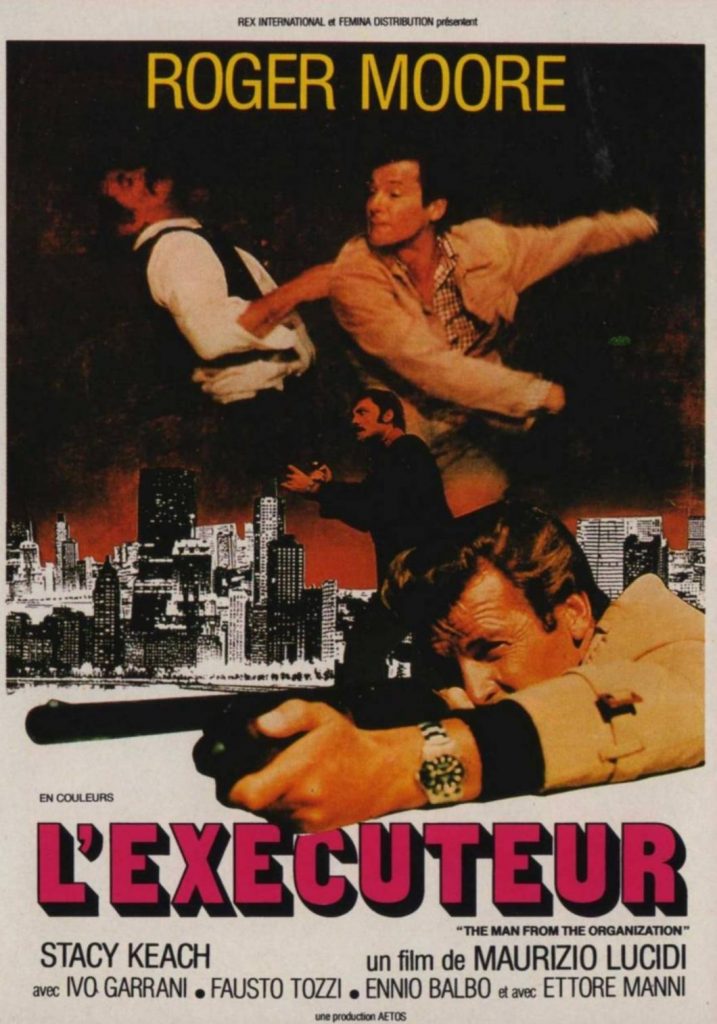
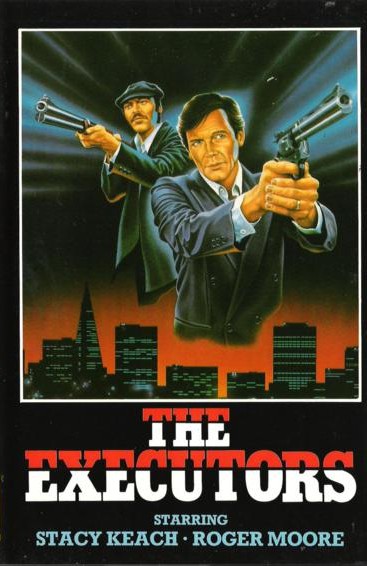
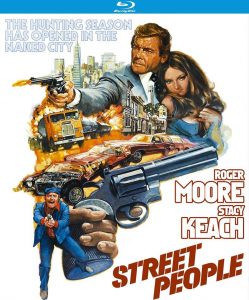
The Sicilian Cross hit Blu Ray in the US from Kino Lober under the lesser title Street People. This would be the version to get, however, it might be Region A.
Amazon has a listing for a Spanish release if you don’t mind the cover. There are no extras listed.