High Crime (1973)
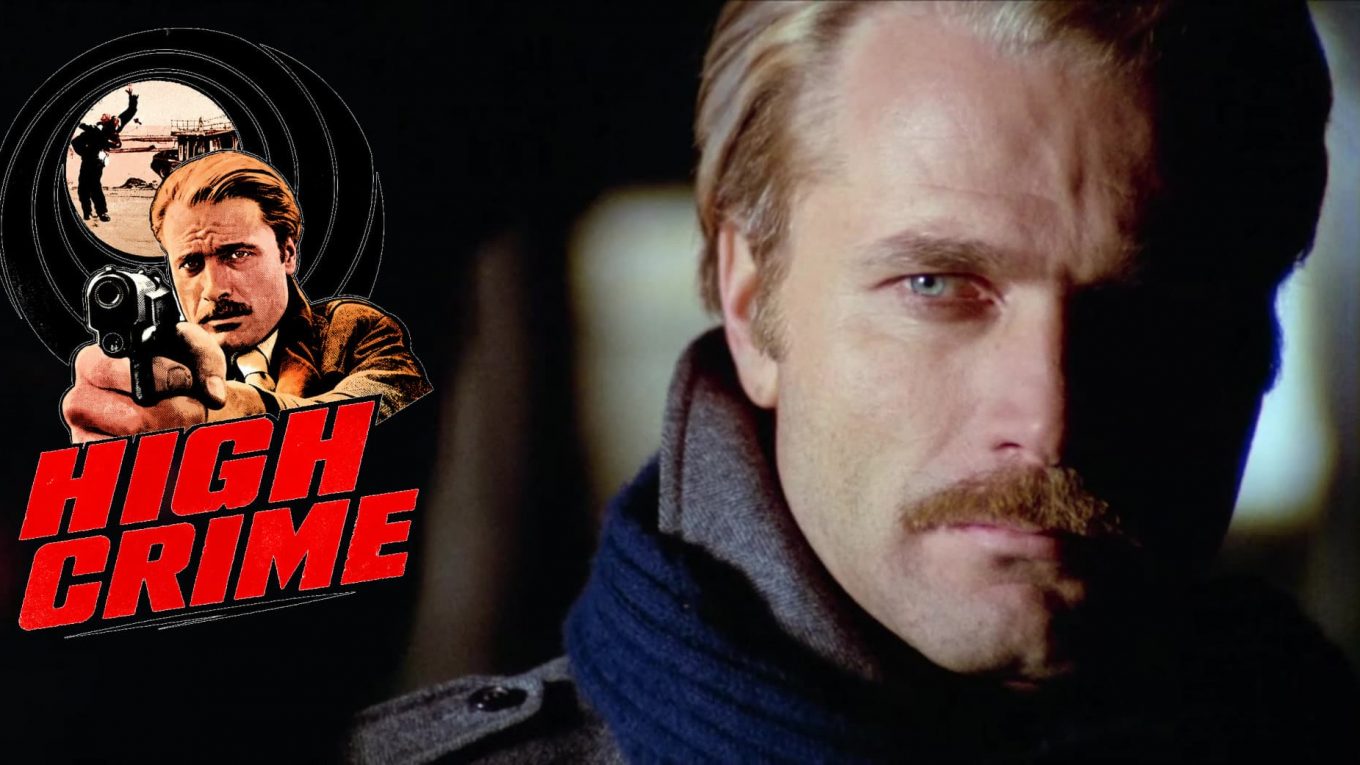
Franco Nero. The name alone conjures up memories, right? For fans of gritty European action cinema, Franco Nero is a legend. His collaborations with Enzo G. Castellari, the man behind the spaghetti western and the poliziotteschi genre, are legendary. And High Crime? It stands as a towering achievement, arguably the benchmark for the peak of the Italian crime/cop genre (that’s poliziotteschi for you!).
For years, I thought I had seen High Crime. Boy, was I wrong. My memory was jogged by the chatter around the recent Studio Canal blu-ray release, particularly the comments about the finale that specific version included. Intrigued, and eager to ensure I got the definitive edition, I immediately grabbed the Blue Underground 4K release. And boy, what a difference that made! This High Crime Blu-ray (and 4K) feels like the intended movie, a raw, powerful beast.

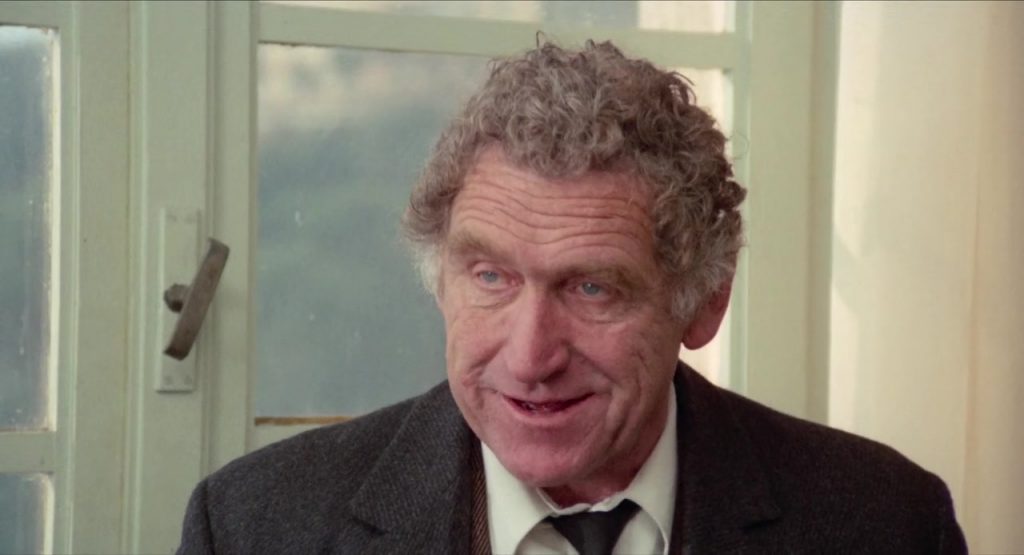
So, what exactly is High Crime? It’s more than just another Italian crime flick. High Crime is the benchmark. It wasn’t necessarily perfect, perhaps not as polished as some Hollywood contemporaries, but it was undeniably effective. It launched several tropes that defined the genre for years: the conflicted cop, the ruthless mob boss, the high-octane action sequences, the stylish Italian women, it all came together.
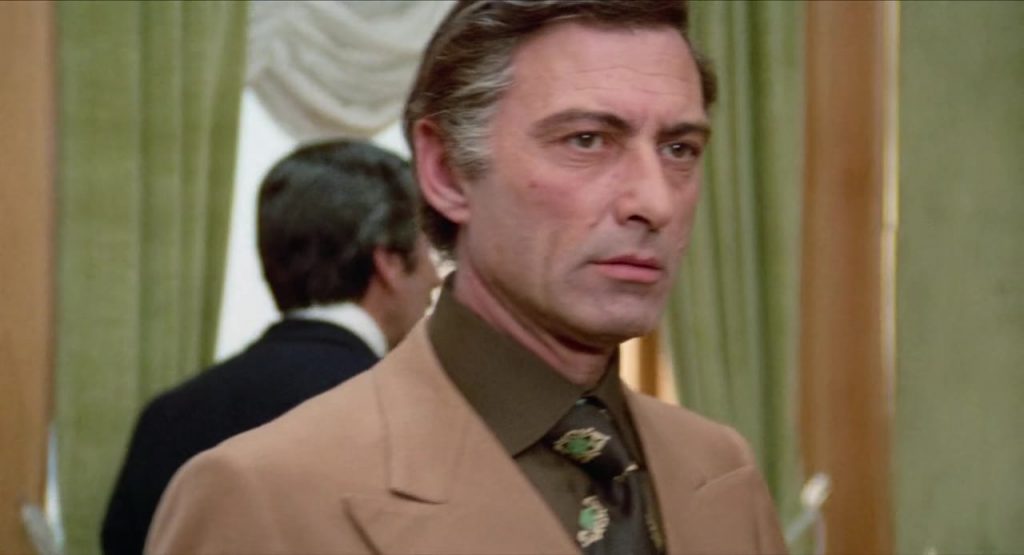
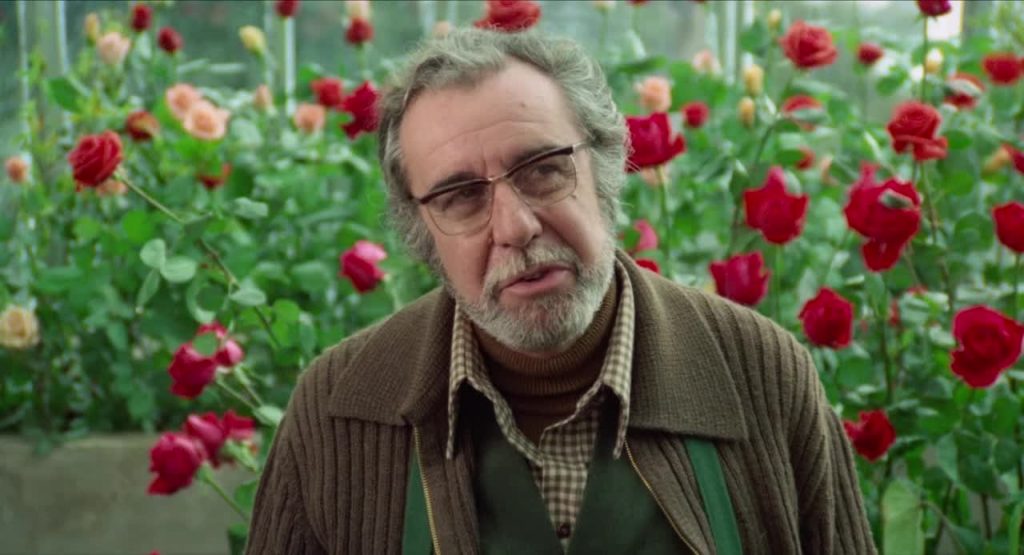
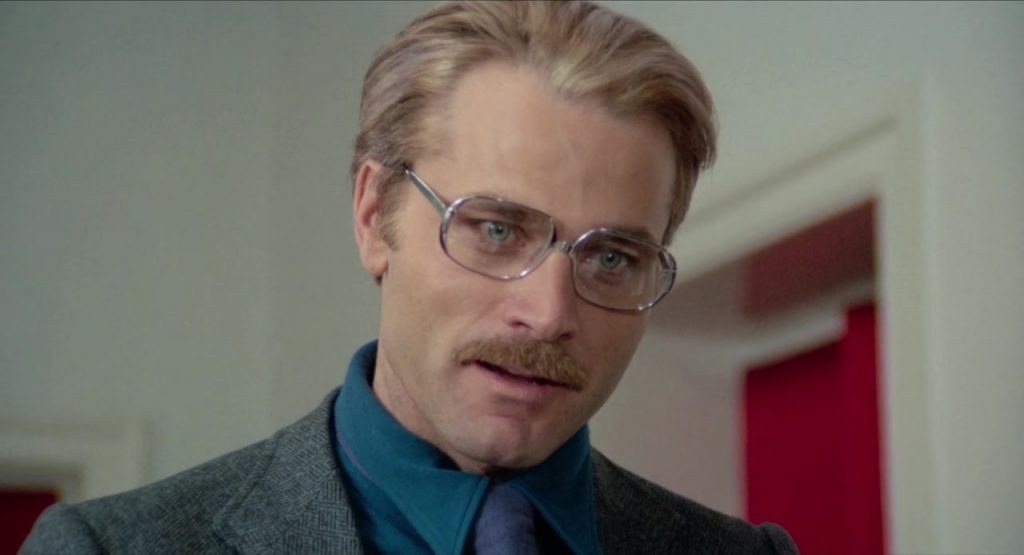
Now, there were rumblings online about Franco Nero seemingly returning to a character type from the Detective Belli picture from five years prior. Let’s cut through the noise. While Nero certainly plays a driven cop here, the character isn’t the same as any previous iteration. And crucially, Belli here isn’t the corrupt cop from the earlier film. He’s intense, focused, maybe even borderline, but operates within the system.

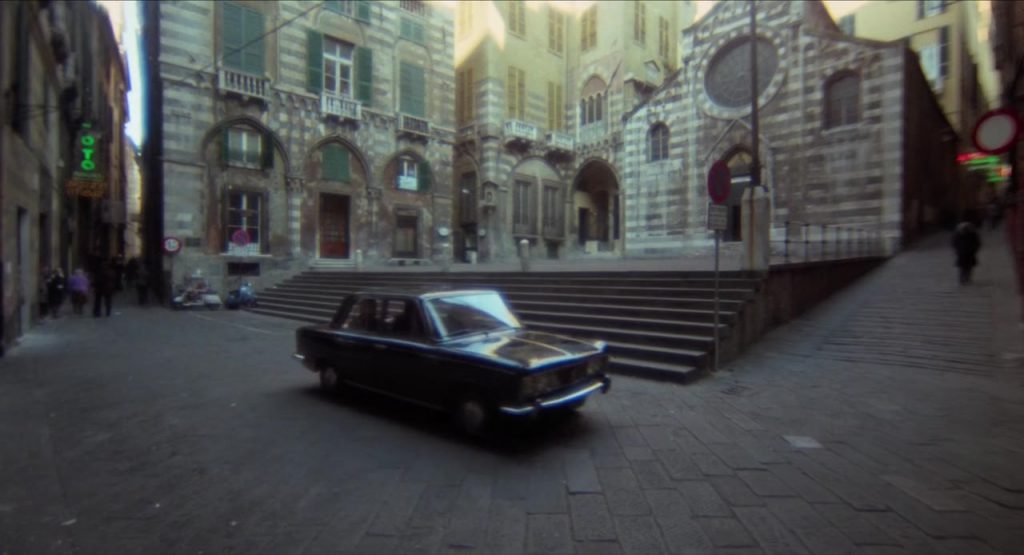

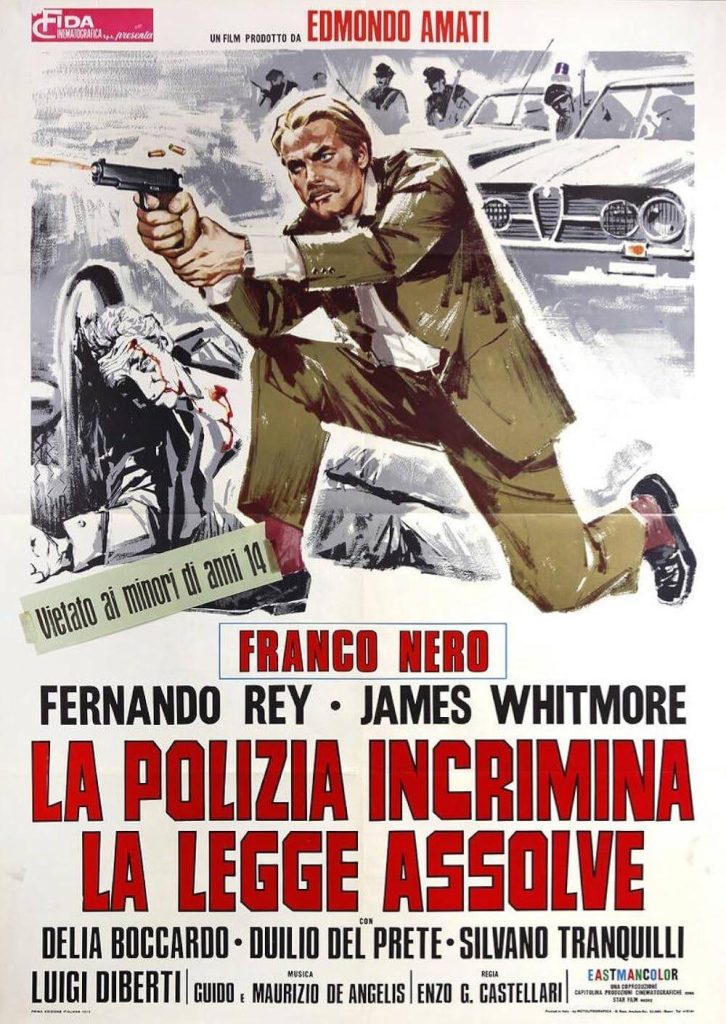
Set against the crime-ridden streets of Italy, High Crime follows hard-nosed police commissioner Belli, played by Franco Nero, as he wages a relentless war against organised crime after a major drug trafficker escapes conviction through corruption and intimidation. Frustrated by a legal system that seems incapable of stopping powerful mobsters, Belli pushes increasingly aggressive tactics in his pursuit of justice, putting him at odds with both his superiors and the criminal underworld. As gang violence escalates across the city, Belli finds himself trapped between the law he is sworn to uphold and the brutal methods needed to combat a system rotting from within.
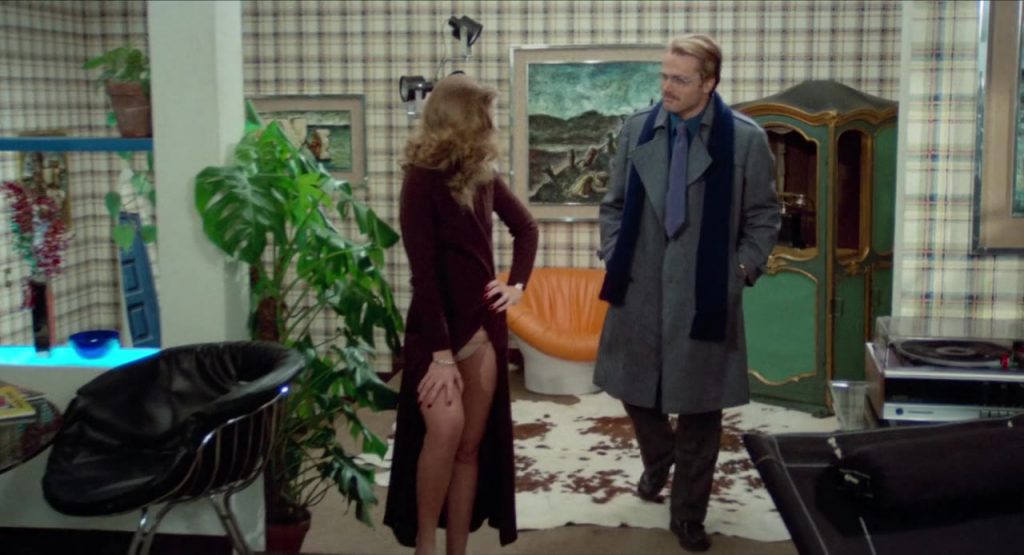

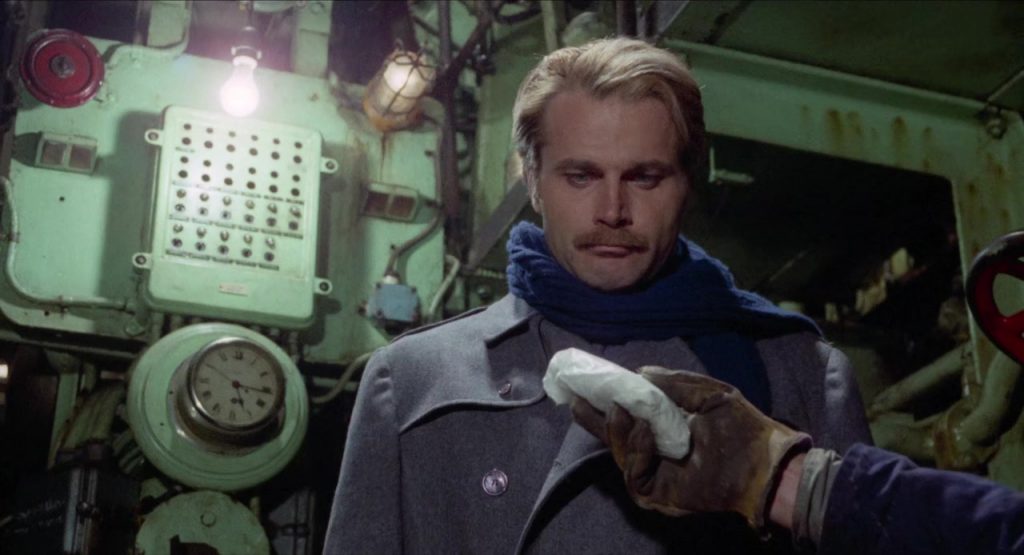
What makes High Crime particularly fascinating is how influential it became. The film arrived during a period when Italian filmmakers were absorbing inspiration from American thrillers like Dirty Harry, The French Connection and Bullitt. You can feel traces of those films in Castellari’s documentary style approach, urban grit and morally conflicted law enforcement. Yet High Crime never feels like a simple imitation. Instead, Castellari filters those American influences through the Italian anxieties of the time, political corruption, organised crime, social unrest and institutional collapse, creating something harsher and more cynical than its Hollywood counterparts.


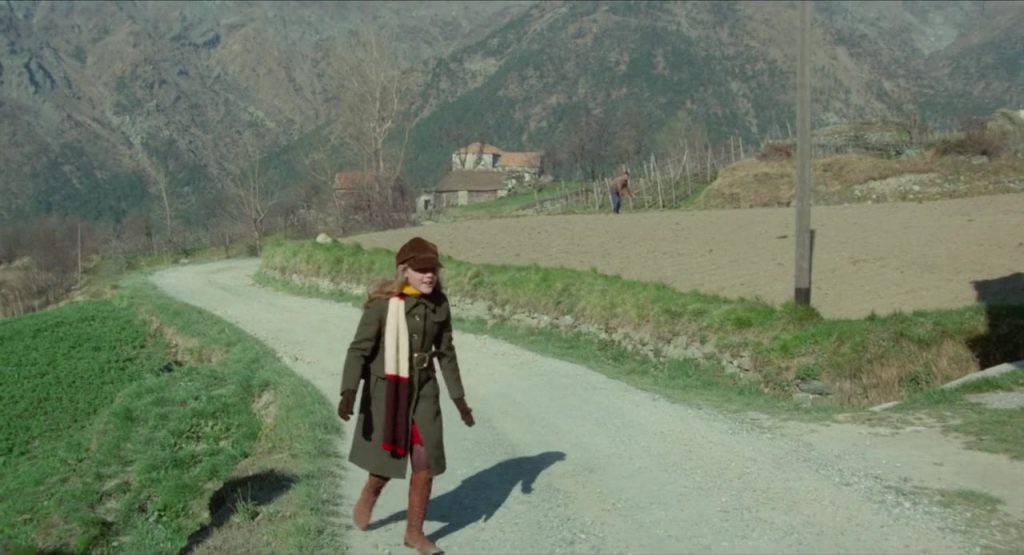
In turn, High Crime would become enormously influential itself. The film helped establish many of the conventions that would dominate cop movies throughout the 1970s: the rogue cop protagonist, savage urban violence, morally grey justice, explosive practical stunt work and a sense that society itself was spiralling out of control. Later classics such as Violent Rome, The Big Racket and Rome Armed to the Teeth all owe a considerable debt to High Crime. Even outside Italy, echoes of Castellari’s style can be found in the gritty urban action films of the late 1970s and early 1980s.
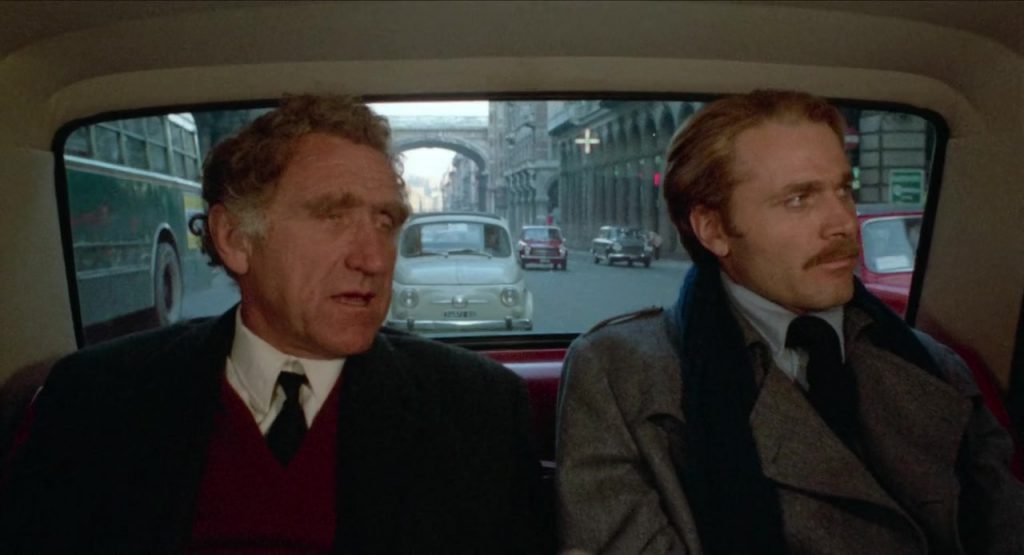


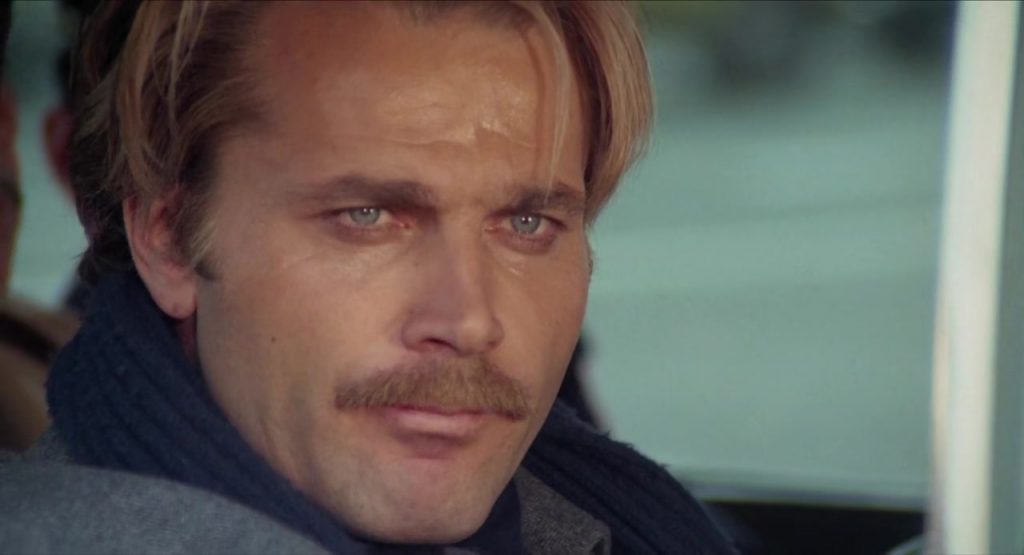
High Crime throws everything at the wall and quite a bit sticks. Prepare for chases, shootouts, arguments, domestic tension, and villainous excesses all rolled into a relentless 90 minutes. Franco Nero is absolutely electrifying. He overdelivers, transforming the character with incredible animation and rapid shifts from charm to viciousness. His Belli is a study in contrasts, accused by his own boss of acting like a child, yet utterly believable in his intensity. He’s complex, not just a one-note supercop and that’s a refreshing change, really, as many actors of the era got stuck in those roles. There’s also a meaty sequence detailing the debate between Belli and his Captain (James Whitmore is solid here) about procedure, a welcome moment of character depth in a genre often defined by streamlined action.

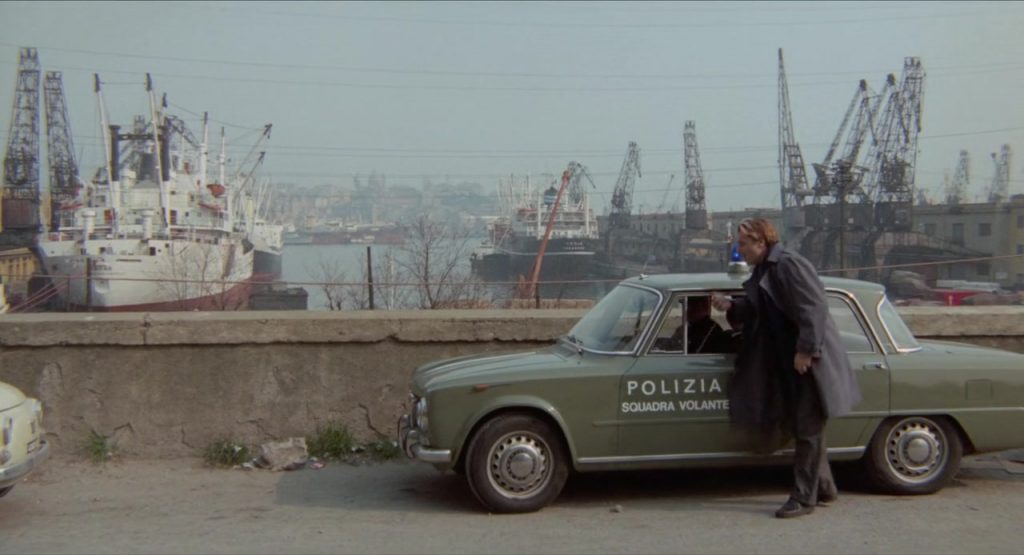

The action, while not constant, is handled with skill. When it hits, it’s focused and impressive. Forget Hollywood-style realism, this is spaghetti action at its finest. Nero even handles his own stunts, leaping around the debris in the climax, a cool, authentic touch.
So, why no sequel? High Crime was a major hit, critically well-received in Italy, and established its formula. Maybe that’s why some fans try to slot it into other franchises (spoiler: it doesn’t fit!). But, interestingly, High Crime didn’t spawn its own endless franchise like some poliziotteschi did. Which brings us to a point often bemoaned: the Violent Rome series. While enjoyable, they often suffer from story coherence fatigue across multiple films. High Crime’s lack of franchise baggage feels… refreshing.


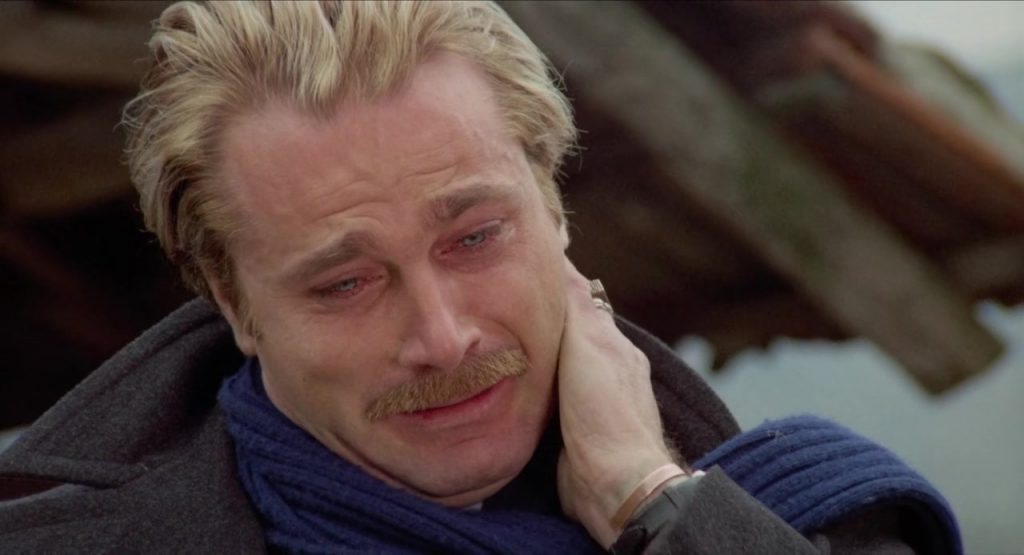
High Crime isn’t without its flaws. It’s arguably one of Castellari’s less perfect films, but it remains a benchmark. It has its warts, some emotional plot points can strain credibility, but the sum of its parts is genuinely high. Better action? Check. Better plot? Perhaps, though it prioritises atmosphere and style. Better writing? Maybe, but the performances and direction carry it.


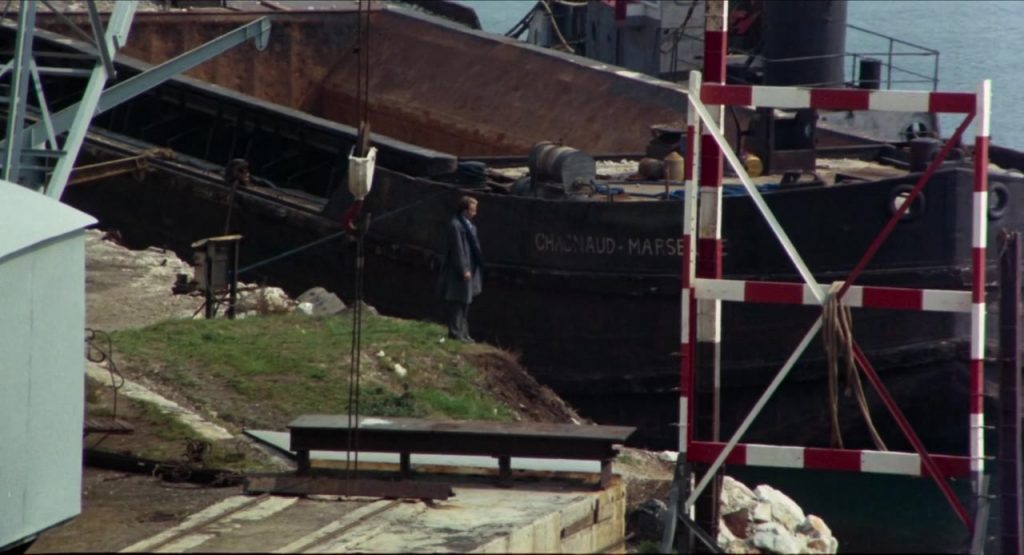
High Crime delivers a potent blend of style, action, and character. Franco Nero leads the charge as the conflicted supercop, supported by strong performances from Fernando Rey, James Whitmore, and Delia Boccardejo. It’s a must-watch for fans of Italian poliziotteschi and Eurocrime action cinema. And with the High Crime 4K release offering a different ending, it provides a unique viewing experience for enthusiasts and a true benchmarkfor the film, a benchmark worth revisiting!
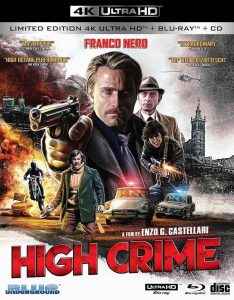
Hands down, the Blue Underground 4K UHD is the definitive edition to own. It is region-free, includes both endings, packs in incredible extra features, and even throws in the CD soundtrack. You can safely skip StudioCanal’s Cult Classic Blu-ray, while its extras are decent, it only features the cut version of the film and covers no ground that Blue Underground hasn’t already handled better.