
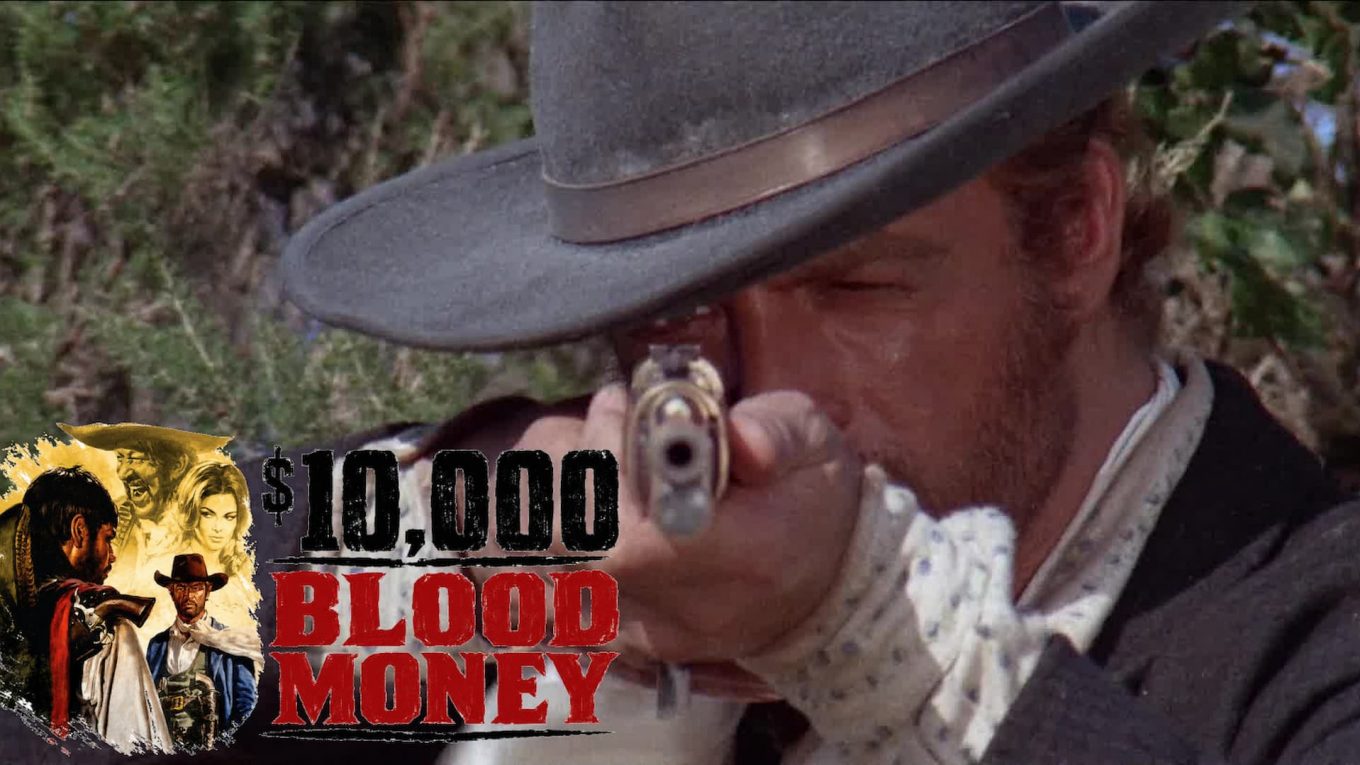
$10,000 Blood Money (1967)
If there’s one genre that defines cinema at its most sweat-soaked and morally bankrupt, it’s the Spaghetti Western. Give me a scorched landscape, a bounty hunter who looks like he hasn’t slept in three weeks, a coffin dragged through the dirt, and a soundtrack that sounds like it was composed in a haunted saloon, and I’m immediately interested. So it’s slightly embarrassing to admit that I’ve gone this long without properly diving into one of my favourite genres. That changes today with $10,000 Blood Money (also known as 10,000 Dollars for a Massacre or the far more stylishly Italian 10,000 dollari per un massacro.)
And what a strange little beast this one turns out to be. At first glance, the film seems fairly straightforward. You’ve got Gianni Garko (Credited at the time as Gary Hudson), who is known for playing Sartana in four out of the five official Sartana movies and one unofficial, riding back into the dusty frontier for another morally murky adventure, this time playing a bounty hunter hired to rescue the kidnapped daughter of a wealthy landowner from a ruthless gang leader played by Claudio Camaso. Standard Spaghetti Western business. Guns, dust, double-crosses, and enough suspicious facial hair to fill an entire Sergio Leone casting call.
Then somebody says his name.
Django.
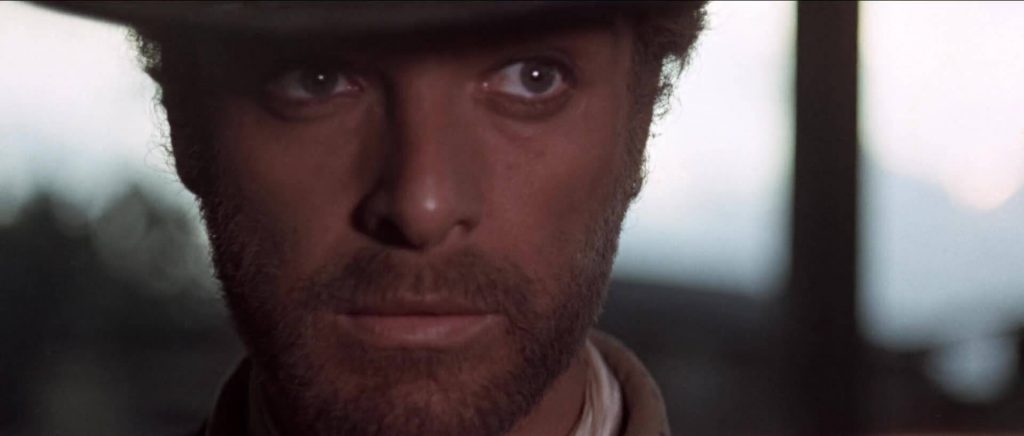
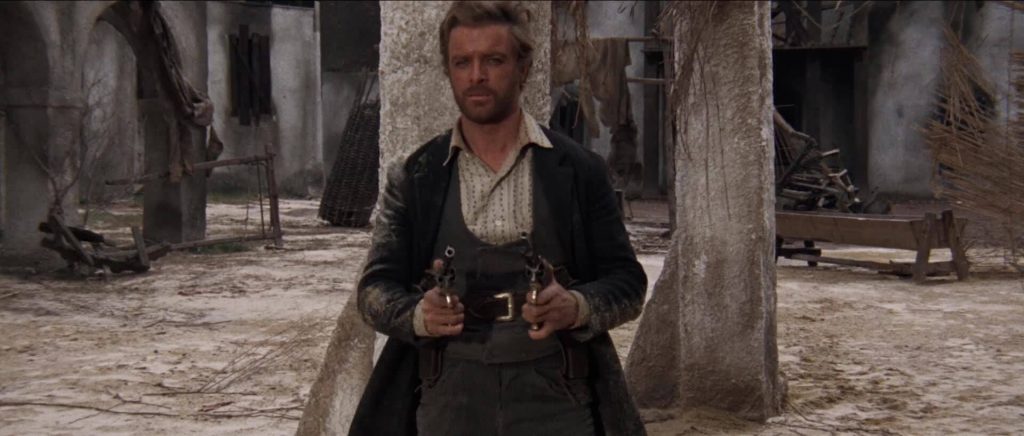

I genuinely had to rewind the scene to make sure I hadn’t misheard it. Maybe it was the fact that Loredana Nusciak (who had appeared in Django the year prior,) had that utterly gorgeous heavy accent, making the name land with a certain… je ne sais quoi. But no, this character really is called Django.
By 1967, the success of Django had already unleashed a tidal wave of unofficial sequels, spiritual successors, shameless knock-offs, and films that slapped the name “Django” on absolutely anything that moved in the hope audiences might mistake it for another adventure starring Franco Nero. Usually, producers made sure the title screamed “DJANGO” in giant letters. Here though? Nothing. No mention in the title whatsoever.

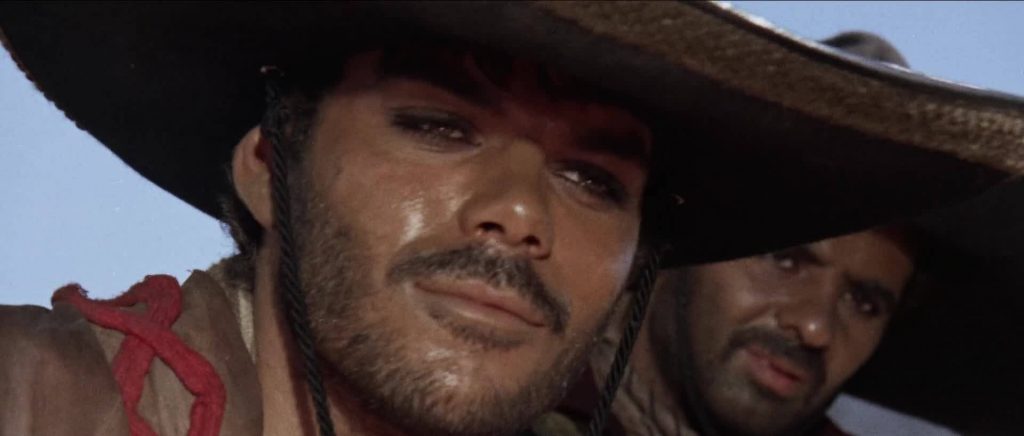
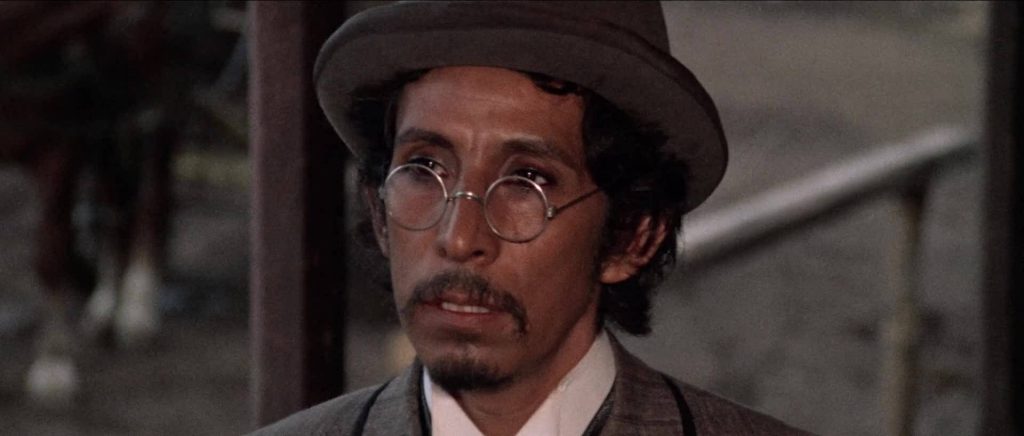
That makes $10,000 Blood Money feel oddly fascinating. It’s as if the film wants the audience to quietly discover this Django rather than market him outright. Even stranger, Garko himself would soon become synonymous with another iconic Spaghetti Western antihero: Sartana. Though technically, he’d already played a villainous version of the character in Blood at Sundown before the six recognised Sartana movies transformed the role into the cool, antihero fans remember today.
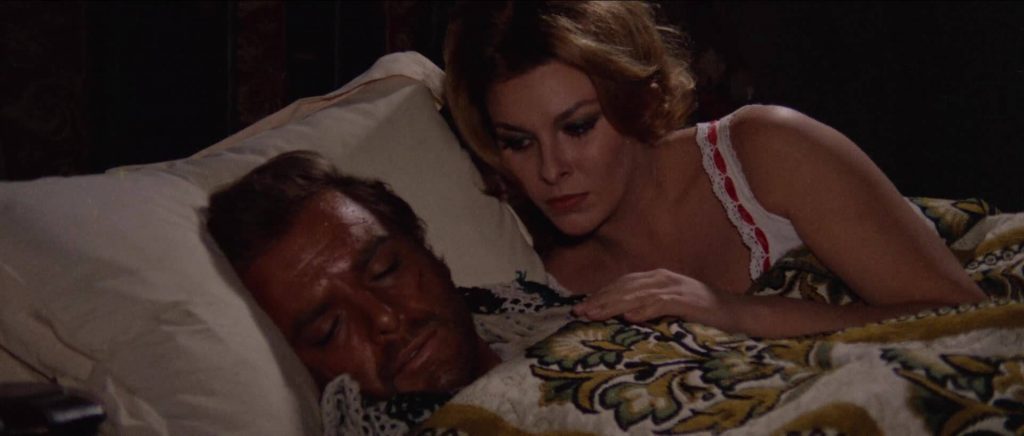
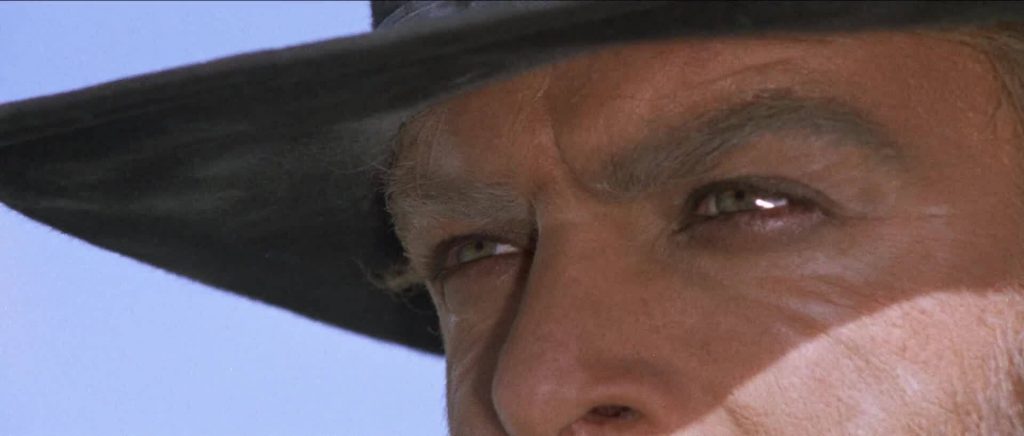
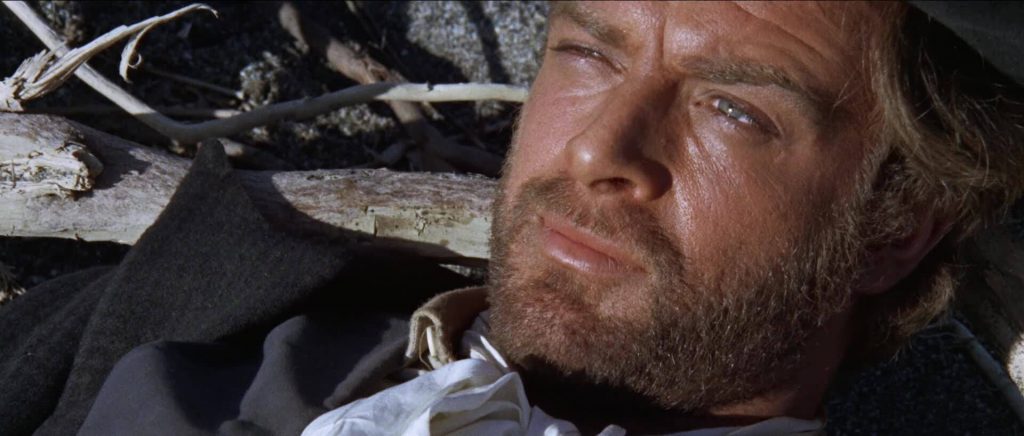
Here, Garko’s Django feels less like a direct continuation of Nero’s mud-covered drifter and more like a worn-down echo of him. Older. Tired. Even ready to leave the violence behind. And honestly? It works.
Garko brings a gentler energy to the role than Nero ever did. He’s less feral dog dragging a coffin and more exhausted gunslinger wondering if all this bloodshed is still worth the trouble. Oddly enough, he’s also surprisingly clumsy for a bounty hunter. Several times throughout the film, bandits gain the upper hand simply because Django hesitates or takes too long to act. It occasionally makes him look less like a feared killer and more like a man who badly needs a sit down and a strong drink.
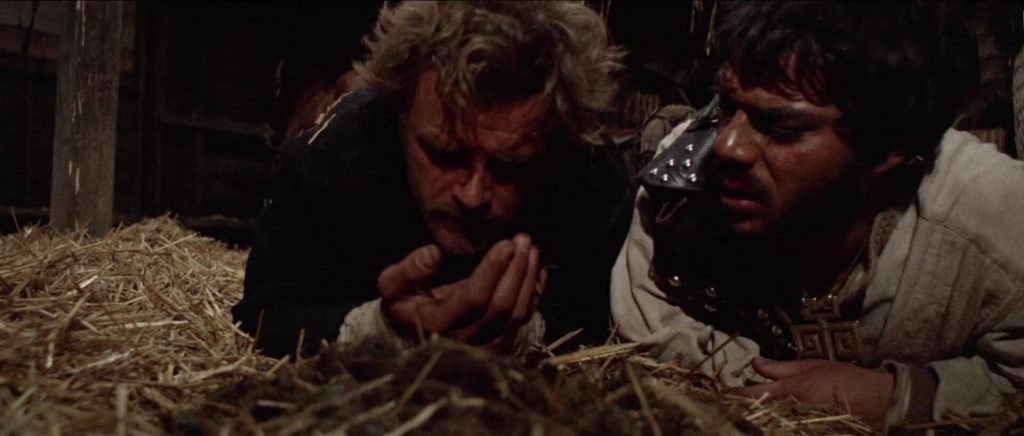
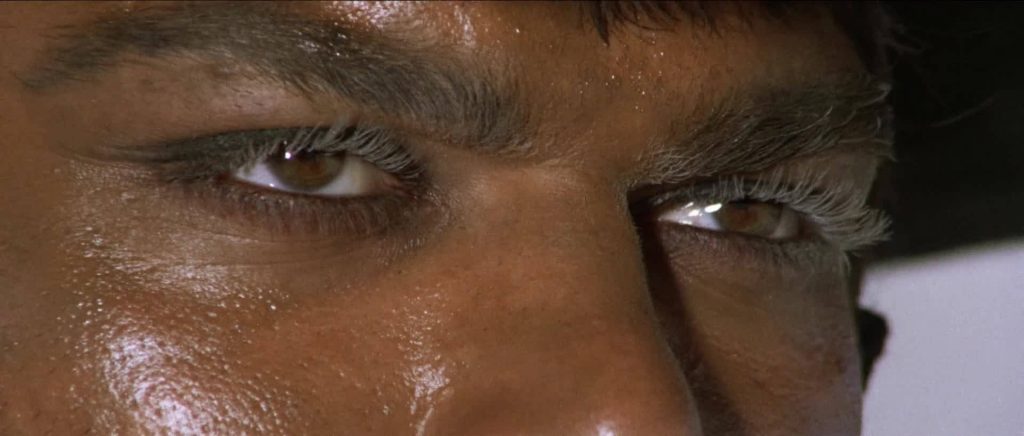
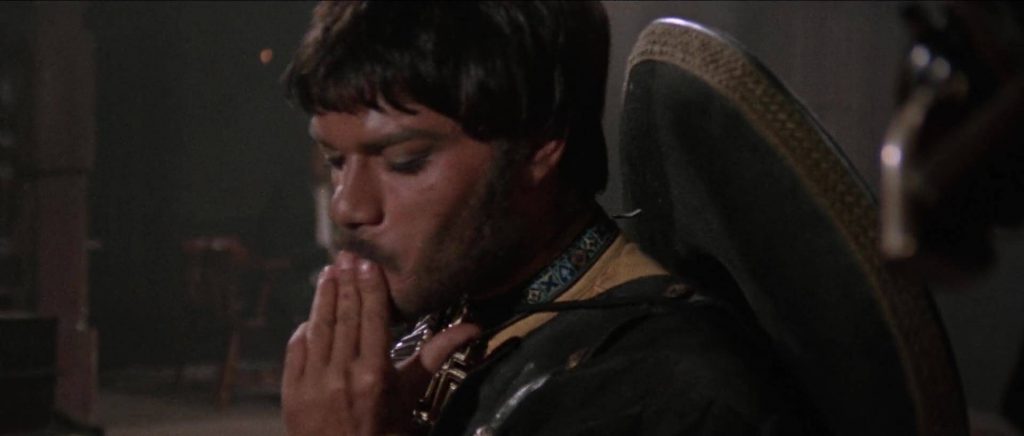
Still, the chemistry between Garko and Claudio Camaso keeps the film moving. Camaso, whose real-life story is arguably even darker than most Spaghetti Western plots, makes for a suitably sweaty and dangerous antagonist. The fist fight between the two is especially entertaining, all dust, rage, and men throwing themselves around like they’re auditioning for a bar fight in Hell, yet landing with smiles and chuckles.
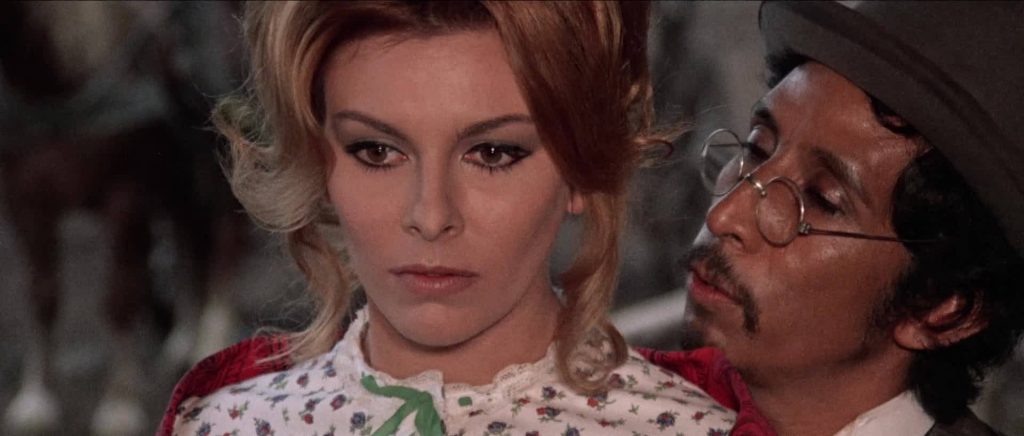
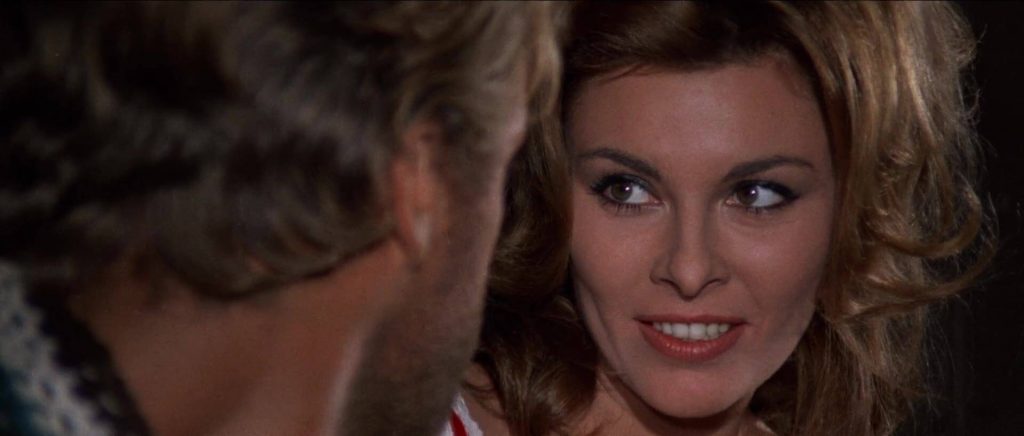
The real revelation here, though, is Loredana Nusciak. While many viewers will remember her from the previous year’s Django, I’d argue she delivers a far stronger performance here. There’s a beautifully understated scene where Django talks about abandoning violence and moving to San Francisco, and Nusciak’s reaction sells the emotional weight of the moment perfectly. It feels natural, vulnerable, and refreshingly human in a genre that often treats emotions as something to be shot at dawn.
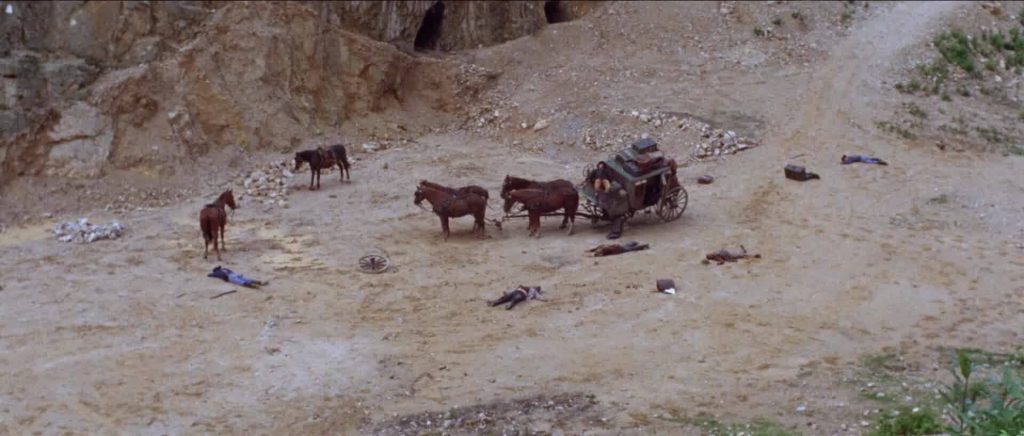
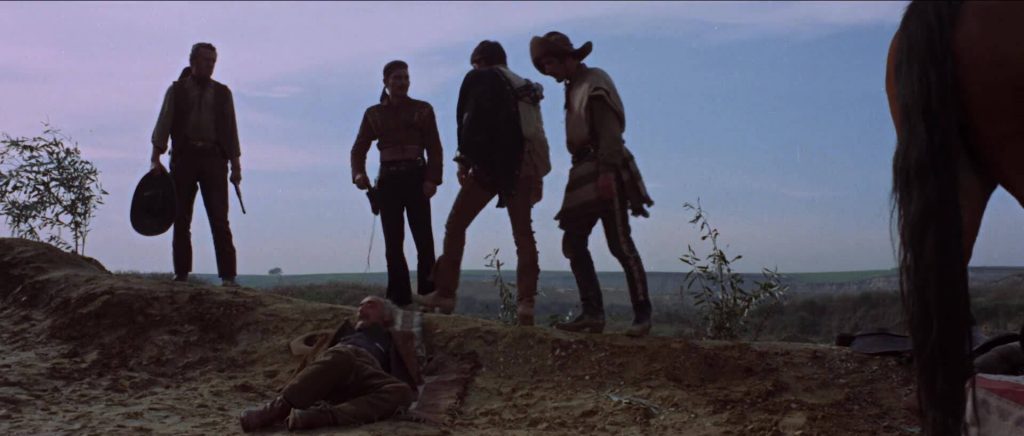
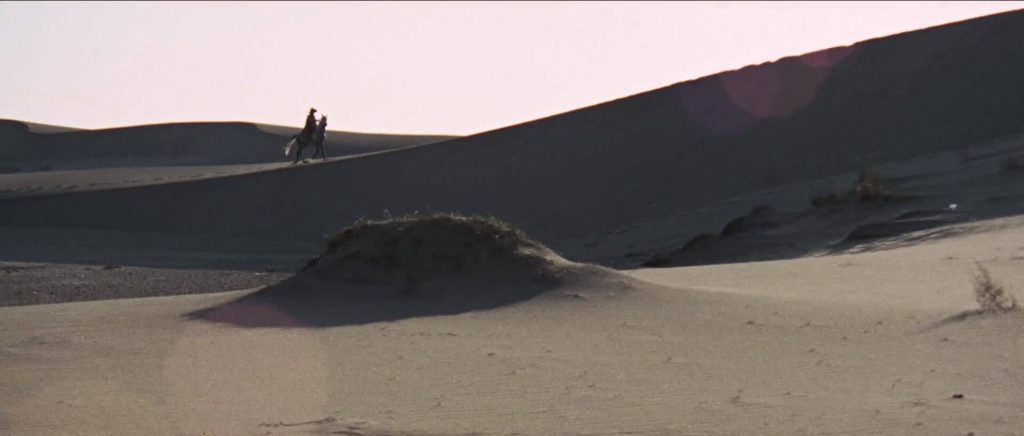
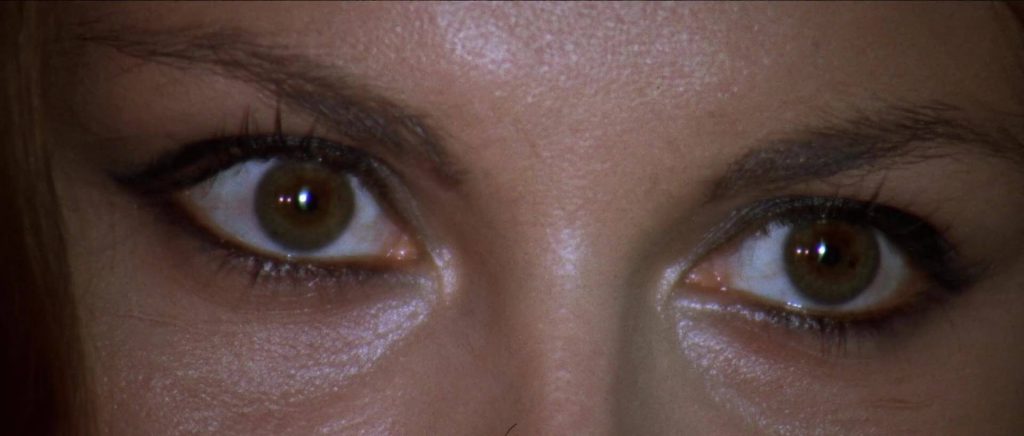
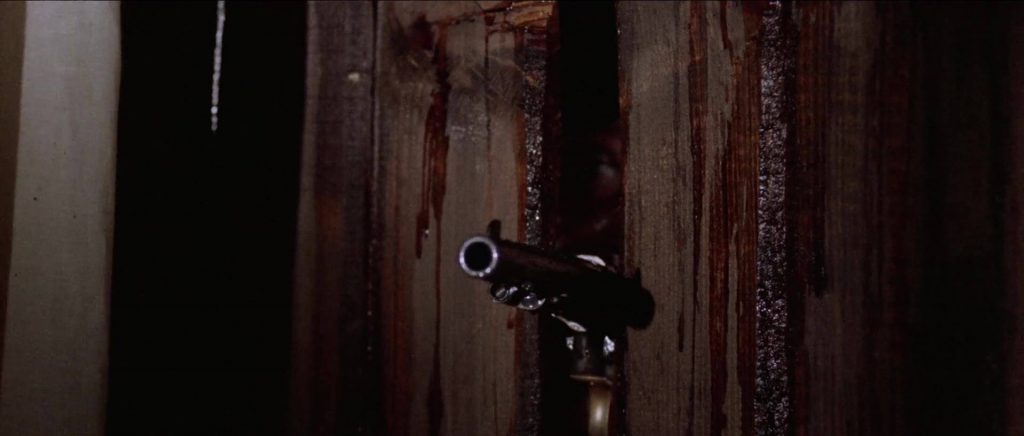
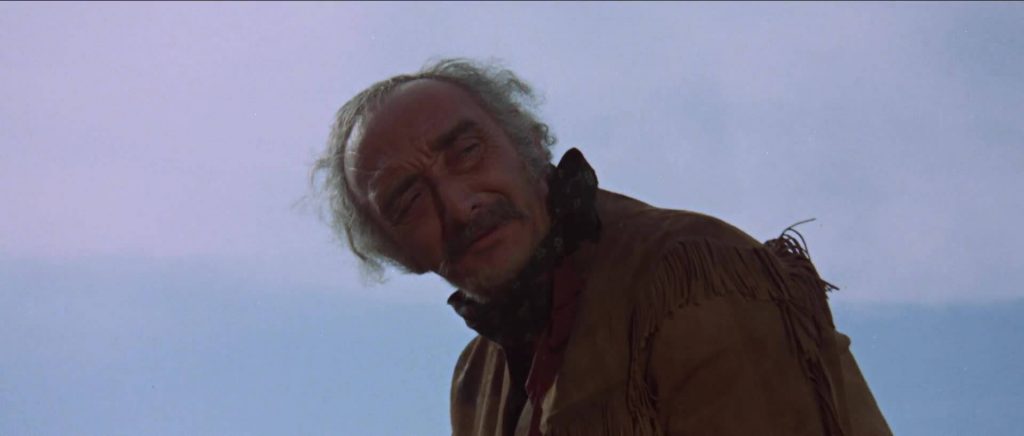
Director Romolo Guerrieri also deserves credit for making the film visually memorable, even when the storytelling occasionally drifts into confusion. Guerrieri clearly loves experimenting with framing and camera placement, even if it feels borrowed from Leoni’s playbook. One moment you’re getting those gorgeous wide shots of lonely desert landscapes that define the genre, next the camera is shoved into someone’s sweaty face at an angle and panning around their deathly gaze. Sometimes it works brilliantly. Other times it feels like the cinematographer got distracted halfway through setting up the shot. Either way, the film never looks boring.
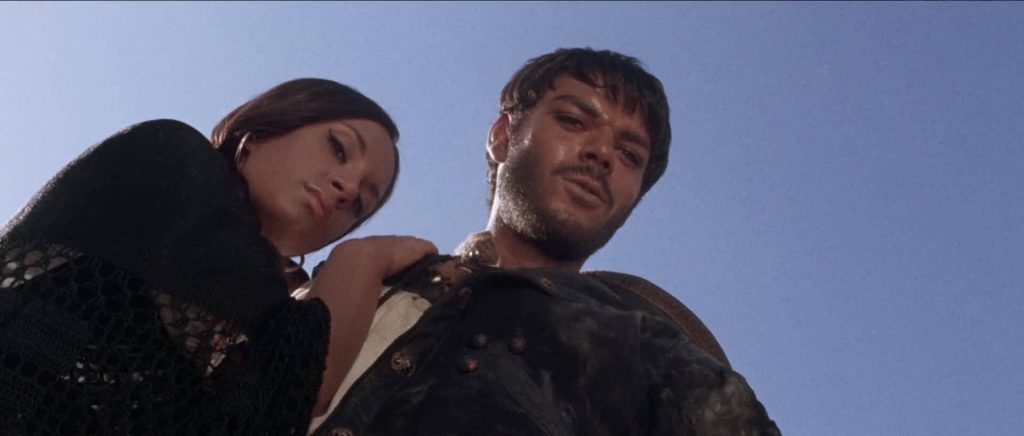
Tonally, the movie occasionally hints at deeper themes than it never fully explores. The opening and closing lines sound like they’re reaching for profound philosophical commentary about violence, identity, or fate, but whatever meaning they originally carried may have become tangled in translation somewhere between Italy and the English dub booth. In practice, the film works far better as a gritty, pulpy thriller than as some existential meditation on the death of the Old West.
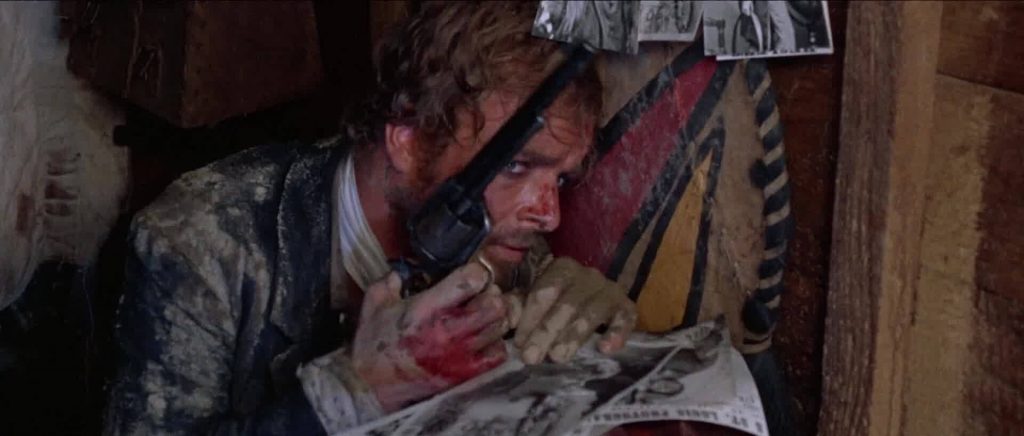
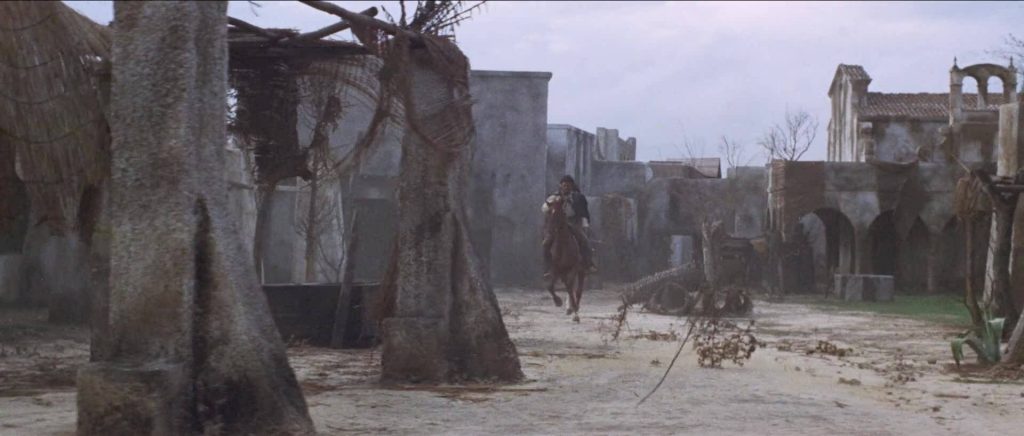
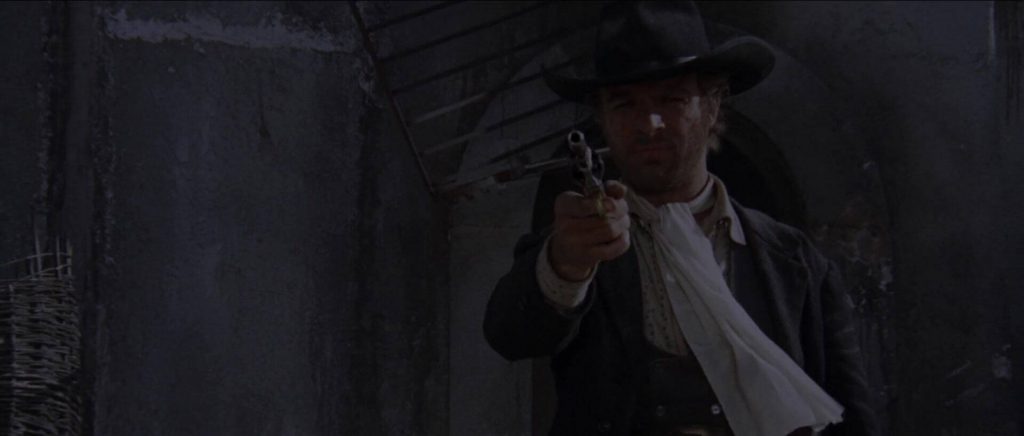
Still, when the final showdown arrives, the film absolutely delivers. The climax has that classic Spaghetti Western atmosphere: sweaty faces, endless tension, a howling, whipping wind, dust hanging in the air like cigarette smoke, and two men silently deciding who gets to walk away. It feels hauntingly familiar in the best possible way, even if Django does spend a little too much time giving Camaso opportunities to shoot him in the face.
I can’t quite bring myself to love $10,000 Blood Money, but I absolutely enjoyed spending time with it. It’s a fascinating relic from that glorious post A Fistful of Dollars explosion when Italian filmmakers were throwing every variation of the genre at the wall to see what stuck. Some became classics. Others disappeared into the dust.
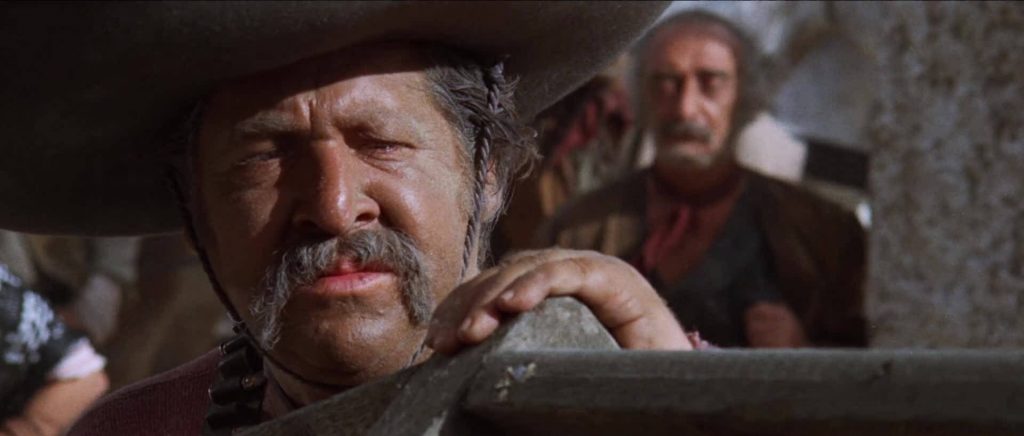
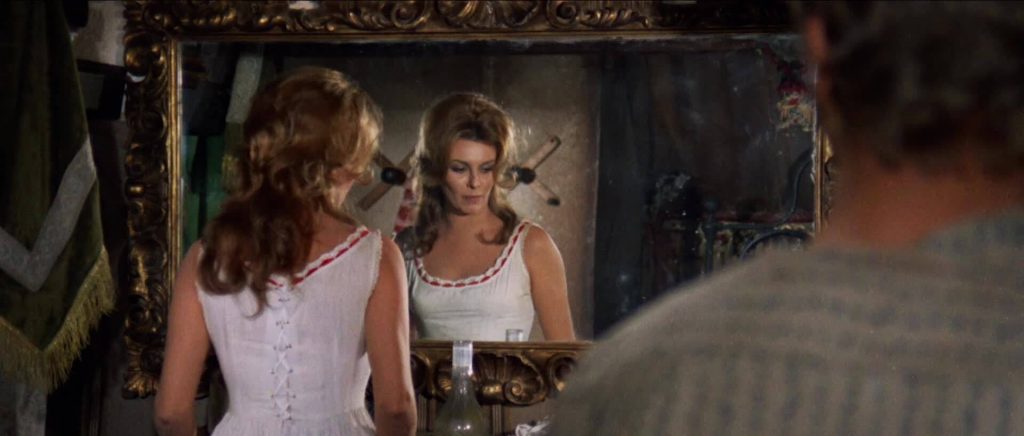

This one sits somewhere in the middle, flawed, odd, occasionally brilliant, but always interesting. And in a genre overflowing with forgotten gunmen and unofficial Djangos, that’s still worth a fistful of praise.
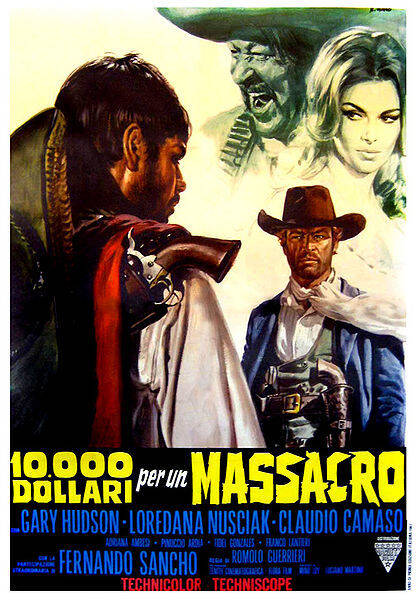
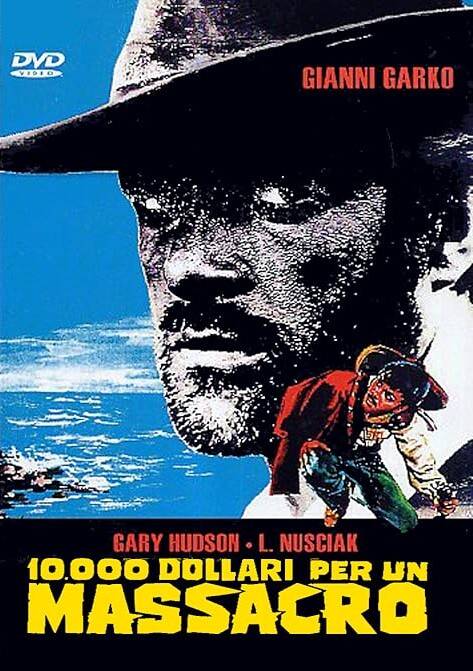
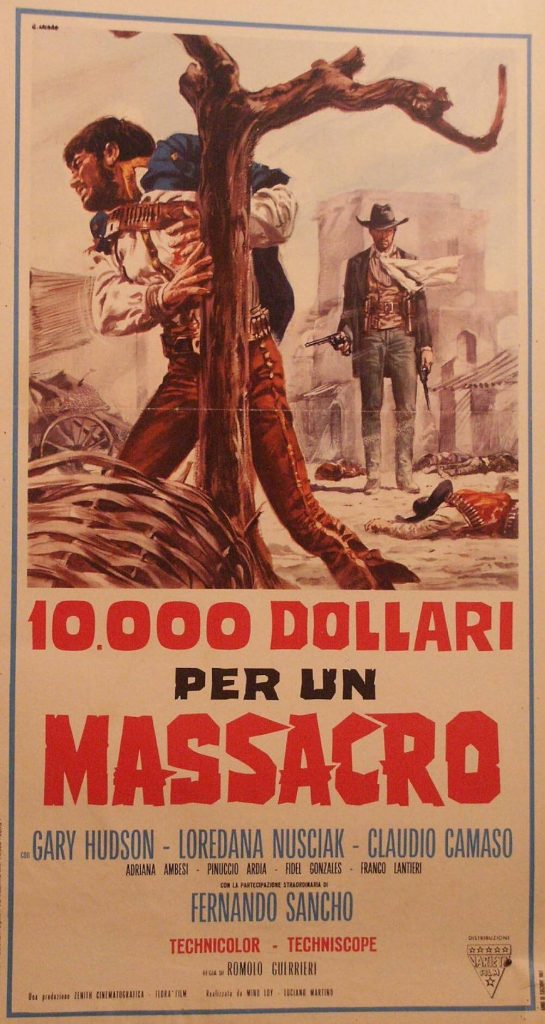
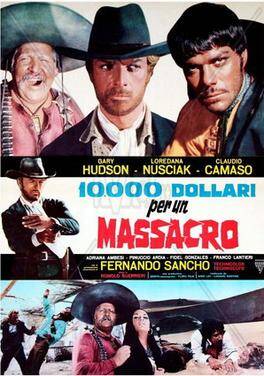
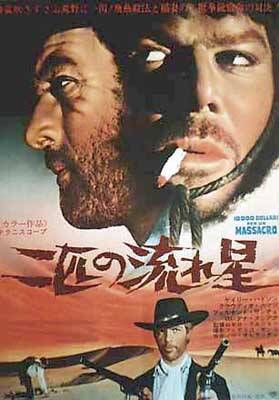
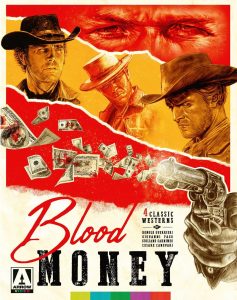
$10,000 Blood Money is on Arrow’s Blood Money boxset with Giovanni Fago’s Vengeance is Mine (1967; a.k.a. $100,000 for a Killing), Giuliano Carnimeo’s Find a Place to Die (1968) and Matalo! (Kill Him) (1970).
Arrow have added a commentary, a featurette, a couple of interviews and the original trailer. It’s terrific collection, and the best way to see this film.