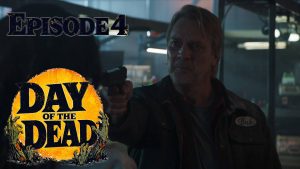
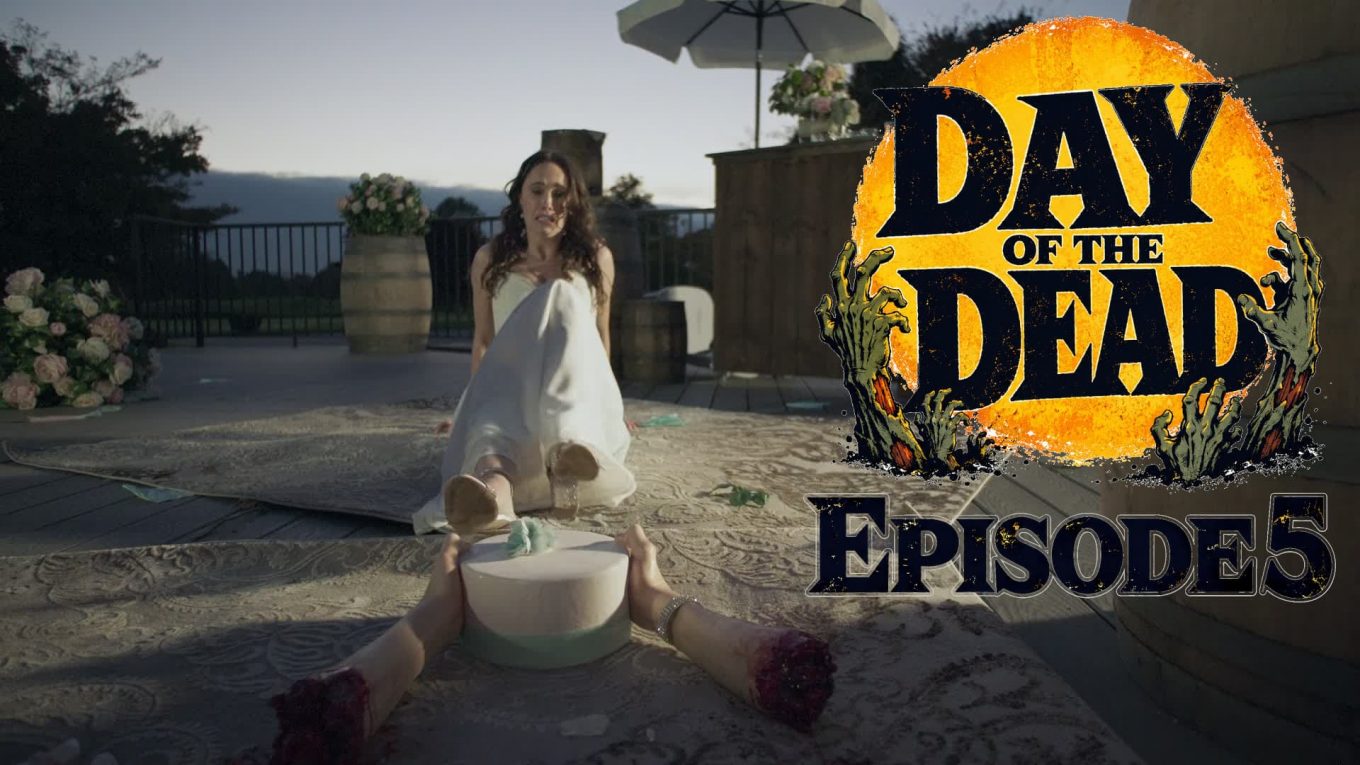
Day of the Dead – Episode 5 – ‘Til the Dead Do Us Part
At the halfway point of the season, Day of the Dead continues to be an entertaining, but the flaws are becoming more noticeable for this zombie series. Episode 5 doesn’t quite reach the highs of the previous chapter, but it does move several of the more interesting storylines forward while reinforcing what the show does well, and where it still struggles.
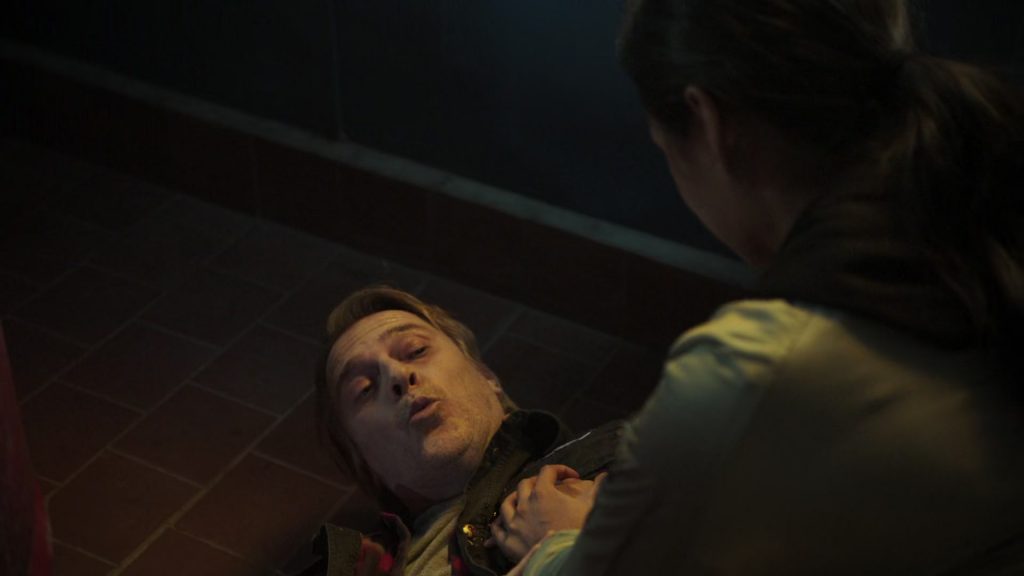
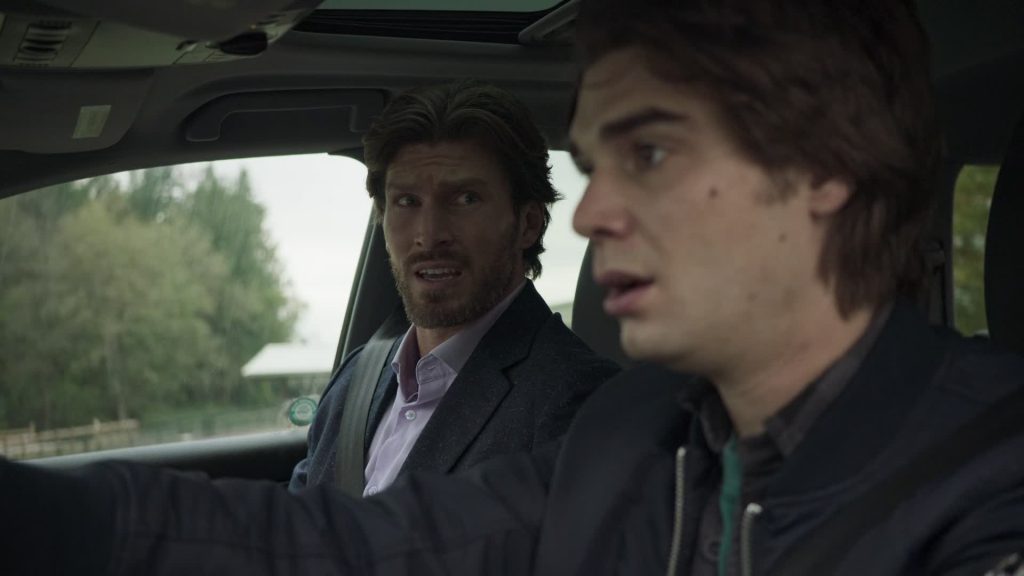
One recurring problem is beginning to stand out. For the second time, an episode opens by immediately defusing a cliffhanger from the previous week’s closing moments. Once again, a character appears to be in genuine danger, only to escape with surprising ease within the opening minutes. It undermines the suspense the series works hard to build. Cliffhangers only work if the audience believes there will be an actual consequence.
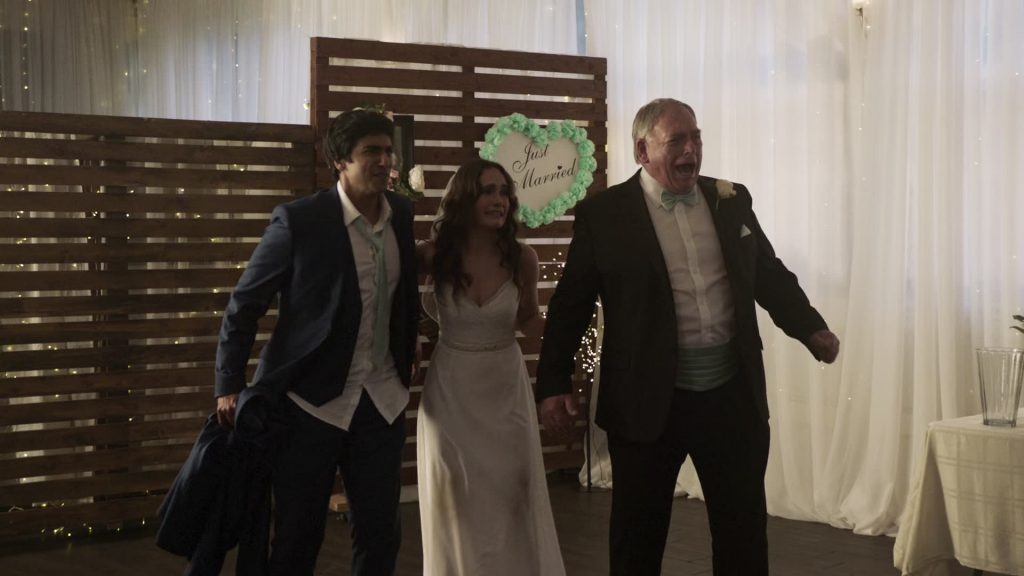
Thankfully, the detective’s storyline continues to grow in importance. From the outset, this has been one of the strongest threads running through the series, and Episode 5 gives it more room to breathe. The mysterious creature hidden beneath the town finally starts to receive more attention. The obvious nod towards Bub from Romero’s original Day of the Dead becomes increasingly apparent, paying off one of the earliest mysteries introduced in the opening moments of the first episode.
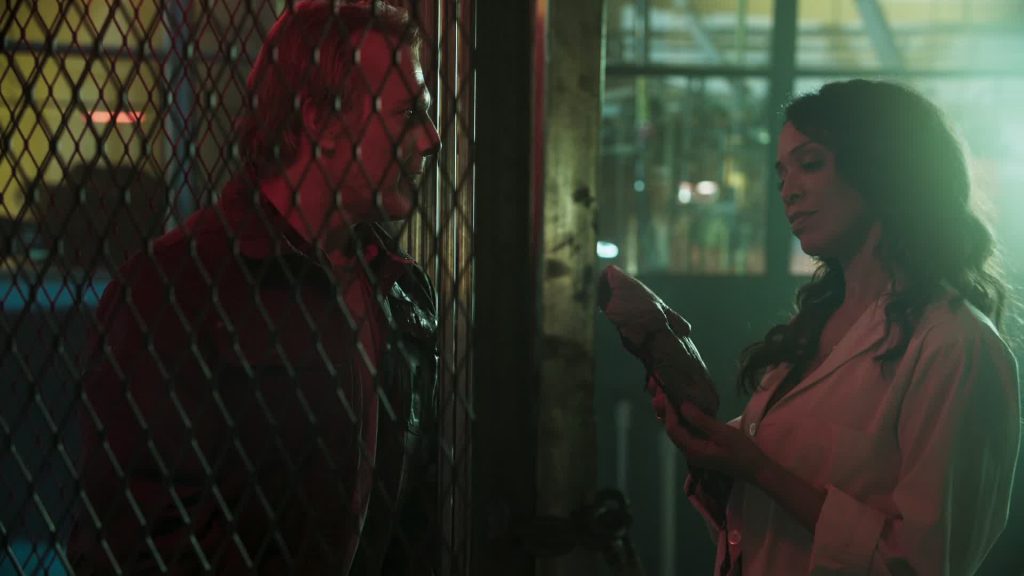
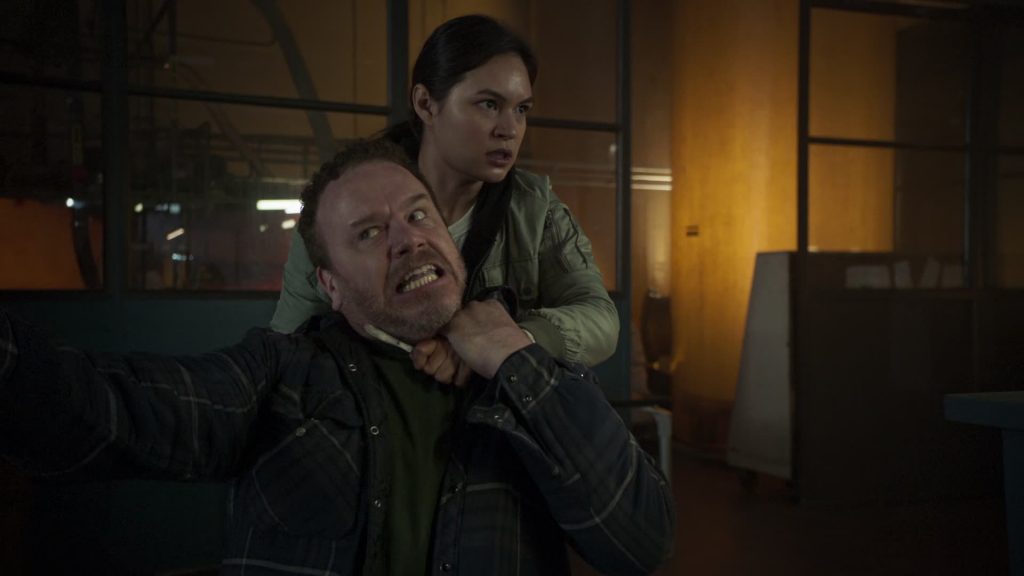
The new scientific plot also begins to reveal its broader ambitions. Utilising a plot strand from each of the Day of the Dead films produced by James Dudelson, with scientists once again attempting to understand and harness the zombie virus. This time, however, the objective has evolved a little. Rather than simply searching for a cure or vaccine, the research explores whether the virus could actually be used to prevent death itself. It’s a subtle shift in motivation, but one that gives the story a little more originality than simply regurgitating the idea.
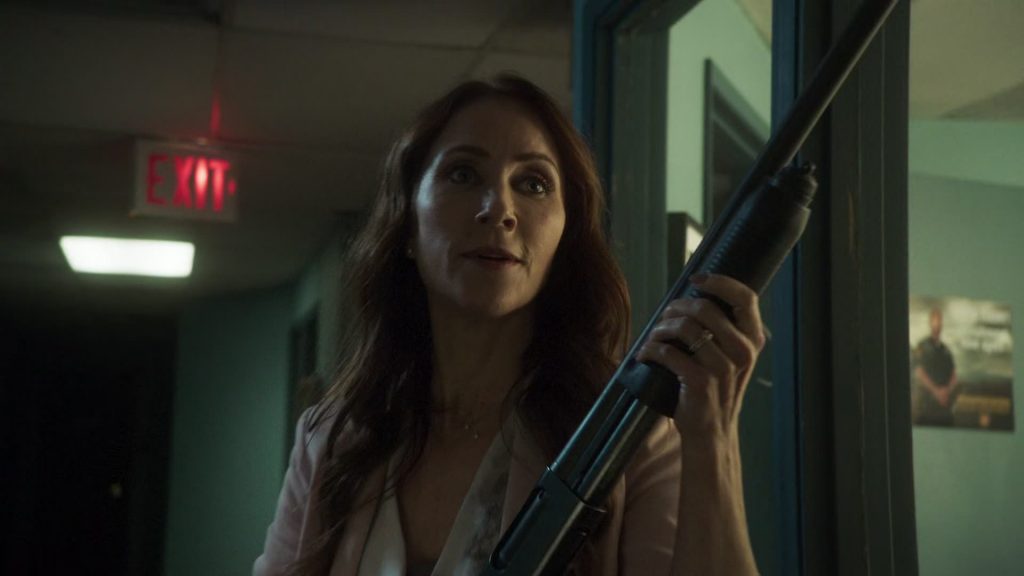
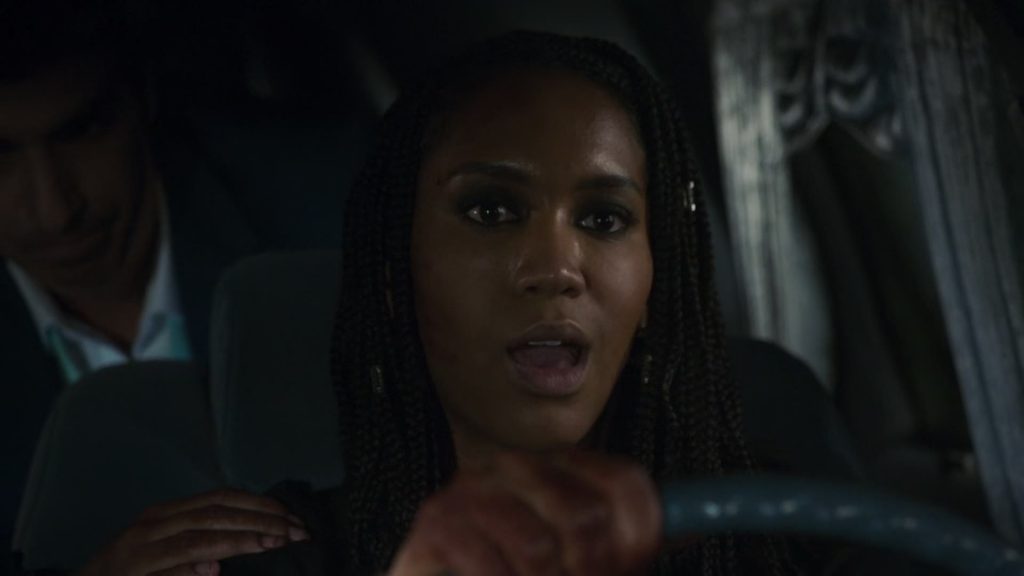
Unfortunately, the action sequences remain one of the weakest elements of this episode. Fight scenes continue to suffer from awkward choreography, confusing geography and a lack of urgency. The series clearly wants these encounters to feel tense and dangerous, but the staging often makes them appear more clumsy than exciting. It’s a limitation that has been present from the beginning and is unlikely to disappear, given the show’s modest budget.
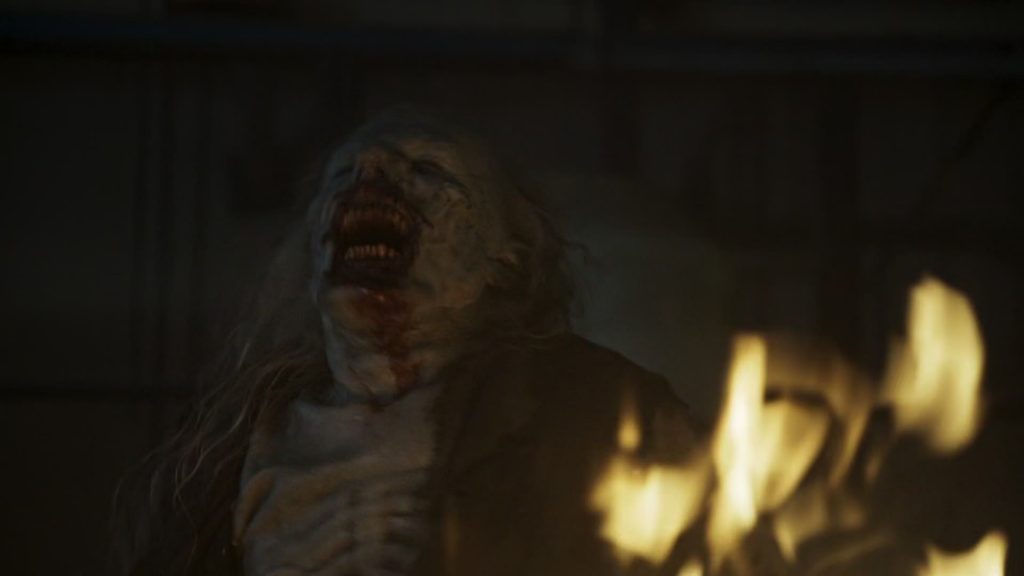
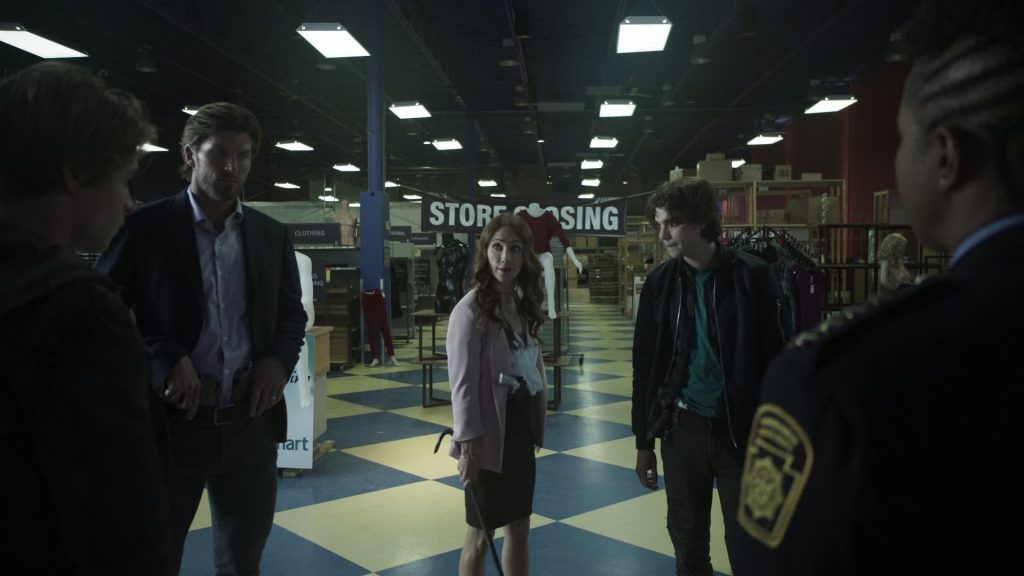
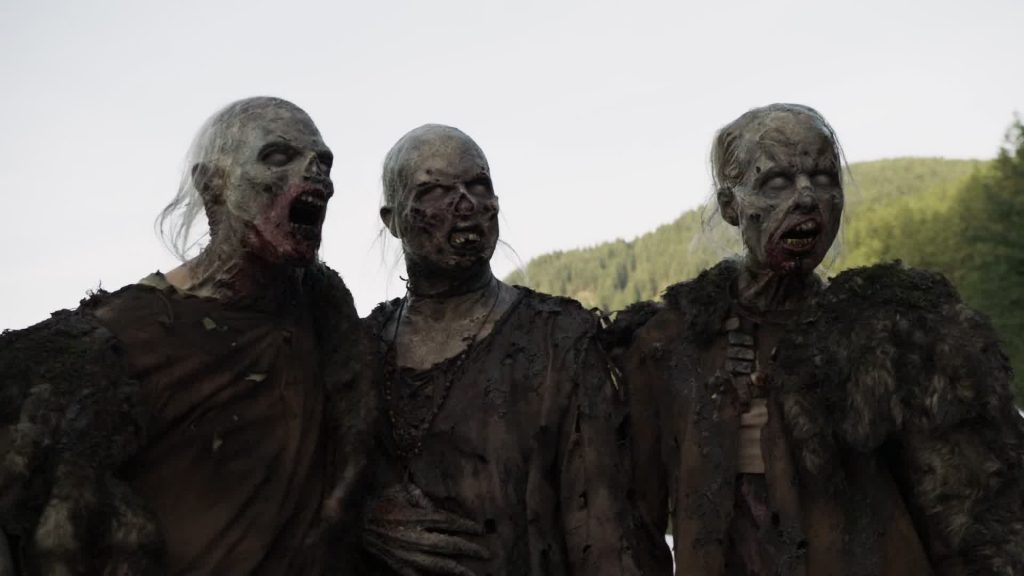
Even so, my enthusiasm for the series is still there, dented perhaps, if anything, I’ve become more accepting of its rough edges. It’s clear this isn’t a big budget production with unlimited resources. Most of the characters remain likeable, the practical gore effects continue to impress, and the overarching mysteries are engaging enough to keep me invested.