Confessions of a Police Captain (1971)
Italian crime cinema has fascinated me for a long time because of its sheer range. For every slick, commercially successful poliziottesco like High Crime, there were countless lower-budget productions forced to rely on ingenuity, atmosphere, and raw filmmaking energy to capture audiences. Yet among those films emerged a handful of genuinely exceptional works that could stand shoulder to shoulder with the best International crime dramas of the era. Director Damiano Damiani was one of the filmmakers capable of elevating genre material into something far more substantial, and Confessions of a Police Captain is a perfect example. Rather than relying on action set pieces or sensationalism, Damiani crafts a thoughtful, mature police thriller that places character, performance, and moral complexity at the centre of the story.

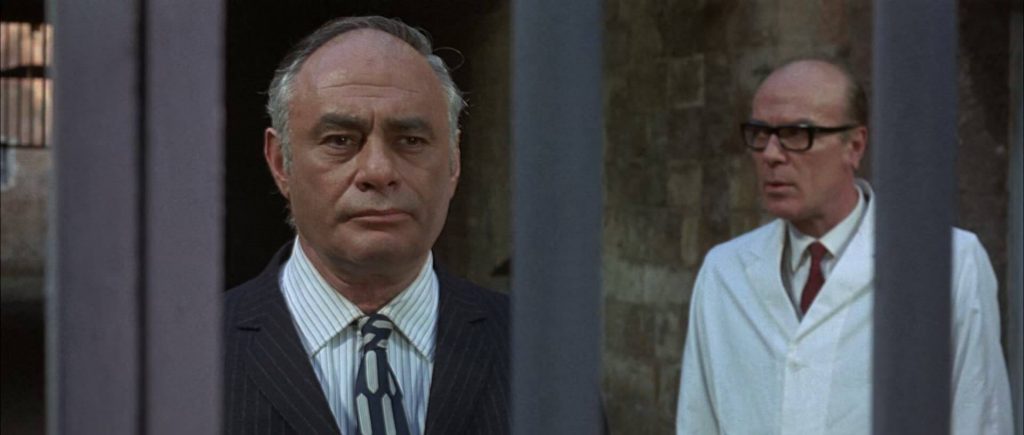
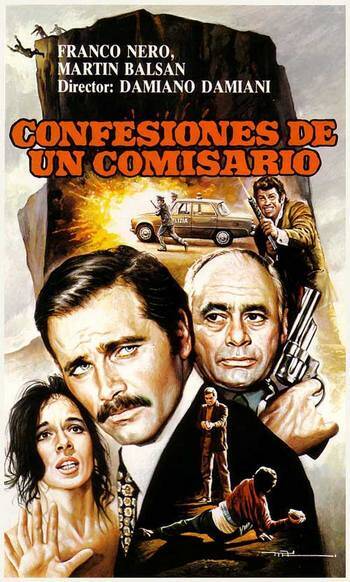
One of the most fascinating revelations comes from Franco Nero in an extra feature included on the recent blu ray from Radiance. Nero explains that both Anthony Quinn and Ben Gazzara were considered for the role that ultimately went to Martin Balsam at the last moment. It is difficult to imagine the film without Balsam. Best known as a character actor who appeared across numerous American and Italian productions, Balsam is given the rare opportunity here to fully inhabit a leading role, and he seizes it with remarkable confidence. His veteran police captain is warm, intelligent, and deeply human, making him instantly likeable even as the character operates within morally ambiguous territory.
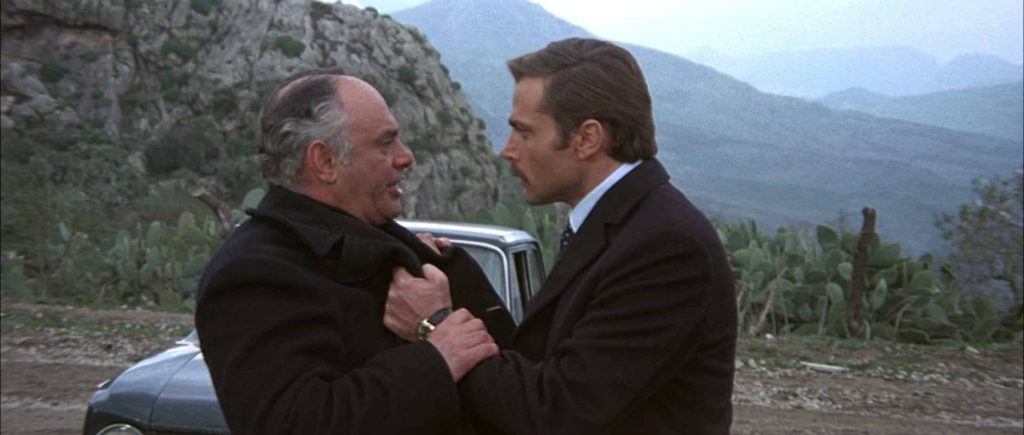

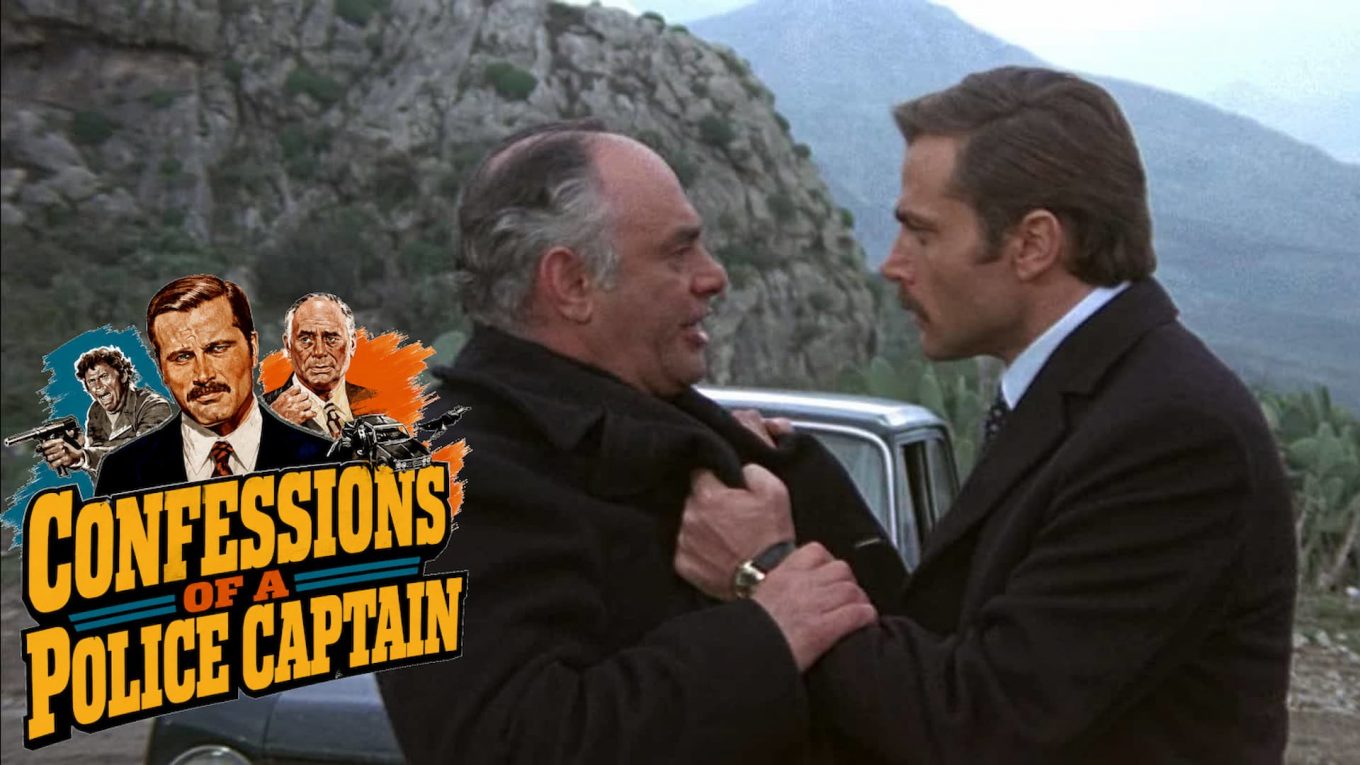
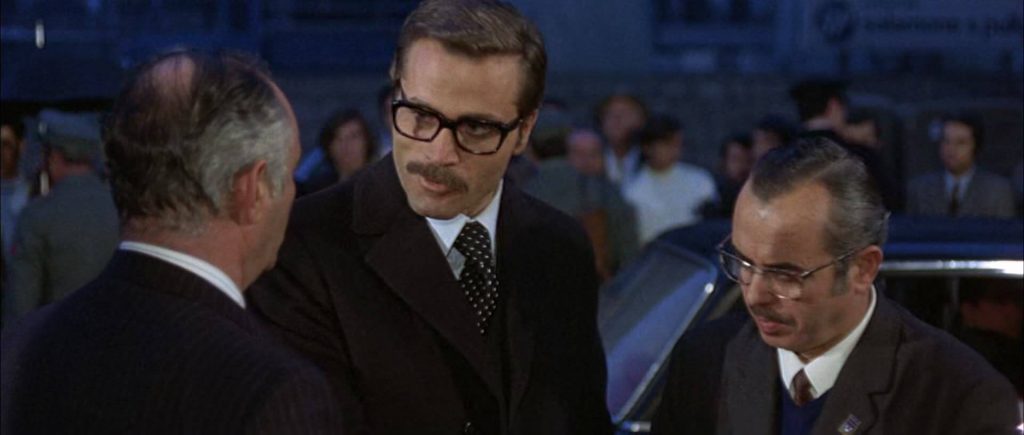
The film’s greatest strength lies in the dynamic between Balsam and Nero. Nero’s rigid, uncompromising district attorney serves as the perfect counterbalance to Balsam’s experienced police chief. Damiani clearly recognises the chemistry between his two stars and wisely allows scenes to breathe, often letting lengthy conversations carry the dramatic weight. These exchanges crackle with tension as the pair debate justice, responsibility, and the limits of the law. They argue, challenge, and occasionally threaten one another, yet there is an underlying respect that makes their relationship endlessly compelling. One particularly memorable scene even ends with a touch of humour as the two become so absorbed in their argument that they nearly climb into each other’s car when leaving, a small but wonderfully human moment that perfectly captures their contentious partnership.
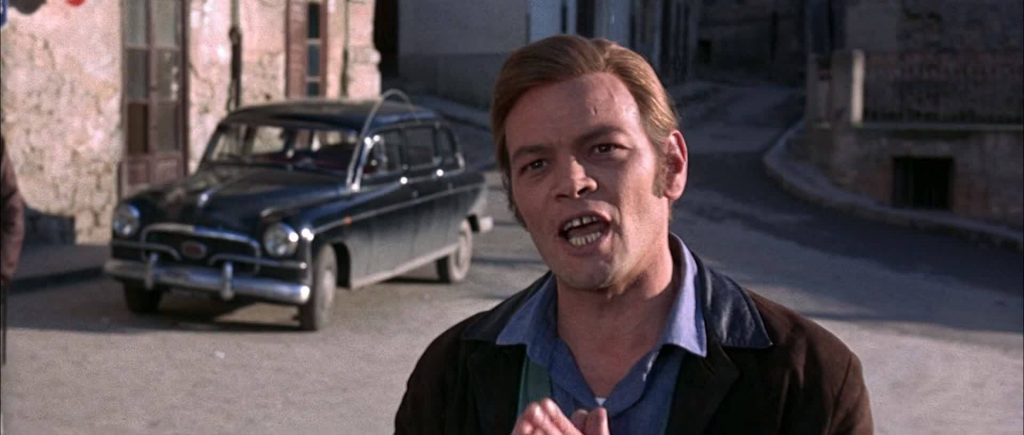


What makes Confessions of a Police Captain especially refreshing is its refusal to follow conventional crime-thriller formulas. While many genre films build towards an explosive shootout or a violent showdown, Damiani takes a far more intelligent route. The climax is rooted in strategy, sacrifice, and the exposure of corruption rather than brute force. It is a conclusion that feels earned, reinforcing the film’s central themes while demonstrating a level of sophistication often absent from lesser crime films of the period.
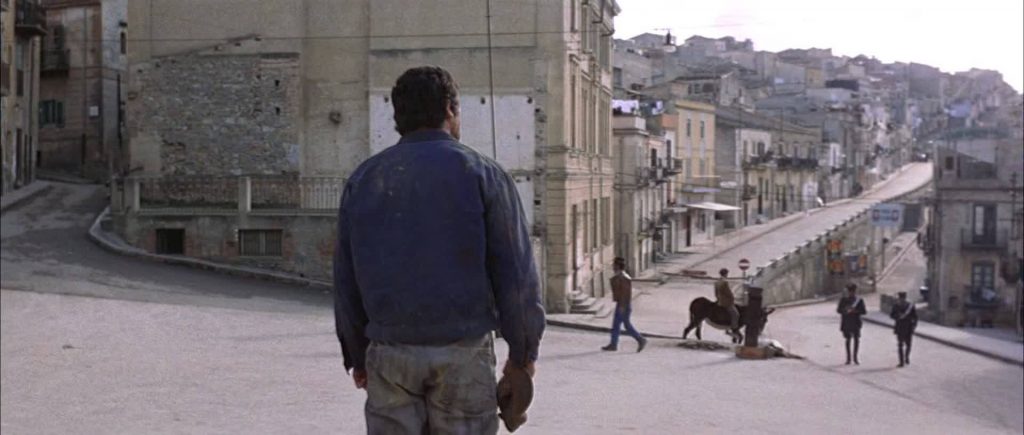
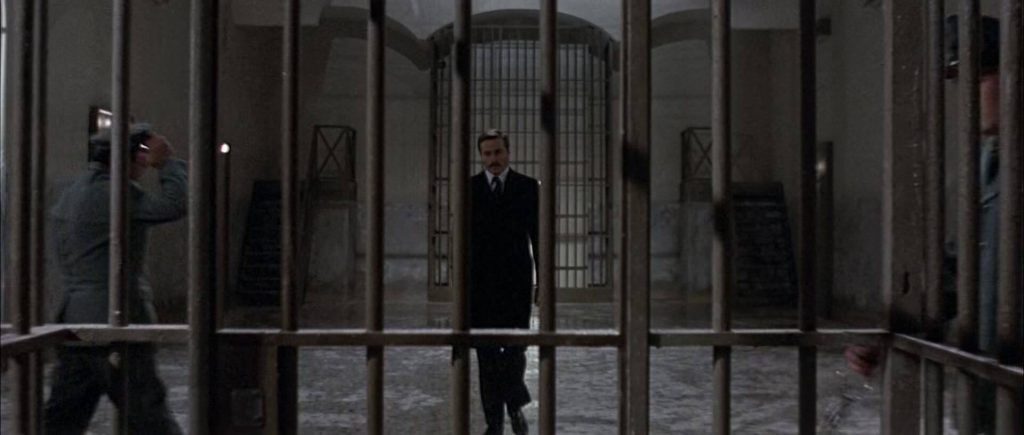
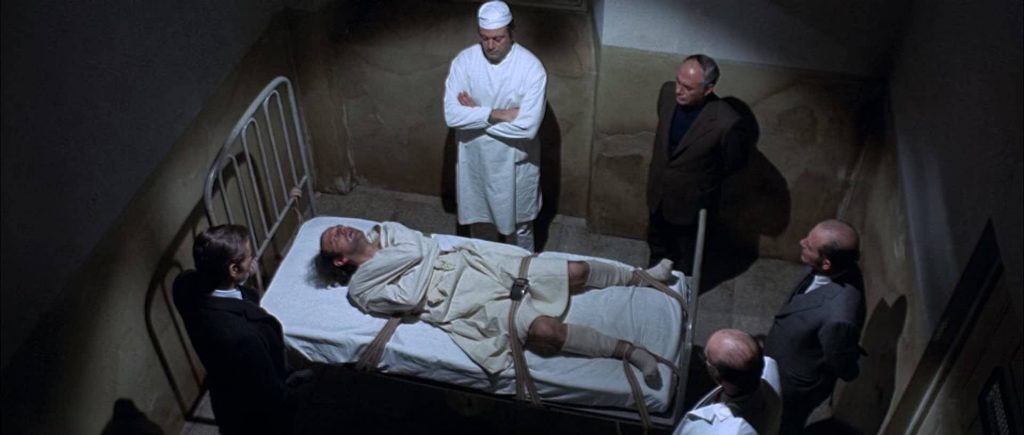
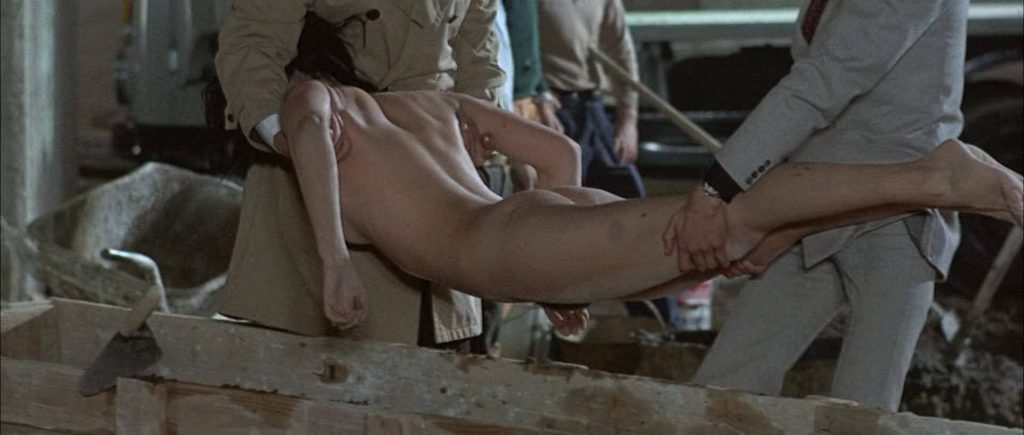
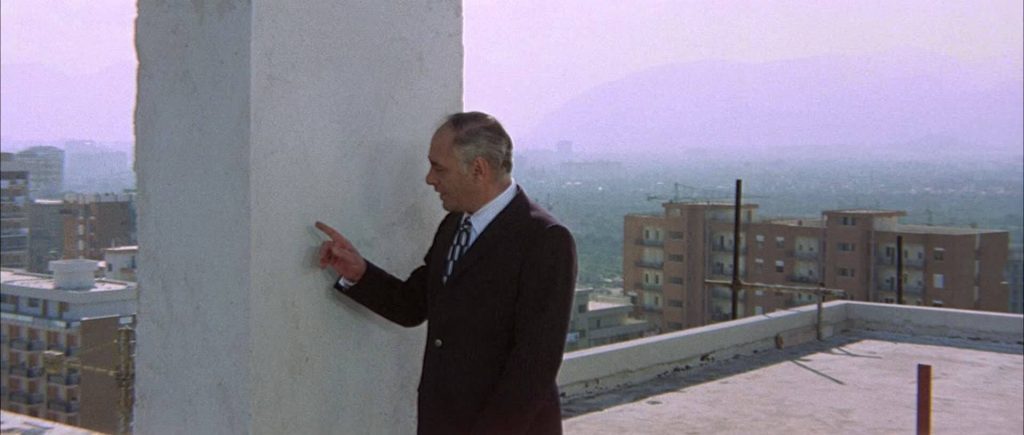
The production also benefits enormously from its locations. The mountainous landscapes surrounding Palermo are breathtaking, providing sweeping vistas that contrast sharply with the oppressive interiors featured elsewhere in the film. Damiani juxtaposes these beautiful natural settings against the bleak reality of 1970s Italian prisons and psychiatric institutions. Their drab grey walls, sparse furnishings, and cold, impersonal design create an atmosphere of institutional decay that perfectly complements the story’s themes of corruption and moral compromise.
More than fifty years after its release, Confessions of a Police Captain remains a remarkably effective thriller. It is a film built on a strong screenplay, nuanced performances, and assured direction rather than spectacle. Damiani delivers a crime drama that is both entertaining and intellectually engaging, while Balsam and Nero provide a masterclass in character-driven storytelling. The result is an award-winning thriller that deserves to be remembered not simply as a standout entry in Italian genre cinema, but as one of the finer crime dramas of its era.

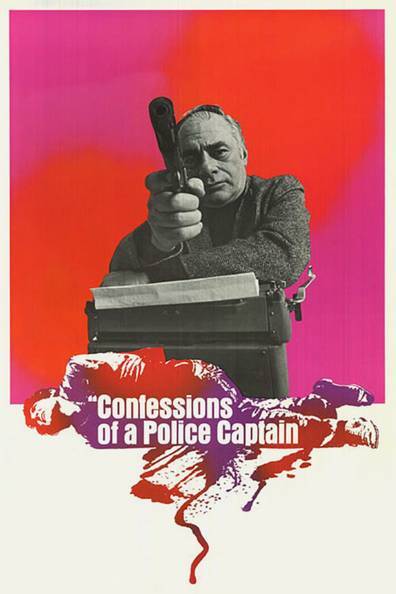

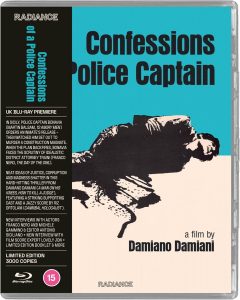
As mentioned, Radiance recently released the film on Blu-ray and, despite not benefiting from a full restoration, the presentation is remarkably impressive. The image retains a pleasing level of detail, strong colour reproduction, and a filmic appearance that suits the source material perfectly. Complemented by an excellent selection of special features, this release offers valuable insight into both the production and the film’s legacy. For a title that has been frustratingly difficult to see for many years, Radiance has delivered a definitive package that should delight both newcomers and long-time fans alike.