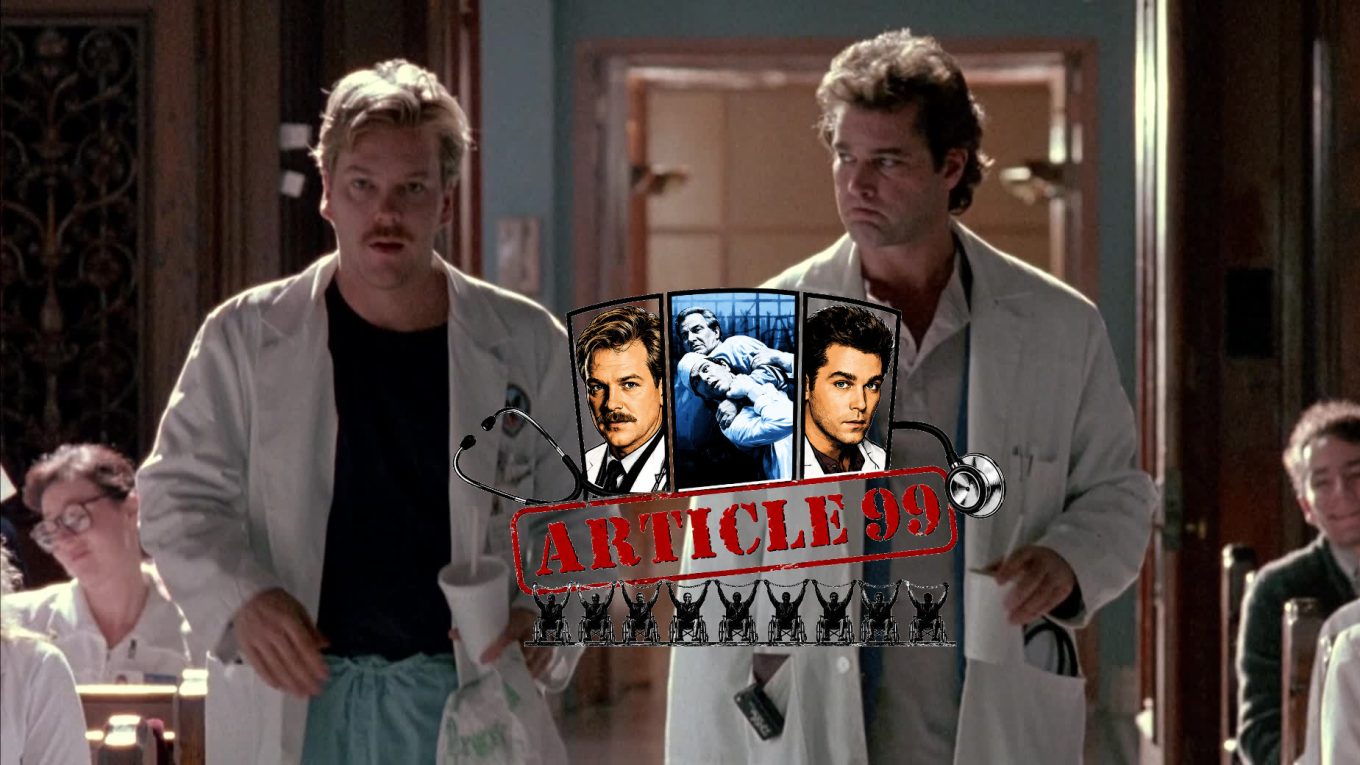
Article 99 (1992)
I picked up Article 99 during the early days of my self-appointed mission to track down every Ray Liotta film I could find. Having already been blown away by Goodfellas, Field of Dreams and Something Wild, I had become convinced that Liotta could do no wrong. When Cinema Club released Article 99 on VHS for the bargain price of £5, it immediately found its way into my collection.
What makes that purchase particularly memorable is that it quickly became obvious that whoever wrote the blurb on the back of the box had probably never seen the film. The packaging sold it as some kind of wild action-comedy. In reality, Article 99 is neither an action film nor a broad comedy. Instead, it is a politically charged medical satire that owes far more to M*A*S*H than anything remotely resembling an action picture.
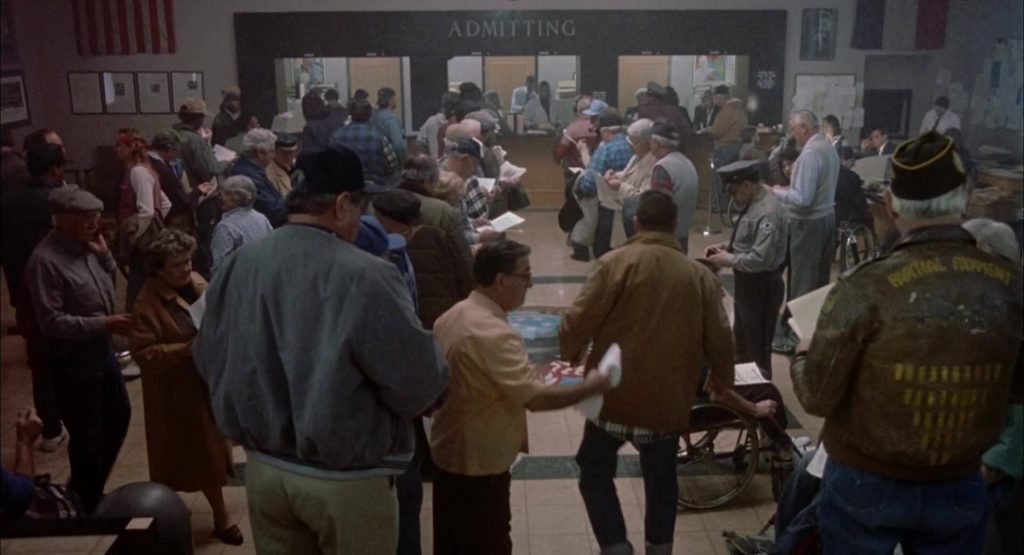

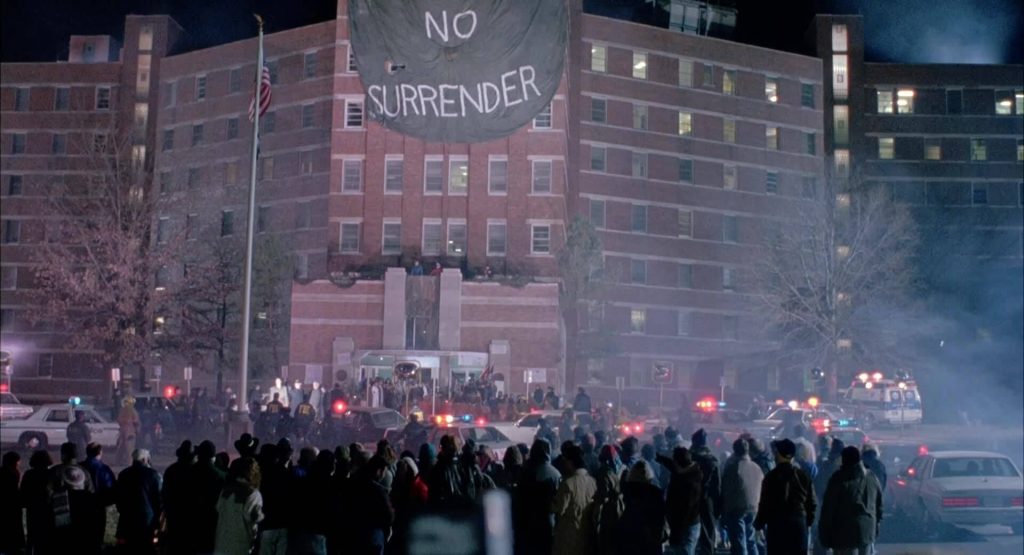
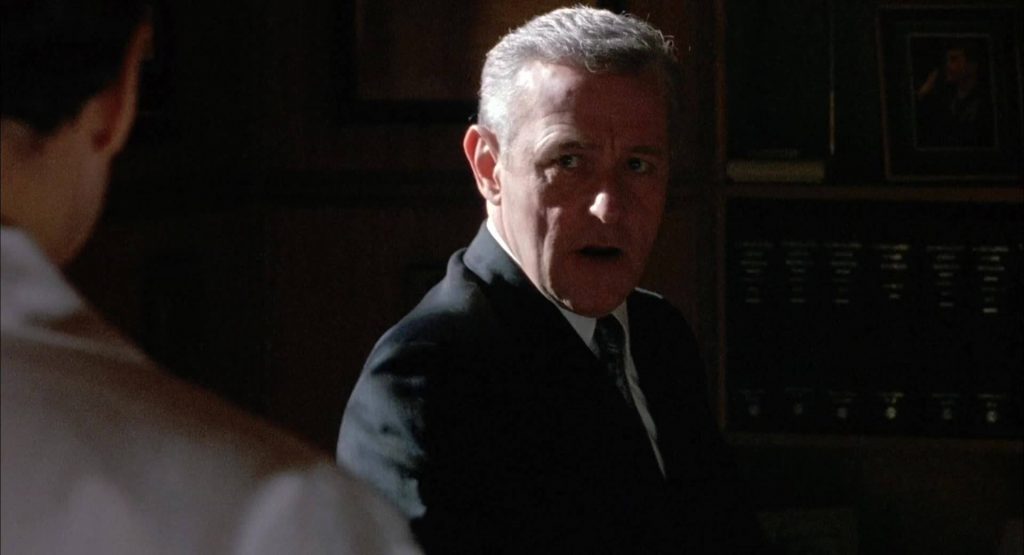
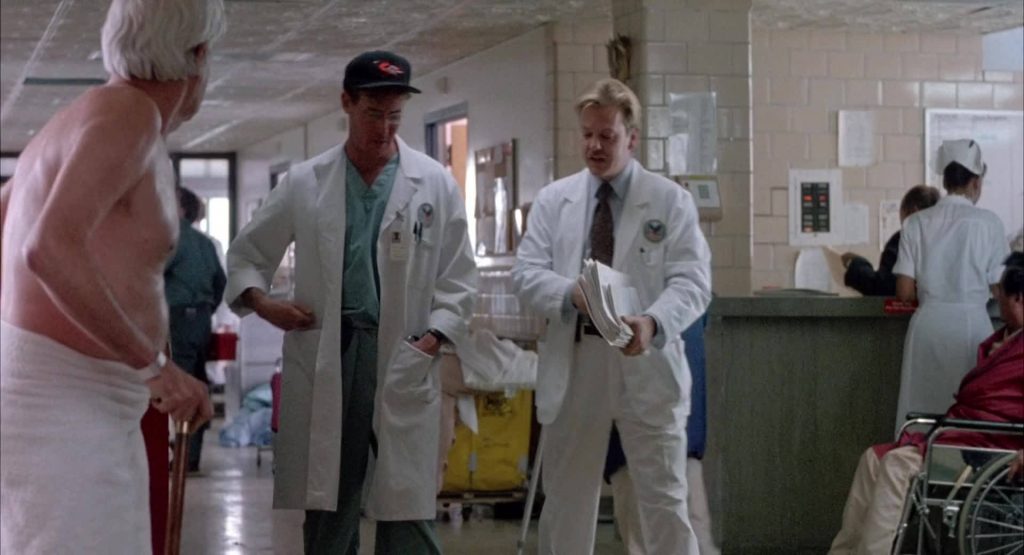
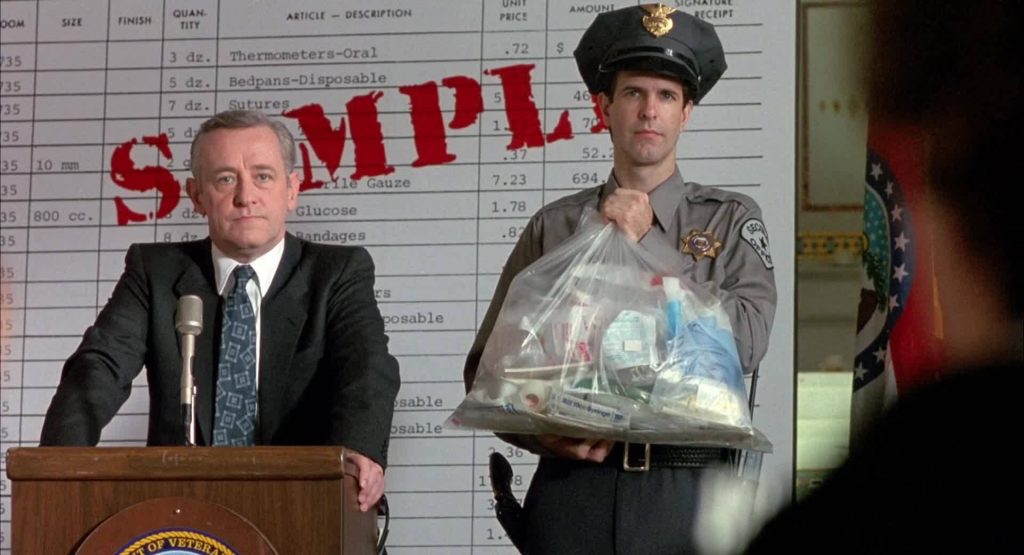
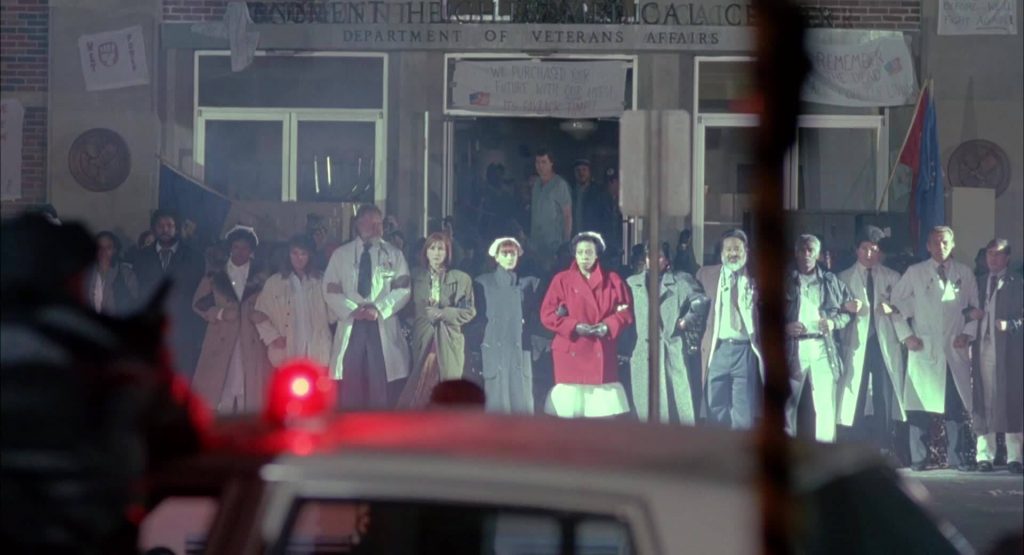
Set within a struggling Veterans hospital, the film follows a group of idealistic doctors attempting to provide proper treatment to former servicemen despite a system that seems determined to fail them. Resources are limited, budgets are slashed, and patients who sacrificed for their country find themselves denied care because it isn’t financially viable. Standing in opposition to the doctors is hospital administrator Dr. Henry Dreyfoos, played with delicious contempt by John Mahoney, who views medicine in dollar signs instead of lives saved.
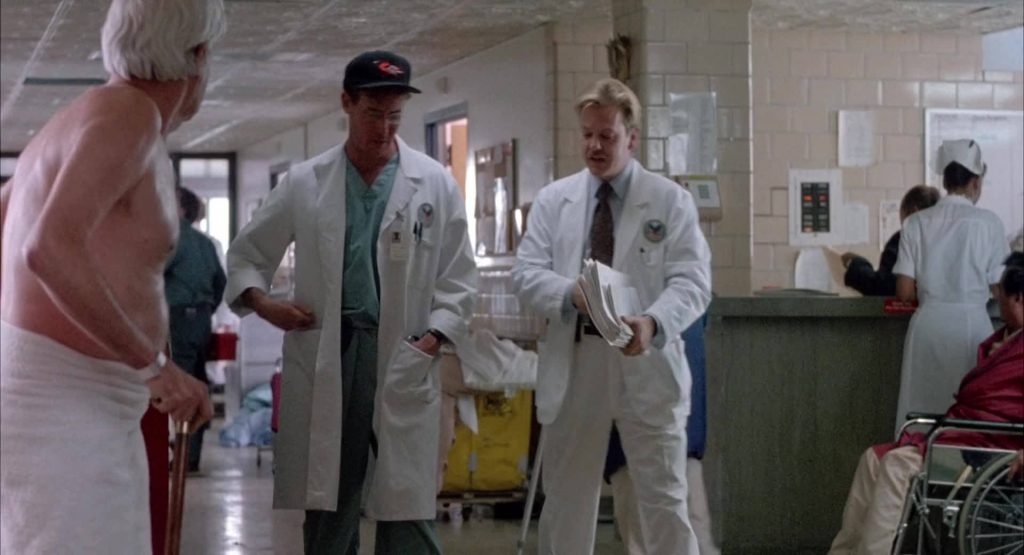
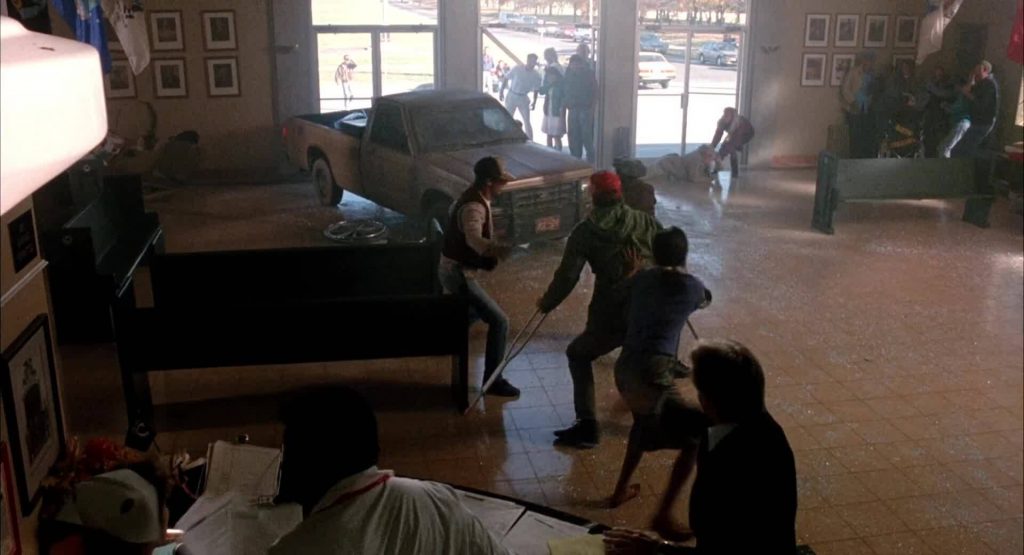
The film’s premise is undeniably compelling. Even more than thirty years later, its criticism of healthcare bureaucracy and profit-driven decision-making remains relevant. The problem is that Article 99 rarely trusts its audience to understand its message. Rather than weaving its themes subtly into the narrative, it attacks them with all the finesse of a sledgehammer.
Mahoney’s administrator isn’t merely the villain. His motivations are repeatedly explained in explicit terms, while supporting characters often appear solely to illustrate the latest injustice. The film frequently pauses to remind viewers that veterans are being neglected, as though anyone watching could possibly miss the point. There are moments where dialogue feels less like natural conversation and more like a public service announcement delivered through exhausted doctors and frustrated patients.
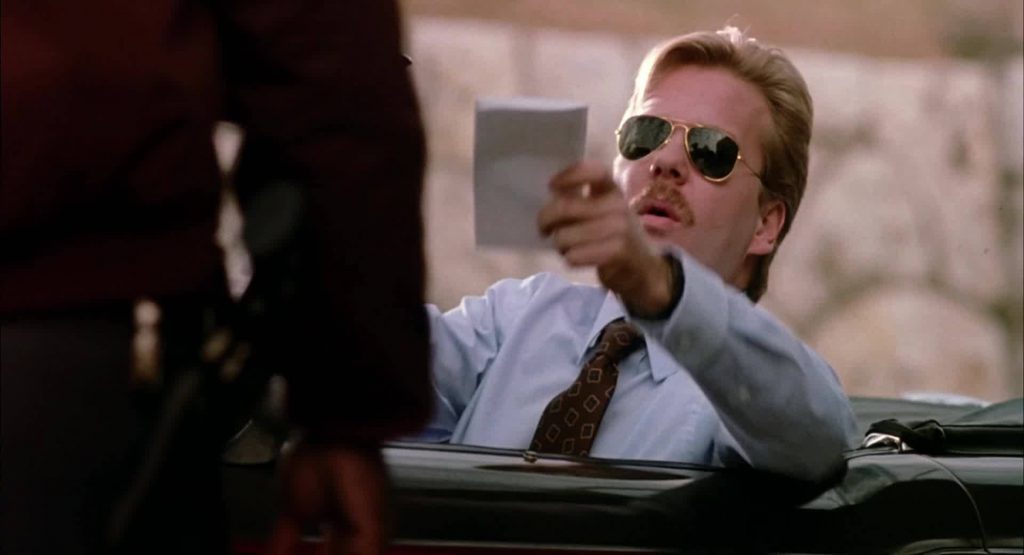
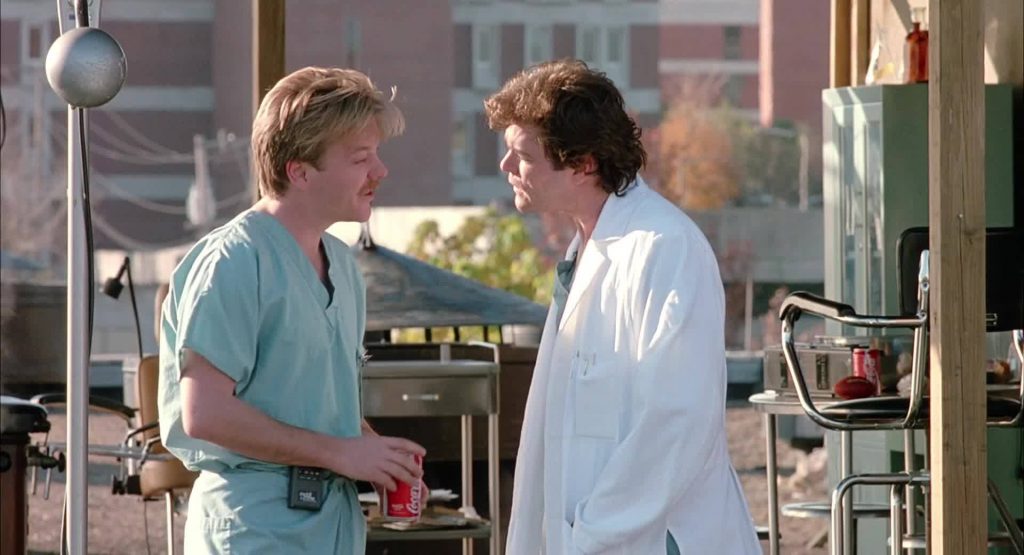
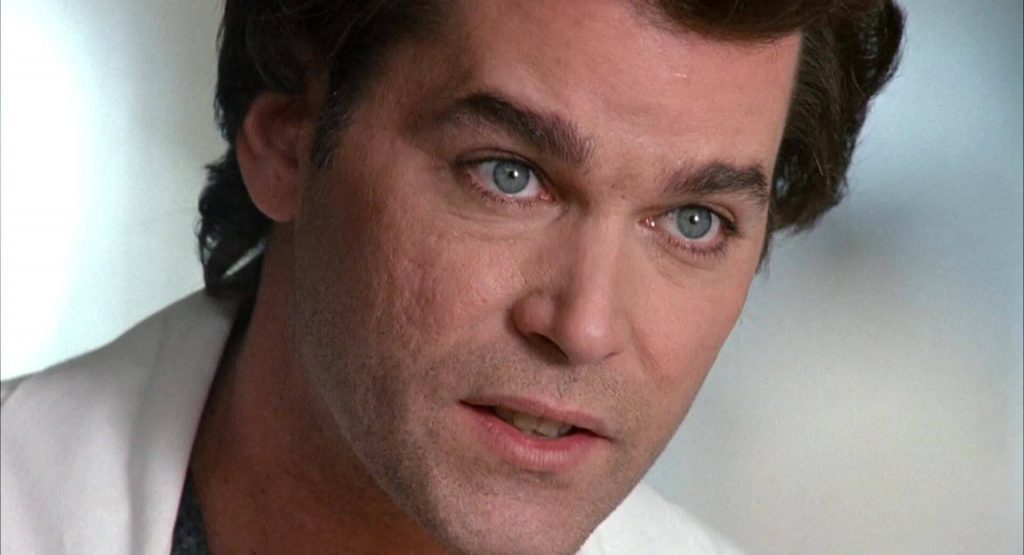
Much of that success comes from its outstanding ensemble cast. Although Ray Liotta’s name often receives top billing among fans revisiting the film today, Article 99 is very much a group effort. Keifer Sutherland arguably serves as the audience’s entry point, playing a young doctor navigating the hospital’s bureaucracy and slowly coming to terms with just how broken the system has become.
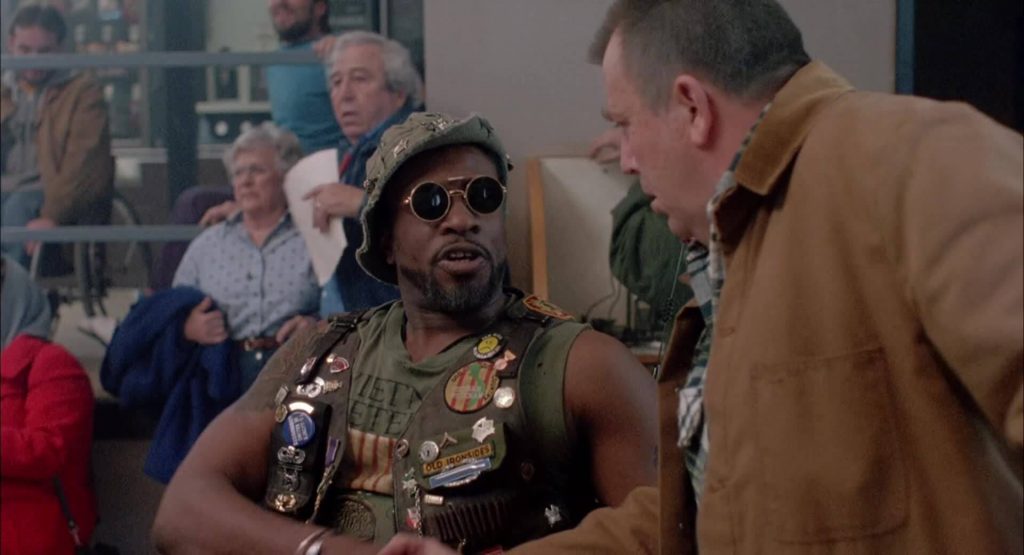
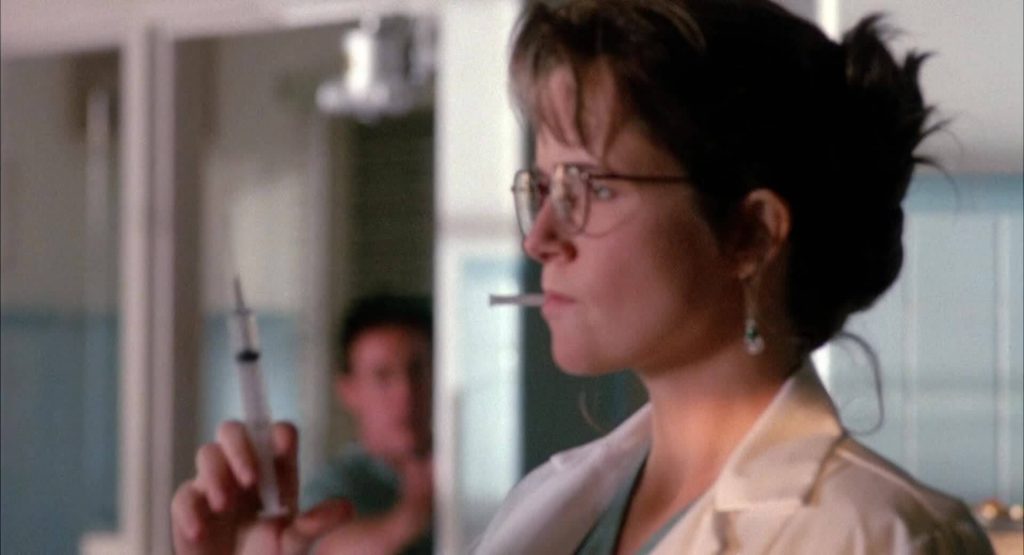
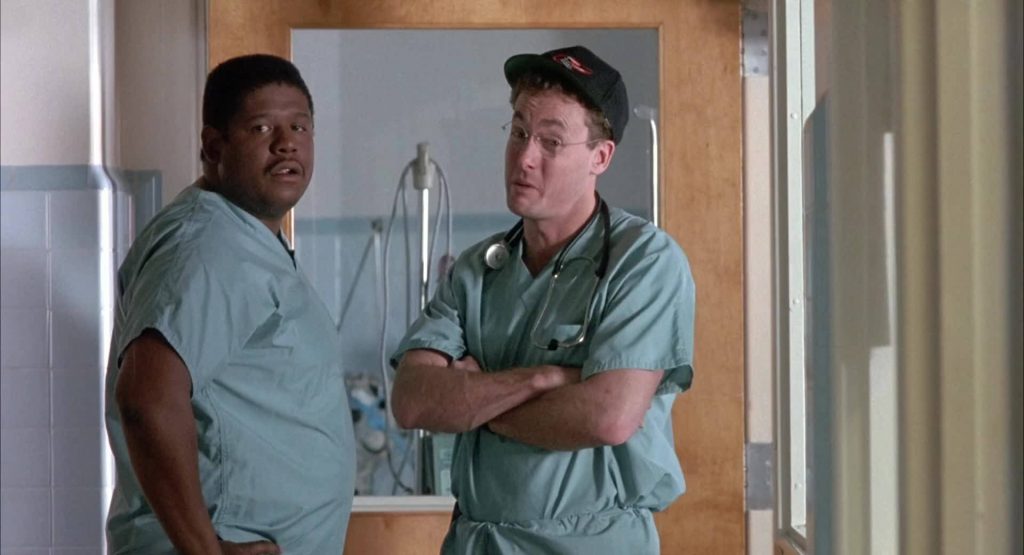
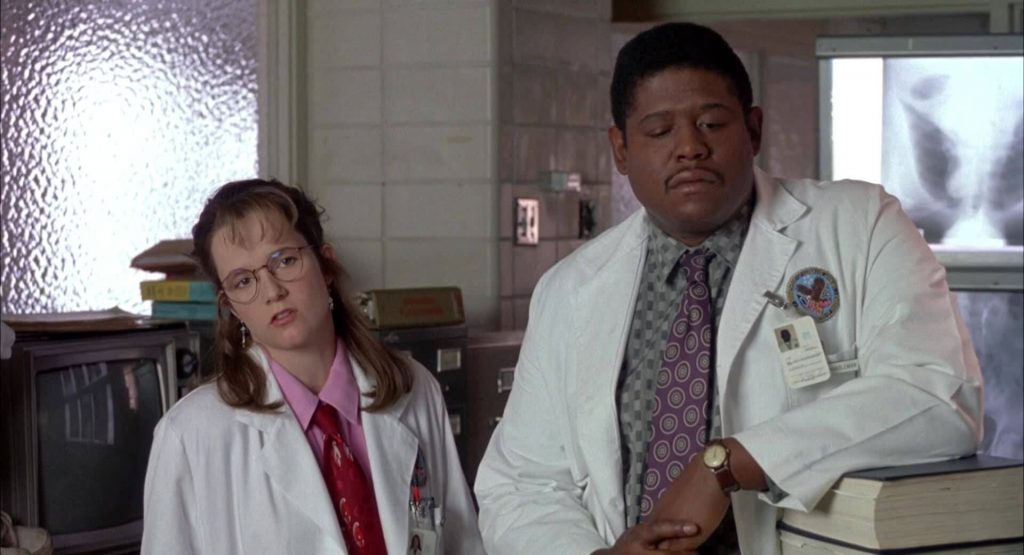
Around him is an exceptional collection of character actors. Keith David brings his trademark authority and charisma, Forrest Whitaker delivers another effortlessly watchable performance, and John C. McGinley gets plenty of opportunities to showcase the energy and intensity that would later make him a standout in Scrubs. Lea Thompson is also excellent, contributing warmth and humanity to a film that could easily have become overwhelmed by its political messaging.
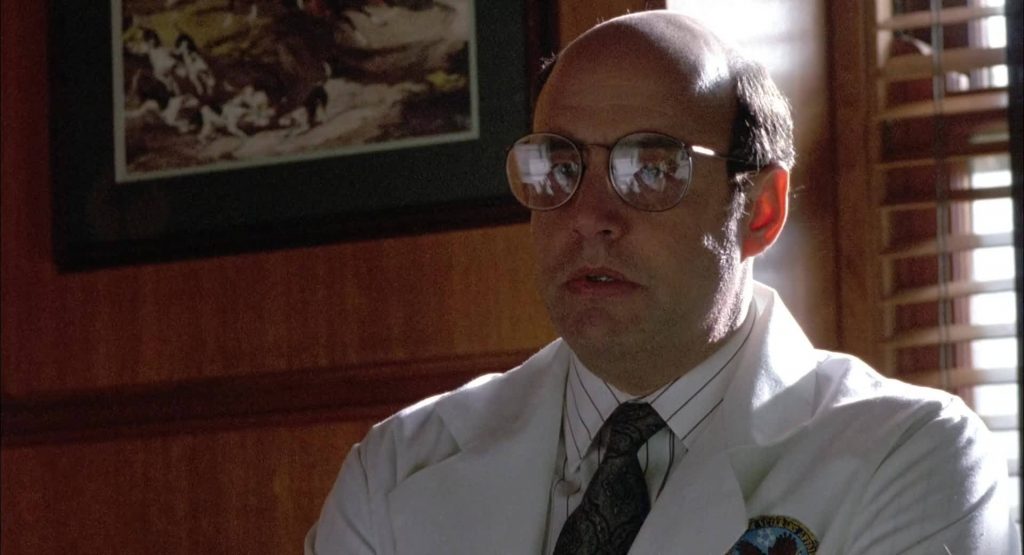
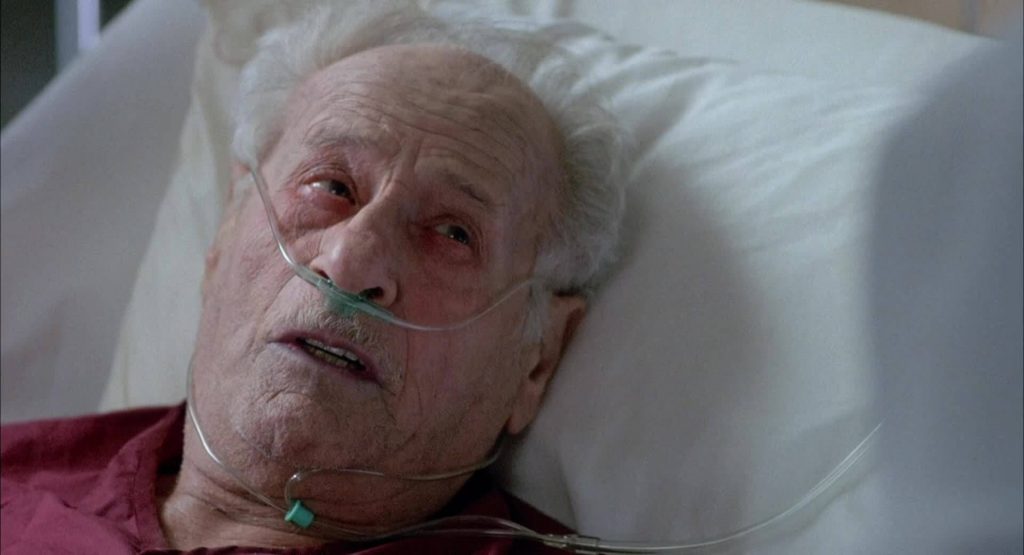
Even Jeffrey Tambor, although somewhat underused, is memorable as the hospital’s chief of medicine. It’s a role that could have been explored in greater depth, particularly given the character’s position between the doctors and Mahoney’s administration. Instead, he largely functions as another cog in the machine, helping to reinforce the film’s central argument.
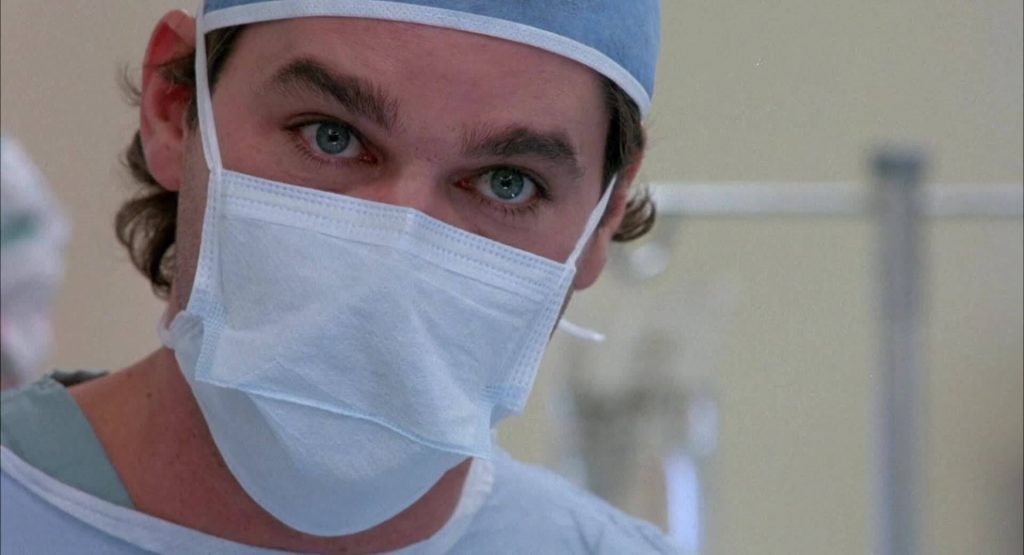
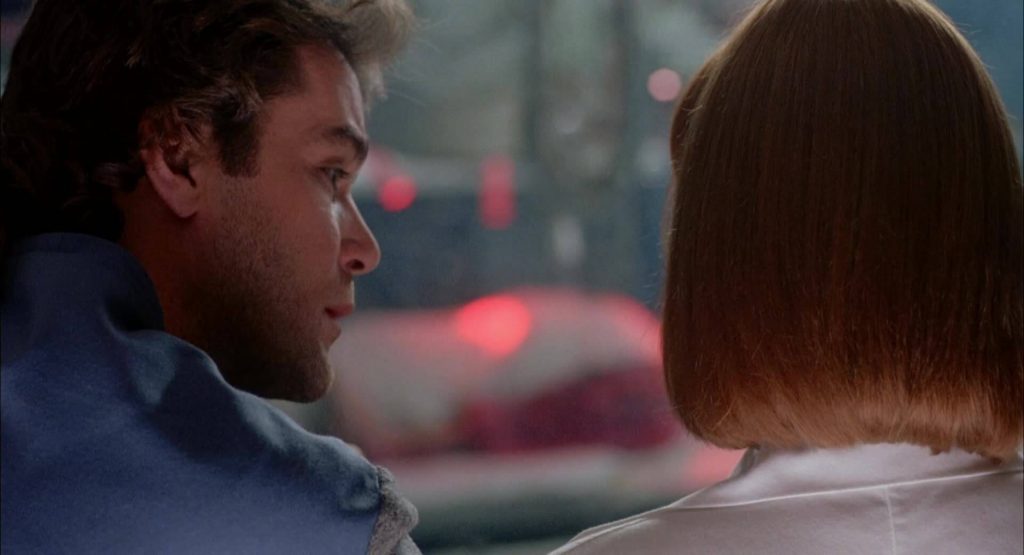
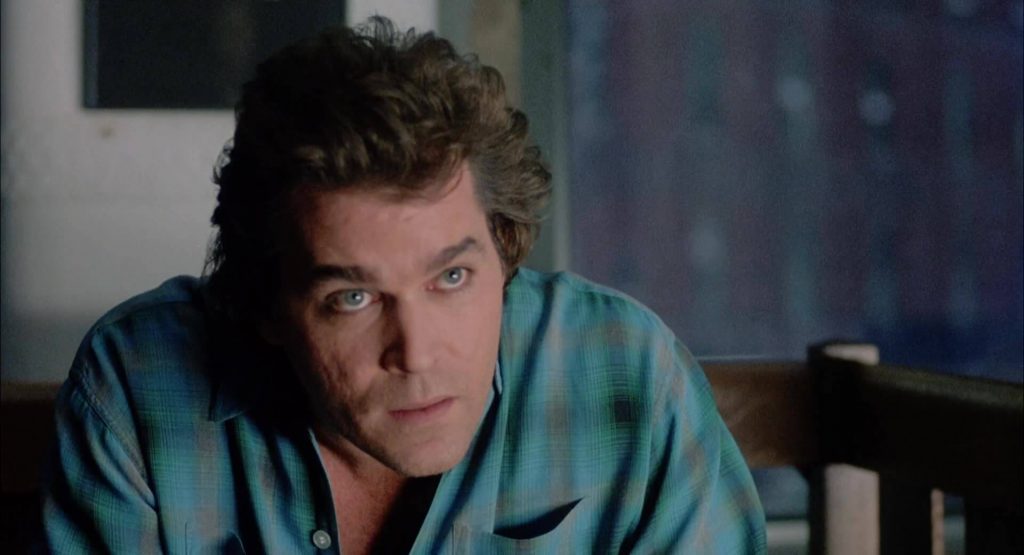
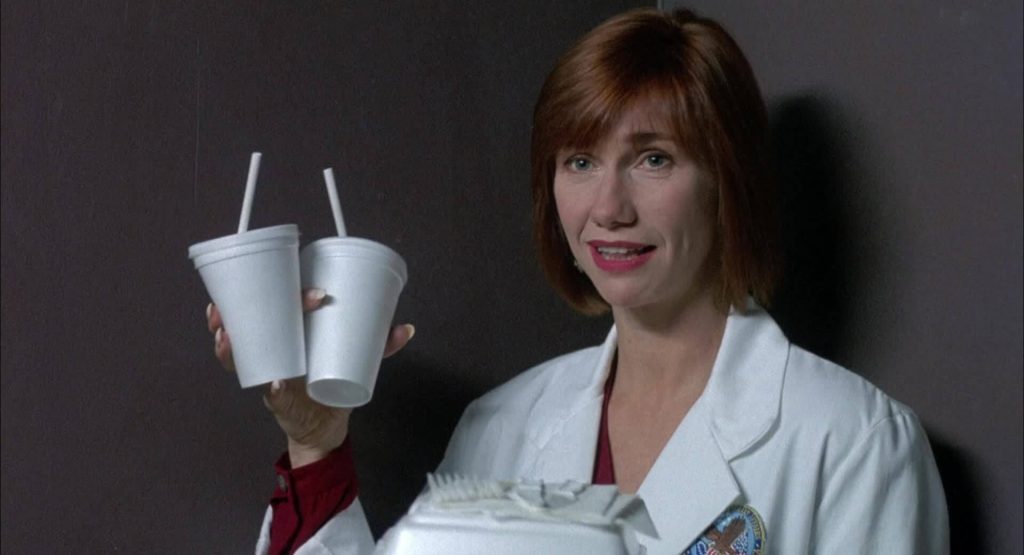
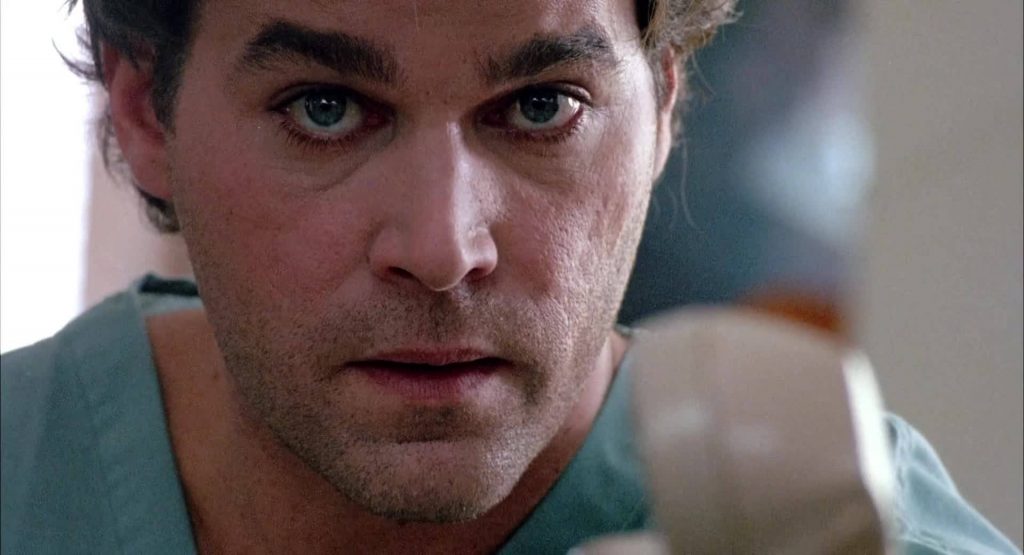
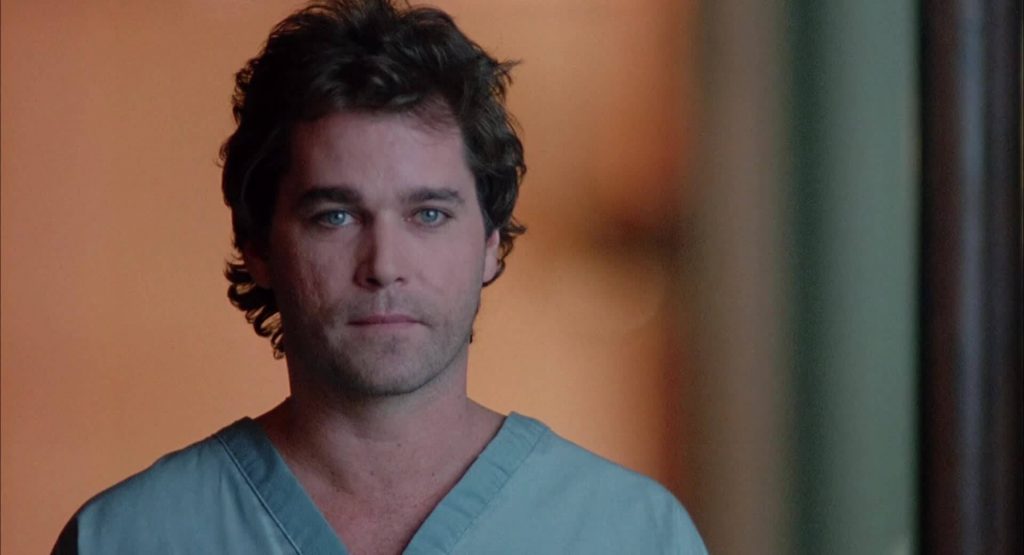
Liotta, meanwhile, gets some of the film’s strongest scenes. His character effectively serves as the story’s moral compass, voicing the outrage that the audience is already feeling. Admittedly, he isn’t the most layered character in the film. Much of his role involves condemning the hospital’s injustices and pursuing a romantic relationship with Kathy Baker’s character. Nevertheless, Liotta’s natural screen presence ensures that he remains engaging throughout.
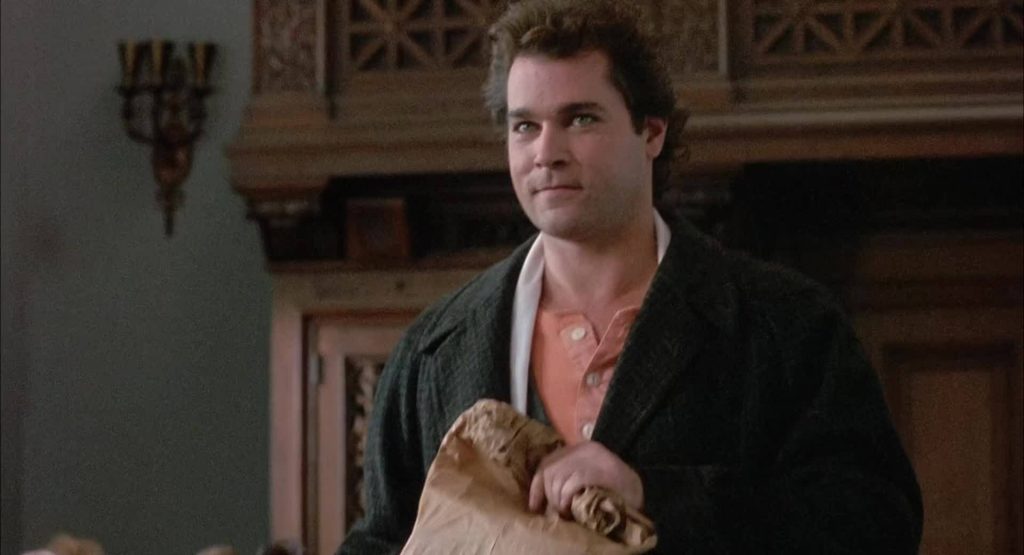
His chemistry with Baker is convincing, but it’s his simmering hostility towards Mahoney that provides the real spark. The animosity between the two actors is palpable whenever they share the screen. Liotta also manages to inject moments of personality into scenes that could otherwise feel preachy. One particularly memorable sequence sees him arrive late to an administrative meeting carrying Chinese takeaway, casually disrupting with confidence. It’s a small moment, but one that perfectly captures the rebellious spirit of the character. It’s also exactly the sort of workplace fantasy many viewers have probably entertained at one time or another.
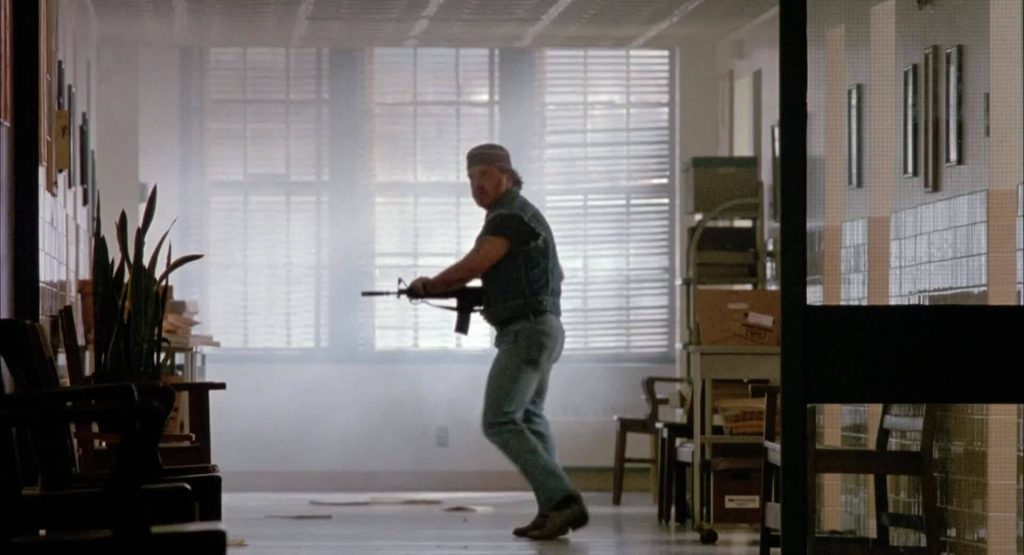
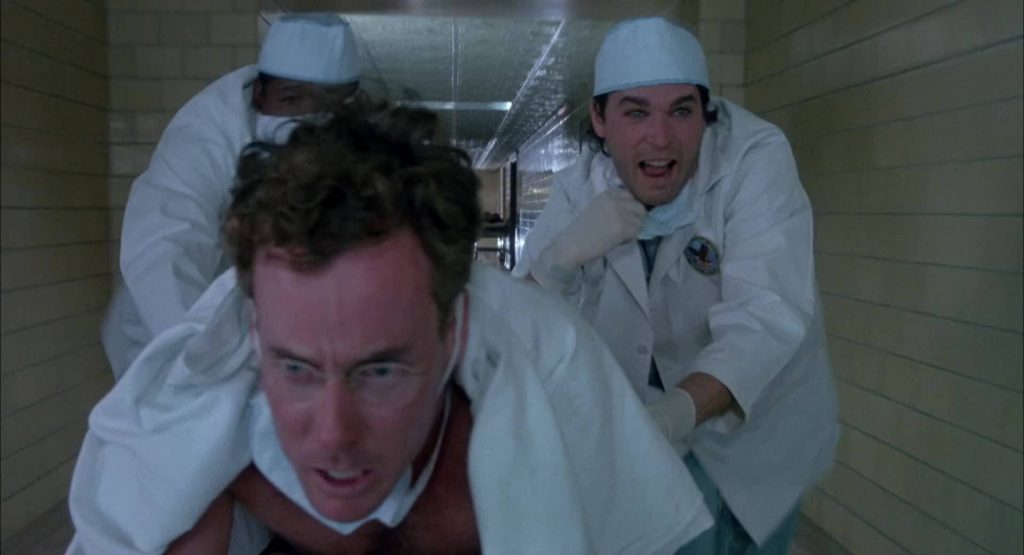
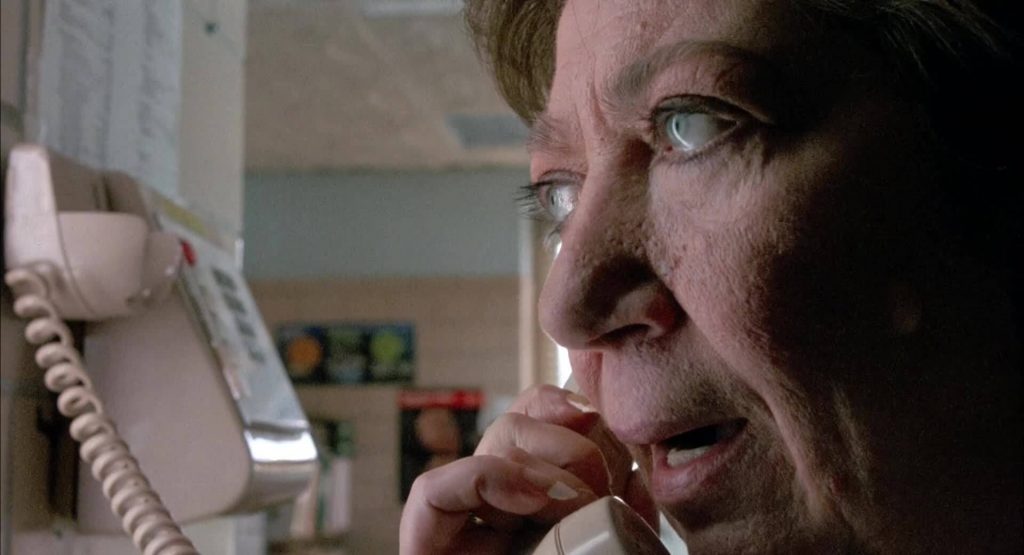
The film is a curious entry in director Howard Deutch’s filmography. Best known at the time for comedies such as Pretty in Pink and The Great Outdoors, Deutch wasn’t exactly the obvious choice to helm a politically charged satire about veteran healthcare. Looking back, perhaps his comedy background explains the film’s broad approach. Rather than employing sharp satire, Article 99 often opts for exaggerated scenarios and oversized characters to make its point.
The film arrived sandwiched between lighter projects such as The Great Outdoors and Getting Even with Dad, making it one of the more socially conscious films in his career. Although Deutch would later enjoy success with Grumpy Old Men and The Replacements, much of his subsequent work would take place in television, where he quietly built an impressive résumé directing episodes of numerous successful series.

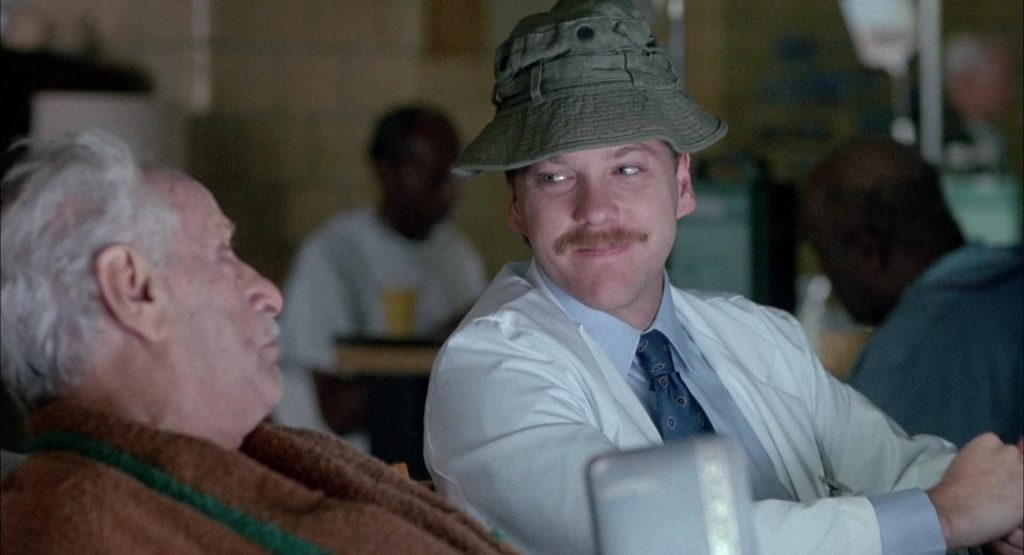
What I appreciate most about Article 99 is that it has improved with age. As a younger viewer, I was primarily there for Ray Liotta. Today, the film’s themes resonate far more strongly. It’s not a forgotten masterpiece, nor is it a revolutionary reinvention of M*A*S*H. The satire is often too obvious for its own good, and the screenplay occasionally lacks depth. Yet there’s something undeniably appealing about it.
It represents a style of studio filmmaking that has largely disappeared, mid-budget dramas aimed at adults, built around strong performances and social commentary rather than spectacle. It’s funny, engaging and consistently entertaining. The cast is uniformly excellent, pacing works, and even when the film becomes heavy-handed, its heart is front and centre.
Most surprisingly, the film’s emotional impact often comes not from the screenplay but from Danny Elfman’s superb score. His music lends warmth to scenes that might otherwise feel overly simplistic, helping elevate the material whenever it threatens to become too preachy.
Article 99 may not be one of the defining films of the early 1990s, but it remains an interesting and enjoyable curiosity. It’s a blunt instrument of satire, delivered with all the subtlety of a frying pan to the face, yet moored by a terrific cast and enough memorable moments to make it well worth revisiting.
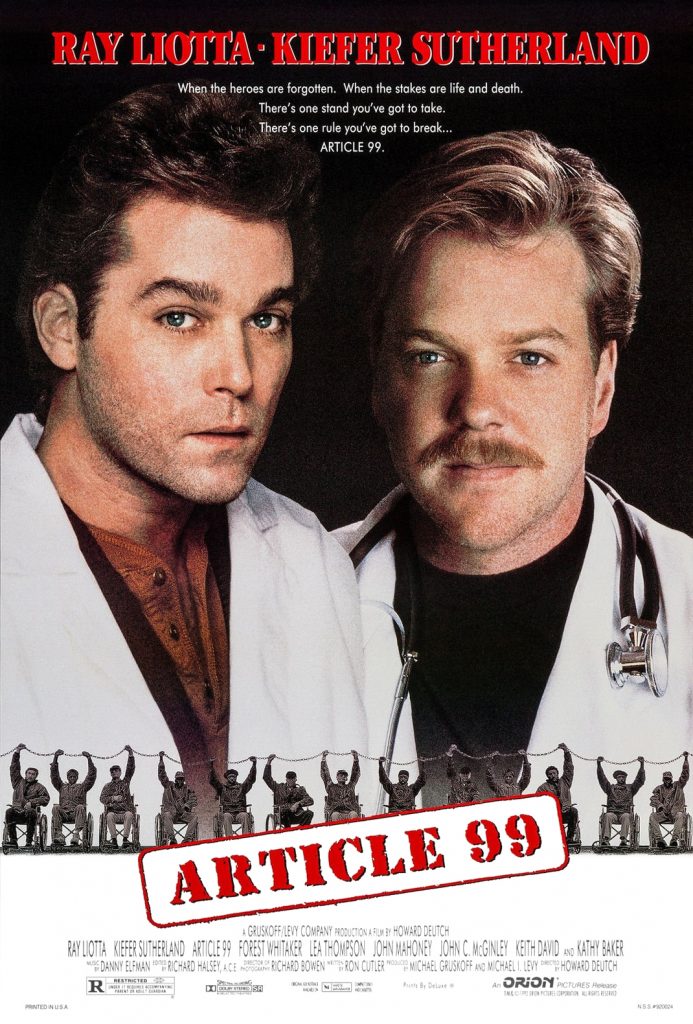
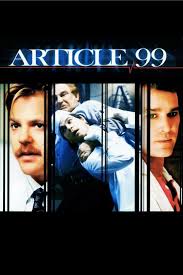
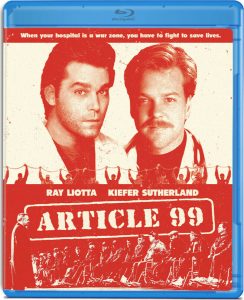
2024 saw a release on Blu Ray in the US, however, I cannot locate any details of features.
Article 99 is available to stream on several platforms, Apple, Amazon and YouTube carry it.