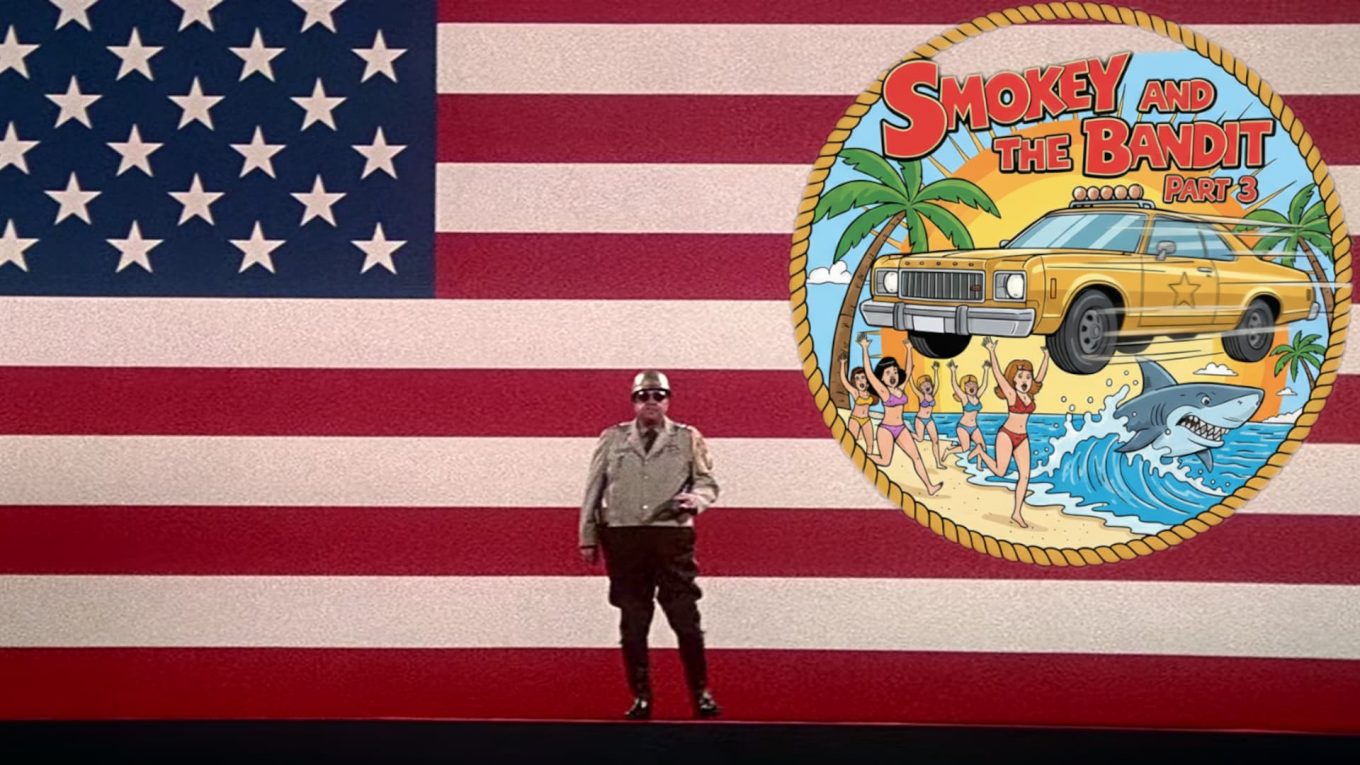
Smokey and the Bandit Part 3 (1983)
The original Smokey and the Bandit (1977) was a perfect storm of low-budget genius. It achieved a remarkable feat, blending immense charm with genuine cult status on a modest budget. The film captured the American imagination, proving that a high-octane blend of irreverent humour, vehicular mayhem, and charismatic chicanery could create box-office gold. The sequel, Smokey and the Bandit II (1980), while arguably stretching the formula, still functioned effectively as a live-action cartoon romp, satisfying its dedicated audience. But then came 1983’s Part III, the mighty Bandit franchise didn’t just slow down; it stalled completely, becoming a bizarre, frustrating, and ultimately baffling detour into cinematic misadventure.
My initial discovery of Part III speaks to an earlier, pre-digital era. Before the internet offered instant and constant sequel reminders, news of the next installment arrived through whispers, enthusiast magazines, or the humble listings pages of a TV guide. This is where fate, or a simple editorial error, intervened.
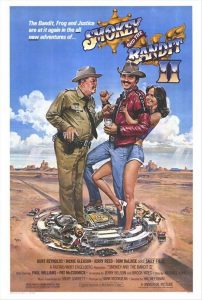
Browsing the TV Times, I noticed the listing for what was billed as the third film. Crucially, it mistakenly listed the cast from Part II, including the beloved ensemble I adored. My youthful passion for the sequel surged, how could I resist revisiting The Bandit, Snowman, and Sheriff Buford T Justice? This chance encounter, born of a simple misprint, set me on a path to experience the film, blissfully unaware of utter disappointment that awaited.
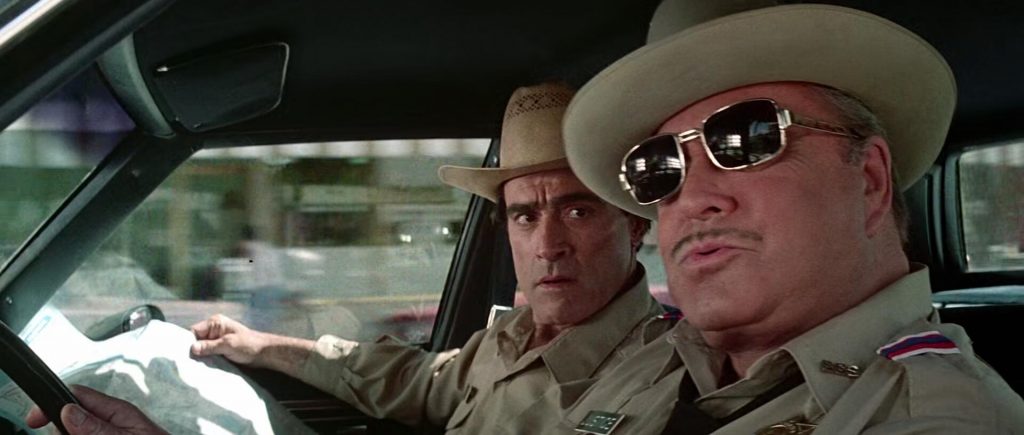
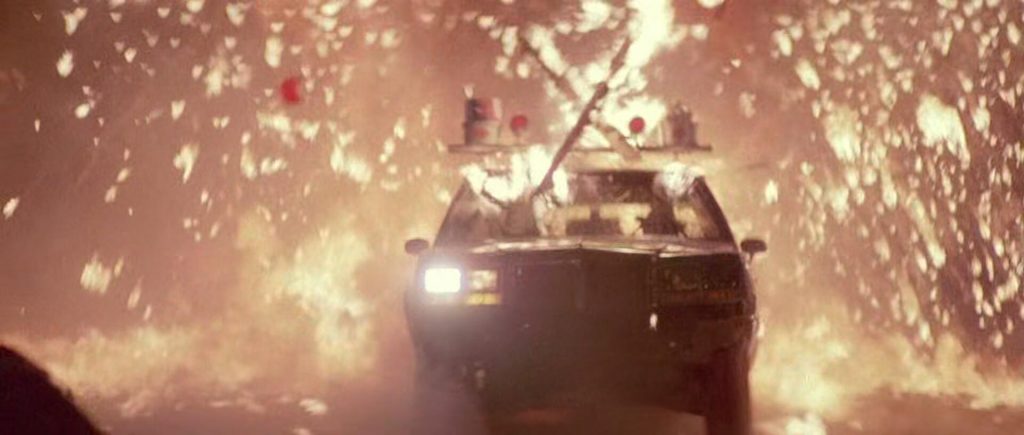
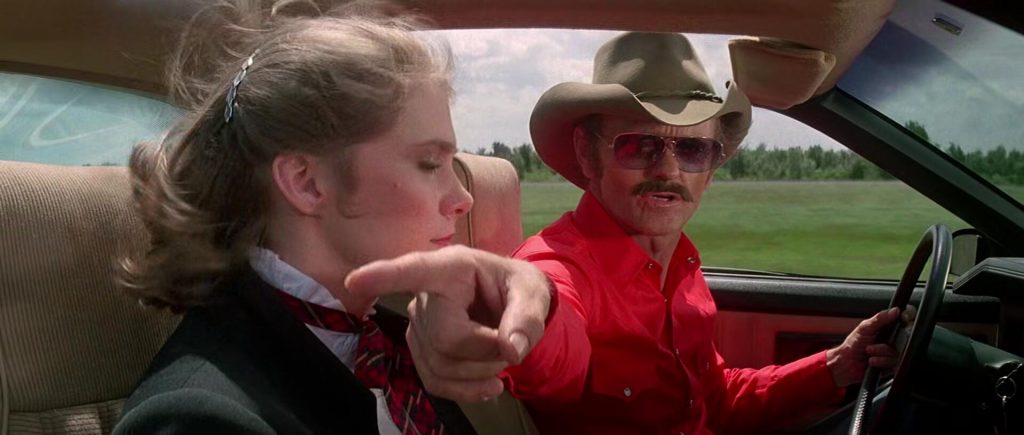
And what awaited was, in a word, a mess. Smokey and the Bandit Part III feels fundamentally unfinished, less a cohesive film and more a collection of promising sketches hastily strung together with a vague connecting narrative.
The sheer audacity required for the franchise veterans, including Burt Reynolds, Jackie Gleason and Jerry Reed, to agree to participate in this endeavour is almost unbelievable. They must have known the creative waters were choppy, perhaps naively hoping their presence could somehow salvage this pile up of a car crash.
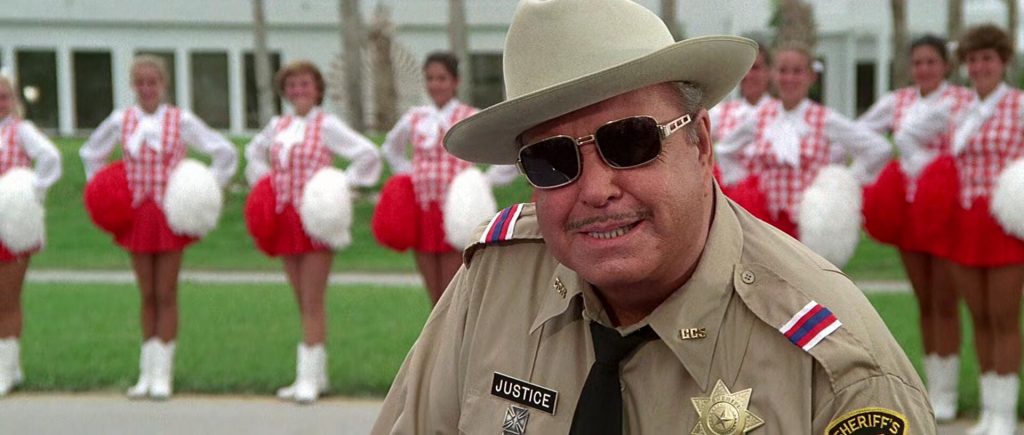
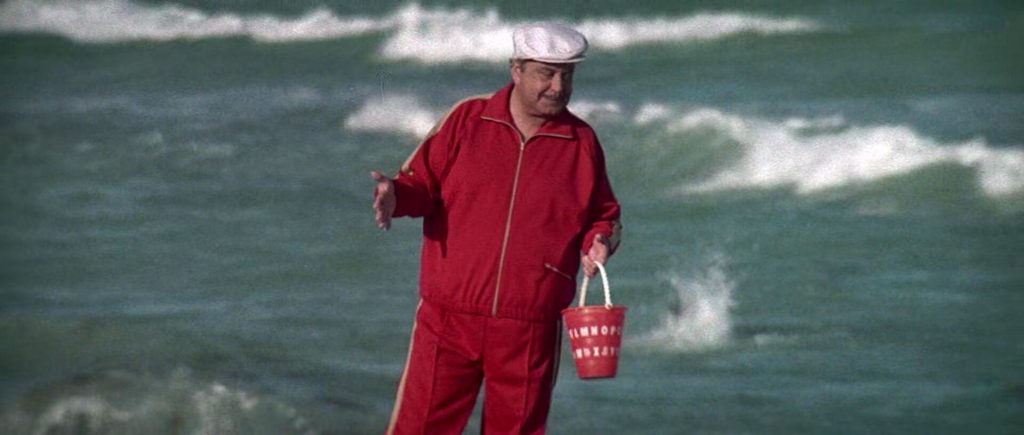
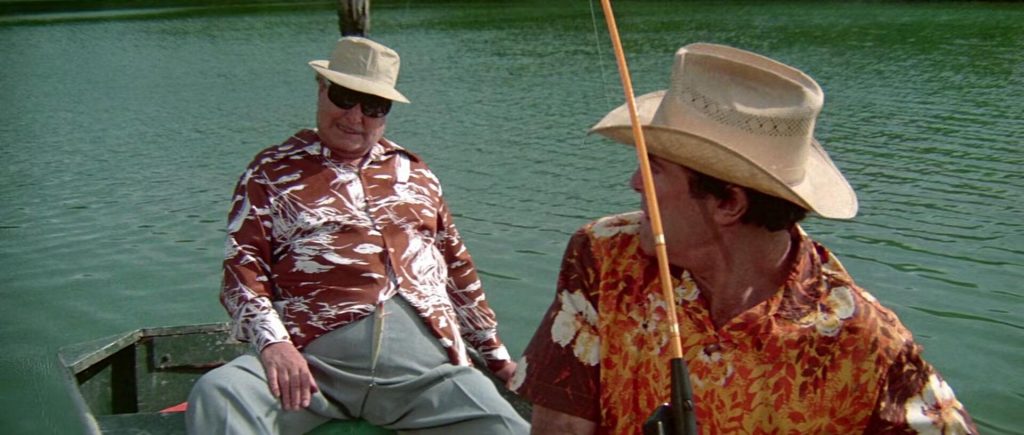
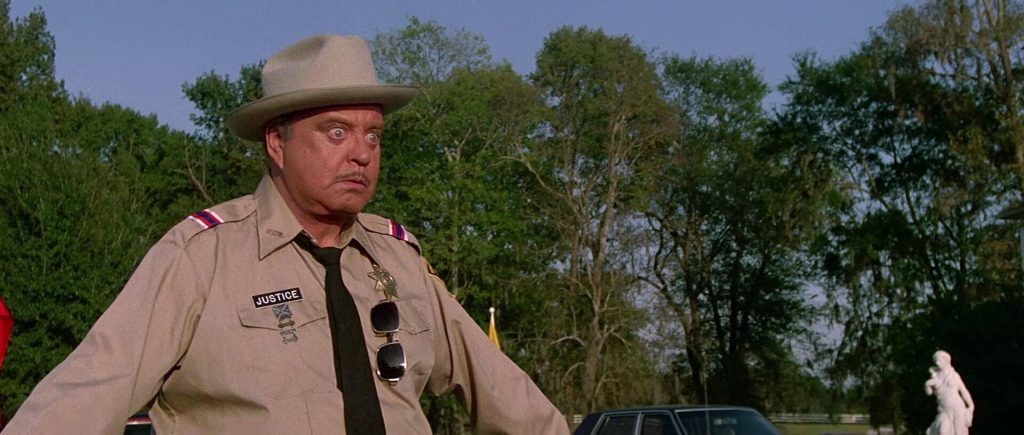
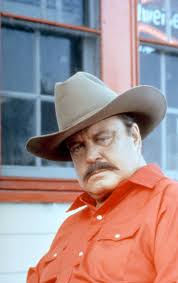
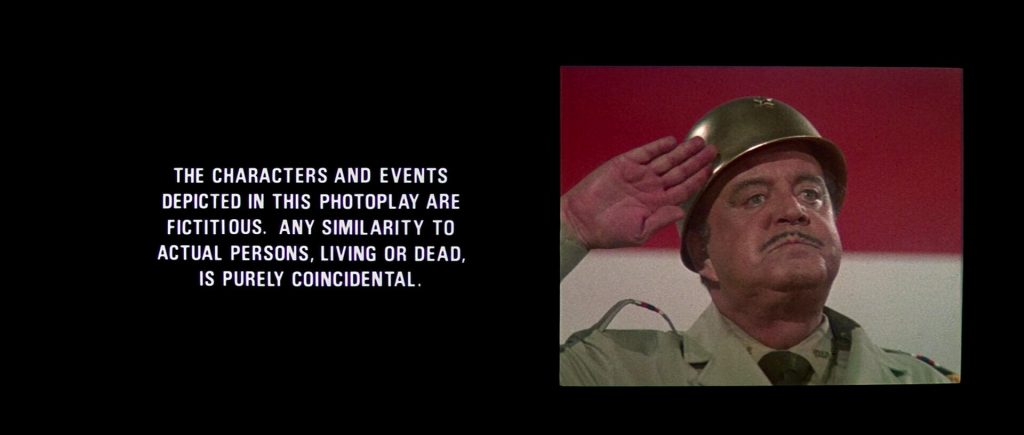
The opening sequence, surprisingly, holds the film’s greatest promise. We find Justice (Gleason) retiring and moving to Florida with his son Junior (Mike Henry). Mrs Justice is nowhere to be seen, perhaps in a home for battered women? There’s a clever, self-aware setup, reminiscent of the later scenes in Patton, gently poking fun at the idea. Jackie Gleason and Mike Henry are in surprisingly fine comedic form here, the gags initially quite sharp and landing well. The tone is perfectly set as a continuation of the Buford T. Justice character from the original movie. However, this promising start quickly and spectacularly unravels as the plot attempts to move forward.
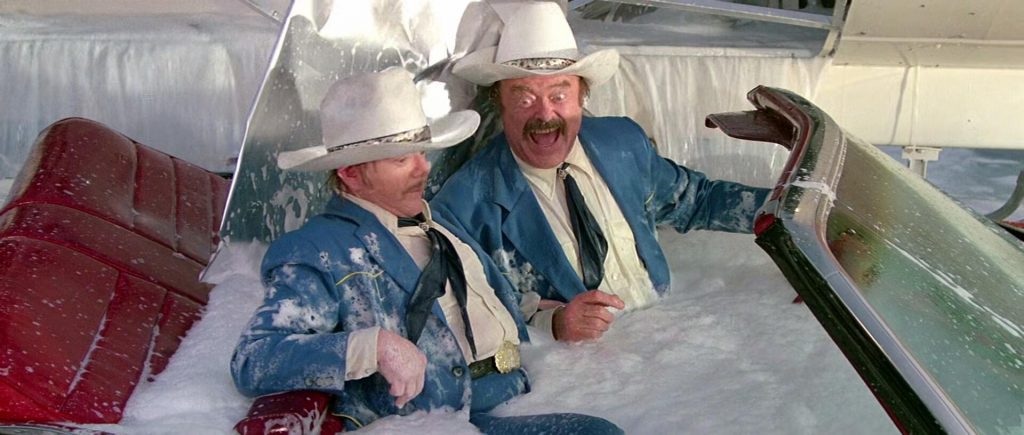
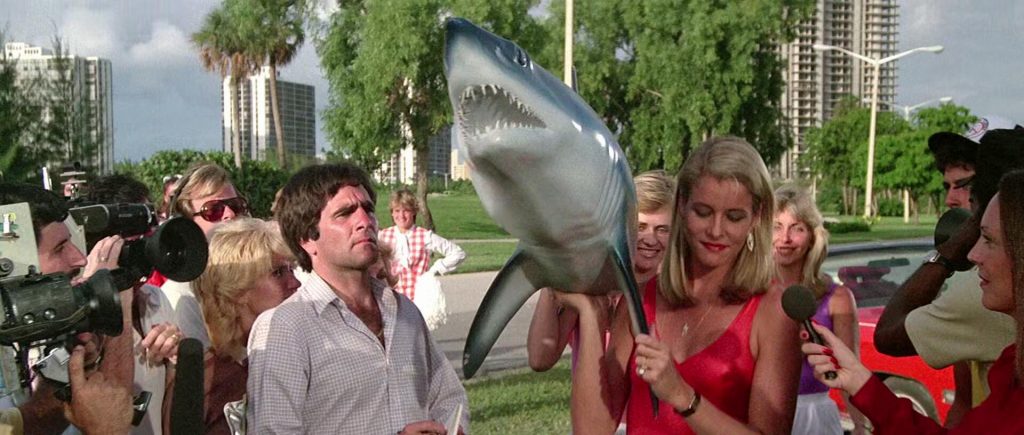
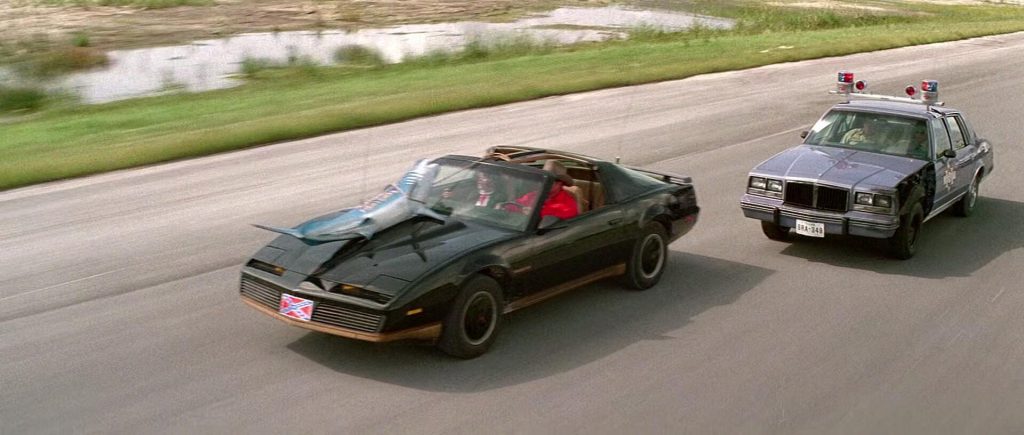
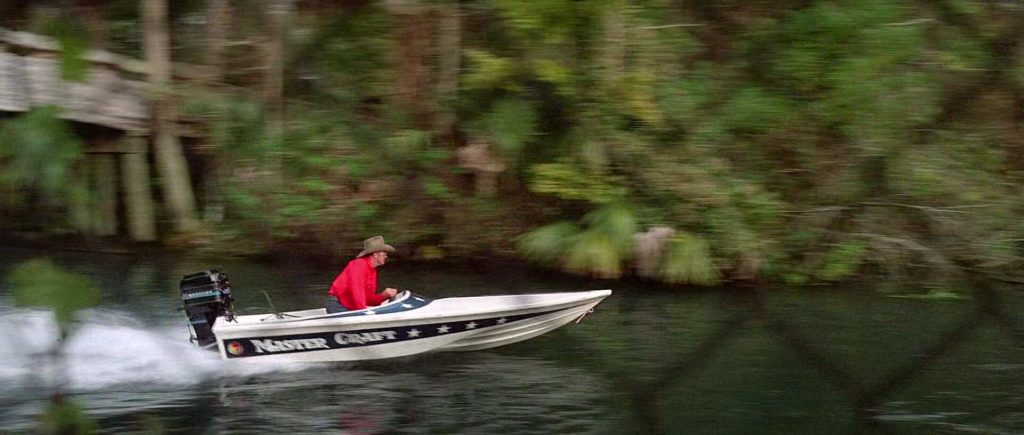
The story… I think… sees the Burdettes hire Cledus “Snowman” Snow to impersonate “The Bandit” and stop Sheriff Buford T. Justice from winning a $250,000 bet: delivering a stuffed shark from Miami to Austin within a time limit. The roles are reversed, with Buford trying to successfully transport the cargo while the fake Bandit (Cledus, accompanied by Dusty Trails) repeatedly chases and steals the shark, ensuring Buford is humiliated at every turn. After Buford’s police car is nearly destroyed, Cledus ultimately allows Buford to win the bet, realising that the chase gives the sheriff’s life purpose. Corrections and clarity contributions accepted.
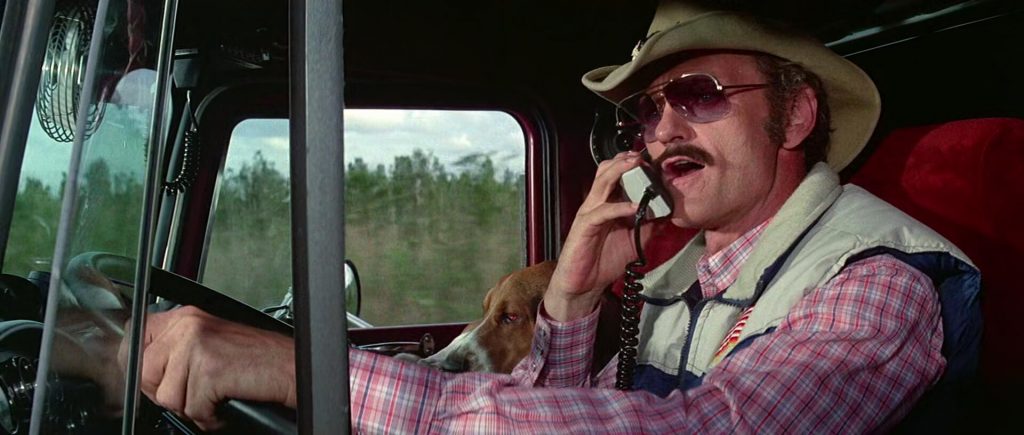
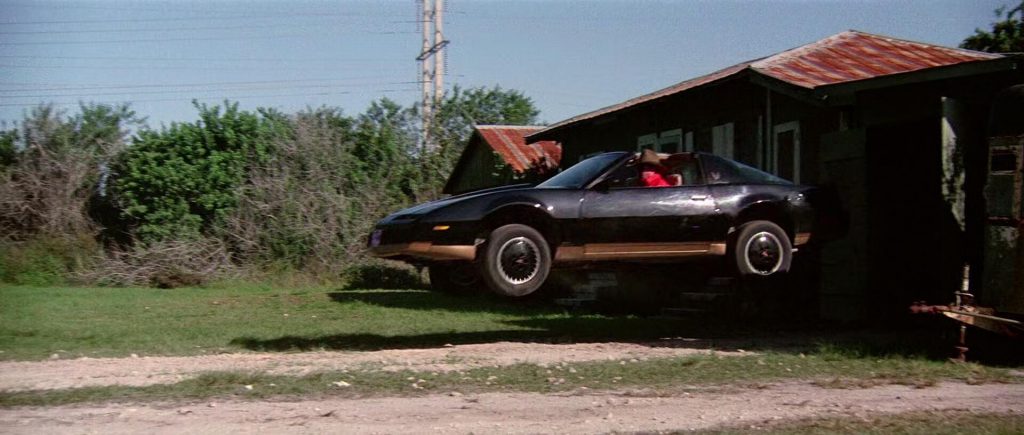
The film’s engine sputters when it loses its direction. Where Part II knew exactly what it wanted to be, a glorious, slightly over-the-top roadrunner cartoon, Part III seems profoundly unsure. The comedy falters under its own chaotic weight. The pace accelerates into a frantic, cartoonish blur of quick cuts and unimpressive stunts, desperately trying to recapture the lightning in a bottle of either predecessors.
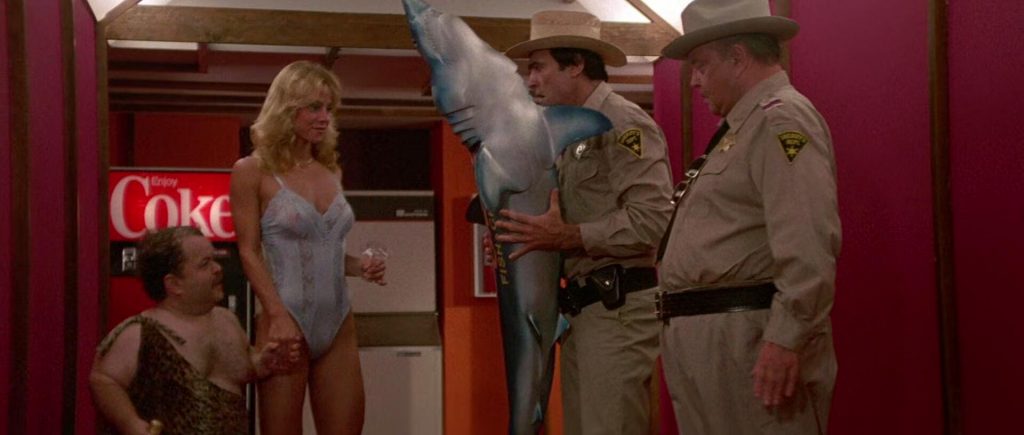
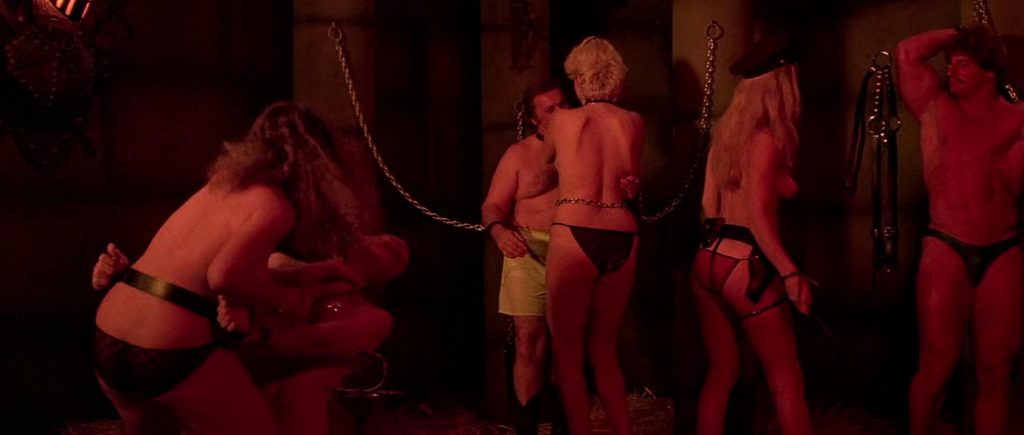
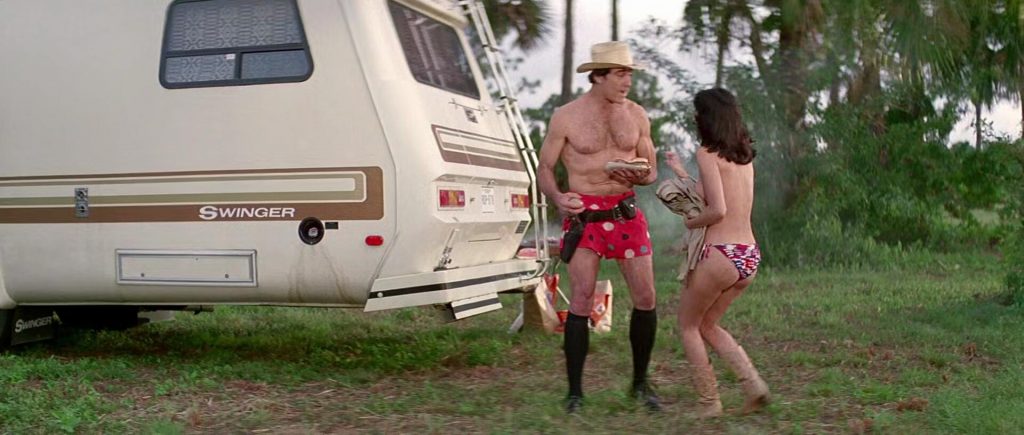
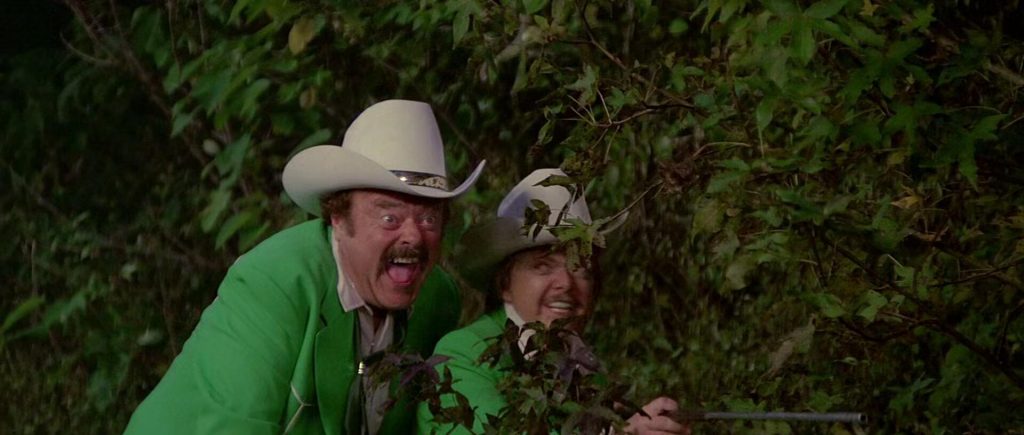
Gags land inconsistently, often feeling forced or simply unfunny. Worse still, the tone wobbles precariously. One moment it is the familiar good old boy family Bandit romp, the next, the KKK are harassing farmers before it veers into surprisingly crude, almost Porky’s-esque territory. Particularly concerning is Pat McCormick, a funny comedian, however, his delivery in his scenes is unsettlingly overblown and creepy.
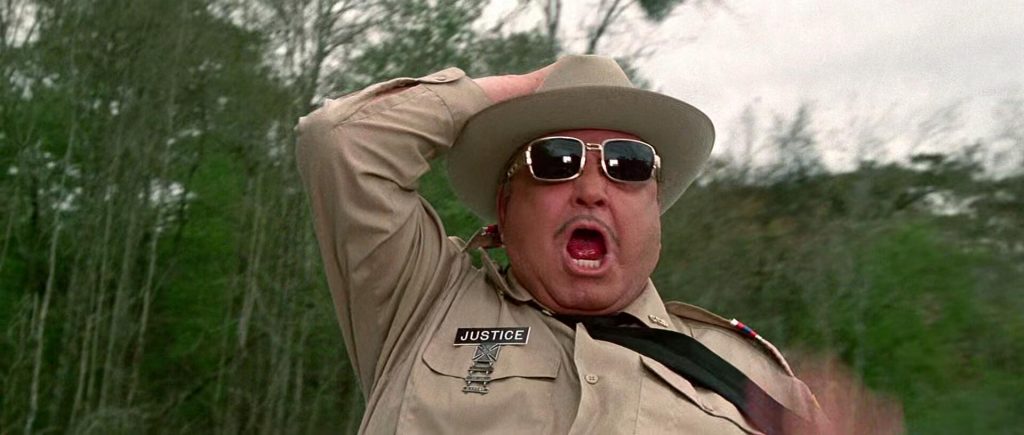
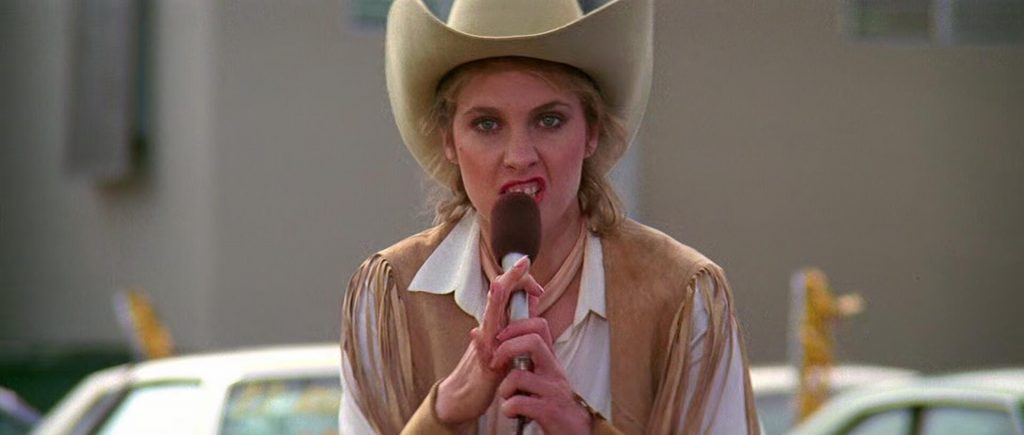
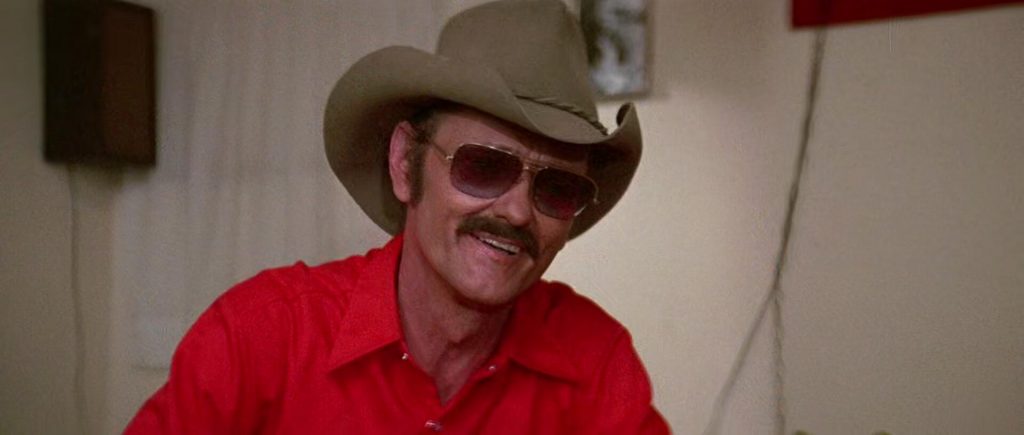
Jackie Gleason’s portrayal of Justice feels stretched thin, unable to maintain the same manic energy. Mike Henry appears uncharacteristically bored, a stark contrast to his earlier vitality. And then there is Jerry Reed, my main recommendation from Part II, shockingly becomes gratingly annoying; his constant, forced laughter echoes painfully through scenes of hastily written dialogue. Colleen Camp fills the Sally Field shaped hole but in another role that feels thrown in at the last minute. Camp is always a welcome addition to any cast, however, she cannot do anything to save this vehicle.
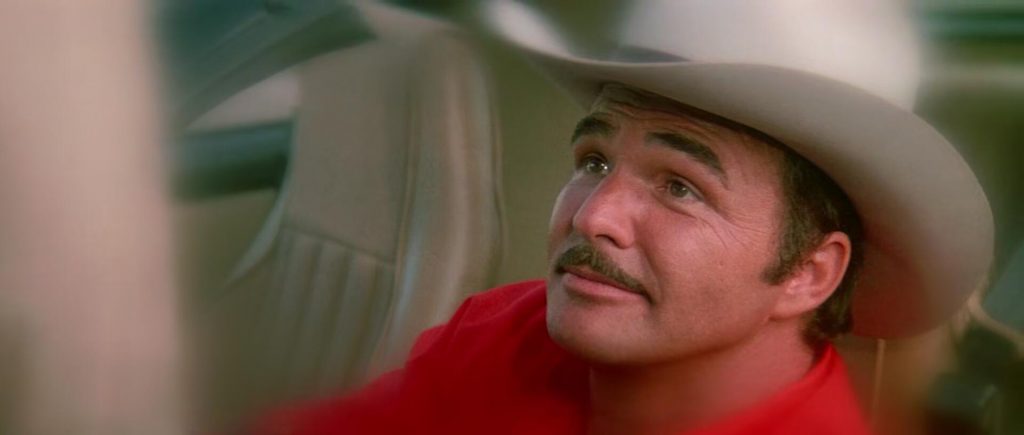
Burt Reynolds turns up for 30 seconds during the last few minutes, as if he was a heroic fire fighter reaching out to grab you from certain death in a burning building. There is a short conversation with Gleason yet the two do not share the screen, Reynolds footage is obviously filmed hastily at a point after the production wrapped.
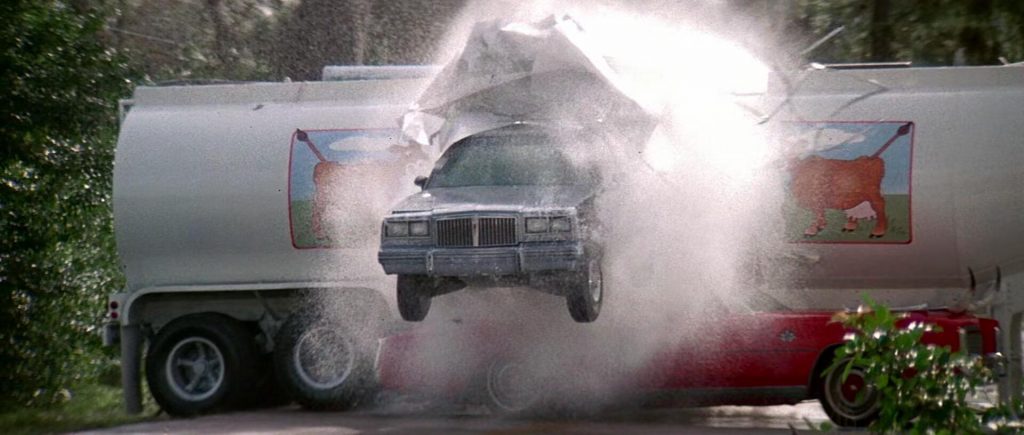
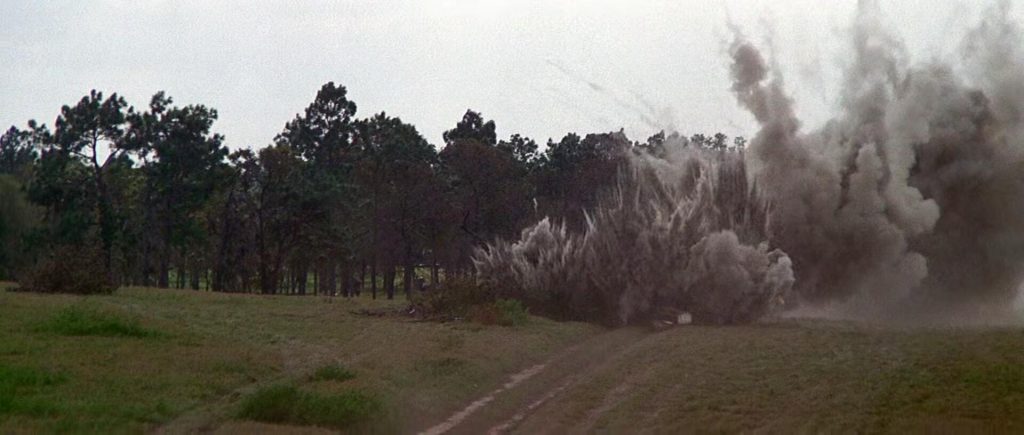
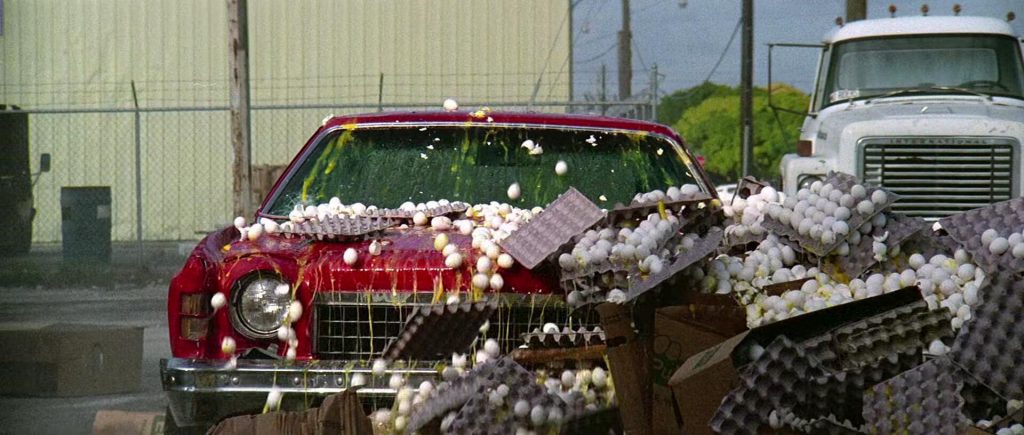
One might hope that the legendary car chases could save this sinking franchise. While Part II‘s conclusion provided a glorious, climactic payoff, Part III‘s sequences feel profoundly underwhelming. They lack the polish, kinetic energy, and sense of real threat that defined the earlier films. Instead, the film relies on tired handbrake turns, low-budget jumps, and cars crashing through flimsy obstacles like boxes of eggs or flower stalls. Save for one huge explosion, it is action without the thrill.
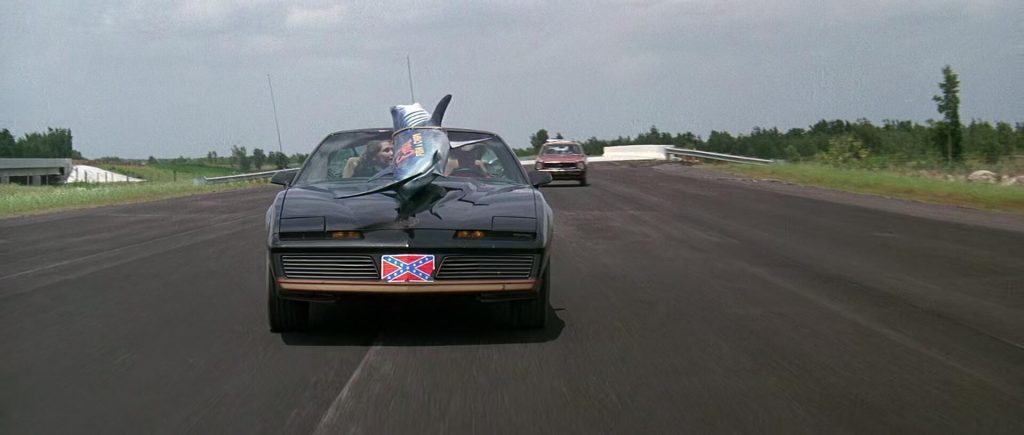
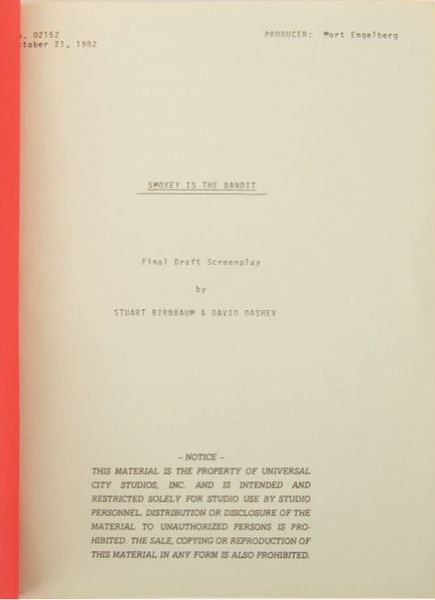
The initial version of the film was apparently titled Smokey Is The Bandit, as mentioned in Bill & Ted’s Bogue Journey. This premise saw Gleason play both Sheriff Buford T. Justice and assume the role of the Bandit. In a critical, late-stage effort to inject familiar energy and structure, extensive reshoots were ordered. Reed and Camp originally did not feature and were brought in during these reshoots. Watching the film today whilst knowing this explains a lot. Reed’s stunt doubles have added padding, an effort to make their physique more closely resemble the heavier frame of Jackie Gleason as the Bandit. The film is littered with strange, unexplained elements in the background of scenes, small characters, props, or quick shots, that hint at earlier, dropped storylines. Not to mention the ropey impersonator providing a voice over for Justice to link scenes together.
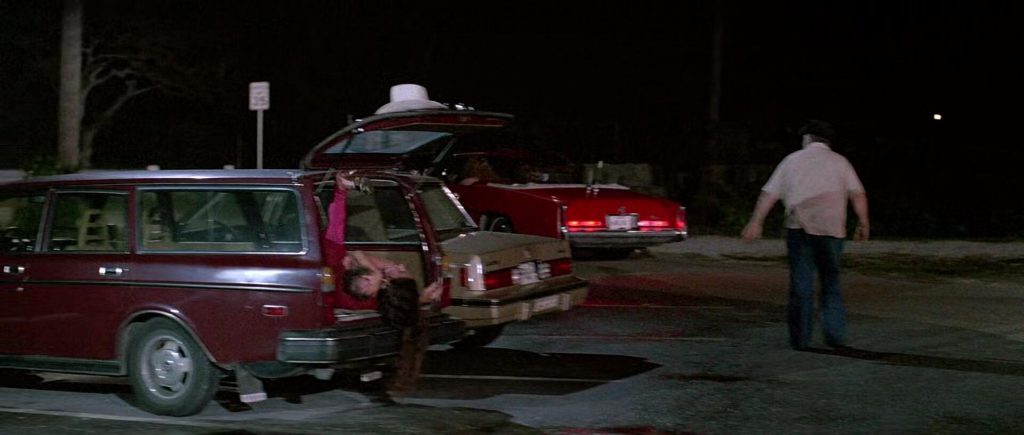
Part III is a rabbit hole of unanswered questions. There are VHS quality deleted scenes on YouTube and the extended Network TV version with extra and alternate footage, admittedly this was quite normal for the period and there isn’t any footage to suggest that a the original version still exists. Yet, a trailer for Smokey Is The Bandit exists on YouTube, the majority of which was filmed during the opening Patton spoof… the best bit of the movie. Perhaps the writing of the orignal script was pretty good, good enough for Gleason to sign on and the “restructuring” due to confusion destoryed the film. Or, since the producers were happier to greenlight and release the patched-together Part III over the original, one can only imagine just how misguided the initial Gleason-as-Bandit version must have been.
While the narrative and creative elements of Part III faltered, one crucial element actually helped carry the viewer through the finish line: the soundtrack. Successfully pulling the franchise into the aesthetic of the 1980s, the music provides moments of genuine heart and atmosphere. The most notable piece, however, is reserved for the final moments. Played over the closing credits, accompanied by still imagery from the film, is “Ticket for the Wind” by John Stewart. This eerie, melancholic tune acts as a powerful restorative, re-infusing the film with the dignity and affection the preceding 90 minutes often lacked. As the credits roll, Stewart’s evocative melody encourages the audience to pause and affectionately reflect on the beloved figures: Jackie Gleason, Mike Henry, and Jerry Reed. Though their characters were stretched to the limit over the three films and nearly destroyed by the demands of the misguided sequels, the music evokes a teary, heartfelt farewell. It allows us to momentarily forget the film’s chaos and instead remember the magic of these performers and their characters, offering a final, emotional salute to the friends we once cherished on the big screen.
In the end, Smokey and the Bandit Part III remains a perplexing cinematic anomaly. It is a film that recognises the foundation of its roots but utterly fails to build upon them. What results is a creatively tone-deaf, confusing, and ultimately disappointing footnote in the history of car chase, action-comedy franchises. For my younger self, expecting 90 minutes of the glorious car carnage delivered by my dream team of Reynolds, Reed, Field, and Gleason, the actual film felt like a robbery on every level. The film’s demise stands as a stark testament to how the mighty can indeed fall, sputtering out like a seized engine on the shoulder of the highway. Given the creative wreckage, the final title for the movie feels entirely too generous. Perhaps it would be more accurately, and brutally, summed up as ‘Smokey and the Bandit: Road Kill.’
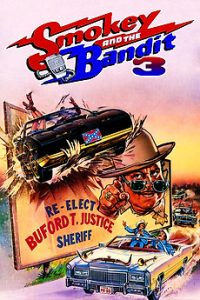
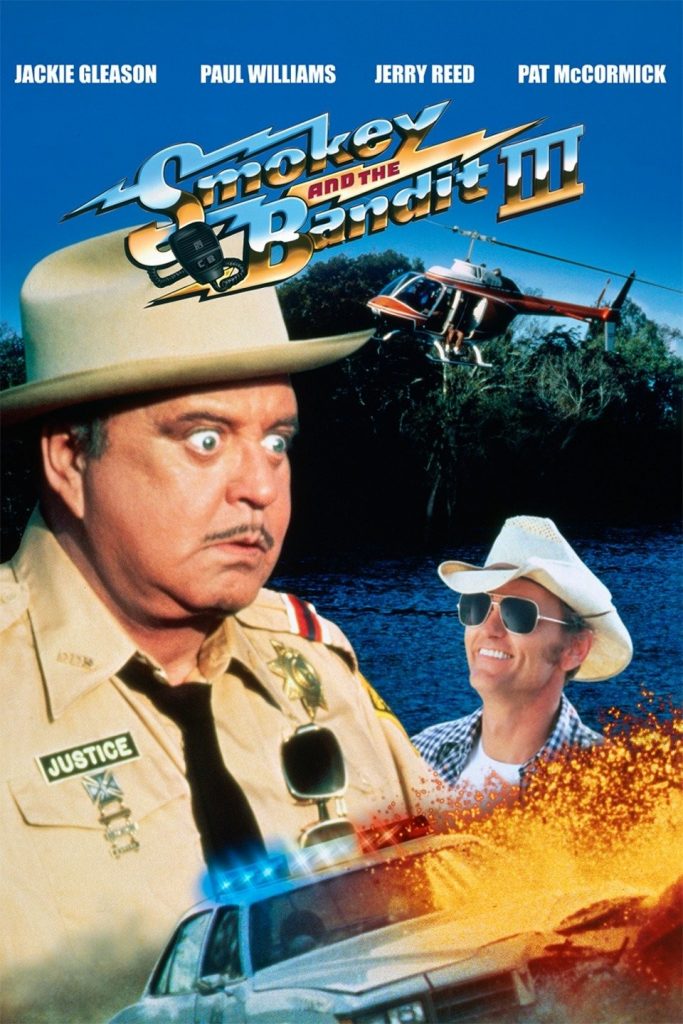
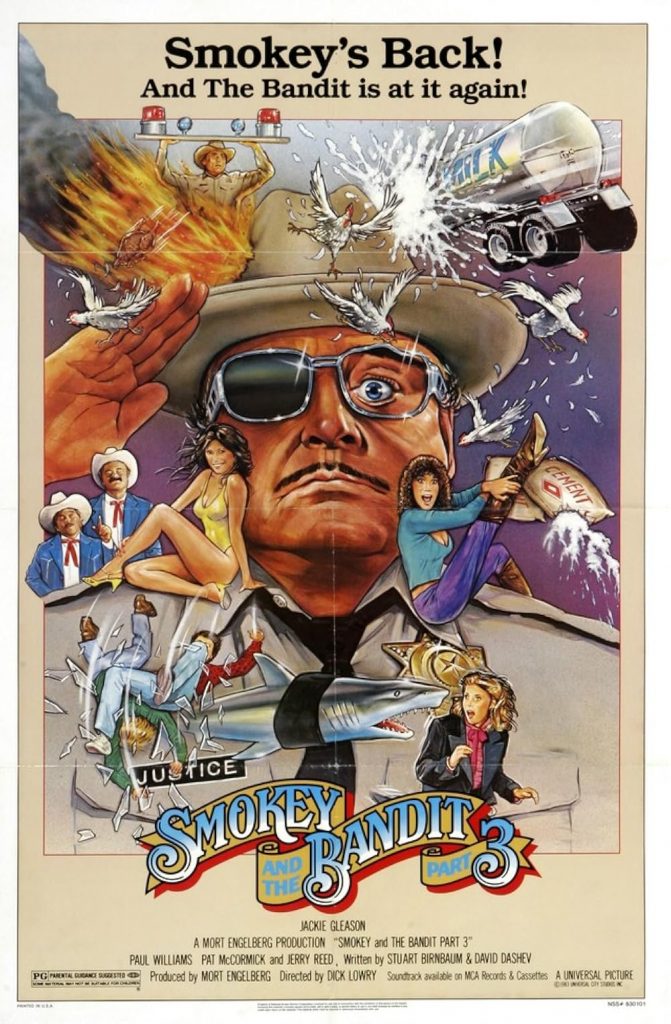
It is unsurprising that this film’s recent home media releases have been largely bundled with its predecessors. However, a standalone Blu-ray release is available. Notably, Part III‘s picture quality and sound are significantly better on Blu-ray than Part II‘s.
For years, franchise fans have hoped for supplemental material, such as a commentary, featurette, or interview with someone knowledgeable about the film, but none has ever materialized. It’s probably long lost. Consequently, the film has essentially become a mere bonus feature for the original movie.