Mo’ Money (1992)
By 1992 Damon Wayans was one the most influential faces in American sketch comedy. As the brains behind In Living Color, he had redefined television humour. Additionally, Wayans was on top of the world after his success in The Last Boy Scout. With his follow-up Mo’ Money, which he also wrote, Wayans brought us is a tonally adventurous film that bounces between slapstick, brotherly banter and a poorly thought out corporate heist.
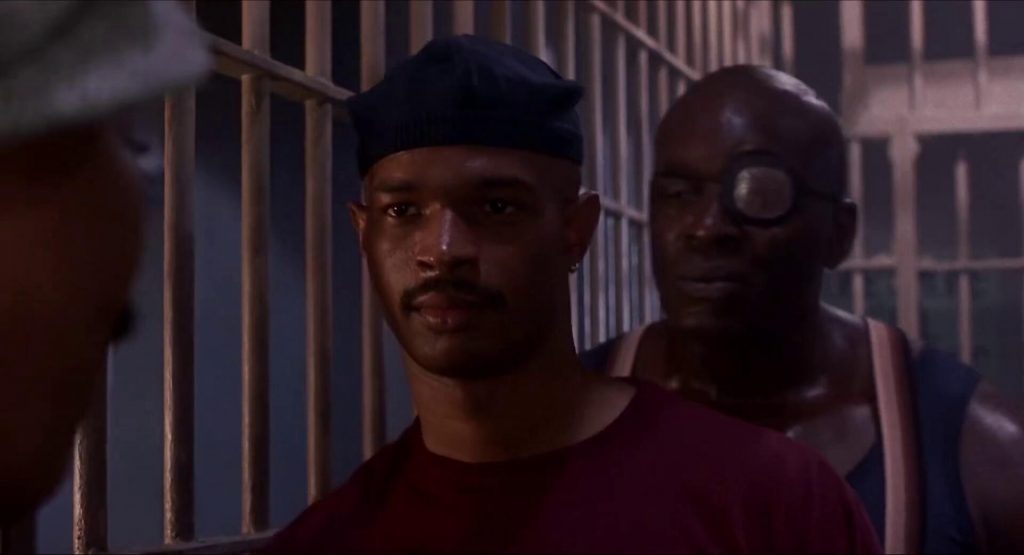
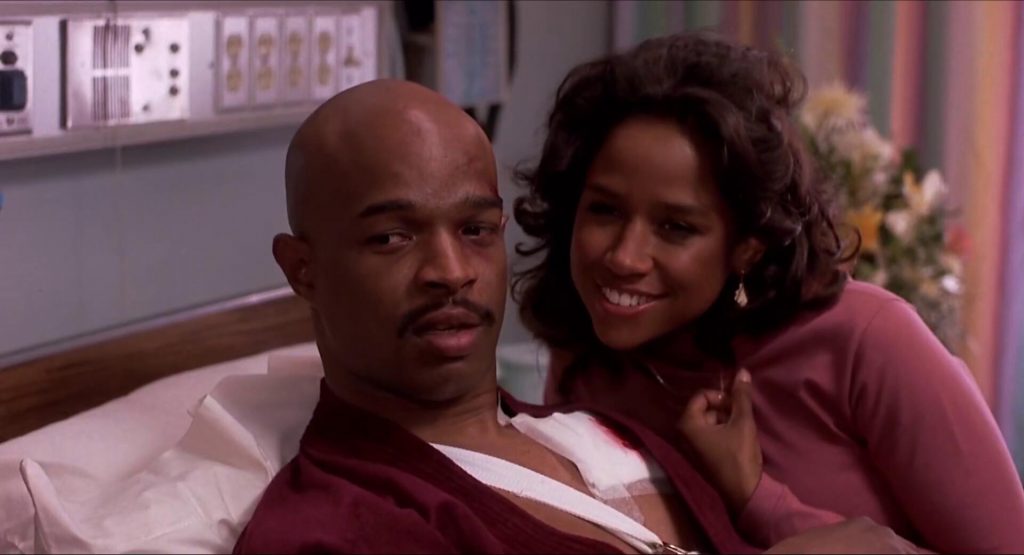
The film’s most enduring strength is the debut of the Damon and Marlon Wayans cinematic partnership. Playing brothers Johnny and Seymour Stewart, their chemistry is electric and unscripted. While Johnny is the con man trying to reform, Seymour is a chaotic youth Johnny recognises in himself. You can see the DNA of future hits like Don’t Be a Menace and White Chicks in their rapid-fire delivery. Even when the script’s pacing falters in the second act, the brothers’ natural rapport keeps the energy high.
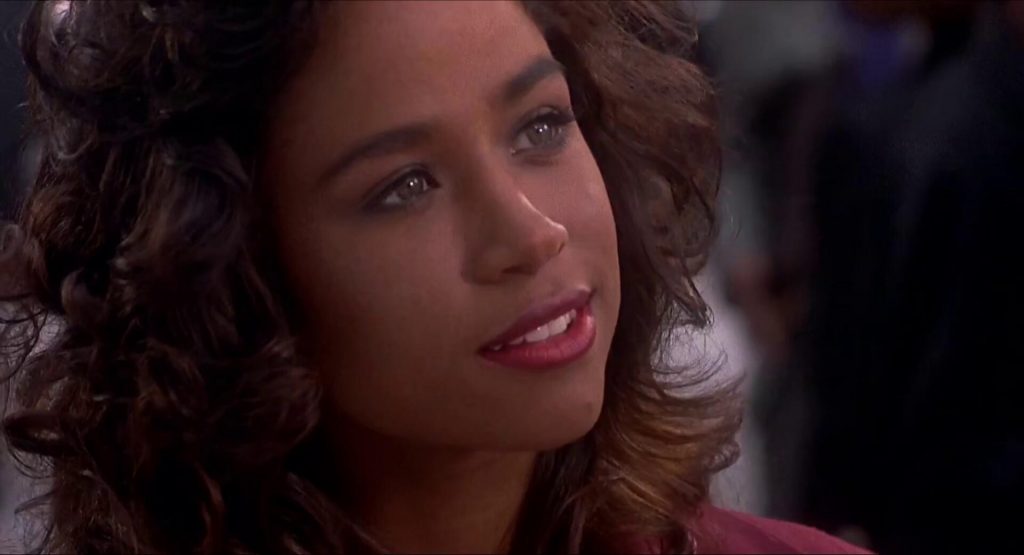
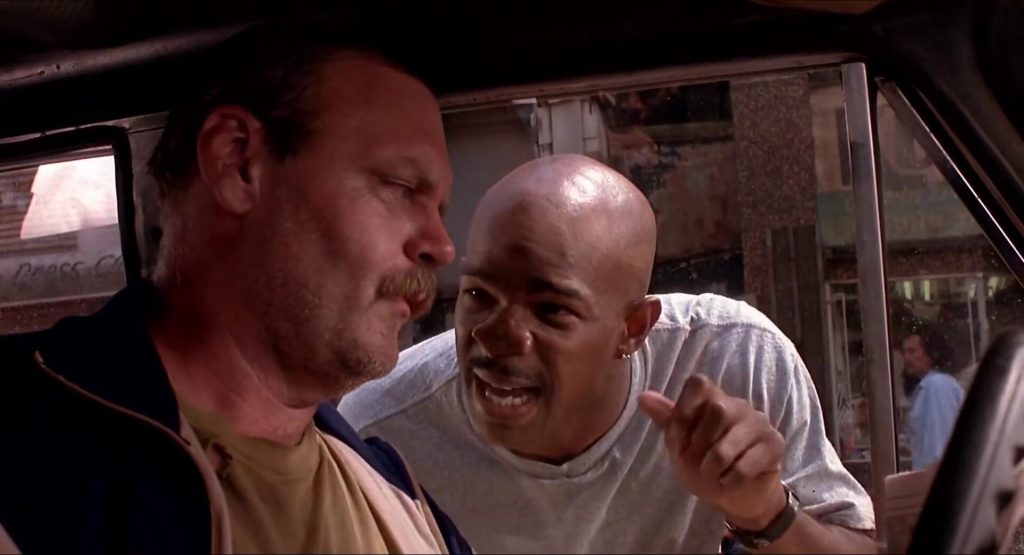
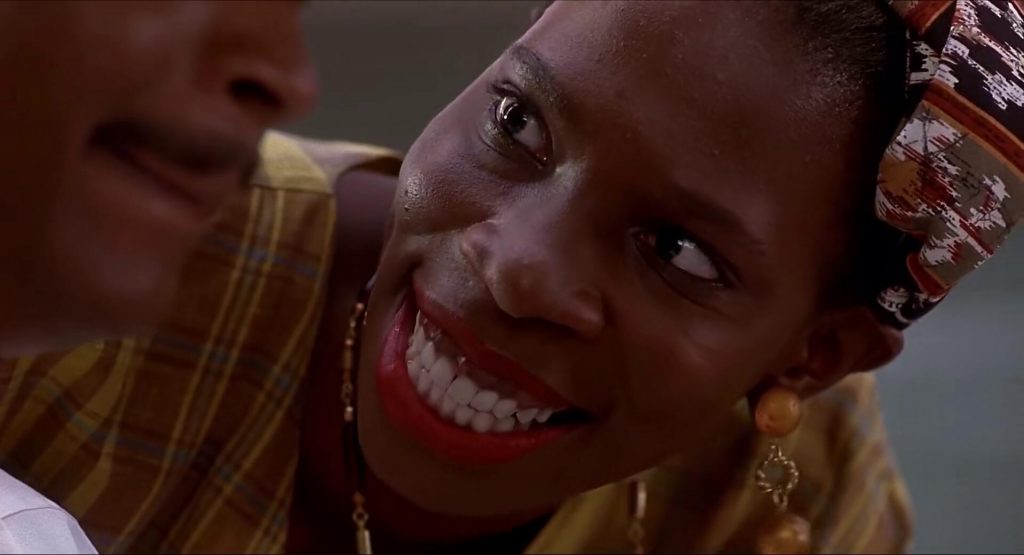
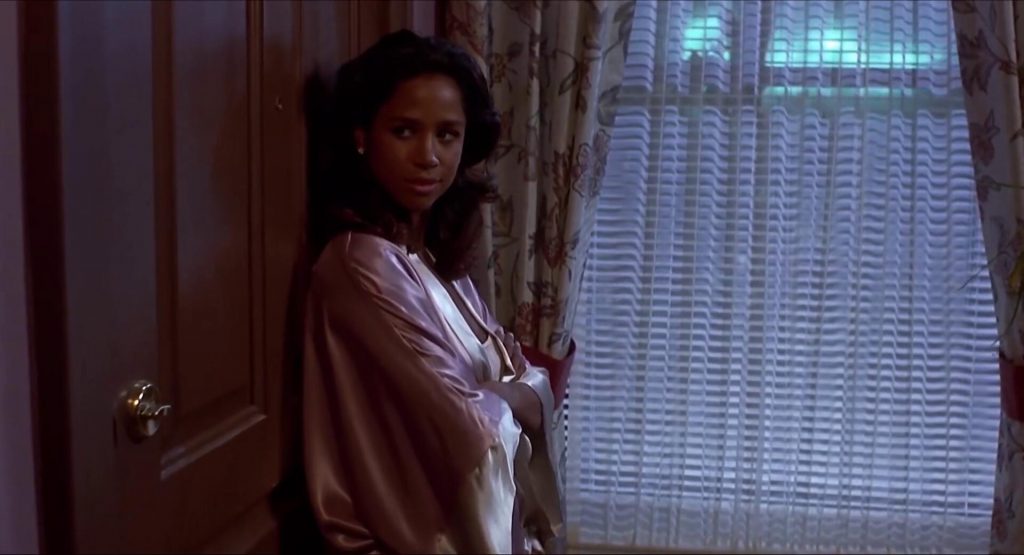
Stacey Dash delivers a performance as Amber that is far better than the script requires. She provides a necessary “straight man” to Damon’s high-energy antics, portraying Amber with a blend of corporate ambition and genuine vulnerability.
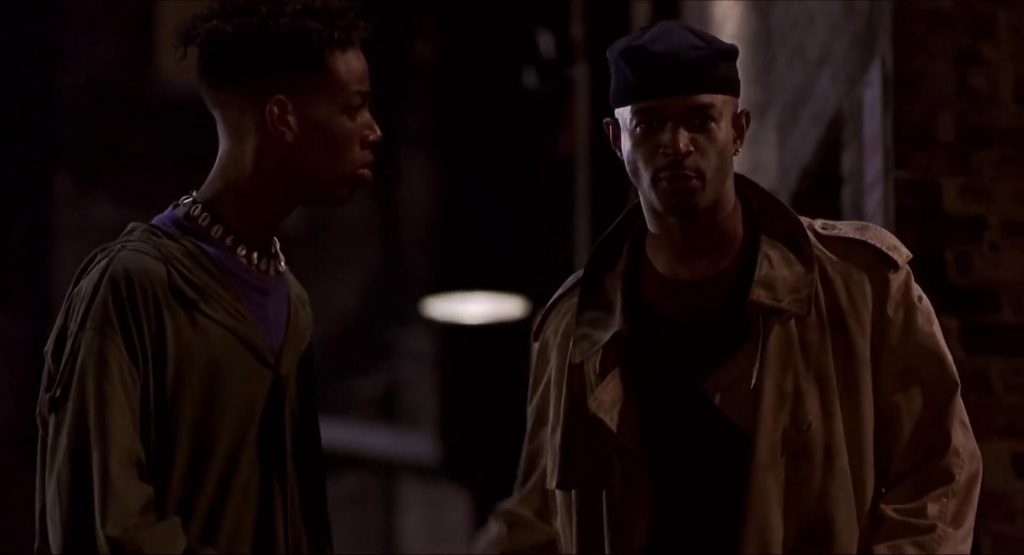
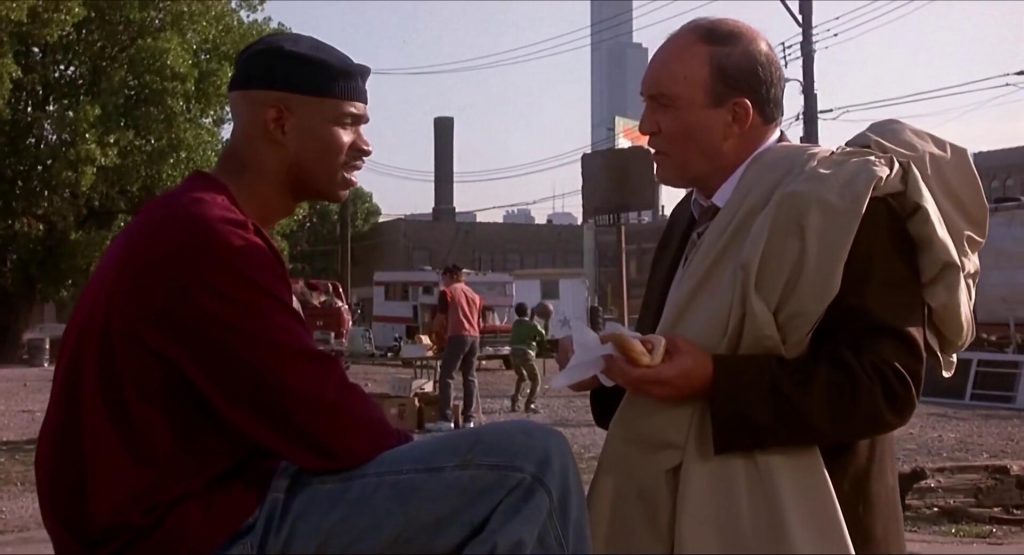
However, viewing the film today reveals a stark contrast in romantic tropes. Johnny’s “wooing” of Amber, which includes identity fraud and persistent workplace stalking, flaunts the line between “romantic persistence” and “criminal harassment.” The film attempts to soften this by giving Johnny a redemptive backstory involving his father, but the “stalker-as-protagonist” trope remains one of the film’s most dated elements. The movie’s heavy use of insulting treatment of a second female character Charlotte, certainly will raise an eyebrow.
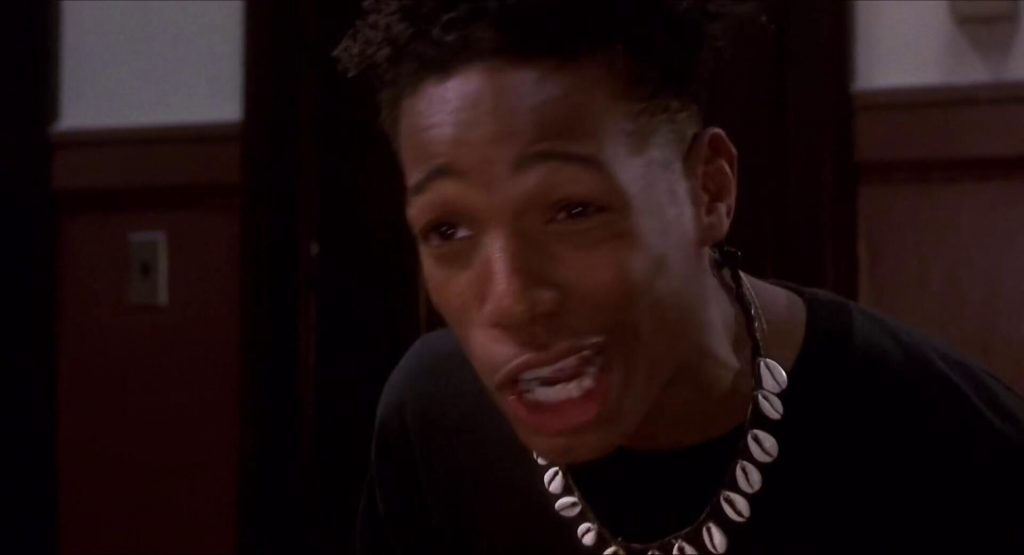
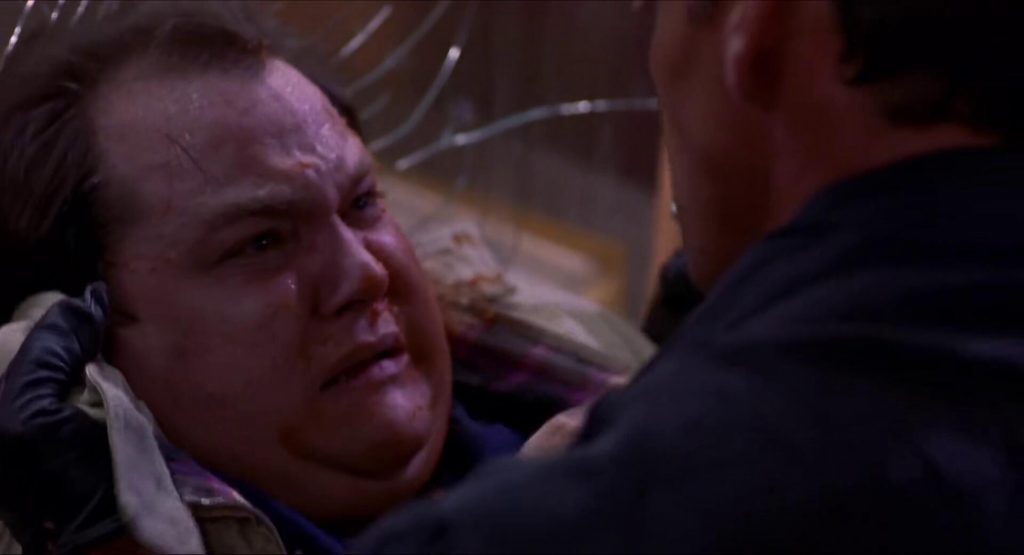
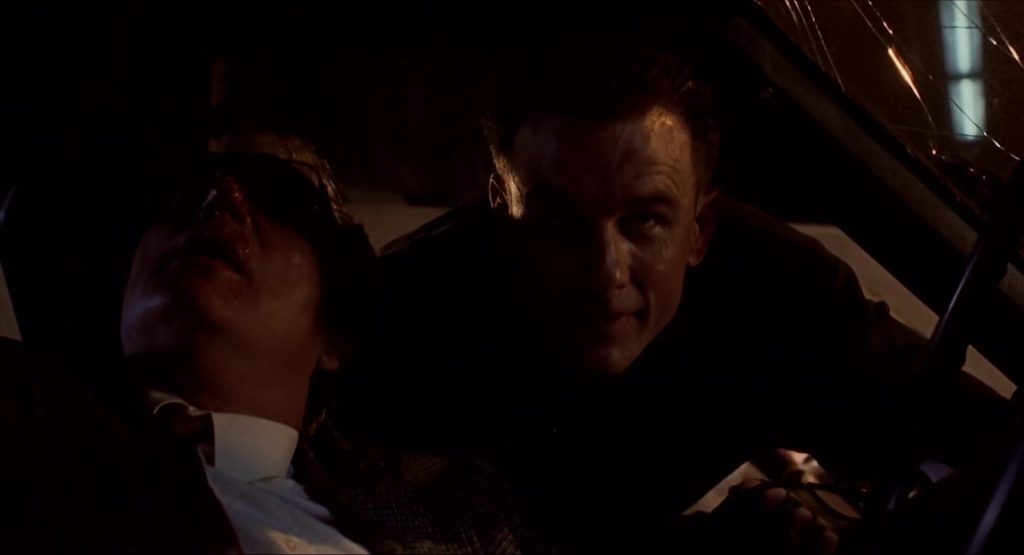
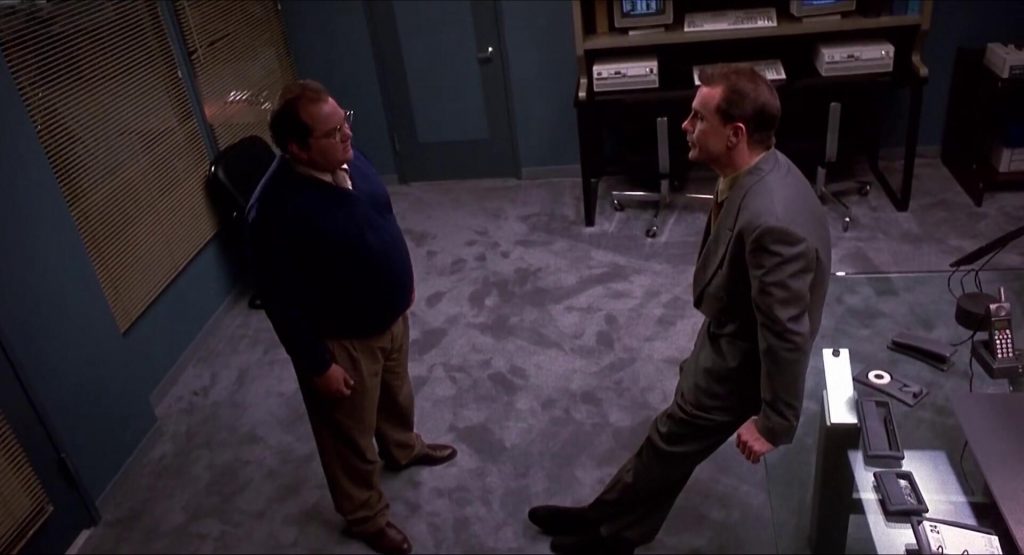
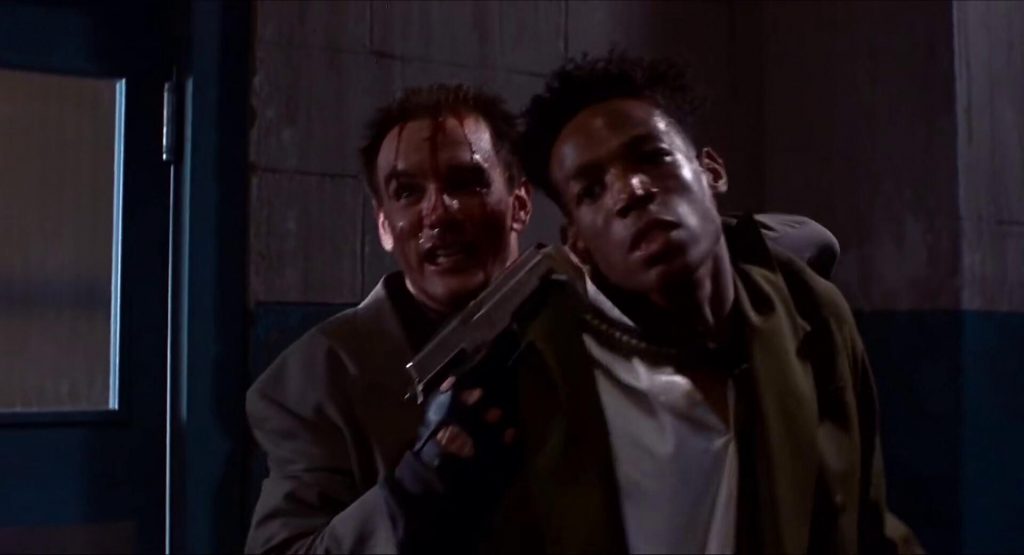
John Diehl portrays Keith Heading, the smooth-talking head of security. Diehl leans heavily into the post-Die Hard era of villains: sophisticated, well-tailored, and utterly ruthless. The film’s transition from Johnny’s dress-up, mental health sketches to Heading’s cold-blooded corporate assassinations creates a jarring tonal shift that stands out in 90s Action-Comedies.
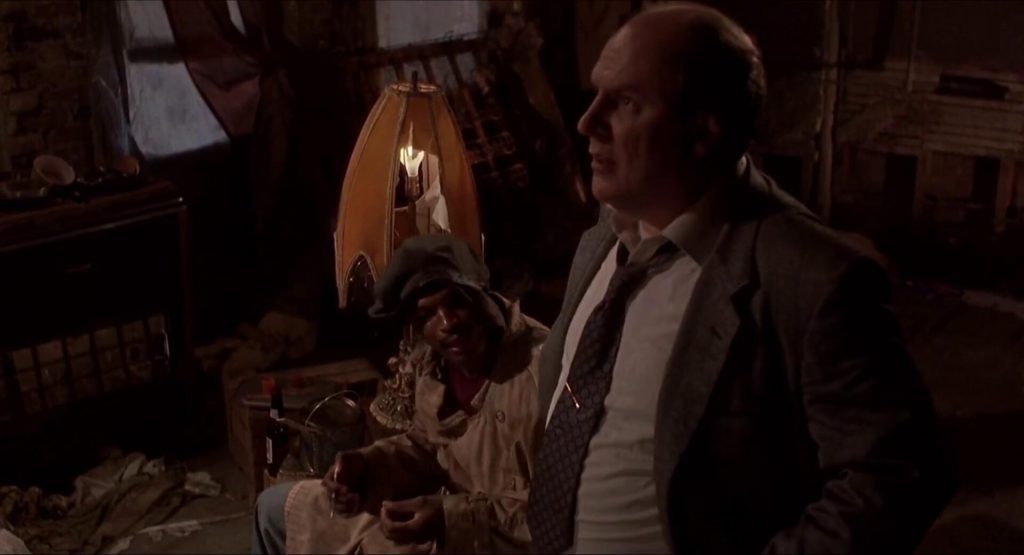
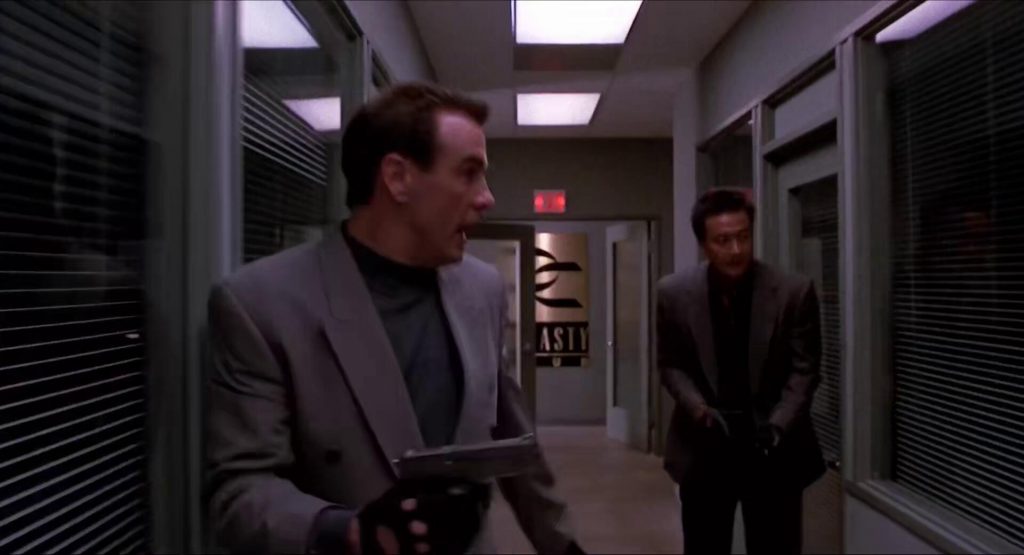
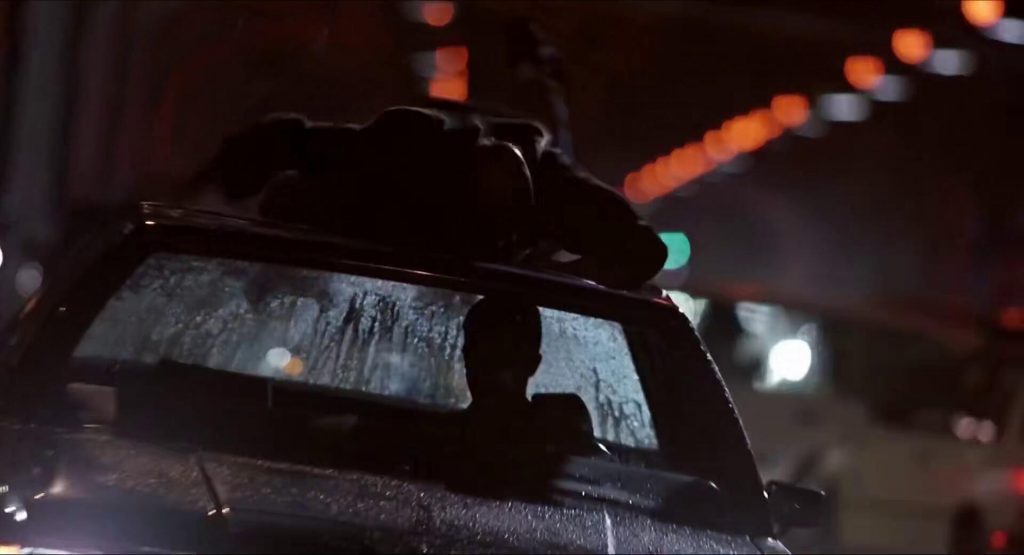
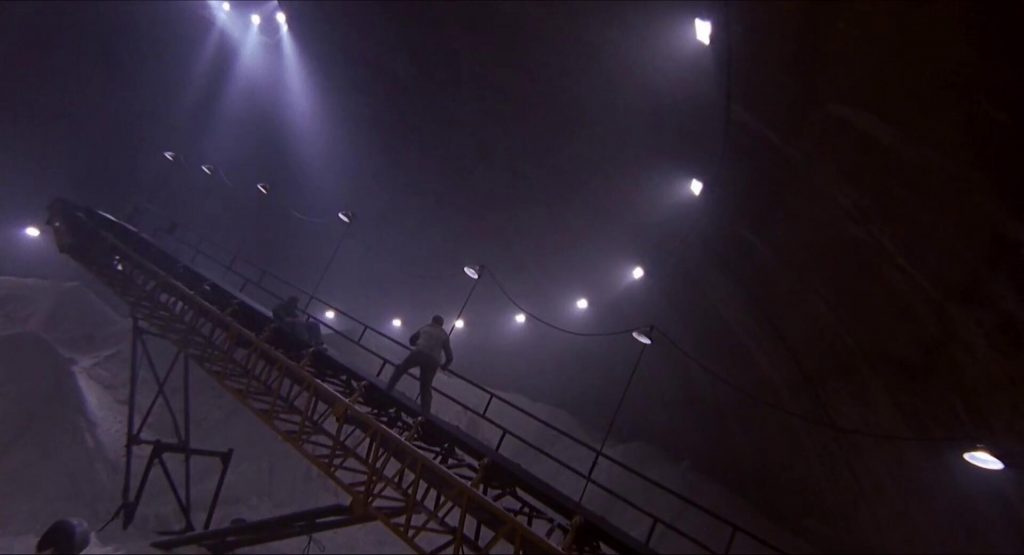
The choice of Peter MacDonald (Rambo III) as director was an inspired one. MacDonald didn’t treat Mo’ Money like a standard sitcom-style movie; he treated it like a high-budget thriller. The cinematography uses shadows and urban grit to elevate the stakes. The climax is jamming packed with car chases, shoot outs and a final battle on the factory conveyor belt proves to be a masterclass in early-90s practical stunts. It features genuine tension, high-quality pyrotechnics, and a physical intensity that most modern comedies lack.
You cannot discuss Mo’ Money without mentioning its Gold-certified soundtrack. Produced by the legendary Jimmy Jam and Terry Lewis, the album was a juggernaut, featuring “The Best Things in Life Are Free” and “Money Can’t Buy You Love.” The soundtrack served as the heartbeat of the “New Jack Swing” era (one of the main reasons my friends wanted to see this initally,) and the film’s wardrobe and visual style remain a perfect time capsule of 1992 urban fashion with oversized blazers, bright colours, and high-top fades.
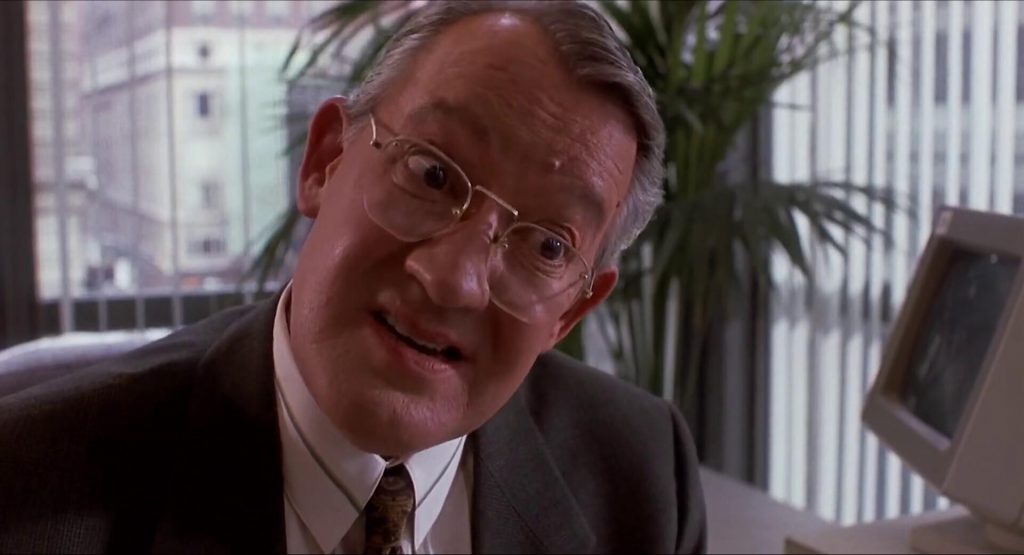
Mo’ Money is far from a perfect film. It is messy, its treatment of women and people with mental health issues is outdated, and the shifts from comedy to violence are night and day. However, as a showcase for the Wayans’ comedic genius and as a high-octane example of early 90s action comedy cinema, it remains an essential watch for fans of the era.
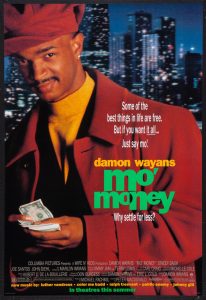
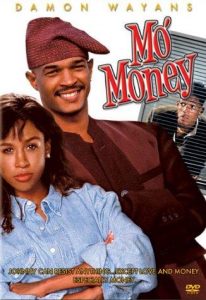
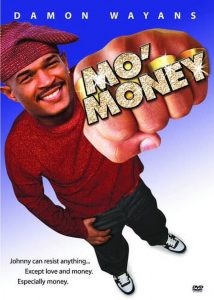
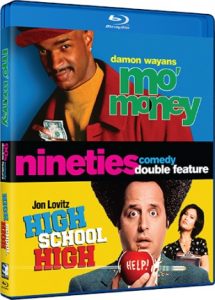
Mo’ Money is out on Bluray and DVD and you a better off with the DVD at this point. The quality of the 1080 transfer is rank. The audio isn’t much better. It shares a disc with High School High, a film that isn’t in the same neighbourhood when it comes to comedy.
Find the DVD if you must, it’s probably in a charity shop for 50p.